Stories Behind Jingdezhen Porcelain: The Legend of Kiln God Tong Bin & Wind-Fire Immortal
News 2026-07-16 129
Stories Behind Jingdezhen Porcelain: The Legend of Kiln God Tong Bin & Wind-Fire Immortal
World-famous Jingdezhen porcelain boasts not only exquisite craftsmanship and elegant shapes, but also many touching folk legends. The story of Tong Bin, the kiln god who sacrificed himself in the kiln and was honored as the Wind-Fire Immortal by later generations, is the most representative intangible cultural heritage folk tale of the porcelain capital. Passed down orally for generations, it fully records the sufferings and integrity of ancient ceramic workers.
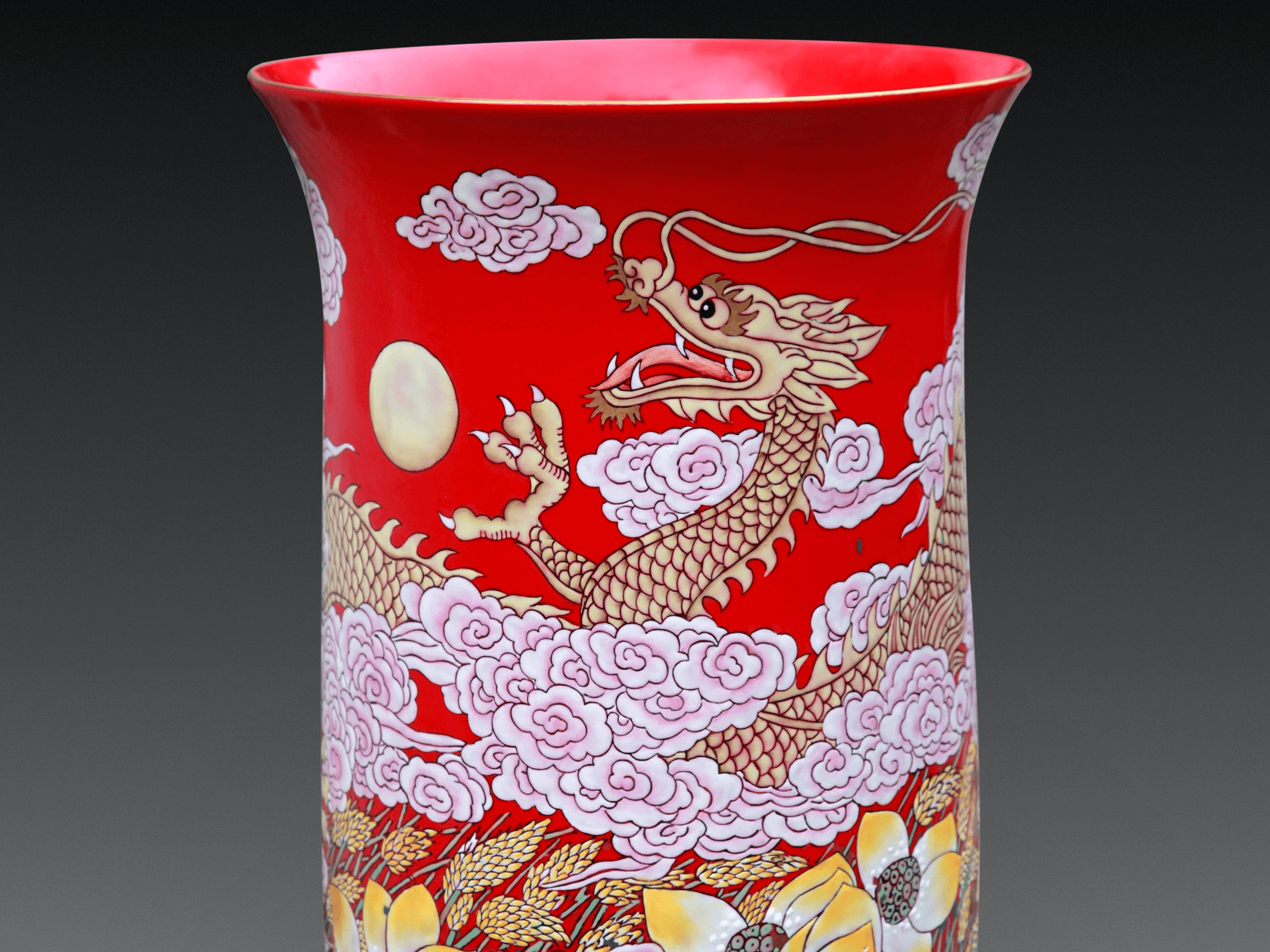
Wind & Fire Immortal Temple: Unique Trade Shrine of the Porcelain Capital
Within Jingdezhen Ancient Kiln Folk Custom Exhibition Area stands a shrine dedicated exclusively to a kiln craftsman: Wind & Fire Immortal Temple. Incense burns all year round inside, with offerings laid out on altars, and crowds of potters and tourists come to pay homage every day. Throughout history, it is extremely rare to build a temple to worship an ordinary handicraftsman. The origin of this shrine stems from a solemn true story.
Jingdezhen Porcelain Life and Integrity of Kiln God Tong Bin
The immortal worshipped by potters for generations is named Tong Bin, also known as Tong Guangli, from Tong Street, Licun Village, Jingdezhen. His family made porcelain and fired kilns for generations. Bright and eager to learn from childhood, Tong Bin could independently monitor kiln fires at the age of twelve or thirteen. His father passed away early, so he shouldered the family burden young and inherited the kiln craft.
Skilled, upright and kind-hearted, Tong Bin always cared for impoverished kiln workers. Even when he barely had enough for himself, he would spare food and money to assist struggling peers, earning deep respect and affection from all local potters.

Tyrannical Supervision in the Ming Dynasty: Deadlock of Imperial Dragon Jar Firing
During the Wanli reign of the Ming Dynasty, the imperial court dispatched eunuch Pan Xiang to Jingdezhen to collect porcelain taxes and supervise the production of imperial porcelain. After arriving, Pan Xiang plundered folk treasures, imposed exorbitant levies, and forced potters to rush production of intricate royal giant dragon jars, hoping to amass wealth before returning to the capital.
The giant dragon jars featured unique shapes with extremely hard-to-control firing temperatures. Batch after batch of defective wares emerged, deformed, cracked, underfired or overfired. Enraged that his fortune dream shattered, Pan Xiang oversaw work at kilns in person with a whip, brutally exploiting exhausted craftsmen. Many potters collapsed from overwork, yet Pan cruelly shortened deadlines and imposed harsh torture without mercy.
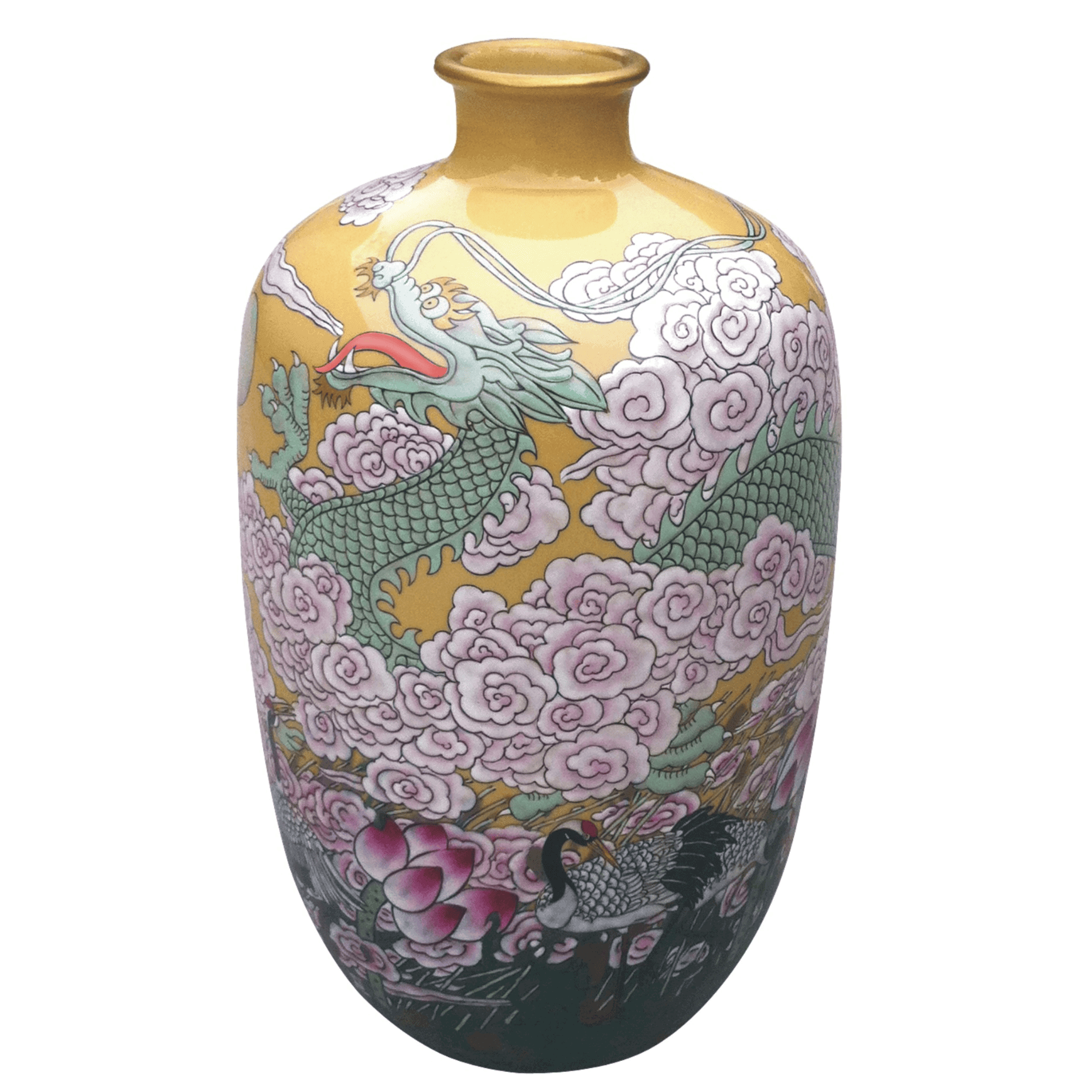
Sacrifice to the Kiln: Tragic Devotion and Miracle
Watching his fellow workers suffer and collapse one after another, Tong Bin filled with grief and rage resolved to trade his own life for better treatment for all potters. He swore an oath to Pan Xiang: he would stake his life to successfully fire the imperial dragon jars, on the condition that Pan treat every craftsman humanely and provide half a jin of pork per worker monthly to improve living conditions. Eager to obtain finished wares, Pan Xiang agreed immediately.
After striking the bargain, Tong Bin resolutely leaped into the blazing red-hot kiln fire. Every kiln worker present wept bitterly at the tragic sight. Several days later, when the kiln was opened, all giant dragon jars turned out perfectly formed, with neat shapes and lustrous pure white glaze — the miracle had come to pass.
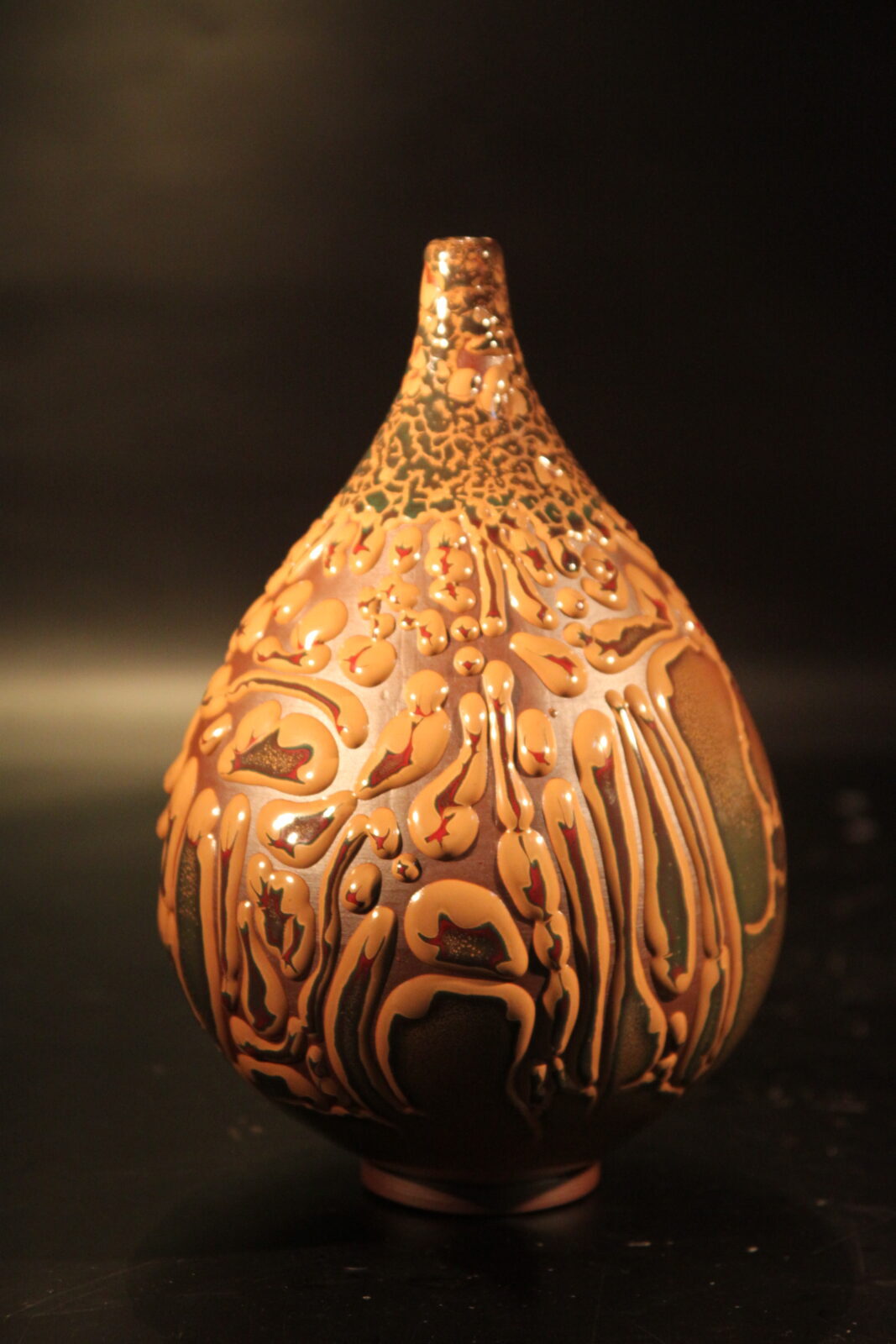
Temple Built for Deification: Eternal Commemoration of Tong Bin
To commemorate Tong Bin, who sacrificed himself to save his peers, all potters buried his ashes on Phoenix Mountain in Jingdezhen, raised funds to build a shrine and carve his statue, honoring him as the Wind & Fire Immortal, also known as the Kiln God or God of Wind and Fire for all generations. Every time kilns are lit or opened, craftsmen come to worship, praying for smooth firing and safety.
Cultural Value & Intangible Cultural Heritage Status of the Legend
This complete legend of Jingdezhen kilns has been passed down orally among folk generations, and has been inscribed on Jiangxi Provincial Intangible Cultural Heritage List. Circulated across urban and rural Jingdezhen, it constitutes exclusive folk literary heritage of the thousand-year porcelain capital.
Jingdezhen is the only one among China’s first batch of 24 National Historical and Cultural Cities renowned for a single handicraft. Over more than a thousand years of porcelain production, countless craftsmen’s stories and kiln legends have taken shape, with the tale of Wind & Fire Immortal Tong Bin standing as the most profound and humanistic chapter.
Conclusion
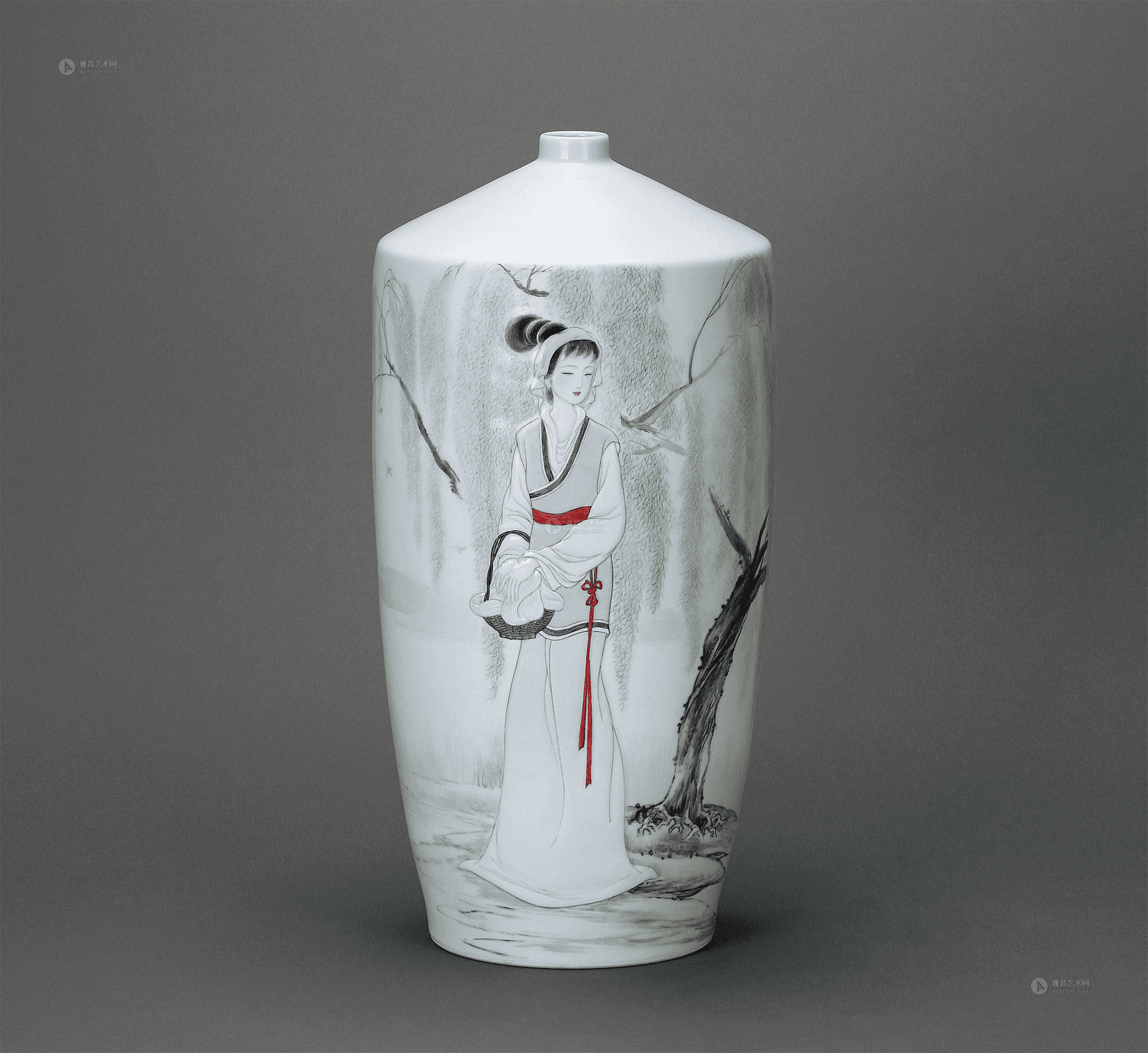
Beneath the glossy glaze of every porcelain ware lie the blood, tears and integrity of ancient craftsmen. The Wind & Fire Immortal Temple and the legend of Tong Bin’s kiln sacrifice are far more than a myth; they serve as a miniature real history of grassroots artisans resisting oppression and supporting one another, carrying the thousand-year humanistic spirit of Jingdezhen ceramics.
- Common Ceramic Tableware Problems Buyers Should Check Before Ordering
- Is Porcelain Dishwasher and Microwave Safe? A Practical Guide for Buyers and Everyday Users
- How to Prevent Cracking in Large Custom Ceramic Planters
- Lead and Cadmium Testing for Ceramic Tableware
- Magic Cube Holds Employee Recognition Conference