Is Porcelain Dishwasher and Microwave Safe? A Practical Guide for Buyers and Everyday Users
News 2026-09-18 30
Is porcelain dishwasher and microwave safe? In many cases, the answer is yes. High-quality porcelain tableware is generally suitable for dishwasher and microwave use when it has been properly formulated, fired, glazed, decorated, and tested. However, not every porcelain plate, bowl, mug, or decorative object should automatically be placed in a dishwasher or microwave.
The safety of porcelain depends on several factors, including the ceramic body, firing temperature, glaze quality, decorative technique, product condition, and the manufacturer’s instructions. Metallic decoration, cracks, unglazed areas, and certain hand-painted finishes may make a porcelain product unsuitable for microwave or dishwasher use.
For importers, distributors, hotels, restaurants, and private-label brands, understanding these differences is important before selecting or ordering porcelain tableware.
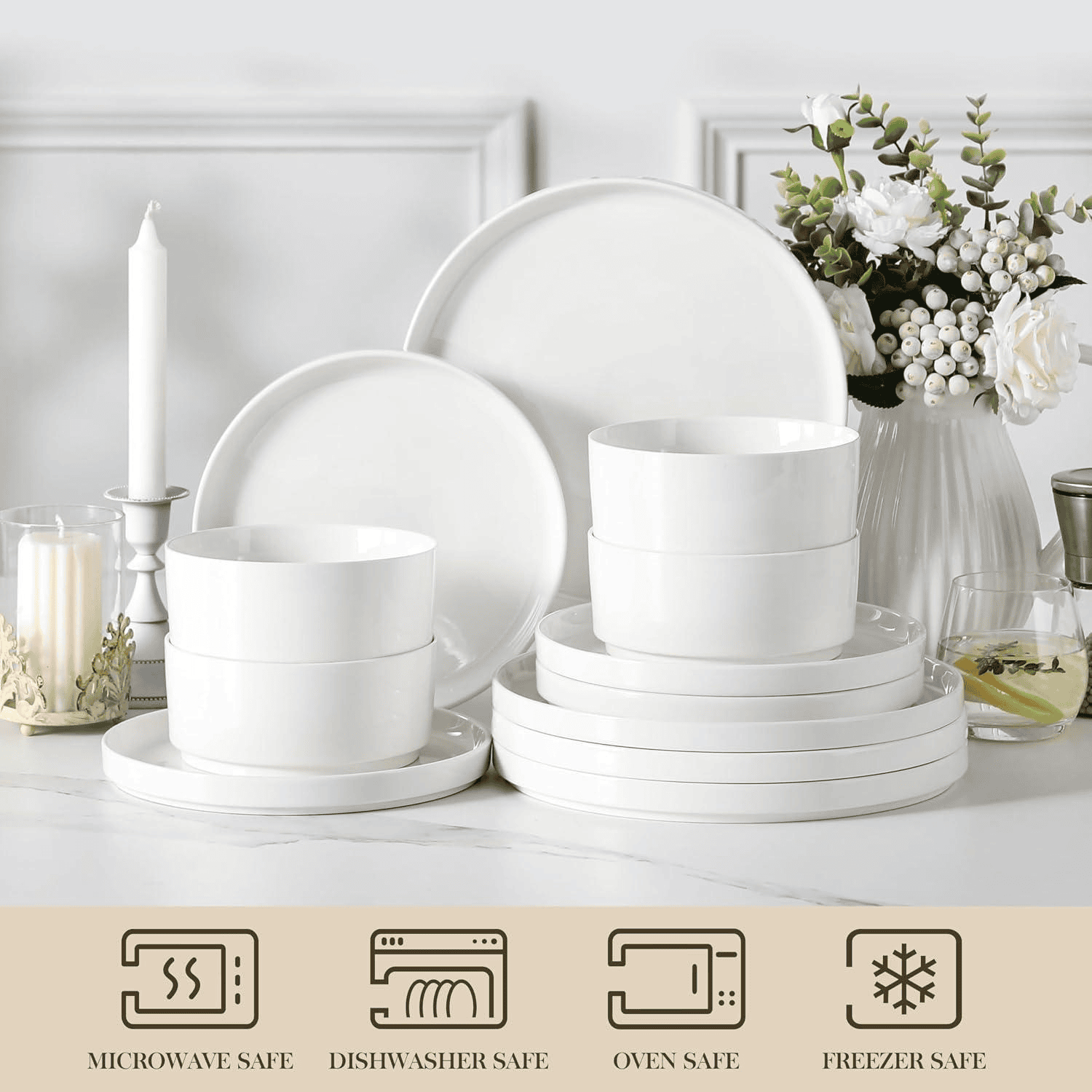
Is Porcelain Dishwasher Safe?
Most modern porcelain tableware can be cleaned in a dishwasher. Porcelain is typically fired at a high temperature, producing a dense and relatively low-porosity ceramic body. A properly matured glaze creates a smooth surface that helps resist water, stains, and food residue.
However, dishwasher safety does not depend on the porcelain body alone. Buyers should also consider the glaze, decoration, shape, and production quality.
Dishwasher-safe porcelain should normally have:
- A dense and properly fired porcelain body
- A stable glaze without cracks or pinholes
- Decoration designed to withstand repeated washing
- Smooth rims and foot rings
- Sufficient strength for normal handling
- No delicate attachments that may break during washing
Even when a porcelain product is dishwasher safe, repeated exposure to strong detergents, high-pressure water, and hot drying cycles may gradually affect its appearance. Gold rims, platinum bands, hand-painted details, and some overglaze decals may fade or lose their original brightness over time.
Therefore, the question “Is porcelain dishwasher and microwave safe?” should be answered according to the specific product rather than the material name alone.
Which Porcelain Decorations May Not Be Dishwasher Safe?
The decorative process is one of the most important factors affecting dishwasher durability.
Underglaze decoration is applied beneath the glaze and is protected by the transparent glazed surface after firing. It is generally more resistant to washing and daily wear. Blue-and-white porcelain and many types of Jingdezhen ceramics use underglaze decoration for this reason.
In-glaze decoration is fired at a temperature that allows the color to become integrated with the glaze. It can also provide good durability when the process is properly controlled.
Overglaze decoration is applied to an already glazed and fired surface. Because the decoration remains closer to the surface, its dishwasher resistance depends on the pigment, firing temperature, application method, and detergent used.
Gold painting, gilding, platinum decoration, electroplating, and some lacquer finishes usually require more careful handling. Hand washing is often recommended for these products, especially when their decorative value is more important than their everyday practicality.
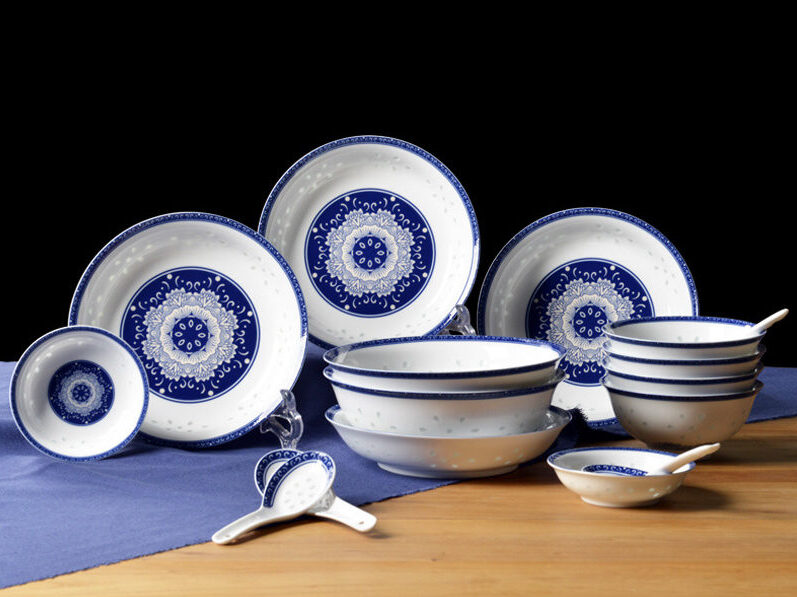
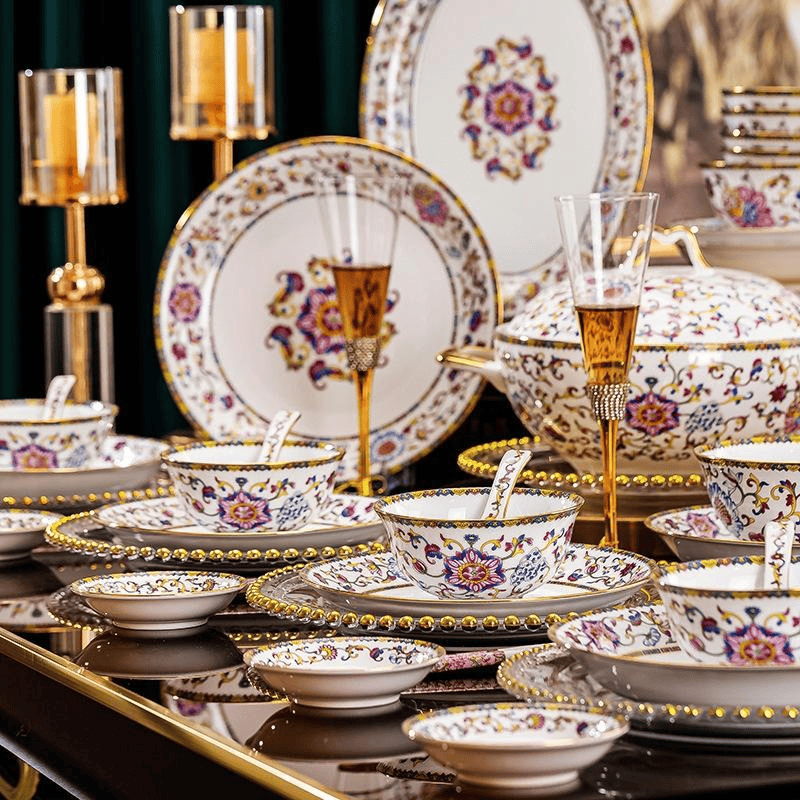
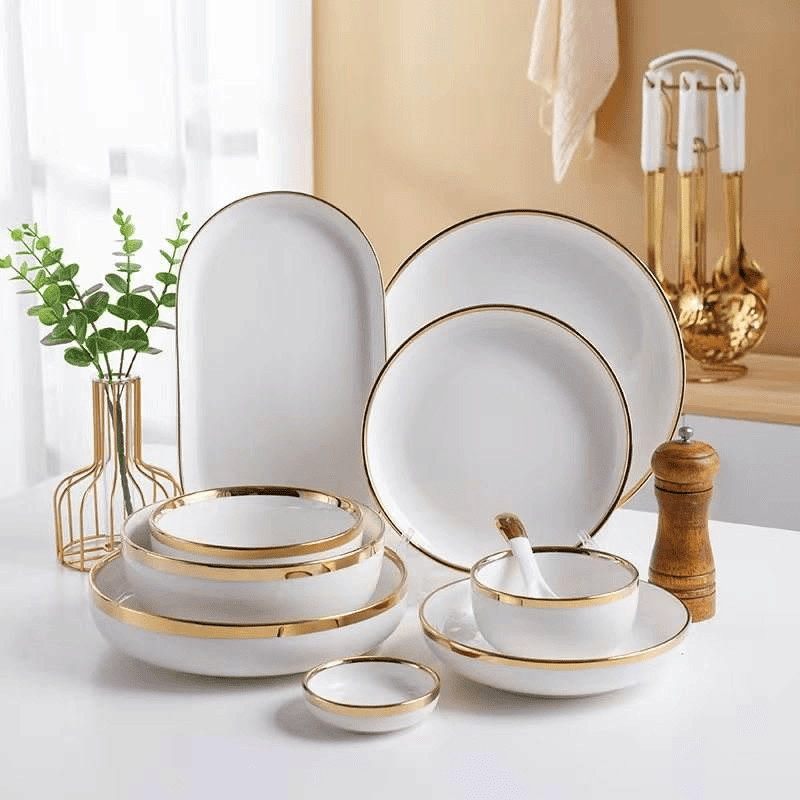
Is Porcelain Microwave Safe?
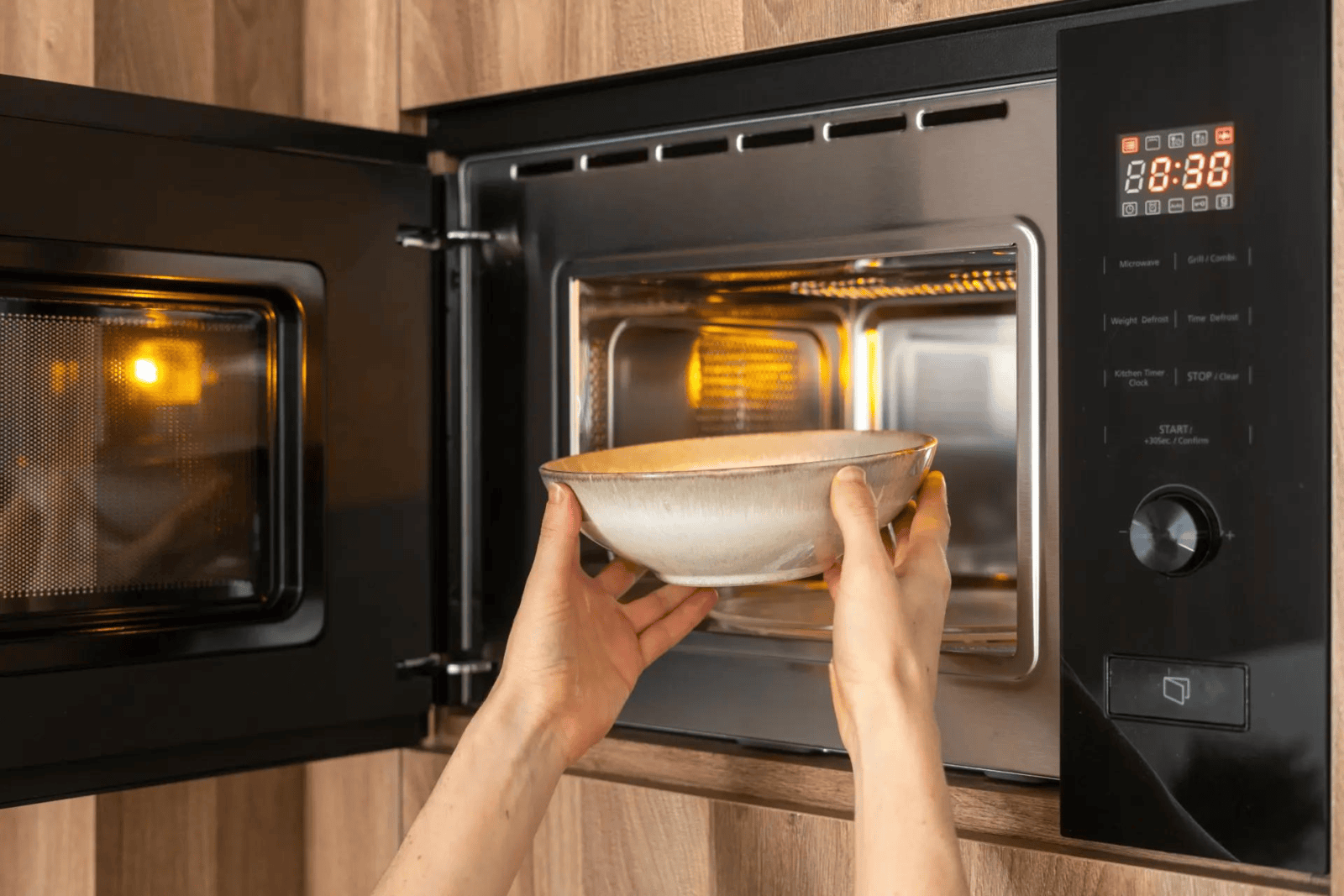
Plain porcelain tableware without metallic decoration is often microwave safe. The porcelain itself does not normally create sparks in a microwave, and a properly manufactured plate, bowl, or mug can usually tolerate normal reheating.
Nevertheless, several exceptions must be considered.
Porcelain should not be placed in a microwave when it contains:
- Gold or platinum rims
- Metallic decals or metallic paint
- Electroplated decoration
- Metal handles or fittings
- Visible cracks or repaired sections
- Unknown decorative materials
- Manufacturer instructions stating that it is not microwave safe
Metallic decorations can interact with microwave energy and may produce sparks, damage the decoration, or create a safety risk. Even a thin gold line around the rim may make the product unsuitable for microwave use.
Art porcelain also requires special attention. Many pieces of art porcelain are designed primarily for display rather than food service. They may contain sculptural attachments, complex glazes, gilding, lacquer, or decorative materials that have not been developed for microwave heating. Buyers should never assume that decorative porcelain is microwave safe simply because it is made from porcelain.
Why Does Some Porcelain Become Hot in a Microwave?
Consumers sometimes notice that a porcelain cup or bowl becomes very hot while the food or drink remains only moderately warm. This can happen when the ceramic body absorbs a small amount of moisture or when the product contains materials that respond more strongly to microwave energy.
A dense, well-fired porcelain body generally has low water absorption. However, cracks in the glaze, unglazed foot rings, production inconsistencies, or damage caused by long-term use may allow moisture to enter the ceramic body.
The temperature of the contents also transfers heat to the porcelain. A hot bowl does not automatically mean that the product is defective. However, if an empty or nearly empty porcelain item becomes extremely hot during a short microwave cycle, users should stop using it in the microwave and consult the supplier.
Thermal Shock Is Different from Microwave Safety
A product may be microwave safe but still be vulnerable to thermal shock. Thermal shock occurs when porcelain experiences a sudden and significant temperature change.
For example, damage may occur when:
- A cold porcelain plate is placed directly into a very hot microwave
- A heated bowl is placed on a cold or wet surface
- Boiling water is poured into a very cold cup
- Frozen food is heated in unsuitable porcelain
- A hot porcelain item is immediately rinsed with cold water
Thermal shock can create internal stress and cause cracking. To reduce this risk, porcelain should be heated gradually and should not be moved immediately between extreme temperatures.
How Jingdezhen Ceramic Manufacturers Improve Product Safety
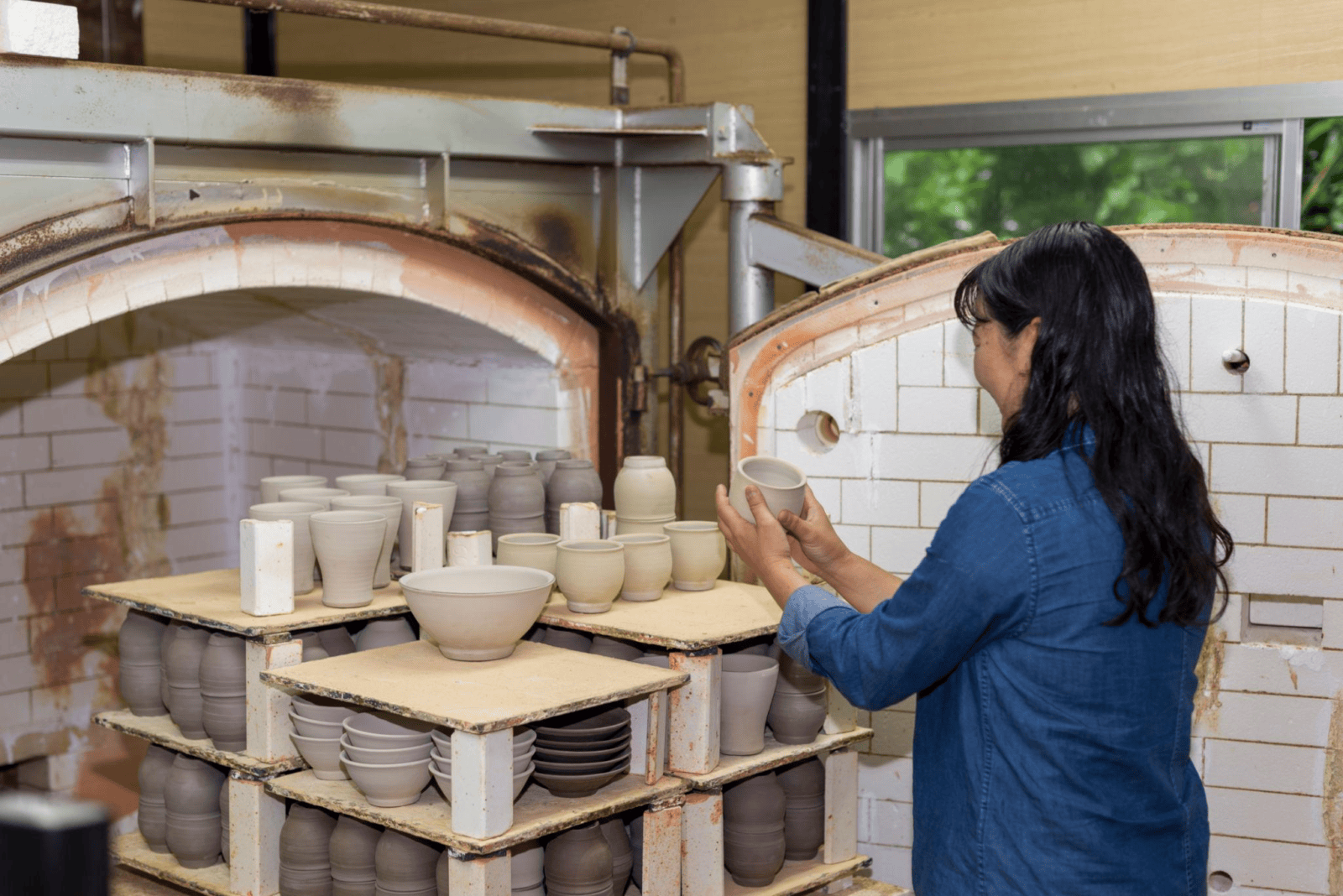
Jingdezhen ceramics are known for their porcelain bodies, traditional decoration, and extensive range of production techniques. Modern Jingdezhen ceramic manufacturers combine this craftsmanship with production controls intended for contemporary tableware and international markets.
Depending on the intended use, manufacturers may evaluate:
- Porcelain body composition
- Firing temperature
- Water absorption
- Glaze fit
- Resistance to cracking
- Dishwasher durability
- Microwave suitability
- Lead and cadmium release
- Rim and handle strength
- Decoration adhesion
The intended use must be confirmed before production. A decorative art porcelain vase, a hotel dinner plate, and a gold-rimmed coffee cup may all be made from porcelain, but they require different performance standards.
Professional Jingdezhen ceramic manufacturers should clearly distinguish between functional tableware and art porcelain. They should also provide accurate use instructions instead of describing every ceramic product as dishwasher and microwave safe.
What Should Importers Ask Their Porcelain Supplier?
Before placing a wholesale or custom order, buyers should ask the supplier the following questions:
- Is the porcelain body suitable for dishwasher and microwave use?
- Does the product contain gold, platinum, or another metallic material?
- Is the decoration underglaze, in-glaze, or overglaze?
- Has the product or decoration been tested for repeated dishwasher cycles?
- Is a microwave safety test report available?
- Does the glaze comply with the food-contact requirements of the target market?
- Are there special care instructions for the product?
- Can the supplier place dishwasher-safe and microwave-safe symbols on the packaging?
Importers should also confirm whether the available test report applies to the exact combination of body, glaze, and decoration being ordered. A report for plain white porcelain may not automatically cover a newly customized gold-rimmed design.
How to Protect Porcelain in the Dishwasher
Correct use can extend the life of dishwasher-safe porcelain.
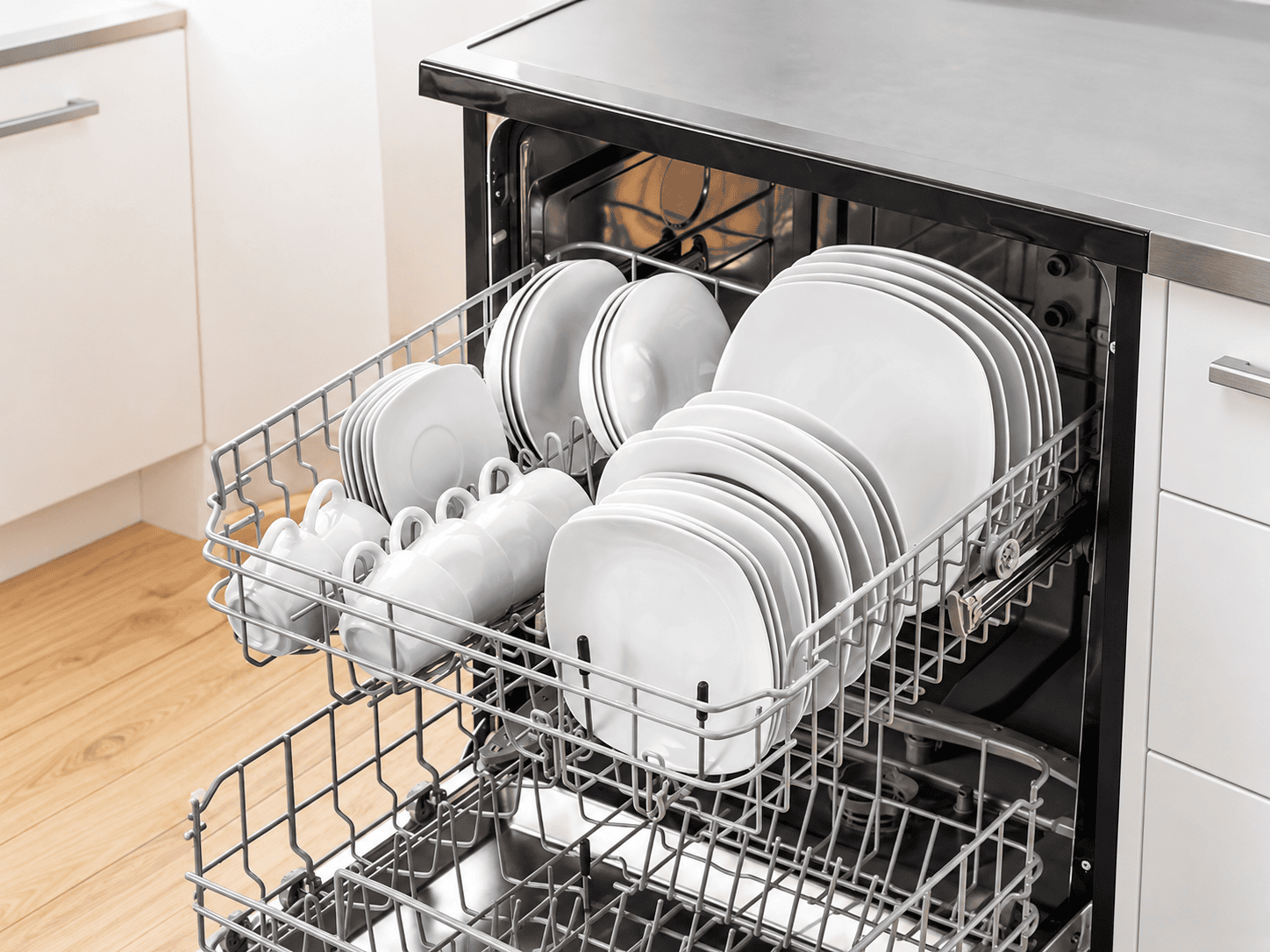
Place plates and bowls securely so that they do not strike one another during washing. Leave enough space between cups, handles, and delicate rims. Choose a mild detergent and avoid unnecessarily aggressive cycles. If the tableware has hand-painted or metallic decoration, hand washing is usually the safer choice unless the manufacturer specifically confirms dishwasher compatibility.
Damaged porcelain should be removed from commercial service. Chips and cracks can become worse during washing and may create hygiene or safety concerns in hotels and restaurants.
Conclusion: Always Check the Specific Porcelain Product
So, is porcelain dishwasher and microwave safe? Most well-made, undecorated porcelain tableware can be suitable for both applications, but there is no universal answer for every porcelain product. The ceramic body, glaze, decoration, firing process, condition, and intended use must all be considered.
Plain high-fired porcelain and underglaze-decorated Jingdezhen ceramics are often appropriate for everyday use when properly manufactured and tested. Gold-rimmed products, metallic decorations, repaired items, and delicate art porcelain should be handled more carefully and may require hand washing or complete avoidance of microwave heating.
Based in Jingdezhen, China, Magic Cube works with Jingdezhen ceramic manufacturers and specialized production partners to develop porcelain tableware, ceramic cups, customized dinnerware, Linglong porcelain, and art porcelain. For each project, buyers should confirm the intended use, decoration, testing requirements, packaging, and care instructions before mass production. This approach helps ensure that the finished porcelain is not only attractive but also suitable for its intended market and daily use.