Lead and Cadmium Testing for Ceramic Tableware
News 2026-09-17 46
Ceramic tableware is used every day in homes, restaurants, hotels, and cafés. Because plates, bowls, cups, and serving dishes come into direct contact with food and beverages, their safety depends on more than appearance and durability. One important consideration is whether lead or cadmium can migrate from the glaze or decoration into food.
Lead and cadmium testing helps manufacturers, importers, distributors, and hospitality buyers confirm that ceramic tableware meets the requirements of its intended market. This is especially important for decorated products, colored glazes, metallic finishes, hand-painted ceramics, and certain types of art porcelain.
Why Are Lead and Cadmium Used in Ceramics?
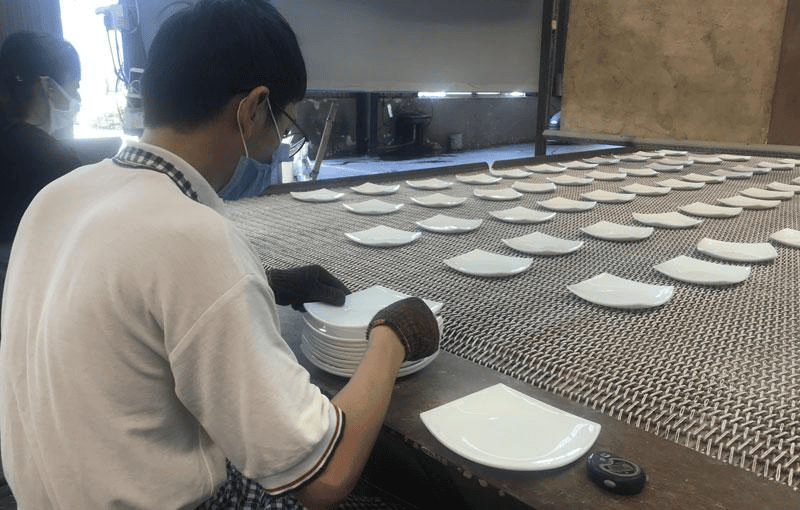
Lead compounds were historically used in some ceramic glazes because they could improve melting, gloss, color development, and surface smoothness. Cadmium compounds may be associated with bright red, orange, and yellow ceramic colors.
Modern ceramic production increasingly uses lead-free and cadmium-free materials. However, simply describing a glaze or pigment as “lead-free” does not replace testing. Raw-material contamination, firing conditions, glaze formulation, decoration methods, and production control can all affect the finished product.
Testing is therefore necessary to evaluate the actual tableware rather than relying only on the supplier’s material declaration.
Testing Measures Migration, Not Only Total Content
A key point is that food-contact testing normally examines the amount of lead or cadmium that can migrate from the finished ceramic surface under specified conditions. This is different from measuring the total amount of these elements contained within the product.
During migration testing, the food-contact area is exposed to an acidic test solution for a defined period. The solution is then analyzed by a qualified laboratory to determine whether measurable lead or cadmium has been released.
A product may contain trace amounts of an element without necessarily releasing it at an unacceptable level. For this reason, migration testing provides more useful information about the conditions under which consumers actually use ceramic tableware.
Which Ceramic Products Require Particular Attention?
Testing is important for all food-contact ceramics, but additional attention should be given to:
- Brightly colored plates and bowls
- Hand-painted ceramic cups
- Products with overglaze decoration
- Metallic-rimmed tableware
- Red, orange, or yellow decorations
- Art porcelain intended to hold food or beverages
- Products with decoration near the drinking rim
- Traditional or antique-style ceramic tableware
The position of the decoration matters. Patterns located on the inside of a bowl or close to the rim of a cup may have more direct contact with food, beverages, or the user’s mouth.
Decorative art porcelain that is intended only for display should be clearly distinguished from food-contact tableware. A decorative ceramic object should not automatically be marketed as suitable for serving food unless its materials and finished surfaces have been evaluated accordingly.
How Production Affects Test Results
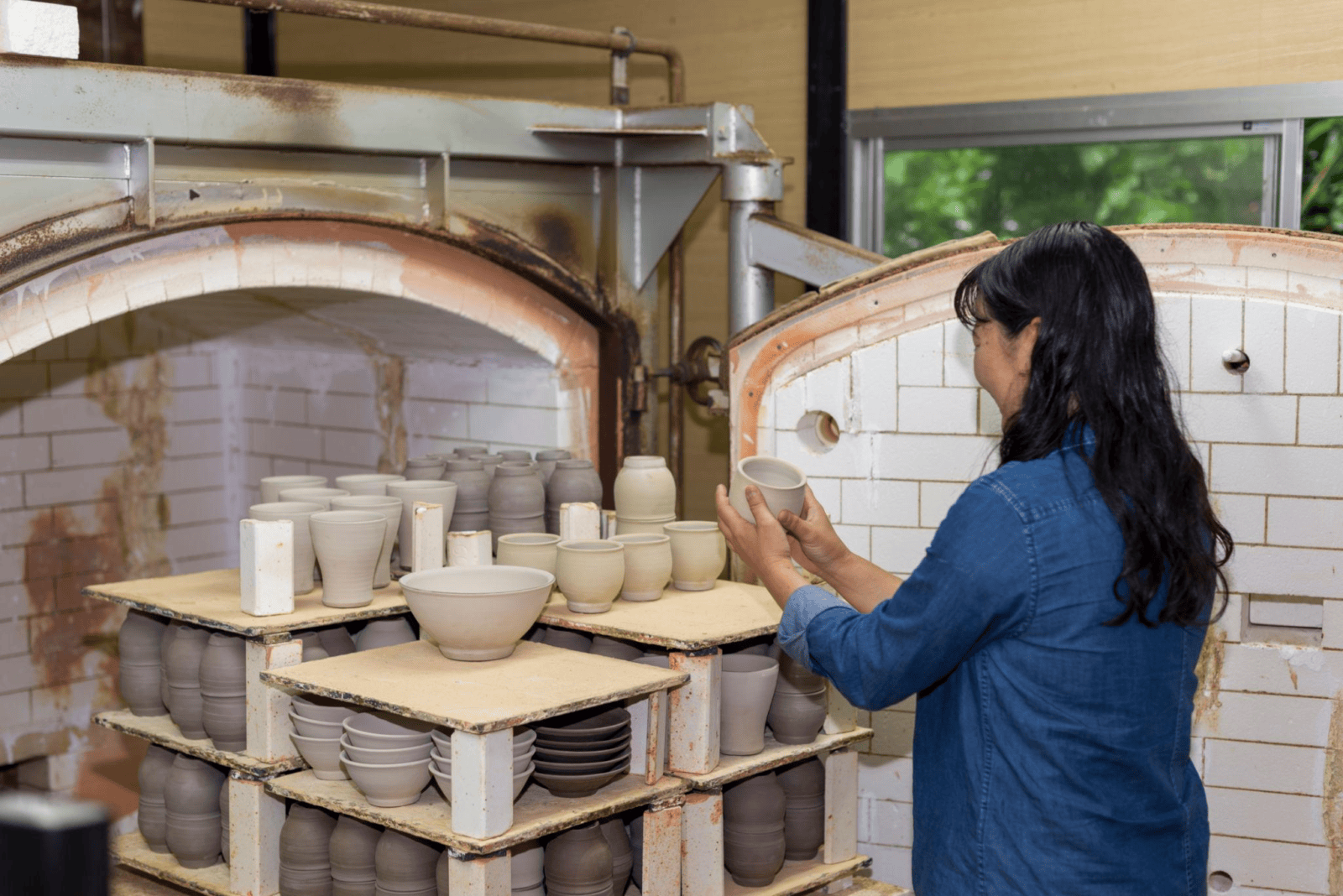
Lead and cadmium migration is influenced by several manufacturing factors. These include glaze composition, pigment quality, firing temperature, firing duration, kiln atmosphere, surface condition, and the compatibility between the ceramic body, glaze, and decoration.
Insufficient firing may prevent a glaze or decoration from becoming stable. Excessive firing can also change color performance or damage the intended surface. Cracks, pinholes, uneven glaze coverage, and poorly bonded decoration may increase quality and safety concerns.
Experienced Jingdezhen porcelain manufacturers therefore need to control both raw materials and the firing process. Jingdezhen porcelain is known for its craftsmanship and decorative variety, but products intended for international food-contact use must combine traditional ceramic knowledge with modern testing and quality-control procedures.
Regulations Differ Between Export Markets
Requirements for lead and cadmium migration vary according to the destination market, product category, vessel shape, and intended use. A flat plate may be evaluated differently from a deep bowl, cup, mug, pitcher, or storage vessel.
Importers should identify the applicable requirements before mass production begins. Depending on the destination, buyers may request testing according to regulations or standards used in the United States, European Union, United Kingdom, or another national market.
Manufacturers should not assume that one test report is automatically valid for every country, every product shape, or every decoration. If the glaze, pigment, firing process, supplier, or product design changes, additional testing may be necessary.
A Practical Testing Process for Buyers
A responsible testing process normally includes the following steps:
- Confirm the destination country and intended use.
- Identify the applicable food-contact requirements.
- Select representative samples from actual production.
- Include each relevant glaze color and decoration method.
- Send the samples to a qualified third-party laboratory.
- Review the test report before shipment.
- Keep records that connect the tested samples to the production batch.
Testing only a plain white sample is not sufficient when the final order includes several colored glazes or decorative patterns. Buyers should make sure that the submitted samples accurately represent the products that will be delivered.
Conclusion
Lead and cadmium testing is an essential part of ceramic tableware quality control. It helps protect consumers, reduces compliance risks, and gives importers greater confidence in the products they purchase. Safe ceramic production requires appropriate raw materials, controlled firing, stable glazes, careful decoration, batch inspection, and testing based on the destination market.
As a Jingdezhen porcelain manufacturer, Magic Cube understands that attractive design must be supported by responsible production and clear quality documentation. Whether developing everyday tableware, customized hospitality collections, Jingdezhen porcelain, or art porcelain, we work with buyers to confirm product requirements and arrange appropriate third-party testing when needed.