Dual-Dimensional Cultural Adaptation Model: Unlock Cross-Cultural Innovation for Modern Ceramic Design
News 2026-07-13 17
Dual-Dimensional Cultural Adaptation Model: Unlock Cross-Cultural Innovation for Modern Ceramic Design
As an original ceramic brand with academic cooperation background of Jingdezhen universities, our product design (Magic Cube Ceramics) has long relied on cutting-edge industry academic research. This blog is adapted from the provincial social science research Research on Modern Ceramic Design Innovation Based on Dual-Dimensional Cultural Adaptation Model, completed by our exclusive expert consultant Dr. Li Xuanyan from Jingdezhen Ceramic University. The article analyzes Berry’s dual-dimensional cultural adaptation model and solves two major industrial design pain points: simply stacking local patterns to lose global acceptance, or copying foreign styles blindly to abandon oriental cultural roots. It provides the core design logic for our full product lines that balance local cultural identity and global aesthetics.
The Dilemma of Ceramic Design Under Globalization
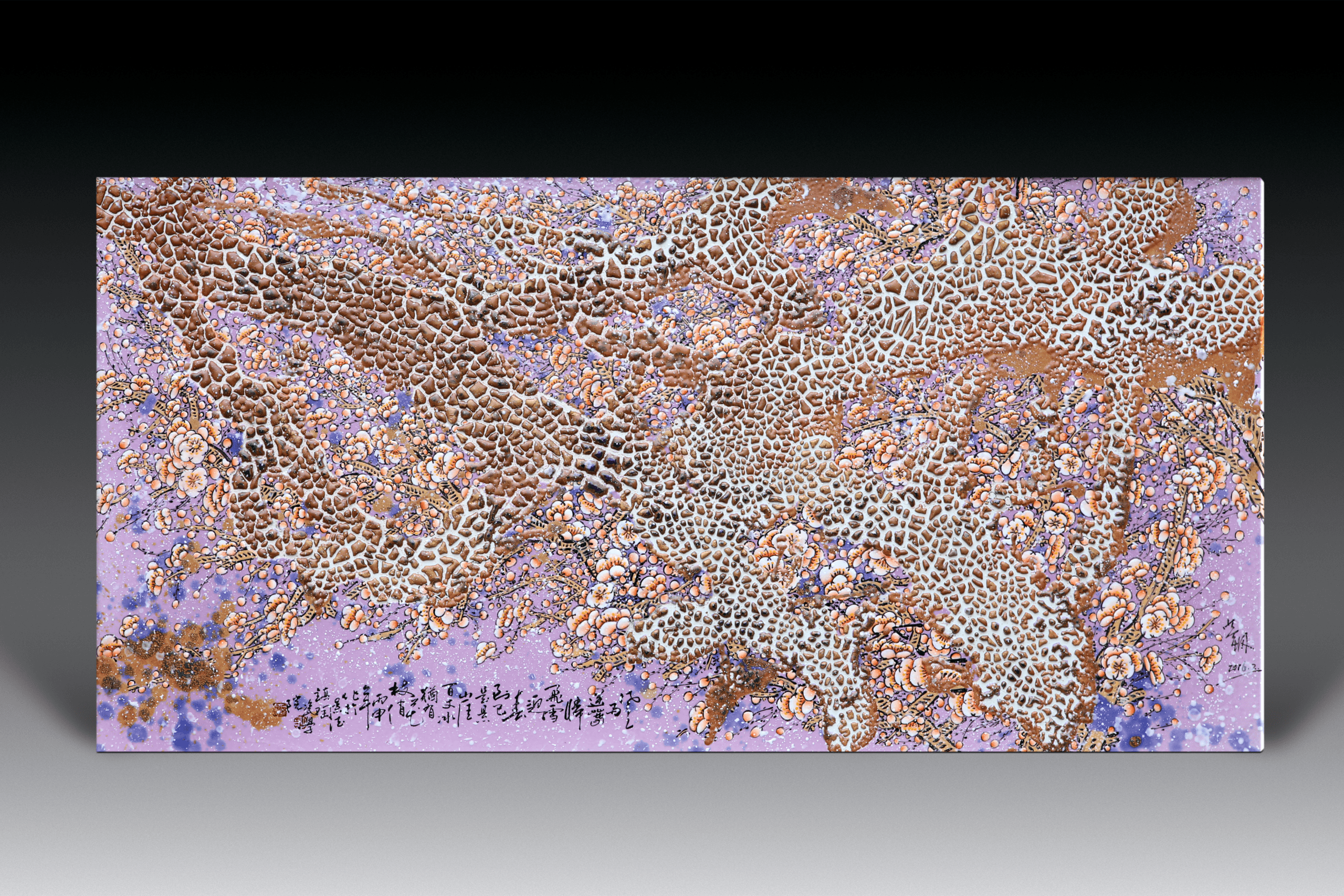
Global cultural exchange accelerates, and ceramics have stepped out of regional markets to face consumers of diverse nationalities and aesthetics. The domestic ceramic industry is trapped in two extreme design misunderstandings. The first rigidly adheres to tradition, merely copying traditional symbols such as blue-and-white and landscape patterns through simple patchwork, which fails to fit modern overseas aesthetics and weakens cross-cultural communication power. The second blindly follows international trends, fully adopting Western geometric and minimalist styles while losing unique oriental cultural identity, resulting in severe product homogenization and weak brand recognition.
The report of the 20th National Congress of China proposes to stimulate the whole nation’s vitality for cultural innovation. To boost global market competitiveness, ceramic design must find a balance between local heritage and foreign aesthetics. Supported by the 14th Five-Year Youth Social Science Fund Project of Jiangxi Province, our consultant Dr. Li Xuanyan introduces the classic Berry dual-dimensional cultural adaptation model, offering a complete practical solution for cross-cultural modern ceramic innovation.
What Is the Dual-Dimensional Cultural Adaptation Model
Proposed by cross-cultural psychology founder John W. Berry in 1992, this theory consists of two independent evaluation dimensions, which also serve as the dual standards for all our product designs:
Cultural Identity Dimension: The tendency to retain and stick to local traditional culture and unique cultural identity;
Cultural Openness Dimension: The tendency to actively communicate and absorb excellent cultural elements from other nations.
Based on the strength combination of the two dimensions, the theory divides four cultural interaction strategies, corresponding to four ceramic design paths:
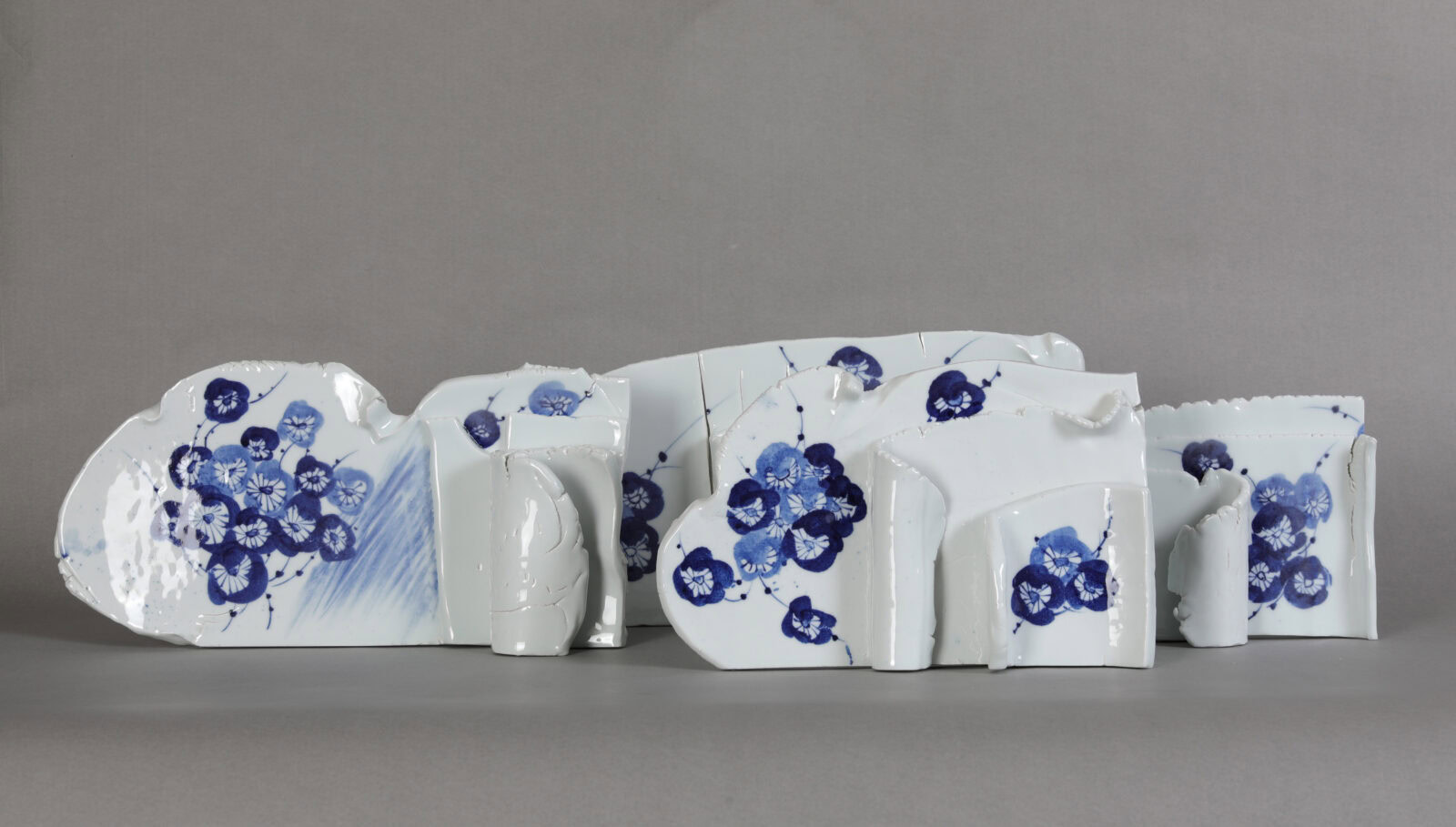
Integration (High Identity + High Openness): Fully retain local core connotations while reasonably absorbing outstanding foreign elements — our brand’s core design route;
Assimilation (Low Identity + High Openness): Abandon local characteristics and fully integrate into foreign styles;
Separation (High Identity + Low Openness): Stick merely to local symbols and reject foreign design languages;
Marginalization (Low Identity + Low Openness): Lose local heritage and fail to integrate foreign aesthetics.
Among the four strategies, the integration strategy is the optimal solution for cross-cultural design. It breaks the single-cultural perspective, rejects either-or binary opposition, endowing ceramic works with distinct oriental recognition and inclusive global aesthetics, perfectly fitting both domestic and overseas markets.
Two Typical Cases of Ceramic Design at Home and Abroad
Early Industrial Era: Function-Oriented Nordic Ceramics
From the early 20th century to the 1950s, global ceramics stepped into the initial industrial stage, with practical function as the top design principle. Represented by Nordic ceramics, it simplified complicated decorations and focused on clean geometric lines and standardized shapes to fit mass assembly line production. This design logic deeply rooted in local minimalist lifestyle culture yet absorbed few foreign elements, belonging to a separation-oriented design idea suitable for single regional markets.
Globalization Era: The Rise of Cultural Narrative Design
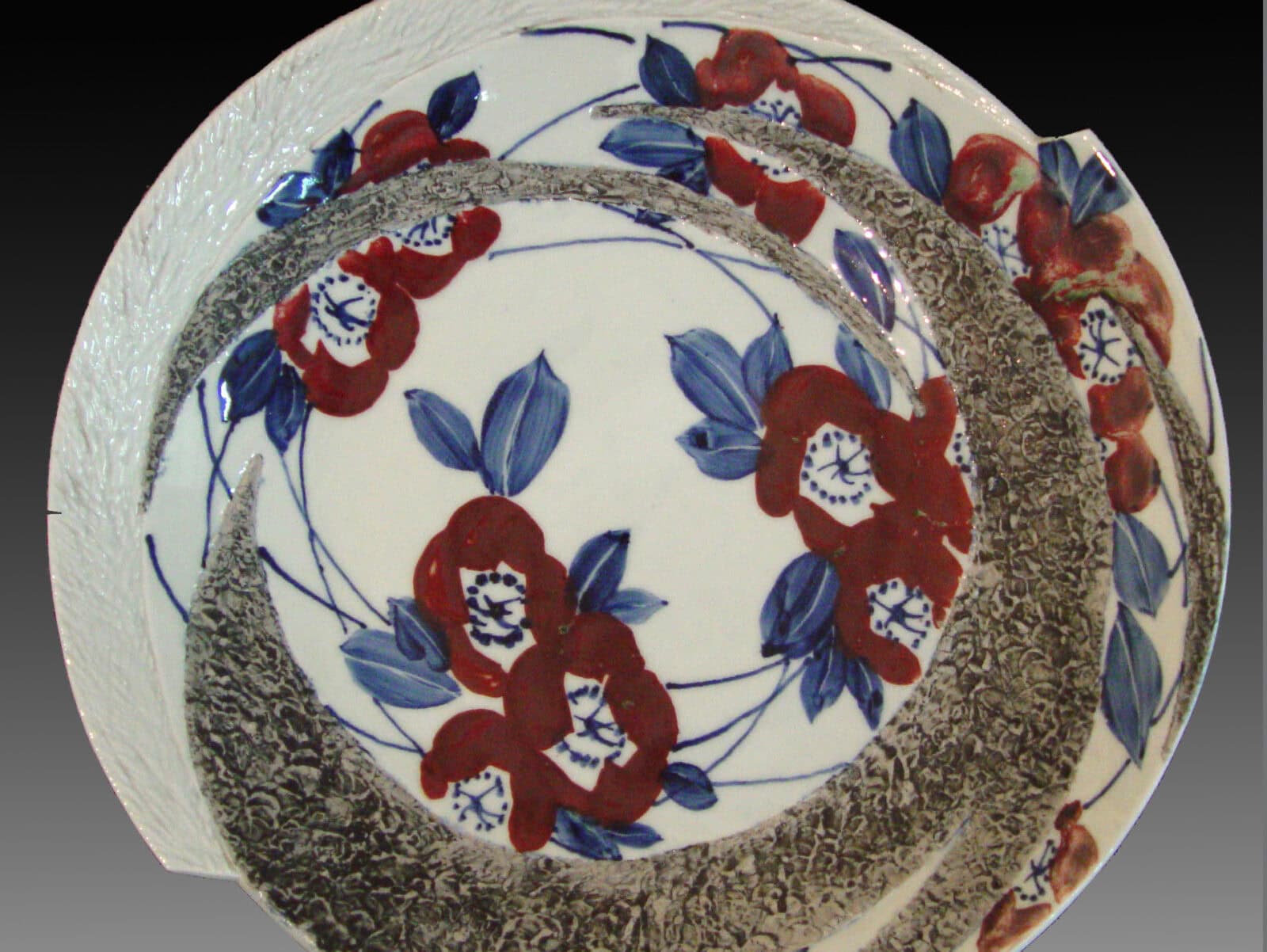
Since the 1960s, frequent cultural exchanges have driven global ceramic art to integrate diverse aesthetics, forming two classic references. The first is Japan’s Mingei Movement. It adheres to local wabi-sabi handcraft aesthetics and oriental natural views of imperfection and simplicity, while moderately absorbing Western minimalist composition, adopting a mild integration path and creating highly recognizable Japanese ceramics. The second is Italy’s Memphis Group, which boldly uses modern Western colors and geometric recombination to subvert traditional decorations yet weakens local ceramic heritage, leaning toward assimilation.
The two cases each have pros and cons, and directly expose industrial shortcomings. Solely sticking to local culture leads to closed aesthetics, while total Westernization abandons cultural roots. The dual-dimensional cultural adaptation model perfectly balances this contradiction.
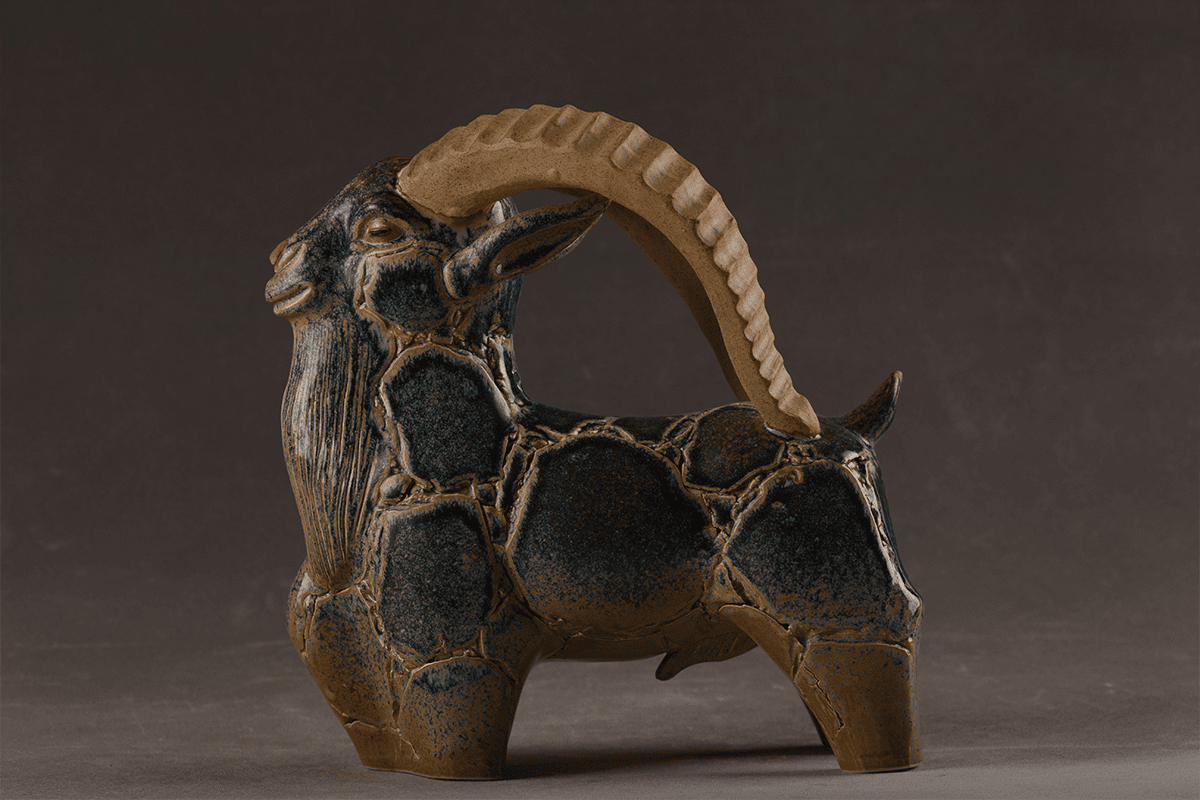
Full-Scale Application of Dual-Dimensional Model in Ceramic Design
Based on Dr. Li Xuanyan’s project research, our brand applies the integrated dual-dimensional standard to three major design sections: style, materials and craftsmanship, realizing two-way coexistence of local culture and foreign aesthetics.
Design Style: Local Core with International Expression
On the cultural identity dimension, we deeply extract core Chinese imagery: landscape blank space, half-cut clay relief, mild celadon glaze texture and traditional vessel outlines to retain oriental essence. On the cultural openness dimension, we absorb modern foreign design language, simplify redundant patterns, match linear layout, low-saturation color contrast and lightweight bodies, reduce heavy retro atmosphere, and adapt to diverse scenarios including overseas homes, light luxury soft decoration and modern tea spaces.
We avoid two wrong practices: rigid stacking of retro patterns such as dragon and auspicious cloud, and copying Western abstraction while fully erasing porcelain capital cultural marks. Every piece allows both domestic and overseas consumers to appreciate oriental heritage and modern aesthetics simultaneously.
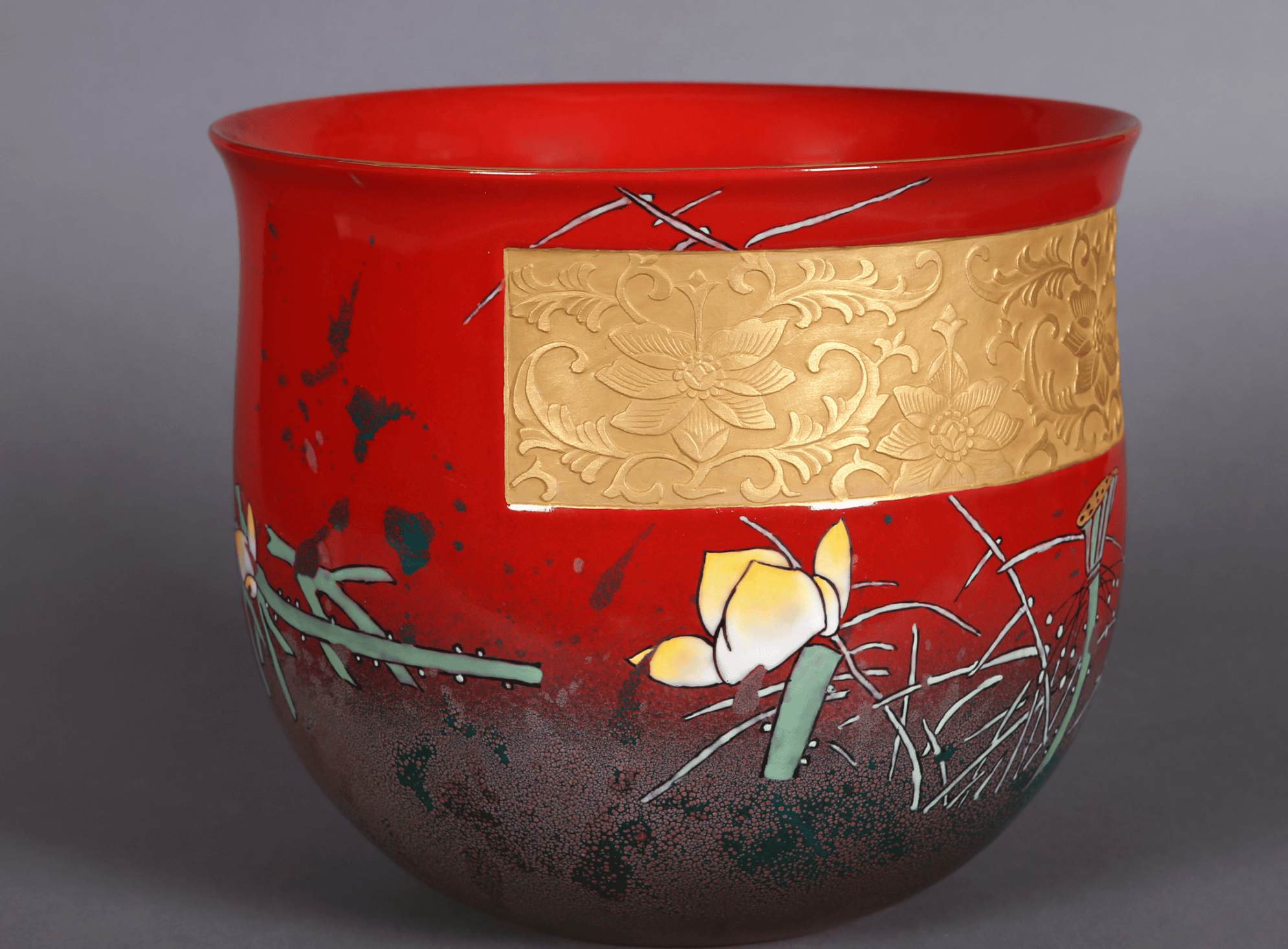
Material Selection: Balance Eastern and Western Material Aesthetic Preferences
People from different regions perceive ceramic materials vastly differently. Eastern audiences prefer mild matte jade glaze and natural mineral clay, while European and American markets favor fine frosted, thin transparent glaze and composite spliced materials. We deploy dual-dimensional thinking for raw material blending: take native Jingdezhen kaolin and traditional lime glaze as the base (cultural identity), and optimize new formulas such as ultra-fine matte glaze and thin translucent glaze (cultural openness), balancing tactile and visual demands of both markets.
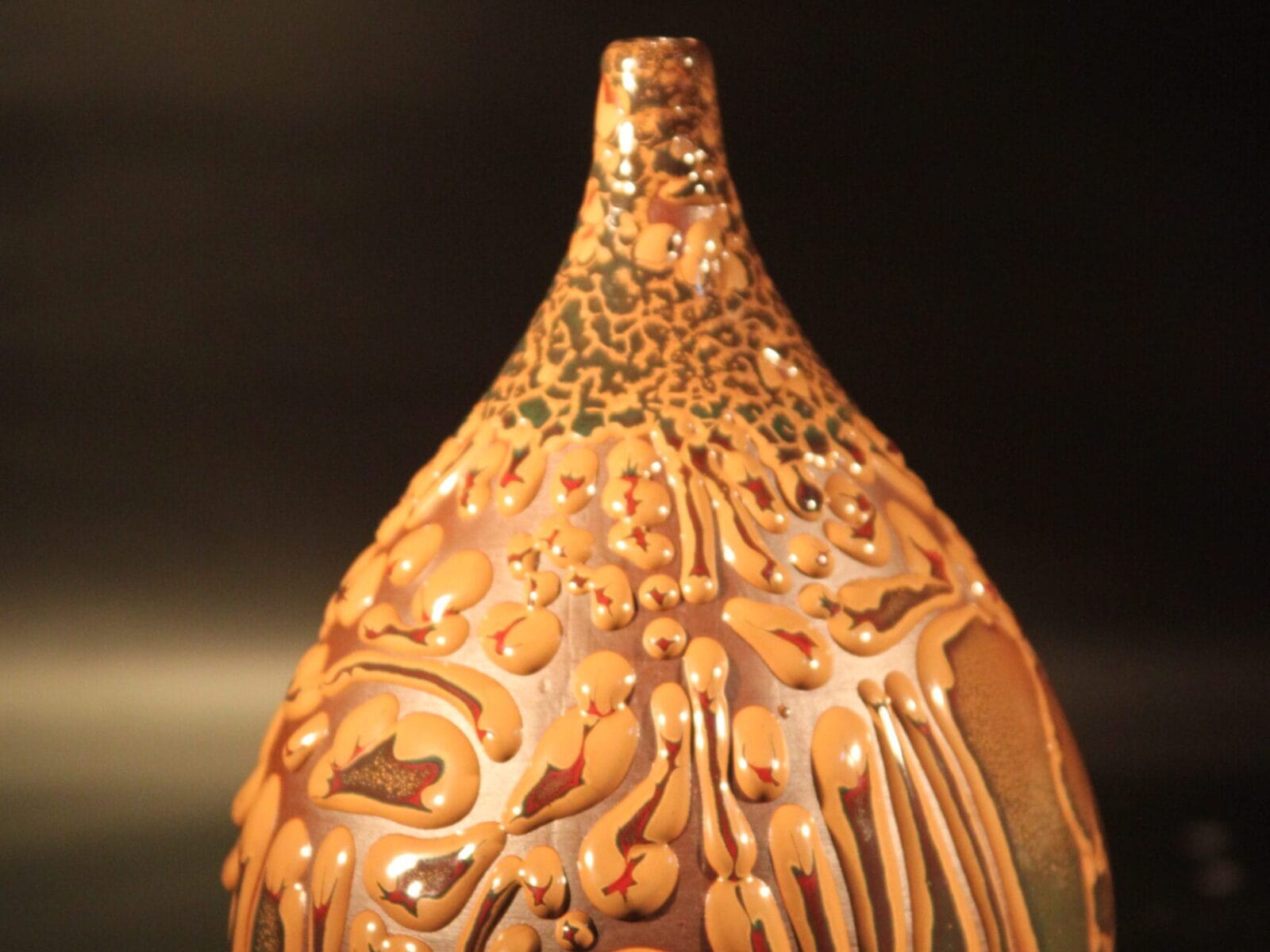
Craft Integration: Traditional Techniques & Modern Intelligent Craft
On the cultural identity dimension, we fully retain Jingdezhen’s thousand-year core crafts: hand wheel-throwing, half-cut clay carving and ancient high-temperature reduction firing. On the cultural openness dimension, we introduce mature overseas technologies including 3D carving, digital modeling and low-temperature eco composite firing. Traditional handwork endows products with unique human warmth, while modern crafts improve mass production precision and environmental performance, realizing cross-cultural integrated innovation at the craft level.
Opportunities and Boundaries of Multi-Cultural Integration
Multi-cultural integration is the core driving force of ceramic innovation, yet integration does not mean unrestrained patchwork. The research defines two creative boundaries: First, in-depth cultural understanding is the prerequisite. Designers must thoroughly grasp the underlying logic of Chinese and foreign aesthetics to avoid cultural misreading caused by one-sided extraction of foreign symbols; Second, local culture always acts as the foundation. Foreign elements only serve as embellishment and optimization and cannot dominate the overall style of products, preventing brands from losing unique competitiveness.
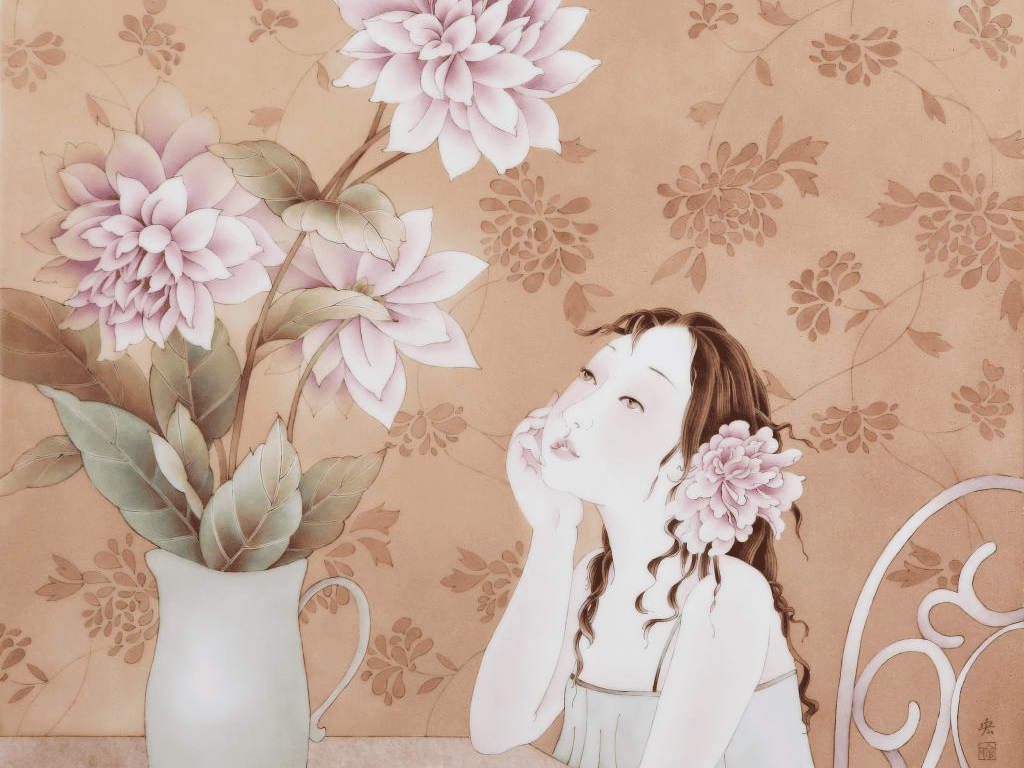
Long-Term Innovative Direction of Our Brand
Supported by the dual-dimensional cultural adaptation model, our brand will continue to deepen two major innovative directions in the future:
Dig deep into the complementary relationship of diverse cultures, continuously iterate integrated design products, and launch original ceramic collections with oriental charm suitable for global markets;
Cooperate with digital technology, integrate VR, AI design and digital carving into the creation process, realize deep integration of cultural creativity and cutting-edge technology, and broaden the expressive boundary of ceramic art.
Conclusion
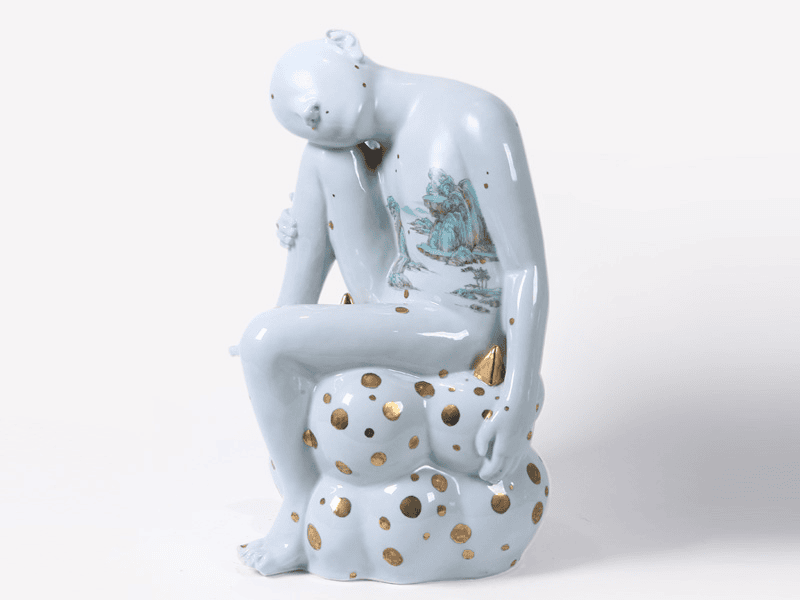
Globalization does not weaken local culture, but creates opportunities for two-way cultural dialogue. The dual-dimensional cultural adaptation model provides us with a practical design standard: preserve the cultural identity of Chinese ceramics, calmly absorb excellent global design inspiration, and explore a third innovative path beyond rigid tradition and total Westernization. In the future, we will continue to cooperate with university expert teams, empower product R&D with academic theories, and export original Jingdezhen ceramics with local soul and modern aesthetics to the world.