Shang Dynasty Proto-Celadon: The Origin & Germination of Chinese Porcelain Civilization
News 2026-07-08 14
Shang Dynasty Proto-Celadon: The Origin & Germination of Chinese Porcelain Civilization
As a professional ceramic brand rooted in Jingdezhen with university academic research and R&D background, we (Magic Cube Ceramics) firmly believe that understanding Chinese ceramics starts with tracing its origin. People are familiar with exquisite imperial porcelain of the Tang and Song dynasties and gorgeous painted porcelain of the Ming and Qing dynasties, yet they often overlook the great craft breakthrough of the Shang Dynasty more than 3,000 years ago — proto-celadon. It achieved the historic leap from pottery to porcelain in China, laid the foundation for the Chinese celadon system, and serves as the original spark of the thousand-year ceramic civilization.
Historical Transformation: Craft Leap From Coarse Pottery to Proto-Celadon
In the Neolithic Age, ancient Chinese ancestors had mastered the firing techniques of painted pottery and black pottery. However, traditional pottery had obvious shortcomings such as loose texture, high water absorption, rough bodies and fragility, which could no longer meet people’s growing needs for daily use and ritual ceremonies.
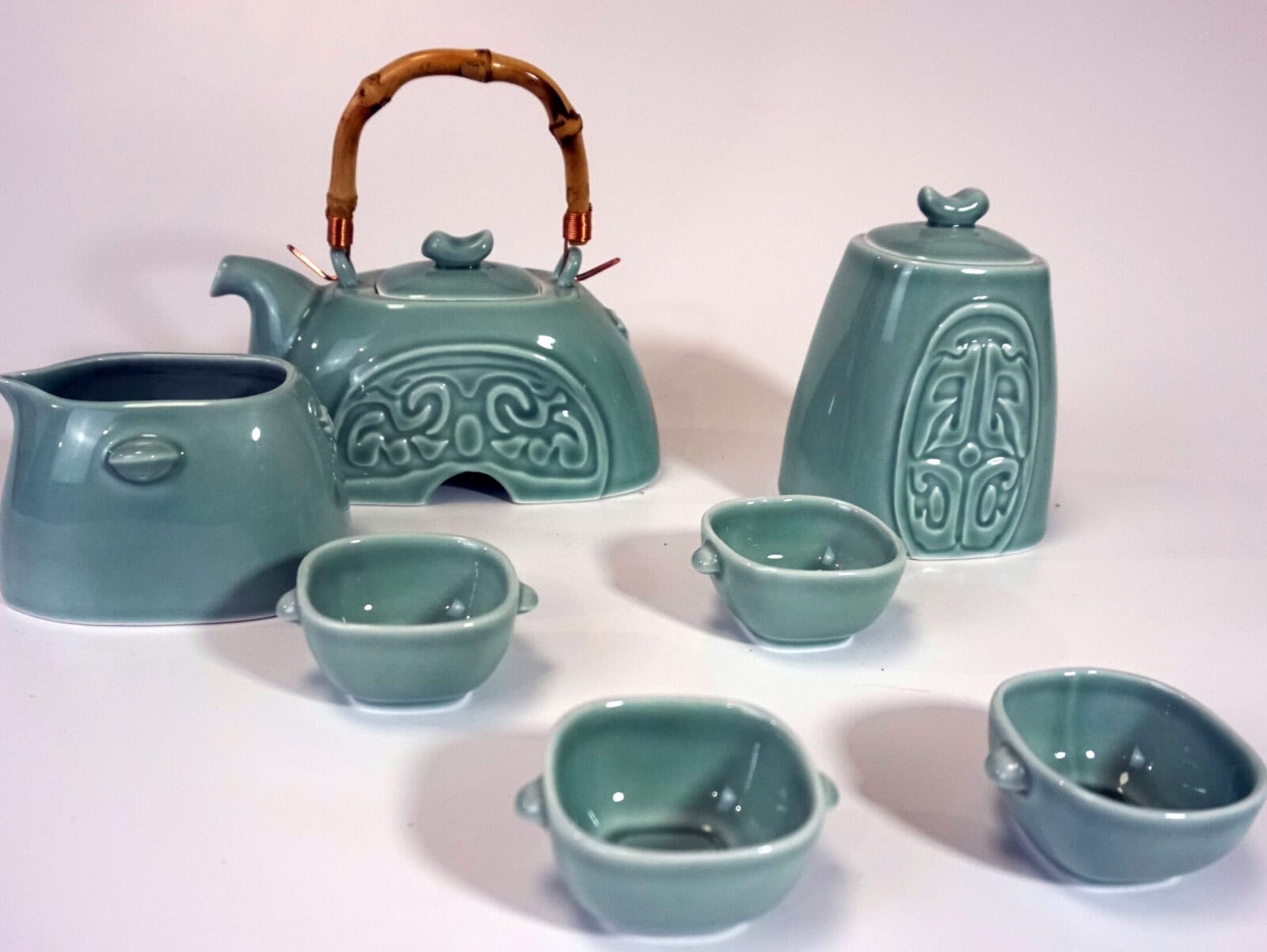
In the Shang Dynasty, with the upgrading of bronze smelting technology, continuous improvement of kiln structures and the development of social productivity, ceramic craftsmanship achieved disruptive breakthroughs. Craftsmen abandoned ordinary pottery clay and selected high-density kaolin as the body material to greatly optimize body quality. Meanwhile, they innovated high-temperature firing technology and applied lime glaze on the vessel surface, successfully creating an entirely new category — proto-celadon, which was completely different from traditional pottery.
The Shang Dynasty thus became the first dynasty in Chinese history to realize large-scale firing and widespread popularity of proto-celadon. It inherited the prehistoric pottery craftsmanship and pioneered the prosperity of the ceramic industry for the next thousand years, serving as an indispensable transitional stage of Chinese ceramic civilization.
Vessel Characteristics: Unique Textures of Ancient Proto-Celadon
Restricted by the early craft level, Shang Dynasty proto-celadon had not reached the standard of mature porcelain in later generations, and it boasted highly recognizable contemporary features in both body and glaze.
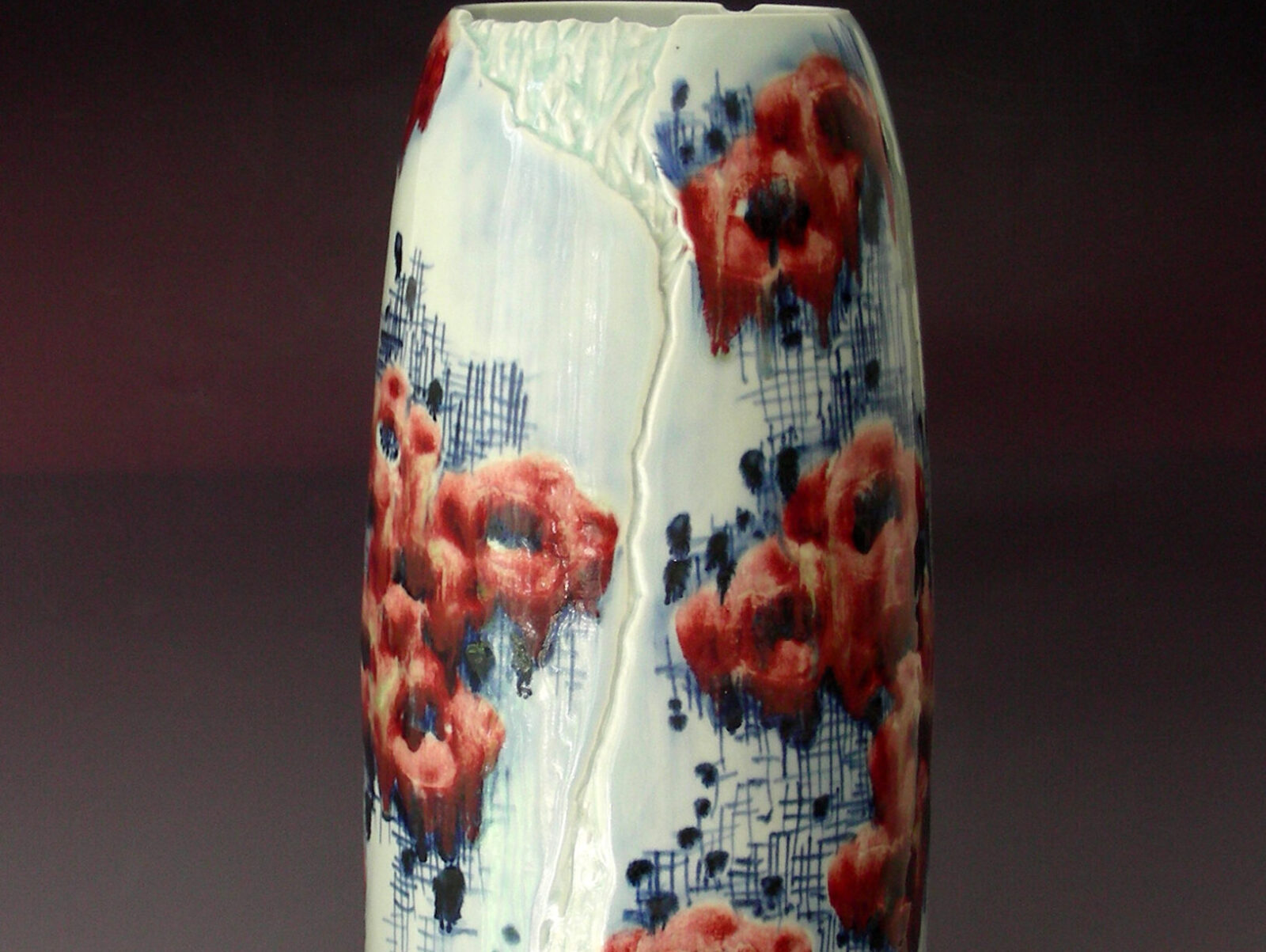
In terms of bodies, most Shang proto-celadon presents off-white and light gray tones. Affected by temperature differences in the kiln, some vessels show grayish red and taupe hues. Compared with traditional pottery, it has finer, harder and more fully sintered bodies, producing a clear and pleasant sound when tapped, completely getting rid of the loose texture of coarse pottery.
In terms of glaze performance, the vessels are mainly glazed in turquoise, cyan-yellow and yellowish-green with natural and antique tones. Due to simple glazing techniques and immature temperature control technology, the glaze layers are generally thin and uneven, often with glaze flowing and accumulation, and the glaze luster is soft and restrained — the core feature that distinguishes proto-celadon from mature celadon.
Shapes & Patterns: Inheriting Bronze Aesthetics for Ancient Life
The shapes and decorations of Shang proto-celadon draw profound inspiration from the design concepts of contemporary bronze wares and pottery, balancing practicality and contemporary aesthetics with a simple, solemn and magnificent style.
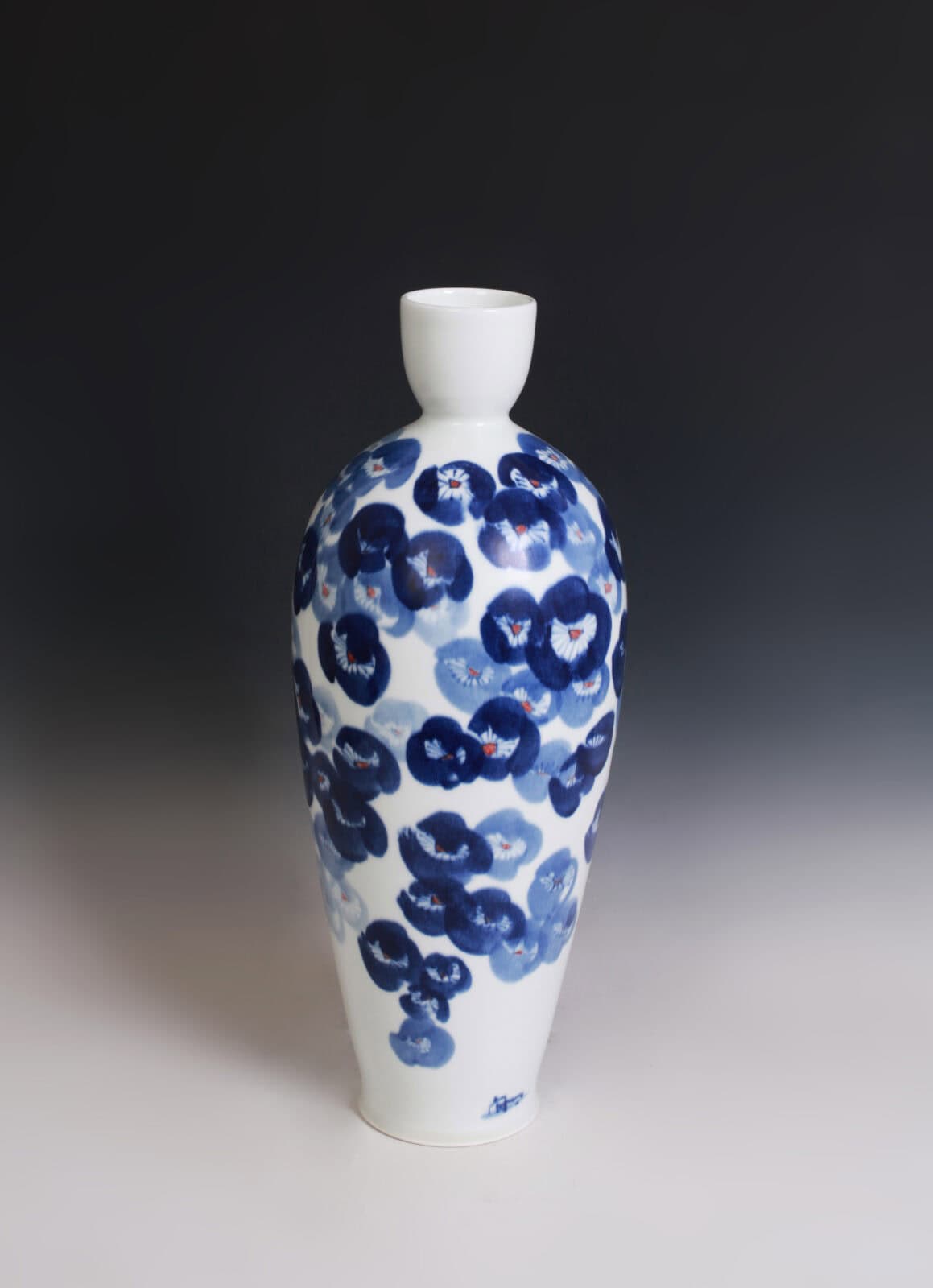
In terms of shapes, Shang celadon is dominated by daily-use vessels with rich categories, including zun, jars, urns, dou, plates, bowls and he. Most vessels adopt the classic structure of large mouth, deep belly and ring foot with solid and regular lines. Without redundant designs, they are perfectly suitable for daily scenarios such as storage, food holding and water use in ancient times.
In terms of decorations, the overall style is simple and plain, fitting the production level of early handicraft industry. The mainstream patterns include string patterns, basket patterns, rope patterns and grid patterns. Some high-end vessels are decorated with cloud and thunder patterns inherited from classic bronze ritual wares. The rough, regular and solemn lines without gorgeous decorations fully reflect the simple and elegant ancient aesthetic.
Core Craftsmanship: Handicraft Wisdom of Ancient High-Temperature Firing
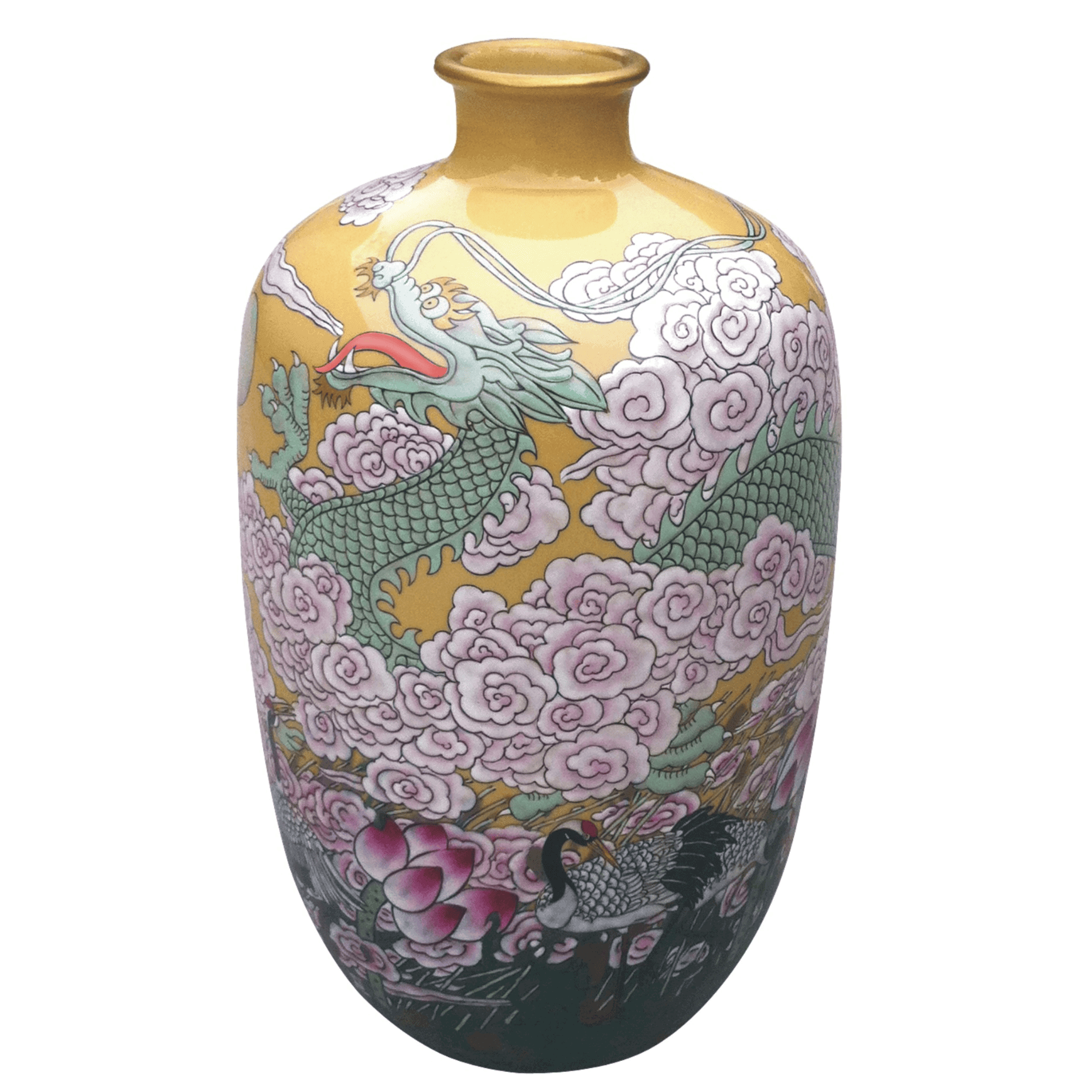
The birth of Shang proto-celadon relied on advanced ancient kiln technology, representing the top handicraft manufacturing level of that era. The mainstream kilns at that time were dragon kilns and mantou kilns, which could reach a high firing temperature of 1100℃ to 1200℃, far higher than the 800℃-900℃ firing temperature of traditional pottery.
High-temperature firing triggered thorough physical and chemical changes in the kaolin body, making the body fully sintered and dense, greatly reducing water absorption. The finished vessels are far more corrosion-resistant, leak-proof and wear-resistant than ordinary pottery, achieving a qualitative leap in practical performance.
Restricted by ancient craftsmanship, simple dipping and brushing glazing methods were mainly adopted. Although convenient for large-scale production, these methods resulted in uneven glaze thickness, with exposed bodies often appearing on the rims and bottoms of vessels — a unique craft feature of Shang proto-celadon.
Application & Circulation: Mainstream Vessels for All Social Classes
Different from niche high-end bronze ritual wares, Shang proto-celadon boasted high cost performance, quickly popularized among all social classes and fully integrated into ancient people’s daily life and ritual scenarios. Ordinary people used porcelain bowls, plates and jars for dining and storage, while nobles adopted well-shaped porcelain zun and he to show their status and taste.
Meanwhile, some exquisitely crafted proto-celadon wares served as ritual vessels, matched with bronze wares and widely used in sacrificial ceremonies and noble tombs. A large number of complete vessels and porcelain fragments have been unearthed from Shang Dynasty ruins in Henan, Hebei, Shandong, Jiangxi, Zhejiang and other regions, fully proving the large-scale production and cross-regional circulation of Shang proto-celadon.
Advantages & Limitations: Era Restrictions & Irreplaceable Historical Value
In the Shang Dynasty handicraft system, proto-celadon had unparalleled core advantages. Compared with traditional pottery, it has a hard, dense and waterproof body with higher durability, completely solving the problems of water leakage and fragility of coarse pottery. Compared with expensive bronze wares exclusive to nobles, proto-celadon has accessible raw materials, simple craftsmanship and low cost, enabling universal popularity and filling the gap of high-end daily utensils in ancient times.
From the perspective of craftsmanship, restricted by the technical conditions 3,000 years ago, Shang proto-celadon had obvious shortcomings and belonged to immature transitional porcelain. Rough body purification technology, single glaze formula and unstable kiln temperature control often caused defects such as messy glaze colors, cracking and glaze peeling.
However, these era limitations never diminish its historical status. Shang proto-celadon realized the historic breakthrough from pottery to porcelain in Chinese civilization, established the core development vein of Chinese ceramics originating from celadon and evolving step by step, and laid a solid foundation for the prosperity of the ceramic industry in later dynasties.
Brand Conclusion: Tracing the Origin of Porcelain, Inheriting Millennium Craftsmanship
Shang Dynasty proto-celadon is an excellent carrier of ancient craftsmen’s wisdom and the original spark of ceramic art rooted in the fertile civilization of the Yellow River and Yangtze River basins. From rough and primitive prototypes to exquisite and elegant handed-down famous porcelains in later generations, Shang celadon witnessed the iteration and evolution of Chinese handicrafts and left the earliest and most precious mark on Chinese ceramic civilization.
As an original ceramic brand rooted in the porcelain capital, we always respect history and trace ancient craftsmanship, digging deep into the essence of ceramic craftsmanship of all dynasties. From the embryonic craftsmanship of Shang proto-celadon to modern refined innovative design, we adhere to the oriental ceramic context, take ancient methods as the foundation and innovation as the driving force, reproduce oriental porcelain charm, inherit thousand-year craftsmanship, and convey the profound heritage and unique glamour of Chinese ceramics to the world.