Rebirth of Clay & Fire: Diverse Coexisting Styles of Modern Ceramics
News 2026-07-19 51
Rebirth of Clay & Fire: Diverse Coexisting Styles of Modern Ceramics
Ever since clay and fire combined to create ceramics, this craft has carried human civilization for thousands of years. Breaking away from the traditional aesthetic norms of elaborate Tang-Song paintings and intricate Ming-Qing patterns, modern ceramics discard the stereotype that porcelain exists merely for practical use. Integrating contemporary aesthetics, Eastern philosophy, cutting-edge crafts and diverse artistic expressions, it has developed a rich and complete style system. No longer fixated on standardized shapes and gorgeous glazes, it centers on natural material texture, creators’ emotions and spatial compatibility, freely spanning daily tableware, artistic sculptures and space installations, realizing the modern rebirth of classic clay-and-fire aesthetics.
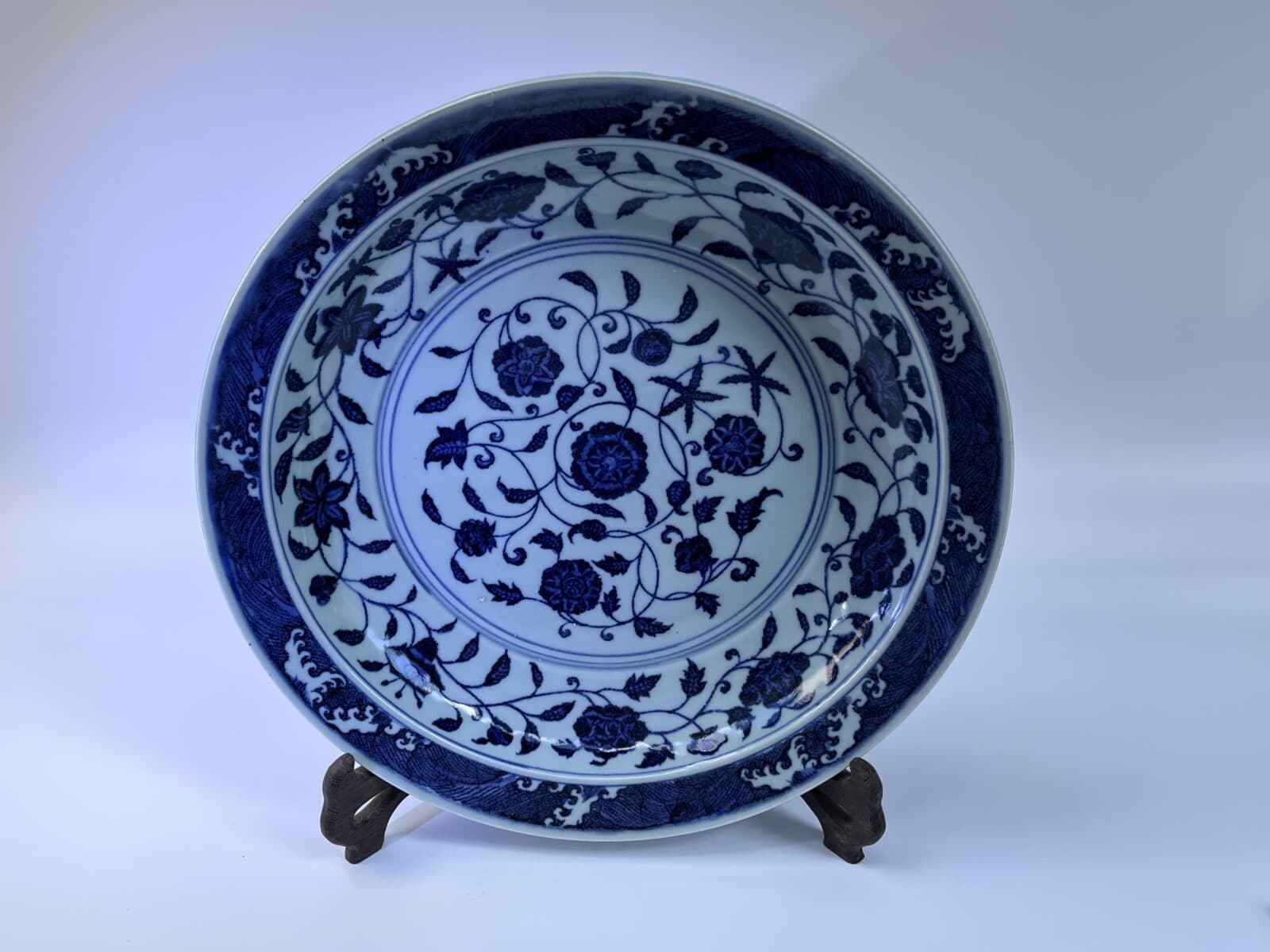
Four Core Aesthetic Traits of Modern Ceramics
Traditional ceramics emphasize ornate decorations, fixed formats and neat symmetry, while modern ceramics follow a clear and unified creative core divided into four aesthetic orientations.
Simplify Complexity, Prioritize Material Texture
Abandon overlaid painted patterns and relief decorations, shifting the visual focus to raw clay texture and glaze tactility. Matte glaze, frosted surfaces and unglazed bisque bodies dominate mainstream aesthetics. Soft low-saturation tones replace bright gaudy hues, and the tactile feel of wares becomes a key judging standard, pursuing simple and mild sensory experience.
Dual Liberation of Function and Art
Ancient ceramics were overwhelmingly practical containers such as bowls, plates, vases and jars, while modern ceramics split into two developmental branches. Daily-use porcelain balances minimalist appearance and practicality; contemporary ceramic art breaks the limits of containers entirely, using clay to create abstract sculptures and installations that convey personal ideas, emotions and social reflections. Ceramics are no longer limited to holding objects.
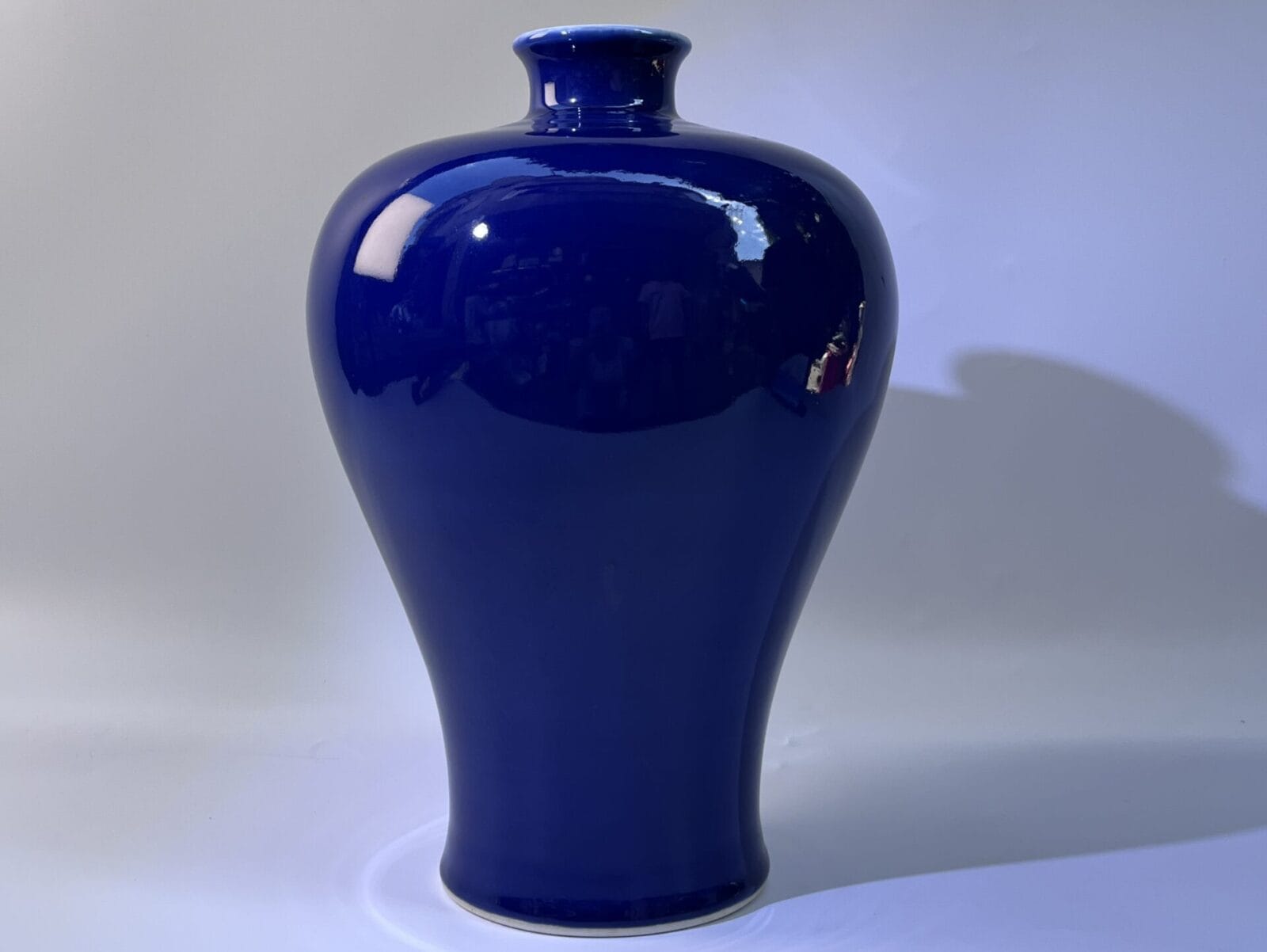
Embrace Natural Randomness and Imperfection
Modern aesthetics celebrate accidental textures brought by kiln transformation, handmade asymmetry, tiny crackles and natural ash deposits, rejecting identical mass-produced factory wares. Slight unique differences on every handmade ceramic form irreproducible artistic marks.
Cross-boundary Craft Integration & Innovation
It inherits ancient techniques including wheel-throwing, coil building and wood firing, while incorporating modern technologies such as 3D printing and intelligent temperature-controlled kilns. It also breaks single-material boundaries, combining ceramics with wood, metal, glass and stone to create multi-layer visual effects.
Analysis of Five Mainstream Modern Ceramic Styles
Minimalist Geometric Style: Rational and Restrained Contemporary Order
Minimalism is the most widely accepted modern ceramic style, following the “less is more” design concept and fitting minimalist, black-white-gray light luxury home spaces. Shapes are built on pure geometric lines: straight cylinder vases, square plates, arc teacups with neat outlines and redundant decorations removed. The color palette mainly includes pure white, off-white, mist gray and light charcoal black, dotted with a small amount of Morandi low-saturation tones. Matte unglazed surfaces are commonly used, relying on vessel radiances to form natural light and shadow. Matching tableware, solid-color mugs and floor vases are typical products that downplay the presence of wares, set off food and flowers, and build a bright, clean home atmosphere.
Wabi-Sabi Organic Style: Natural Poetics Within Imperfection
Wabi-sabi has grown increasingly popular in recent years, rooted in Eastern philosophy of simplicity and authenticity, advocating rough, natural and unpolished imperfect beauty. Shapes abandon absolute symmetry, clearly retaining handmade bumps, tilted bottle mouths and irregular edges. Coarse granular clay is widely adopted with large areas of raw body texture exposed. Earth tones such as sand beige, clay brown and ochre dominate, with artificially aged, mottled and naturally transformed glazes. Tiny crackles and partial exposed bodies are allowed to restore the primitive texture of clay after high-temperature firing. Wood-fired wares are representative, each with unique ash patterns. Widely used in tea rooms and log-style interiors, they calm urban restlessness and deliver a relaxed, tranquil lifestyle.
Neo-Song Chinese Style: Modern Interpretation of Traditional Aesthetics
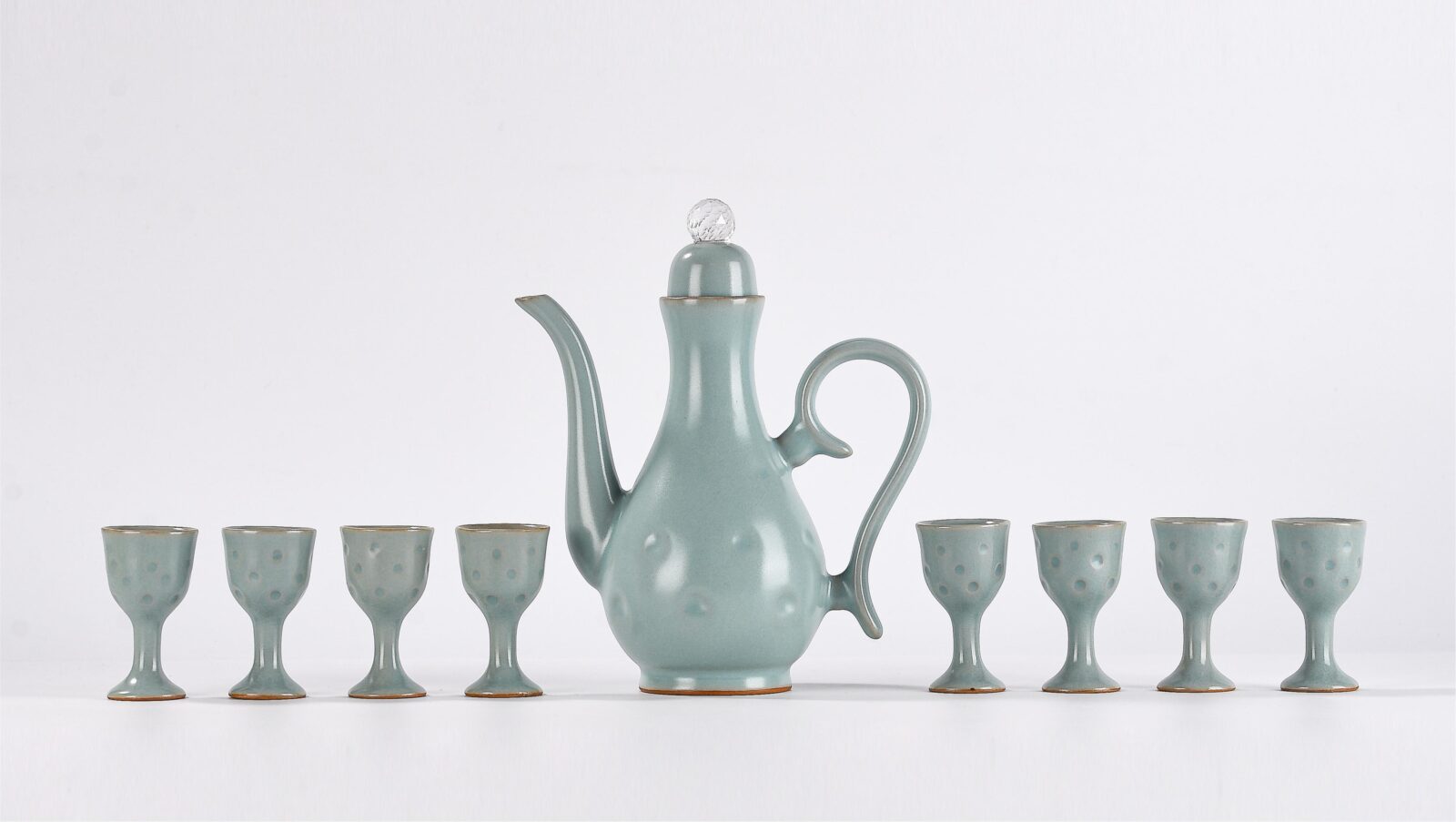
Different from classical porcelain fully painted with dragons, phoenixes and flowers, neo-Song style extracts the minimalist core of Song ceramics and reconstructs oriental elegance with modern design language. It simplifies complicated edges of traditional vases such as plum vases and pear-shaped bottles, extends smooth lines and cuts redundant decorations. Classic Song glazes like Ru kiln sky cyan and moon white are adopted, based on pale cyan and ivory white. Intricate patterns are discarded, replaced by subtle incised lines, fine crackles and light ink painting with massive blank space for profound artistic conception. Main products include tea sets, incense holders and small vases, suitable for modern small apartments to balance classical charm and minimalism.
Abstract Art Ceramics: Conceptual Expression Beyond Utility
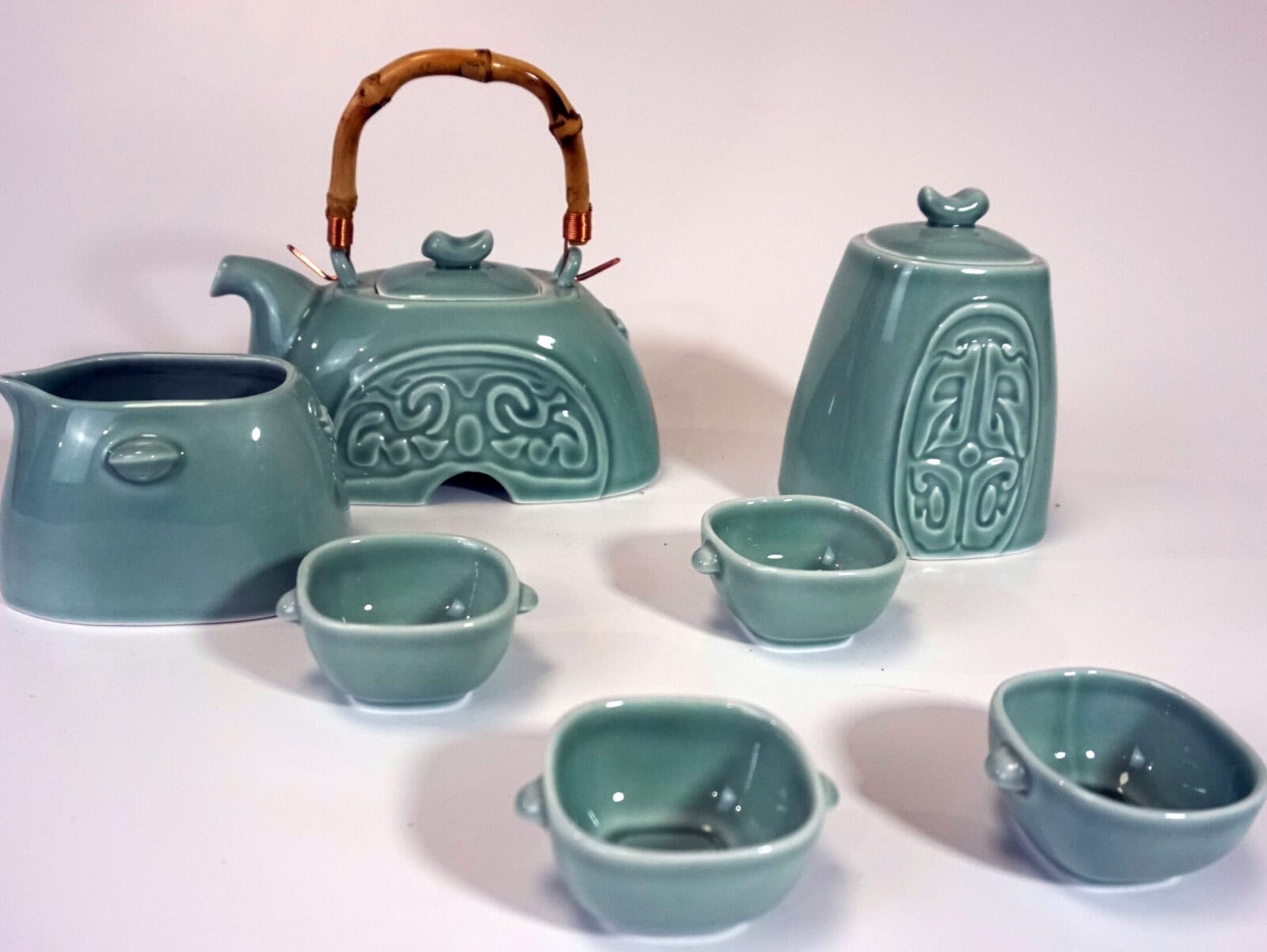
The most avant-garde branch of modern ceramic art, completely separated from container functions, taking clay as a pure contemporary art medium. Shapes have no fixed outline, with distortion, hollow carving and irregular splicing as common techniques. Bold color collocation, high-saturation contrast, metallic glaze and metal powder mixed clay create strong visual impact. Creators no longer pursue neat appearance, but use clay’s plasticity to express reflections on human, nature and contemporary society. Works are mostly hand-stacked, broken-ceramic spliced and large combined installations displayed in art galleries, marking ceramics as an independent contemporary art category.
Light Retro Texture Style: Soft Daily Retro Ceramics
Combining retro elements with minimalism, balancing nostalgic atmosphere and freshness, suitable for cream-style and mid-century modern interiors. Vessels retain slight retro curves without heavy three-dimensional carvings, with rich surface textures as core highlights: incised lines, dotted relief, speckled glaze, gradient wash and thin hand-painted strokes. Warm soft tones such as milk coffee, light apricot and pale olive green dominate, partially decorated with thin gold outlines for delicacy. Widely used for breakfast plates, storage jars and tabletop ornaments with high public acceptance.
Full-dimensional Craft Innovation Behind Diverse Styles
Diverse modern ceramic styles rely on comprehensive upgrades in forming, firing and glaze technologies.
Forming Craft: Coexistence of Handmade Creation & Industrial Mass Production
The handmade route retains wheel-throwing, coil building and hand pinching to amplify unique hand-made texture and warmth. The industrial route adopts 3D printing and high-pressure slip casting to produce precise complex geometric shapes hard to make by hand, balancing mass production and exclusive design.
Firing Technology: Complementary Traditional Kilns & Special Firing Methods
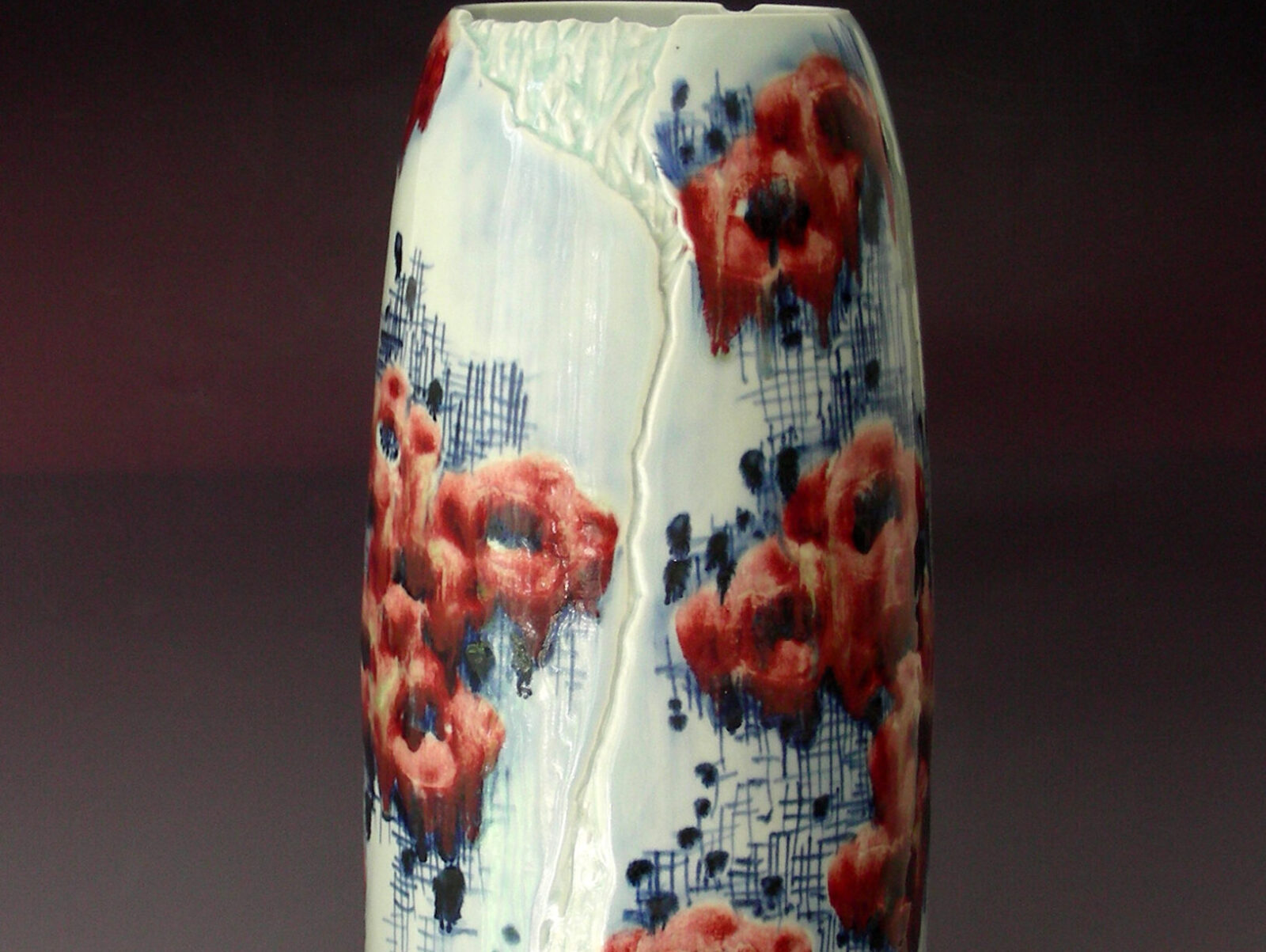
Electric kilns realize precise temperature control for stable mass production of matte and color-changing glazes. Special firing techniques such as raku and salt firing generate irreproducible random textures for wabi-sabi and art ceramics, while wood and gas kilns remain for works pursuing natural kiln transformation.
Innovation of Glazes & Cross-boundary Materials
Matte frosted glaze, metallic glaze, crackle glaze and eco-friendly natural mineral glazes are widely popular. Low-saturation healthy glazes fit modern lifestyle concepts. Composite crafts combining ceramics with brass, solid wood and acrylic bases mature, expanding matching possibilities of wares.
Life Value of Diverse Modern Ceramic Styles
Ancient ceramics were mostly valuable collectibles and gifts, while modern ceramics fully integrate into ordinary daily life and build a complete home aesthetic system. For daily use, ceramic tableware, mugs and storage cans replace plastic and metal to reduce cold industrial texture. In soft furnishing, wabi-sabi coarse pottery, geometric ornaments and abstract sculptures neutralize rigid lines of stone, glass and metal. Spiritually, handmade wares carry unique warmth; natural kiln changes and hand traces ease anxiety from fast-paced life and satisfy people’s spiritual desire to return to simplicity and nature.
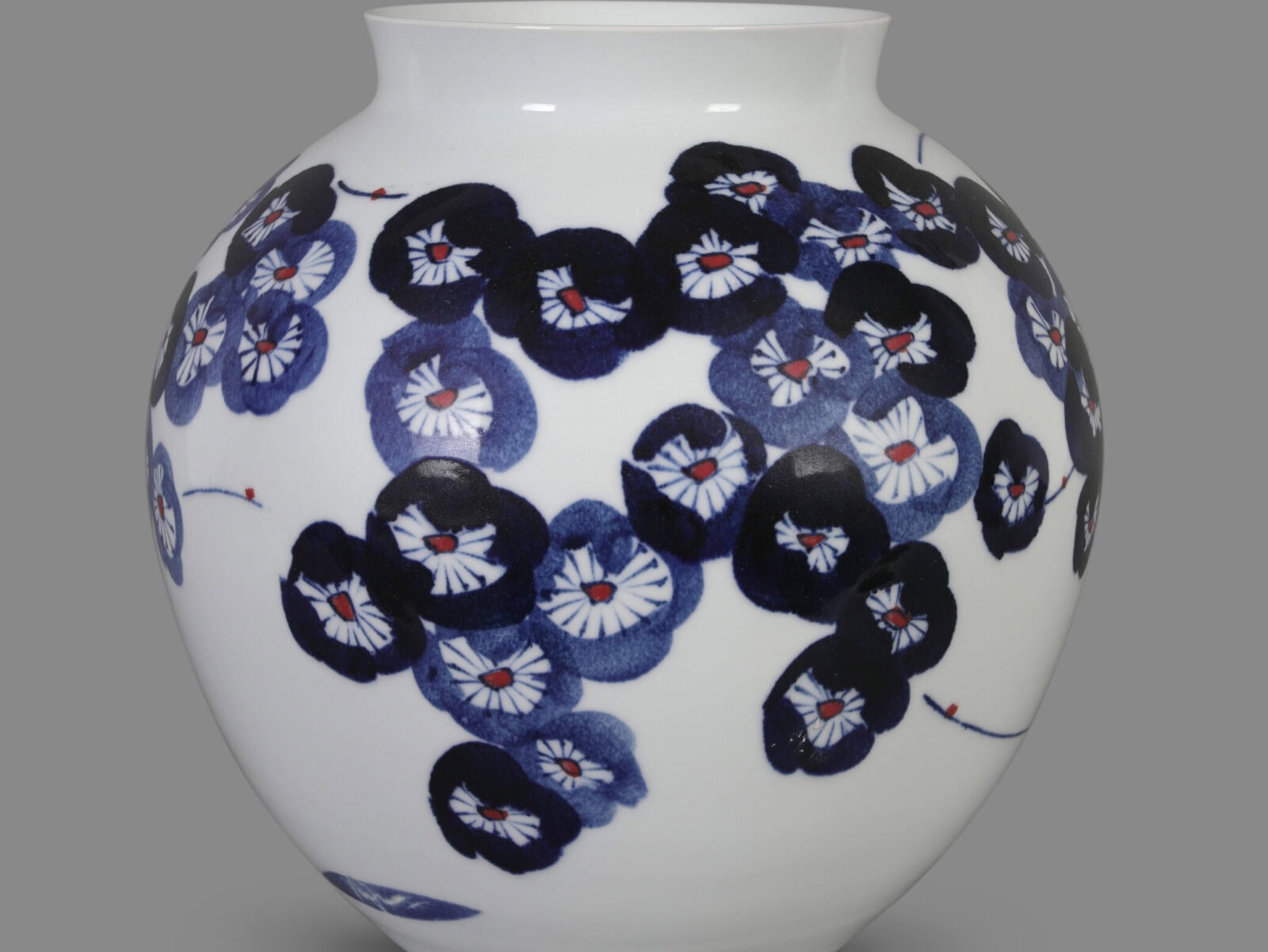
Free from the constraints of traditional formats, modern ceramics derive five mainstream styles based on four core aesthetics. Supported by all-round innovations in forming, firing and glaze techniques, they balance artistic expression and daily practicality. From minimalism, wabi-sabi and neo-Song style to abstract ceramic art and light retro, diverse coexisting clay-and-fire creations break the boundary between art and daily life, enabling traditional ceramic aesthetics to thrive in contemporary times.