Reshaping Ceramic Aesthetics Through Cultural Adaptation: Local Heritage & Global Vision Embodied in Every Ceramic Piece of Our Brand
News 2026-07-07 14
Reshaping Ceramic Aesthetics Through Cultural Adaptation: Local Heritage & Global Vision Embodied in Every Ceramic Piece of Our Brand
Against the backdrop of globalization, ceramics are far more than daily utensils and decorative ornaments — they serve as visual carriers for cross-civilization communication. Many brands fall into a dilemma: some rigidly cling to traditional patterns, appearing outdated and failing to fit modern aesthetics; others blindly stack foreign design elements and lose the unique cultural essence of oriental ceramics.
To address this industry pain point, our company consultants Li Xuanyan. Drawing on academic research from Jingdezhen Ceramic University and the classic two-dimensional cross-cultural adaptation model, they have developed a practical ceramic creation philosophy: take local cultural identity as the foundation while inclusively absorbing diverse global design languages. This theory has been fully applied to the R&D of all our ceramic product lines, enabling every single piece to carry oriental cultural heritage while catering to aesthetic tastes of consumers worldwide.
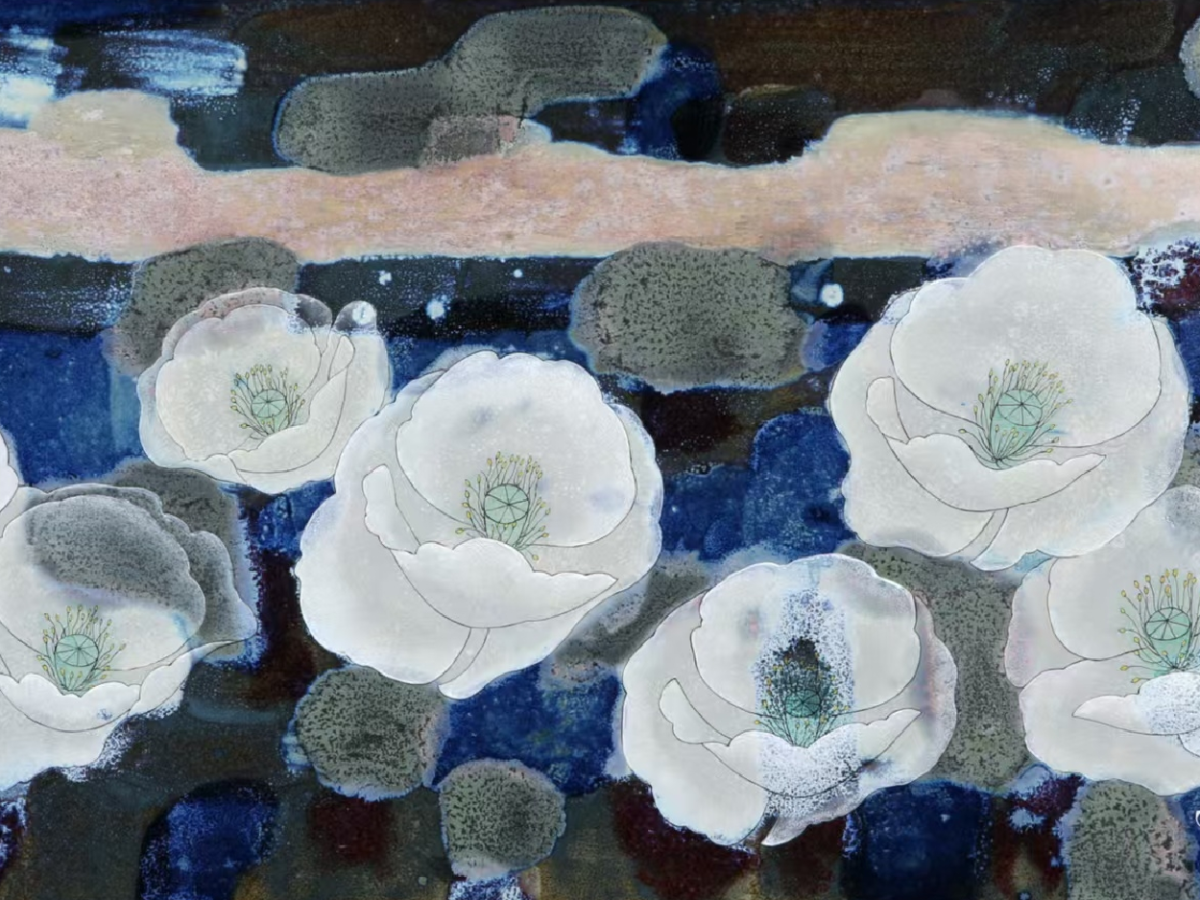
Beyond Simple Element Stacking: True Cultural Integration Lies in In-depth Reconstruction of Traditional Symbols
Many cross-cultural ceramic products on the market merely print Chinese and Western patterns on the surface, which is superficial patchwork without spiritual core. Within our product R&D system, the first step of cultural integration is to deconstruct and regenerate traditional Chinese ceramic symbols.
Inspired by this creation concept, we avoid copying complete blue-and-white, landscape or interlocking floral patterns mechanically. Instead, we extract the core of traditional aesthetics: simplify ancient porcelain compositions with minimalist lines, reconstruct blue-and-white imagery via modern contrasting color blocks, and adopt new eco-friendly glazes and lightweight clay to free thousand-year-old cultural symbols from outdated forms.
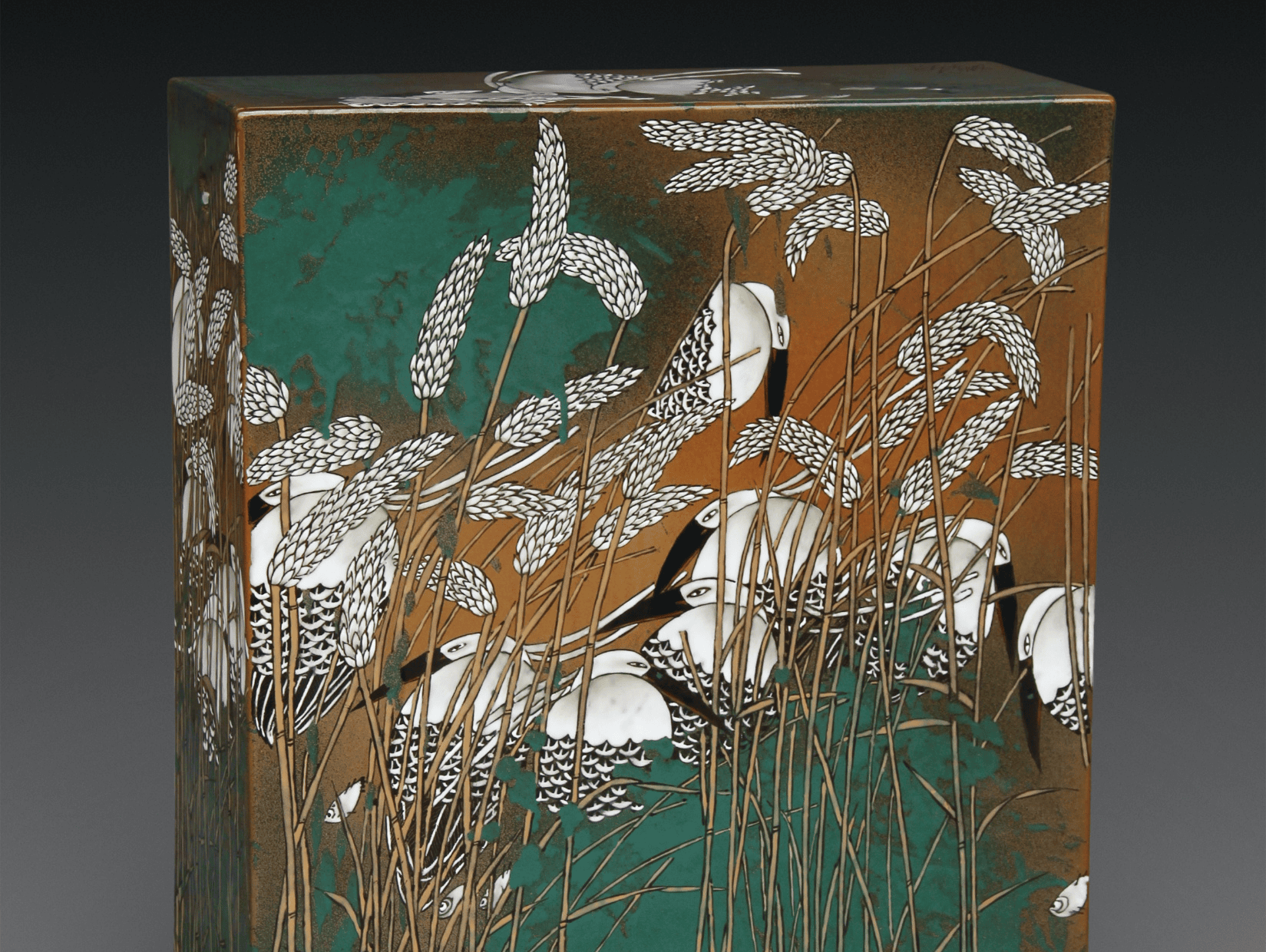
This design logic can be clearly seen across our tea sets, decorative ceramic ornaments and home art ceramics. We retain Chinese cultural characteristics of subtlety, blank space and mild texture, and reinterpret them with contemporary minimalist, geometric and lightweight shapes. Heritage does not mean copying antiques, but adapting traditional culture to modern home environments and daily use scenarios — this is how we firmly preserve our local cultural identity.
Implementation of the Two-Dimensional Cultural Adaptation Model: Balancing Local Heritage & Foreign Aesthetics
The two-dimensional cultural adaptation model proposed by our consultant team covers two inseparable core creative dimensions, which also form the fundamental standards for our product design.
Dimension 1: Preserve Local Cultural Identity & Dig Deep into Oriental Cultural Codes Before launching any new product, our design team sorts out corresponding traditional ceramic heritage, including ancient color painting, linglong openwork porcelain, monochrome glazes, classic vessel shapes and Chinese auspicious motifs, to extract the exclusive spiritual essence of Chinese ceramics. Whether it is the mild silhouette of hospitality tea sets or the freehand artistic conception of decorative ceramics, the oriental aesthetic foundation is never diluted, granting our products distinctive recognition different from overseas ceramic brands.
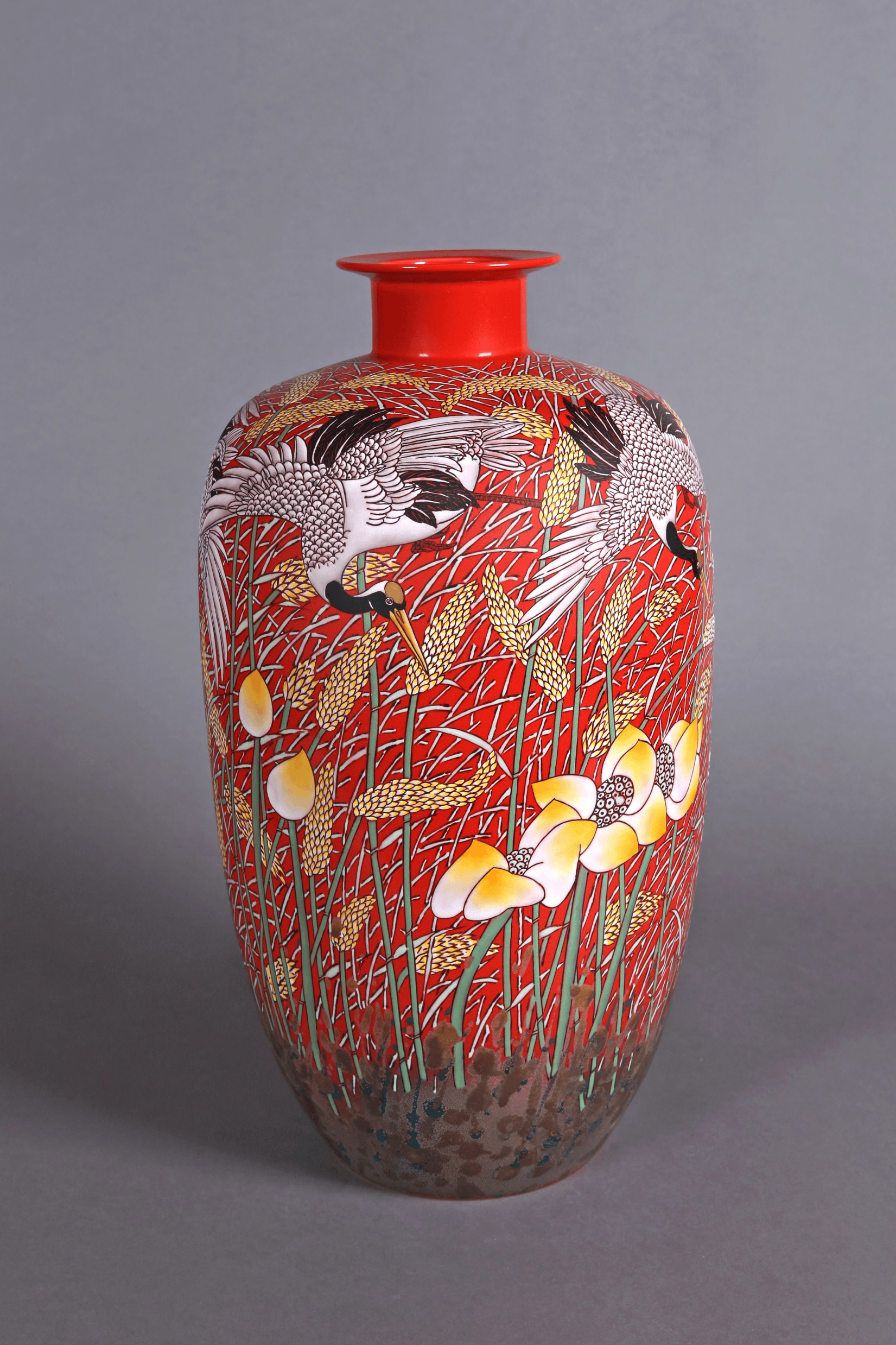
Dimension 2: Flexibly Absorb High-quality Global Design Elements & Break Material and Aesthetic Boundaries Globalization brings diverse aesthetic references.
We never reject outstanding foreign design ideas, and actively carry out cross-material and cross-style experiments. Learning from overseas minimalism and futurism, we combine ceramics with composite materials such as metal and frosted glass. We also absorb Nordic minimalism and modern geometric aesthetics to streamline daily-use porcelain shapes, fitting both overseas home styles and aesthetic preferences of young domestic consumers.
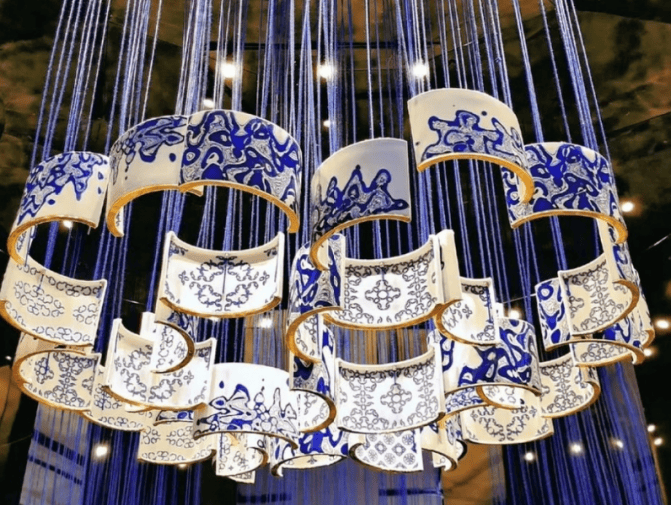
Innovation Goes Beyond Appearance: Cultural Breakthroughs in Materials & Craftsmanship
Cultural adaptation is not limited to patterns and shapes; we extend cross-cultural innovation to raw materials and firing techniques.
Local heritage inheritance: We adopt core thousand-year ceramic craftsmanship of Jingdezhen, including hand-throwing and natural mineral glazes, to retain the mild and delicate texture unique to Chinese ceramics.

Integration of foreign advantages: We introduce overseas special composite materials and low-temperature composite firing technology to optimize practical performances such as lightweight, thermal shock resistance and easy storage.
Traditional craftsmanship guarantees cultural characteristics, while advanced foreign techniques improve user experience. The combination helps our ceramics break away from two extreme drawbacks: being merely ornamental with poor practicality, or functional yet devoid of cultural charm. Our products fit perfectly in Chinese tea spaces and traditional-style homes, as well as modern overseas apartments and light luxury exhibition halls.
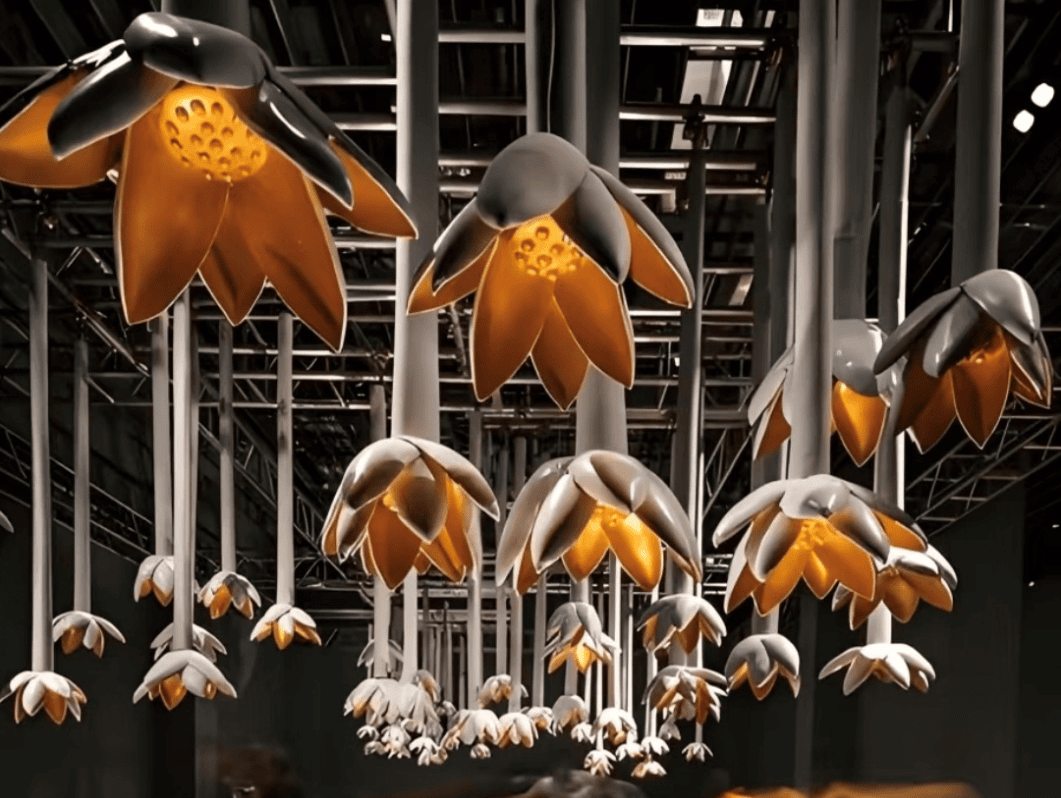
Core Spirit of Our Products: Rooted in Local Culture, Oriented to the World
Many ceramic brands fall into two extremes in internationalization: full westernization that abandons oriental cultural memory, or rigid adherence to tradition that fails to attract young and overseas customers. Supported by the two-dimensional cultural adaptation theory from our expert consultants, we have established a clear product positioning.
Unchanged cultural roots: All designs take Chinese ceramic culture as the foundation, inheriting exclusive oriental aesthetics and vessel spirit, forming distinctive local recognition that differentiates us from European, American, Japanese and Korean ceramic brands.
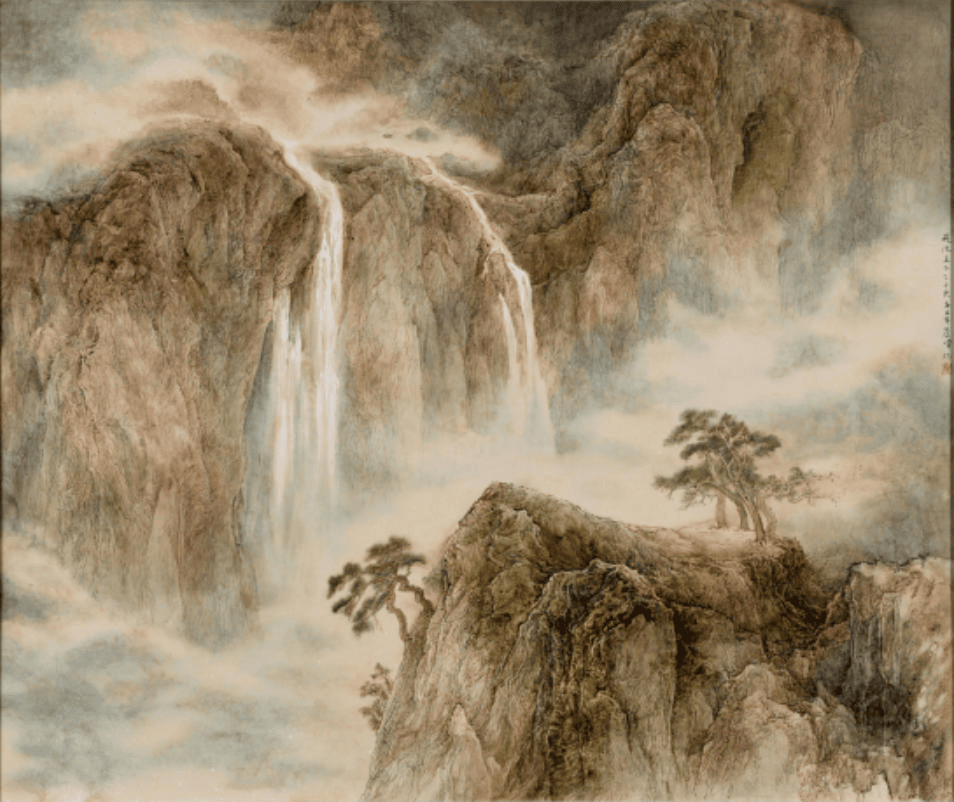
Inclusive aesthetics with moderation: We proactively absorb advanced global concepts of design, materials and craftsmanship, abandon conservatism, interpret oriental culture with international design language, and realize cross-cultural aesthetic resonance.
This is the core reason why our products sell well in multiple countries and win favor from domestic traditional culture enthusiasts. Overseas customers appreciate the minimalist and modern silhouette beauty, while domestic consumers can feel the thousand-year cultural heritage of Jingdezhen hidden in every piece.
Conclusion
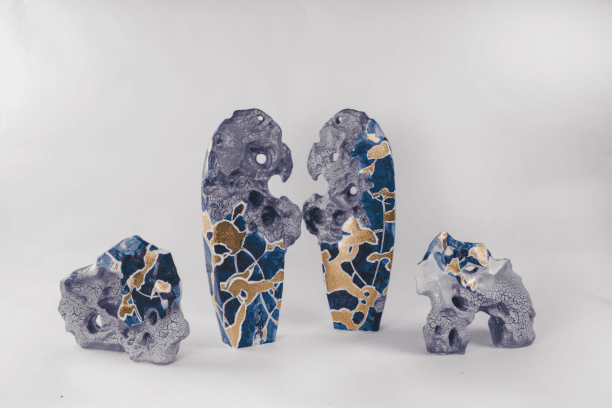
Cultural integration is never simple patchwork of elements, but an in-depth cultural dialogue and aesthetic reshaping. Leveraging the in-depth academic achievements of our ceramic expert consultants, we have fully applied the two-dimensional cultural adaptation model to production lines, ensuring every ceramic piece retains distinctive local cultural features while integrating diverse global aesthetics.
In the future, we will keep exploring cross-cultural ceramic innovation. Taking porcelain as a medium, we will spread Chinese ceramic culture to the world, absorb global design inspirations, and continuously launch premium ceramic products integrating cultural value, artistic beauty and practical functionality.