Material Culture of Jingdezhen Ceramics: Porcelain Stone, Kaolin & Ancient Raw Material Craftsmanship
News 2026-07-21 8
Material Culture of Jingdezhen Ceramics: Porcelain Stone, Kaolin & Ancient Raw Material Craftsmanship
Ceramics are artworks born from the integration of clay and fire. Clay bodies and glazes form the core of porcelain wares. A complete system built around raw minerals, mining resources and ancient processing techniques jointly shapes the unique material culture of Jingdezhen ceramics. The global reputation and supreme quality of Jingdezhen porcelain all stem from its superior local porcelain-making mineral resources.
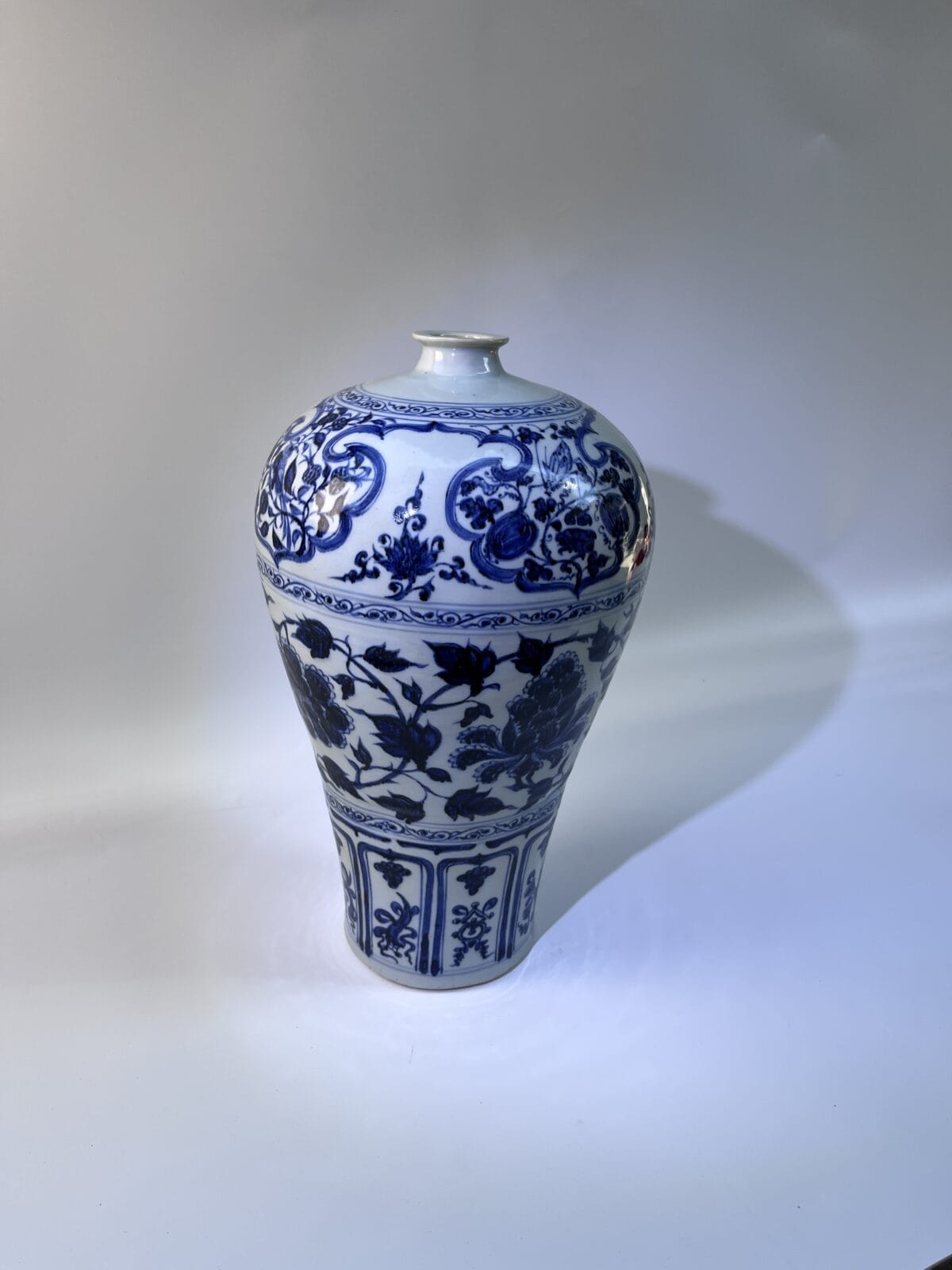
Early Raw Materials: Single Porcelain Stone Body Formula
In the early stage of Jingdezhen porcelain production, porcelain stone was the sole raw material for ceramic bodies. In October 1981, Liu Xinyuan and researchers from Jingdezhen Ceramic History Museum conducted excavations and lab tests on porcelain bodies dating back 1,000 years (10th–19th century). They verified that fine white porcelain from the Five Dynasties and shadow blue porcelain with unglazed rims of the Southern Song Dynasty were all made of pure porcelain stone. This conclusion overturned the previous view that kaolin was mixed into bodies from the Five Dynasties to Northern Song, and has been widely recognized by ceramic academia nationwide.
Mines around Jingdezhen abound in high-quality porcelain stone with high refractoriness and excellent processing performance. Porcelain fired from this stone features high hardness and pure whiteness. In ancient times, porcelain stone was mined from dozens of mining areas including Jinkeng, Nangang, Liujiawan, Sanbaopeng, Yaoli and Qimen, supporting porcelain production for over a thousand years.
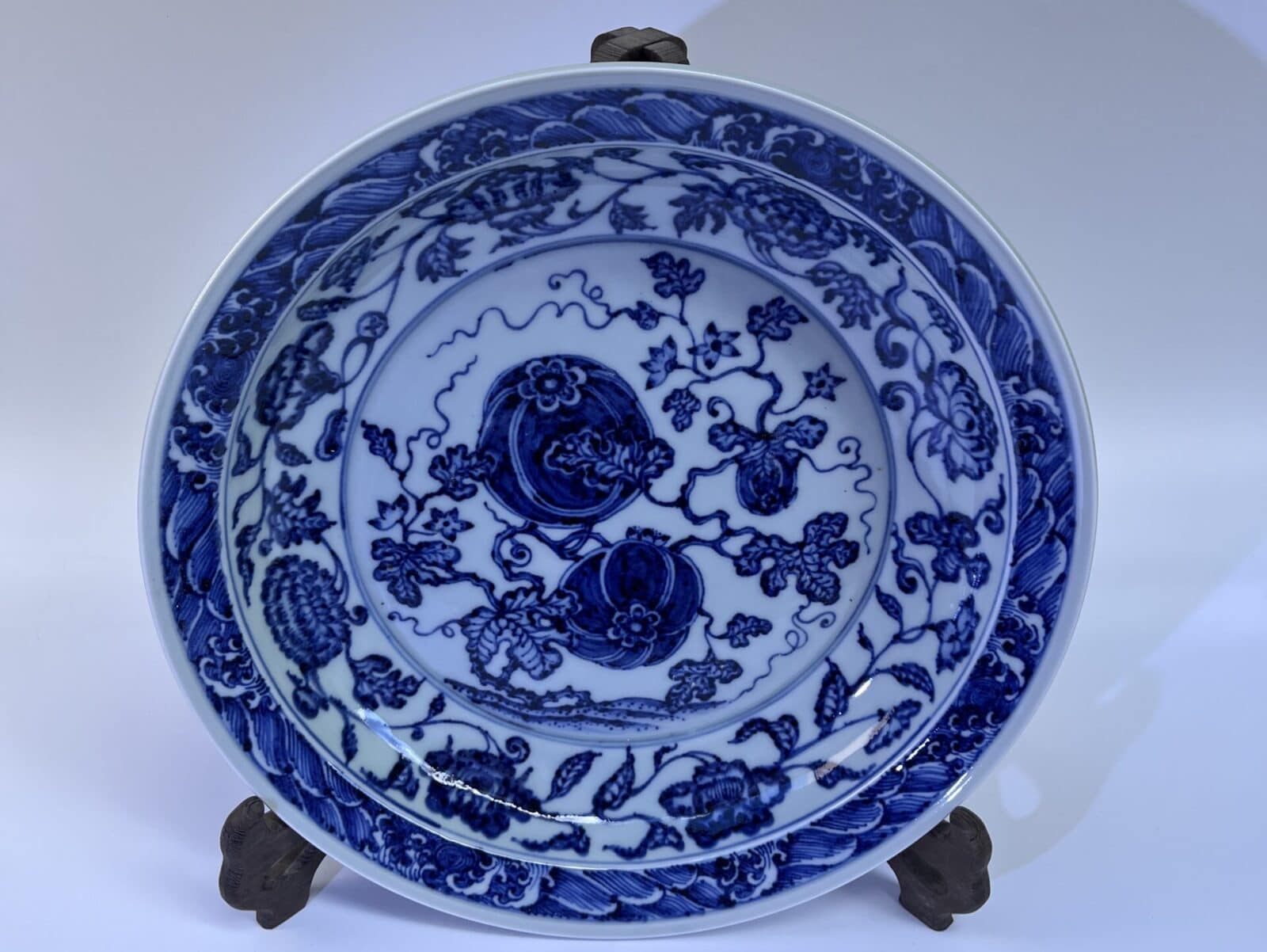
Discovery of Kaolin: A Groundbreaking Material Reshaping Global Ceramic History
After the fall of the Northern Song Dynasty, northern potters fled wars and moved south to Jingdezhen, bringing advanced firing skills and rapidly expanding the porcelain industry. Soaring global demand exhausted porcelain stone mines mined for over a hundred years, triggering a raw material crisis. At that time, local craftsmen discovered kaolin clay in Dongbu Village. This white fine clay features stable chemical properties, strong absorption and high melting point, making it premium material for high-end porcelain. The application of kaolin marked an epoch-making milestone in world ceramic history.
In 1712 (the 51st year of Kangxi reign in the Qing Dynasty), French missionary Père d’Entrecolles introduced kaolin’s formula and craftsmanship to Europe. In 1869, German geologist Ferdinand von Richthofen transliterated the Chinese word “Gaoling” into “Kaolin” in his paper, which has since become the universal technical term for porcelain clay worldwide.
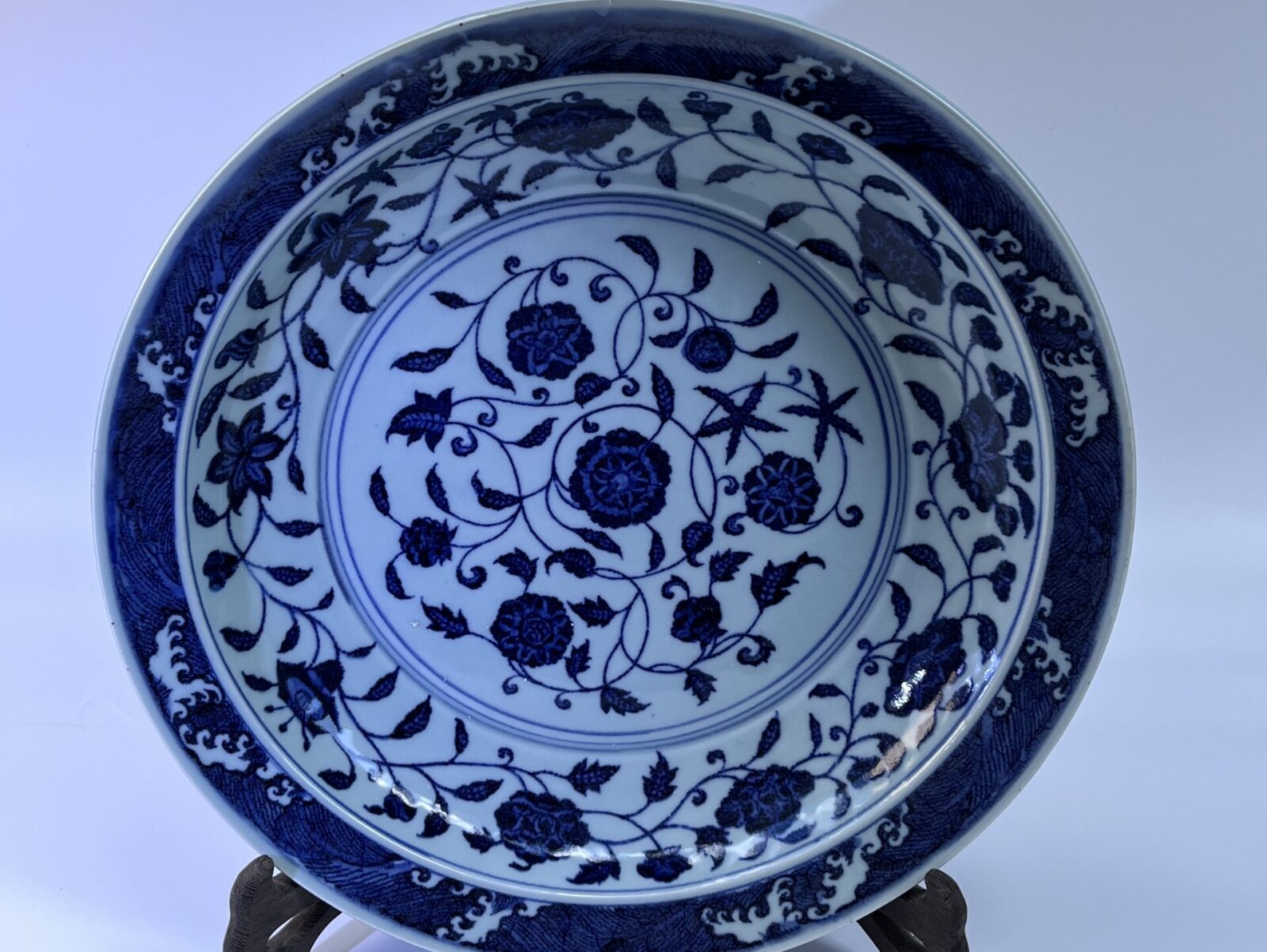
Traditional Jingdezhen Glazes: Ancient Formula of Glaze Stone & Glaze Ash
Glaze acts as the outer coat of porcelain, protecting the body while enhancing ornamental value. Glaze stone from Yikeng boasts pure white tone and has been the top choice of Jingdezhen kilns for hundreds of years. Other glaze stone mines include Changling, Taoshuwu and Dashuwu.
Ancient potters developed a standard technique for making glaze ash: pure limestone was layered with fern grass at a ratio of 6:4 and calcined in kilns. The calcined mixture was ground, washed and filtered to produce glaze ash. As a key flux for celadon glaze, glaze ash delivers excellent transparency and greatly optimizes the color rendering of underglaze blue and white decoration.
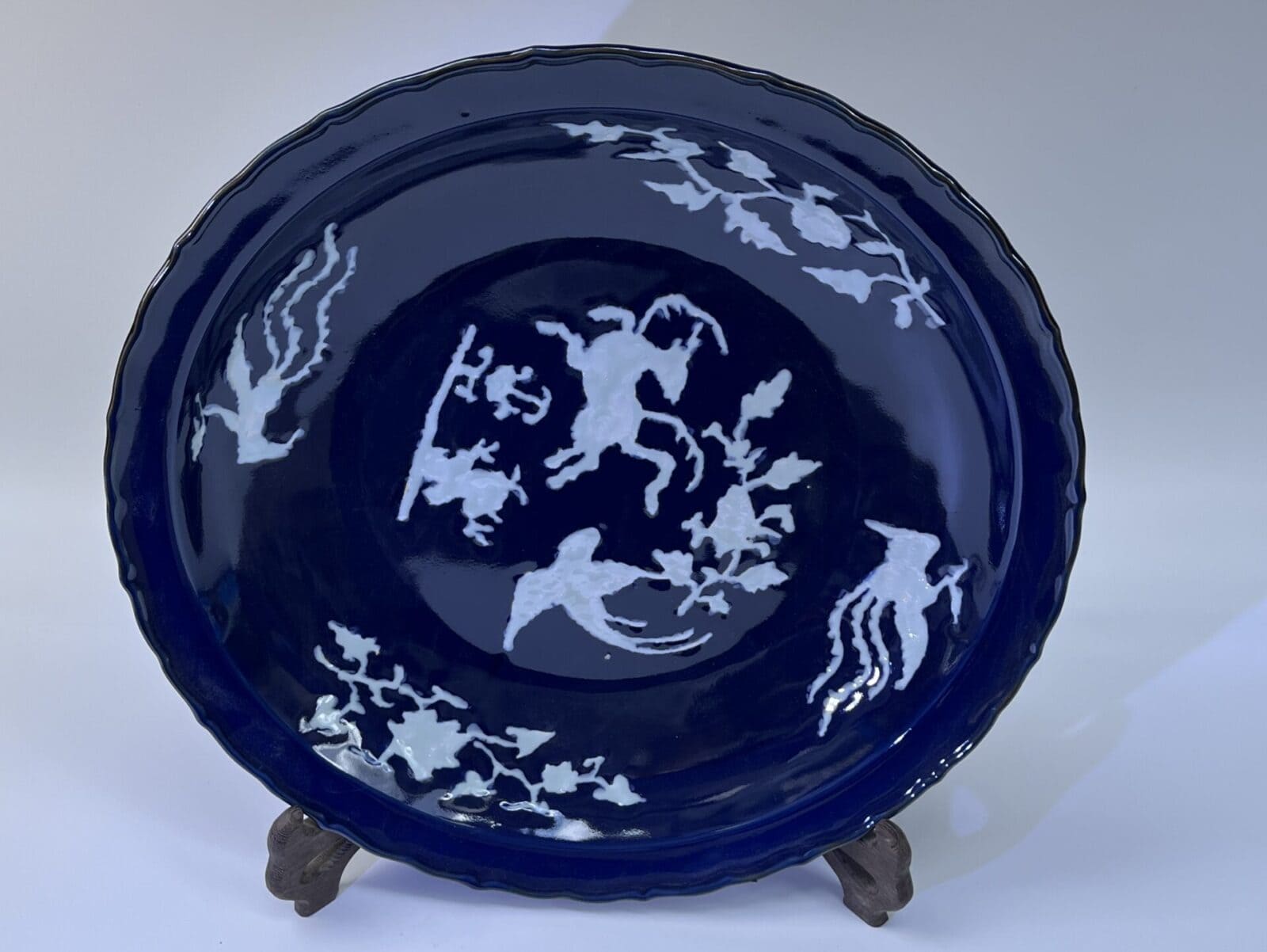
Ancient Raw Material Crushing: Thousand-Year Water Tripod Hammer Technology
Hard porcelain and glaze ores must be crushed and washed before clay making. Without electric machinery in ancient times, Jingdezhen ancestors invented water tripods powered by natural stream waterfalls. Each unit consists of a water wheel, hammer beam and stone mortar, with a history spanning more than 2,000 years.
Records of Jingdezhen Pottery notes that all porcelain clay requires stone mining and processing, with workshops building water tripods along streams to pound ores. The Republican-era book Local Records of Fuliang County states that Yaoli featured steep terrain and rapid streams lined with water tripods for grinding porcelain clay. Historical data shows there were over 4,700 water tripods in normal ancient times, peaking at more than 6,000. During spring and summer floods, rows of water tripods operated along rivers, with rumbling sounds echoing miles away, matching the ancient poem: Rows of water tripods line the river; thunderous roars travel far before rain. This eco-friendly ancient technique cut labor costs and produced evenly fine ore powder.
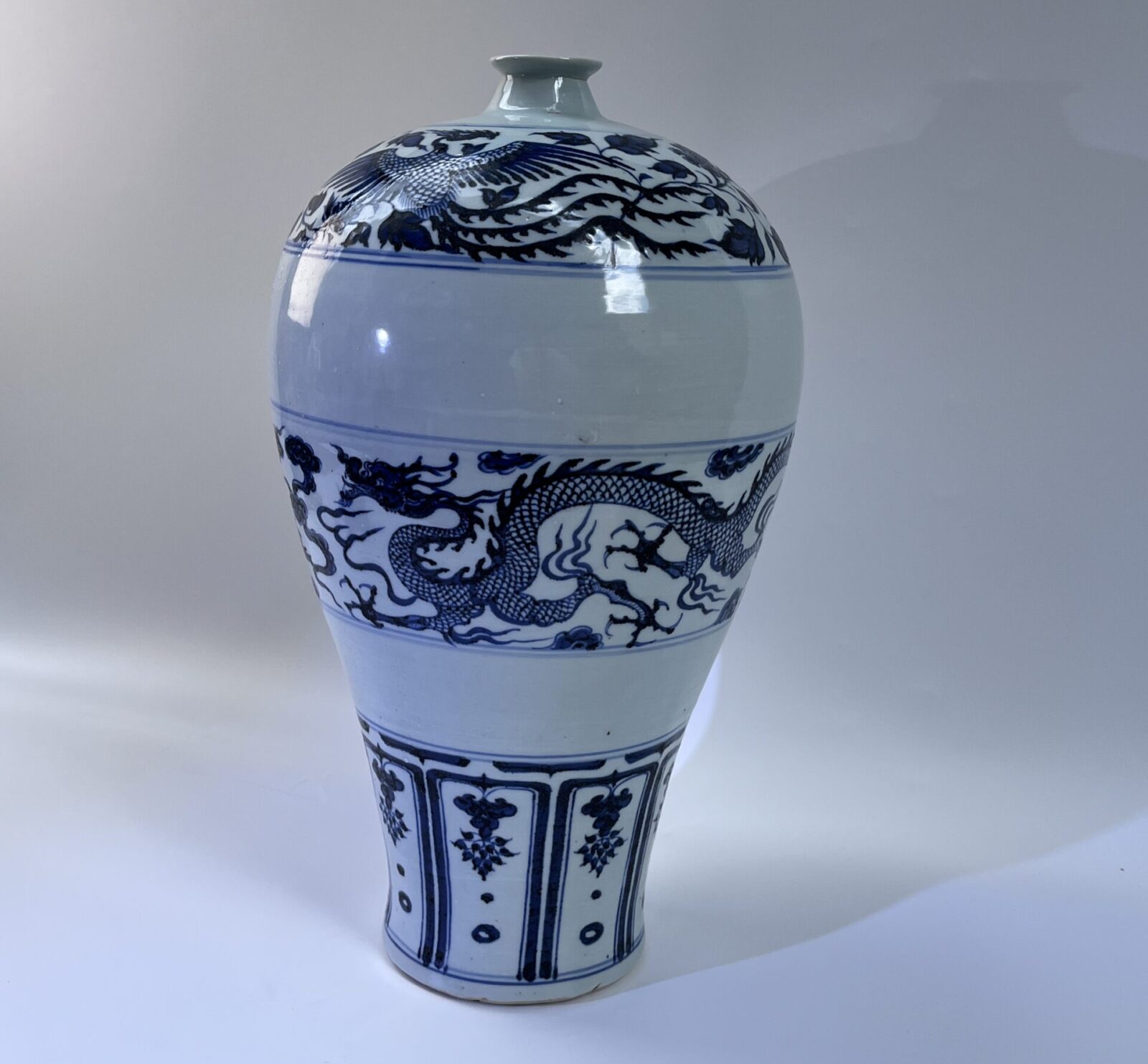
Raw Materials Shape Jingdezhen’s Distinct Material Culture
From early porcelain stone bodies, the groundbreaking adoption of kaolin, ancient glaze formulas of glaze stone and glaze ash, to the two-millennia-old water tripod processing, a complete exclusive raw material system forms Jingdezhen’s irreproducible ceramic material culture. Unique mineral resources and inherited ancient craftsmanship together create the premium texture of Jingdezhen porcelain: smooth as jade and bright as mirror.