Clay Forms the Bone of Porcelain, Craftsmanship Lives in Earth — Unlock the Secret Base Material Behind Every Ceramic Work
News 2026-07-08 28
Clay Forms the Bone of Porcelain, Craftsmanship Lives in Earth — Unlock the Secret Base Material Behind Every Ceramic Work
As a professional ceramic brand rooted in Jingdezhen with university-backed ceramic R&D resources, we (Magic Cube Ceramics) master the full production chain of porcelain making. Many ceramic lovers focus on glaze colors, decorative patterns and vessel shapes, yet overlook the core element that defines texture, durability and unique temperament: body clay. This blog systematically explains the mineral principles of ceramic clay, four mainstream clay categories and key performance indicators, showing you how ordinary earth transforms into exquisite ceramics through fire and water.
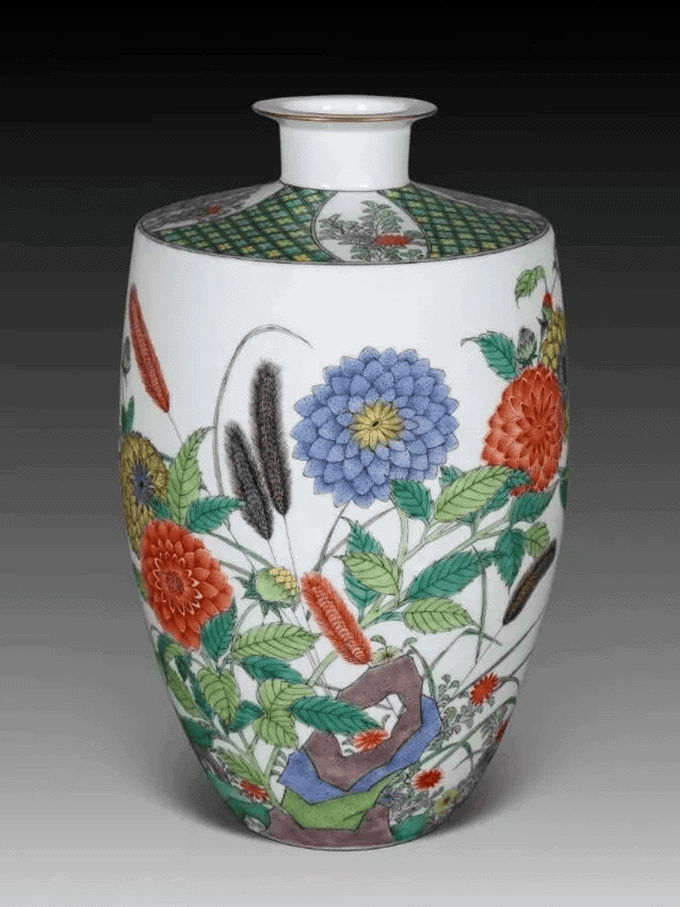
The Fundamental Composition & Forming Mechanism of Ceramic Clay
The soul of a smooth, translucent and well-proportioned ceramic piece lies in the base clay beneath glaze instead of surface decorations. From Neolithic red pottery clay, fine Jingdezhen kaolin porcelain clay to unique Yixing zisha clay, mineral earth experiences millions of years of weathering and sedimentation. After washing, kneading, shaping and kiln firing by craftsmen, plain soil evolves into artistic treasures. Clay is the combination of water, soil and minerals, and the core standard to tell pottery apart from porcelain, as well as control the touch, function and temperament of finished wares.
All ceramic clay is essentially hydrous aluminosilicate minerals decomposed from granite and feldspar through weathering, mixed with three core mineral components.
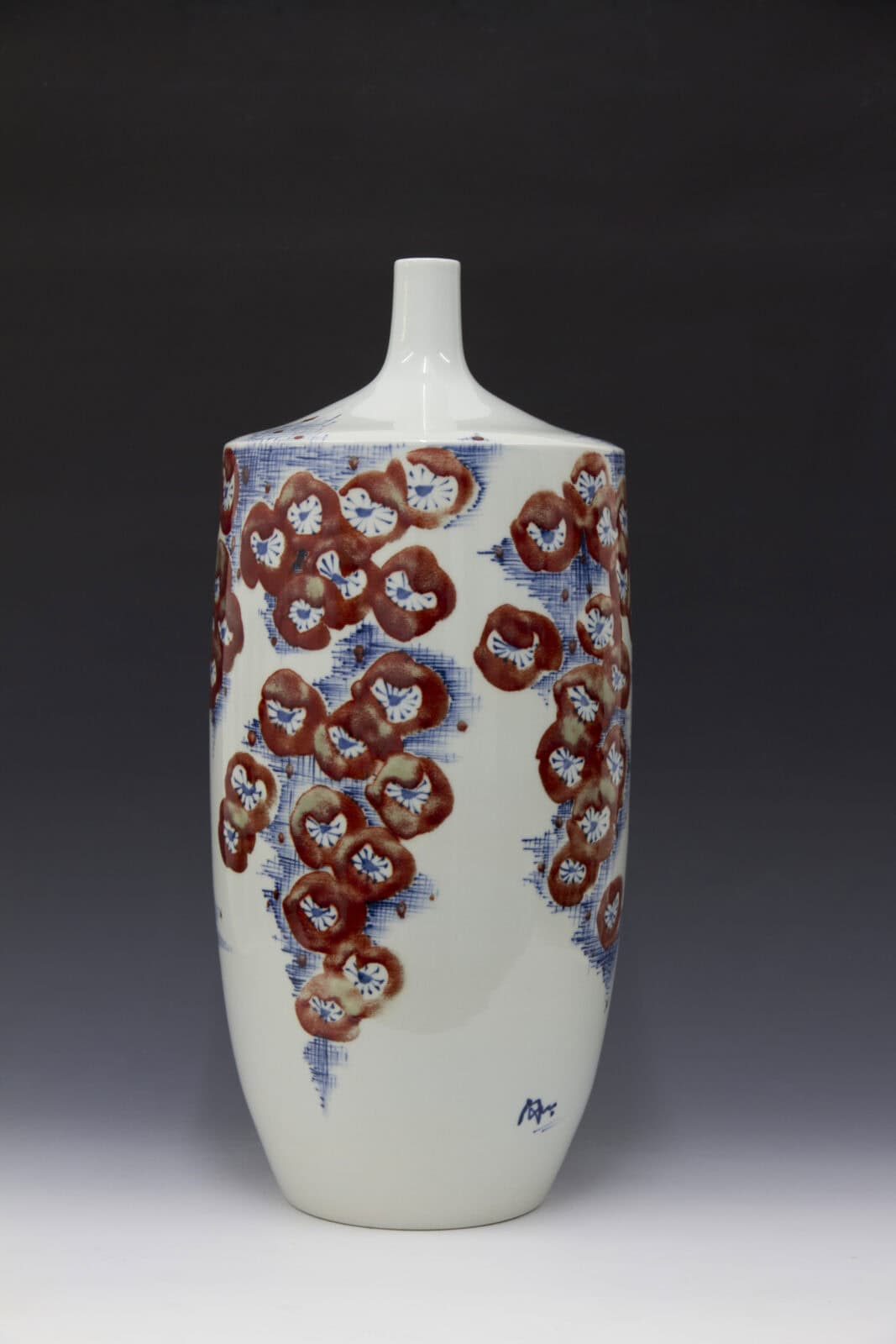
The first category is clay minerals, the skeleton of clay bodies, including kaolinite, montmorillonite and illite. They become plastic when mixed with water, supporting wheel-throwing and carving. Kaolinite features high alumina content to form white and firm bodies after firing; montmorillonite boasts great flexibility yet massive shrinkage during drying, only used as auxiliary material.
The second component is quartz refractory aggregate. Silicon dioxide particles reduce shrinkage during drying and firing, prevent cracking and enhance the hardness of finished works.
The third component is feldspar flux. It melts into glass texture under high temperature to bind mineral particles tightly, forming dense waterproof bodies and lowering required firing temperature.
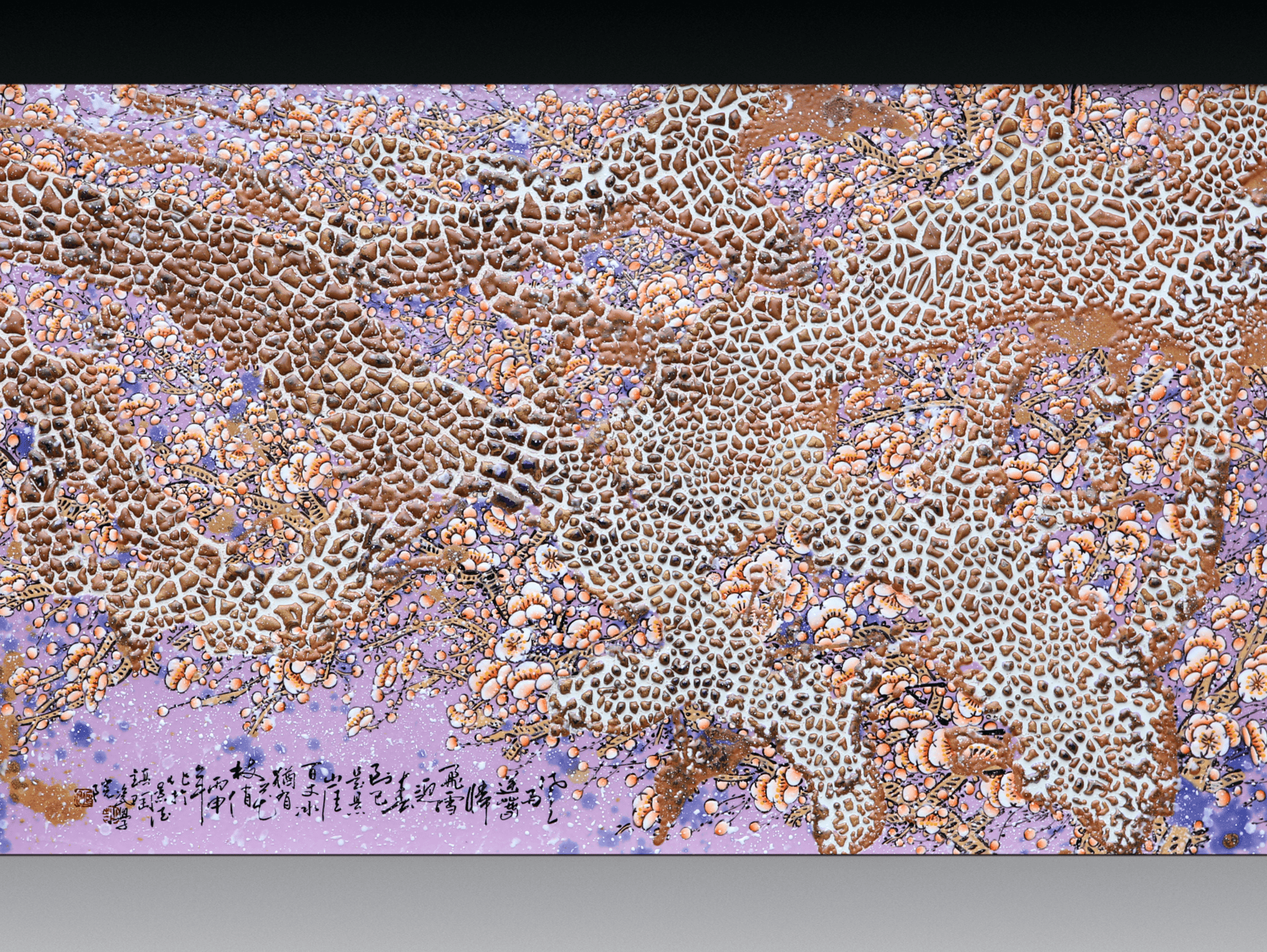
Raw mineral soil mixed with sand, iron and titanium impurities cannot be used directly. It has to go through crushing, washing, sedimentation, iron removal, long-term aging and vacuum clay kneading to eliminate coarse particles and harmful impurities. Aging is a vital procedure: sealed clay rests for months to fully blend water and minerals, greatly improving plasticity and avoiding cracks during wheel-throwing and trimming.
Clay turns soft and malleable with water, while high kiln temperature triggers irreversible chemical reactions: clay dehydrates and decomposes, feldspar melts and quartz crystallizes. The body hardens permanently and becomes water-insoluble, which is the core mechanism of clay turning into ceramic. The base color of the body depends on iron and titanium impurities. Fewer impurities bring whiter bodies; higher iron content creates reddish brown, greyish cyan or dark purple tones after firing.
Four Major Types of Ceramic Clay: Pottery, Porcelain, Stoneware & Zisha Clay
Earthenware Clay (Low-Temperature Coarse Pottery Clay)
The earliest ceramic raw material used by humans, collected from natural surface sediment clay with simple purification, high iron and organic impurities and coarse particles. Firing temperature ranges from 700℃ to 1100℃ without full vitrification. Unglazed bodies own large pores and strong water absorption. Fired bodies mostly show earthy yellow, reddish brown or grey black with heavy, rustic texture.
Earthenware clay has outstanding plasticity, widely applied in hand-made pottery, painted pottery, retro coarse tableware and artistic flower pots. Prehistoric painted pottery from Yangshao and Majiayao cultures were all fired with natural red pottery clay.
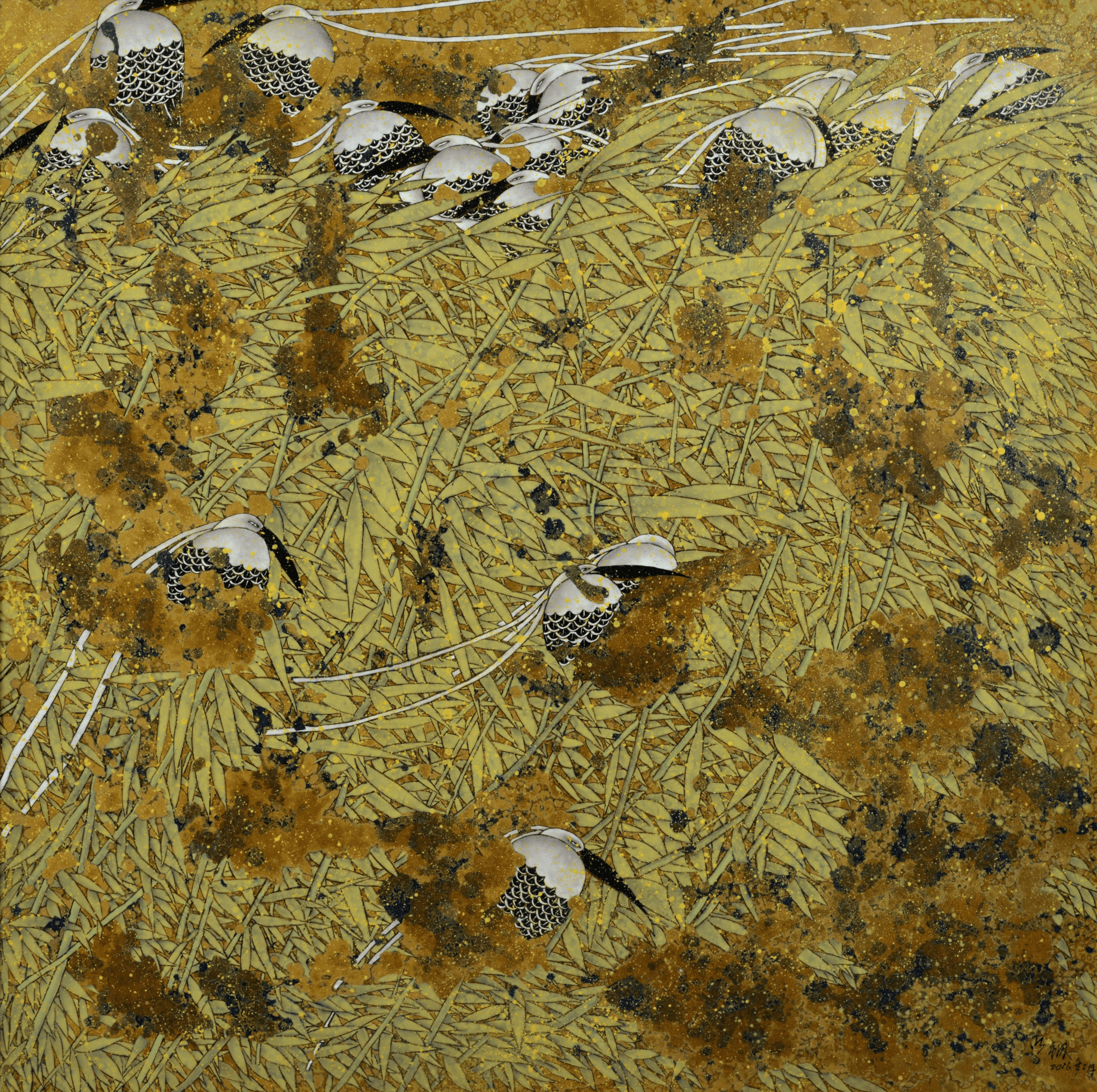
Porcelain Clay (Kaolin-Based High-Temperature Clay)
The core raw material for porcelain, mainly mixed with kaolin and porcelain stone, refined with quartz and feldspar, strictly limiting iron and titanium impurities below 1%. Fired at 1220℃ to 1300℃ for complete vitrification, the compact body has zero pores and no water absorption. It is divided into super white clay, medium white clay and ordinary white clay.
Super white clay delivers extreme whiteness for blue-and-white porcelain, enamel ware and high-end daily ceramics; medium white clay carries light beige tone, perfect for antique celadon and monochrome glaze works. Porcelain clay features smooth texture for easy throwing and carving, producing thin, firm and translucent finished pieces. Jingdezhen blue-and-white porcelain and Dehua white porcelain are classic works made of porcelain clay.
Stoneware Clay (Medium-Temperature Neutral Clay)
Its performance sits between earthenware and porcelain clay with balanced mineral formula and medium iron content. Fired at 1100℃ to 1220℃ to reach semi-vitrified state with ultra-low water absorption and higher strength than coarse pottery, featuring thick matte texture. It is widely used in casseroles, mugs, wall tiles and matte retro art pottery, balancing durability and natural touch.
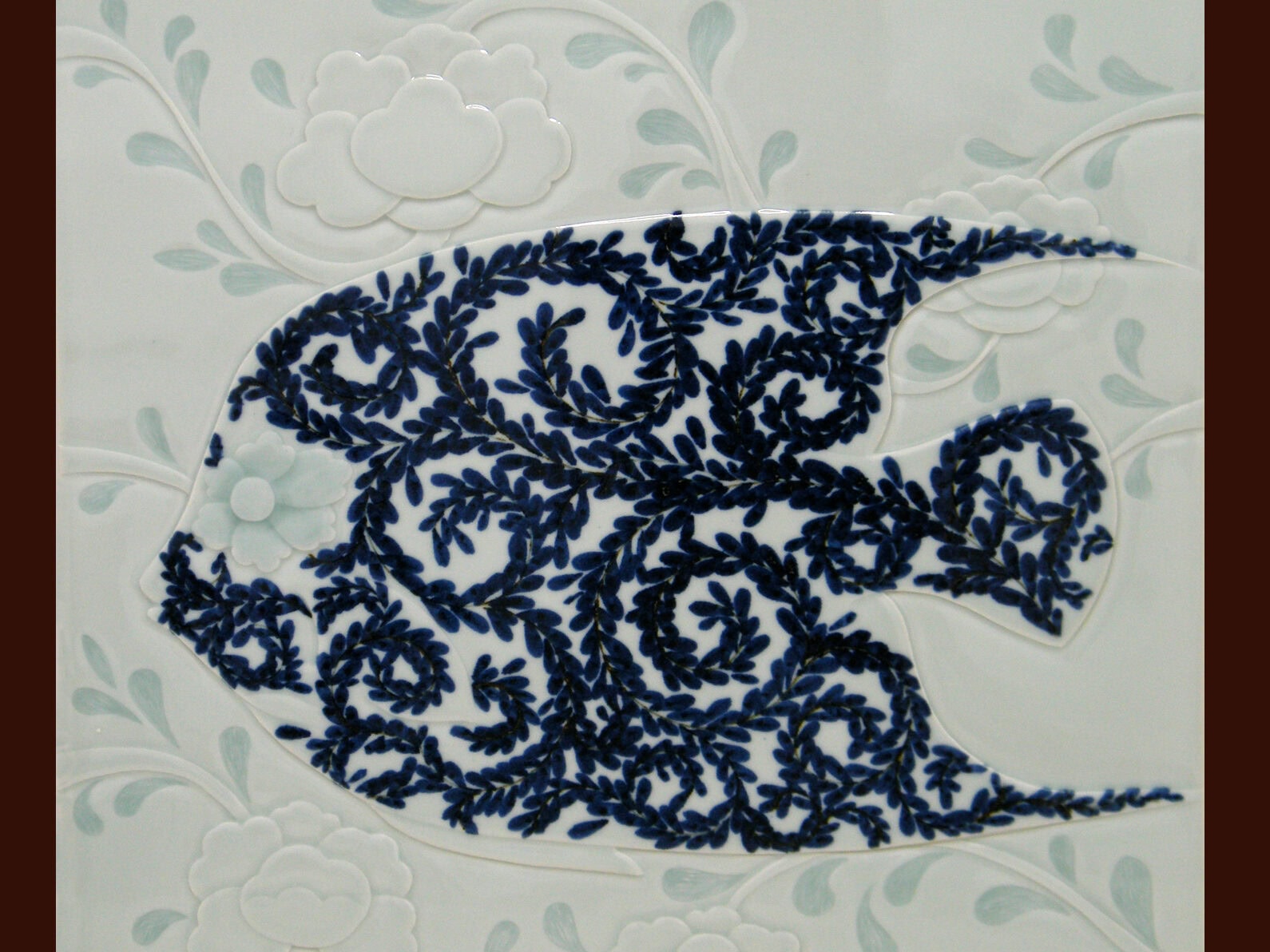
Zisha Clay (Special Iron-Rich Mineral Clay)
Exclusive mineral clay from Yixing, also named five-color clay, rich in hematite and mica. Mixed coarse and fine particles create unique sandy texture, categorized into purple clay, red clay, green clay and duan clay. Fired between 1100℃ and 1200℃, it forms double-pore structure, breathable yet waterproof. It locks tea aroma and insulates heat to avoid scalding hands, with natural soft matte texture without glaze coating. Authentic zisha mineral can only be mined from Huanglong Mountain in Yixing with strict geographical limits.
Four Core Indicators That Decide the Success of Ceramic Works
Clay with different formulas varies greatly in performance, and four key indicators directly determine finished quality.
Plasticity: Earthenware clay rich in montmorillonite owns the best flexibility for hand kneading; pure kaolin lacks plasticity and needs ball clay to boost toughness. Insufficient plasticity easily causes cracks and waste during throwing and trimming.
Shrinkage Rate: Fine-grain high-temperature porcelain clay shrinks heavily during drying and firing, leading to deformation and cracks on large works; coarse earthenware clay has minor shrinkage, ideal for huge ceramic sculptures. Designers must reserve extra size allowance based on shrinkage ratio.
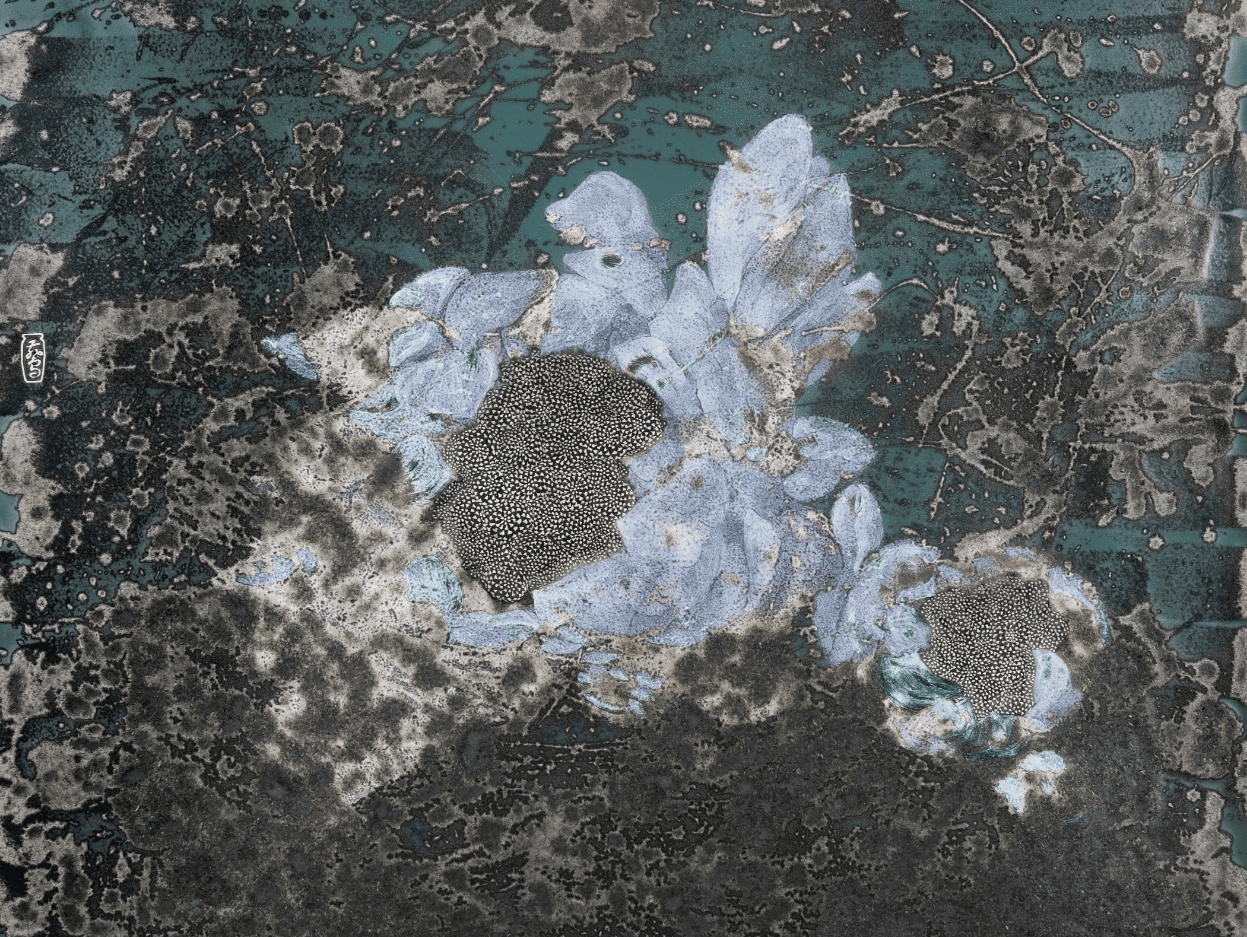
Firing Temperature Range: Each clay has a fixed safe firing zone. Low-temperature clay will bubble and collapse under excessive heat; high-temperature porcelain clay fired at low heat turns loose and highly water-absorbent.
Impurity Coloring: Iron is the main coloring impurity. Trace iron creates pale cyan body tone; higher iron content turns bodies red, brown then black. Titanium impurities cause yellow tint on white clay, so high-end pure white porcelain clay requires deep iron removal purification.
The Evolution of Clay Formulas Across Thousands of Years of Ceramic Civilization
The entire history of Chinese ceramic civilization is essentially the evolution of human continuous improvement on clay formulas. Ancient ancestors collected local soil to make coarse pottery merely for storage use. In Eastern Han Dynasty, craftsmen discovered kaolin ore and mixed high-temperature porcelain clay, giving birth to mature porcelain.
Clay craft reached artistic peak in Tang and Song dynasties. Ru Kiln adopted low-iron pale grey-white clay to set off jade-like sky-cyan glaze; Longquan celadon used iron-containing porcelain clay to form full, smooth jade green texture. During Ming and Qing dynasties, Jingdezhen perfected the classic dual formula of kaolin and porcelain stone to mass-produce translucent white imperial porcelain.
Modern art pottery and industrial ceramics realize customized formulas. Sculpture clay enhances toughness to prevent cracking; slip casting clay features fine suspension for mass mold production; special refractory clay applies to industrial high-temperature ceramics. Earth is no longer random raw material but professional creation medium with controllable performance and precise blending.
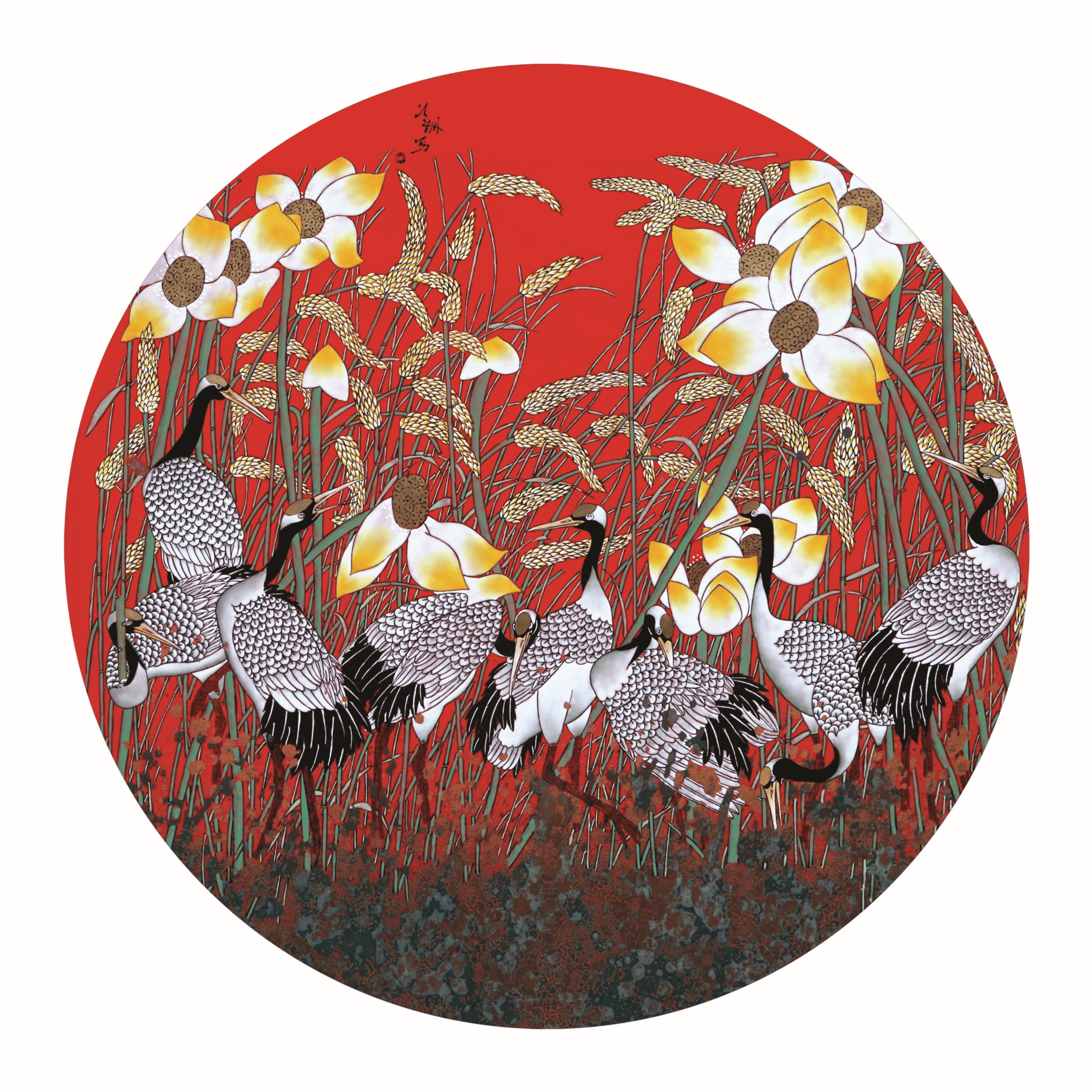
Our Brand’s Persistence: Select Premium Clay to Create High-Quality Ceramics
Glaze is the coat of porcelain, patterns are its writing, yet clay forms the permanent bone and soul of every vessel. As a professional ceramic brand, we strictly control clay quality from the source, selecting native Jingdezhen kaolin and premium porcelain stone. We follow multi-stage washing, iron removal and long-term aging standards, rejecting low-cost inferior mixed soil.
We customize exclusive clay formulas for tea sets, decorative art porcelain and daily-use porcelain separately. High-end white porcelain adopts high-purity super white clay; antique celadon uses low-iron medium white clay; matte cultural creative pottery applies balanced stoneware clay. All finished products are smooth, crack-resistant, balancing durability and unique artistic texture.
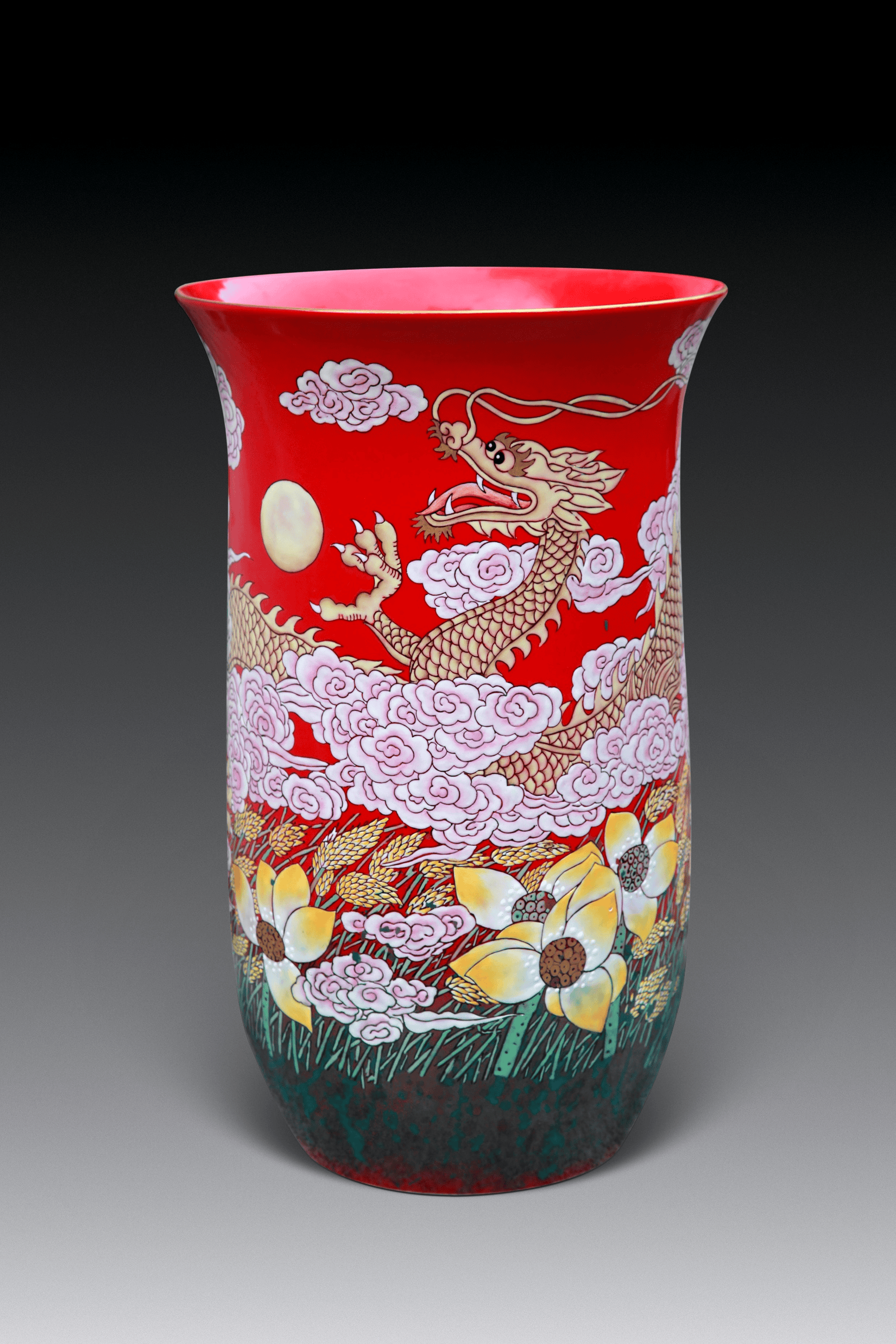
Coarse pottery carries rustic wild charm, white porcelain delivers elegant transparency, and zisha clay locks warm tea fragrance. All distinctive temperaments of countless ceramic works originate from carefully refined clay. To understand base clay is to grasp the real warmth and craftsmanship inside every ceramic piece.