One Batch of Porcelain Repels Troops: The Legend Behind Jingdezhen’s Name
News 2026-07-21 58
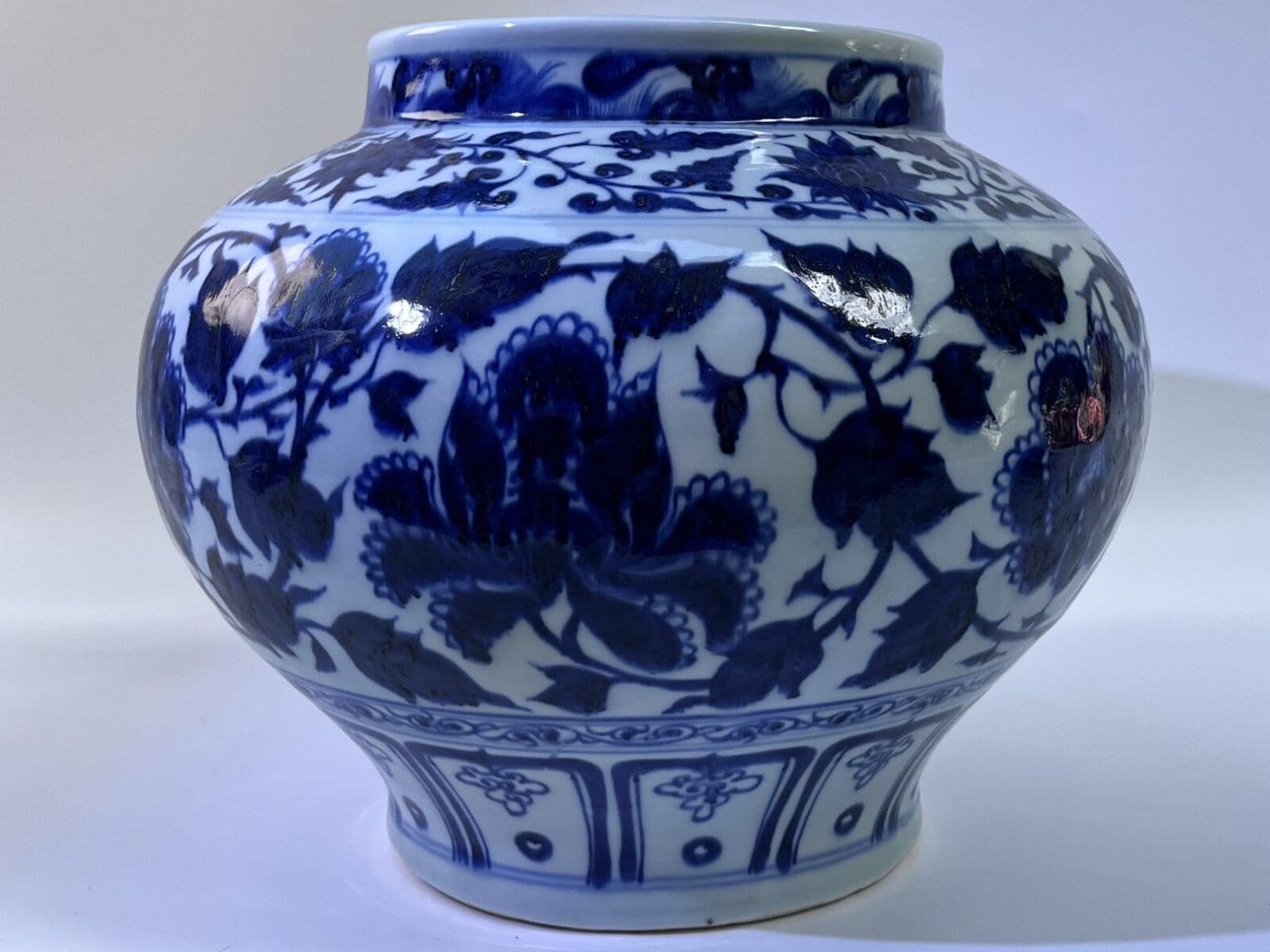
An ancient record states that “Xinping began pottery production as early as the Han Dynasty”. Pottery was fired in Xinping back then, and primitive porcelain emerged in the Eastern Han Dynasty. The world-famous porcelain capital Jingdezhen was formerly named Changnan. Blue and white porcelain flourished here in the Yuan Dynasty. The thousand-year-old folk tale “One Batch of Porcelain Repels Troops” not only explains why the town was renamed after the Jingde reign title, but also tells the legendary story of porcelain resolving a cross-border war.
Historical Background: The Song-Liao Confrontation at Chanyuan
In the autumn of the first year of the Jingde reign, Empress Xiao of the Liao Dynasty led 200,000 troops to invade the Central Plains. Her army won successive battles and advanced to Chanzhou, threatening Bianjing, the capital of the Northern Song Dynasty. Minister Kou Zhun urged Emperor Zhenzong to lead the army in person, lifting the morale of Song soldiers and turning the tide of the war. However, Emperor Zhenzong had no desire for prolonged warfare and sought peace by offering gold, silver and silk. Yet Empress Xiao put forward extra harsh terms.
Empress Xiao’s Obsession: Bluish-White Porcelain Ear Cup
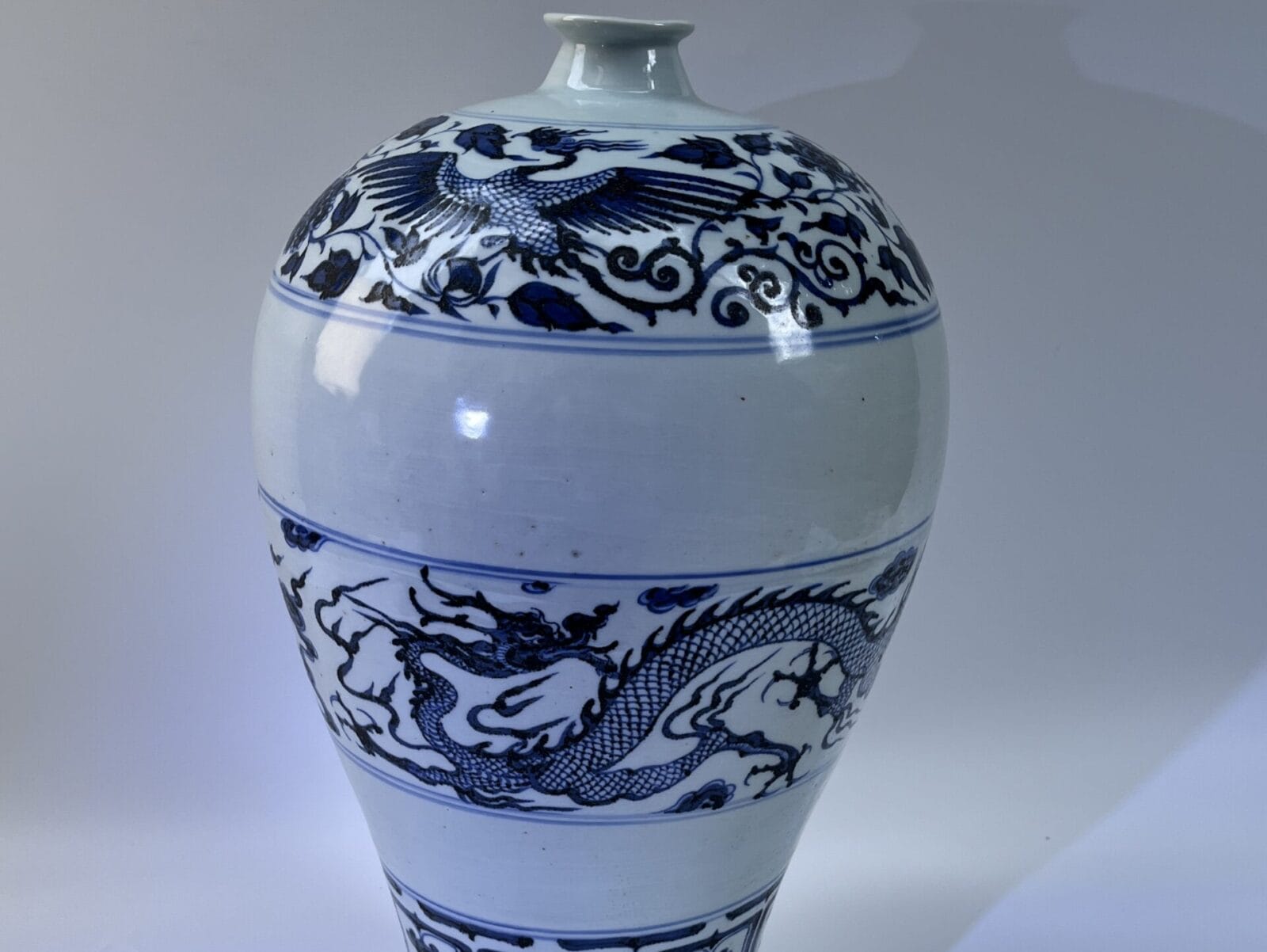
Empress Xiao was deeply influenced by Central Plains culture from an early age and cherished antique porcelain greatly. During a previous southern campaign, she obtained a bluish-white porcelain ear cup which she treasured as an unparalleled rarity, yet it was accidentally broken during the march. Hence she set the final peace condition for the Song court: if 200,000 pieces of translucent, glossy bluish-white porcelain could be delivered within three months, the Liao army would withdraw entirely, claim no Song land, and secure a century-long peace. If the porcelain could not be produced on schedule, Liao would permanently retain all captured territories.
Craftsmen of Xinping Town Rush Celadon Day and Night
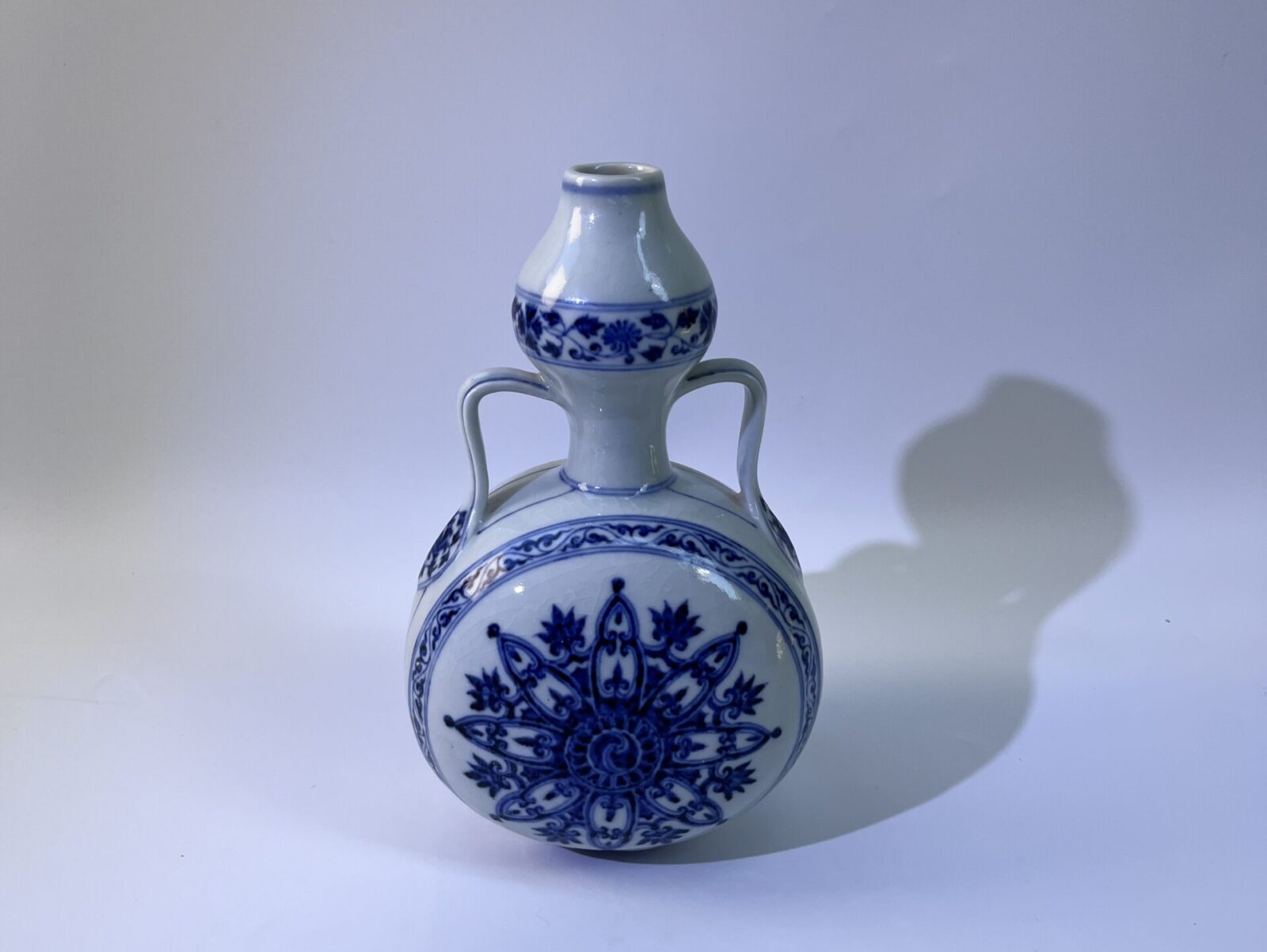
Emperor Zhenzong was shocked and anxious. A court minister familiar with antiques told him this bluish-white porcelain was made in Xinping Town south of the Yangtze River. The emperor immediately dispatched envoys carrying an imperial edict to Xinping by fast horse. Upon arrival, the envoys saw countless kilns spread across the town, with exquisite bluish-white porcelain everywhere, including plenty of the ear cups Empress Xiao wanted. Craftsmen worked day and night without rest, producing 300,000 pieces of various bluish-white porcelain in merely two months. Samples were swiftly delivered to the Liao military camp.
Porcelain Secures the Chanyuan Treaty; Emperor Names the Town Jingdezhen
Empress Xiao was overjoyed by the mild, translucent bluish-white porcelain and honored her promise to withdraw her troops northward. The Treaty of Chanyuan was successfully signed. The Song Dynasty recovered all lost territories, and a century of peace prevailed between Song and Liao. After the conflict ended, Emperor Zhenzong was delighted and bestowed the town the name “Jingdezhen” after his reign title “Jingde”, a name that has been renowned ever since.
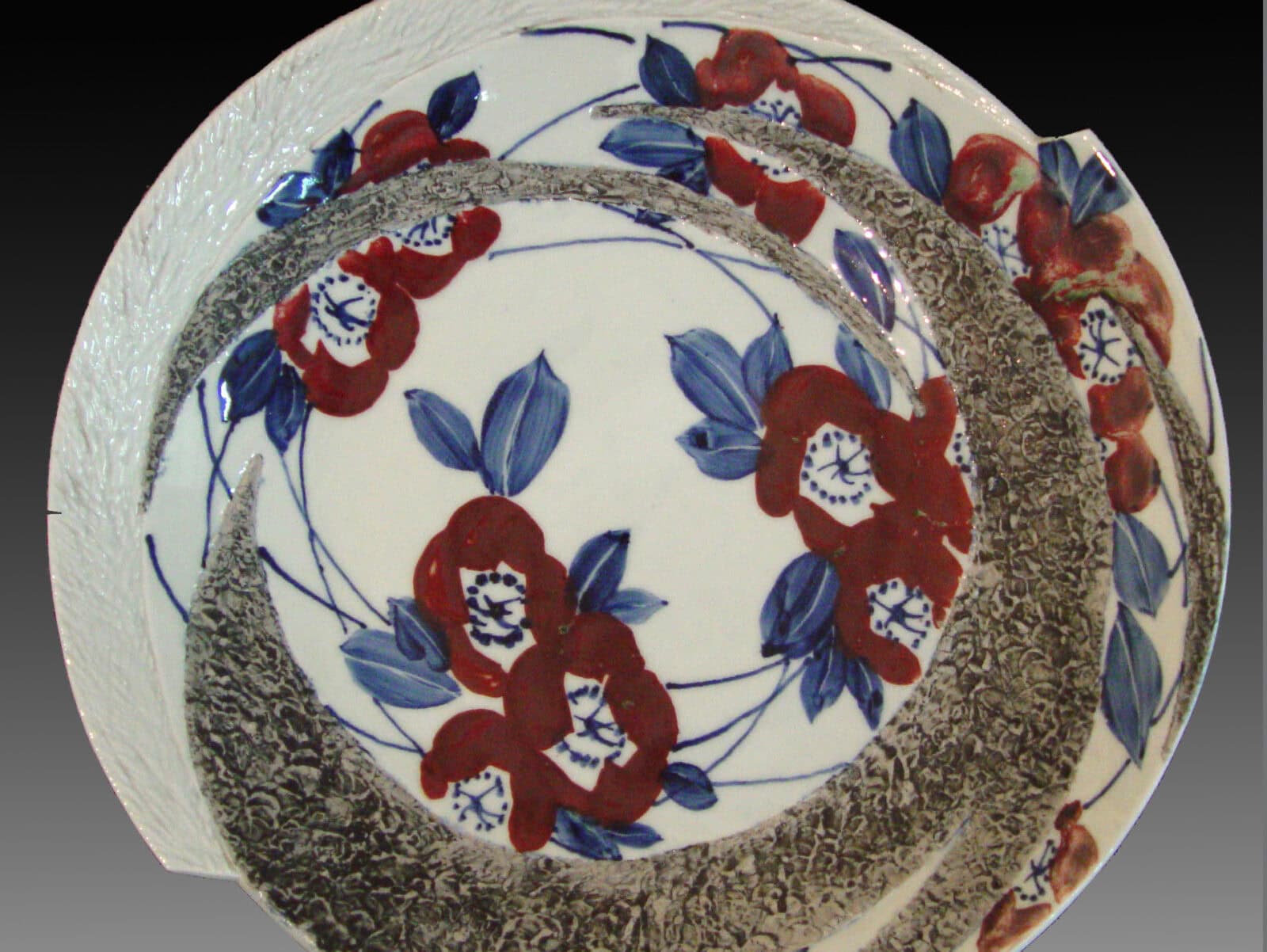
Millennial Fame of the Porcelain Capital & Four Great Traditional Porcelains
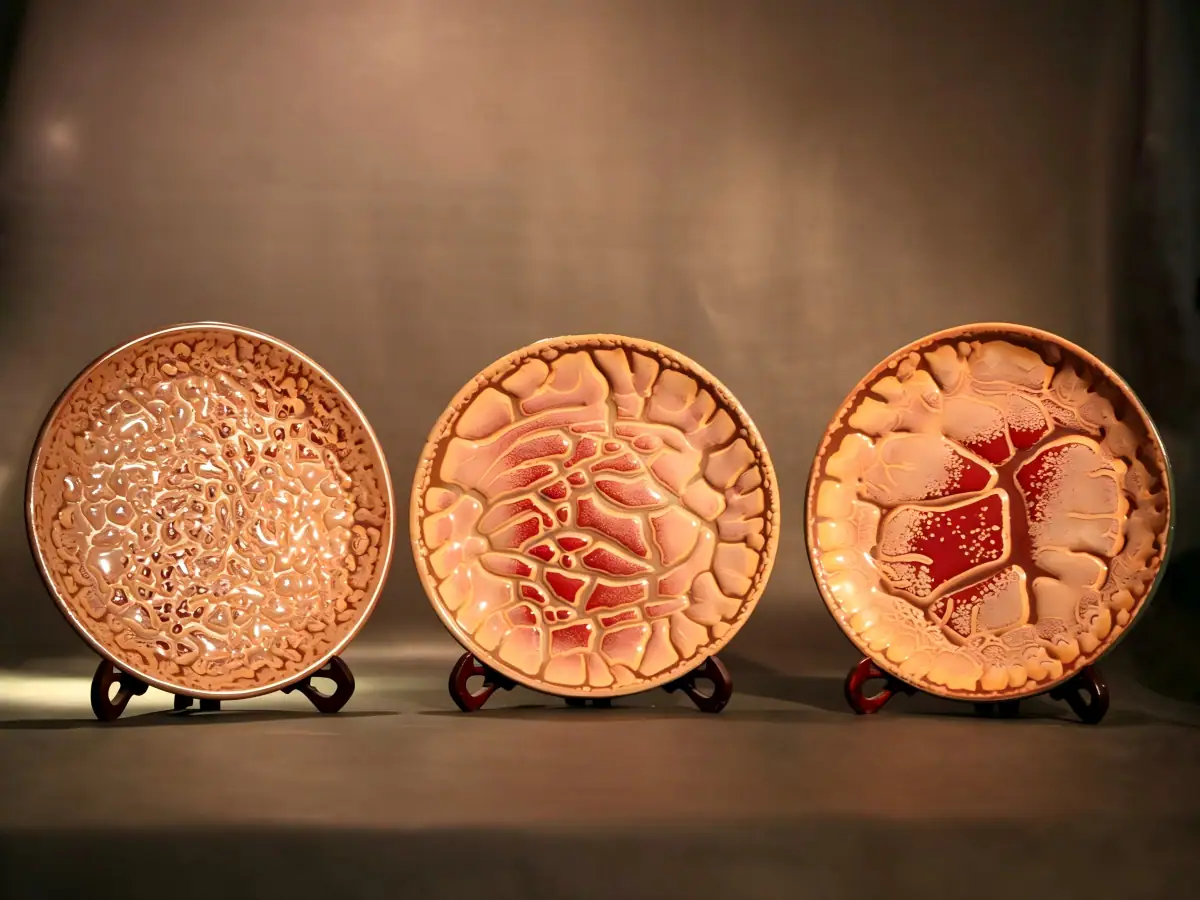
Thanks to this legendary story, Jingdezhen has gained worldwide renown. Its porcelain has long been praised as “white as jade, bright as mirror, thin as paper, ringing like a chime”, boasting abundant shapes, diverse decorations and unique styles. Blue-and-white porcelain, famille rose porcelain, colored glaze porcelain and rice-pattern porcelain are collectively known as the Four Great Traditional Porcelains of Jingdezhen, carrying forward thousand-year ceramic craftsmanship.
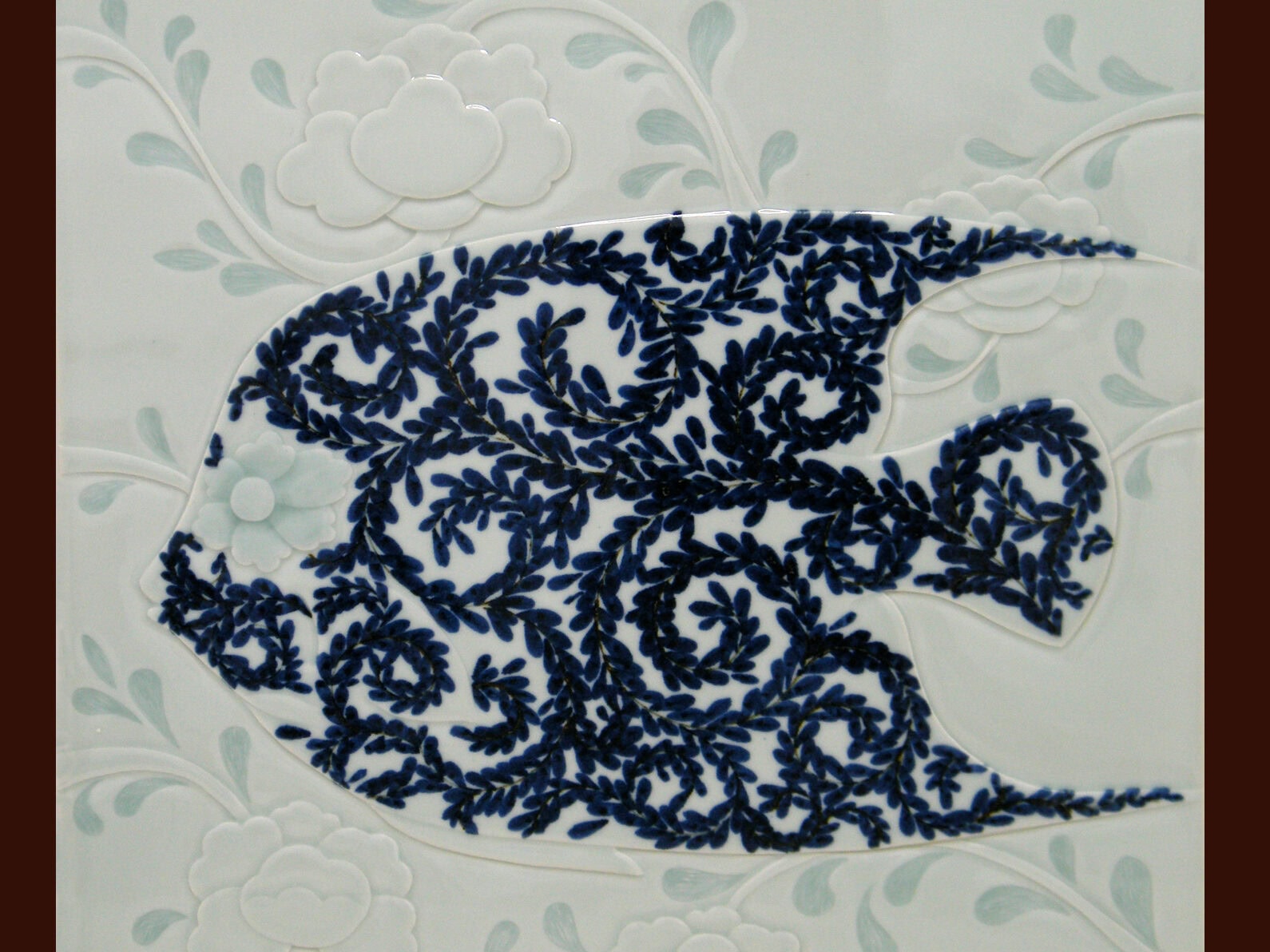
Conclusion
The tale “One Batch of Porcelain Repels Troops” explains the origin of Jingdezhen’s name and witnesses the unique value of ancient porcelain bridging conflicts and maintaining bilateral peace. From primitive Han pottery to imperial Song bluish-white porcelain, and the world-famous porcelain capital today, wares forged from clay and fire are far more than daily utensils — they are cultural treasures bearing history and witnessing peace.