Jingdezhen Handicraft Porcelain Industry Sites Inscribed On World Heritage List!
News 2026-07-29 93
Jingdezhen Handicraft Porcelain Industry Sites Inscribed On World Heritage List
The United Nations Educational, Scientific and Cultural Organization (UNESCO) added China’s Jingdezhen Handicraft Porcelain Industry Sites to the World Heritage List on Saturday during the 48th session of the World Heritage Committee in Busan, South Korea. The inscription brings the total number of World Heritage properties in China to 61.
The Jingdezhen Handicraft Porcelain Industry Sites consist of five component parts that illustrate the development of handcrafted porcelain production from the 10th to the 19th century. Together, they preserve evidence of raw-material extraction and transportation, kiln construction, porcelain workshops, production organization, commercial activity, and the social structure that supported the industry.
The World Heritage Committee recognized the sites under four cultural criteria: (ii), (iii), (iv), and (vi). According to UNESCO, Jingdezhen played a major role in the technological, artistic, and commercial development of porcelain in China and around the world.
Important innovations associated with Jingdezhen include the binary formula that combined kaolin with porcelain stone, improvements in kiln design, and the use of cobalt pigments in blue-and-white porcelain. These advances helped Jingdezhen develop into a global center of porcelain production and enabled its products to reach international markets through extensive trade networks.
Jingdezhen porcelain also influenced decorative art, furniture, painting, and architectural design in other parts of the world. Its blue-and-white porcelain became a highly valued trade product and an important symbol of Chinese craftsmanship and culture.
The UNESCO inscription acknowledges not only Jingdezhen’s historic kilns and porcelain products but also its complete production system, technical knowledge, specialized division of labor, and continuing community involvement. It highlights the city’s long-standing contribution to global ceramic technology and strengthens international recognition of Jingdezhen as China’s renowned “Porcelain Capital.”
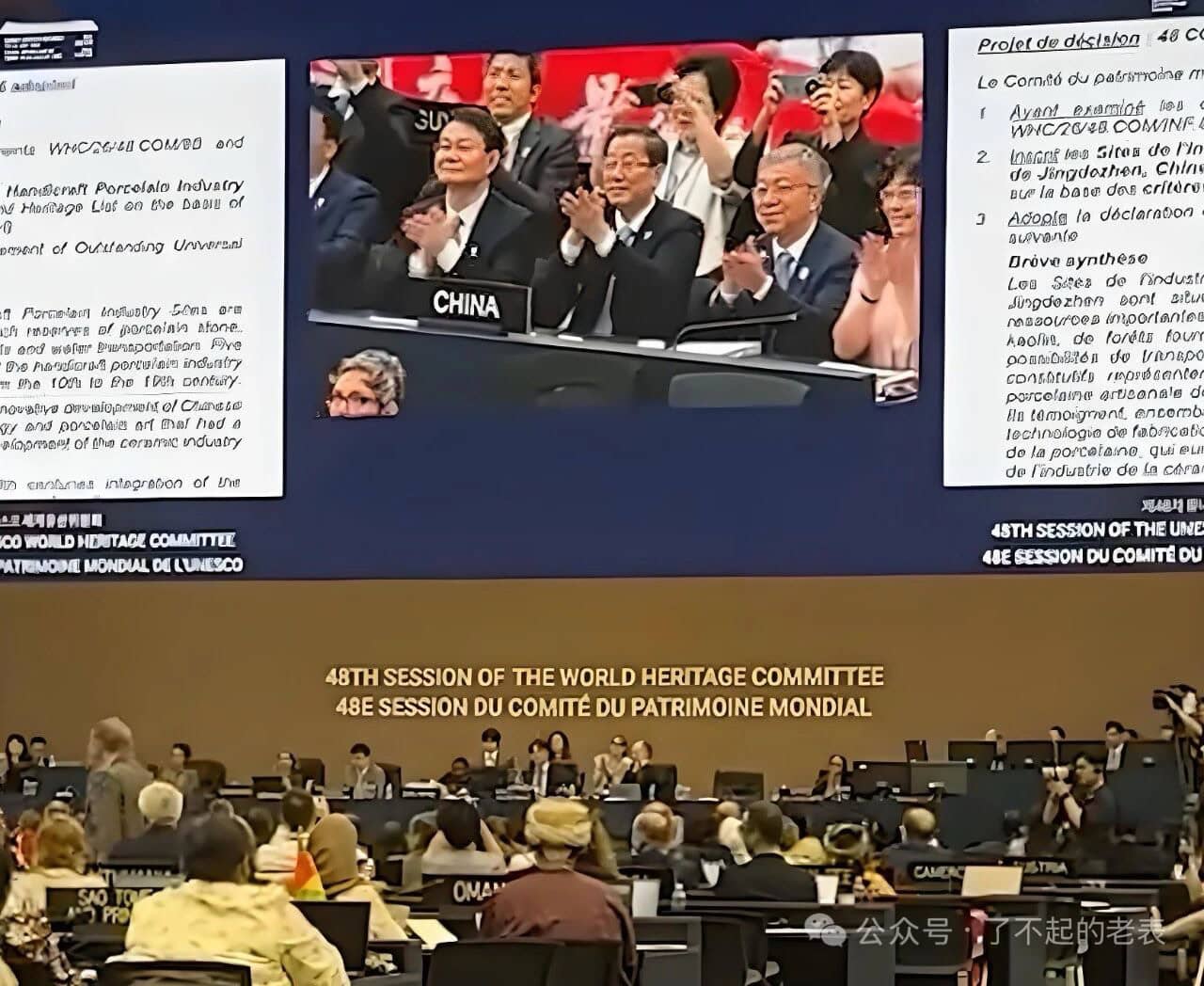
The UNESCO World Heritage Committee confirmed that Jingdezhen Handicraft Porcelain Industry Sites satisfy World Heritage value criteria ii, iii, iv and vi. It explicitly noted that “starting from the 16th century, Jingdezhen emerged as the global hub for handmade porcelain production.”
According to the assessment, Jingdezhen Handicraft Porcelain Industry Sites embody integrated innovation in global porcelain-making technologies and artistic achievements driven by Jingdezhen’s handmade porcelain industry between the 10th and 19th centuries. It exemplifies vital cross-cultural exchanges of human values shaped by porcelain production (Criterion ii). The site provides unique evidence of enduring production techniques and a complete industrial framework for China’s handmade porcelain industry spanning the 10th to the 19th centuries (Criterion iii). It also represents an extraordinary model of innovation in global porcelain craftsmanship, artistic forms and industrial organization between the 13th and 19th centuries (Criterion iv).Furthermore, the evaluation highlights that Jingdezhen blue-and-white porcelain–a vital medium for Chinese cultural exchange and an iconic symbol of Eastern art-has boosted the worldwide spread of Chinese civilization (Criterion vi).
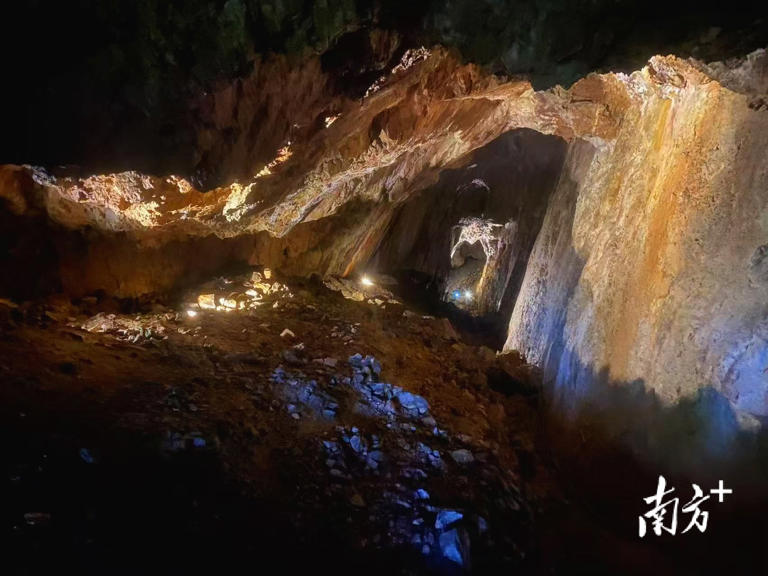
The committee recognized the integrity and authenticity of Jingdezhen Handicraft Porcelain Industry Sites and highly commended the tremendous efforts and remarkable outcomes achieved by the Chinese government in conserving and managing this cultural heritage.
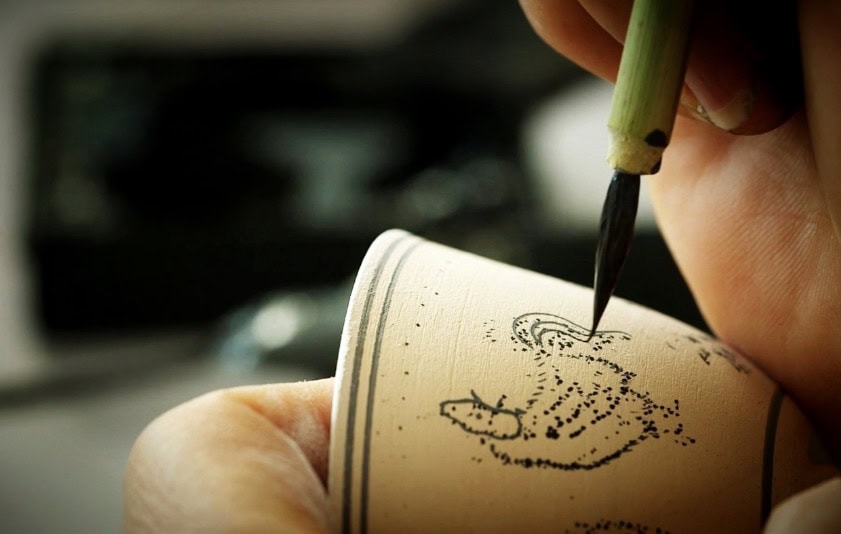
Rao Quan,Vice Minister of Culture and Tourism and Director of the National Cultural Heritage Administration, delivered remarks on behalf of the Chinese government. He extended gratitude to all international organizations and member states. He solemnly pledged that China will faithfully abide by the World Heritage Convention, continue strengthening holistic, systematic conservation, inheritance and sustainable utilization of the heritage site. China will work alongside international organizations and all state parties to jointly safeguard this treasure of human civilization.
China has invested long-term, enormous efforts in the nomination and preservation of Jingdezhen Handicraft Porcelain Industry Sites. Conservation work has spanned nearly half a century, and the formal World Heritage application campaign lasted 11 years.
As a professional manufacturer and supplier of fine Chinese porcelain, we (Magic Cube Ceramics)warmly celebrate this milestone achievement. Our company has long rooted our craftsmanship in Jingdezhen’s profound porcelain-making traditions. Our senior ceramic industry consultant NingGang commented that the World Heritage recognition will further raise global awareness of premium Jingdezhen porcelain, especially classic Chinese blue-and-white porcelain, and create new opportunities for international ceramic trade and cultural exchange. We look forward to carrying forward Jingdezhen’s millennium-old ceramic heritage and delivering premium handmade porcelain products to distributors and partners worldwide.