Charm of Fire and Clay: The Art Value of Ceramic Sculpture
News 2026-07-19 15
Charm of Fire and Clay: The Art Value of Ceramic Sculpture
Ceramic sculpture is a three-dimensional tangible art form shaped with pottery and porcelain clay. It takes shape through clay modeling and kiln firing, integrating material characteristics and craftsmanship into the whole creation process. Bearing the social features and humanistic spirits of different eras, it possesses an independent and unique aesthetic system. Different from other sculpture arts, ceramic sculpture features natural texture and mysterious texture derived from kiln fire, combining artistic appreciation and practicality. As an irreplaceable traditional craft art, it has beautified life and nurtured people’s minds for thousands of years.
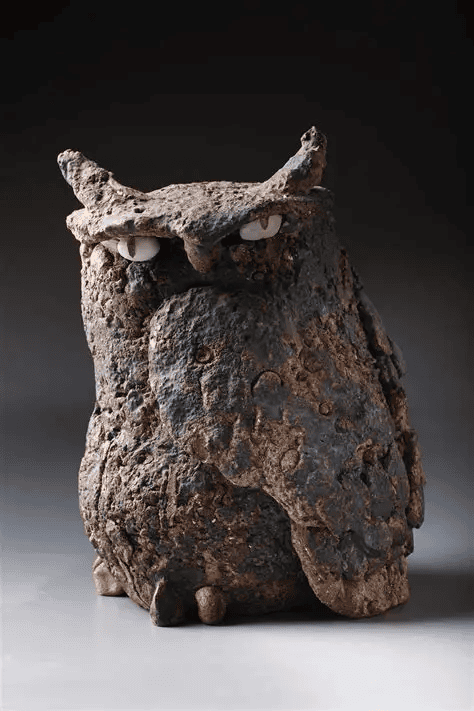
With a history of more than 1,400 years, ceramic sculpture has developed a mature craft system through millennial evolution. Large-scale auspicious beast sculptures such as lions and elephants were produced for royal decoration in the Sui Dynasty. In the Song Dynasty, it absorbed the essence of pottery, stone carving and clay sculpture, greatly improving the realism and craftsmanship of modeling. Exquisitely made porcelain Buddha statues gained great fame in the Ming Dynasty. The craft reached its peak in the Qing Dynasty, with classic masterpieces like hollow rotating vases and justice cups emerging with superb ingenuity.
Contemporary Jingdezhen ceramic sculptures boast complete craft categories and diverse styles, mainly including round sculpture, pinch sculpture, hollow sculpture and relief sculpture. The works cover rich themes such as Buddha statues, flowers, birds, insects, fish, pavilions and folk toys, featuring vivid shapes and exquisite verve. Supported by diverse decoration techniques represented by high-temperature colored glaze and under-glaze five-color painting, the finished works have varied styles, presenting solemn, elegant or gorgeous aesthetic effects with strong artistic expression.
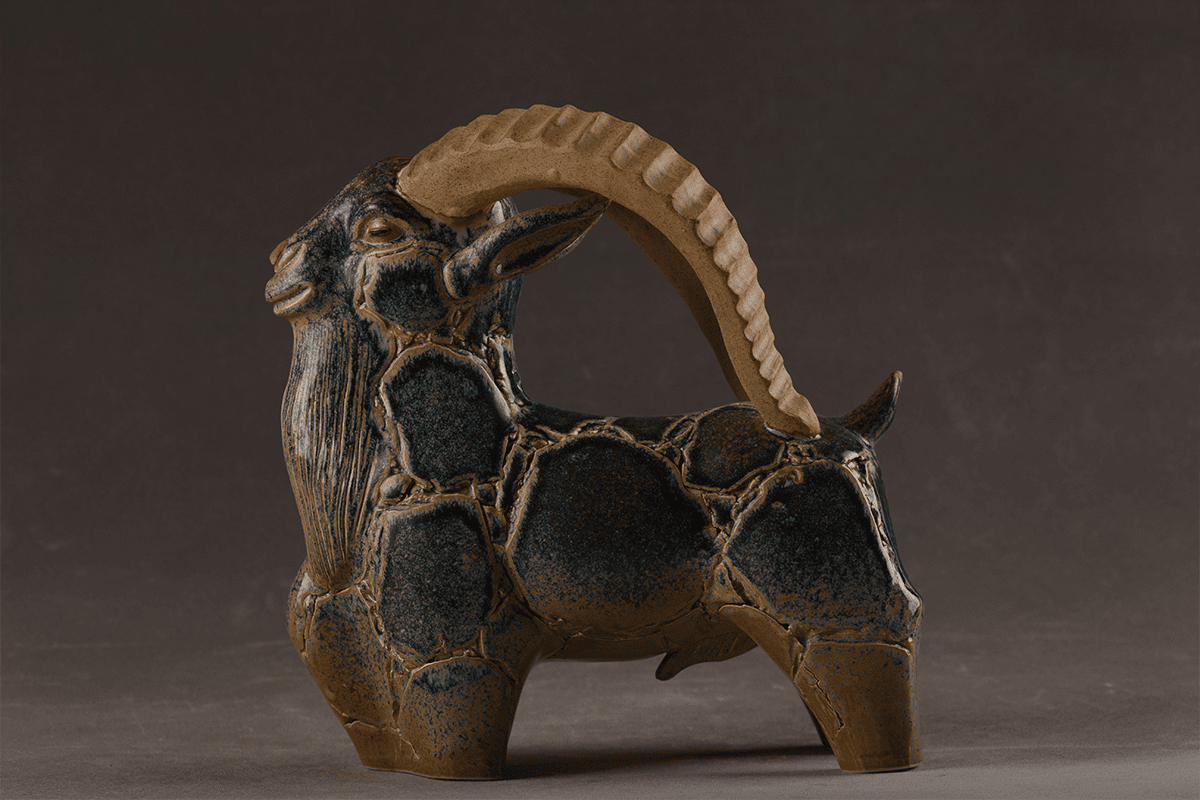
The decoration of Jingdezhen ceramic sculptures has a long history with distinct temporal characteristics evolving with dynasties. In the Yuan and Ming Dynasties, the decoration was simple with rough painted patterns, and plain porcelain bodies were the mainstream. In the Qing Dynasty, the emergence and rapid development of famille rose craft completely transformed the decoration style of ceramic sculptures.
A mainstream aesthetic of “full and complicated decoration” was formed in the Qing Dynasty. The five-color paintings of the Kangxi Period are bright and lively, while the famille rose of the Yongzheng Period is mild and elegant. Craftsmen pursued extreme craftsmanship at that time. Except for the plain faces and hands of figures, the whole works were covered with auspicious patterns such as interlocking flowers, auspicious clouds, peaches and bats, with sand ground, pearl ground and color ground as the background. The full and complicated decorative style has been passed down to this day.
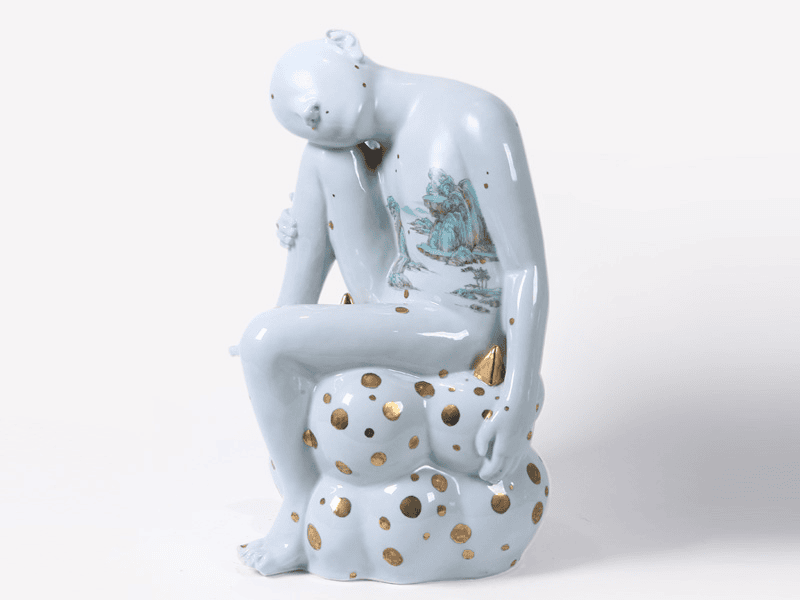
The decoration of traditional classic ceramic sculptures is highly representative. The Three Stars of Fortune, Prosperity and Longevity adopt famille rose as the core craft, decorated with auxiliary patterns of dragons, lions, auspicious clouds, sea water and foreign lotus, with rigid and soft lines and rigorous and symmetrical composition. Masterpieces such as Hundred-Flower Guanyin and Hundred-Flower Arhat integrate meticulous traditional Chinese painting and court mural techniques, drawing flower patterns through outlining, sketching, dotting and washing with golden background. The colorful and magnificent works are widely praised at home and abroad.
Different from pure three-dimensional sculpture art, ceramic sculpture combines the common features of general sculpture and unique ceramic material characteristics, possessing irreplaceable contemporary artistic value. Its artistic image is not simply shaped by structure, but an organic integration of shape, ceramic material, kiln transformation texture and painting craft, presenting a perfect symbiosis of clay and fire, shape and color.
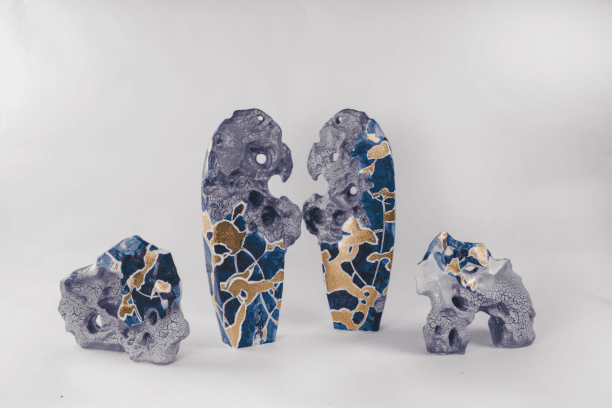
Ceramic is a special artistic material with mild and noble temperament. Different porcelain blanks matched with various glazes will produce unique natural colors, spots and textures after high-temperature kiln firing. The kiln transformation effect of each work is exclusive and unrepeatable. Represented by Jingdezhen high-temperature colored glaze, the glaze craft endows sculptures with a natural coat, presenting a glossy and transparent texture — a natural beauty that cannot be achieved by stone, wood, metal and other sculpture materials.
The integration of sculpture and painting is the core artistic advantage and distinctive feature of ceramic sculpture. After the firing of plain porcelain blanks, secondary decoration can be carried out through famille rose, ancient color, new color and other painting techniques, either independently or in combination. Rich over-glaze colors endow sculptures with gorgeous and layered appearance. The perfect combination of three-dimensional modeling and flat painting artistic conception achieves an unparalleled artistic effect beyond single sculpture craft.
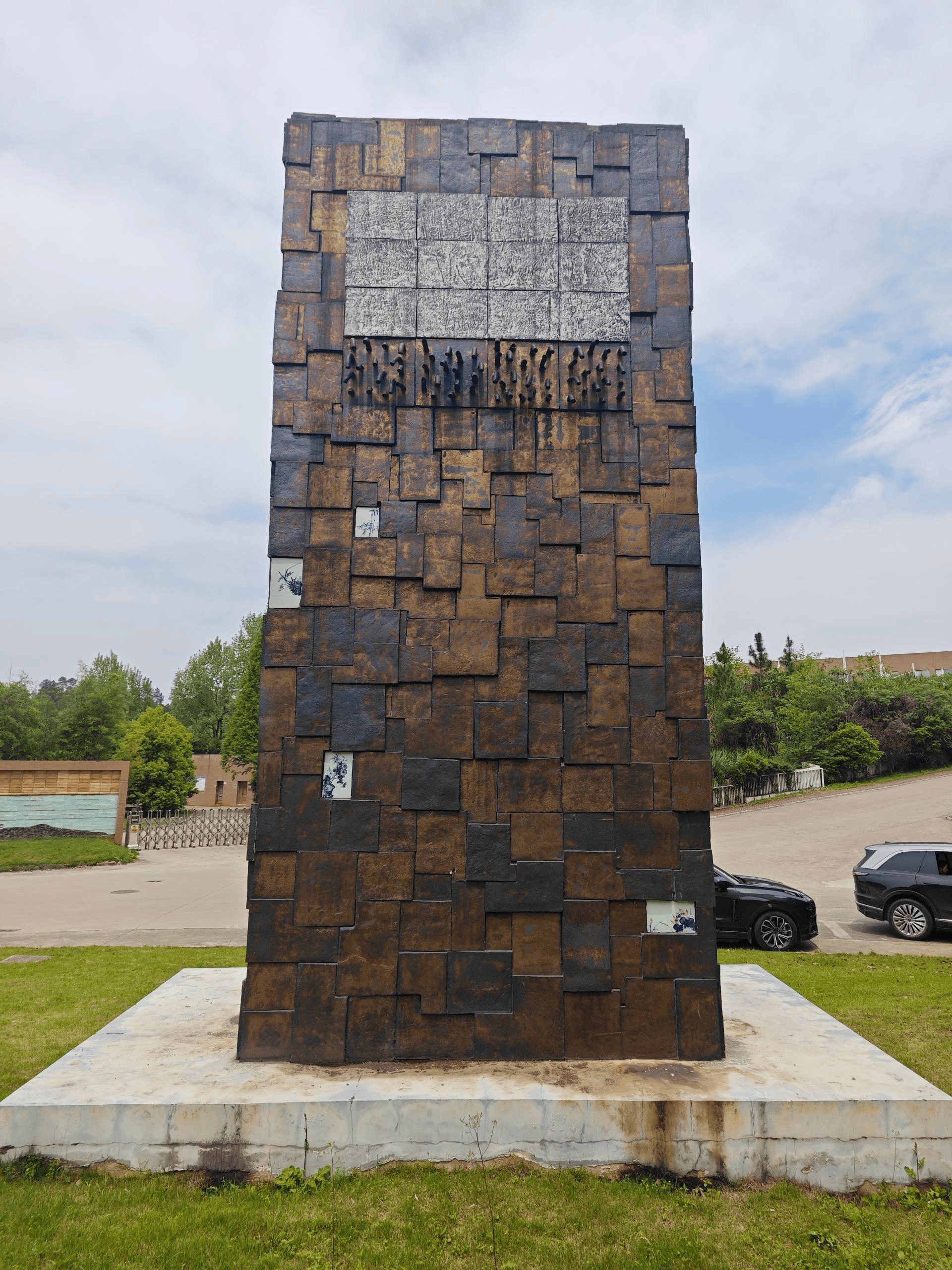
Ceramic sculpture carries thousands of years of Chinese folk culture and humanistic spirit. Traditional auspicious themes and religious statues record the aesthetic pursuit and spiritual beliefs of ancient people, serving as visible and tangible three-dimensional cultural materials. Meanwhile, it integrates artistry and practicality; many classic works are both high-end art collections and daily utensils. In contemporary times, it still beautifies space, cultivates sentiment and purifies the mind, standing as a classic traditional art with cultural inheritance, artistic appreciation and practical value.
From royal auspicious beast sculptures in the Sui Dynasty, exquisitely painted porcelain sculptures in the Ming and Qing Dynasties, to diverse innovative contemporary works, ceramic sculpture has formed a mature craft system, unique decorative aesthetics and profound cultural heritage through thousands of years of kiln tempering. The integration of clay’s plasticity, fire’s randomness and painting’s artistry establishes its irreplaceable artistic status. As a treasure of traditional Chinese crafts, it inherits the millennial cultural context and radiates new vitality in contemporary aesthetics, continuously conveying the unique oriental aesthetics of clay and fire.