Flowing Celadon Glazes, A Complete History of Timeless Chinese Ceramic Aesthetics
News 2026-07-08 51
Flowing Celadon Glazes, Shining Porcelain Through Millennia – A Complete History of Timeless Chinese Ceramic Aesthetics
As a ceramic brand with deep roots in Jingdezhen and university academic research backgrounds, we (Magic Cube Ceramics) inherit ancient porcelain craftsmanship while integrating modern innovative design. This article sorts out the full evolutionary timeline of Chinese ceramics from prehistoric pottery to contemporary creative porcelain, showcasing the profound cultural value and unique craft charm behind every piece of our ceramic works.
Clay & Fire: The Origin of Chinese Ceramic Civilization
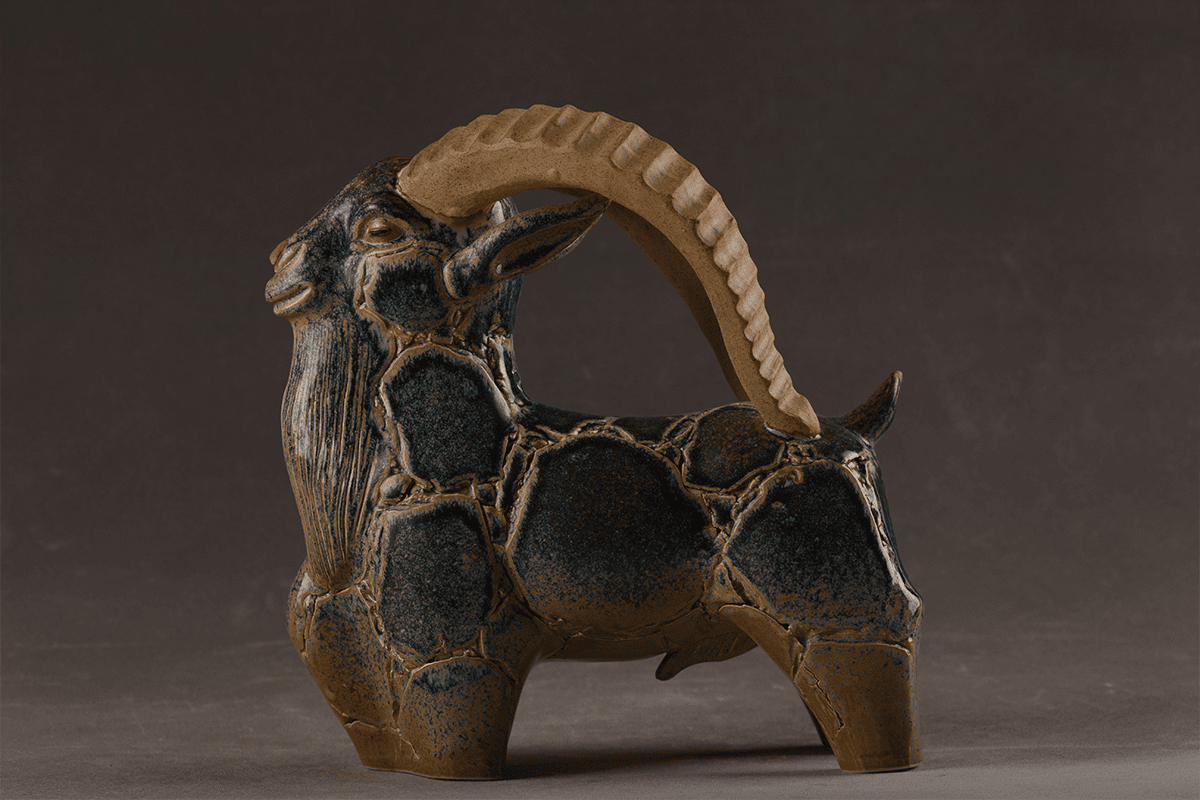
Pottery is the earliest artifact created by mankind with clay and fire, as well as the starting point of Chinese ceramic culture. Back in the Neolithic Age, ancient Chinese ancestors mastered pottery-making skills and produced Yangshao painted pottery and eggshell-thin Longshan black pottery. Painted pottery features gorgeous complex patterns, while black pottery boasts walls as thin as eggshells, fully reflecting the outstanding aesthetic creativity of primitive people.
These primitive potteries were fired below 1000℃ with loose bodies and high water absorption, fundamentally different from modern porcelain. However, they laid a complete foundation for later high-temperature glazed porcelain techniques. The collision of clay and fire kicked off a ceramic civilization that has lasted tens of thousands of years.
The Birth of Porcelain: Proto-Celadon to Mature Eastern Han Celadon
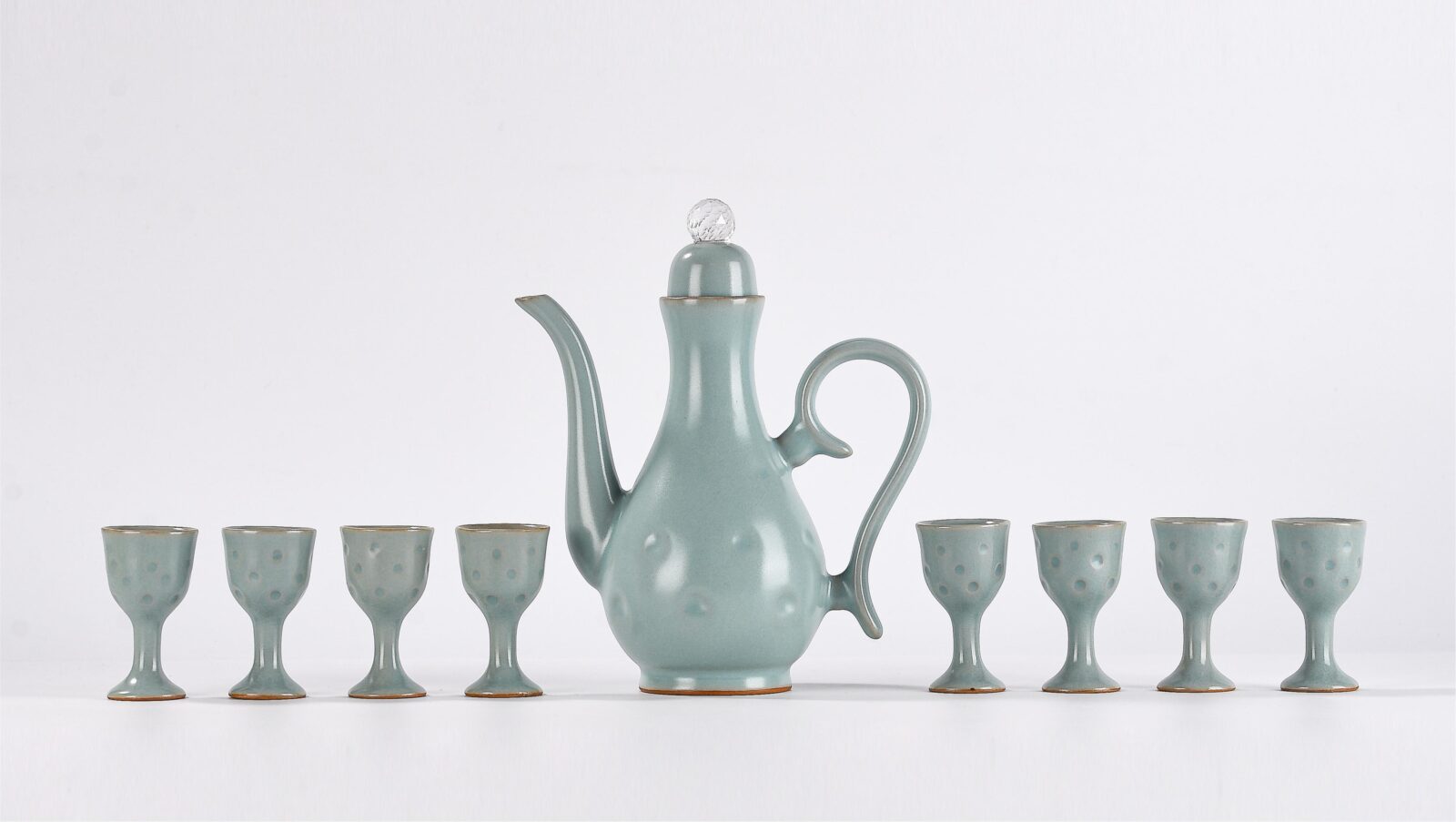
The Shang, Zhou and Eastern Han dynasties witnessed the long gestation period of celadon. Ancient craftsmen explored glazing techniques while firing hard pottery and created proto-celadon that stood halfway between pottery and porcelain. Yet unstable bonding between body and glaze and crude craftsmanship prevented it from reaching the standard of mature porcelain.
It was not until the late Eastern Han Dynasty that kiln workers conquered three core technical barriers: clay purification, high-temperature firing and even glazing, bringing fully mature celadon into the world. Firing temperature steadily exceeded 1200℃. Compact clay bodies matched smooth vitreous high-temperature glaze produced a clear ringing sound when tapped, with excellent waterproof and durable performance. Porcelain as we know it was born. The Yue Kilns in Zhejiang became the core production base for early celadon, supplying simple, mild green-glazed daily wares for ancient people’s lives.
Diversified Aesthetics: Celadon & White Porcelain in Wei-Jin and Northern-Southern Dynasties
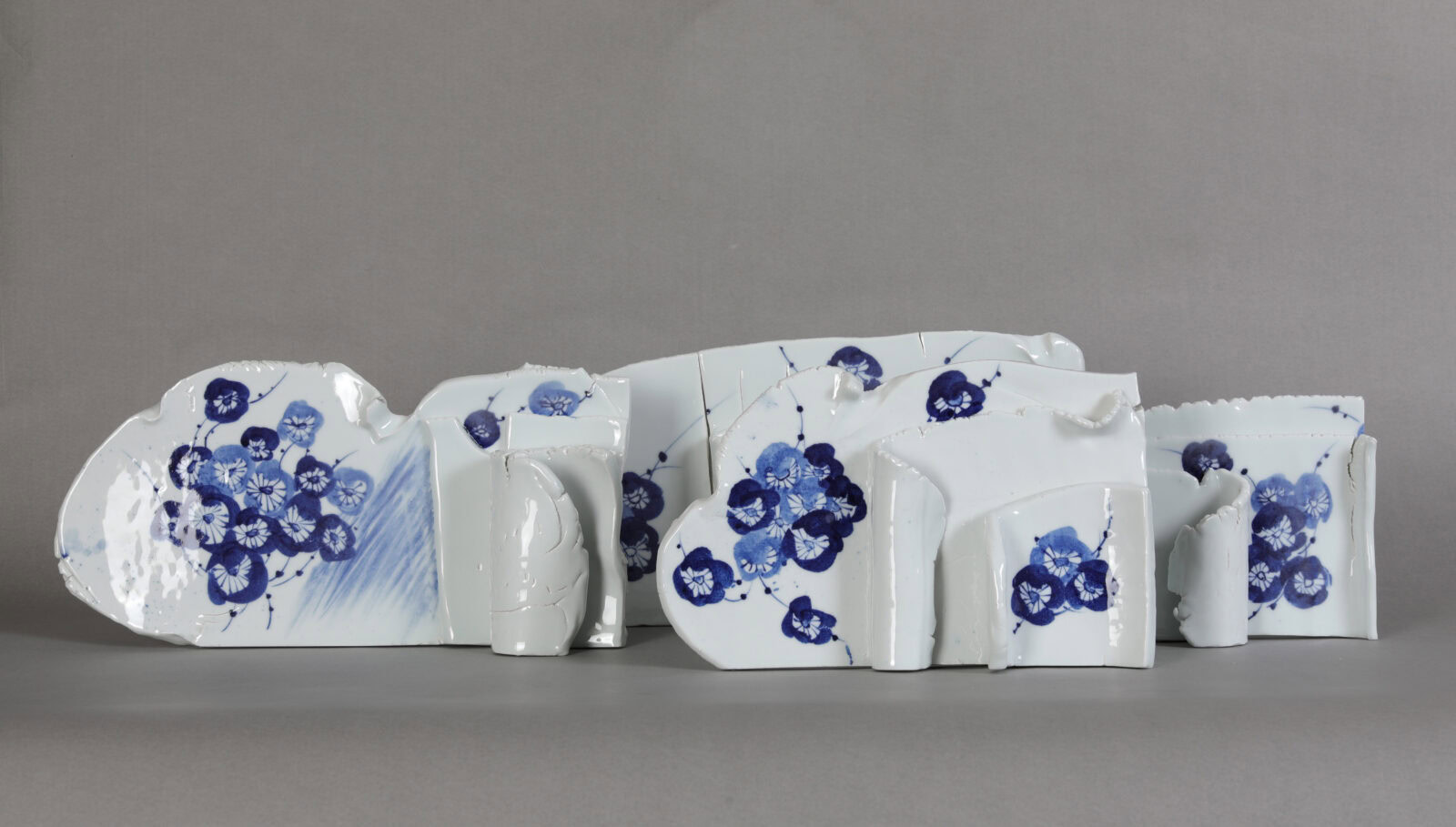
Continuous wars throughout the Wei, Jin, Northern and Southern Dynasties pushed costly bronze wares out of ordinary households, while lightweight, affordable porcelain gained rapid popularity. Celadon remained mainstream, yet northern kilns pioneered white porcelain firing technology, breaking celadon’s long-term market monopoly.
Buddhist culture deeply integrated into ceramic decoration, with lotus and honeysuckle patterns becoming classic motifs. All wares carried an elegant and restrained style. The parallel development of celadon and white porcelain laid groundwork for the “Southern Celadon, Northern White Porcelain” industrial pattern of the Sui and Tang dynasties.
The Splendid Tang Era: The Pattern of “Southern Celadon, Northern White Porcelain”
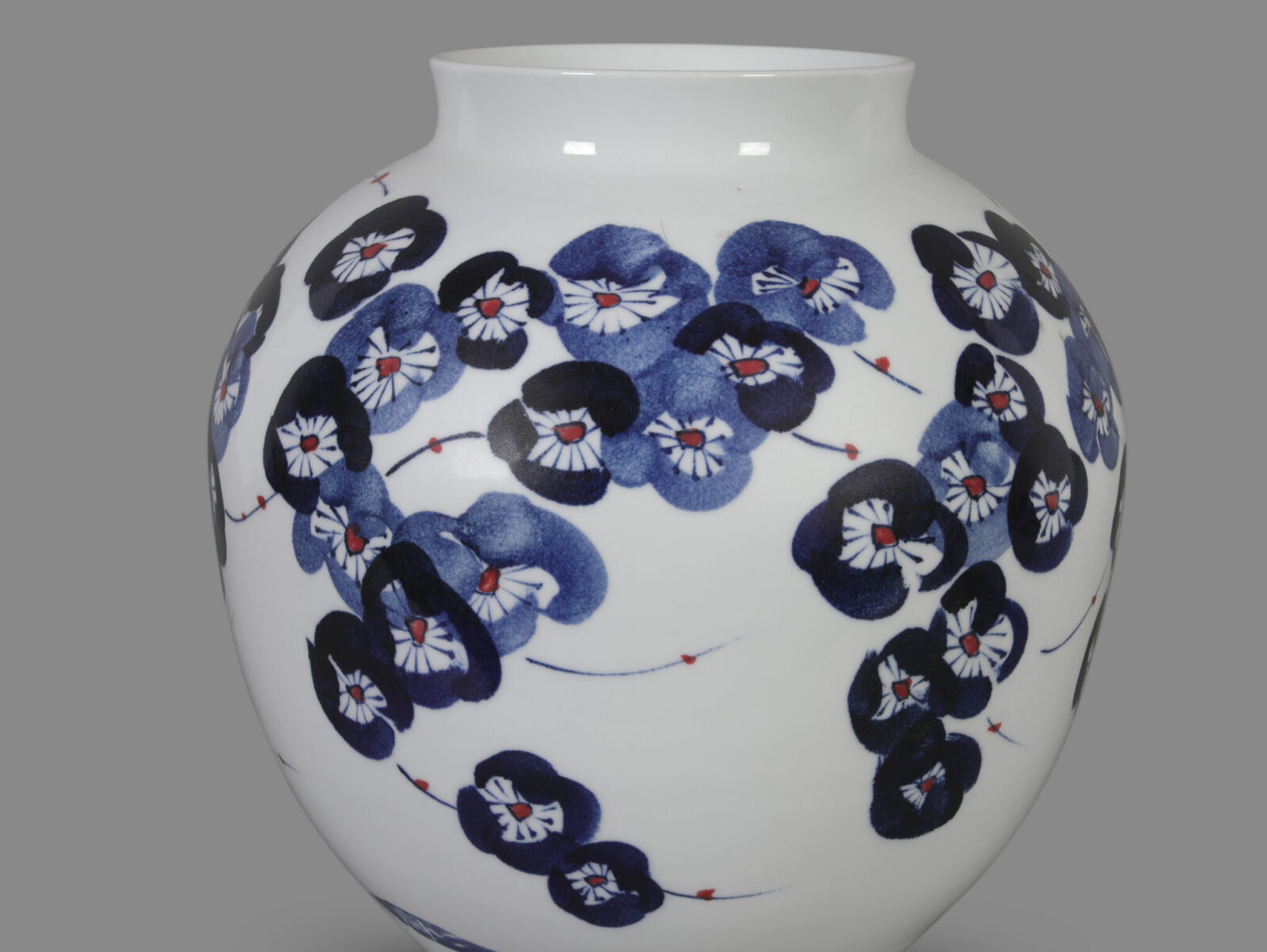
Powerful national strength in the Sui and Tang dynasties brought all-round prosperity to the ceramic industry, forming the time-honored pattern of “Southern Celadon, Northern White Porcelain”. Secret-color celadon from southern Yue Kilns carried ice-and-jade soft glazes exclusively presented as royal tributes, while white porcelain from northern Xing Kilns was snow-white with neat shapes, widely popular among common citizens.
The Maritime Silk Road flourished dramatically in the Tang Dynasty. Massive quantities of celadon and white porcelain were shipped to West Asia and Europe, making Chinese porcelain known worldwide. Meanwhile, Tang tri-color low-temperature glazed pottery emerged. Its rich, vivid colors perfectly reproduced the prosperous scenery of the Tang Empire, forming an independent branch of ceramic art.
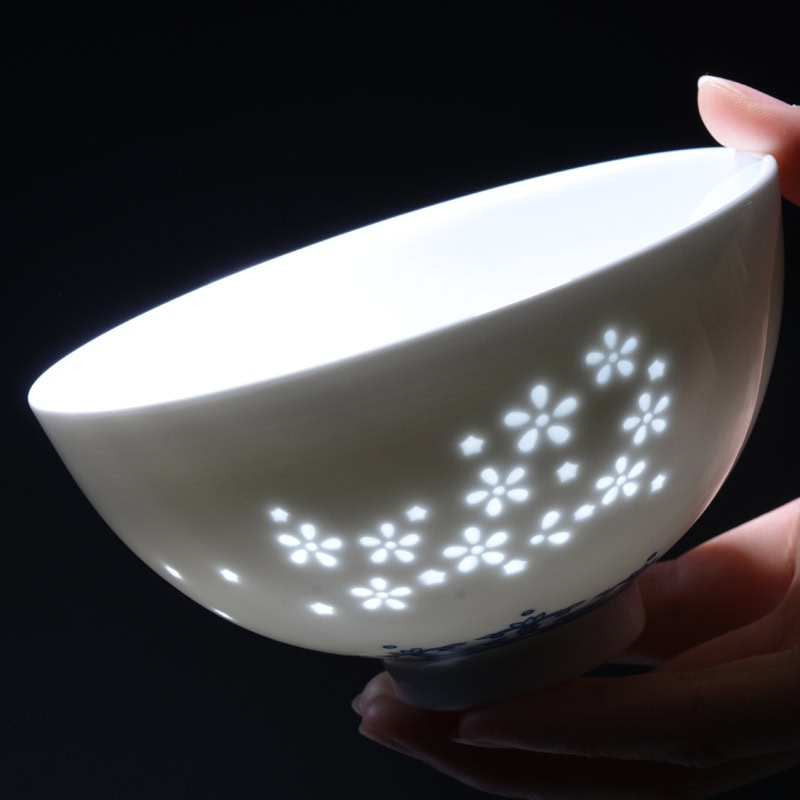
Golden Age of Chinese Porcelain: Elegant Minimalism of Song Five Great Kilns
The Song Dynasty is universally recognized as the peak of Chinese ceramic art. Advocating literati culture, Song people abandoned overcomplicated decorations and pursued an advanced artistic conception of blank space, subtlety and minimalism, giving birth to the world-famous Five Great Imperial Kilns.
Ru Kiln sky-blue glaze is soft and subtle, ranking first among all Song porcelains. Official Kiln wares are solemn and stately, exclusively made for royal courts. Ge Kiln’s unique crackle glaze carries natural poetic charm. Jun Kiln’s unpredictable kiln transformation realizes the magic of “one tone entering the kiln, thousands of hues coming out”. Ding Kiln white porcelain boasts delicate, lively carved patterns. Besides imperial kilns, folk kilns including Jingdezhen Kiln, Longquan Kiln and Jian Kiln flourished simultaneously. Each type owns exclusive artistic language, forming irreproducible oriental minimalist aesthetics.
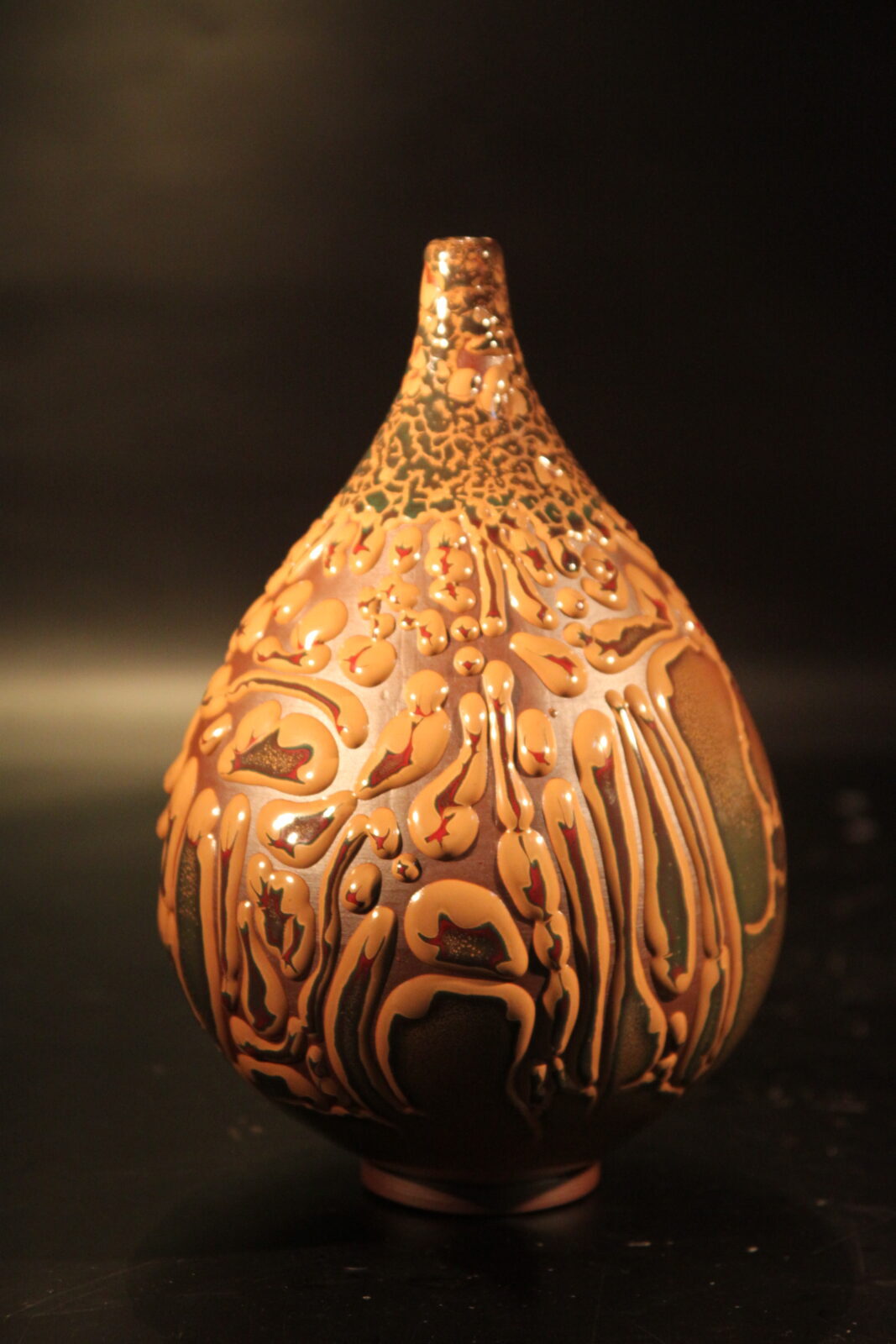
Milestone Transformation: Rise of Blue-and-White Porcelain in Yuan Jingdezhen
Ceramics achieved an epoch-making style transformation in the Yuan Dynasty, when blue-and-white porcelain fully matured. Relying on local high-quality kaolin clay and a complete porcelain-making industrial chain, Jingdezhen instantly became the national porcelain manufacturing center, a status it retains to this day.
Yuan blue-and-white porcelain adopted cobalt pigment for painting patterns, delivering striking blue-white contrast with full, grand compositions. It bid farewell to the subtle elegance of Song porcelain and carries a powerful, broad oriental momentum. New varieties including underglaze red and Shufu white glaze emerged at the same time, laying solid craft foundations for the prosperous colored porcelains of the Ming and Qing dynasties such as five-color, famille rose and enamel porcelain.
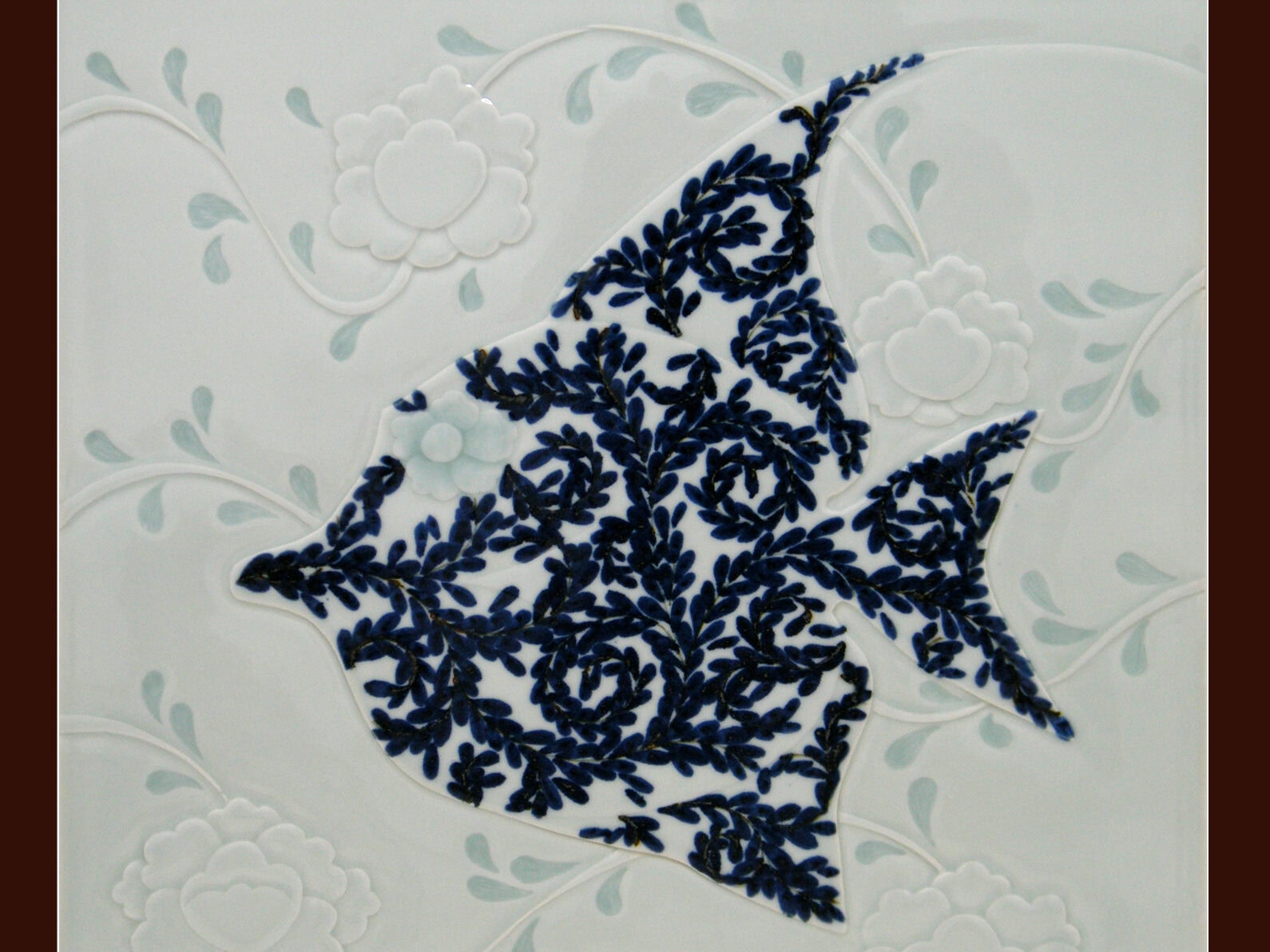
Peak Craftsmanship: Dazzling Colored Porcelain in Ming and Qing Dynasties
The Ming and Qing dynasties marked the ultimate peak of ancient porcelain craftsmanship, with all kinds of painted porcelain dominating the market. Yongle and Xuande blue-and-white porcelain of the Ming Dynasty features rich saturated blue tones, representing the pinnacle of blue-and-white art. Chenghua doucai porcelain is delicate and exquisite, while Jiajing and Wanli five-color porcelain carries bold, gorgeous shades.
Imperial kiln craftsmanship reached unmatched heights during the Kangxi, Yongzheng and Qianlong reigns of the Qing Dynasty. Kangxi blue-and-white porcelain features rich color layers; Yongzheng famille rose porcelain is mild and soft; the Qianlong era integrated all previous craft techniques, producing countless intricate imitative natural-form porcelain and multi-layer colored wares with the highest craft precision in ancient history. Massive kiln workshops covered Jingdezhen at that time. Porcelain was exported in large quantities to Europe and the Middle East. Exquisite Chinese ceramics swept overseas markets, and the word “China” gradually became the exclusive name for our country.
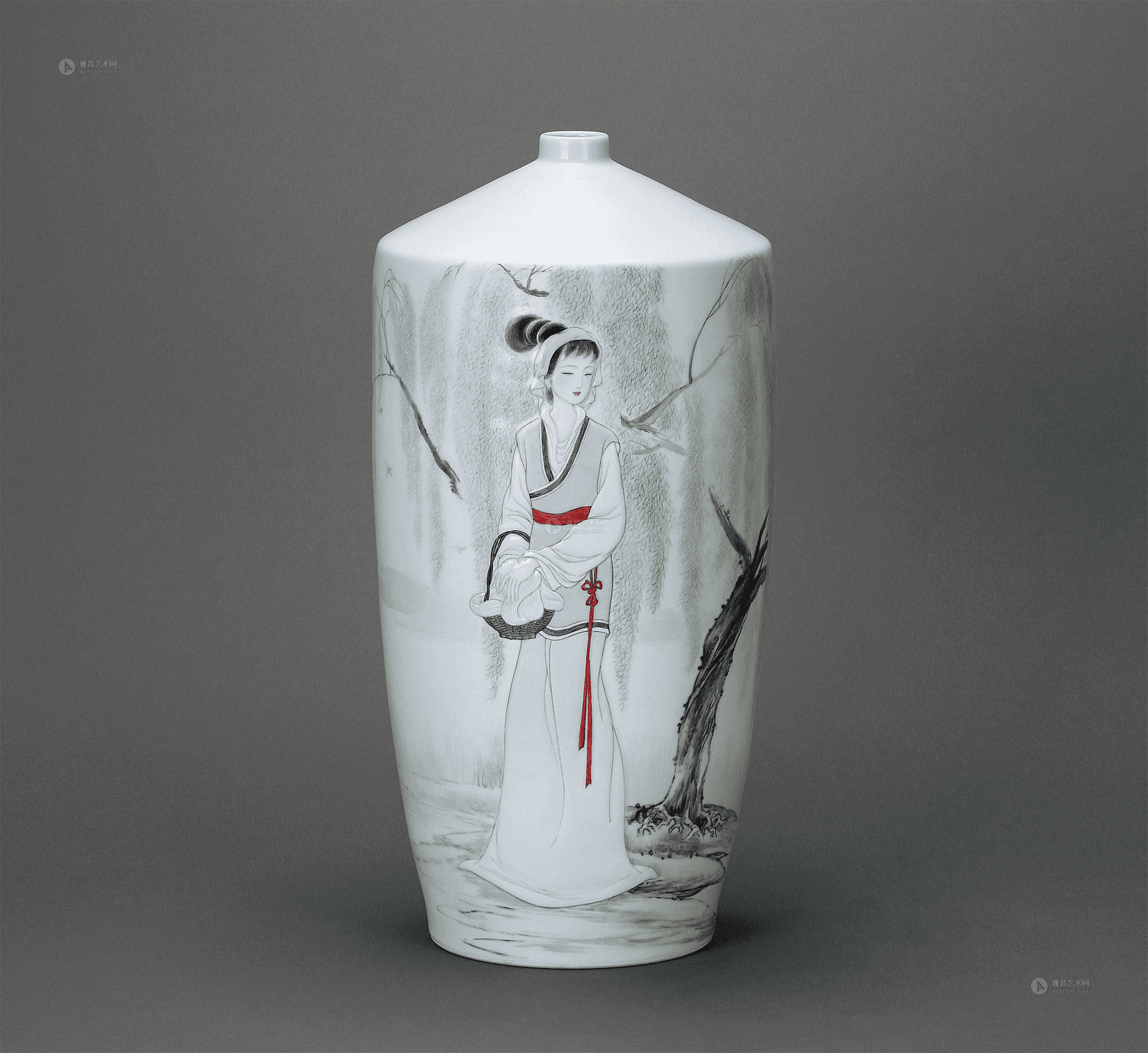
Inheritance & Modern Innovation: Revitalize Ancient Kiln Fire in the New Era
From the late Qing Dynasty to modern times, successive wars and the impact of overseas industrial products brought a temporary decline to traditional handmade porcelain industry, yet the thousand-year kiln fire never died out. Today, complete sets of traditional porcelain-making techniques are listed as national intangible cultural heritage, with antique reproduction art porcelain, high-end decorative porcelain and modern daily-use porcelain developing diversely side by side.
Modern ceramic craftsmen stick to complete ancient techniques including wheel-throwing, glazing and firing. Meanwhile, they integrate digital design, international modern aesthetics and eco-friendly materials for innovative upgrades, enabling thousand-year-old porcelain to perfectly fit brand-new scenarios such as modern home decoration, art collection and cross-border gifts.
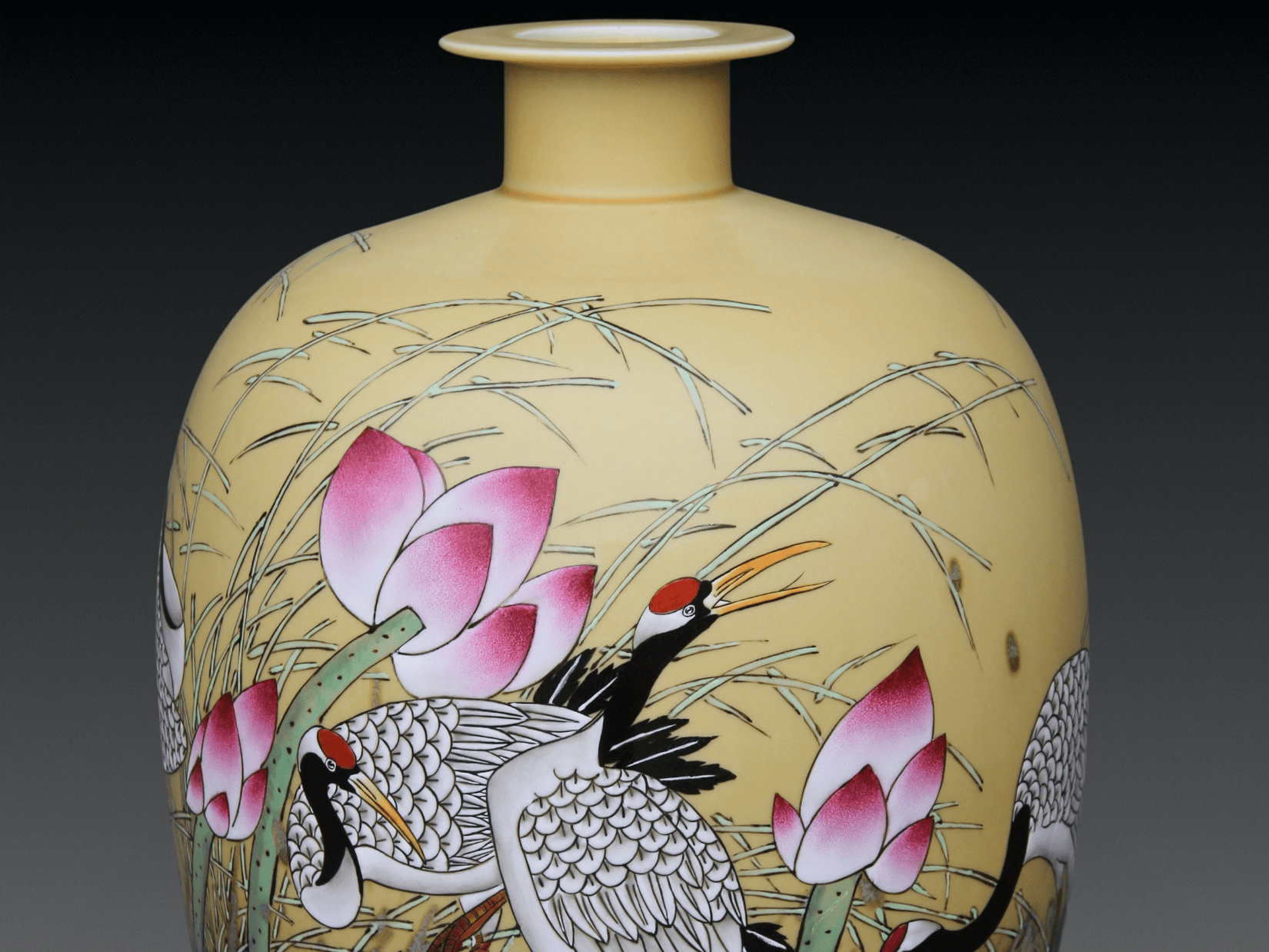
Our Brand Philosophy: Carry Forward Oriental Porcelain Charm to the World
As a ceramic brand deeply rooted in Jingdezhen with university academic R&D support, we fully absorb thousands of years of ceramic craftsmanship and aesthetic heritage, creating original ceramic products that balance cultural heritage, artistic texture and global aesthetics.
We do not merely replicate antique wares. Instead, we extract core aesthetic symbols from porcelain of every dynasty and complete secondary innovation tailored to modern living demands. From mild celadon glazes and elegant Song porcelain to grand blue-and-white and soft famille rose, every piece carries exclusive porcelain charm belonging to Chinese civilization, telling thousand-year oriental ceramic stories to consumers across the globe.
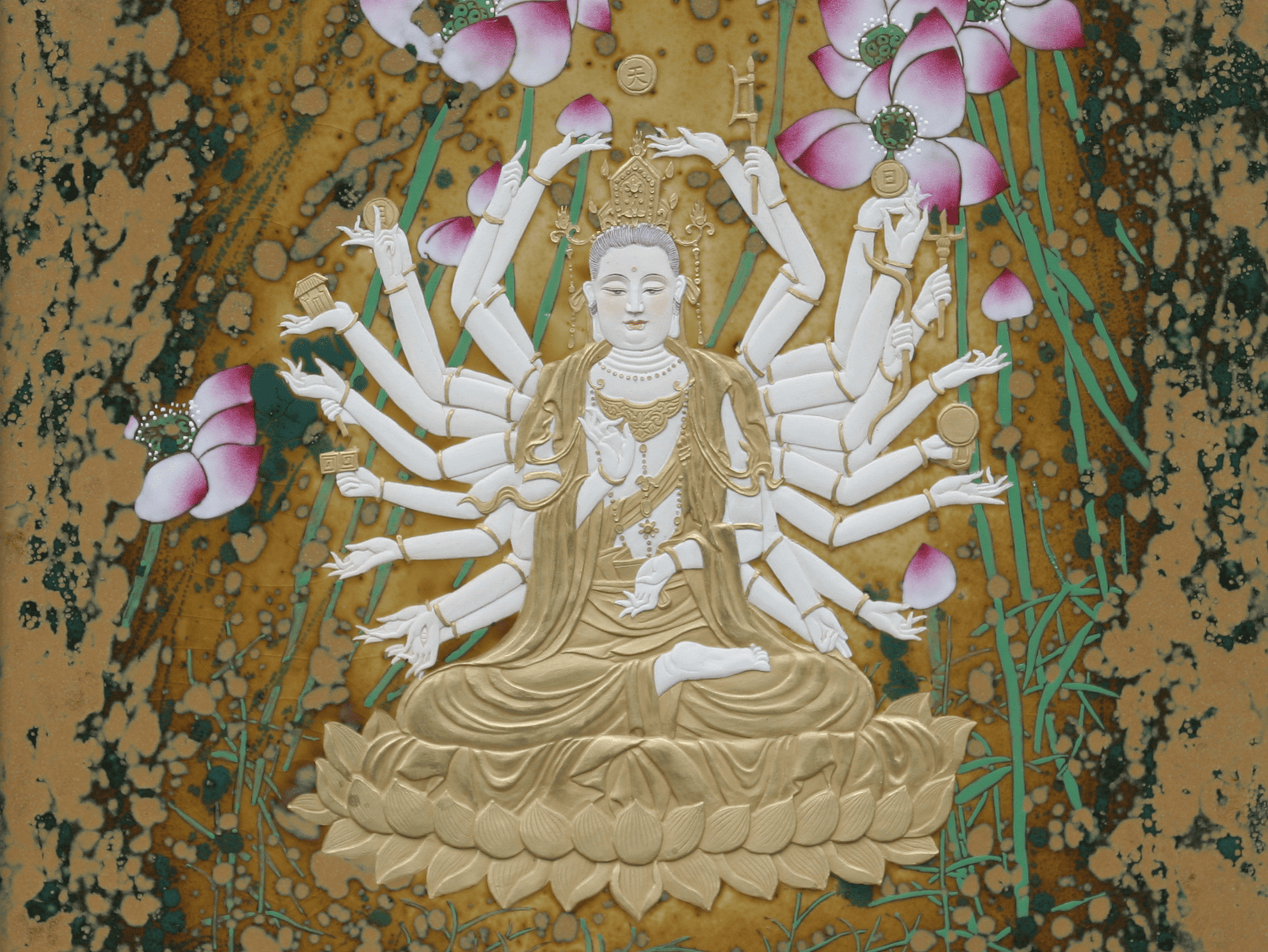
The thousand-year kiln fire burns endlessly, and oriental porcelain charm lasts forever. In the future, we will continue to dig deep into ceramic history and culture, take ancient craftsmanship as the foundation and modern innovation as driving force, enabling more overseas consumers to understand the unparalleled beauty of Chinese porcelain.