Monochrome Glaze Ceramics Complete Guide
News 2026-07-01 94
One Vessel, One Hue – The Oriental Charm Hidden in Monochrome Glaze Ceramics
There exists a kind of beauty, pure to the extreme, natural, elegant and serene. All complicated colored decorations pale in comparison. Devoid of the blue-and-white contrast of blue and white porcelain and the riotous splendor of overglaze polychrome wares, monochrome glaze ceramics rely on a single pure shade yet rival any rich or subtle decorative palette. As a core characteristic category of Jingdezhen ceramics, monochrome glaze porcelain has become a timeless classic for collection and cultural creation thanks to its minimalist aesthetic.
Monochrome glaze refers to a single-toned glaze, also known as single-color glaze or solid glaze. Diverse chemical compositions within ceramic glazes yield distinct solid hues after firing. With varied clay bodies and breathtaking glaze shades, monochrome glaze porcelains have created countless glories in the history of Chinese ceramic art, and they also serve as the core craft foundation for contemporary monochrome glaze tea sets and decorative display ceramics.
Development History of Monochrome Glaze – From Primitive Porcelain to Craft Peak in Kangxi, Yongzheng and Qianlong Reigns
Monochrome glaze marks the origin of colored glazes on Chinese porcelain. Before the Tang Dynasty, its firing techniques remained relatively crude. In the Song Dynasty, market demand and ceramic technical innovation drove the vigorous development of monochrome glazes, and major kilns devoted themselves to celadon, black glaze and other monochrome varieties. Especially during the Kangxi, Yongzheng and Qianlong reigns of the Qing Dynasty, firing craftsmanship reached its peak, achieving a state of “natural as heaven-made, exquisite beyond human expectation”. Most modern antique-style monochrome glaze reproductions take Qing Dynasty imperial wares as templates.
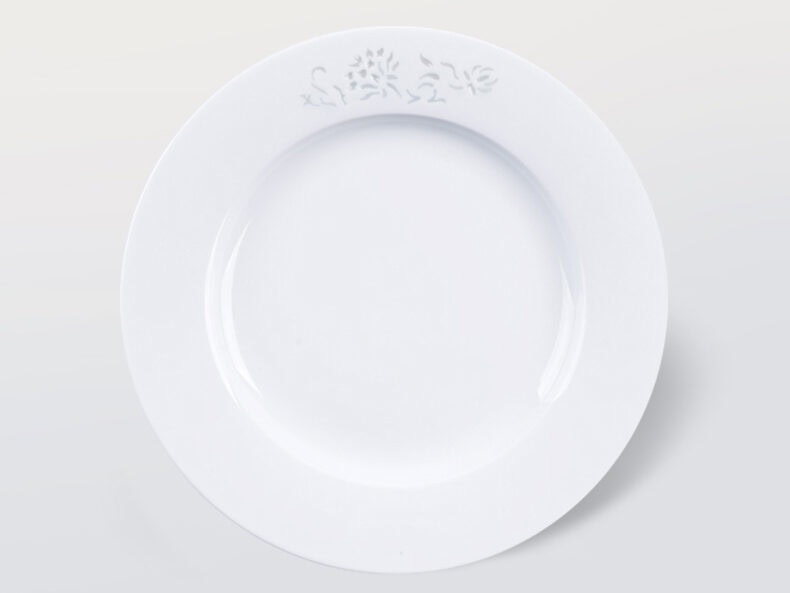
Monochrome glaze porcelain boasts elegant, smooth clay bodies and pure, bright glazes. Most pieces bear subtle incised patterns hidden beneath the glaze, faint yet discernible. They retain the quiet elegance of single hues while offering delicate decorative details, elevating refined beauty to a higher level. Translucent and exquisite under light, monochrome wares are free of ostentation, noise, extravagance and flamboyance. Compared with polychrome porcelain, their mild and restrained texture earns them the reputation as the “noble ladies” among ceramics, making them top choices for modern home monochrome display porcelain and high-end gift ceramics.
Detailed Introduction to Six Major Monochrome Glazes – Glaze Composition, Firing Features & Representative Wares
Red Glaze – Copper-Colored Precious Kiln-Changed Monochrome Glaze
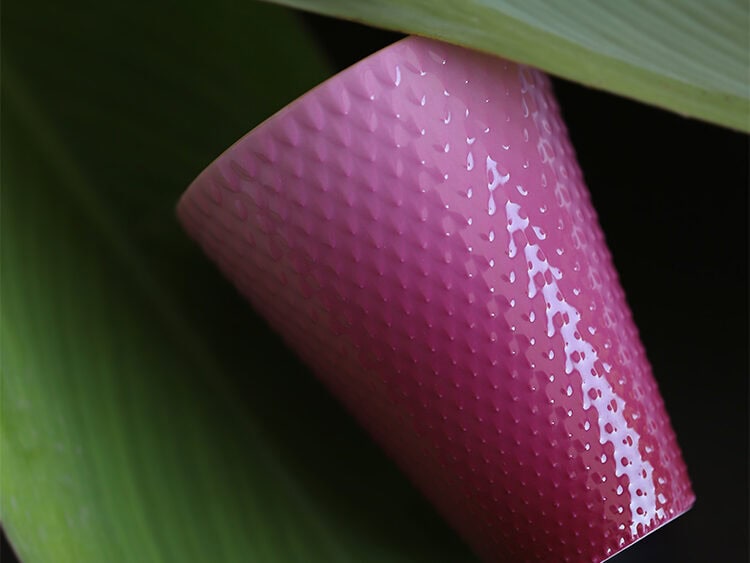
Cupric oxide serves as the main colorant for red glazes with abundant varieties, including sacrificial red, cowpea red, ruby red, Langyao red, brushed red, coral red, rouge red, pink, begonia red, iron red, flesh red, bright red, vermilion, scarlet, persimmon red and oxblood red, crimson red, all popular antique monochrome glaze types.
Ceramic craftsmen invented red glaze firing technology as early as the Tang Dynasty. The copper red glaze from Changsha Kiln is the earliest surviving red glaze artifact. In the Northern Song Dynasty, Jun Kiln in Yu County, Henan produced the famous Jun red glaze porcelain handed down through generations. However, pure and stable high-temperature red glaze was first created in the Yongle reign of the early Ming Dynasty. By the Xuande reign, techniques matured, and Jingdezhen produced world-famous sacrificial red (ji red). Extremely difficult to control kiln transformation, it has been hailed as “one treasure among a thousand kilns” since ancient times.
During the Kangxi reign, imperial kiln supervisor Lang Tingji developed a classic glaze named Langyao red after his surname. Boasting vivid purple-red tones resembling ox blood, collectors also call it oxblood red. Its extremely high rejection rate during firing gave rise to the folk saying: “One may go bankrupt firing Langyao red”. Handmade Langyao red monochrome glaze tea sets maintain high collection value nowadays.
Blue Glaze – Cobalt-Tinted, One of Three Top-Grade Xuande Monochrome Glazes
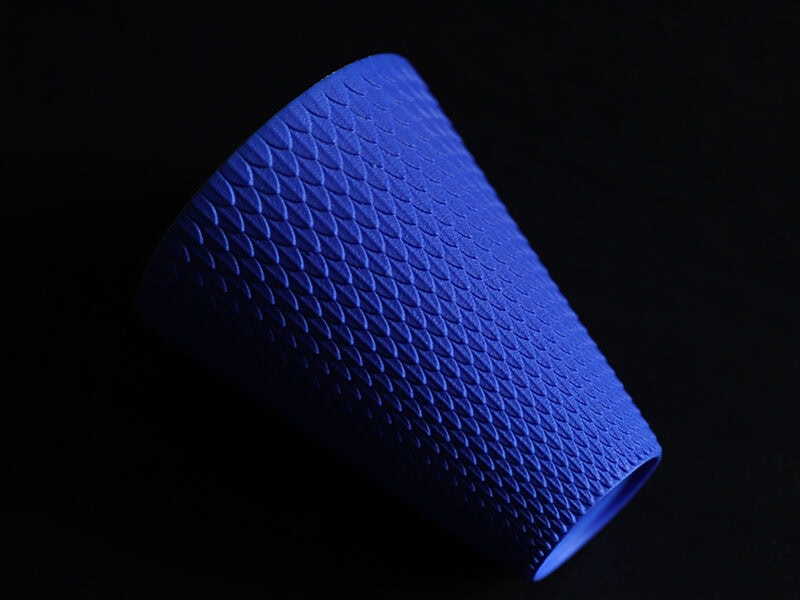
Cobalt oxide is the primary colorant for blue glazes, with mainstream varieties including mist blue, speckled blue, sky blue, kingfisher blue, sapphire blue, brushed blue and sacrificial blue. Traditional blue glazes adopt natural cobalt ore raw materials containing iron oxide and manganese oxide besides cobalt oxide; tiny changes in kiln temperature will alter glaze color performance.
Blue glaze first appeared in Tang tri-color pottery, while mature high-temperature blue glaze emerged in the Yuan Dynasty. In the Xuande reign of the Ming Dynasty, blue-glazed wares were abundant and superb. Later generations ranked sacrificial blue, sacrificial red and sweet white as the three top monochrome glazes of Xuande porcelain. New varieties such as speckled blue and sky blue emerged in the Kangxi reign of the Qing Dynasty, and sacrificial blue monochrome display porcelain remains a hot seller in the ceramic market to this day.
Celadon Glaze – China’s Earliest Porcelain Glaze, Representative of Jade-Like Monochrome Glaze
Iron oxide acts as the main colorant for celadon glazes, subdivided into sky celadon, powder celadon, bean celadon, winter green, kingfisher celadon, grey celadon, shrimp green, shadow celadon and egg celadon. As the most widely circulated monochrome glaze category, it is extensively applied to monochrome glaze tea vessels, vases and ornaments.
Celadon is China’s earliest porcelain glaze, successfully fired as early as the mid-Shang Dynasty. The icy, jade-like powder celadon glaze was deeply favored by Emperor Qianlong. The imperial workshop continuously optimized glaze formulas and vessel designs to create innovations, forming a unique antique celadon system exclusive to the Qianlong reign.
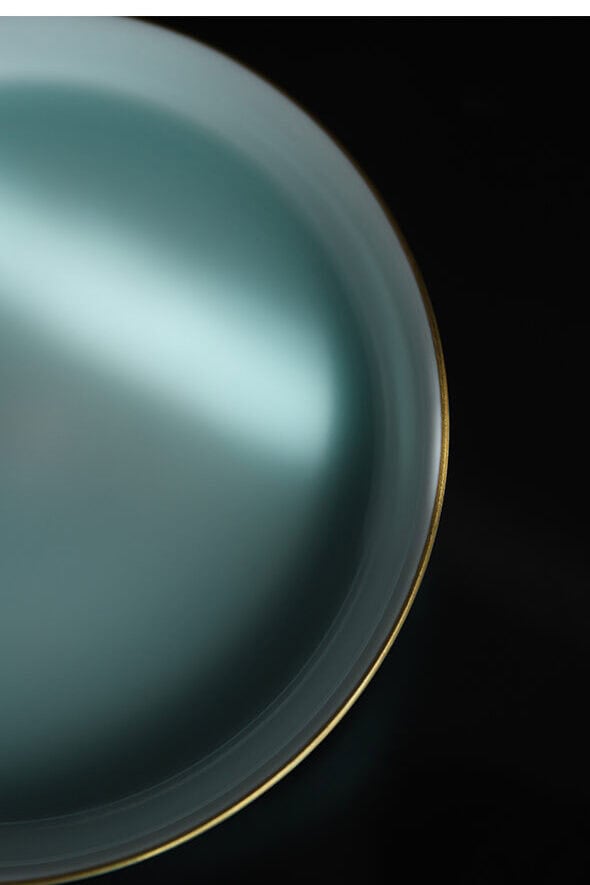
Yellow Glaze – Exclusive Imperial Monochrome Glaze Symbolizing Dignity & Sovereignty
Moderate iron oxide colors yellow glazes, also known as iron yellow, fired via high-temperature and low-temperature processes, subdivided into egg yolk yellow, delicate yellow, chicken fat yellow, ginger yellow, goose yellow, roe yellow, beeswax yellow and eel yellow. There are two traditional yellow glaze types: first, lime glaze tinted with trivalent iron ions, a high-temperature glaze; second, low-temperature lead glaze colored by iron-bearing natural minerals. Official kiln yellow glazes of Ming and Qing dynasties are iron yellow fired at low temperature under oxidizing flame with smooth, translucent glaze surfaces.
Homophonic with the Chinese character for “emperor”, yellow glaze was exclusively reserved for imperial palaces in ancient times, used for sacrificial ritual vessels and royal daily porcelain, forbidden for civilian production, ranking as the highest-grade ritual monochrome glaze.
Green Glaze – Vivid Emerald Shades, Innovative Monochrome Category of Ming & Qing Dynasties
Green glazes cover Langyao green and apple green; classic low-temperature green varieties include peacock green, melon rind green and okra green, mostly applied to small monochrome glaze handpieces and decorative porcelain.
Over two thousand years ago in the Han Dynasty, green glaze ceramics appeared, yet its low-temperature glaze layer was prone to peeling and failed to gain popularity. Green glaze craftsmanship matured in the Song and Jin dynasties, and green wares from Ding Kiln were named green Ding. Top-tier green glaze porcelains were mainly produced in Ming and Qing dynasties. The successful firing of peacock green in the Ming Dynasty broke the dull dark teal tone of earlier eras, delivering bright translucent emerald and enriching the monochrome glaze color system.
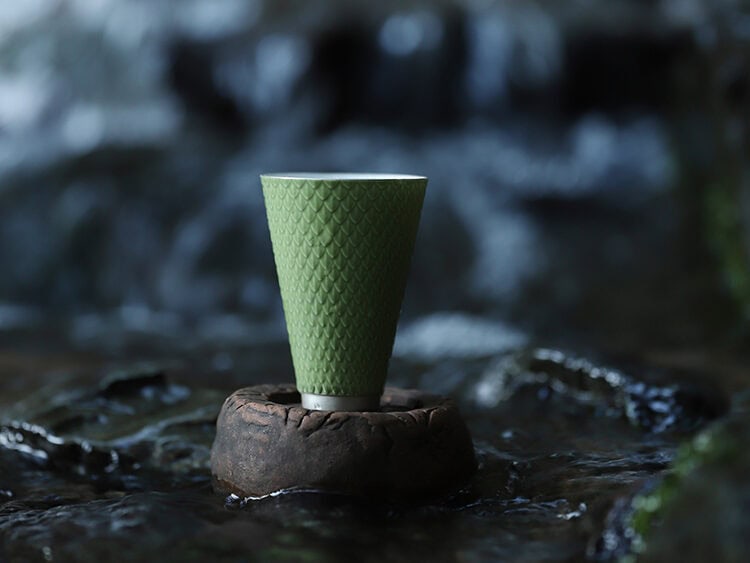
White Glaze – Foundation of All Monochrome Glazes, Core Hue of Minimalist Aesthetics
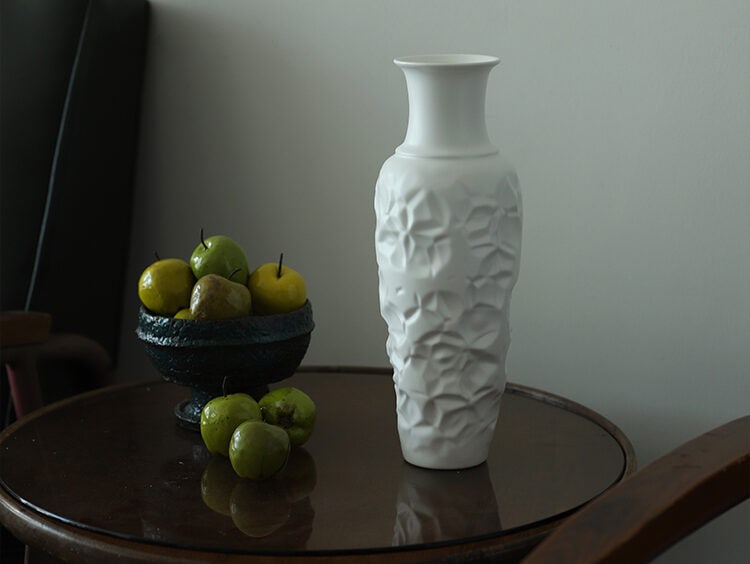
White glaze is porcelain’s natural base glaze with ultra-low iron content, categorized into sweet white, ivory white, lard white, egg white, moon white, shadow blue-white and fish belly white. It is the mainstream choice for modern minimalist monochrome glaze cultural creations and tea sets.
White glaze requires more complex firing techniques and appeared later than celadon; stable mass production was not realized until the Northern Dynasties. Song white porcelain formed two major northern and southern systems: Ding Kiln white porcelain in the north and Jingdezhen shadow blue-white porcelain in the south. The thick, creamy Shufu ware of the Yuan Dynasty laid the foundation for later sweet white glaze. Sweet white porcelain invented in the Yongle reign was described in ancient books as “rich glaze like piled cream, smooth and bright as fine jade”. Emperor Yongle favored white wares, and palace craftsmen continuously simplified glaze formulas and removed redundant decorations, establishing white glaze’s unique status as “the monochrome within monochromes”.
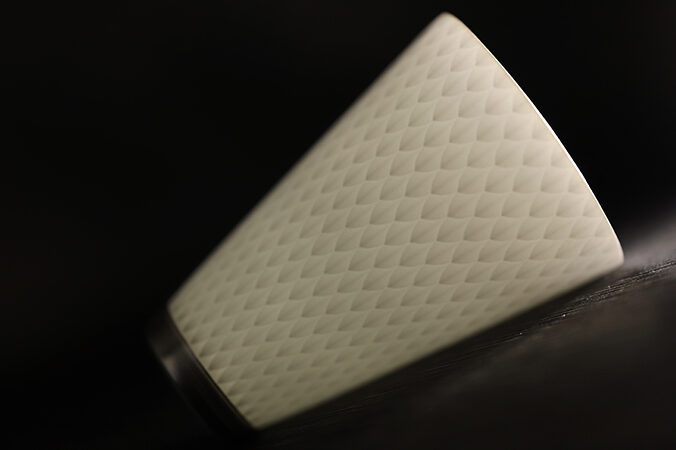
Black Glaze – Thousand-Year Kiln Craft, Textured Retro Monochrome Glaze
Iron oxide, plus trace manganese, cobalt and copper, form black glazes with black or dark brown surfaces, split into plain black glaze and decorative black glaze. Oil spot, hare’s fur, tortoiseshell and sesame paste glazes fall under decorative black glaze. Song Jian tea bowls with hare’s fur black glaze are popular collectible monochrome glaze works today.
Numerous kilns nationwide produced black glaze porcelain with a thousand-year inheritance, and intact black glaze wares unearthed date back to the Eastern Han Dynasty. Deqing black glaze of the Eastern Jin Dynasty pioneered the mature black glaze firing system, and all technical barriers to black glaze production were eliminated by the Tang Dynasty. Driven by the popular tea-drinking custom in the Song Dynasty, Jian Kiln black glaze tea bowls swept the country. During the Kangxi reign of the Qing Dynasty, Jingdezhen created glossy black gold glaze, a classic antique black glaze variety.
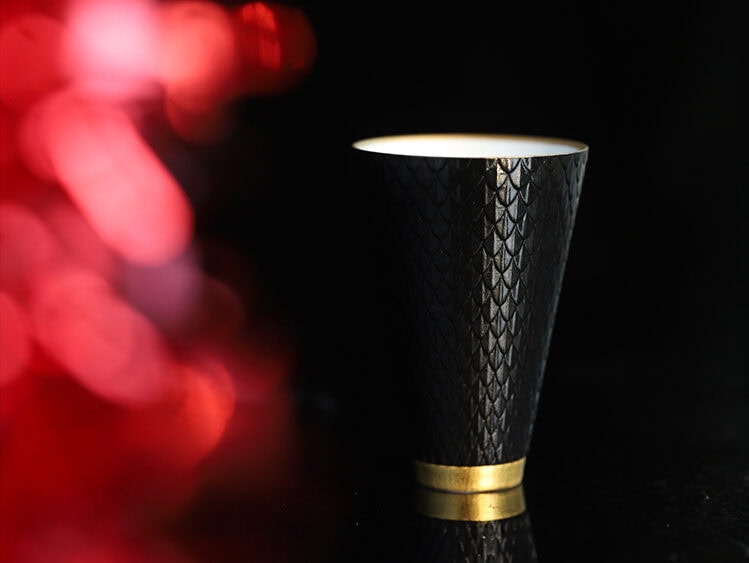
Natural Glaze Charm, Core of Oriental Aesthetics – The Contemporary Inheritance Value of Monochrome Glaze
Culture cannot be confined to a single form, and the hues of porcelain follow the same rule.
White is the origin of all colors, and black their culmination. The complete monochrome glaze spectrum ranging from white to black carries the accumulated craft wisdom of ceramic artisans across dynasties, and it is also the core research and creation focus of monochrome glaze education projects in contemporary ceramic universities. Relying on university expert resources, our company continuously promotes monochrome glaze technology research and the commercialization of young creators’ works.
White glaze evokes pear blossoms blooming across thousands of trees; celadon glaze captures boundless spring garden greenery; yellow glaze mirrors golden loquat fruits heavy on branches; green glaze reflects spring rivers bluer than indigo; red glaze bursts with blooming crimson blossoms; blue glaze shimmers like indigo shadows on clear lakes; black glaze resembles sunset glow slanting over Black Garment Lane…
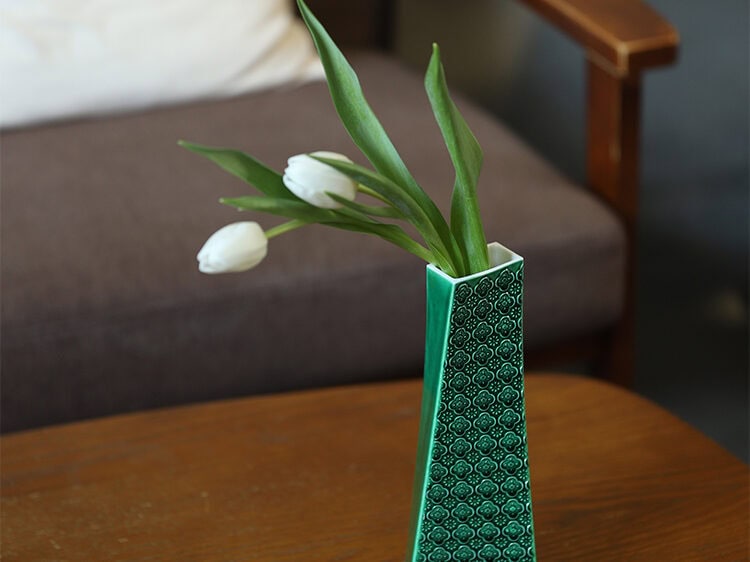
This is monochrome glaze: supreme beauty in simplicity, yet infinitely profound. From ancient official kiln ritual wares to modern monochrome glaze tea sets, space display porcelain and cultural artworks, minimalist and pure glaze hues have crossed thousands of years and continuously won the favor of ceramic enthusiasts. In the future, we will keep delving into monochrome glaze innovation, cooperate with universities on monochrome glaze ceramic education, and let the thousand-year glaze charm thrive in the modern era.