What Are White Porcelain Blanks Used For?
News 2026-09-04 59
White Porcelain Blanks are undecorated porcelain products prepared for further creative work, branding, or customized finishing. Depending on the production process, they may be glazed white porcelain ready for decals, printing, gilding, or hand painting, or biscuit-fired porcelain that still requires glazing and an additional firing.
Because the shape and basic porcelain body have already been produced, White Porcelain Blanks allow decorators, artists, hospitality suppliers, gift companies, and ceramic brands to focus on surface design instead of developing every product from raw clay. They are commonly used for tableware, decorative objects, personalized gifts, art projects, and architectural ceramic applications.
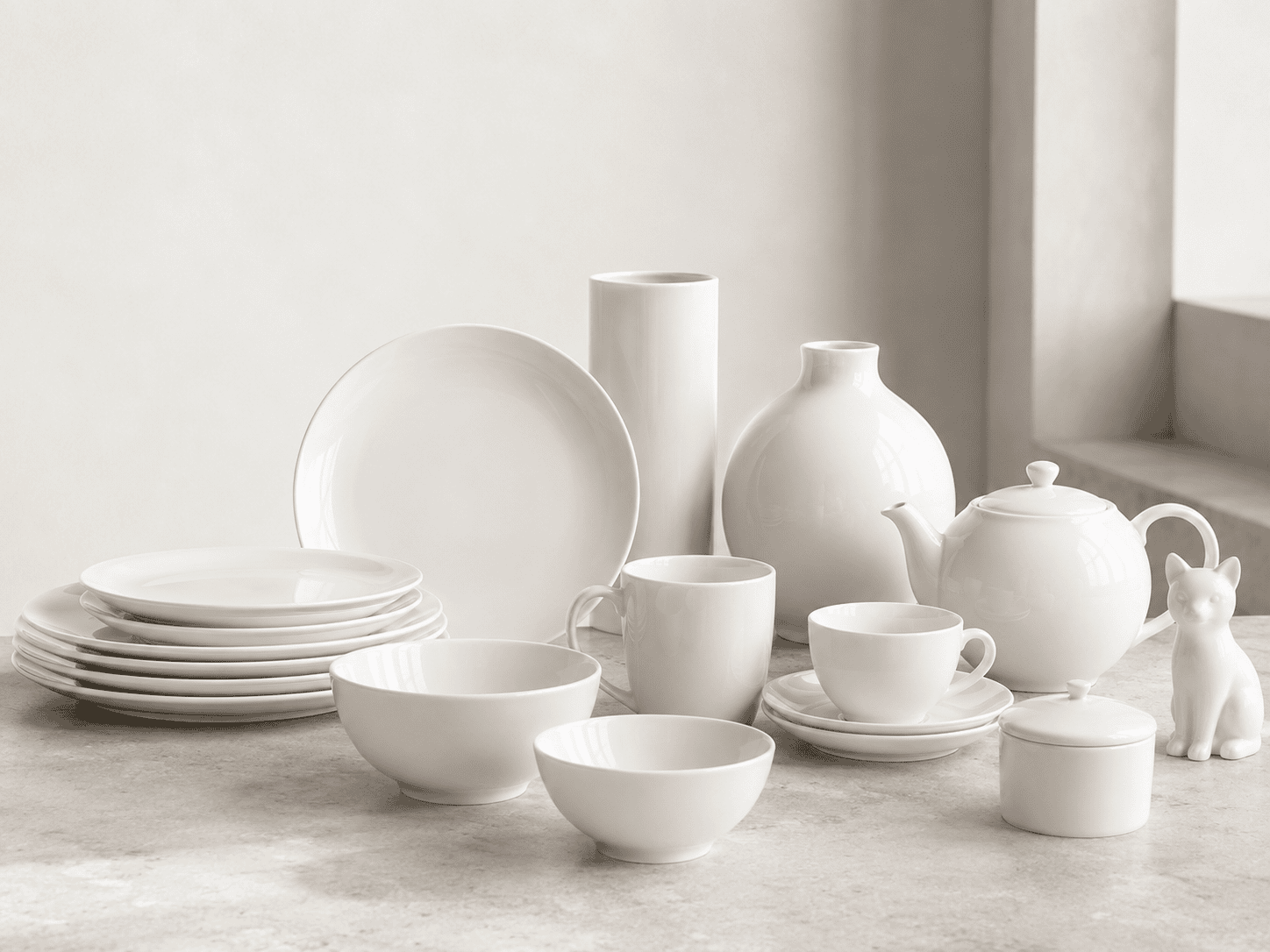
Custom Tableware and Restaurant Collections
One of the most common applications of White Porcelain Blanks is customized tableware. Plain white plates, bowls, cups, saucers, serving dishes, and other pieces provide a clean base for applying logos, patterns, borders, and custom colors.
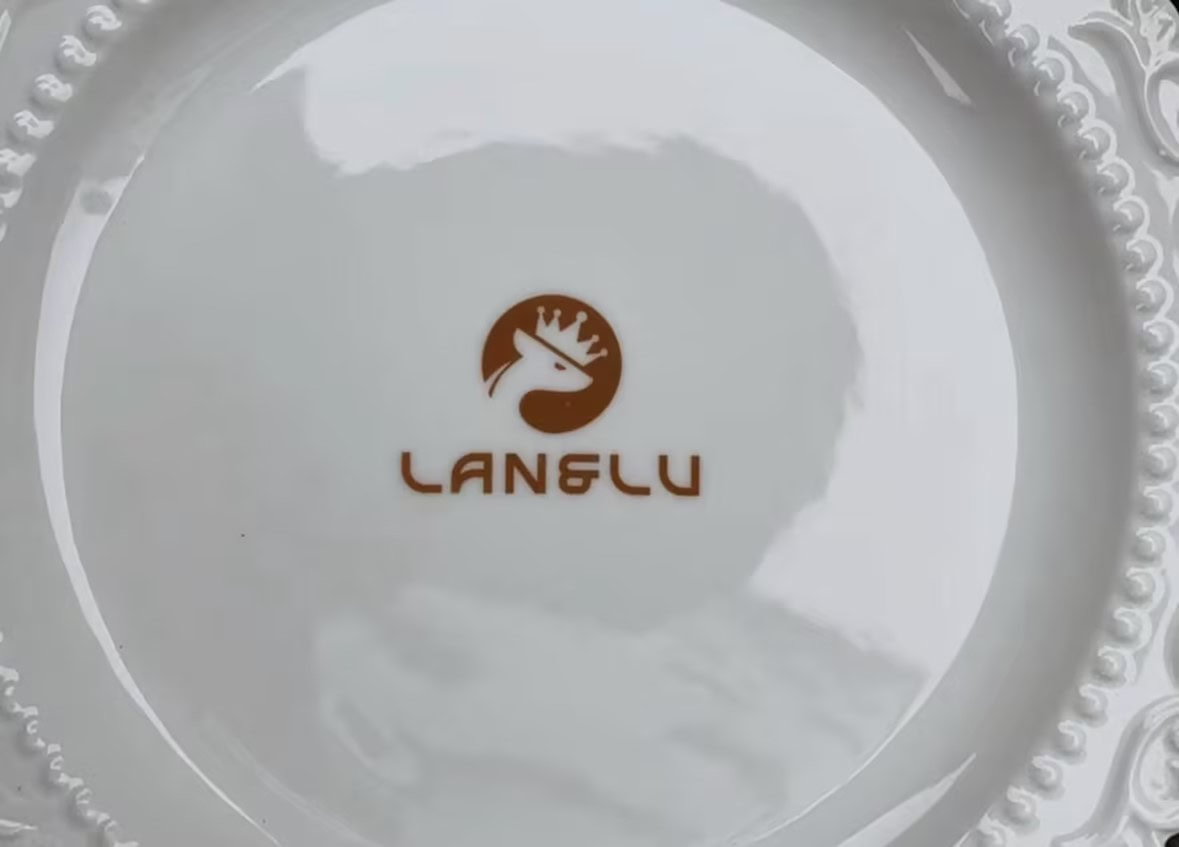
Hotels and restaurants can use White Porcelain Blanks to create tableware that matches their brand identity. A hotel logo may be placed in the center of a plate, along the rim, or on the side of a coffee cup. Restaurants can also add decorative lines, signature patterns, or colors that coordinate with their interiors and food presentation.
Jingdezhen ceramic tableware is especially suitable for projects requiring refined porcelain bodies, balanced shapes, and a smooth surface for decoration. However, buyers should confirm that the selected blanks are appropriate for commercial use. Important considerations include dishwasher resistance, food-contact requirements, decoration durability, and consistency across different production batches.
Hand Painting and Ceramic Art
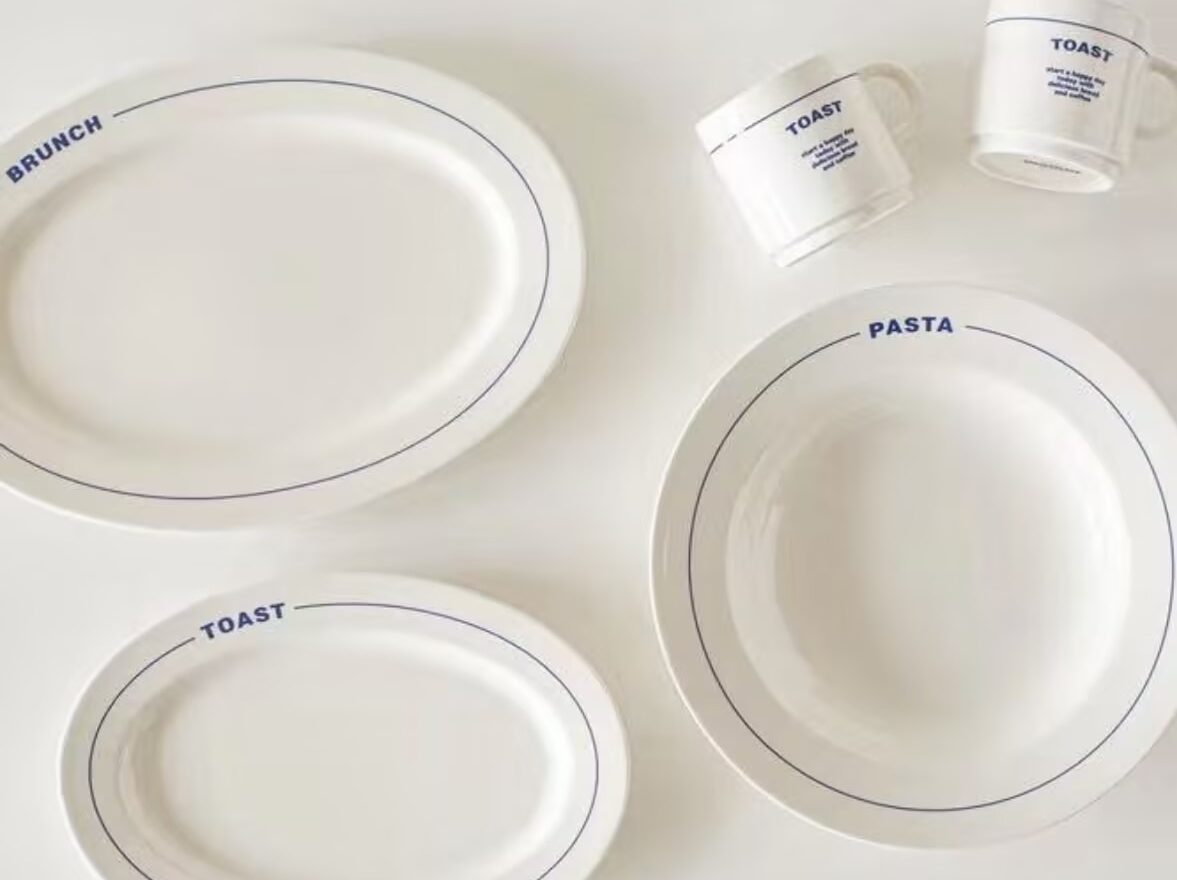
White Porcelain Blanks are also widely used by ceramic artists and painting studios. Their clean surfaces give artists the freedom to create floral designs, landscapes, abstract patterns, calligraphy, or contemporary illustrations.
Depending on the material and firing stage, artists may use underglaze pigments, overglaze enamels, ceramic decals, or specialized porcelain paints. Underglaze decoration is generally applied before the final glaze firing, while overglaze colors are added to an already glazed surface and fired at a lower temperature.
For artists, purchasing White Porcelain Blanks can save considerable preparation time. Instead of making and firing every porcelain form independently, they can select standardized cups, plates, tiles, jars, or vases and concentrate on the artistic decoration. This approach is particularly useful for workshops, independent studios, cultural institutions, and designers developing small collections.
Decorative Porcelain and Interior Accessories
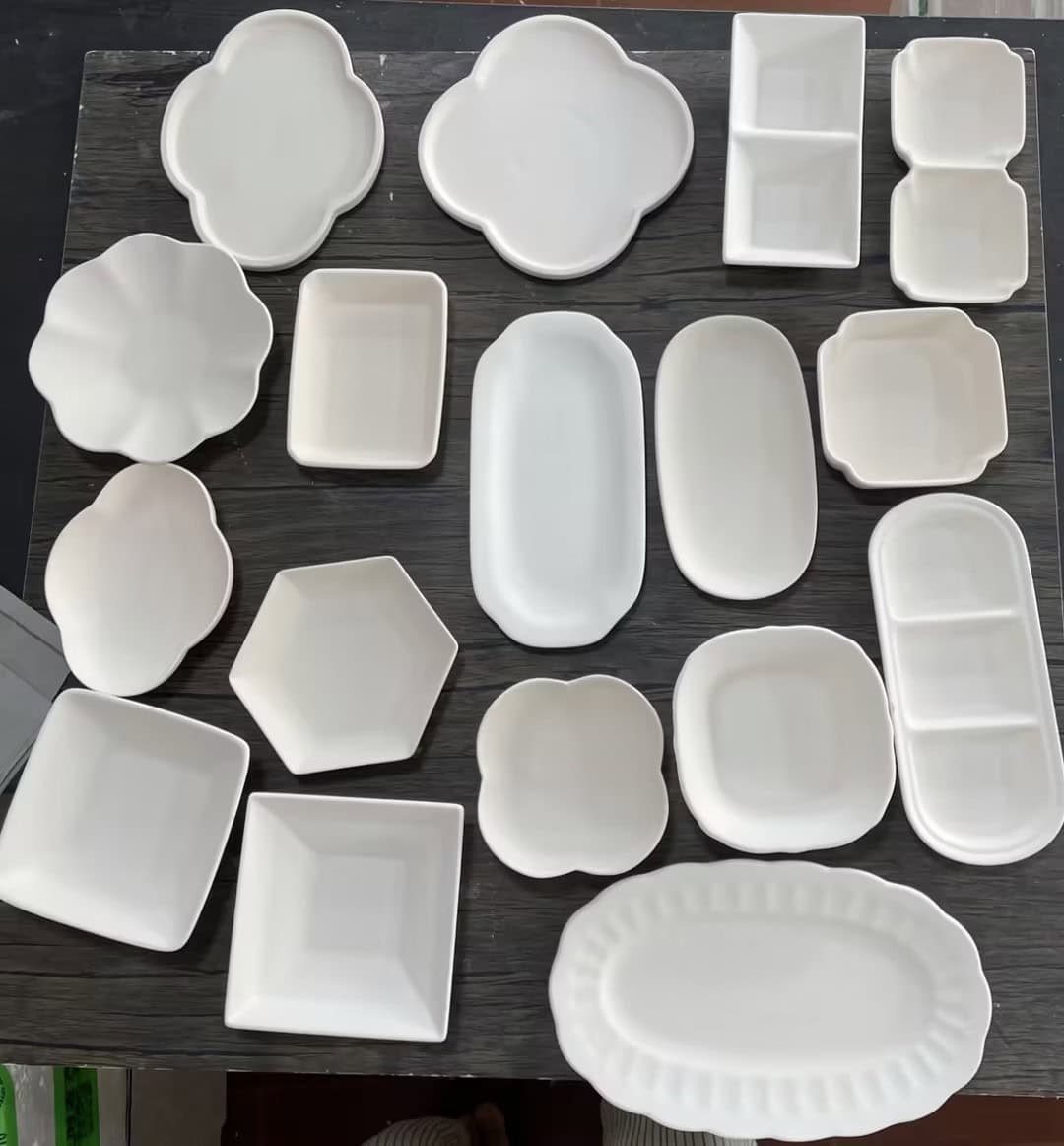
White Porcelain Blanks are not limited to functional tableware. They can also be transformed into decorative porcelain for hotels, restaurants, residences, galleries, and commercial spaces.
Vase blanks, jars, sculptures, trays, candle holders, wall plates, and other forms may be decorated with hand-painted patterns, decals, relief details, gilding, or colored enamels. A simple white porcelain vase can become a distinctive decorative object once its proportions, colors, and patterns are coordinated with an interior design concept.
For brands and interior designers, White Porcelain Blanks provide a practical starting point for developing coordinated collections. The same visual language can be applied across tableware, vases, display objects, and gift items, helping create a consistent atmosphere throughout a hospitality or retail space.
Personalized Gifts and Branded Products
Gift suppliers frequently use White Porcelain Blanks to produce personalized products. Common examples include commemorative plates, mugs, tea sets, wedding gifts, anniversary pieces, corporate gifts, and cultural souvenirs.
Names, dates, company logos, event graphics, and regional motifs can be added through ceramic decals, screen printing, digital printing, or hand painting. Compared with printing on ordinary promotional materials, ceramic decoration creates a more permanent and collectible product.
White Porcelain Blanks are particularly useful for companies that want to test several designs before placing a larger order. A small number of samples can be decorated first to evaluate color, logo size, position, and overall appearance. After the customer approves the sample, the selected design can move into batch production.
Ceramic Murals and Architectural Decoration
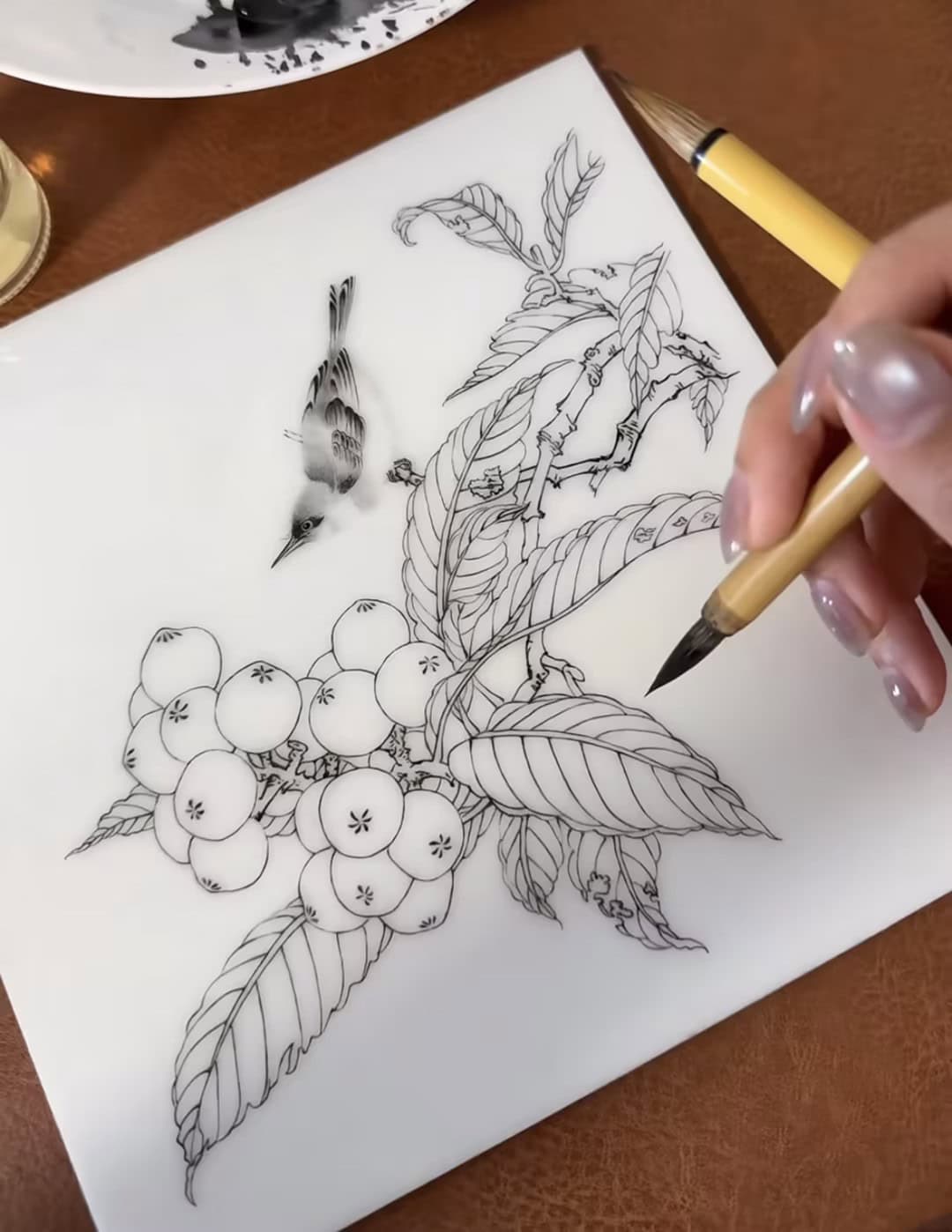
Another important application is the production of ceramic murals. White porcelain tiles and ceramic panels provide a structured surface for painted images, photographic designs, relief patterns, or modular artwork.
For a ceramic mural project, the complete design is usually divided into individual sections. Each blank tile or porcelain panel receives a corresponding part of the image. After decoration and firing, the pieces are numbered and assembled at the installation site to recreate the full composition.
White Porcelain Blanks used for ceramic murals require careful dimensional control. Excessive differences in tile size, thickness, flatness, or firing shrinkage can make installation difficult and create uneven joints. Manufacturers must also consider the decoration method, firing temperature, indoor or outdoor environment, supporting structure, and installation requirements.
Product Development and Sample Testing
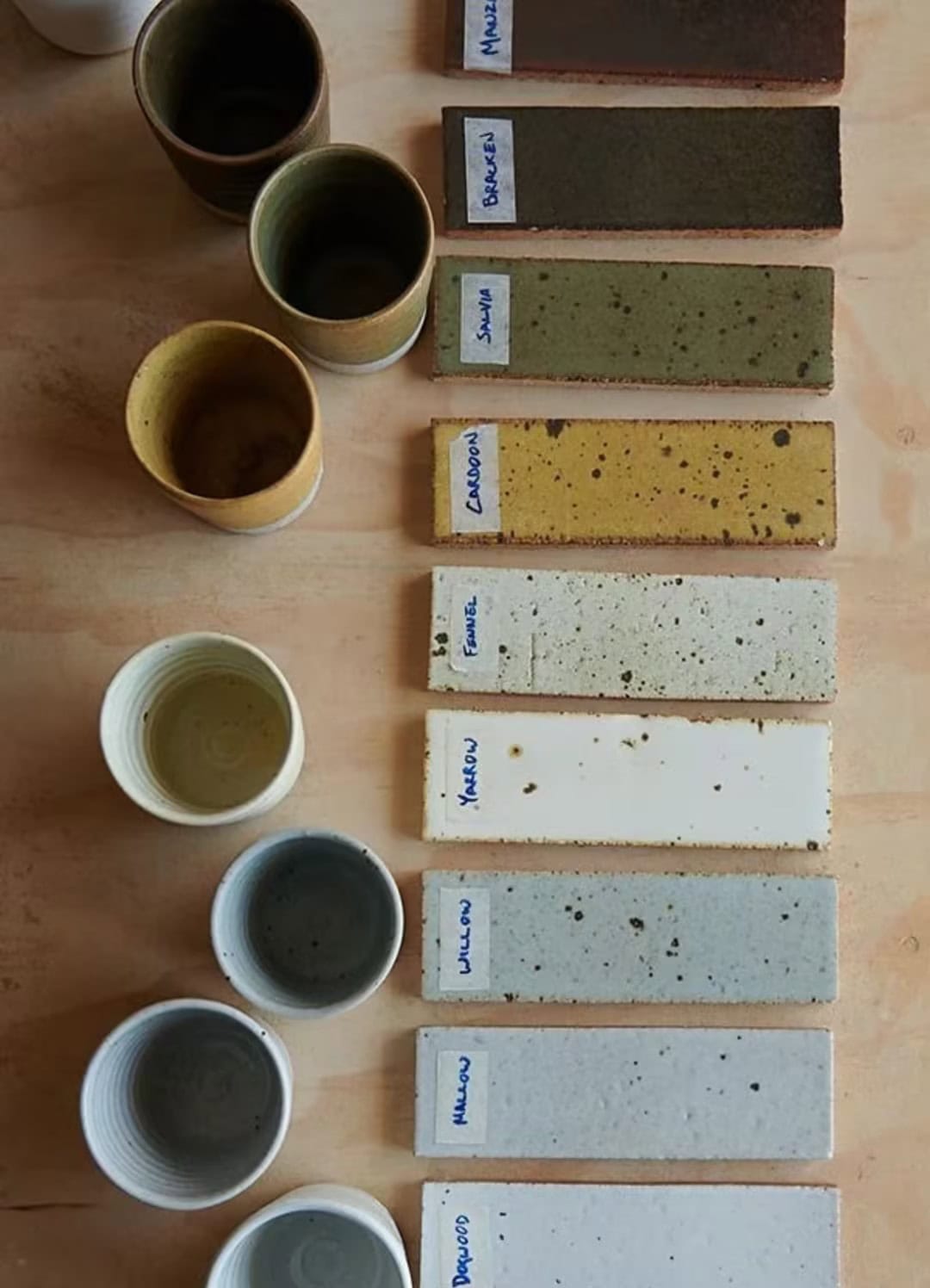
White Porcelain Blanks are valuable during the development of new ceramic products. Designers can test several colors and decoration methods on the same shape, making it easier to compare results.
For example, a buyer may test a hotel logo using a decal, hand-painted enamel, and underglaze printing. The samples can then be compared for color accuracy, durability, cost, and production efficiency. This process helps determine which method is most appropriate before full production begins.
A professional Jingdezhen ceramic manufacturer should help the buyer identify the variables that may affect the finished result. These include the whiteness of the porcelain body, glaze transparency, surface curvature, firing temperature, pigment formulation, and the relationship between the design and the product shape.
Color samples approved on paper or a computer screen are not always identical to colors after ceramic firing. For this reason, physical sampling remains an important stage when developing customized White Porcelain Blanks.
What Should Buyers Check Before Ordering?
Not all White Porcelain Blanks are suitable for the same decoration process. Before purchasing, buyers should confirm several specifications:
- Whether the blanks are biscuit-fired, glazed, or fully fired
- The recommended decoration and firing temperature
- Product dimensions, weight, and acceptable tolerances
- Porcelain body color, translucency, and glaze finish
- Resistance to thermal shock, washing, and everyday use
- Food-contact requirements for tableware
- Minimum order quantity and sample availability
- Compatibility between the blank, pigment, decal, and glaze
- Packaging requirements for international transportation
For large orders, buyers should request representative samples rather than approving a product only from photographs. A sample allows the buyer to inspect the shape, whiteness, glaze, surface condition, and decoration performance before confirming production.
Natural variations may still appear during ceramic manufacturing because porcelain is shaped, glazed, and fired at high temperatures. Clear technical standards and approved samples help keep these variations within an acceptable range.
Conclusion
White Porcelain Blanks provide a flexible foundation for customized tableware, hand-painted art, branded gifts, decorative porcelain, product development, and ceramic murals. They reduce the need to create every ceramic form from the beginning while allowing buyers and designers to develop their own colors, graphics, logos, and artistic concepts.
The success of a project depends on choosing the correct blank, decoration process, firing temperature, and quality standard. Buyers should communicate the intended use clearly, especially when the products will be used in hotels, restaurants, public spaces, or architectural installations.
Based in Jingdezhen, China, Magic Cube works with customers to develop White Porcelain Blanks, Jingdezhen ceramic tableware, customized decorative porcelain, and ceramic mural solutions. From blank selection and sample testing to decoration, firing, quality inspection, and export packaging, we help transform creative ideas into practical ceramic products.