The Ceiling of Chinese Porcelain Aesthetics — Linglong Porcelain
News 2026-07-03 21
The Ceiling of Chinese Porcelain Aesthetics — Linglong Porcelain
Exquisite Transparency: The Oriental Aesthetics of Linglong Porcelain
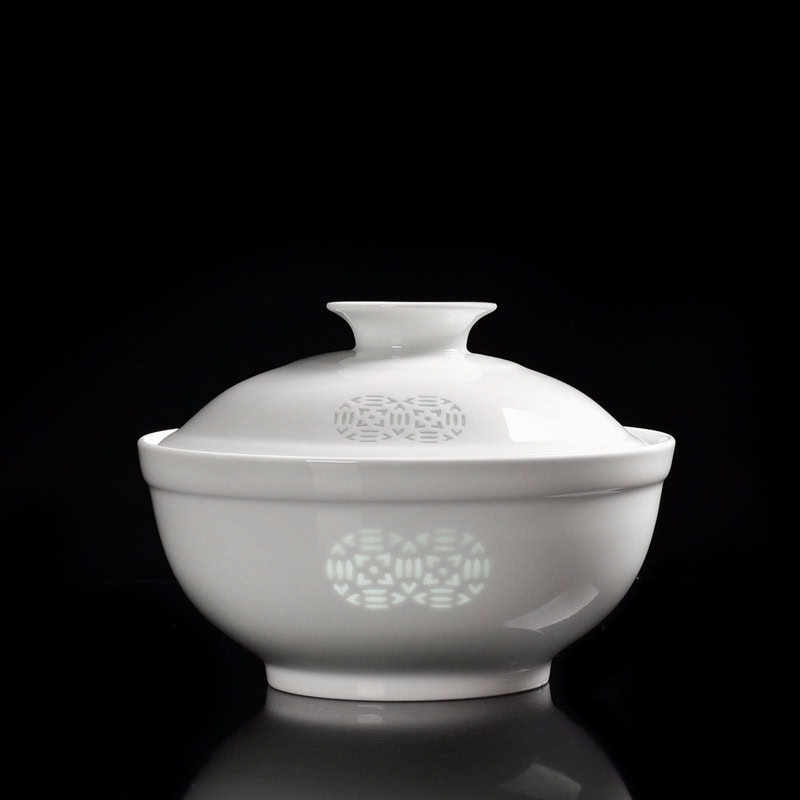
The Chinese word “Linglong” embodies the unique elegant artistic conception of the East, evoking the clear ring of jade, exquisite treasures and gentle beauty. Linglong porcelain from Jingdezhen perfectly interprets such elegance. Adopting unique openwork carving techniques, it is decorated with countless transparent holes on the porcelain body, creating a peerless porcelain wonder through the ages. As the saying goes, full of holes yet never leaking a drop of water, which is the exclusive and most charming feature of Linglong porcelain.
The white porcelain is as warm and lustrous as jade, and the Linglong holes flow with clear light. On a single vessel, transparency coexists with solidity, and exquisiteness blends with elegance. The well-arranged transparent holes adorn the smooth and plain porcelain body, lively, delicate and refined, bringing joy to people’s hearts while making them cherish its exquisiteness and dare not touch it casually.
As one of the four famous traditional porcelains of Jingdezhen, Linglong porcelain integrates thousands of years of superb firing techniques and delicate openwork carving art, possessing both ancient charm and fresh temperament. It is a well-deserved treasure of Chinese ceramic art. Pushing open this carved window on porcelain, one can glimpse the bright and transparent oriental world in Chinese aesthetics.
Eternal Legend: The Poignant Love Story Behind Linglong Porcelain
The world is familiar with the eternal love story of Liang Shanbo and Zhu Yingtai turning into butterflies, but few people know that Jingdezhen’s porcelain history preserves a tragic romance ofturning into a bird for love and condensing longing into porcelain — the touching origin of Linglong porcelain.
Legend has it that in ancient Jingdezhen lived a loving couple. The young craftsman Ning Long excelled at making porcelain bodies. His works were flawless and of top quality. His lover Qiao Gu was a genius porcelain painter whose flowers looked vivid and whose birds seemed alive. The two fell in love and lived a peaceful life beside the kilns.
However, the local tyrant Hao Laer coveted Qiao Gu’s beauty and talent and intended to seize her. To protect the lovers, local kiln workers helped Ning Long and Qiao Gu marry, which enraged the tyrant. He devised a vicious plot, abducted Ning Long, and ordered him to produce 1,200 sets of blue dragon tableware within a hundred days, threatening to kill him if he failed.
To survive and protect his beloved, Ning Long worked day and night and finally finished the order on time. Nevertheless, the cruel tyrant broke his promise, murdered Ning Long, and seized all the fine porcelain. Upon hearing the tragic news, Qiao Gu fainted in grief.
Unwilling to give up, the tyrant forced Qiao Gu to paint on the unfinished porcelain bodies left by Ning Long. Helpless and heartbroken, she painted through tears. Every stroke carried her longing, and every piece of porcelain was stained with her sorrow.
To avenge her lover and follow him in death, Qiao Gu set fire to the tyrant’s residence while he slept. From the raging flames flew a colorful bird, circling and crying sorrowfully: “Ning Long! Ning Long!”
After the fire faded, the residence turned to ruins, yet Ning Long’s porcelain tableware remained intact. Tempered by flames, the unfinished bodies became exquisite porcelain, warm, translucent and jade-like. Miraculously, countless bright round holes appeared on the surface, clear as pearls and brilliant as gems.
Villagers believed the colorful bird was Qiao Gu’s soul, and the transparent holes were her tear drops. Since “Ning Long” sounds like “Linglong”, craftsmen named the porcelain Linglong Porcelain, passing down this touching legend for generations.
Crystalline & Exquisite: The Unique Craftsmanship of Linglong Porcelain
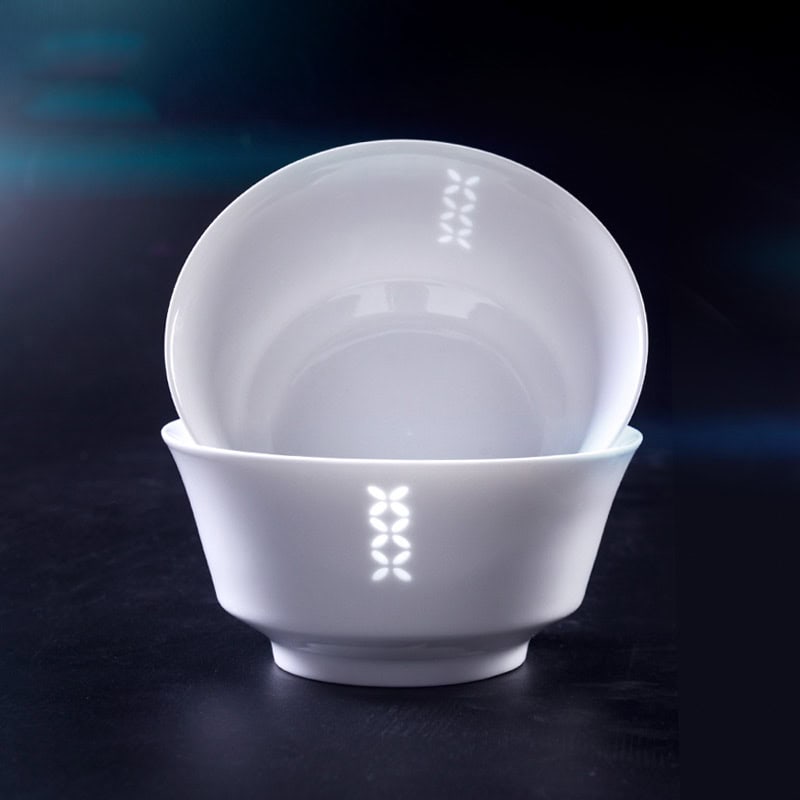
Elegant in shape, warm and translucent in texture, Linglong porcelain is also known as Jade Vase Spring or Carved Porcelain, and vividly praised as “porcelain inlaid with glass”. Its essence lies in exclusive openwork carving: craftsmen carve regular holes on fine porcelain bodies. After glazing and firing, semi-transparent bright holes take shape — luminous yet watertight, extremely delicate and ingenious.
With thin, delicate and highly translucent bodies, Linglong porcelain is decorated with refined embossed and painted patterns. The combination of virtual and real textures creates an elegant oriental charm. Compared with ordinary porcelain, it requires extremely complicated procedures and superb manual precision with almost no room for error.
Traditional Linglong porcelain making includes shaping, pattern positioning, manual hole carving, special glaze filling, natural drying, overall glazing and high-temperature firing — every procedure is indispensable. Craftsmen carve millet-shaped holes through raw porcelain bodies like tiny windows, then fill the holes with exclusive transparent glaze, glaze the whole vessel, and fire it at high temperature.
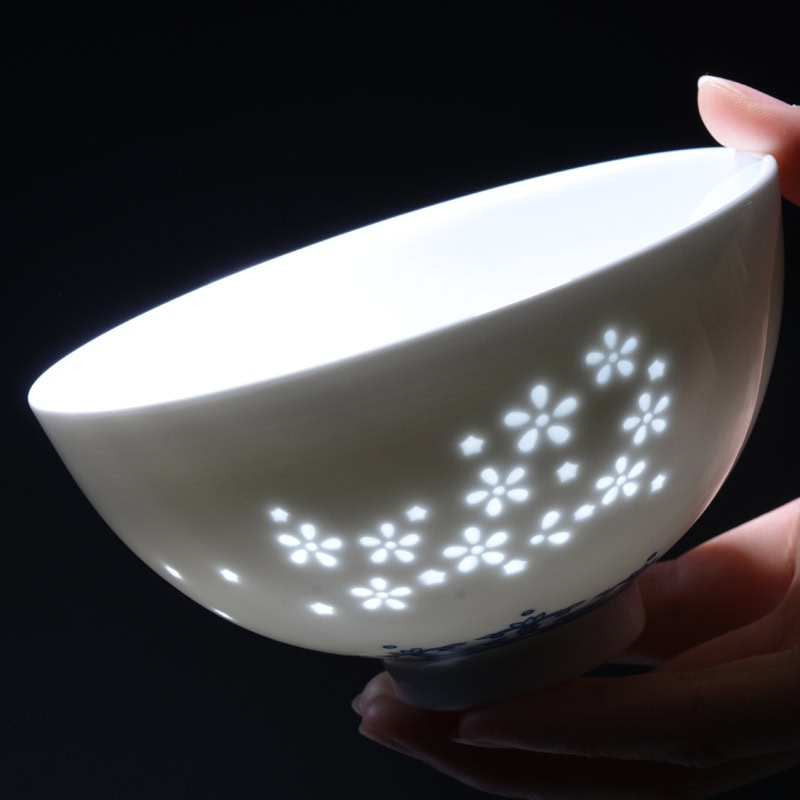
After high-temperature tempering, the carved parts become thoroughly transparent with smooth and bright glaze. The luminous yet watertight millet-shaped holes are the iconic Rice Flower, widely known as Linglong eyes.
Every Linglong eye is manually filled with special glaze by experienced craftsmen. The control of strength, glaze thickness and dryness depends entirely on decades of craftsmanship. Due to its extreme difficulty and exclusive techniques, the craft could never be copied in ancient times, making Linglong porcelain a royal exclusive treasure.
After thousands of years of evolution, Linglong eyes have diversified into various shapes including crescent, streamline, round bead, rhombus and polygons, in addition to the classic millet shape. Vessels are divided into daily necessities such as bowls, plates, jars and pots, and ornamental crafts such as vases, flower pots and brush pots, customizable for both practical and artistic purposes.
Originated in Tang, Flourished in Qing: A Millennium History
Linglong porcelain is a time-honored ancient craft with a history of ups and downs. Its firing can be traced back to the Tang Dynasty. The earliest Linglong porcelain was produced in Hongzhou Kiln in Luohu, Fengcheng, Jiangxi Province.
During the Song and Yuan dynasties, due to technical changes and kiln transitions, Linglong craftsmanship was once interrupted and nearly lost. It was revived in the Yongle reign of the Ming Dynasty in Jingdezhen. Among them, Yongle Sweet White Glaze Linglong Porcelain, warm, pure and transparent, represents the peak of Ming Dynasty Linglong art.
The Qing Dynasty witnessed its prosperity. In the Qianlong reign, the imperial kiln specialized in imitating and optimizing Linglong techniques, making the craft increasingly sophisticated. In the late Qianlong period, Linglong porcelain became popular nationwide, produced by both official and folk kilns.
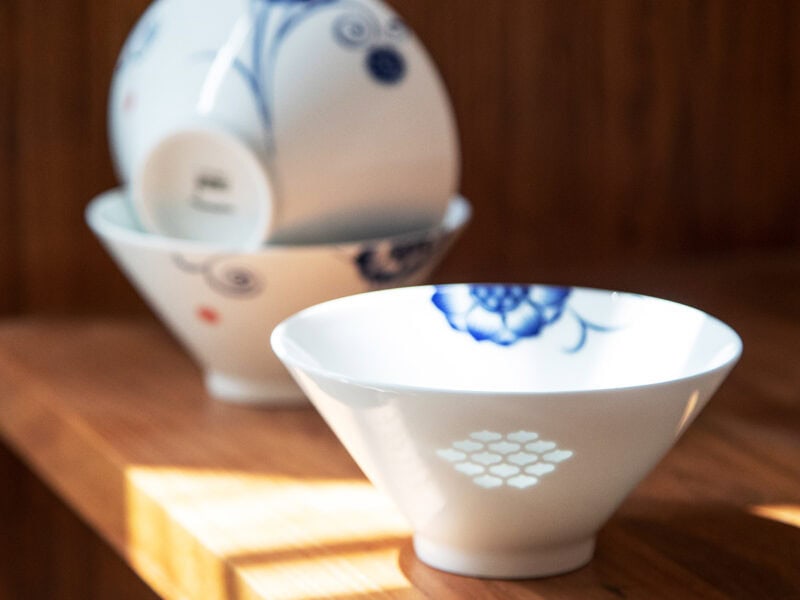
In the Tang Dynasty, Linglong porcelain emerged as noble royal porcelain with exquisite craftsmanship. In the Song Dynasty, it became more delicate and refined, highly collected by literati and nobles. During the Ming and Qing dynasties, continuous technical upgrades established it as one of China’s top traditional crafts carrying profound cultural heritage.
From the late Qing Dynasty to the Republic of China, the craft declined temporarily. Fortunately, in the early 20th century, dedicated craftsmen inherited and innovated ancient techniques, reviving the endangered craft. In the 1950s, the Linglong porcelain industry fully recovered. Craftsmen optimized decorative systems to coordinate Linglong eyes, blue and white patterns and colors, adapting traditional aesthetics to modern tastes.
Blue and White Linglong: Verdant and Transparent Porcelain Art
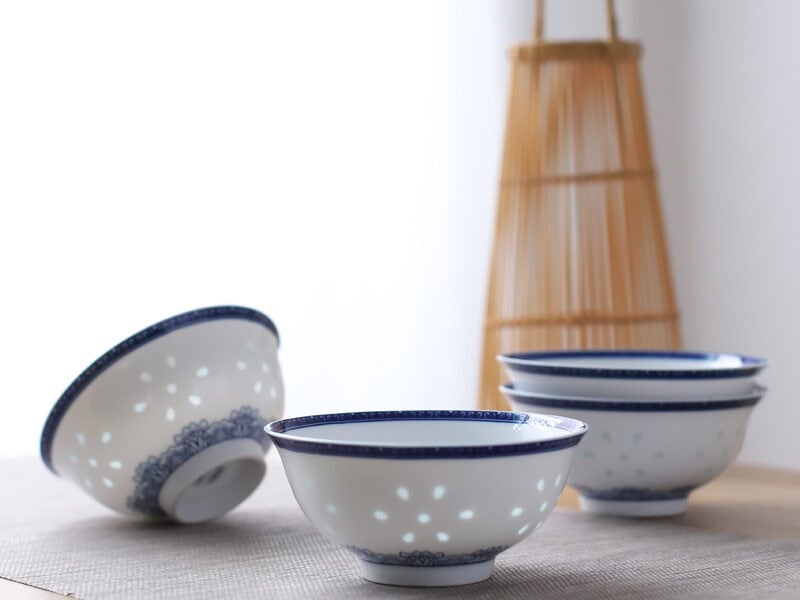
Among all categories, Blue and White Linglong Porcelain is the most representative and prestigious classic. It perfectly integrates underglaze blue-and-white painting and Linglong openwork carving. Combining two supreme crafts on one vessel, it embodies the unique wisdom of Jingdezhen artisans.
Fired once at high temperature, it features hand-carved Linglong eyes and hand-painted blue-and-white patterns on a lustrous white base. The underglaze blue is fresh and elegant, while the Linglong eyes are emerald and transparent, creating a unique double-layer visual effect of a stunning aesthetic scene where glaze lies within glaze, and flowers are hidden amid floral patterns.
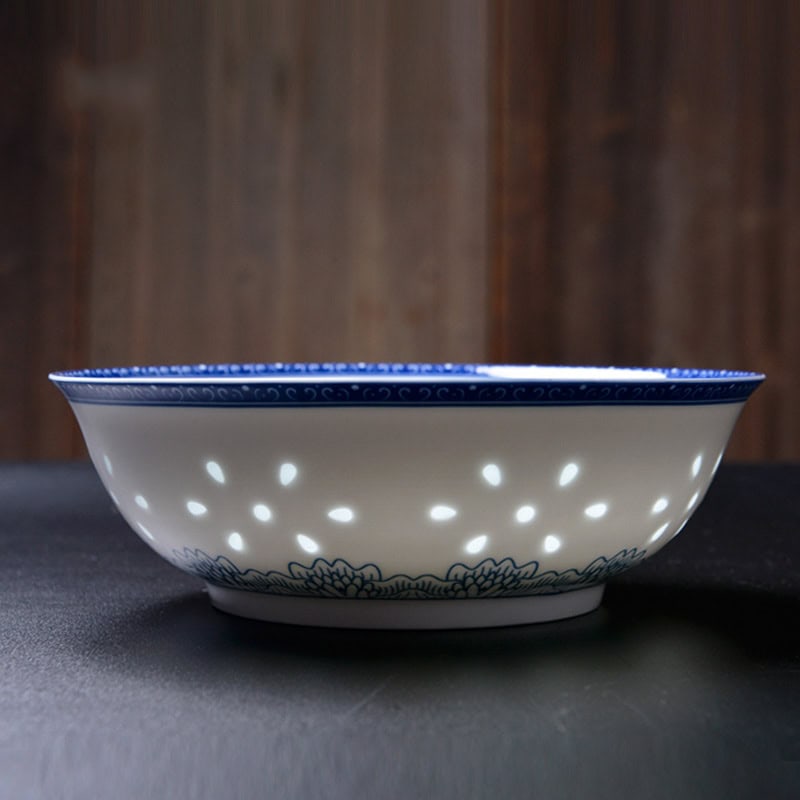
The tranquility of blue and white balances the delicacy of openwork, while the transparency of Linglong sets off the elegance of blue patterns. The two complement each other perfectly, presenting an integral style that is simple, fresh, refined and artistically layered.
Such supreme craftsmanship once astonished Western artisans. In ancient times, foreign craftsmen even mixed pearl, agate and jade fragments into porcelain clay in attempts of imitation, yet never succeeded in reproducing its unique transparency and exquisite craft. For thousands of years, artisans of Jingdezhen Ningfeng Kiln have inherited the ancient oriental craftsmanship faithfully.
With mutton-fat-jade-like texture, pure, translucent and elegant, it interprets the pinnacle of traditional Chinese craftsmanship. One Linglong porcelain vessel embodies thousand years of ingenuity and oriental tranquility — this is the ultimate aesthetic ceiling of Chinese porcelain.