Reproduction Porcelain vs Genuine Antique Porcelain
News 2026-08-28 59
Chinese porcelain has been collected, studied, traded, and reproduced for centuries. Historical forms and decorative styles continue to inspire ceramic artists and manufacturers, especially in Jingdezhen, where traditional porcelain techniques remain active.
However, Reproduction Porcelain and Genuine Antique Porcelain are not the same. One is produced in a later period by imitating or reinterpreting an earlier style, while the other was made during the historical period to which it is attributed.
This distinction affects an object’s cultural significance, research value, market price, and the way it should be described to buyers. At the same time, Reproduction Porcelain is not automatically fraudulent. A clearly identified reproduction can be appreciated as decorative porcelain, art porcelain, a study object, or a modern interpretation of a traditional design. Problems arise when a later product is intentionally presented as Genuine Antique Porcelain.
Distinguishing between the two requires more than checking a reign mark or looking for signs of wear. Form, materials, glaze, painting, foot construction, firing characteristics, condition, provenance, and expert examination should be considered together.
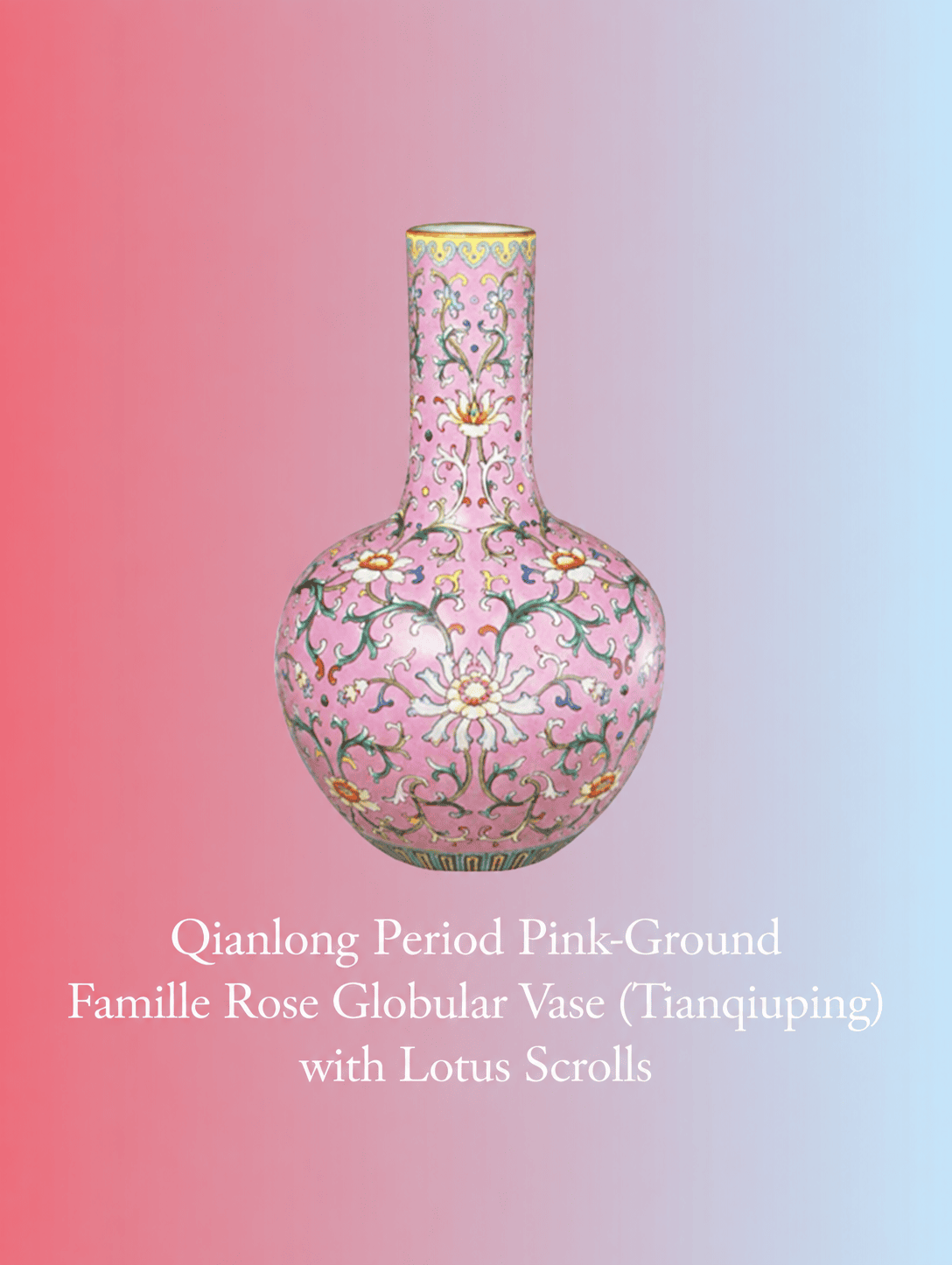
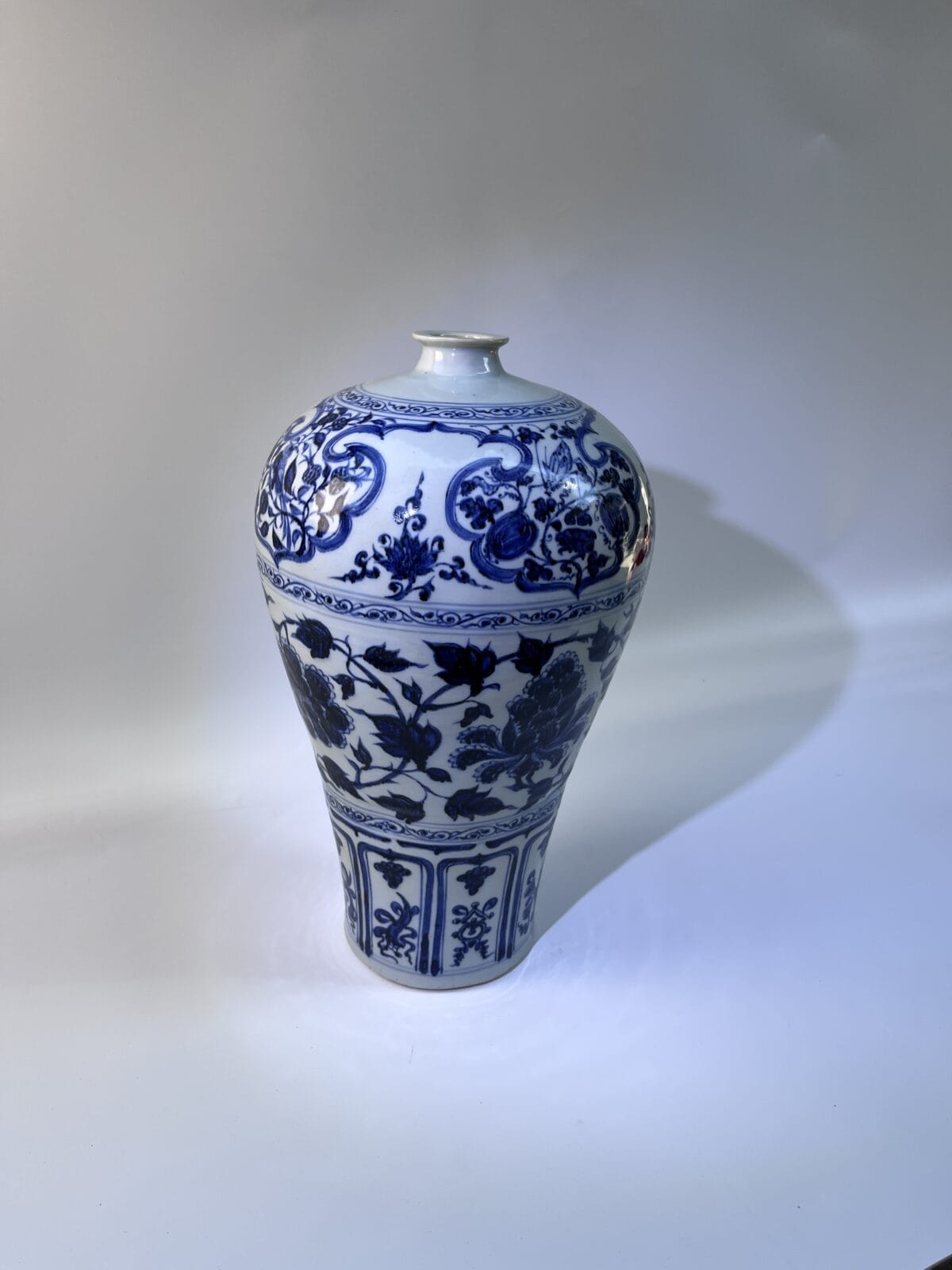
What Is Reproduction Porcelain?
Reproduction Porcelain is ceramic ware made after the period or object it imitates. It may reproduce an earlier vessel shape, glaze color, decorative pattern, reign mark, or complete historical style.
Some reproductions are produced for museums, education, interior decoration, cultural gifts, film productions, or collectors who appreciate traditional designs but do not require an original antique. Others are contemporary art porcelain inspired by historical techniques without attempting to copy one exact object.
The quality of Reproduction Porcelain varies considerably. Some products are mass-produced and only imitate the general appearance of antique porcelain. High-quality reproductions may involve detailed research, handmade forming, traditional pigments, multiple firings, hand painting, and careful study of historical examples.
A responsible Jingdezhen ceramic manufacturer should describe such products accurately as modern reproductions, antique-style porcelain, or contemporary works inspired by traditional Chinese ceramics. A reproduction should not be represented as an original historical object.
What Is Genuine Antique Porcelain?
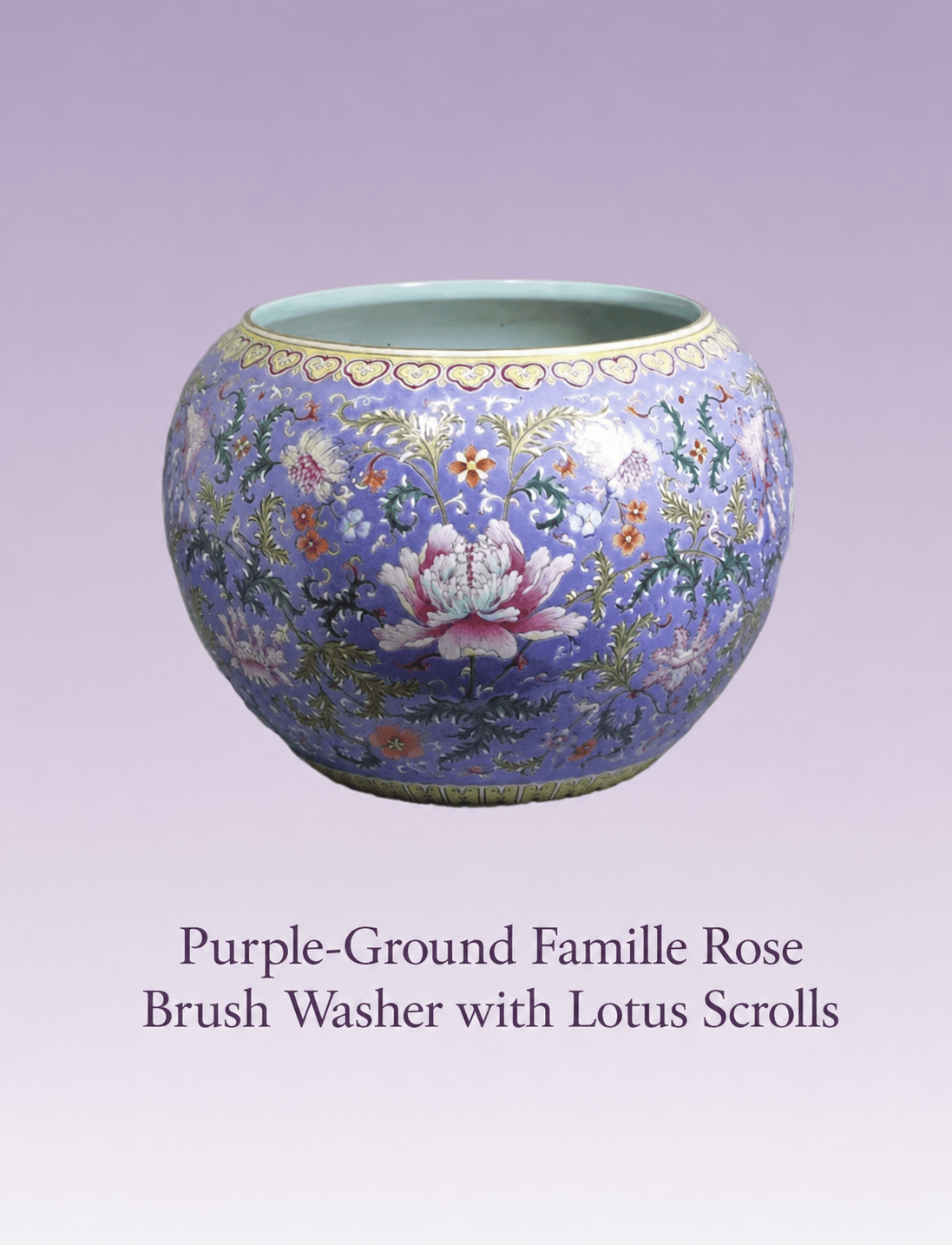
Genuine Antique Porcelain is porcelain that was actually produced during the historical period to which it is attributed. Its value may be influenced by age, rarity, craftsmanship, historical context, kiln, maker, imperial association, condition, provenance, and market demand.
An antique object does not need to be perfect. Genuine Antique Porcelain may contain firing marks, old repairs, glaze wear, small chips, scratches, stains, or other evidence associated with production and use. However, damage alone does not prove that a piece is old.
The term Genuine Antique Porcelain should be used carefully. Determining authenticity may require comparison with securely dated examples, examination by experienced specialists, historical research, provenance records, and, in some cases, scientific testing.
Form and Proportion
Vessel form is one of the first areas examined when comparing Reproduction Porcelain with Genuine Antique Porcelain.
Each historical period developed particular preferences in profile, proportion, rim shape, shoulder curve, foot construction, handle design, and overall balance. Even when a modern reproduction copies the dimensions of an antique, small differences may appear in the transition between the neck and shoulder, the curvature of the body, or the relationship between the body and foot.
A Genuine Antique Porcelain vessel often reflects the forming tools, production habits, and aesthetic standards of its period. A later reproduction may look too rigid, too symmetrical, too heavy, or unusually light when compared with securely dated examples.
However, shape cannot establish authenticity by itself. Historical porcelain was produced in different kilns and quality levels, while skilled contemporary artists can reproduce traditional forms very accurately.
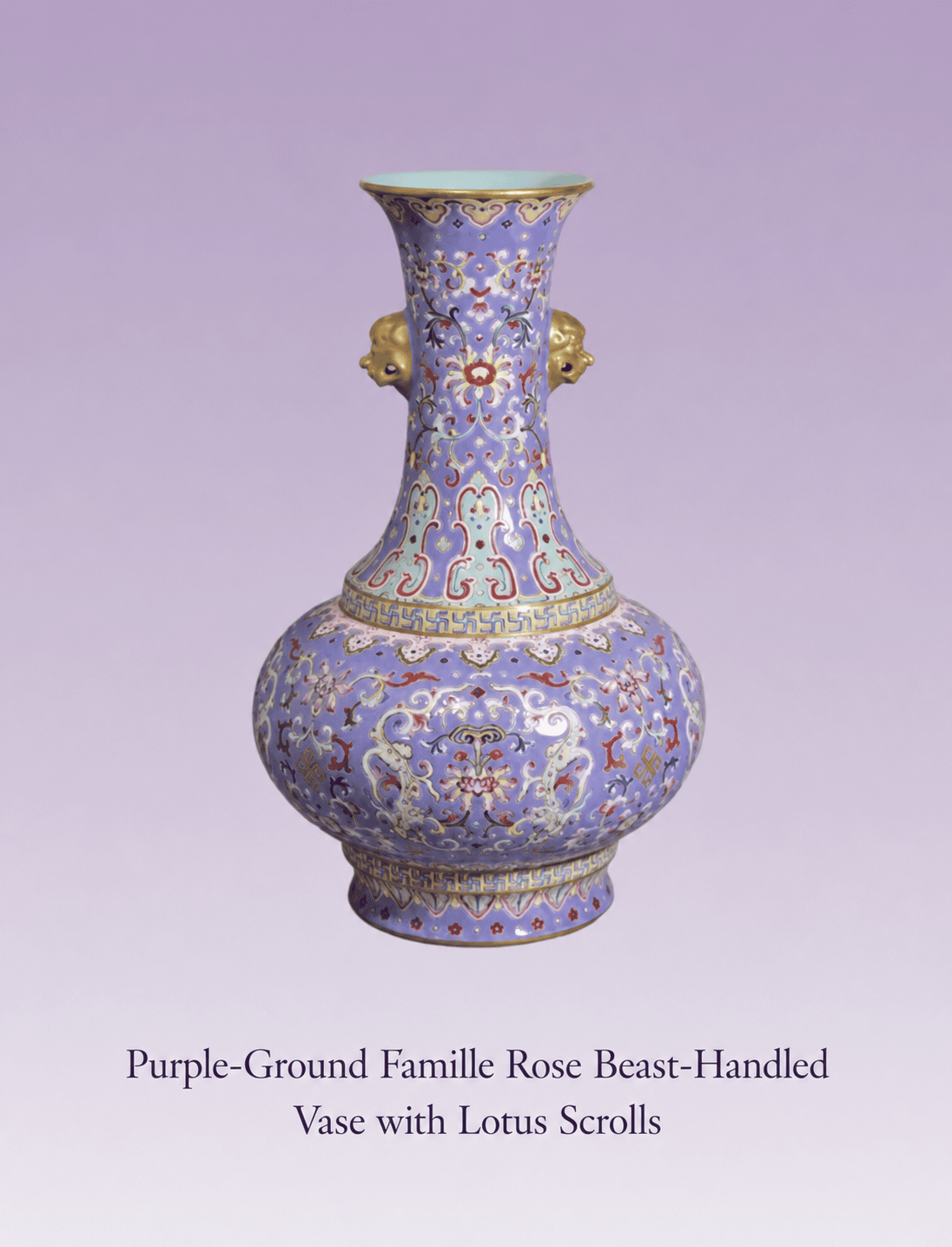
Porcelain Body and Material Characteristics
The porcelain body can provide useful information about how an object was made.
Collectors may examine body color, density, translucency, grain, exposed areas, and the relationship between the body and glaze. The composition and preparation of ceramic materials changed across regions and periods, so historical porcelain bodies may differ from modern industrial materials.
Reproduction Porcelain can be made from highly refined contemporary raw materials. As a result, its body may appear particularly uniform and clean. Genuine Antique Porcelain may show characteristics associated with historical material processing and firing, although these features vary widely and should not be reduced to one simple rule.
The exposed body at the foot is often examined because it can reveal color, texture, trimming marks, kiln residue, and firing characteristics. Nevertheless, modern producers can imitate many visible features, including body discoloration and kiln marks.
Glaze Appearance
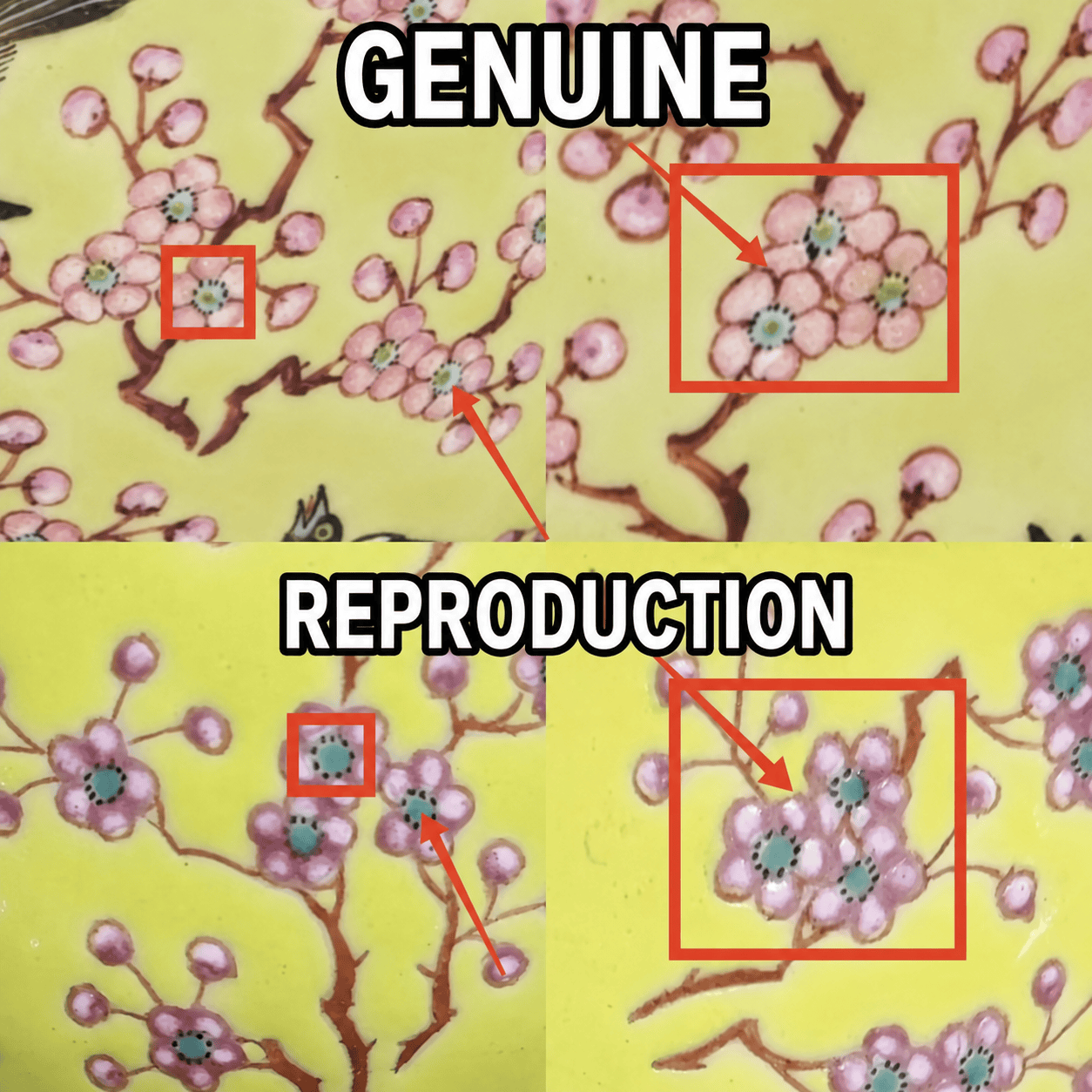
Glaze is another important area of comparison between Reproduction Porcelain and Genuine Antique Porcelain.
Buyers may examine glaze thickness, gloss, transparency, color, surface texture, pooling, bubbles, pinholes, crackle patterns, and the way the glaze ends near the foot. Historical glazes were affected by raw materials, kiln atmosphere, firing temperature, and application methods.
Genuine Antique Porcelain may show glaze characteristics consistent with its age and production period. Its surface may have naturally changed through handling, burial, storage, cleaning, environmental exposure, or earlier restoration.
Reproduction Porcelain may have a brighter, more uniform, or more recently fired appearance. However, modern makers can deliberately create crackle, reduced gloss, staining, surface abrasion, or uneven coloration. Therefore, an aged-looking glaze does not automatically prove authenticity.
Painting, Patterns and Decorative Style
Decoration should be evaluated in relation to the period, material, and intended quality of the object.
On Genuine Antique Porcelain, brushwork may reflect historical painting habits, pigment preparation, firing conditions, and established decorative conventions. The artist’s handling of lines, shading, spacing, borders, figures, flowers, clouds, animals, and inscriptions may correspond with known examples from the same period.
Reproduction Porcelain may repeat traditional motifs but arrange them differently. Lines may appear unusually mechanical, colors may be too bright, or details may reflect modern interpretations rather than historical practice.
However, uneven painting does not necessarily indicate age, and precise painting does not necessarily indicate modern production. Historical porcelain ranged from ordinary commercial wares to highly refined imperial pieces. Modern reproductions can also be completely hand painted.
Decoration should therefore be studied together with vessel form, porcelain body, glaze, firing characteristics, and provenance.
Reign Marks and Inscriptions
A reign mark is one of the most misunderstood features in Chinese porcelain identification.
The presence of a historical reign mark does not prove that the object was made during that reign. Marks from earlier periods were sometimes used on later ceramics as expressions of admiration, imitation, or historical reference. Reproduction Porcelain may also carry copied reign marks.
Specialists examine the structure, calligraphy, brushwork, spacing, pigment, placement, and firing of the mark. They also consider whether the mark is appropriate for the vessel’s shape, decoration, body, and glaze.
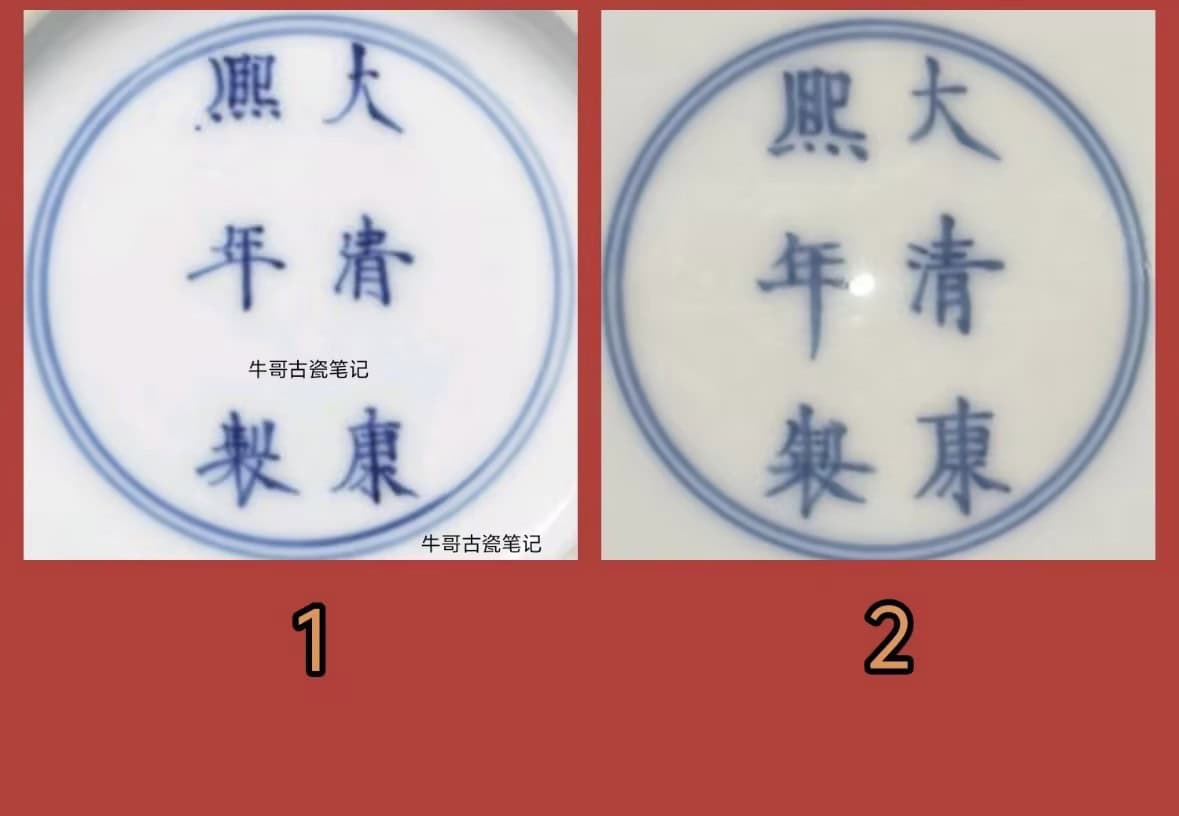
A mark should never be evaluated separately from the rest of the object. A convincing mark on an inconsistent body or incorrect form does not make a piece Genuine Antique Porcelain.
Foot Rings and Bases
The base and foot ring can reveal information about forming, trimming, glazing, firing, and later handling.
When comparing Reproduction Porcelain and Genuine Antique Porcelain, specialists may examine:
- Foot shape and proportion
- Trimming direction and tool marks
- Exposed porcelain body
- Glaze termination
- Kiln grit or firing residue
- Signs of wear
- Chips and restoration
- Adhesive, filler, or artificial staining
The foot of Genuine Antique Porcelain may show wear consistent with long-term contact and use. However, genuine antiques do not all develop the same wear, especially if they were stored carefully or used only for display.
Reproduction Porcelain can be artificially aged by grinding the foot, applying dirt or color, producing scratches, or adding material that resembles kiln residue. Artificial wear may appear too uniform, concentrated in unnatural areas, or inconsistent with the rest of the object.
Even so, foot inspection alone is not enough to determine authenticity.
Natural Wear and Artificial Ageing
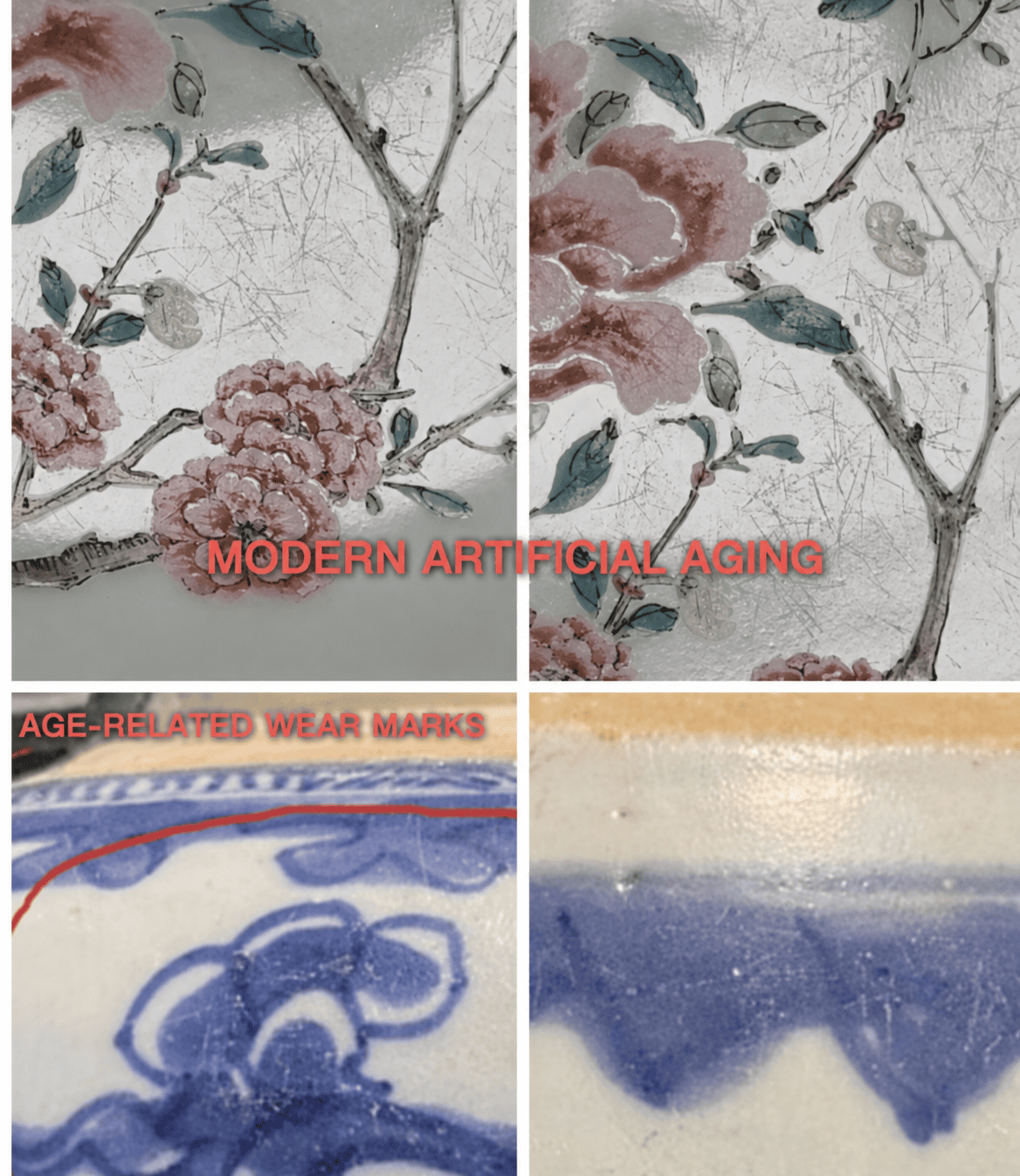
Natural ageing develops through time, use, storage, cleaning, movement, and environmental exposure. It may affect the glaze, enamel, gilding, rim, handles, base, and projecting decorative areas in different ways.
On Genuine Antique Porcelain, wear should generally relate logically to how the object was handled and used. Gilding may be reduced on frequently touched areas, while the base may show contact wear. Old dirt may collect in recessed areas, although professional cleaning can remove it.
Artificial ageing attempts to create an old appearance quickly. Common effects may include scratches, stained crackle, ground foot rings, deliberately chipped edges, darkened surfaces, or added dirt.
No single scratch, stain, chip, or crack proves age. The important question is whether all visible characteristics are consistent with one another and with the proposed date of production.
Condition, Damage and Restoration
Condition affects both Genuine Antique Porcelain and Reproduction Porcelain.
An antique may have old restoration, replaced sections, repaired handles, filled cracks, overpainting, or later-applied decoration. Some repairs are visible under normal light, while others require ultraviolet light, magnification, or professional examination.
A repaired object can still be Genuine Antique Porcelain, but restoration may affect its market value and should be disclosed. Buyers should distinguish between the age of the original ceramic body and the age of repaired or replaced parts.
Reproduction Porcelain can also become damaged and repaired. Therefore, restoration is not evidence that a piece is antique.
Before purchasing a valuable object, buyers should request detailed condition reports and photographs of the rim, base, handles, interior, decoration, and repaired areas.
Provenance and Documentation
Provenance refers to the documented history of ownership, sale, collection, excavation, exhibition, or publication associated with an object.
Reliable provenance can provide important support when assessing Genuine Antique Porcelain. Useful records may include:
- Old collection labels
- Auction catalogues
- Purchase invoices
- Museum or exhibition records
- Published collection references
- Estate documents
- Historical photographs
- Previous professional reports
Provenance should also be examined critically. Labels, certificates, and stories can be incorrect, incomplete, copied, or fabricated. A certificate alone does not guarantee authenticity unless its issuer, methods, and supporting evidence are credible.
Reproduction Porcelain normally has a modern production history and should be sold with accurate contemporary documentation.
Scientific Testing and Professional Authentication
Some buyers assume that one scientific test can provide a final answer. In practice, testing results must be interpreted in context.
Depending on the object, specialists may use microscopy, ultraviolet examination, X-ray imaging, pigment analysis, material analysis, or thermoluminescence testing. Each method has limitations and may only answer a specific question.
Scientific testing should be combined with connoisseurship, stylistic analysis, manufacturing evidence, provenance, and comparison with securely dated examples.
For high-value Genuine Antique Porcelain, buyers should consult qualified specialists or recognized institutions before making a purchase. Photographs alone may not be sufficient because weight, texture, restoration, body characteristics, and surface details are difficult to assess remotely.
Is Reproduction Porcelain Worth Buying?
Reproduction Porcelain can have genuine artistic, decorative, educational, and commercial value when it is accurately described.
A well-made reproduction can allow buyers to appreciate historical forms and patterns without the price, scarcity, and conservation responsibilities associated with Genuine Antique Porcelain. Reproduction Porcelain may be suitable for hotels, restaurants, cultural spaces, film sets, interior projects, museums, and private decoration.
A Jingdezhen ceramic manufacturer may also reinterpret historical motifs through contemporary colors, proportions, and functions. Traditional patterns can be applied to decorative vessels, art porcelain, tea ware, or Jingdezhen ceramic tableware intended for modern use.
The important issue is transparency. Reproduction Porcelain should be presented as a modern product rather than given a false antique identity.
Can Genuine Antique Porcelain Be Used as Tableware?
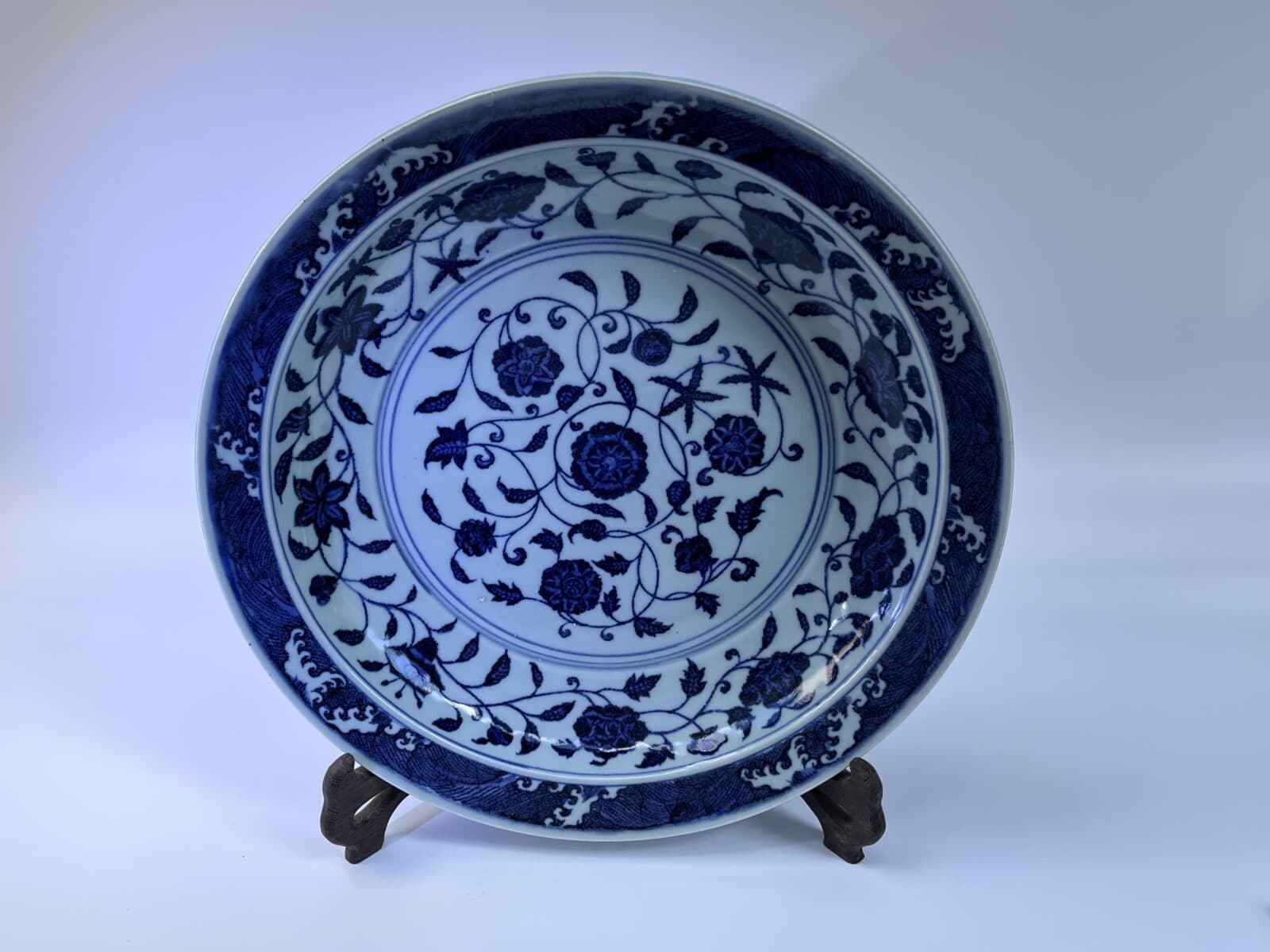
Although some Genuine Antique Porcelain was originally made for dining, drinking, or serving food, using valuable antiques as everyday tableware may create unnecessary risks.
Old porcelain may contain invisible cracks, weakened repairs, worn decoration, or materials that have not been evaluated according to modern food-contact requirements. Repeated washing, heating, handling, and exposure to acidic food can also damage historically important surfaces.
For restaurants and hotels seeking a traditional Chinese appearance, newly produced Jingdezhen ceramic tableware is generally more practical. Historical patterns and vessel shapes can be adapted for modern commercial use while allowing the manufacturer to consider food-contact requirements, strength, replacement quantities, and export packaging.
Questions Buyers Should Ask
Before purchasing an object described as Genuine Antique Porcelain, buyers should ask:
- What period and kiln is the object attributed to?
- What evidence supports the attribution?
- Is there documented provenance?
- Has the object been professionally examined?
- Are there condition reports or testing records?
- Has any part been repaired, replaced, or repainted?
- Is the seller providing a written guarantee?
- What is the return policy if the attribution is disputed?
Before purchasing Reproduction Porcelain, buyers should ask:
- Which historical style inspired the product?
- Is it handmade, molded, hand painted, or decal decorated?
- Does it carry a copied reign mark?
- Will it be permanently identified as a modern reproduction?
- What variations are normal?
- Is the product intended for decoration or food use?
- What are the minimum order quantity and packaging options?
Clear descriptions protect buyers, sellers, manufacturers, and the reputation of the ceramic market.
Conclusion
The difference between Reproduction Porcelain and Genuine Antique Porcelain is fundamentally a difference in production date, historical context, and identity. A reproduction may closely imitate an old shape, glaze, pattern, mark, or surface appearance, but it remains a later product. Genuine Antique Porcelain was made during the historical period to which it is correctly attributed.
No single feature can reliably determine authenticity. Form, proportion, porcelain body, glaze, decoration, reign marks, foot construction, wear, restoration, provenance, and scientific evidence must be considered together. For valuable pieces, professional examination is essential.
Reproduction Porcelain also deserves fair evaluation. When accurately identified, it can preserve traditional visual languages, support modern interiors, provide accessible art porcelain, and bring historical ceramic styles into contemporary Jingdezhen ceramic tableware.
Based in Jingdezhen, China, Magic Cube works with Jingdezhen ceramics, antique-style porcelain, customized tableware, and art porcelain. Magic Cube supports the clear distinction between Reproduction Porcelain and Genuine Antique Porcelain and aims to help international buyers understand the craftsmanship, intended use, and cultural background of every ceramic product.