Porcelain Care: A Comprehensive Practical Guide to Daily Maintenance and Safe Use
News 2026-08-05 35
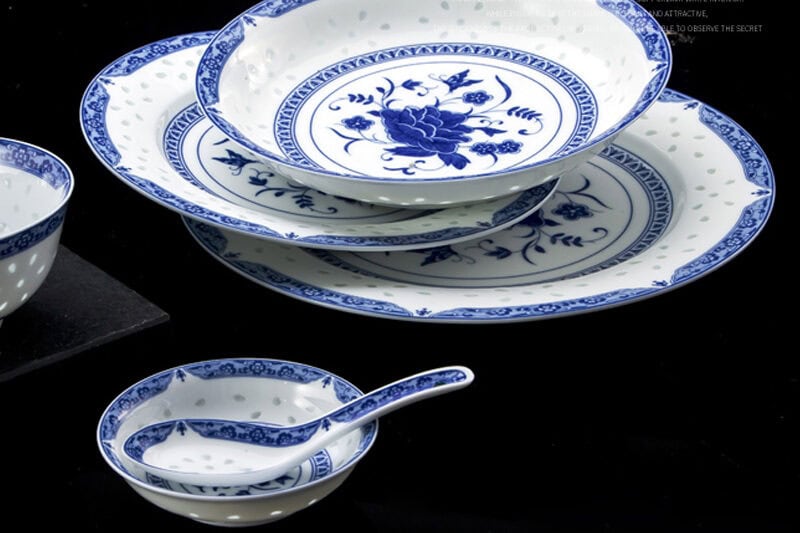
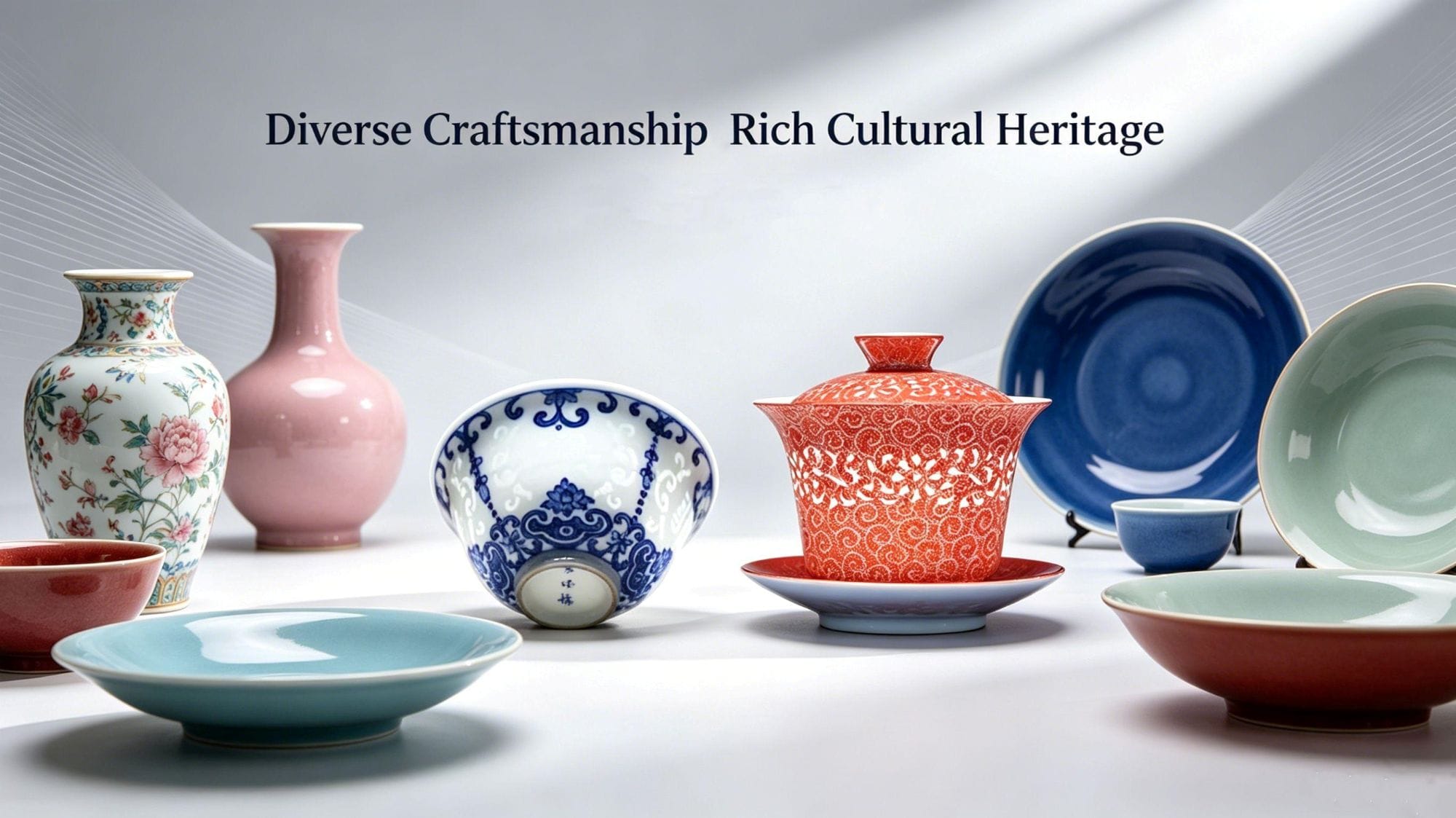
Porcelain is a treasure of Chinese craftsmanship spanning millennia. Represented by Jingdezhen porcelain, these exquisite pieces — including blue-and-white ware, linglong (rice-grain) porcelain, art porcelain, and ceramic installations — blend practical utility with artistic value. Whether it’s everyday porcelain meticulously crafted by Jingdezhen manufacturers or classic reproduction pieces from antique-style porcelain makers, keeping the glaze smooth, the form intact, and the colors warm and rich depends on scientific and proper porcelain care.
Many people focus only on selecting and collecting porcelain but overlook the details of daily maintenance, leading to problems like glaze wear, cracking, fading, and stubborn stains. Drawing on the unique characteristics of different porcelain types, this guide compiles comprehensive, down-to-earth care and safe-use tips for home use, collection, and display — helping every piece of porcelain last longer and retain its charm for years to come.
I. Basic Cleaning for Porcelain Care: Avoid Common Mistakes and Protect the Glaze
The glaze is both the protective layer and the visual centerpiece of any porcelain piece. Basic cleaning is the first step in porcelain care — done right, it fundamentally extends the lifespan of your porcelain; done wrong, it causes irreversible damage. Daily porcelain care should follow three core principles: gentle cleaning, no hard tools, and prompt attention. These principles apply to most types, including blue-and-white porcelain, linglong porcelain, and everyday dinnerware.
For light dust and minor stains, simply wipe with a soft cotton cloth or sponge and warm water — no detergent needed. For tea stains, oil spots, or light mineral buildup, soak the piece in warm water diluted with mild dish soap or baking soda. Keep soaking time under 30 minutes; prolonged soaking can damage painted designs and glaze layers. This is especially important for painted blue-and-white porcelain and openwork linglong porcelain from Jingdezhen — their fine craftsmanship and delicate textures trap dirt in crevices, so clean gently and never rub hard on openwork patterns or painted glaze areas.
Strictly avoid steel wool, abrasive sponges, or stiff brushes. These tools scratch the glaze and destroy the porcelain’s protective surface layer — not only does the piece lose its warm luster, but the fine scratches also trap bacteria and accelerate stain buildup. Similarly, avoid strong alkaline or acidic cleaners; their corrosive ingredients eat away at the glaze, fade colors, and strip art porcelain and antique-style pieces of their original character. After cleaning, rinse thoroughly with clean water, dry completely, and store in a well-ventilated area. Preventing water spots from forming is one of the most commonly overlooked details in porcelain care.
II. Safe Use in Porcelain Care: Proper Handling to Prevent Damage
Safe use is the core of porcelain care. Most chipping, glaze peeling, and cracking incidents result from improper daily handling. Different porcelain types have different craftsmanship and material properties, so their usage 禁忌 (restrictions) vary slightly — targeted porcelain care is needed to avoid safety risks and reduce wear and tear.
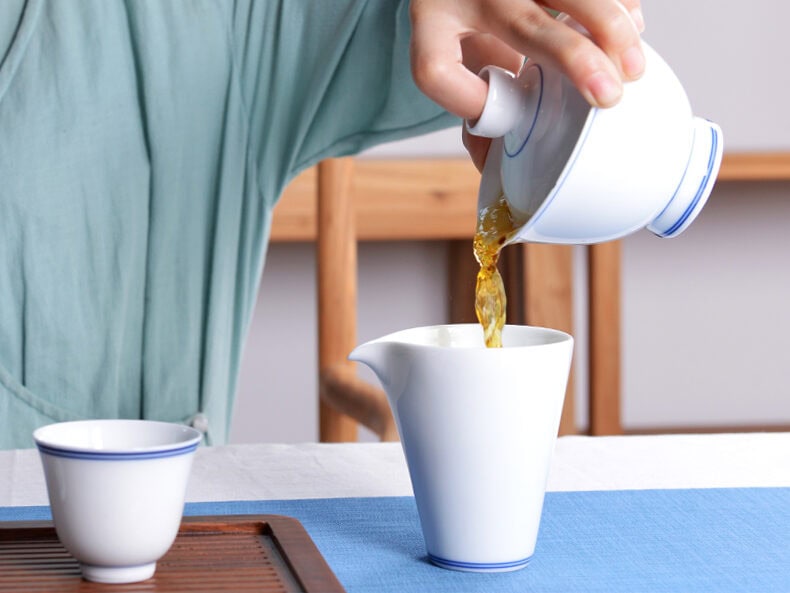
Thermal shock protection is a critical aspect of porcelain care. Porcelain expands and contracts significantly with temperature changes — especially thin-bodied art porcelain, delicate linglong pieces, and antique-style porcelain, which have thin walls and fine craftsmanship. Sudden temperature swings can easily cause cracking. In cold winter weather, never pour boiling water directly into a cold porcelain piece — warm it with lukewarm water first. After serving hot food or liquids, don’t set hot porcelain on a cold surface or rinse it with cold water right away. Art porcelain and ceramic installations without heat-resistant markings should never be exposed to open flame or high-heat cooking, as this can cause the body to crack and the glaze to peel off.
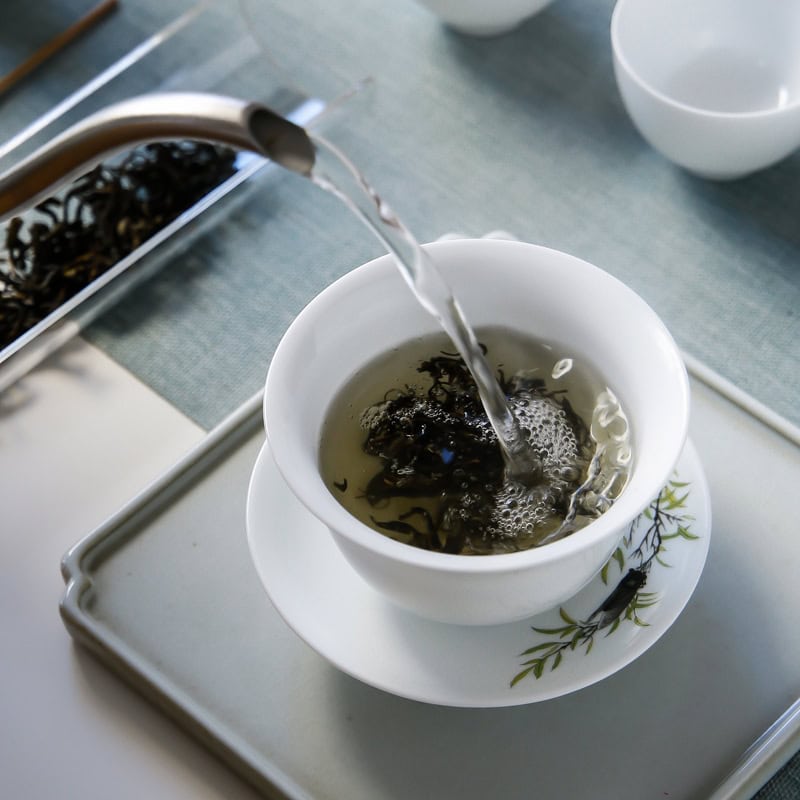
For everyday porcelain, avoid long-term storage of acidic, high-salt, oily, or alcoholic foods. These substances slowly corrode the glaze and seep into microscopic pores, causing yellowing, discoloration, and even safety concerns. Overglaze painted porcelain carries a higher risk of lead and cadmium leaching — stop using it immediately if it becomes chipped or cracked. While compliant everyday porcelain from Jingdezhen manufacturers passes safety testing, improper long-term use with food still accelerates glaze aging and violates basic porcelain care principles.
Also, be mindful of each porcelain type’s intended use. Art porcelain, ceramic installations, and decorative craft pieces from antique-style manufacturers are for display and appreciation only — not for use as dinnerware or tea ware. Frequent contact with moisture and food damages their aged finish and artistic coatings, drastically reducing both collectible and ornamental value. Use caution with microwaves and dishwashers: painted porcelain, openwork linglong pieces, and thin-bodied porcelain without special markings should never go in these appliances — high heat and water pressure can cause breakage and color loss.
III. Type-Specific Porcelain Care: Tailored Approaches to Preserve Unique Charm
Different porcelain types and craftsmanship require different care priorities. Precision-targeted porcelain care protects each piece’s unique characteristics and maximizes both its artistic beauty and collectible value.
Blue-and-white porcelain is a classic Jingdezhen category. Its underglaze painting technique is stable and durable, making it relatively low-maintenance. Daily care is straightforward — just basic cleaning and protection from scratches, no fuss needed. However, vintage-style and hand-painted blue-and-white pieces have fine patterns with crevices that trap dust. Periodically dust gently with a soft brush, and avoid soaking in cleaning agents for too long, which can dull the blue pigment.
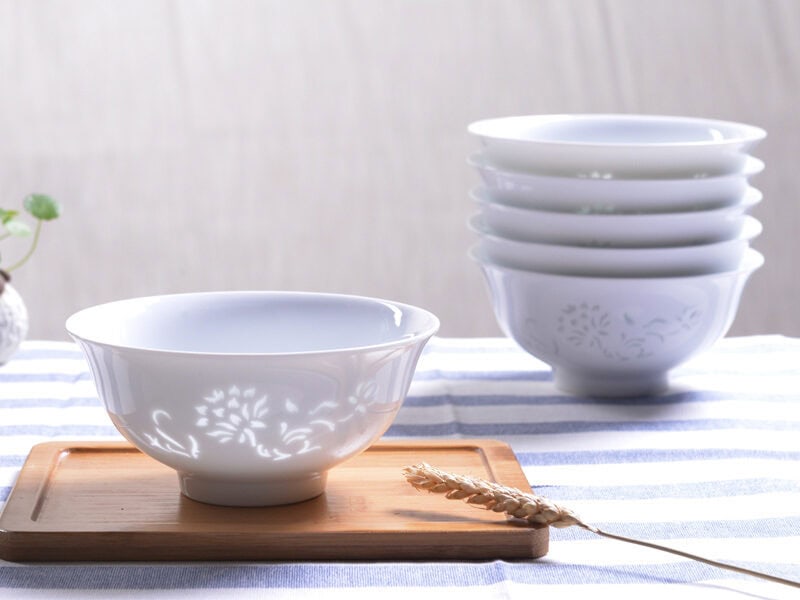
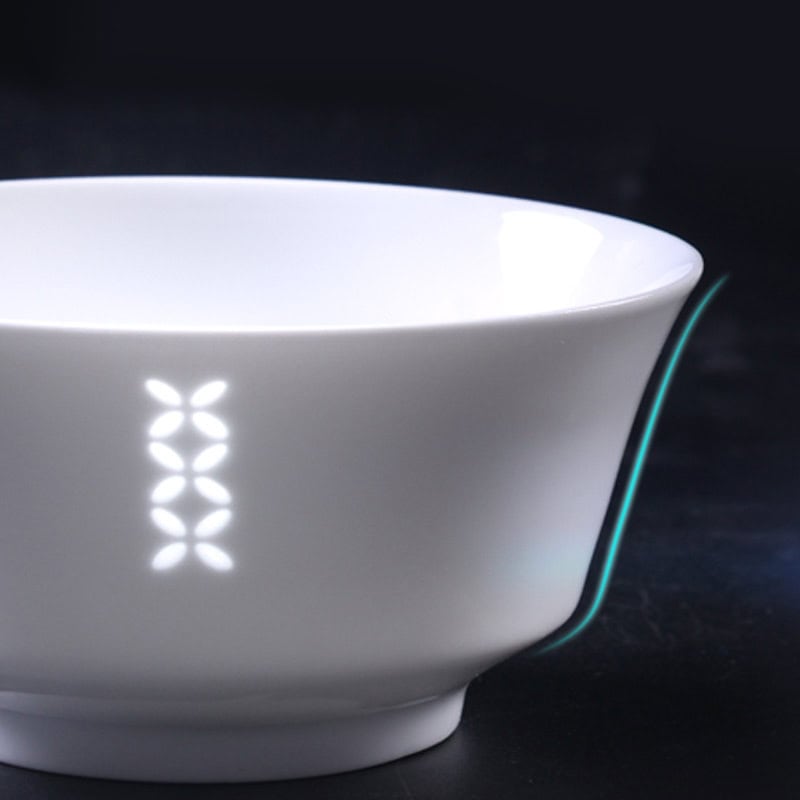
Linglong (rice-grain) porcelain is known for its delicate openwork patterns — intricate and fragile, it’s a category that requires extra porcelain care attention. The tiny openwork holes easily trap dust and oil. Clean by gently brushing the holes with a soft brush; never wipe forcefully or bump the piece, as this can break the delicate openwork sections. Also avoid heavy pressure and stacking — give each piece plenty of space when displaying to protect its unique translucent texture.
Art porcelain and ceramic installations feature unique shapes and complex craftsmanship, often hand-made with special coatings and three-dimensional elements. Porcelain care for these pieces follows the principle of “protection first, cleaning second.” Focus mainly on dust prevention and avoid prolonged direct sunlight, which fades colors and ages the porcelain body. Protect from strong vibration and impact; when moving, support the body with both hands and handle gently to prevent decorative elements from falling off and the form from getting damaged.
Antique-style porcelain replicates ancient craftsmanship, with glaze texture and body properties closely resembling old porcelain — it’s relatively delicate and requires extra careful porcelain care. Never use chemical cleaners. For daily care, simply dust with a dry soft cloth or gently wipe with warm water to preserve the natural aged patina and the rustic charm of ancient porcelain.
IV. Storage and Organization in Porcelain Care: Long-Term Protection to Slow Aging
Scientific storage and organization are key to long-term porcelain care. Proper storage effectively prevents bumps, wear, moisture damage, and dust buildup, keeping porcelain in excellent condition for years. When storing porcelain daily, maintain a dry, well-ventilated environment — avoid long-term placement in damp, dark spaces where mold can grow on the glaze and the porcelain body can degrade from moisture.
When stacking pieces for storage, place soft cloth, tissue paper, or foam padding between each piece to prevent direct friction and pressure, which causes glaze wear and chipped edges. Never stack multiple layers of linglong porcelain or thin-bodied art porcelain. Displayed ceramic installations, art porcelain, and antique-style pieces should sit on stable, vibration-free surfaces, away from table edges and drafty spots, to prevent accidental tipping and breakage.
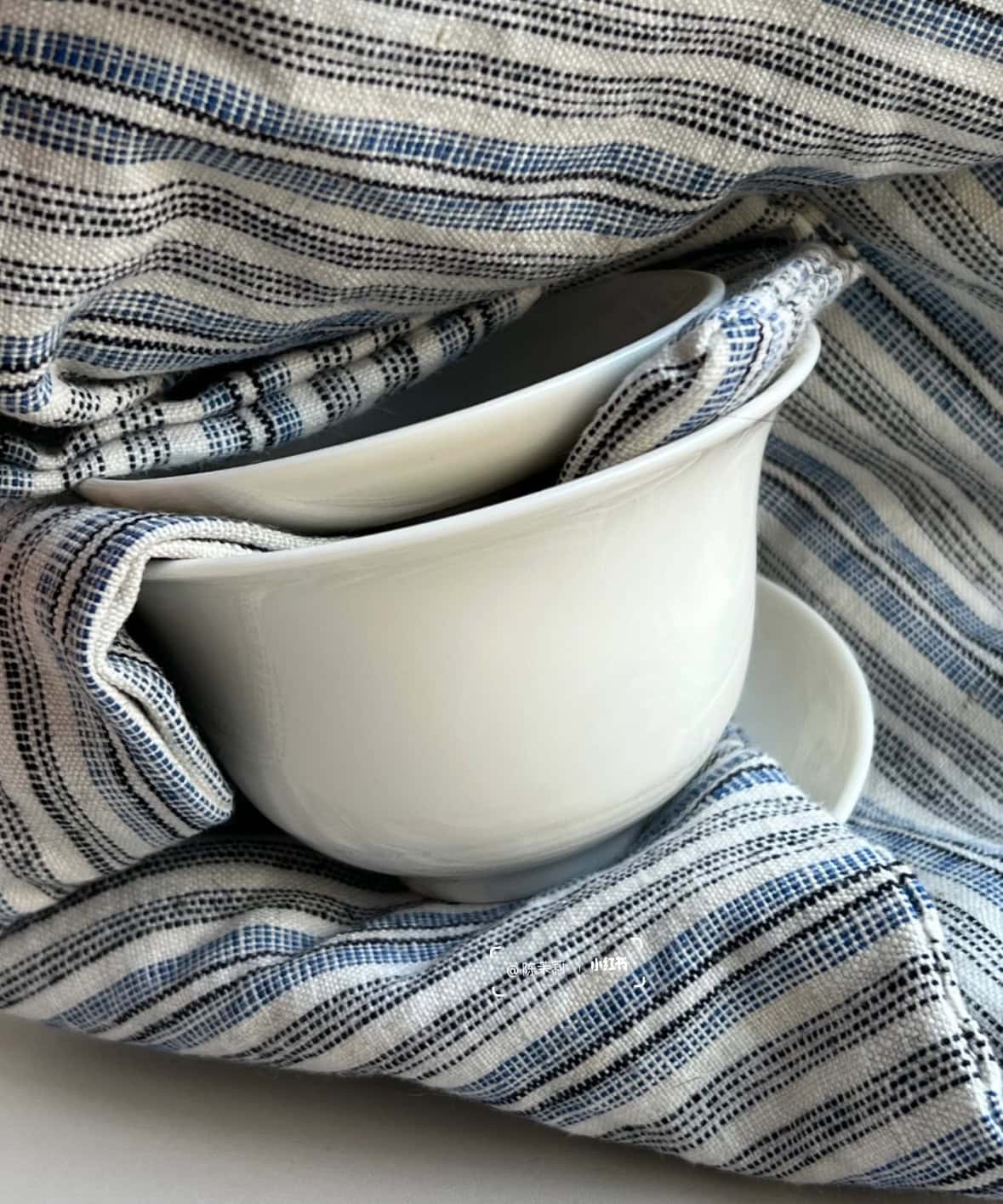
For porcelain that will be stored long-term, clean and dry it thoroughly, then wrap in soft cloth and seal it away from dust and moisture. Periodically take pieces out to air and dust, inspect the glaze and body condition, and address minor stains before they set in and become hard to remove. If you notice fine cracks, glaze chipping, or color fading, isolate the piece and stop using it immediately to prevent further damage — seek professional restoration when necessary.
Conclusion
Porcelain care isn’t a complex professional process — it’s a set of thoughtful habits woven into daily life. From the meticulously crafted pieces by Jingdezhen porcelain manufacturers and antique-style porcelain makers, to everyday blue-and-white and linglong porcelain in ordinary homes, to the highly ornamental art porcelain and ceramic installations — every piece deserves careful attention. Scientific porcelain care not only prevents safety hazards and extends the lifespan of your pieces, but also preserves their craftsmanship beauty and cultural heritage for years to come.
Magic Cube, With 23 years of dedication to the ceramic sector, our company is rooted in the millennia-old ceramic-making cultural heritage of Jingdezhen. It integrates design with innovative vitality, serving as a core manufacturer in strategic-level industry-university-research cooperation with Jingdezhen Ceramic University. Boasting a professional team of professor advisors and an independent, complete production supply chain, it has established a full-link quality control system spanning from raw materials to finished products.
Its main products include daily-use ceramics, custom ceramics, and artistic ceramics. These products are exported to global markets, providing customers worldwide with a full range of ceramic products and customized solutions, while ensuring end-to-end quality assurance from raw materials to delivery.