Plates in Restaurants: A Buyer’s Guide to Durable Commercial Dinnerware
News 2026-08-18 62
Plates in restaurants may look like simple serving pieces, but they directly affect food presentation, guest experience, service efficiency, and operating costs. Unlike household dinnerware, restaurant plates must withstand frequent use, commercial washing, repeated stacking, and constant handling. As a result, they require greater strength, consistent dimensions, stable glazes, and reliable quality across production batches.
For hotel suppliers, restaurant groups, importers, and distributors, selecting commercial plates involves much more than comparing appearance and price. Buyers should consider the menu, restaurant concept, frequency of use, target market, and daily operating environment.
How Are Restaurant Plates Different from Household Plates?
Household dinnerware is generally used less frequently, so consumers may accept delicate shapes, handmade glazes, and highly decorative finishes. Plates in restaurants must perform reliably in a fast-paced commercial environment.
Well-designed restaurant plates should generally offer:
- A strong body that can withstand frequent handling and stacking
- A stable base that does not wobble on the table
- A consistent rim that servers can handle comfortably
- A smooth, easy-to-clean food-contact surface
- Efficient stackability to save kitchen and storage space
- Consistent dimensions, colors, and weights within each batch
- Export-ready packaging for transportation and bulk replenishment
A restaurant plate should not be judged only by how it looks when it is new. Buyers should also consider how it will perform after hundreds of uses and wash cycles.
Common Sizes and Uses for Plates in Restaurants
Different dishes require different diameters, depths, and rim designs. Before purchasing, buyers should confirm the menu and the restaurant’s actual plating requirements.
| Plate Type | Common Size | Typical Use | What Buyers Should Check |
|---|---|---|---|
| Bread or appetizer plate | 6–7 inches | Bread, desserts, and appetizers | Stackability and manageable weight |
| Salad plate | 8–9 inches | Salads, breakfast, and starters | Usable surface area and rim width |
| Dinner plate | 10–12 inches | Entrées, steak, and pasta | Flatness, strength, and portion presentation |
| Deep plate | 8–11 inches | Soups, stews, pasta, and sauced dishes | Capacity, depth, and spill resistance |
| Wide-rim plate | 10–12 inches | Fine dining and artistic plating | Size of the usable center area |
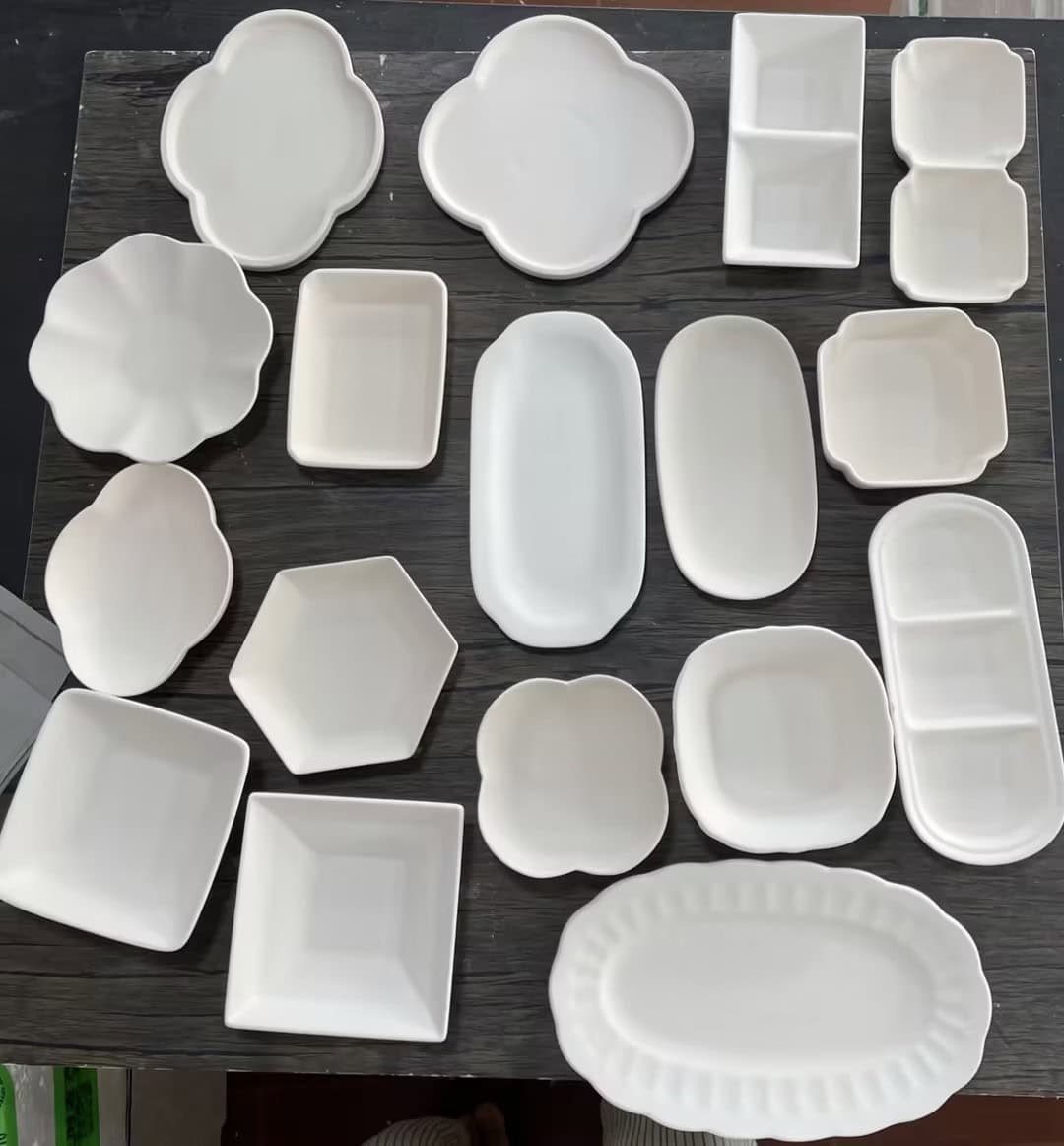
| Rectangular or specialty plate | Custom dimensions | Sushi, desserts, and signature dishes | Higher risk of firing deformation |
| Serving platter | 12 inches or larger | Shared dishes, seafood, and mixed platters | Weight, handling, and protective packaging |
These sizes are only general references. A 10-inch wide-rim plate and a 10-inch coupe plate may provide very different usable serving areas. Buyers should confirm dimensions using menu photographs, chef recommendations, technical drawings, or physical samples instead of relying only on the outside diameter.
What Material Should Restaurant Plates Use?
Porcelain Restaurant Plates
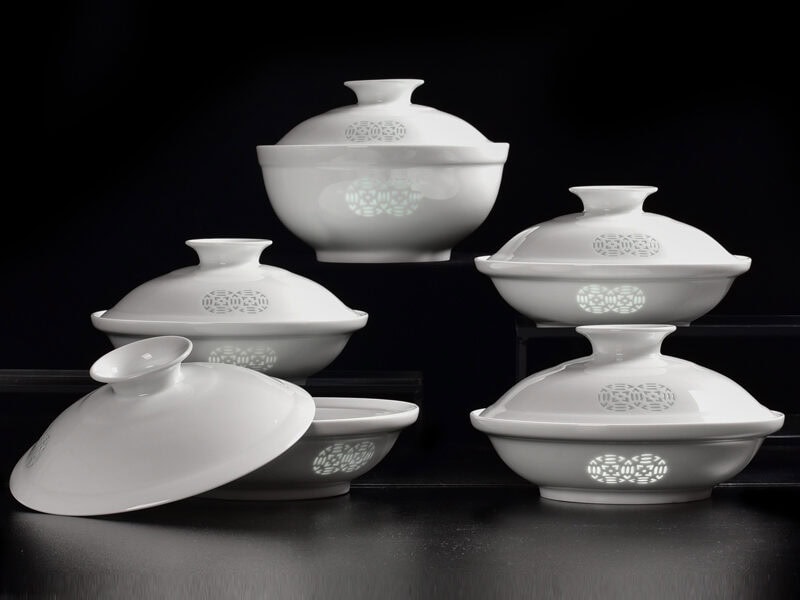
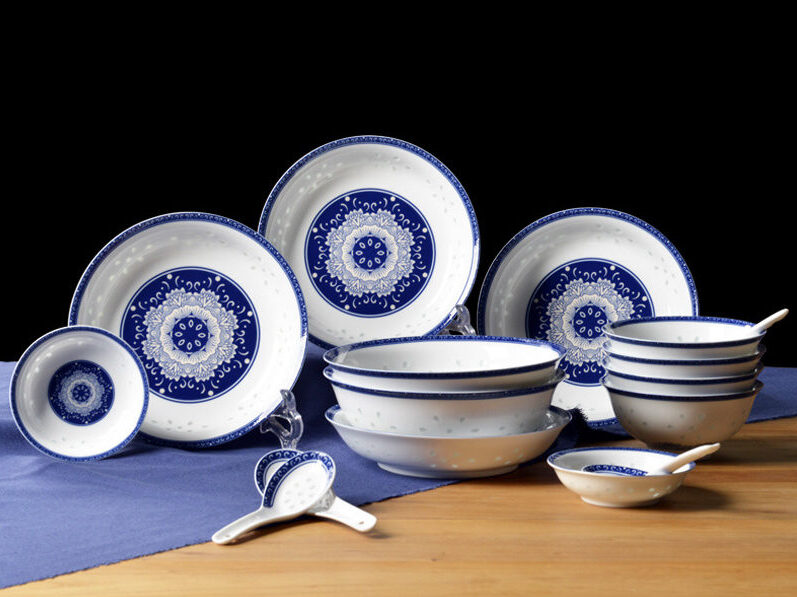
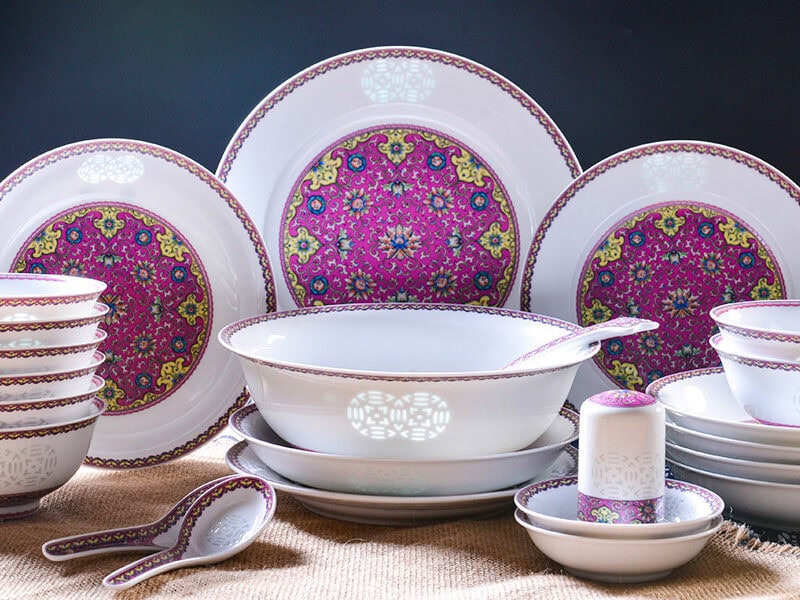
Porcelain has a refined body, low water absorption, and a smooth glazed surface. It is widely used by hotels, restaurants, banquet venues, and catering businesses. White porcelain highlights the colors of food, while blue-and-white porcelain, Linglong porcelain, and custom-decorated plates can help create a more distinctive dining concept.
Jingdezhen porcelain offers a wide range of shapes and decorative techniques, making it suitable for mid- to high-end restaurants, hospitality projects, and custom-branded tableware collections.
Stoneware Restaurant Plates
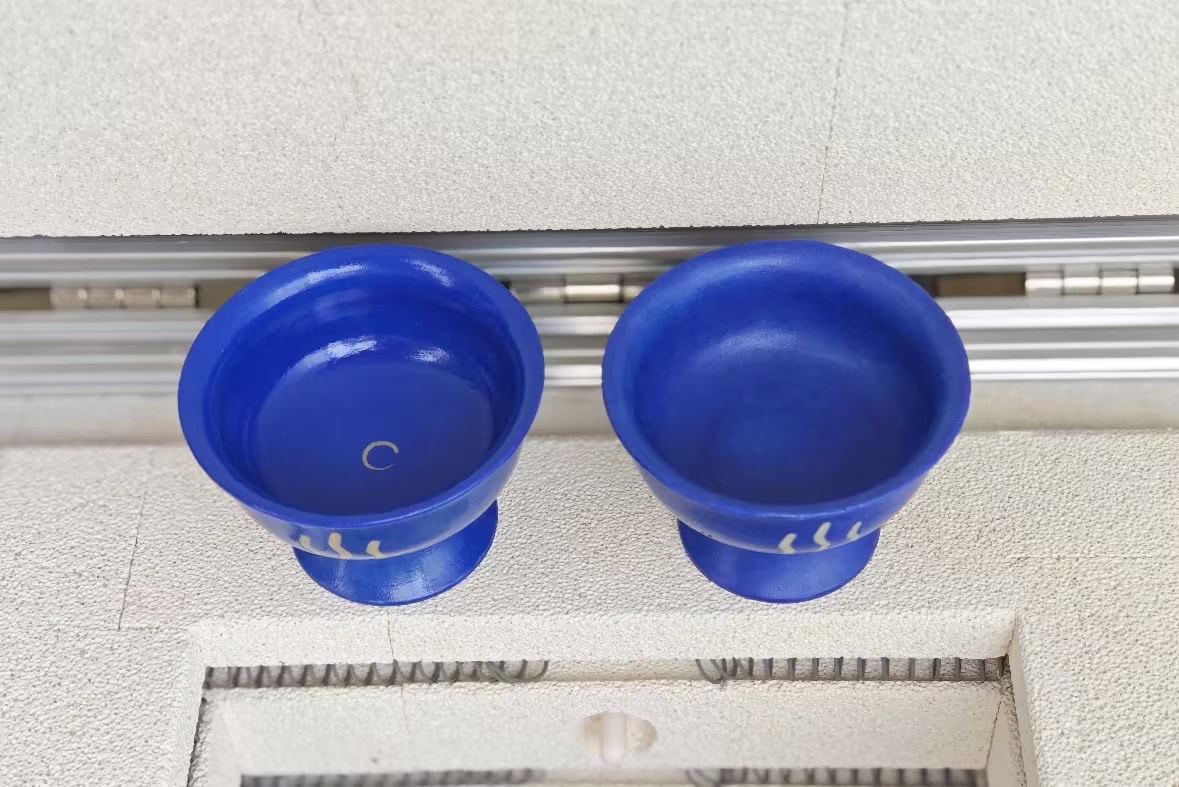
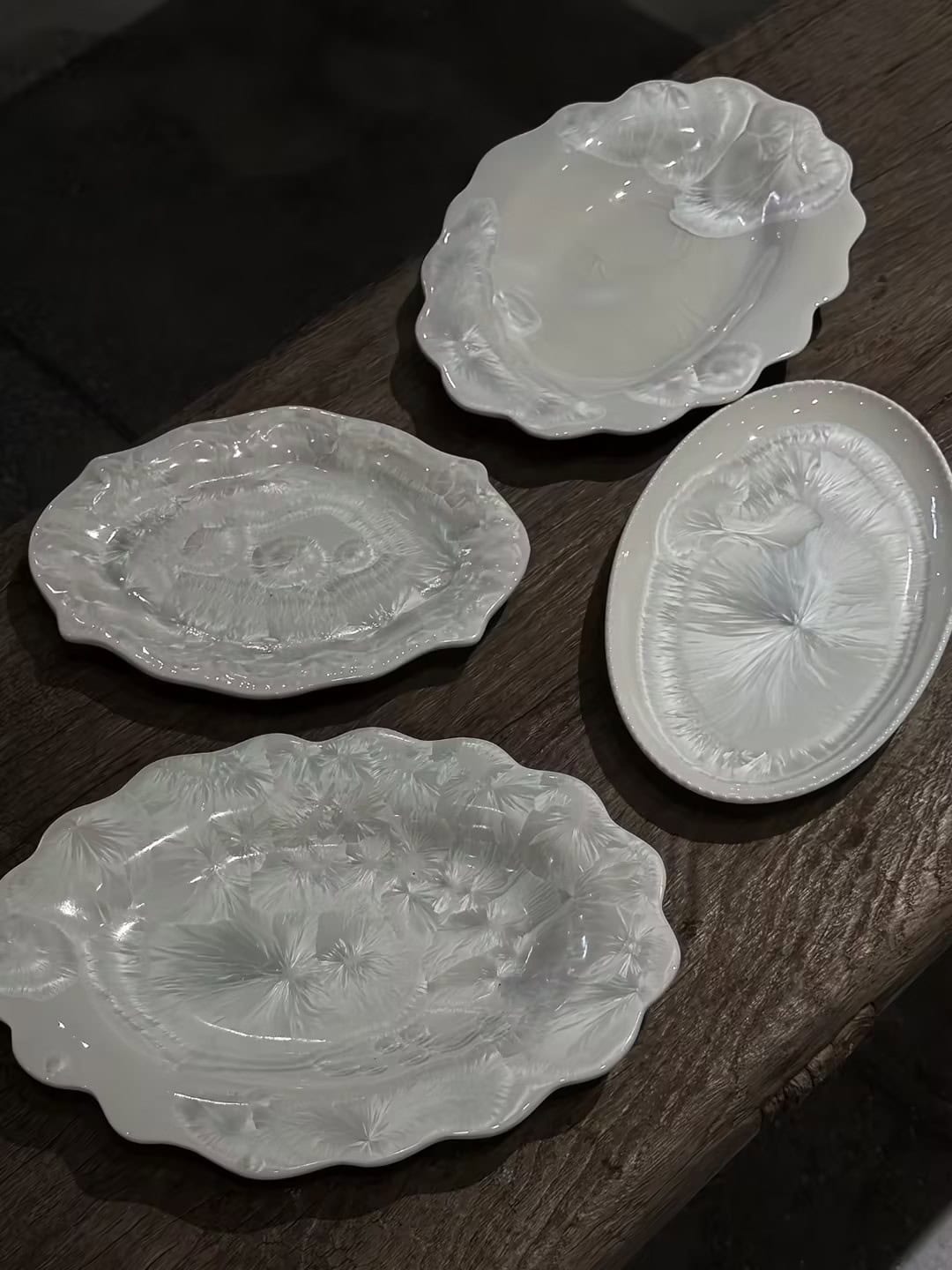
Stoneware often has a heavier, more natural appearance, making it popular with cafés, casual restaurants, and rustic or contemporary dining spaces. Reactive glazes, handmade finishes, and matte surfaces can give each plate a distinctive character, but buyers should establish an acceptable range for color and texture variation before production.
Standard stoneware should not automatically be considered oven-safe or flame-safe. Suitability for ovens, microwaves, or direct heat depends on the material, construction, firing process, and relevant testing.
Why Does the Glaze Matter for Plates in Restaurants?
The glaze affects the plate’s appearance, texture, cleanability, stain resistance, and long-term durability. Crackle glazes, coarse matte finishes, and dramatic reactive glazes may be suitable for decorative ceramics or low-frequency dining environments, but they are not always ideal for intensive restaurant use.
When evaluating glazes for restaurant plates, buyers should check:
- Whether the food-contact surface is smooth
- Whether the surface is easily marked by knives and forks
- Whether there are pinholes, bare spots, crawling, or raised imperfections
- Whether coffee, sauces, and strongly colored foods can cause staining
- Whether repeated washing affects the gloss or texture
- Whether variations in handmade glazes remain within an acceptable range
Plates with gold rims, silver details, or complex overglaze decoration may require special care. Buyers should confirm cleaning instructions and microwave compatibility instead of making assumptions based on appearance.
What Should Buyers Inspect When Purchasing Restaurant Plates?
1. Flatness and Deformation Control
Place the plate on a level surface and check whether the base remains stable. Stacking several plates also helps reveal inconsistencies in rim height. Noticeable warping can affect table presentation, storage, and stacking safety.
2. Rim Strength and Chip Resistance
The rim is one of the areas most vulnerable to impact damage. For high-frequency restaurant use, buyers may prefer structurally stable designs with appropriately reinforced edges.
3. Weight and Service Efficiency
Overly heavy plates can increase the workload for servers and kitchen staff. Extremely thin plates, however, may sacrifice strength. Buyers should balance visual refinement, durability, and practical handling.
4. Stackability
Good plates in restaurants should be attractive and space-efficient. When stacked, they should not lean excessively, lock together, or occupy unnecessary storage space.
5. Food-Contact Safety
Restaurant plates must meet the food-contact requirements of their destination market. For colored glazes, decals, overglaze decoration, or metallic finishes, finished-product testing may be required. Claims such as “high-fired” or “lead-free glaze” should not automatically replace relevant testing.
6. Dishwasher and Microwave Compatibility
If a supplier claims that a product is suitable for commercial dishwashers, microwaves, or ovens, buyers should request supporting information or test results. Gold-rimmed dinnerware and certain specialty glazes are generally unsuitable for microwave use.
How Can Restaurant Plates Be Customized?
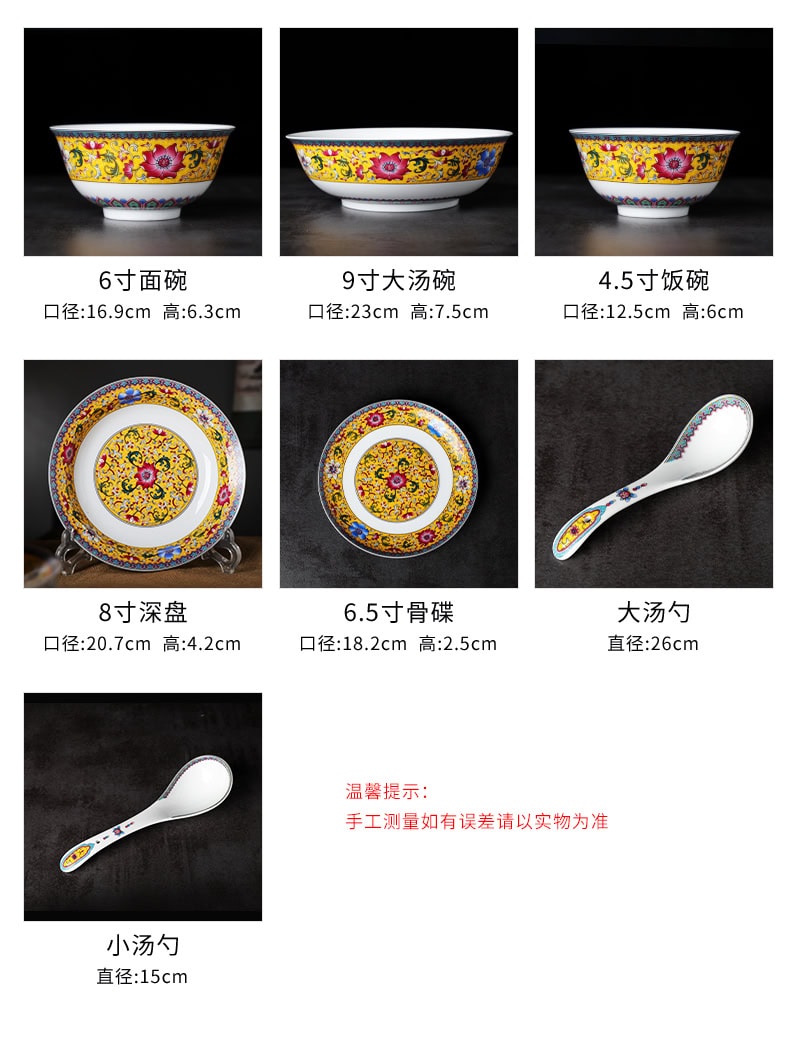
Restaurant plates can be customized in terms of shape, size, glaze color, pattern, logo, backstamp, and packaging. Common customization options include:
- Adding a restaurant logo to the surface or base
- Developing a custom glaze based on brand colors
- Creating blue-and-white, botanical, geometric, or regional patterns
- Adjusting the rim width, depth, weight, or serving area
- Developing a coordinated tableware collection for a hotel or restaurant group
- Customizing gift boxes, shipping labels, barcodes, and export cartons
Before mass production, the buyer and manufacturer should confirm the dimensions, colors, logo placement, packaging, and acceptable tolerances through approved samples and written specifications.
Because ceramics shrink and may vary slightly during high-temperature firing, the purchasing agreement should clearly distinguish acceptable production variation from actual quality defects.
Why Buyers Should Not Compare Price Alone
Two restaurant plates may look similar but be produced with different clay bodies, weights, firing temperatures, quality grades, and packaging standards.
When comparing quotations, buyers should confirm:
- Product dimensions, weight, and material
- Minimum order quantity
- Sampling and mold costs
- Decorative and customization methods
- Acceptable color and dimensional tolerances
- Food-contact testing costs
- Individual and master-carton packaging
- Spare-piece allowance and damage policies
- Production lead time and replenishment capacity
- Payment terms, shipping terms, and customs responsibilities
Prices are only meaningfully comparable when these conditions are generally consistent.
Conclusion: Choosing Restaurant Plates for Long-Term Commercial Use
Restaurant plates are both practical serving pieces and an important part of food presentation and brand identity. High-quality plates in restaurants should balance appearance, durability, cleaning efficiency, stackability, food-contact safety, and total purchasing cost.
Based in Jingdezhen, China, MC Ceramic combines its own production capabilities with a reliable network of long-term partner factories. We support hotel suppliers, restaurant groups, importers, and distributors with restaurant plates, bowls, drinkware, and custom ceramic tableware.
Based on the restaurant concept, menu style, destination market, order quantity, and budget, we can help buyers select suitable porcelain bodies, shapes, glazes, and decorative techniques.
If you are sourcing plates for restaurants, provide reference images, dimensions, quantities, intended applications, customization requirements, and the destination country. This information allows the manufacturer to evaluate the product, packaging, and mass-production requirements more accurately.