One City, A Thousand Years of Kiln Fire: Why Jingdezhen Is The World’s Porcelain Capital
News 2026-07-03 8
One City, A Thousand Years of Kiln Fire: Why Jingdezhen Is The World’s Porcelain Capital
Imperial Kilns Over A Millennium: Inherent Authoritative Status In Ceramics
Endorsed By Imperial Courts For Centuries, National Resources Built Its Ceramic Foundation
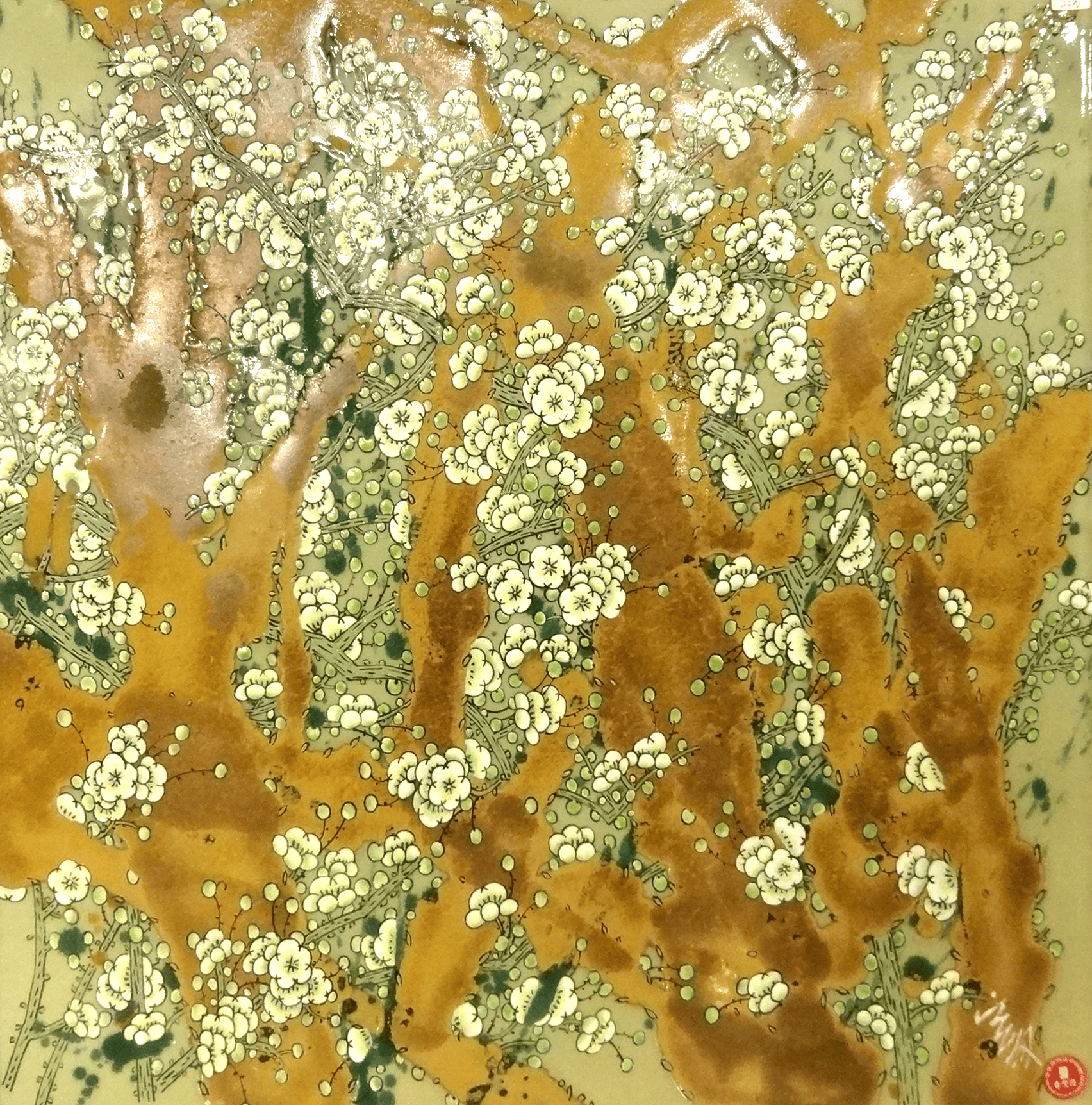
Among all Chinese ceramic-producing regions, only Jingdezhen boasts an unbroken thousand-year history of official imperial kilns — the core reason it earns the global title of porcelain capital. Back in the Northern Song’s Jingde reign, its translucent bluish-white porcelain won Emperor Zhenzong’s favor, and the town was officially renamed after the emperor’s reign era, an exclusive honor no other kiln town received. In the Yuan Dynasty, the imperial court set up Fuliang Porcelain Bureau here, China’s sole state-run ceramic administration, tasked with crafting wares for royal households and international diplomatic trade. During Ming and Qing dynasties, the Imperial Kiln Factory gathered palace painters and master artisans, investing unlimited resources to innovate glazes, vessel shapes and painting techniques, creating four iconic porcelain categories: blue-and-white, rice-grain Linglong, famille rose and high-temperature monochrome glaze. For over a millennium, top craftsmen, premium kaolin clay and imperial resources converged in Jingdezhen. Continuous royal support kept its craftsmanship at the peak of every era, building an irreplaceable orthodox ceramic heritage, which leads global scholars to universally recognize it as the authentic Jingdezhen porcelain capital.
Unique Raw Materials & Full Industrial Chain, Irreplaceable Worldwide
Origin Of Kaolin Clay & 72 Ancient Craft Steps, The Only Complete Closed-Loop Ceramic System
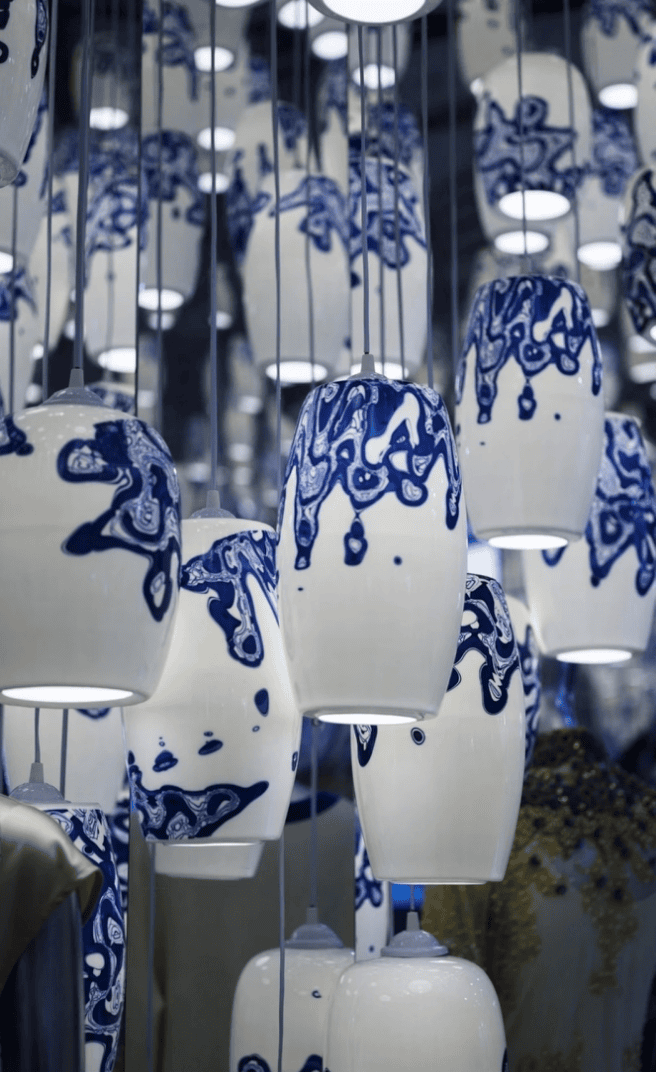
The core material of delicate handmade porcelain is kaolin clay, and the term “kaolin” originates from Gaoling Village in Jingdezhen — the birthplace of globally recognized kaolin raw material. Local clay blended with surrounding porcelain stone following thousand-year-old formulas creates porcelain bodies that are pure white, thin yet sturdy, an advantage impossible to replicate with mineral resources elsewhere. More remarkably, Jingdezhen holds the world’s only fully closed-loop ceramic industrial chain. From raw mineral mining, clay refining, wheel-throwing, trimming, hand carving, glaze painting, high-temperature firing in wood/gas kilns to final polishing, all 72 ancient craft procedures are mastered by artisans with generations of experience. Craftsmen specialize in every single step, whether translucent openwork Linglong carving, embossed begonia patterns or delicate famille rose hand painting, with no need for external processing support. No other ceramic city across the globe gathers exclusive premium raw materials, intact ancient workflows and hereditary artisans at the same time, making the History of Jingdezhen ceramic craft a frequent research subject among global ceramic artists.
Global-Reaching Ceramic Civilization, A Millennium-Long International Cultural Symbol
Core Export Along The Maritime Silk Road, Oriental Ceramic Aesthetics Swept The World
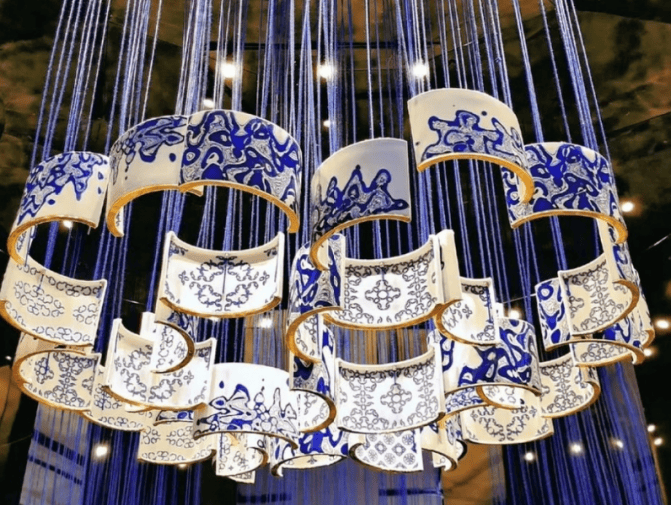
Since the Song and Yuan Maritime Silk Road era, Jingdezhen porcelain stood as the most valuable core commodity of East-West trade, the first Chinese craft that traveled worldwide and reshaped global aesthetic standards. European royal families once took pride in collecting authentic Jingdezhen blue-and-white porcelain, and nobles across continents strove to copy its glaze and vessel shapes; European workshops spent hundreds of years barely cracking basic porcelain firing formulas. For centuries, handmade Chinese porcelain from Jingdezhen was shipped to Southeast Asia, the Middle East, Europe and the Americas, sparking a worldwide craze for oriental ceramics. Unlike regional porcelain limited to local circulation, Jingdezhen wares carry profound cultural influence, spreading Chinese blank-space aesthetics, begonia, landscape and floral motifs, plus soft gentle glazes across every continent. To this day, ceramic artists, collectors and interior designers travel from all over the globe to study Traditional oriental ceramic craftsmanship in Jingdezhen. The city is far more than a production hub; it serves as a global cultural landmark spreading Eastern art.
Unbroken Heritage, Living Kiln Culture Passed Through Millennia
Ancient Kiln Sites Coexist With Young Artisans, An Ever-Burning Ceramic Soul Of The City
Many ancient ceramic towns exist only as ruins today, yet Jingdezhen’s kiln fire has burned nonstop for over a thousand years. Ancient wood-fired kilns and heritage workshops scatter across its streets; Taoxichuan and Sanbao Village host thousands of young artisans. Senior craftsmen preserve ancient techniques, while younger creators blend minimalist modern home aesthetics to innovate vases, tea sets and decorative porcelain. From grand ancient imperial wares to contemporary begonia embossed vases and translucent Linglong tea bowls suited for modern homes, Jingdezhen seamlessly balances heritage and modern taste. Ceramics weave into local residents’ daily lives, creating unique Ancient Chinese kiln culture found nowhere else. Only this city has been defined by a single craft for a thousand years, combining exclusive raw materials, complete craftsmanship, global trade influence, profound culture and living heritage all in one place. For these reasons, Jingdezhen stands unrivaled as the world’s porcelain capital.
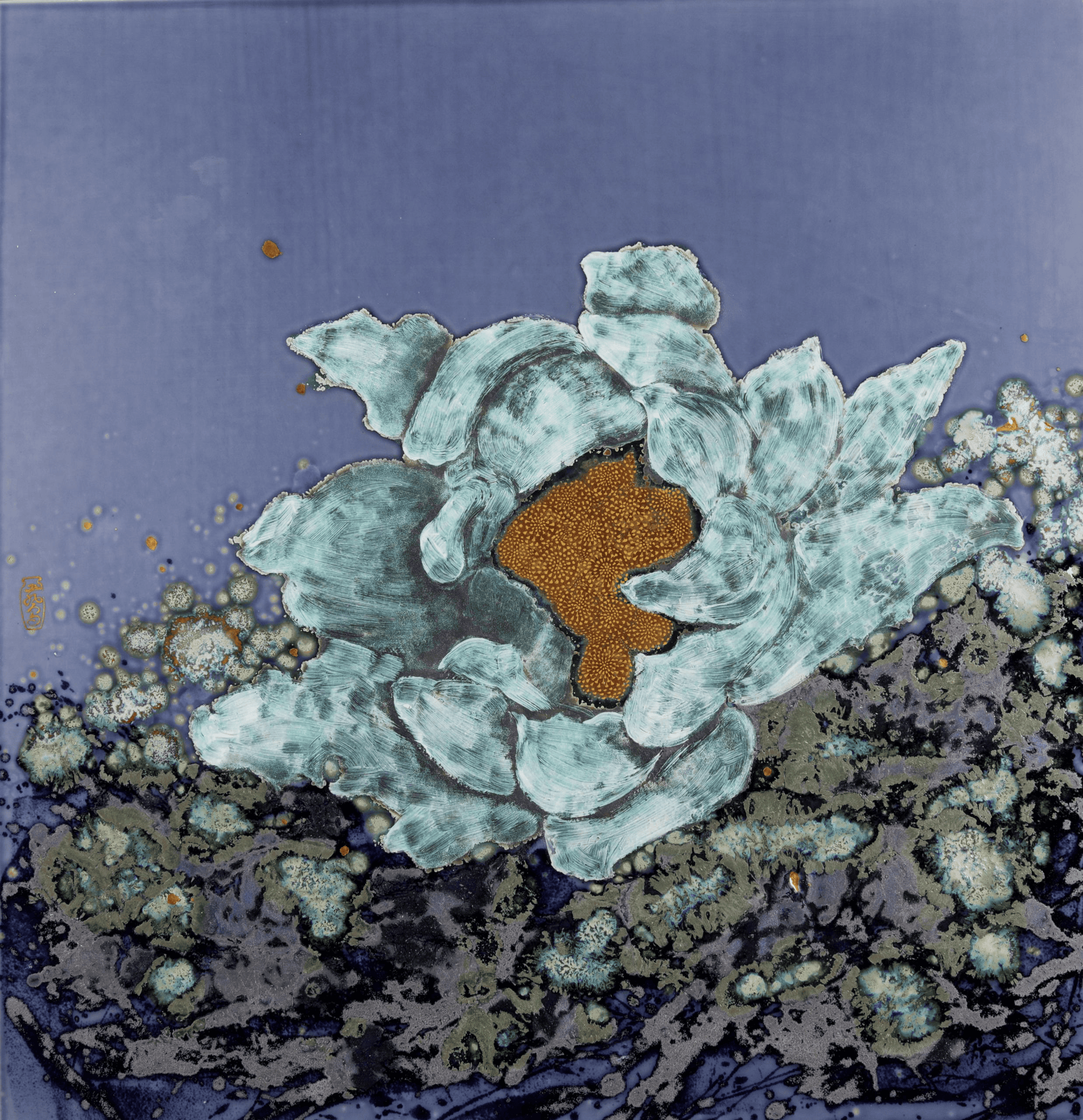
Kilns first lit a thousand years ago, and porcelain charm endures through centuries. The title of porcelain capital is no empty reputation for Jingdezhen — it is an honor forged by imperial history, exclusive mineral resources, complete craft systems, global cultural influence and living millennial heritage. Anyone seeking to understand oriental ceramic aesthetics will always begin their journey in Jingdezhen.