Irregular Porcelain:The Free Beauty and Peculiar Imagination
News 2026-08-05 30
In the world of ceramics, round shapes, square forms, symmetry, and regularity seem like the natural order of things. From the graceful curves of blue-and-white porcelain to the symmetrical openwork of linglong porcelain, traditional ceramic aesthetics are built on a foundation of precise proportions and harmonious patterns. Yet there’s always a force that breaks boundaries — and that force is irregular porcelain. By definition, it and reconstructs traditional vessel norms. With its freeform shapes, peculiar structures, and untamed imagination, it carves out a wild, vibrant territory in the landscape of ceramic art. If traditional porcelain is a meticulously structured classical poem, then irregular porcelain is a freewheeling jazz number — it doesn’t follow the rules, it doesn’t cater to established tastes, and it expresses the creator’s inner world and the spirit of the times in its most authentic form.
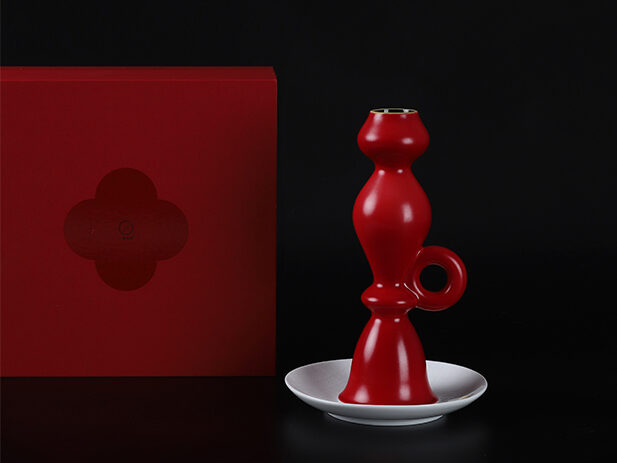
A Manifesto of Freedom Against Conformity
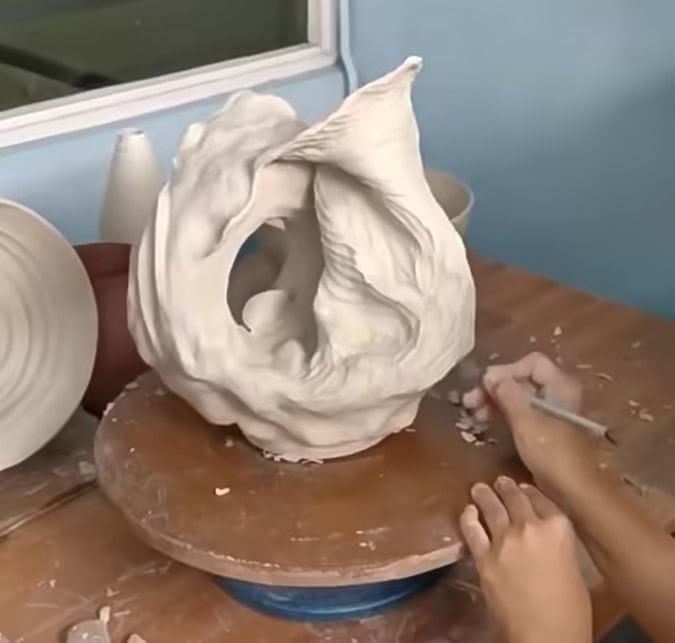
At the heart of irregular porcelain lies the spirit of freedom. It isn’t bound by the constraints of functionalism, held hostage by symmetrical aesthetics, or measured solely by practical value. In the world of irregular porcelain, a vessel can twist, tilt, fracture, or recombine — every form becomes possible. An irregular porcelain piece might have an asymmetrical mouth, a undulating body, or a base that looks precarious but is rock-solid. It challenges the viewer’s visual habits and forces us to rethink the very definition of beauty.
This freedom isn’t random chaos — it’s deliberate artistic expression. Every bump, every curve, every angle in an irregular porcelain piece carries the creator’s emotions and ideas. Some irregular porcelain works mimic the flow of water with fluid lines, expressing reverence for nature. Others use fragmented forms to metaphorize the fractured quality of modern life, provoking reflection on society.
A Contemporary Fission of Millennium Craftsmanship
As the sacred land of Chinese porcelain, Jingdezhen boasts a thousand-year history of porcelain-making and a deep craft tradition. For a very long time, Jingdezhen ceramics were known worldwide for their exquisite craftsmanship and elegant forms, with classic categories like blue-and-white porcelain and linglong porcelain setting the standard for traditional ceramics. But times change, tastes evolve, and Jingdezhen ceramics keep seeking breakthroughs and innovation.
Today’s Jingdezhen is no longer a one-dimensional portrait of traditional ceramics. More and more young artists and designers are flooding into this thousand-year-old porcelain capital. They bring brand-new artistic concepts and creative techniques, combining them with the city’s mature porcelain-making craft to produce a flood of refreshingly original irregular porcelain works. These pieces retain the traditional advantages of Jingdezhen ceramics — in body quality, glaze color, and firing technique — while boldly breaking new ground in form design, perfectly blending traditional craftsmanship with contemporary artistic language. You could say that irregular porcelain has injected new vitality into Jingdezhen ceramics, helping this ancient porcelain capital rediscover its place in the context of contemporary art.
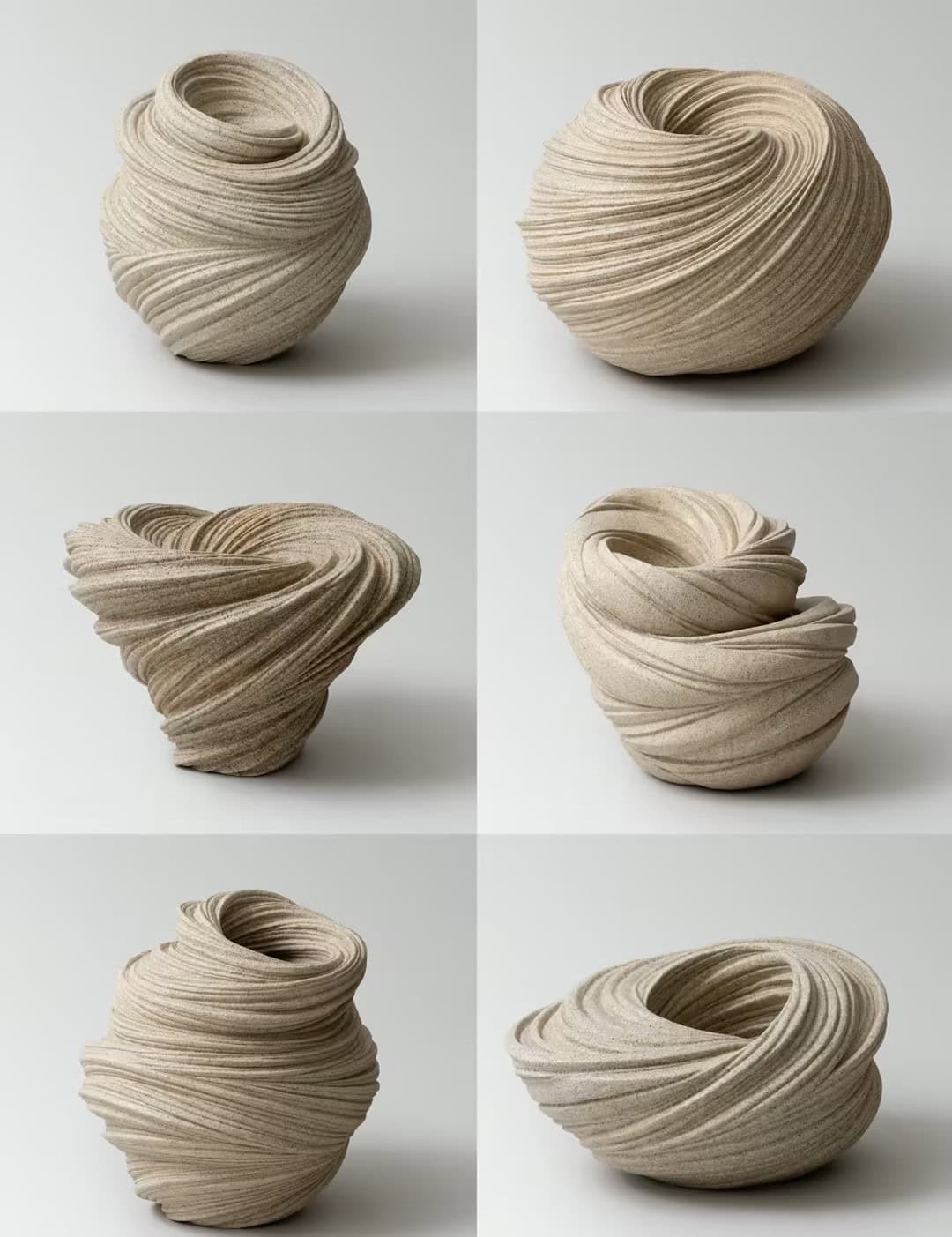
The Artistic Expression : A Peculiar Leap from Art Porcelain to Ceramic Installations
The rise of irregular porcelain is deeply connected to the development of art porcelain and ceramic installations. If early irregular porcelain only involved partial variations in vessel shape, then contemporary art porcelain has achieved total formal liberation. Many art porcelain pieces have completely abandoned the concept of “vessel” — they no longer take containers as their basic form, instead constructing space through purely sculptural language, becoming truly three-dimensional artworks. These irregular porcelain pieces explore the expressive potential of the material itself through abstract forms, or convey intense emotional tension through figurative distortion — each one showcasing peculiar imagination and profound artistic skill.
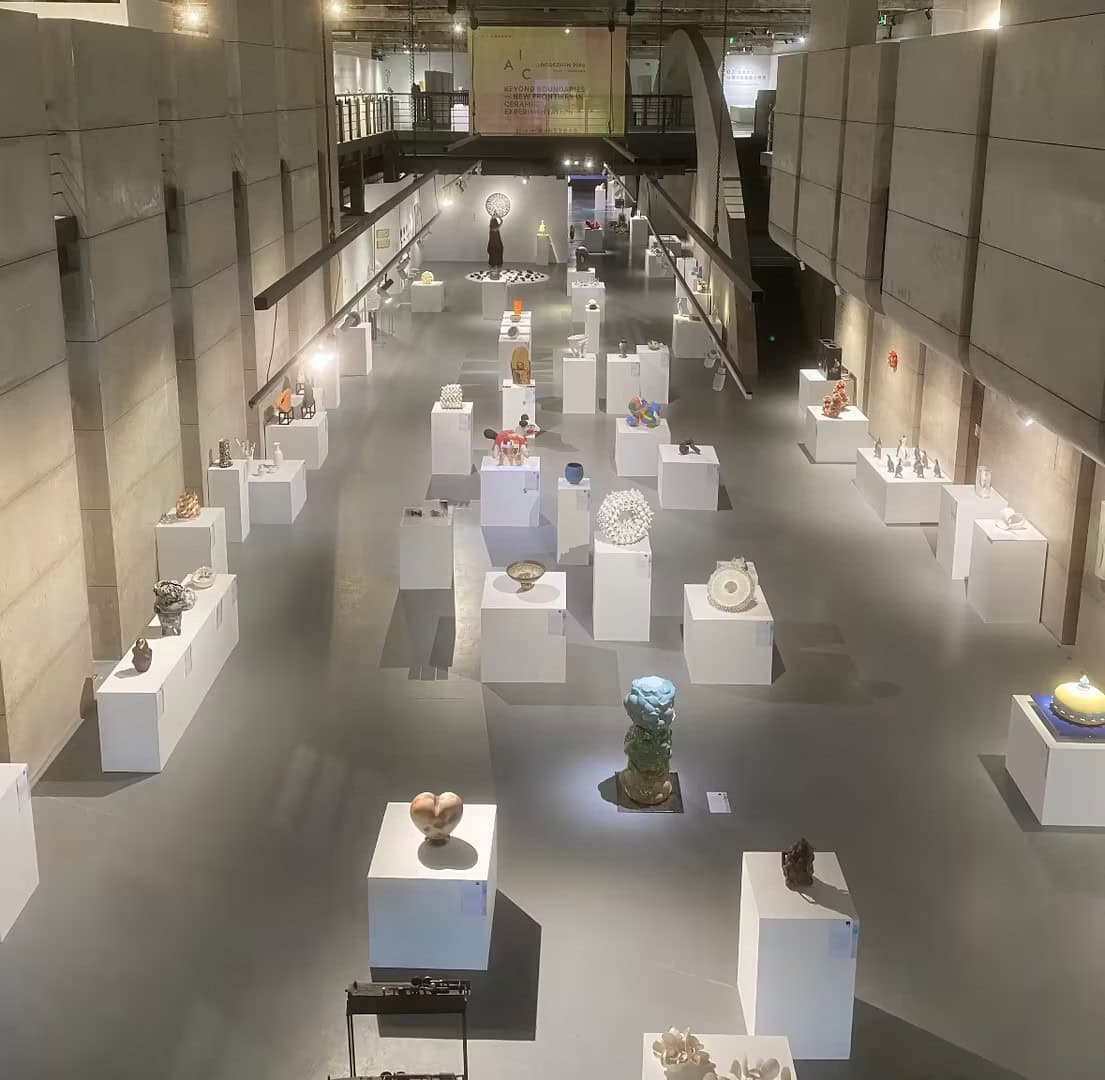
The emergence of ceramic installations has pushed the artistic boundaries of irregular porcelain even further. Artists construct immersive visual experiences within specific spaces using irregular porcelain elements of varying sizes and shapes. Stepping inside, viewers can appreciate the detailed beauty of each individual irregular porcelain piece while also feeling the unique atmosphere and narrative created by the overall space. From single-piece art porcelain to large-scale ceramic installations, irregular porcelain has completed a peculiar leap from “object” to “environment,” and its influence and emotional impact have been qualitatively transformed.
The Irregular Rebirth of Blue-and-White and Linglong Porcelain
Interestingly, irregular porcelain doesn’t stand in complete opposition to traditional ceramic categories — on the contrary, there’s a deep dialogue and fusion between them. Blue-and-white porcelain and linglong porcelain, the two great classic categories of Jingdezhen ceramics, have also found new life in the wave of irregular porcelain.
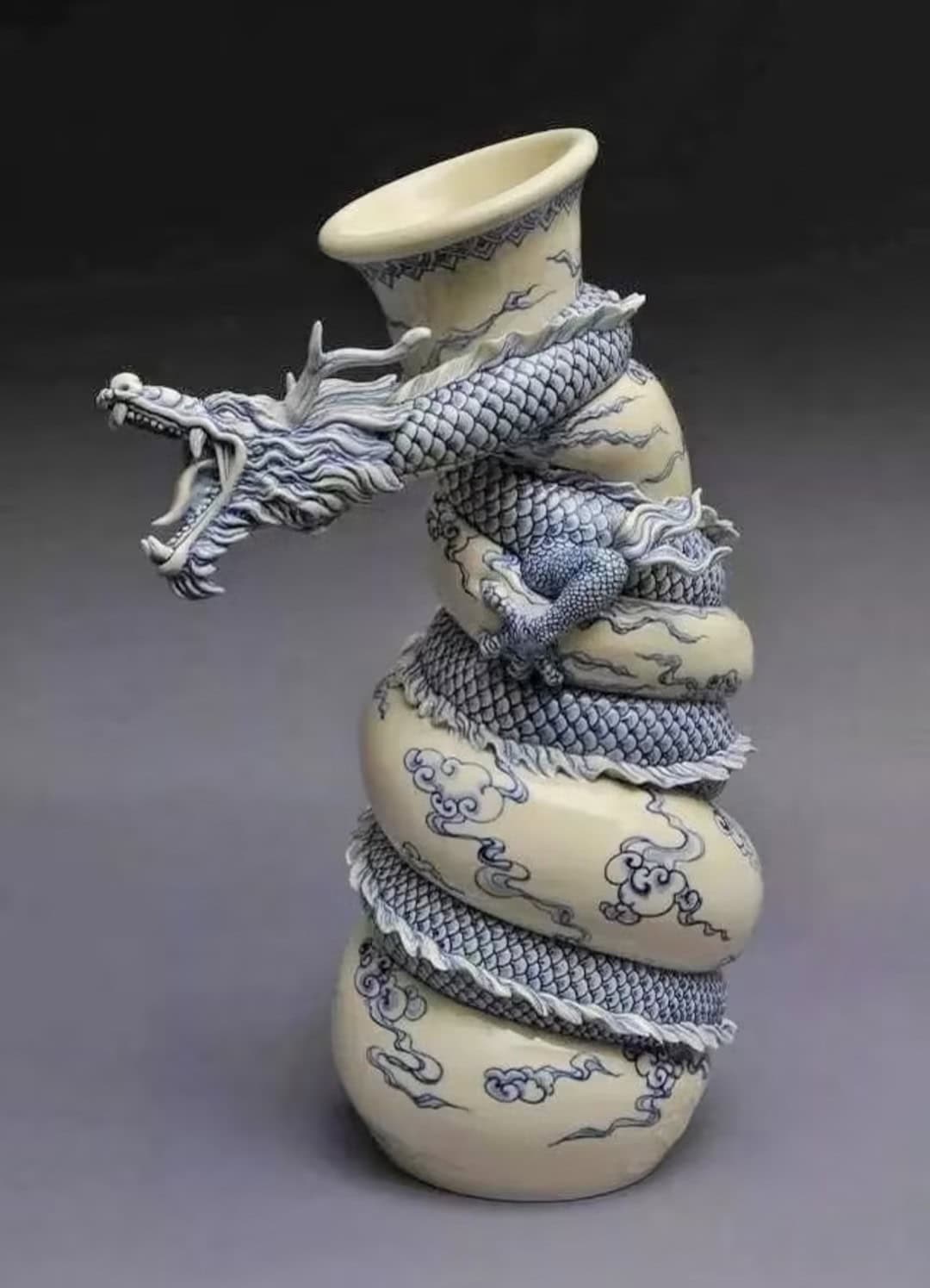
Traditional blue-and-white porcelain is known for its elegant forms and exquisite underglaze painting. But when blue-and-white meets irregular porcelain, a fascinating chemical reaction occurs. Some artists combine blue-and-white decoration with irregular vessel shapes, letting the flowing cobalt patterns wind across twisted surfaces — creating a unique beauty that’s both classical and modern. The irregularity of the form breaks the flatness of blue-and-white decoration, causing the patterns to shift in rhythm as the body undulates. Change the viewing angle, and the picture changes too — dramatically enhancing the spatial quality and of blue-and-white porcelain.
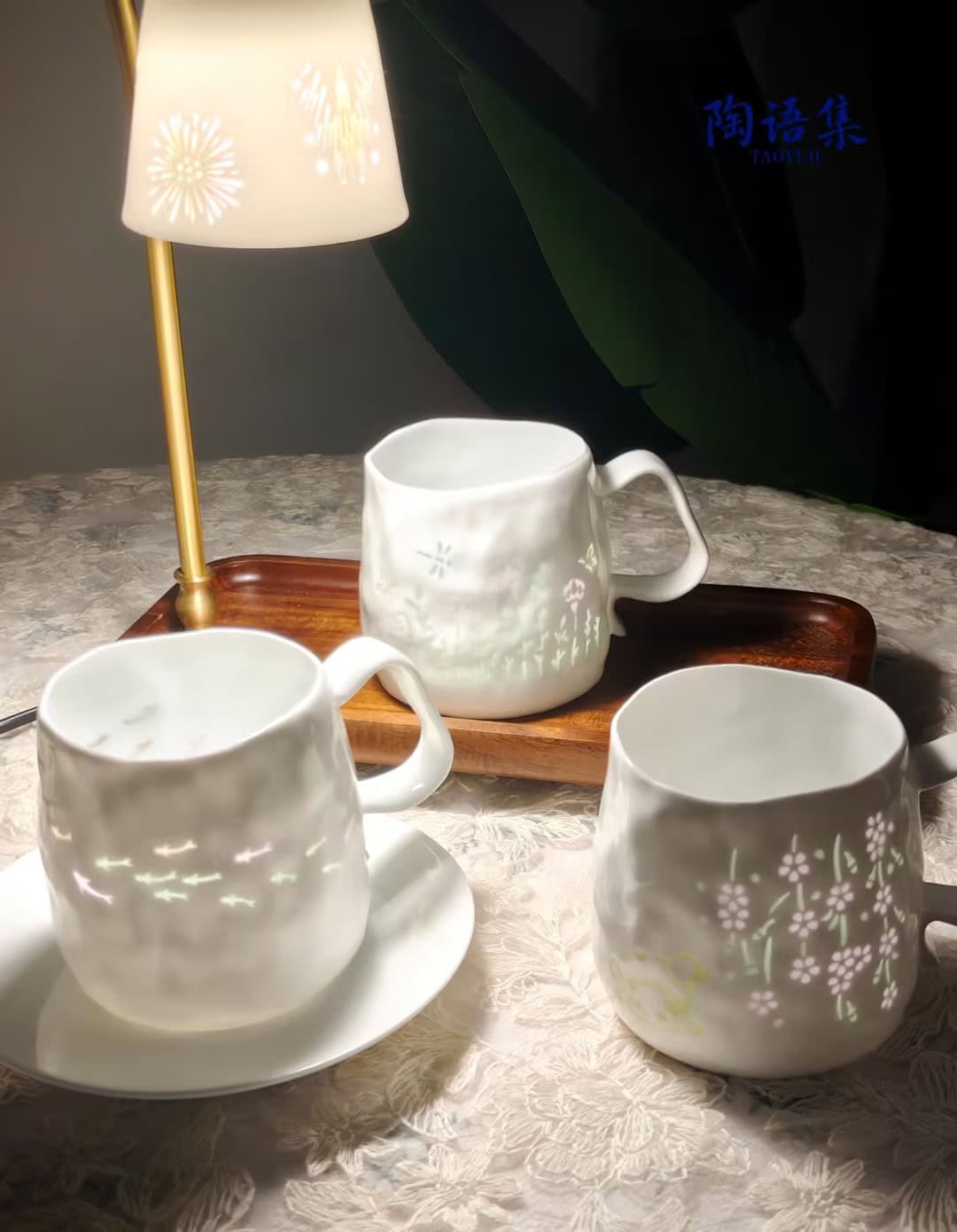
Similarly, linglong porcelain has discovered new possibilities through the exploration of irregular porcelain. Traditional linglong porcelain features symmetrical openwork patterns and regular forms, but irregular linglong porcelain applies the openwork technique to freeform vessel bodies, letting the translucent rice-grain patterns distribute themselves in across curved surfaces. When light passes through the openwork of irregular linglong porcelain, the shadows it casts are no longer neat, uniform patterns — they’re ever-changing abstract shapes, brimming with artistic appeal. The irregular rebirth of blue-and-white and linglong porcelain proves that traditional craftsmanship isn’t a rigid legacy — it’s a living tradition that can keep colliding with contemporary aesthetics and growing.
The Making and Heritage : Two-Way Exploration by Jingdezhen Ceramic Manufacturers and Antique-Style Porcelain Makers
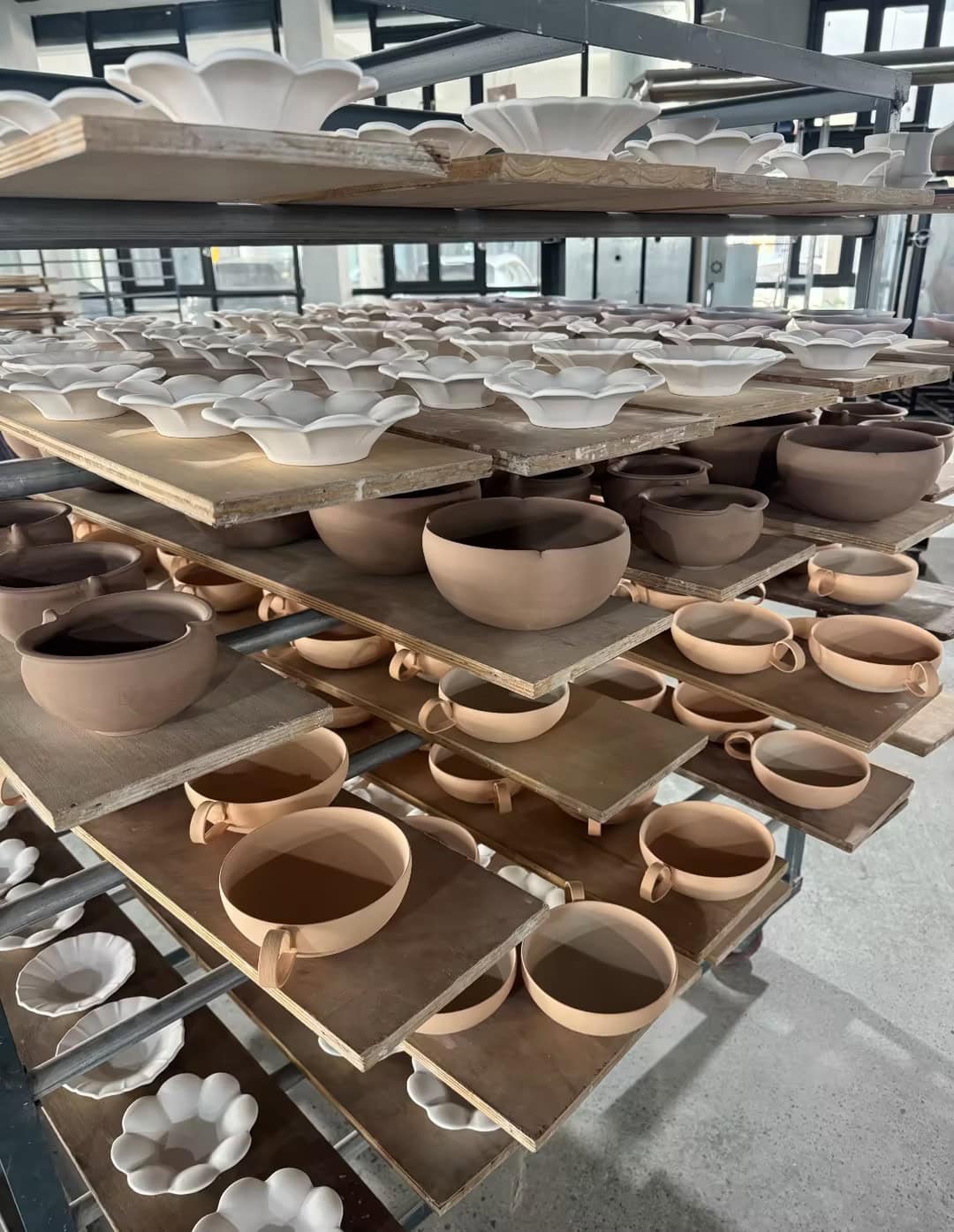
The flourishing of irregular porcelain wouldn’t be possible without industry support. In Jingdezhen, Jingdezhen ceramic manufacturers play a crucial role. Traditional Jingdezhen ceramic manufacturers excel at standardized, large-scale production of everyday and display porcelain — but faced with the personalized, small-batch creative demands of irregular porcelain, they’re actively transforming too. Many Jingdezhen ceramic manufacturers have established dedicated art porcelain studios, equipped with flexible small-scale kilns and skilled craftspersons, partnering with artists to turn wildly imaginative irregular porcelain designs into tangible works. They constantly experiment with clay formulas, forming techniques, and firing technology, overcoming technical challenges like deformation and cracking that commonly occur during irregular porcelain production — providing solid craft guarantees for irregular porcelain creation.
At the same time, antique-style porcelain makers are also demonstrating unique value in the irregular porcelain field. Antique-style porcelain makers specialize in replicating the glazes, textures, and techniques of ancient ceramics, and they have a deep understanding of traditional materials and methods. Some antique-style porcelain makers have begun combining antique craftsmanship with irregular design, producing irregular porcelain works with the charm of ancient porcelain. These pieces are contemporary and free in form, yet their glaze and texture exude a rustic, aged quality — creating a peculiar aesthetic of time-traveling beauty. The participation of antique-style porcelain makers gives irregular porcelain not just an avant-garde edge, but also profound historical and cultural depth — achieving a two-way journey between tradition and modernity.
The Timeless Allure of Freedom and Peculiarity
The charm of irregular porcelain, at its core, lies in its eternal pursuit of freedom and peculiarity. In an increasingly standardized, industrialized world, irregular porcelain — with its one-of-a-kind forms and irreplicable handmade warmth — reminds us of the preciousness of creativity. Every irregular porcelain piece is unique, carrying the creator’s inspiration and emotion in that very moment — and that’s what makes handmade art so moving.
Growing from the fertile traditional soil of Jingdezhen ceramics, growing stronger through contemporary exploration in art porcelain and ceramic installations, engaging in deep dialogue with classic categories like blue-and-white and linglong porcelain, and continuously maturing through the joint efforts of Jingdezhen ceramic manufacturers and antique-style porcelain makers — irregular porcelain is stepping out of niche art circles and entering the broader public consciousness. It doesn’t just decorate our living spaces — it subtly changes how we see beauty, teaching us to appreciate imperfection, embrace the irregular, and celebrate the unconventional.
Looking ahead, as materials science advances and artistic concepts evolve, irregular porcelain will surely enjoy even broader creative possibilities. But no matter how its forms transform, the spirit of freedom and the peculiar imagination that irregular porcelain represents will never go out of style. It will continue, with its courage to break convention, to stir up brilliant waves in the long river of ceramic art — proving to the world that true beauty never comes in just one shape.
About Magic Cube
Magic Cube has been passionately dedicated to the ceramic industry for 23 years, deeply rooted in the thousand-year ceramic cultural heritage of Jingdezhen. The company blends design and innovative energy as a core manufacturer with strategic industry-academia cooperation with Jingdezhen Ceramic University. With a professional team of professor advisors and an independent, complete production supply chain, Magic Cube has established a comprehensive quality control system spanning from raw materials to finished products. Its main product lines include everyday-use ceramics, custom ceramics, and art ceramics — all exported to global markets. Magic Cube provides customers with a full range of ceramic products and customized solutions, while ensuring quality assurance at every stage — from raw materials all the way through to final delivery.