Ceramic Refrigerator Magnets: Bringing Jingdezhen Porcelain into Everyday Life
News 2026-08-15 60
Ceramic refrigerator magnets are small decorative ceramic products that combine visual appeal, practical use, and meaningful keepsake value. They can be displayed on refrigerators, metal shelving, office whiteboards, and other magnetic surfaces, adding color, personality, and cultural character to everyday spaces.
Compared with plastic, acrylic, or resin magnets, ceramic refrigerator magnets offer a warmer tactile quality, a more refined glazed finish, and the unmistakable appeal of handcrafted ceramics.
In recent years, the growth of cultural tourism, museum merchandise, city souvenirs, and branded gifts has transformed ceramic refrigerator magnets from simple keepsakes into thoughtfully designed cultural products. Jingdezhen’s long-established ceramic industry provides the craftsmanship, materials, and production capabilities needed to develop ceramic refrigerator magnets in a wide range of styles.
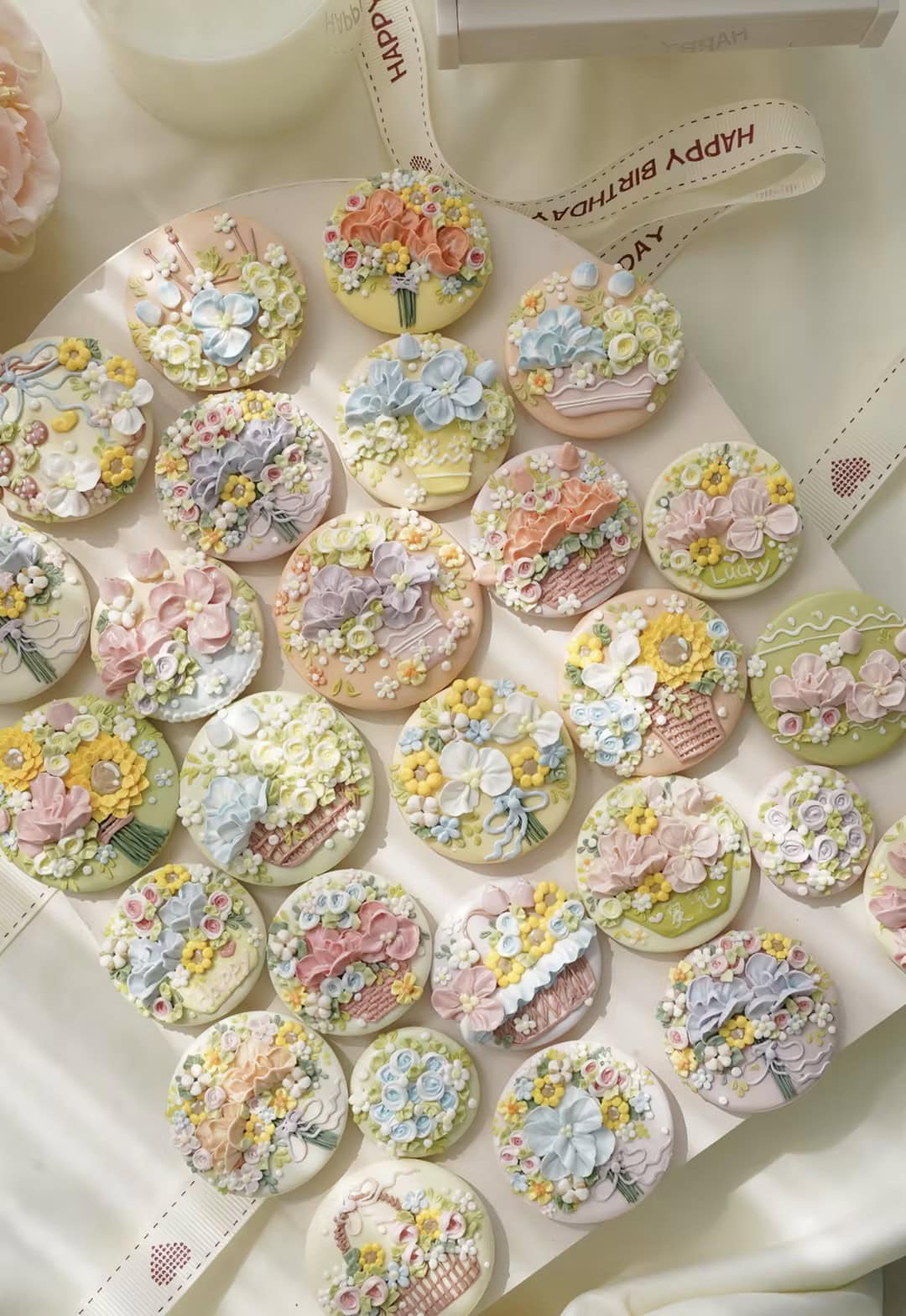
Why Are Ceramic Refrigerator Magnets Becoming So Popular?
Traditional ceramic products often take the form of dinnerware, tea sets, vases, or large pieces of art porcelain. Although these products may have significant artistic value, their size, price, and transportation requirements can limit where and how they are sold.
Ceramic refrigerator magnets are compact, lightweight, easy to display, and relatively accessible. They allow more consumers to experience ceramic craftsmanship without purchasing a large or expensive item.
A single ceramic refrigerator magnet can represent a city, tourist destination, hotel, museum, restaurant, or brand. When customers take it home, they are not simply buying a decorative object—they are preserving a memory of a trip, place, or experience.
For this reason, ceramic refrigerator magnets are especially suitable for tourist attractions, museums, hotels, restaurants, cafés, gift stores, festivals, and cultural events.
For buyers, they also offer flexible product development, a wide range of customization options, and strong potential for coordinated collections. One theme can be developed into several colors, shapes, and designs, creating a complete retail series that encourages customers to collect multiple pieces.
How Can Ceramic Refrigerator Magnets Reflect Jingdezhen Craftsmanship?
Jingdezhen porcelain is internationally recognized for its fine porcelain clay, mature painting techniques, and diverse decorative processes. Experienced Jingdezhen ceramic manufacturers can translate traditional patterns, city landmarks, natural scenery, and contemporary illustrations into small ceramic refrigerator magnets.
For example, elements of blue-and-white porcelain can create a clean, elegant East Asian look through cobalt decoration on a white porcelain ground. The pierced and translucent character of Linglong porcelain can inspire openwork, relief, or light-transmitting details.
Traditional Jingdezhen porcelain motifs—including peonies, lotus flowers, clouds, dragons, phoenixes, and landscapes—can also be simplified and adapted to suit smaller products.
Creating ceramic refrigerator magnets involves more than printing a picture on a ceramic surface. Designers must adjust the composition to fit a limited space without making people, buildings, text, or decorative elements appear crowded.
For detailed images, the manufacturer must also consider how colors may change during firing, whether fine lines will remain clear, and how reflections from the glaze may affect the finished design.
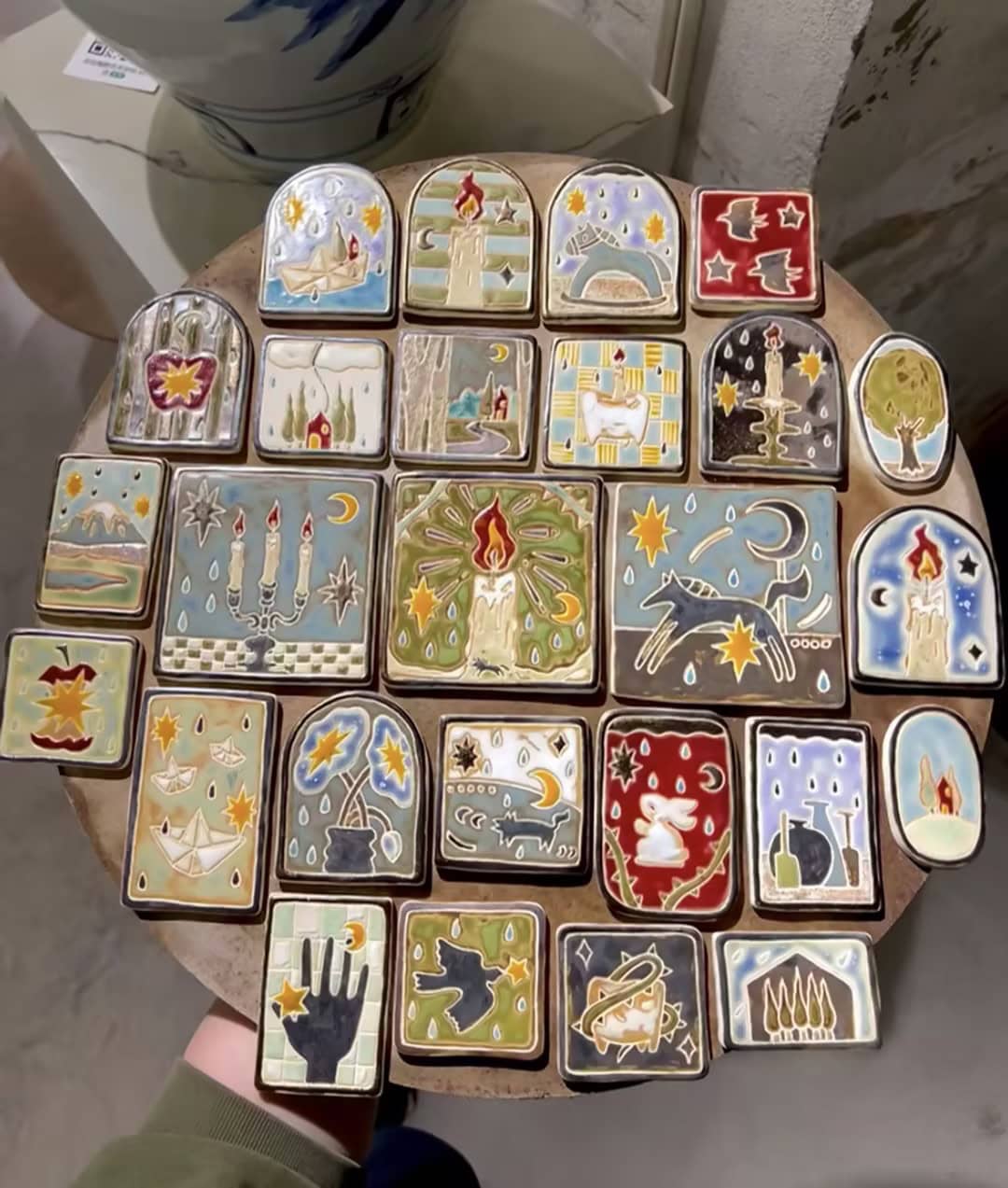
What Shapes Are Commonly Used for Ceramic Refrigerator Magnets?
Ceramic refrigerator magnets can be designed in a wide variety of shapes based on the product theme and target market.
Standard forms such as circles, squares, ovals, and arches are suitable for efficient production, packaging, and transportation. Custom silhouettes based on landmarks, animals, flowers, people, architecture, food, or brand symbols offer stronger visual recognition.
Travel-themed ceramic refrigerator magnets often feature a city skyline, famous building, or local cultural symbol. A Jingdezhen-themed collection, for example, might include ancient kilns, porcelain towers, saggar walls, pottery-making scenes, or blue-and-white patterns. These details immediately connect the product with Jingdezhen, China’s historic porcelain capital.
Hotels and restaurants can customize ceramic refrigerator magnets with their building façade, logo, signature dish, or interior design elements. Museum merchandise can draw inspiration from objects in the collection, historical patterns, or cultural stories, turning specialized content into an engaging and easy-to-understand visual product.
Some ceramic refrigerator magnets can also feature three-dimensional relief. By adjusting the depth of the mold and surface layers, windows, doors, figures, flowers, and architectural details can become tactile. This gives the product more character than an ordinary flat printed magnet.
What Decorative Techniques Can Be Used?
The decorative process directly affects the appearance, cost, durability, and production time of ceramic refrigerator magnets.
Underglaze decoration is applied to the ceramic body before a transparent glaze is added and fired. Because the design is protected beneath the glaze, the finished surface is smooth and resistant to everyday wear.
Overglaze decoration provides a broader range of colors and is suitable for detailed illustrations, people, buildings, and complex brand graphics. When color formulas and firing conditions are properly controlled, it can produce bright, well-defined designs.
Ceramic refrigerator magnets with gold or silver accents may use gilding or metallic decoration. However, buyers should confirm the intended use and abrasion-resistance requirements before selecting these finishes.
Colored glazes work well for clean, contemporary product collections. A relief shape combined with a carefully selected glaze can give a small ceramic refrigerator magnet the refined appearance of miniature art porcelain.
Hand-painted decoration is better suited to limited editions, premium gifts, and collectible series. Because each piece is painted individually, minor variations may occur. These differences are natural characteristics of handmade ceramics and can increase the product’s appeal.
Some Jingdezhen ceramic manufacturers combine several techniques, such as relief with overglaze decoration, blue-and-white painting with gilding, or colored glaze with hand-painted details. These combinations can add depth and increase the perceived value of ceramic refrigerator magnets.
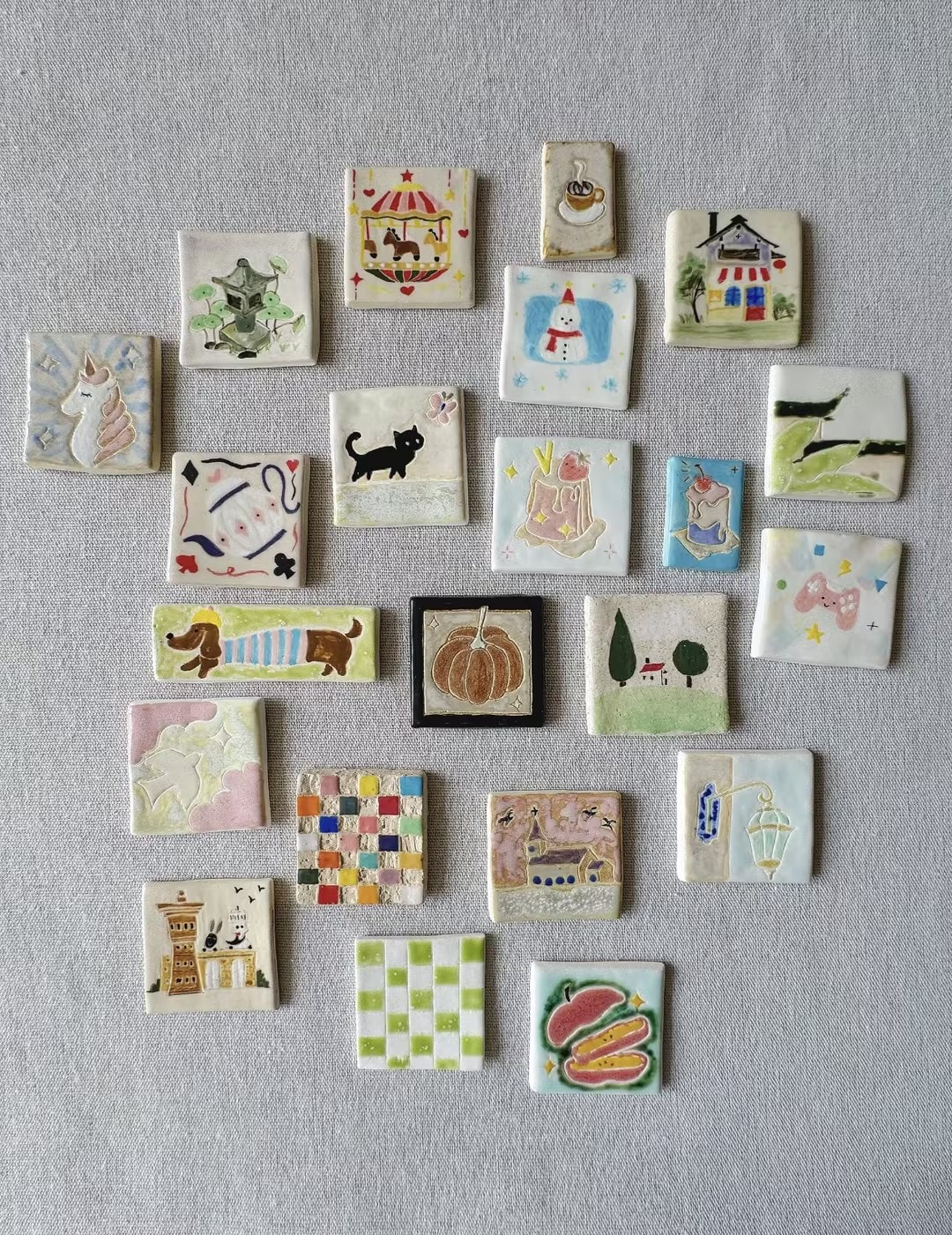
How Are Ceramic Refrigerator Magnets Made?
The typical production process includes design development, mold making, forming, drying, trimming, bisque firing, glazing, decoration, final firing, magnet attachment, quality inspection, and packaging.
The process begins by confirming the product’s dimensions, shape, artwork, and text. If the design requires an irregular outline or raised relief, a custom mold is usually needed.
After forming, each ceramic body must dry thoroughly. Insufficient drying may cause cracking, warping, or deformation during firing.
After firing and decoration, the factory checks the dimensions, colors, glaze surface, edges, and artwork placement. Magnets are then attached to the approved pieces.
Magnet size, strength, and attachment method are important. If the magnet is too weak, the ceramic piece may slide down or fall from the refrigerator. If the adhesive is unreliable, the magnet may separate from the ceramic body after extended use.
Because ceramics are fragile, packaging also requires careful planning. Individual products can be packed on display cards or in blister packs, foam-lined boxes, paper boxes, or gift boxes.
For export and e-commerce orders, the packaging should also protect the products during long-distance shipping, warehouse storage, and last-mile delivery.
How Do Ceramic Refrigerator Magnets Relate to Art Porcelain and Ceramic Installations?
Although ceramic refrigerator magnets are small, they can still reflect the shapes, colors, and handmade qualities of art porcelain.
Patterns and visual elements from large ceramic artworks can be redesigned for small cultural products. A floral motif from a large vase, for example, can become the foundation of a coordinated magnet collection. Architectural, botanical, or figural elements from a ceramic installation can also be adapted into affordable souvenirs.
This approach allows an art project to develop a complete product system, ranging from large-scale spatial displays to small retail merchandise.
For hotels, tourist attractions, and commercial spaces, a ceramic installation can shape the atmosphere of the environment, while ceramic refrigerator magnets give visitors a physical memory they can take home. Although the two products have very different sizes and purposes, they can share the same design theme and cultural story.
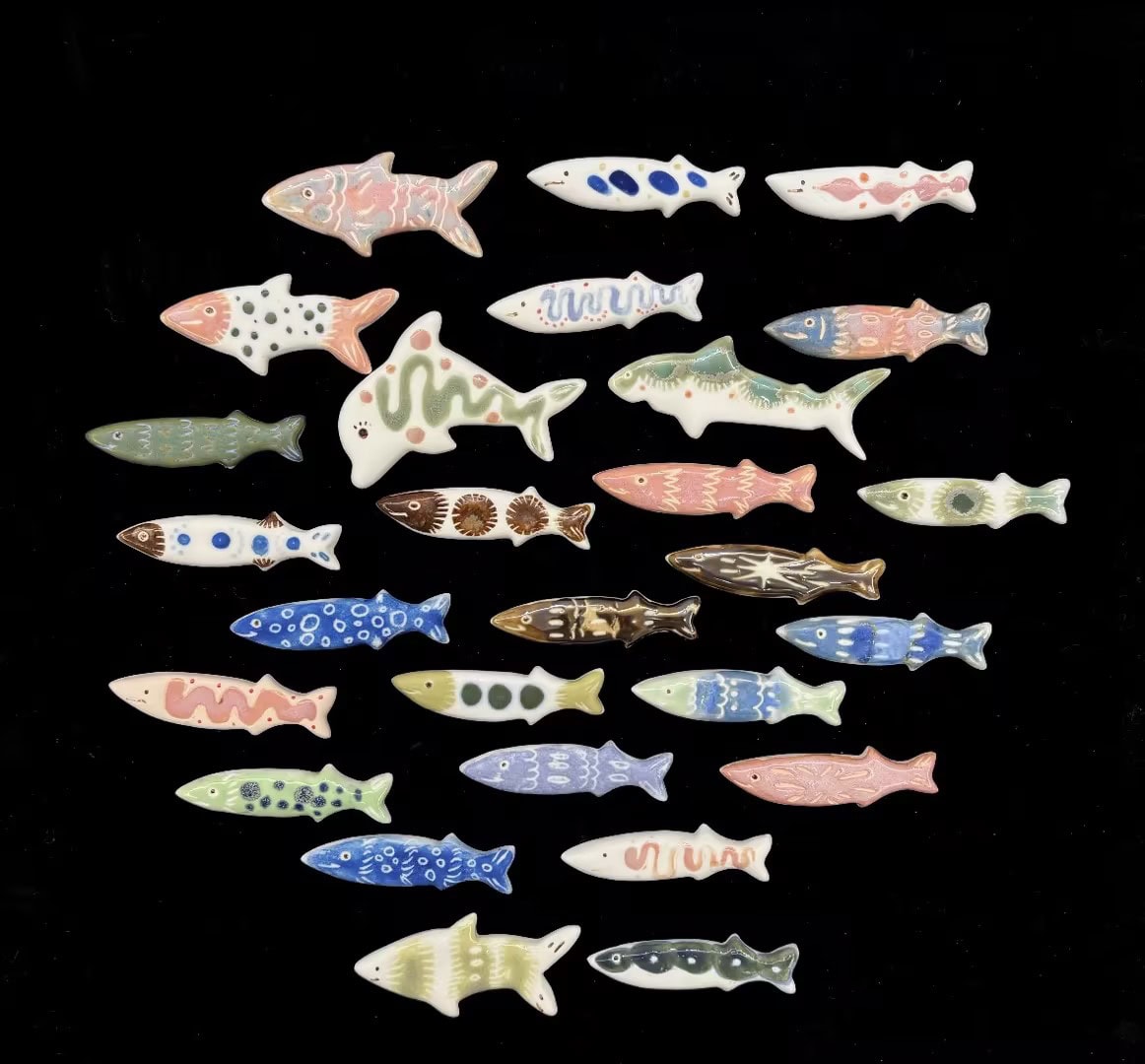
What Should Buyers Confirm Before Ordering?
Before contacting a Jingdezhen ceramic manufacturer, buyers should clarify the product’s purpose, target market, expected order quantity, and budget.
Important details to confirm include:
- Product dimensions, thickness, and weight
- Standard or custom shape
- Flat decoration or three-dimensional relief
- Custom logo, wording, artwork, or packaging requirements
- Magnet size, strength, and attachment method
- Sample fees, mold costs, and minimum order quantity
- Sampling and mass-production lead times
- Acceptable variations in color, dimensions, and handmade details
- Individual packaging and export-carton requirements
- Target country or sales market
If a ceramic refrigerator magnet includes small text, buyers should carefully inspect its legibility during sampling. This is especially important for English copy, numbers, brand names, and place names.
Before mass production, the buyer should approve a physical sample to confirm the glaze color, artwork placement, magnet strength, and packaging structure. A digital rendering alone cannot fully represent the final fired ceramic product.
How Can Ceramic Refrigerator Magnets Create More Commercial Value?
A successful ceramic refrigerator magnet needs more than an attractive appearance. It should have a clear theme and a recognizable visual symbol.
For the tourism market, the design should allow customers to identify the destination immediately. For hotels and restaurants, it should connect with the property’s architecture, interior style, food, or brand experience. For museums and cultural institutions, it should communicate accurate cultural information in an engaging and accessible way.
A coordinated collection can increase retail value. One city, for example, can be represented through separate magnets featuring architecture, food, people, natural scenery, and local traditions. Customers may be encouraged to purchase several designs instead of only one.
Products in the same collection can use consistent dimensions, packaging, typography, and colors, making them easier for retailers to display and promote.
Compared with ordinary souvenirs, ceramic refrigerator magnets offer a clear material advantage. Porcelain clay, glaze, painted decoration, and kiln firing create a stronger sense of quality and give even a small product the recognizable character of Jingdezhen porcelain.

Conclusion: A Portable Memory of Jingdezhen
Ceramic refrigerator magnets transform traditional ceramic craftsmanship into lightweight, practical cultural products that fit naturally into modern life. They can use the classic blue-and-white language of blue-and-white porcelain, draw inspiration from the delicate structure of Linglong porcelain, or combine famille rose decoration, colored glazes, relief carving, and contemporary illustration.
From travel souvenirs and museum merchandise to hotel gifts, restaurant products, and branded collections, ceramic refrigerator magnets offer a wide range of commercial applications. A successful product must balance visual appeal with forming quality, firing stability, magnet strength, packaging protection, and batch consistency.
Based in Jingdezhen, China, Magic Cube provides design development, sample making, process selection, production coordination, and custom packaging for ceramic refrigerator magnets. By combining our own production capabilities with resources from long-term partner factories, we help customers develop products suited to their brand positioning, cultural themes, order quantities, and target markets.
Our goal is to bring Jingdezhen porcelain beyond exhibition halls, art porcelain collections, and large ceramic installations—and into homes around the world through a small but carefully made ceramic refrigerator magnet.