Complete Guide to Ceramic Tableware Selection: Understand Craftsmanship and Avoid Hidden Risks
News 2022-06-14 72
Complete Guide to Ceramic Tableware Selection: Identify Craftsmanship and Steer Clear of Quality Hidden Risks
Ceramic tableware is a mainstream choice for families and catering establishments due to its high aesthetic appeal and ease of cleaning. However, many people only focus on the appearance when selecting it, ignoring health and durability issues such as heavy metal leaching, glaze cracking, and non-compliant materials. In this article, we will explain the selection logic of ceramic tableware in the most straightforward way from six dimensions: safety standards, colored glaze craftsmanship, physical selection, scenario adaptation, replacement standards, and maintenance methods, to help you choose safe, durable, and suitable products that meet your needs.
First, adhere to the safety bottom line: Recognize compliance standards and reject three-no products. For ceramic tableware that comes into contact with food, safety is the top priority.
1.Recognize mandatory safety standards
Ceramic products for food contact must comply with major safety standards (in the Chinese market, it is GB/4806.4-2016; in the US Code of Federal Regulations: the ceramic-specific implementation guidelines in 21-CFR-Part-109: FDA/CPG-7117.06 (lead leaching limit), FDA/CPG-7117.07 (cadmium leaching limit). The officially recognized test method standard is ASTM C738).
The standards strictly limit the leaching amount of heavy metals such as lead and cadmium. Even if high-temperature and acidic foods are stored in them for a long time, there will be no excessive harmful substances.
Qualified products will clearly mark on the packaging or bottom: the implementation standard number, manufacturer information, and product qualification certificate. Low-priced bulk ceramics without a factory name, implementation standard, or qualification certificate have no guarantee for raw materials and firing processes, and have a high risk of excessive heavy metals, so it is not recommended to use them.
2.Give priority to legitimate channels
It is recommended to purchase products from reputable supermarkets, official brand stores, and trustworthy ceramic manufacturers. The low-cost bulk ceramic items available at night markets and street stalls do not have guaranteed quality, so they are not suitable for use as utensils for holding food on a daily basis.
Give priority to legitimate channels; it is advised to buy products from reputable supermarkets, official brand stores, and reliable ceramic manufacturers. The low-priced bulk ceramic items found in night markets and street stalls lack quality control, and therefore should not be used as utensils for serving food everyday.
Secondly, understand three types of colored glaze craftsmanship, and you can tell the safety level by touch.
The core of the safety differences in ceramic tableware lies in the surface painting process. You don’t need to understand professional knowledge; you can initially distinguish it by touching it with your hand.
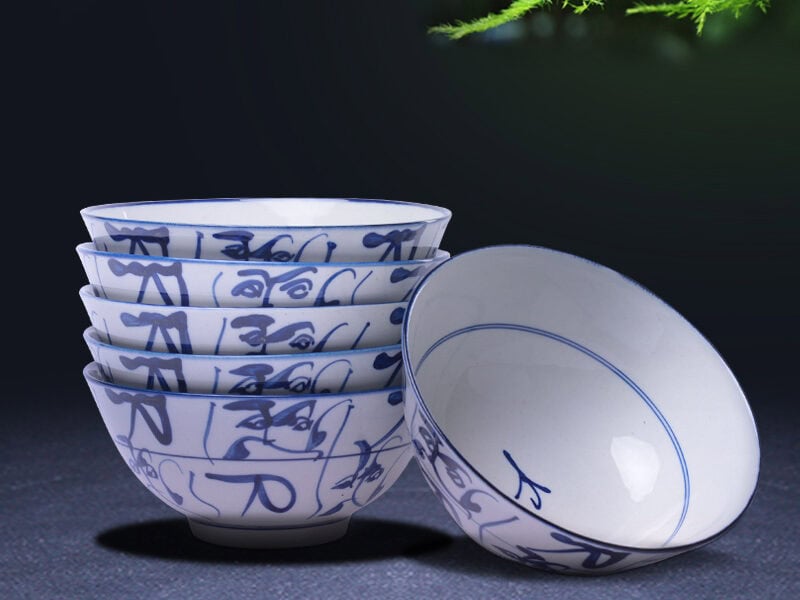
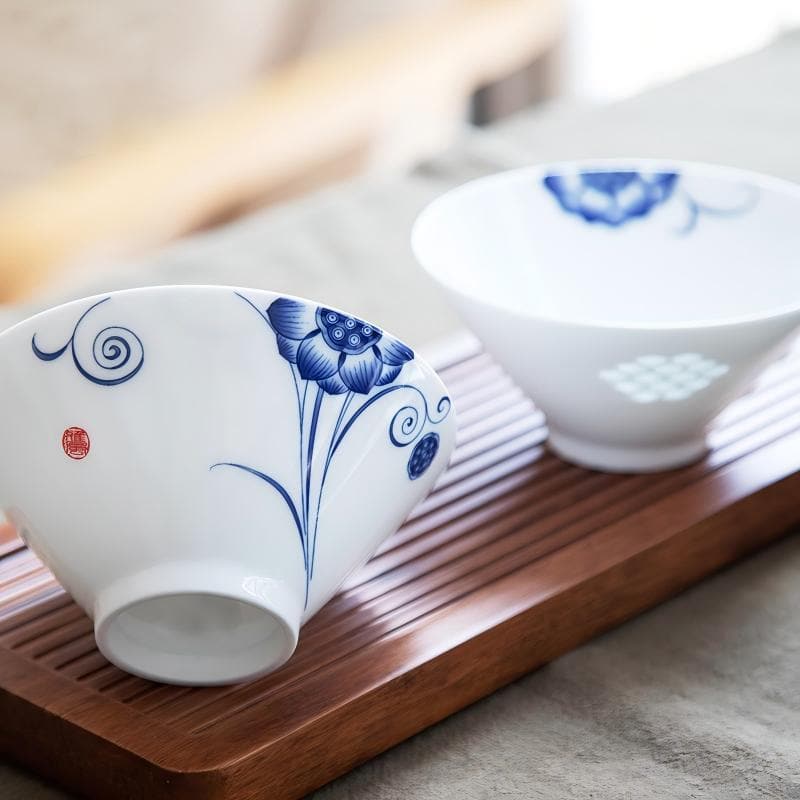
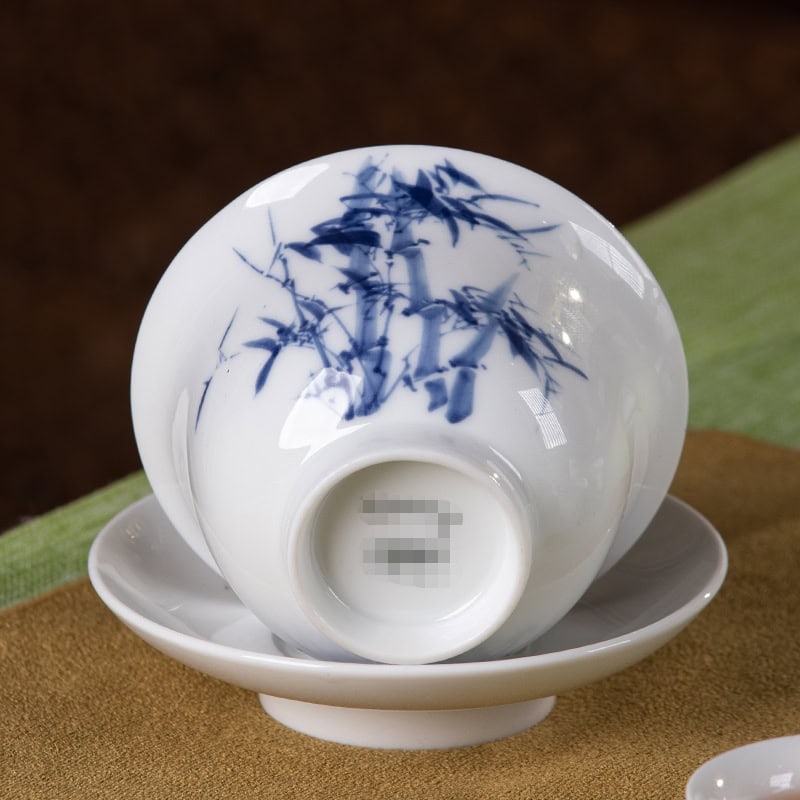
1.Underglaze color: Daily first choice, highest safety level
Production method: First draw patterns on the clay body, then cover it with a layer of transparent glaze, and fire it at a high temperature of over 1200°C in one go. The patterns are completely sealed inside the glaze layer.
Hand feel characteristics: The patterns are smooth and flat, with no protrusions or graininess.
Core advantages: The pigment does not directly contact food, so the risk of lead and cadmium leaching is extremely low; the glaze is wear-resistant and can be put into microwave ovens, dishwashers, and disinfection cabinets.
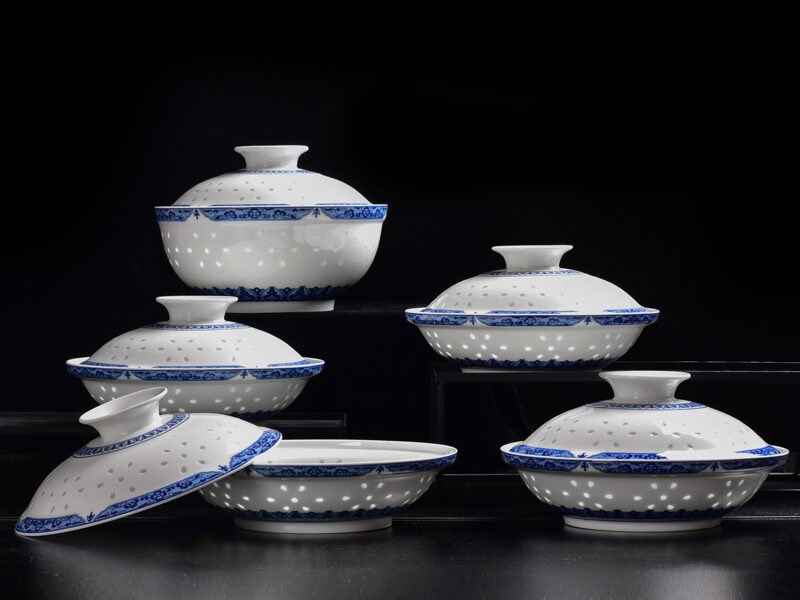
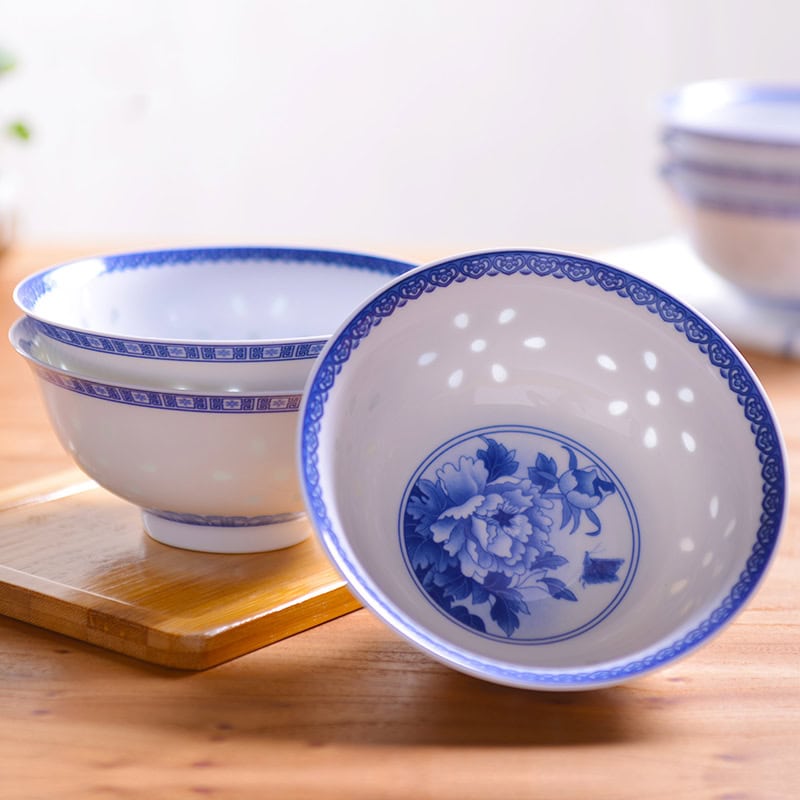
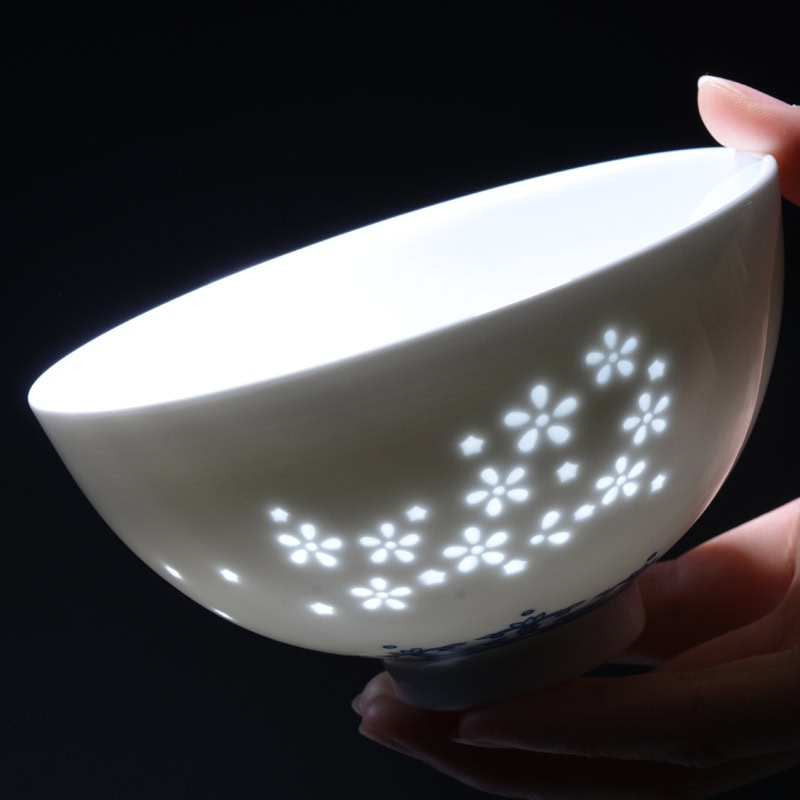
Common categories: Blue and white porcelain and solid-color white porcelain belong to this category.
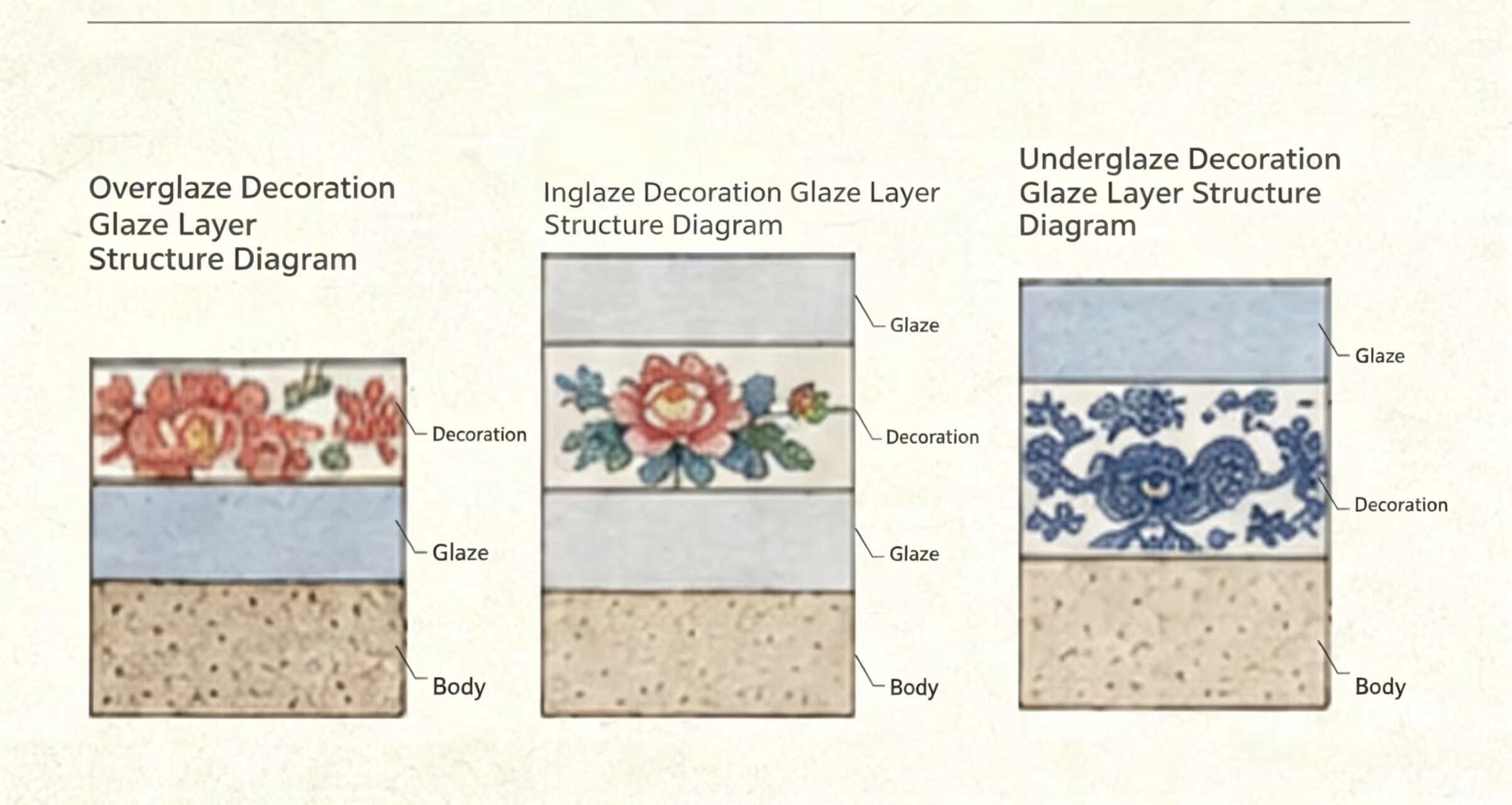
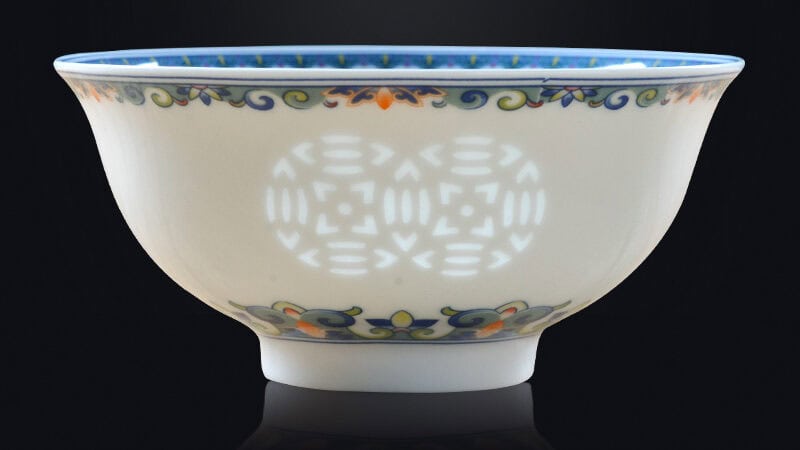
2.In-glaze color: Safe and reliable, cost-effective
Production method: First glaze the body, then paint it, and then fire it at a high temperature for the second time to integrate the pigment into the middle of the glaze layer.
Hand feel characteristics: The surface is smooth, and no obvious pattern protrusions can be felt.
Applicable scenarios: It is no problem to hold daily meals and hot soup. It is a cost-effective choice that takes into account both appearance and safety.
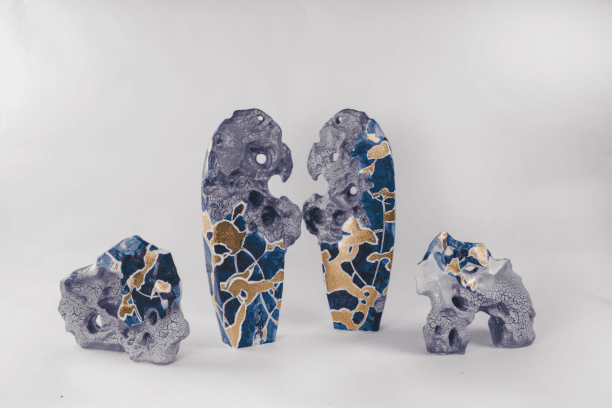
3.Overglaze color: Only recommended for decoration, be cautious when holding hot food / acidic food
Production method: First fire the white porcelain body, then print and paint on the surface, and only fix it by low-temperature baking at 600 – 850°C. The pattern floats on the outermost layer of the glaze.
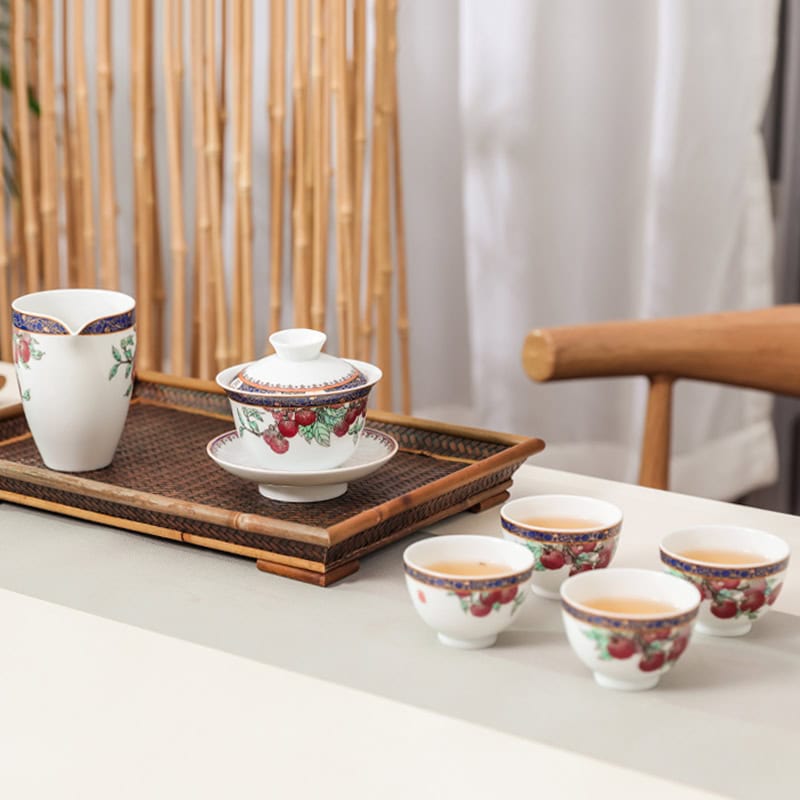
Hand feel characteristics: The patterns have obvious concave-convex graininess; tableware with gold or silver edges, as well as decorative porcelain with particularly bright colors, mostly belong to overglaze color.
Risk warning: The pigment directly contacts food. When encountering acidic foods such as vinegar, tomatoes, and fruit juices, or when holding high-temperature hot soup, heavy metals are easily leached out. Long-term intake can damage the liver and kidneys.
Usage suggestion: This type of tableware is only suitable for holding cold dishes and dried fruits for decoration. Do not use it for a long time to hold hot meals, hot dishes, and acidic dishes.
Small selection principles: Try to choose plain and pattern-free styles for the inner wall of the tableware, and avoid large areas of bright patterns and metal trim on the bowl mouth and plate bottom as much as possible.
Third, Four-step method for physical selection: Look, touch, tap, and smell to quickly eliminate risks.
When you get the physical product, you can quickly judge the quality with four simple methods.
1.Look at the glaze appearance
The glaze of high-quality ceramics is bright and uniform, without pinholes, bubbles, black spots, or missing glaze, and the shape is regular and not deformed; the patterns are clear and uniform, without blurring or fading.
Avoid these situations: The inner wall of the tableware is a dark color, bright red and green heavy-color style; there are cracks, gaps, and chipped porcelain on the bowl edge and plate bottom; open-piece porcelain with fine cracks all over the glaze surface, the gaps are easy to hide dirt and grime, and it is also easier to leach out heavy metals, so it is not suitable for tableware.
2.Judge by touching with your hand
Touch the patterns: Smooth and flat = underglaze color / in-glaze color; with concave-convex graininess = overglaze color.
Touch the edge of the bowl mouth: Round and burr-free, will not scratch the lips.
Wipe the pattern lightly with a tissue: If it fades with one wipe, the quality is unqualified, so give up directly.
3.Tap lightly to listen to the sound
Tap the bowl wall or plate edge gently with your finger:
A clear and long sound with a bright echo indicates that it is fired at a high temperature, the body is dense and solid, and the quality is good;
A dull and hoarse sound with a short duration and no echo is mostly fired at a low temperature, and there may be hidden cracks inside, which are easy to crack when exposed to alternating hot and cold.
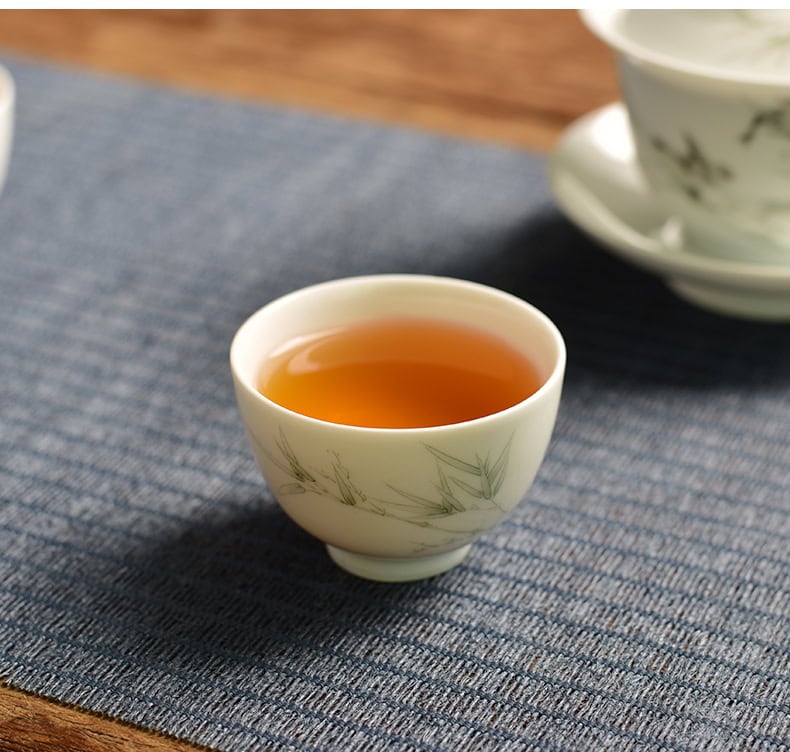
4.Smell closely
Qualified ceramic tableware has no peculiar smell; if you can smell a pungent chemical smell or paint smell, it indicates that the quality of the glaze or pigment is very poor, so do not use it.
Fourth, choose materials according to scenarios: Pottery, stoneware, and porcelain each have their own applicable scenarios.
The commonly referred to “ceramics” are actually divided into three categories. Different materials have different applicable scenarios. Choosing according to your needs will make them more durable.
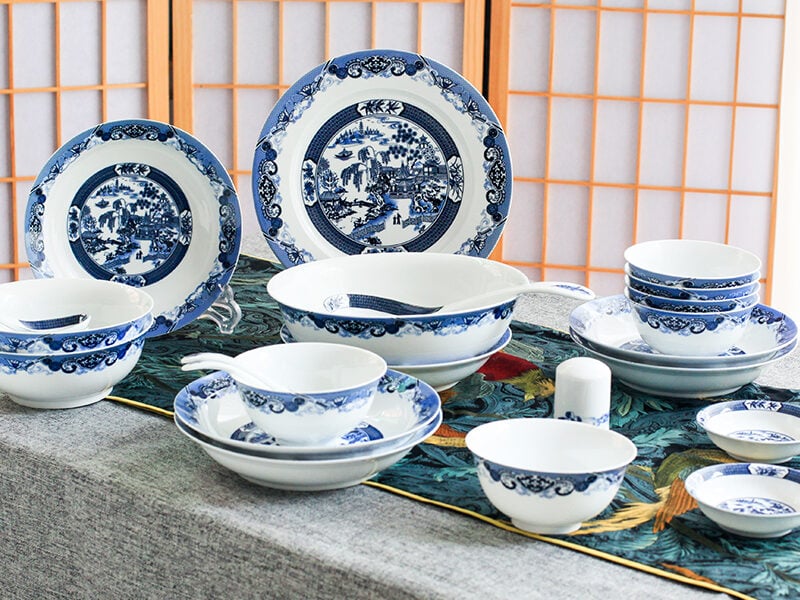
1.Porcelain: Mainstream choice for daily household / commercial use
Fired at a high temperature of over 1280°C, it is hard and dense, has extremely low water absorption, is light and transparent in shape, resistant to thermal shock, and can be put into microwave ovens, dishwashers, and disinfection cabinets.
Suitable scenarios: It is used for three meals a day in families and daily use in catering stores, and is the most versatile category.
2.Stoneware: Special for thick soup bowls / soup pots
Fired at medium and high temperatures, the body is thick and heavy, has good heat preservation effect, strong thermal shock resistance, and is not easy to crack due to changes in temperature.
Suitable scenarios: For making soup, stewing dishes, and holding food that needs to be kept warm. Note: Some thin stoneware does not support microwave ovens, so please check the label before use.
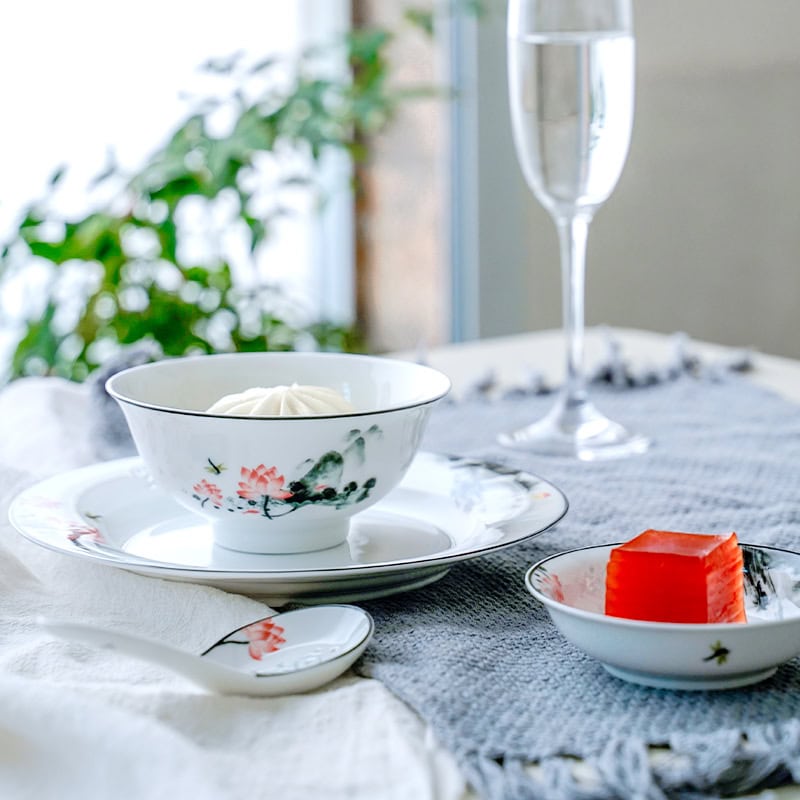
3.Pottery: Only suitable for holding dry goods at room temperature
Fired at low temperature, it is loose in texture, has high water absorption, the glaze layer is thin and easy to seep water, and it is extremely easy to crack when exposed to sudden changes in temperature.
Suitable scenarios: For short-term storage of dry goods at room temperature and as decorative ornaments. It is not recommended to use it to hold hot meals and soup.
4.Additional tips for different usage scenarios:
For microwave ovens/ovens: It is necessary to choose items labeled as suitable for use in microwaves; it is strictly forbidden to use tableware with metal coatings such as gold or silver edges.
For dishwashers/disinfection cabinets that are used frequently: It is best to opt for high-temperature resistant white porcelain or tableware with underglaze decoration, as tableware with overglaze decoration tends to lose its color and release heavy metals when exposed to high temperatures for extended periods.
For children’s tableware: Choose small bowls with pure white underglaze decoration, without any metal trimmings; they should have thick walls and rounded edges to prevent damage from collisions.
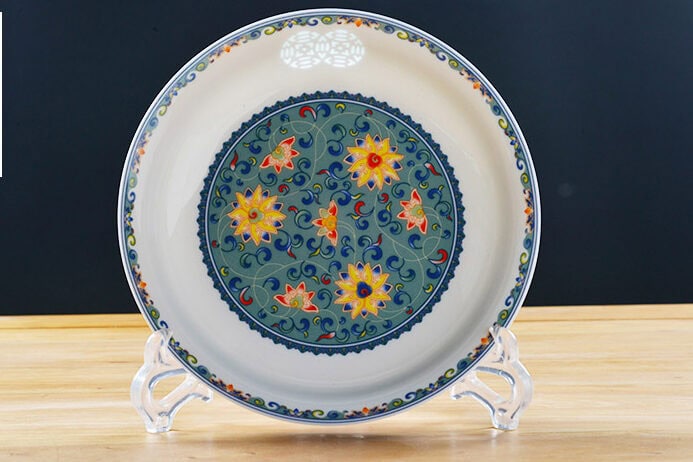
Fifth, Replace immediately if any of these situations occur
If any of the following situations occur to the tableware at home, replace it directly. Do not continue to hold food after repairing. Glaze cracking, appearance of deep and shallow cracks, chipped porcelain, and gaps: Bacteria will breed in the cracks, and the glaze protection will be damaged, leading to a large amount of heavy metal leaching.
1.The patterns of overglaze color tableware are worn and faded, and the metal edges fall off.
2.The coarse pottery tableware seeps water, the bottom turns black and moldy, and cannot be cleaned thoroughly.
3.After long-term use, the glaze surface becomes rough and dark, and large-scale corrosion spots appear.
4.Decorative porcelain and craft porcelain without food contact labels: Can only be used as ornaments, not for holding food.
Sixth, Correct pre-treatment + daily maintenance of new tableware to reduce risks and make it more durable
Do not use newly bought ceramic tableware directly. You can remove residual trace harmful substances in three simple steps:
1.Soak in warm water with baking soda for 30 minutes, wipe and clean with a soft cloth;
2.Boil in boiling water with salt for 10 minutes;
3.Rinse with clean water and dry before using it to hold food.
Daily maintenance notes: Do not scrub the glaze surface vigorously with a steel wire ball, as it will scratch the glaze layer, damage the protective layer, and shorten the service life of the tableware.
Seventh, Common misunderstandings in selection, don’t step into the pitfalls again
Misunderstanding: Handmade porcelain must be safer
Correct answer: Safety is only related to implementation standards and colored glaze craftsmanship. Handmade overglaze color porcelain, if it has not passed qualified testing, has a higher safety risk than mass-produced compliant white porcelain.
Misunderstanding: Light-colored ceramics are completely non-toxic
Correct answer: Poor-quality light-colored glazes may also contain heavy metals. Pure white porcelain with no patterns on the inner wall of the tableware is the choice with the lowest risk.
Misunderstanding: Minor cracks do not affect use
Correct answer: Visible small cracks can also hide oil stains and bacteria, and accelerate the leaching of heavy metals when exposed to alternating hot and cold. Even after repair, it is not suitable for contact with food.
Misunderstanding: It’s okay to use cheap porcelain occasionally
Correct answer: Heavy metals such as lead and cadmium will accumulate in the human body. Even if you use inferior tableware occasionally, there are chronic health risks in the long run.
Selection Tips: Choose regular channels and check standards, plain inner walls are the safest; touch smooth and choose underglaze, avoid bumpy and bright patterns for hot food; no cracks on the glaze and clear sound, stay away from pungent peculiar smells; avoid gold and silver edges in microwaves, replace cracked and chipped porcelain immediately.