Embossed Logo vs Printed Logo on Ceramic Tableware
News 2026-09-09 63
For hotels, restaurants, cafés, retailers, and hospitality brands, adding a logo to Ceramic Tableware is an effective way to create a consistent and recognizable visual identity. A logo can appear on plates, bowls, mugs, cups, saucers, serving dishes, and other porcelain products. However, buyers must first choose between an Embossed Logo and a Printed Logo.
Both methods can produce professional results, but they differ significantly in appearance, production process, cost, minimum order quantity, durability, and customization flexibility. Understanding these differences helps buyers select the right branding method for their Ceramic Tableware project.
What Is an Embossed Logo on Ceramic Tableware?
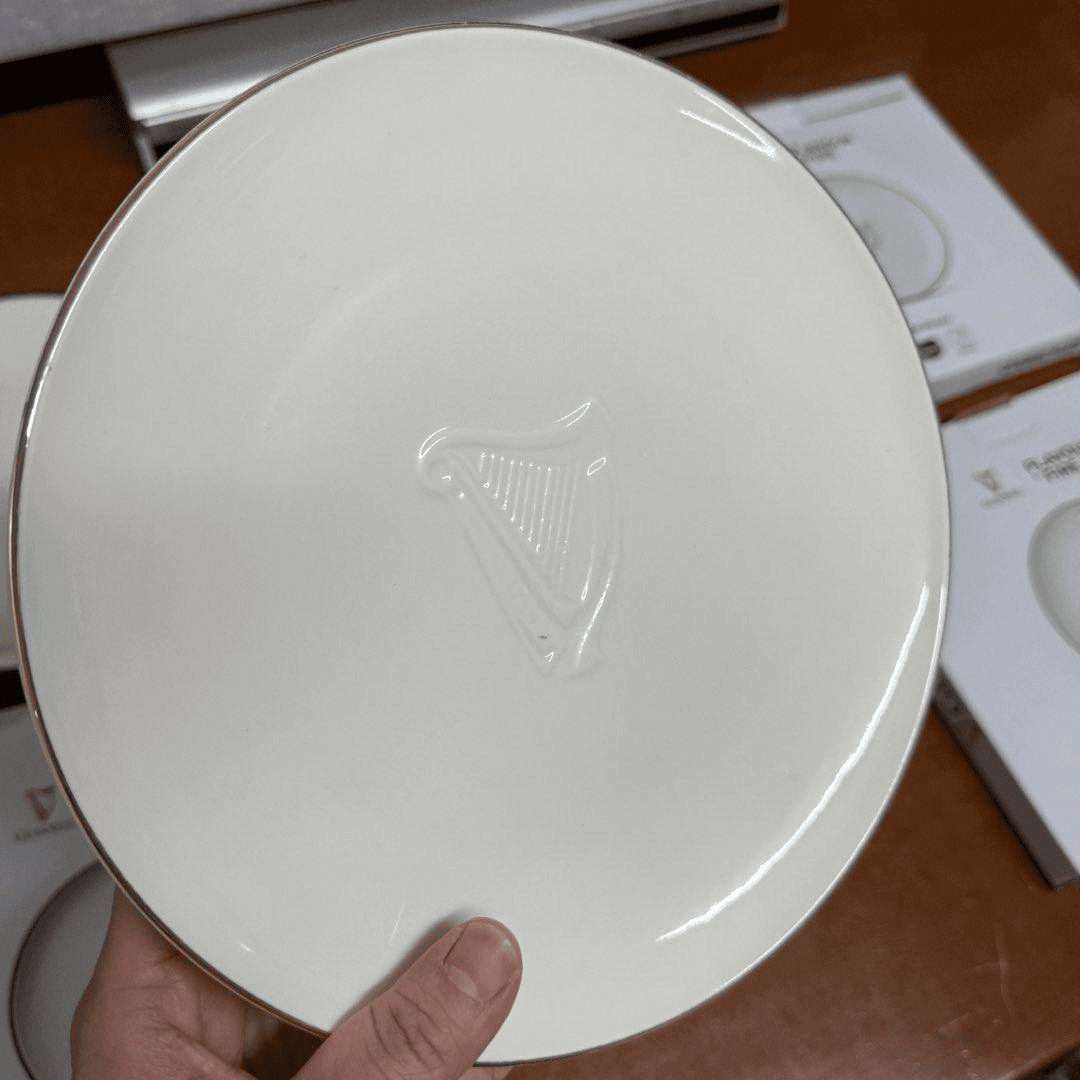
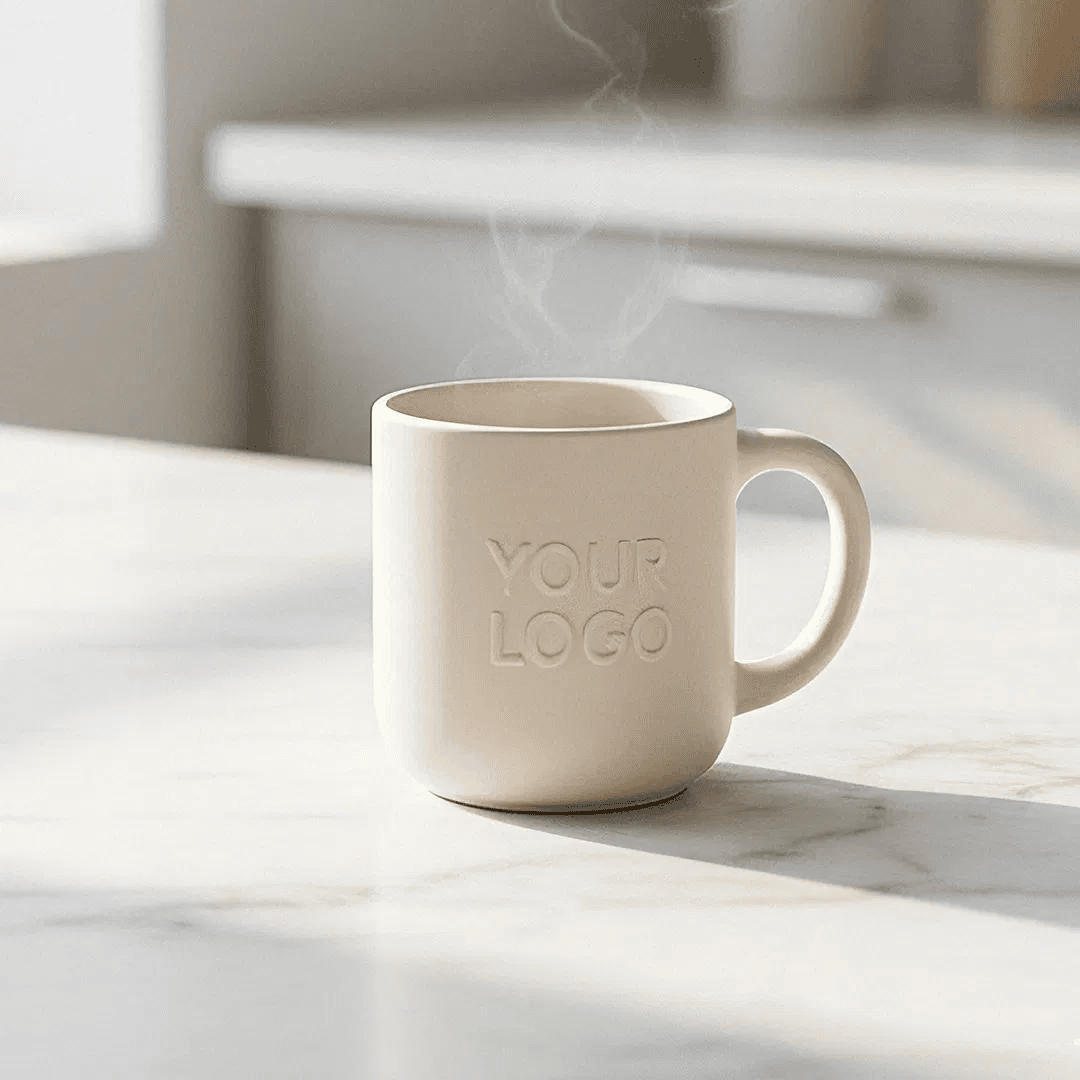
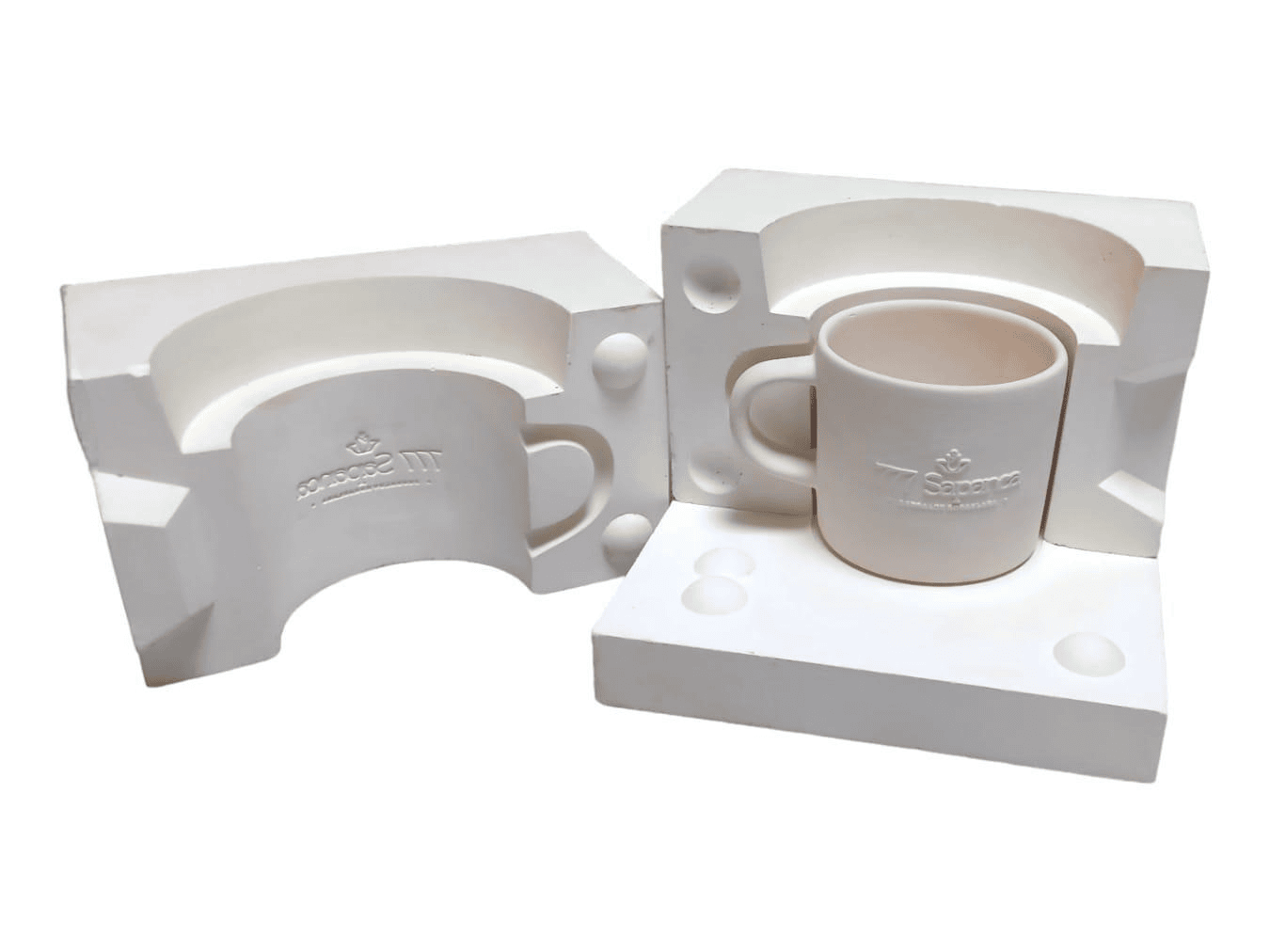
An Embossed Logo is a raised design formed directly on the surface of a ceramic product. Instead of adding the logo as a layer of color, the manufacturer incorporates its shape into the body or mould of the Ceramic Tableware.
The logo can be placed on the center, rim, base, handle, or another suitable area. When light falls across the surface, the raised design creates natural shadows and adds depth. An Embossed Logo can remain in the original color of the porcelain body, or it can be enhanced with colored glaze, hand painting, gilding, or other decorative techniques.
Producing an Embossed Logo usually requires a customized mould, especially when the logo needs to be integrated into a specific plate, bowl, or cup shape. For this reason, the initial development cost is generally higher than that of a Printed Logo.
What Is a Printed Logo on Ceramic Tableware?
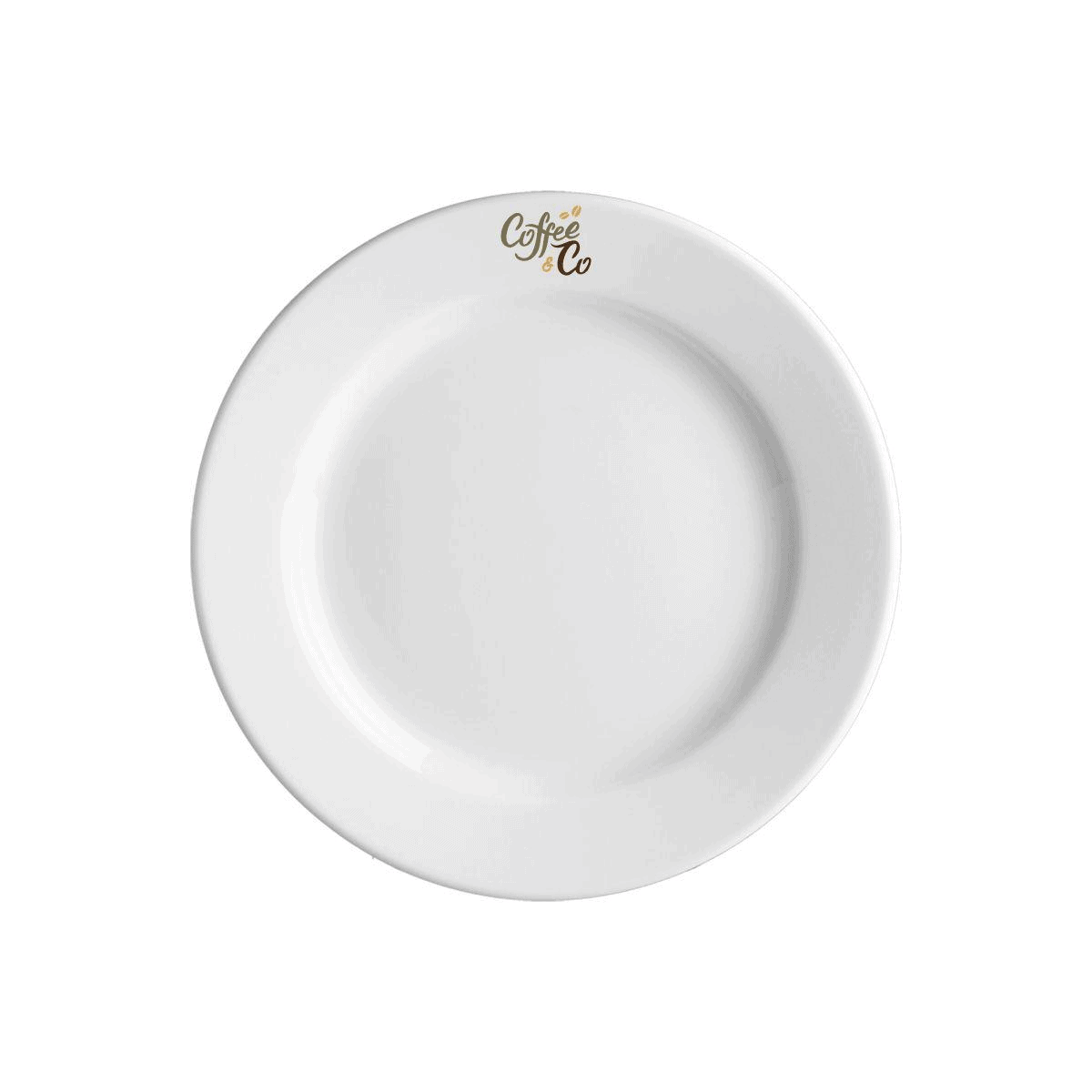
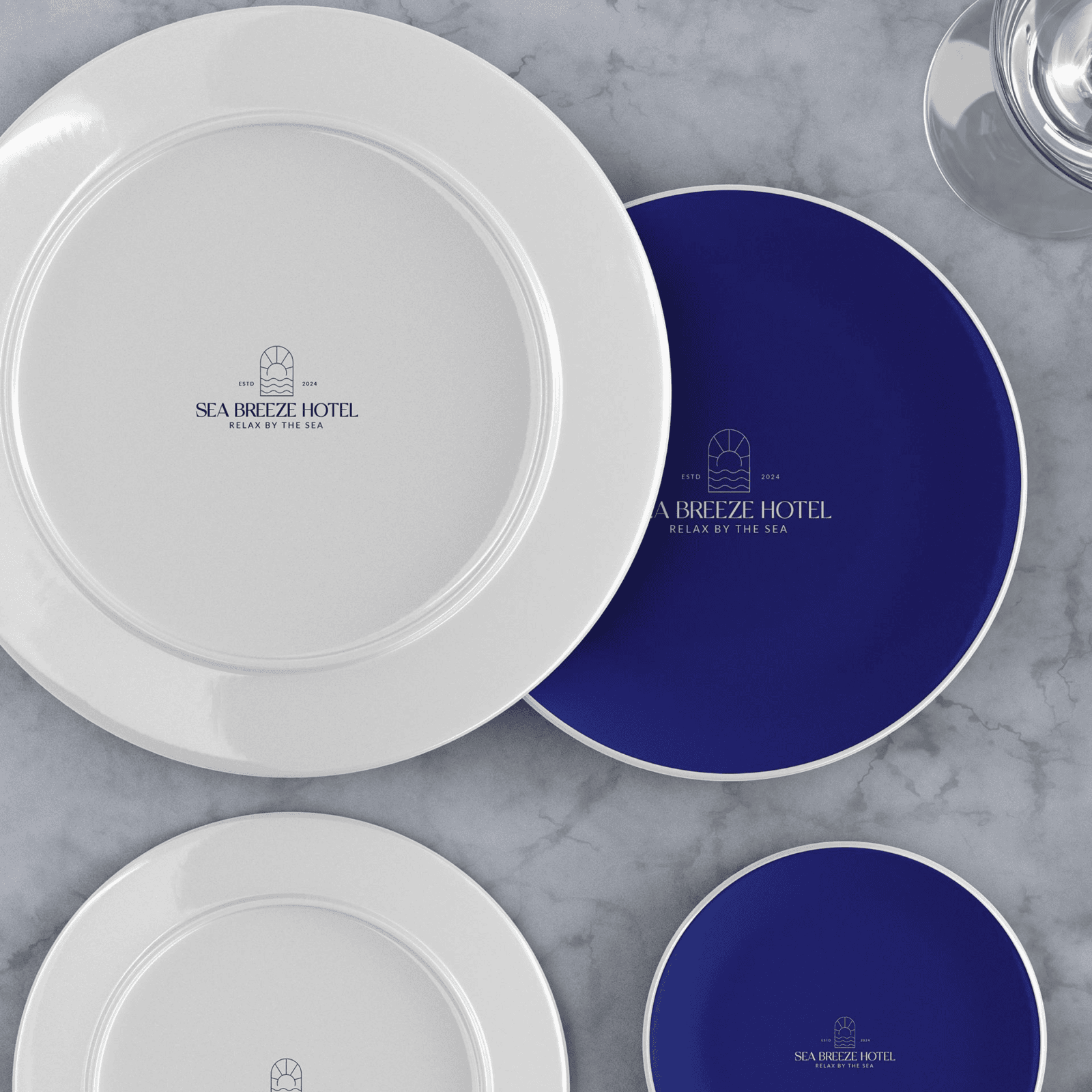
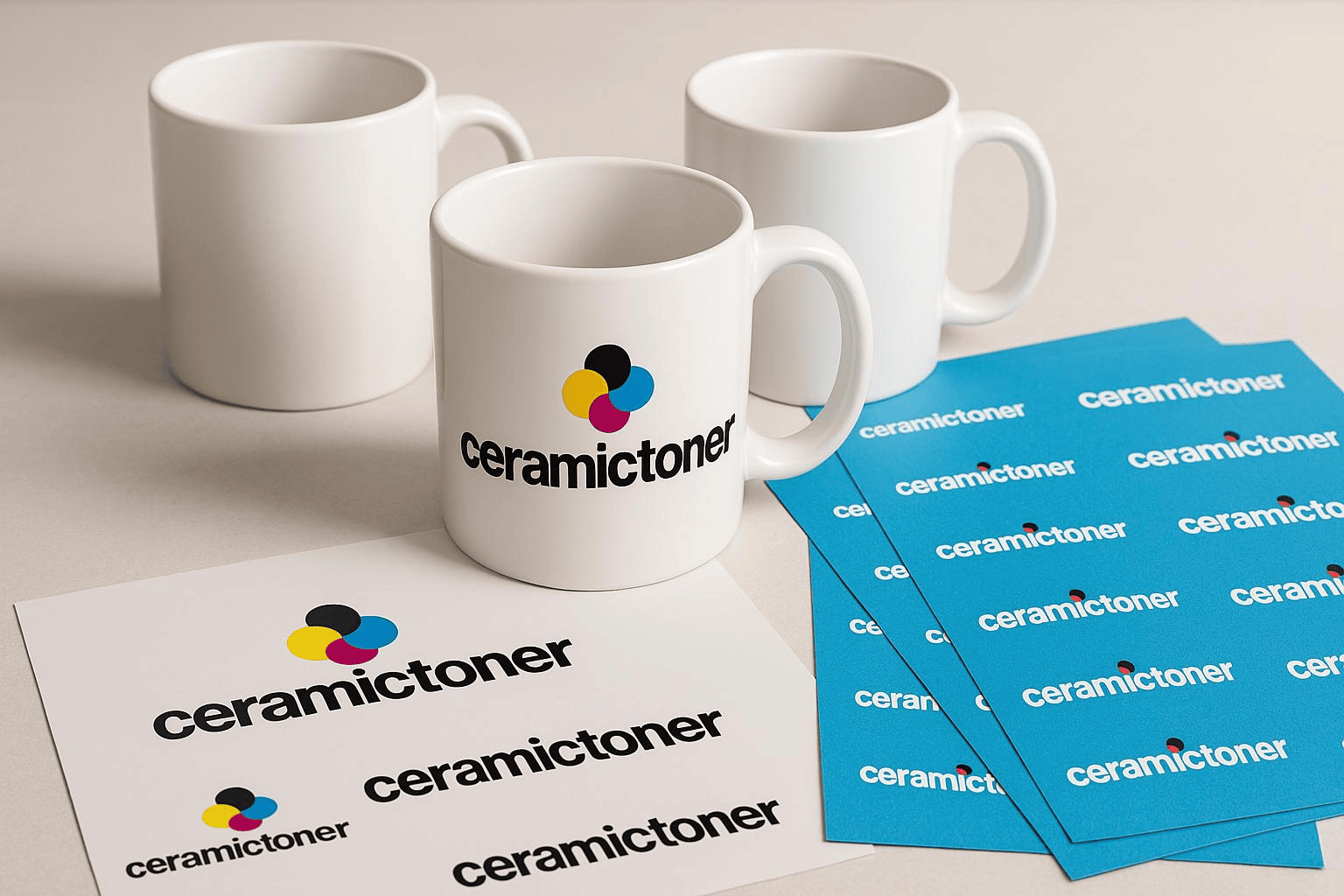
A Printed Logo is applied to the surface of Ceramic Tableware using methods such as ceramic decals, screen printing, pad printing, or underglaze printing. The appropriate technique depends on the logo design, number of colors, production quantity, firing requirements, and intended use of the product.
A Printed Logo can reproduce text, detailed graphics, brand colors, and complex patterns more easily than an Embossed Logo. It is particularly suitable for hotels, restaurants, promotional products, retail collections, and corporate gifts that require a clear and highly visible brand identity.
Printed decoration can be applied under the glaze, in the glaze, or over the glaze. These processes offer different visual and performance characteristics:
- Underglaze printing places the decoration beneath the protective glaze and generally provides excellent durability.
- In-glaze decoration is fired at a temperature that allows the pigment to become integrated with the glaze.
- Overglaze printing provides a wider range of colors but may require more careful handling, depending on the materials and firing process.
For food-service Ceramic Tableware, the logo location, pigment composition, firing method, dishwasher resistance, and food-contact requirements should all be confirmed before mass production.
Appearance and Brand Presentation
The most noticeable difference between an Embossed Logo and a Printed Logo is their visual effect.
An Embossed Logo has a subtle, three-dimensional appearance. It communicates craftsmanship and often feels more permanent because it is physically formed as part of the product. This method works especially well for premium hotels, fine-dining restaurants, luxury retail collections, boutique cafés, and distinctive hospitality projects.
A Printed Logo offers stronger color contrast and greater visibility. It can include several colors, fine lettering, complex illustrations, or detailed corporate symbols. If a company needs its exact brand colors to appear prominently on Ceramic Tableware, a Printed Logo is usually the more practical option.
Some projects combine both methods. For example, a cup may feature an understated Embossed Logo on the body and a small Printed Logo on the base. This creates a premium tactile detail while preserving clear brand identification.
Cost and Minimum Order Quantity
Cost is another important difference.
Because an Embossed Logo often requires new mould development or modification of an existing mould, buyers normally need to pay a mould or development fee. The process may include technical drawings, logo adjustment, prototype production, sample confirmation, mould testing, and corrections before bulk manufacturing begins.
Consequently, an Embossed Logo is usually more suitable for:
- Long-term product collections
- Exclusive shapes
- Stable repeat orders
- Medium- or large-volume projects
- Brands that want a proprietary product identity
A Printed Logo normally has a lower initial development cost. Buyers may need to pay for decal films, screens, printing plates, or samples, but a completely new ceramic mould is not always necessary. Existing shapes can often be customized with a new Printed Logo, making the process faster and more suitable for smaller initial orders.
However, the final cost depends on logo size, color count, application position, decoration method, firing temperature, order quantity, and quality requirements. Buyers should provide the original logo artwork—preferably in AI, EPS, SVG, or another vector format—to obtain an accurate quotation.
Durability and Everyday Use
Both logo methods can be durable when they are designed and manufactured correctly.
An Embossed Logo does not rely on a printed color layer, so the raised shape itself cannot simply wash away. Nevertheless, very sharp or excessively raised details may collect dirt, feel uncomfortable, or become vulnerable to chipping. The logo must therefore be designed with appropriate depth, rounded transitions, and a position that does not interfere with dining or cleaning.
The durability of a Printed Logo depends strongly on the decoration technique. Underglaze and properly fired in-glaze logos generally offer better resistance to washing and daily use. Some overglaze colors, metallic finishes, and gold decorations may be less suitable for intensive commercial dishwashing.
Microwave suitability must also be evaluated separately. Ceramic Tableware containing metallic gold, silver, platinum, or certain metallic pigments should not be assumed to be microwave safe. Buyers should request clear technical confirmation and relevant testing rather than relying only on the appearance of the product.
Production Lead Time
A Printed Logo is often faster to develop when an existing Ceramic Tableware shape is selected. After confirming the artwork, logo position, size, color, and sample, the manufacturer can prepare the printing materials and arrange production.
An Embossed Logo usually requires a longer development period because the design must be translated into a three-dimensional structure. The manufacturer needs to consider:
- Mould release
- Logo depth and edge shape
- Clay shrinkage during firing
- Glaze accumulation around the logo
- Product stacking
- Cleaning and food-service practicality
- Consistency during mass production
For time-sensitive hotel openings or restaurant launches, a Printed Logo on an existing shape may be more efficient. For a permanent signature collection, an Embossed Logo may justify the additional development time.
The Role of Jingdezhen Ceramic Manufacturing
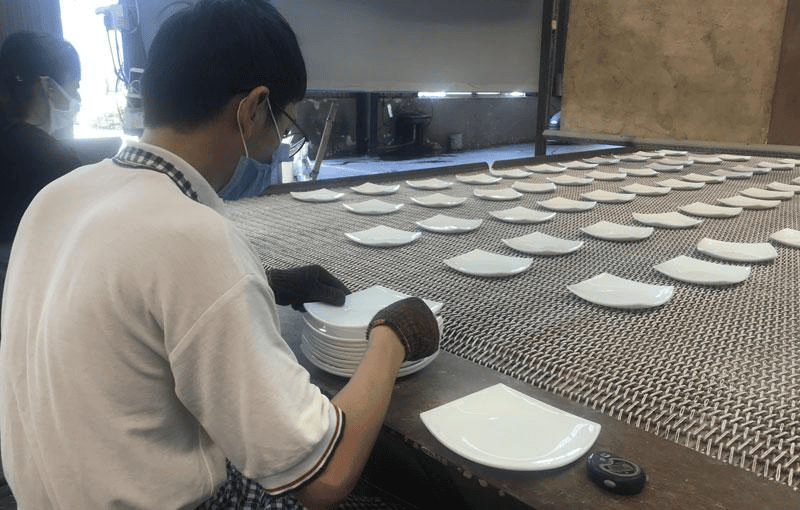
Jingdezhen ceramics are known for a long tradition of porcelain production, skilled craftsmanship, and diverse decorative techniques. An experienced Jingdezhen ceramic manufacturer can combine contemporary branding requirements with mould making, ceramic printing, glazing, hand decoration, and high-temperature firing.
This manufacturing environment supports more than everyday Ceramic Tableware. The same technical knowledge can also be applied to art porcelain, sculptural objects, decorative ceramics, architectural features, and large ceramic installations.
For international buyers, cooperation with a Jingdezhen ceramic manufacturer provides access to a broad production network. Projects can range from practical hotel tableware with a Printed Logo to premium art porcelain featuring an Embossed Logo, relief decoration, hand painting, or customized glaze effects.
How to Choose Between an Embossed Logo and a Printed Logo
The best choice depends on the purpose of the project.
Choose an Embossed Logo when:
- You want a refined and three-dimensional appearance.
- The collection will be used over a long period.
- You are developing an exclusive product shape.
- Your brand identity favors subtle, premium details.
- You can accept mould costs and a longer sampling process.
Choose a Printed Logo when:
- You need exact brand colors.
- The logo contains detailed graphics or small text.
- You want to use an existing Ceramic Tableware shape.
- You need a faster development schedule.
- You are testing the market with a smaller initial order.
- Clear and prominent brand visibility is important.
Before making the final decision, buyers should also confirm the intended application, order quantity, budget, delivery schedule, dishwasher requirements, microwave requirements, food-contact standards, packaging method, and target market.
Information to Send to the Manufacturer
To receive a reliable recommendation and quotation, provide:
- Vector logo file
- Preferred product shapes and sizes
- Logo dimensions and position
- Pantone, CMYK, or other color references
- Estimated order quantity
- Intended use, such as hotel, restaurant, café, retail, or gift
- Required food-contact testing
- Dishwasher and microwave requirements
- Packaging and shipping destination
A professional manufacturer can then recommend whether an Embossed Logo, Printed Logo, or combination of both is most suitable.
Conclusion: Building a Stronger Ceramic Tableware Identity
An Embossed Logo offers depth, texture, and a premium sense of permanence, while a Printed Logo provides flexibility, color accuracy, and efficient customization. Neither method is automatically better for every project. The correct choice depends on branding goals, product positioning, budget, quantity, usage conditions, and development schedule.
Based in Jingdezhen, China, Magic Cube works with international brands, hotels, restaurants, importers, distributors, designers, and project buyers to develop customized Ceramic Tableware, Jingdezhen ceramics, art porcelain, and ceramic installations. From logo evaluation and sampling to production, quality control, and export packaging, Magic Cube helps buyers select an appropriate Embossed Logo or Printed Logo solution and turn their brand identity into a practical ceramic product.