Is Dishwasher Porcelain and Microwave Porcelain Safe?
News 2026-09-08 60
Porcelain is widely used for plates, bowls, mugs, serving dishes, tea sets, and hotel dinnerware because it combines an elegant appearance with practical performance. However, buyers often ask two important questions before purchasing: Is porcelain dishwasher safe? Is porcelain microwave safe?
The short answer is that many modern porcelain products can be used in dishwashers and microwaves, but not every porcelain item is suitable for these appliances. Safety depends on the porcelain body, glaze, decoration, production quality, condition, and intended use of the product. Metallic decoration, existing cracks, handmade finishes, and antique surfaces may all affect how an item should be cleaned or heated.
For household buyers, hotels, restaurants, importers, and distributors, understanding the difference between microwave Porcelain and Dishwasher Porcelain can help prevent damage and support better purchasing decisions.
What Makes Porcelain Suitable for Daily Use?
Porcelain is generally made from carefully prepared ceramic raw materials and fired at a high temperature. A well-fired porcelain body is dense, strong, and has relatively low water absorption. It is then usually covered with a glaze that creates a smooth, easy-to-clean surface.
These characteristics make porcelain suitable for frequent use in homes, restaurants, cafés, and hotels. However, the word “porcelain” alone does not guarantee that every item is safe for every appliance. Product structure and decoration must also be considered.
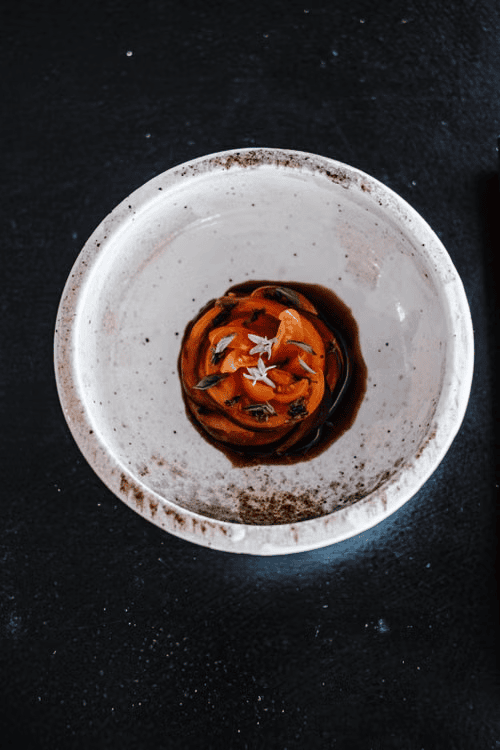
Plain white hotel porcelain, underglaze-decorated tableware, hand-painted art porcelain, gilded tea sets, and antique-style ceramics may all be made from porcelain, but they can have very different care requirements.
A reliable manufacturer should therefore evaluate the complete product—not only the ceramic body—before describing it as microwave Porcelain or Dishwasher Porcelain.
Is Porcelain Dishwasher Safe?
Most modern glazed porcelain tableware can be cleaned in a dishwasher when it has been designed and tested for regular food-service or household use. A dense porcelain body and stable glaze can usually withstand hot water, detergent, and repeated washing cycles.
However, a piece should only be described as Dishwasher Porcelain after the manufacturer has considered its glaze, decoration, edge treatment, firing quality, and expected frequency of use.
Commercial dishwashers can be more demanding than household machines. Hotels and restaurants may wash tableware many times every day using higher temperatures, stronger detergents, and faster cycles. For hospitality buyers, occasional dishwasher resistance is not the same as long-term commercial dishwasher durability.
Porcelain That May Require Hand Washing
Some porcelain products should be washed carefully by hand, including:
- Porcelain decorated with gold, platinum, or other metallic finishes
- Pieces with delicate overglaze painting
- Hand-painted decorative porcelain
- Antique or antique-style porcelain with sensitive surfaces
- Items with repaired areas, hairline cracks, or damaged glaze
- Sculptural or irregularly shaped art porcelain
- Products specifically labeled “hand wash only”
Repeated exposure to strong dishwasher detergent may gradually dull gilding, weaken certain overglaze decorations, or change the appearance of special finishes. Even when the porcelain body remains strong, its decorative surface may not be suitable for repeated machine washing.
When purchasing Dishwasher Porcelain, buyers should ask whether the decoration is underglaze, in-glaze, overglaze, hand-painted, metallic, or digitally printed. Different decorative methods can have different levels of resistance.
How to Place Porcelain in a Dishwasher Safely
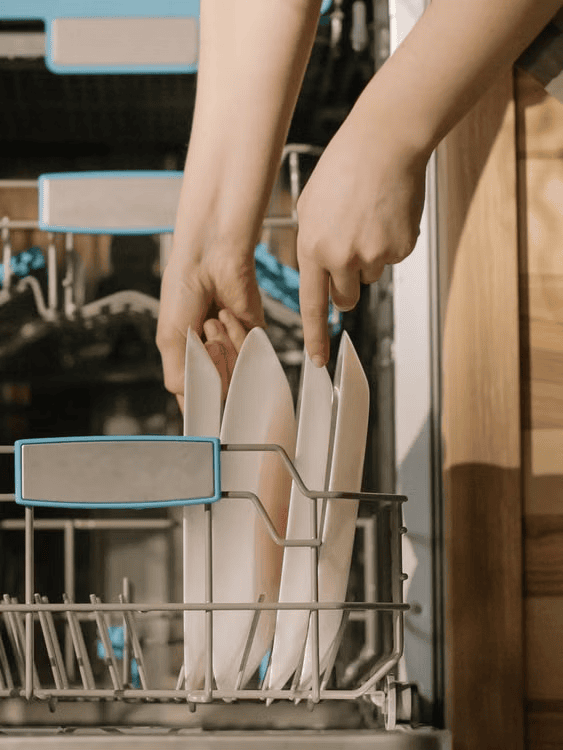
Correct loading helps reduce chipping and breakage. Plates, cups, and bowls should not strike one another during the washing cycle. Fine rims and projecting handles are particularly vulnerable.
For safer dishwasher use:
- Leave enough space between individual pieces.
- Do not force large plates into racks that are too small.
- Position cups securely so they cannot move during washing.
- Keep delicate porcelain away from heavy metal cookware.
- Use an appropriate dishwasher program and detergent.
- Remove and inspect chipped or cracked pieces.
- Follow the product supplier’s care instructions.
Hotels and restaurants should also consider rim strength, stacking performance, replacement availability, and resistance to repeated washing when selecting Dishwasher Porcelain for daily service.
Is Porcelain Microwave Safe?
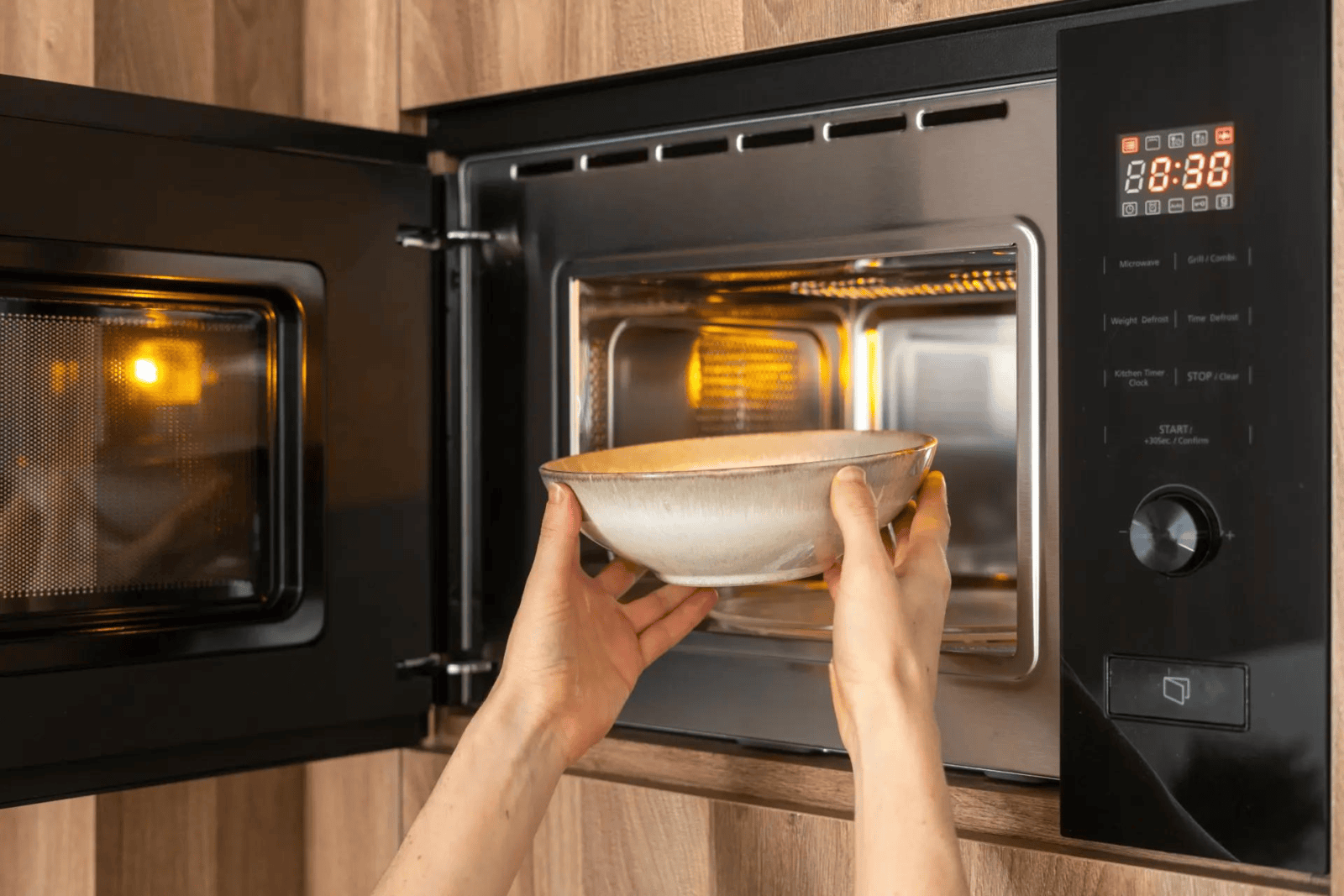
Many modern porcelain bowls, plates, mugs, and serving dishes are suitable for reheating food in a microwave. Because porcelain itself does not normally contain free-moving metal, a properly manufactured and suitable product can often be used safely for this purpose.
However, microwave Porcelain must not contain metallic decoration or components. Gold rims, platinum lines, metallic decals, and certain decorative finishes may create sparks or become damaged inside a microwave.
Porcelain That Should Not Be Used in a Microwave
Avoid placing the following items in a microwave unless the manufacturer specifically confirms that they are suitable:
- Gold-rimmed or platinum-rimmed porcelain
- Porcelain with metallic decals or painted metallic details
- Antique porcelain
- Repaired, chipped, or cracked pieces
- Art porcelain intended only for display
- Porcelain combined with metal, wood, resin, or other materials
- Completely sealed ceramic containers
- Products labeled “not microwave safe”
Antique ceramics require particular caution. Their bodies, glazes, decorations, and previous repairs may not be suitable for modern heating appliances. Valuable antique porcelain should not be tested in a microwave or dishwasher.
Ceramic installations and large decorative ceramic objects are also not designed as tableware. Their materials and structures serve an artistic or architectural purpose, so the terms microwave Porcelain and Dishwasher Porcelain generally do not apply to them.
Why Cracks and Moisture Matter
A visible crack, chip, repaired area, or damaged glaze can make porcelain less suitable for heating and washing. Moisture or food residue may enter damaged areas, while uneven heating can place additional stress on the product.
Sudden temperature changes can also be risky. For example, a very cold porcelain dish should not be immediately exposed to intense heat unless it has been designed for that use. Likewise, hot porcelain should not be placed directly onto a cold or wet surface.
Microwave-safe does not automatically mean oven-safe, freezer-safe, or resistant to direct flame. These are separate performance requirements. Buyers should never assume that a product suitable for a microwave can also be used on a stovetop or inside a conventional oven.
Dishwasher Safe Does Not Automatically Mean Microwave Safe
Dishwasher safety and microwave safety describe two different types of performance.
A dishwasher exposes porcelain to:
- Hot water
- Detergent
- Water pressure
- Repeated movement
- Heating and drying cycles
A microwave exposes porcelain to:
- Electromagnetic energy
- Heated food and liquid
- Localized temperature changes
- Potential interaction with metallic decoration
A product may therefore be suitable for one appliance but unsuitable for the other. A gold-rimmed plate, for example, might tolerate careful washing under certain conditions but should not be placed in a microwave. Conversely, a plain microwave-safe item may still have a delicate finish that is unsuitable for strong commercial dishwasher detergent.
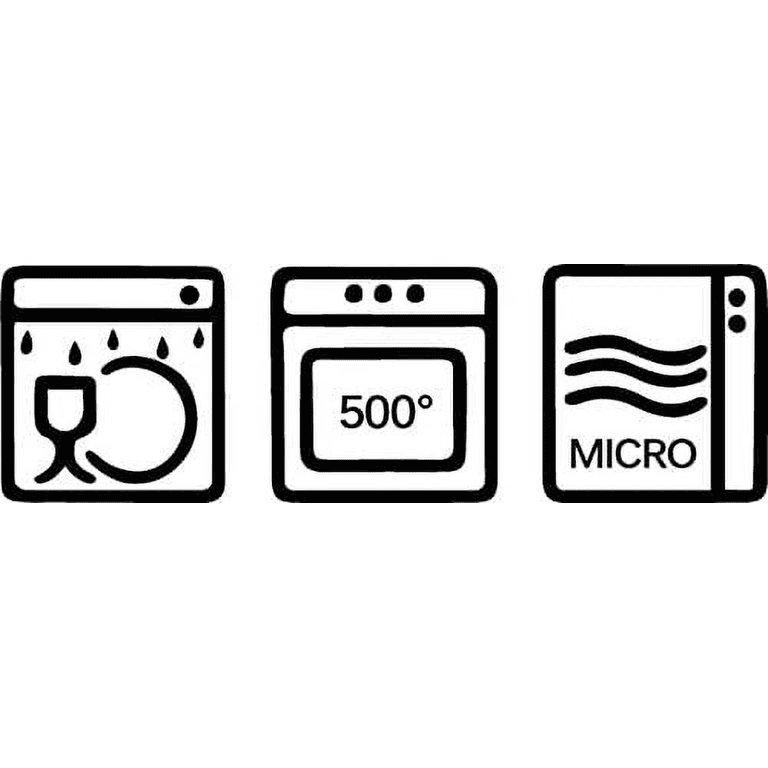
The safest approach is to check the care symbol, packaging, product specification, or written confirmation from the supplier.
What Commercial Buyers Should Ask a Manufacturer
Importers, hotel suppliers, restaurant buyers, and distributors should obtain clear product information before placing a bulk order. Important questions include:
- Is the product suitable for household or commercial dishwashers?
- Has the glaze and decoration been evaluated for repeated washing?
- Is the product microwave safe?
- Does it contain gold, platinum, or any metallic decoration?
- Is it suitable for food contact in the target market?
- What is the recommended washing temperature?
- Can it withstand frequent hotel or restaurant use?
- Are there special instructions for stacking and storage?
- Are samples available for buyer testing?
- Can relevant testing reports be provided when required?
For customized products, buyers should confirm appliance suitability again after changing the glaze, decal, color, logo, or decorative process. A plain white sample and a metallic-decorated final product may have different care requirements.
Jingdezhen Ceramics and Functional Porcelain Manufacturing
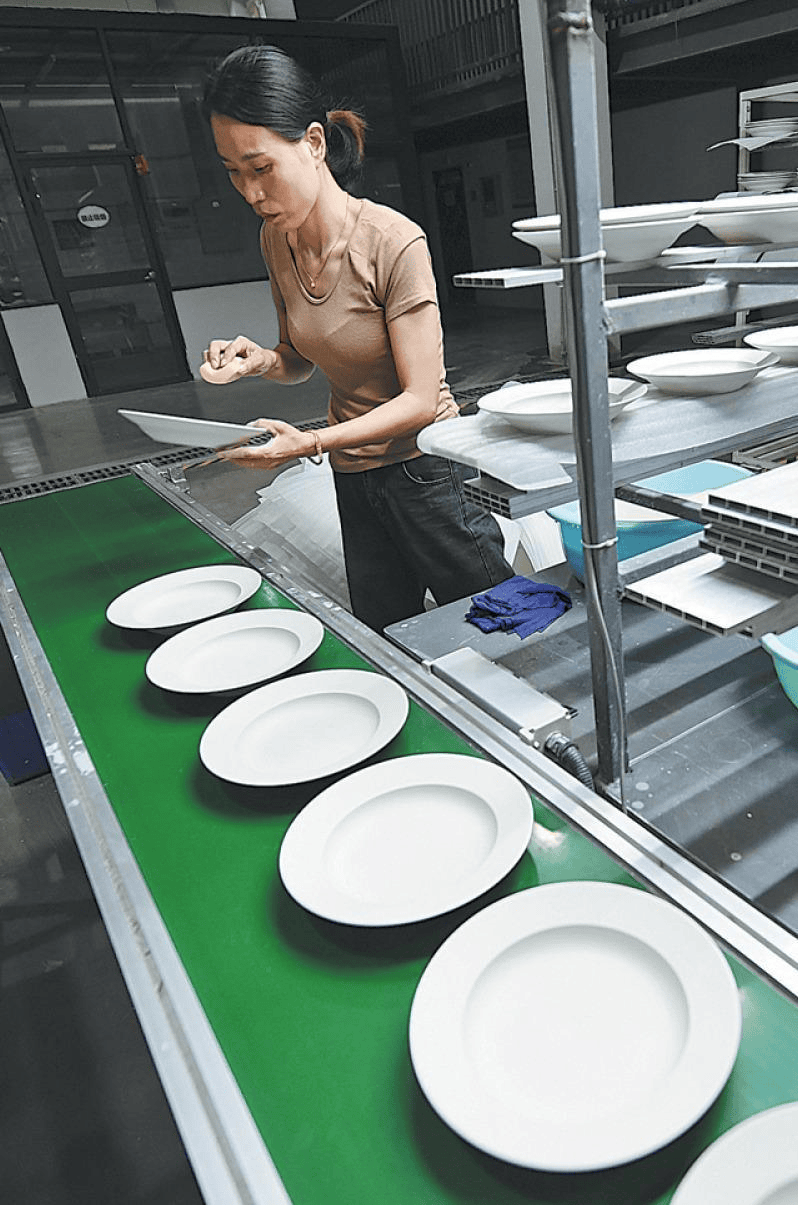
Jingdezhen ceramics are known for their long history, refined porcelain production, glaze development, and diverse decorative techniques. Today, the local ceramic industry produces both artistic works and functional tableware for domestic and international markets.
A professional Jingdezhen ceramic manufacturer must balance visual design with practical performance. For hotel and restaurant projects, this may include considering body strength, glaze quality, rim durability, stackability, cleaning requirements, and compatibility with appliances.
Jingdezhen ceramics can range from simple white commercial tableware to detailed art porcelain and large ceramic installations. Because these products serve different purposes, they should not share the same care instructions. Functional microwave Porcelain and Dishwasher Porcelain should be clearly distinguished from decorative pieces made primarily for display.
How to Care for Porcelain Properly
Even when porcelain is marked as dishwasher and microwave safe, careful handling can extend its service life.
Avoid impacts between pieces, inspect tableware regularly, and remove damaged items from service. Do not place an empty porcelain container in a microwave for an extended period. When heating food, make sure the contents are distributed evenly and use an appropriate heating time.
After microwave heating, the porcelain may become hot because heat transfers from the food to the container. Use suitable protection when removing it.
For valuable, handmade, gilded, antique, or heavily decorated pieces, hand washing with a soft cloth and mild detergent is usually the safer choice.
Conclusion: Choosing the Right Porcelain for Its Intended Use
So, is porcelain dishwasher and microwave safe? Many modern porcelain products are suitable for both appliances, but suitability cannot be determined by the word “porcelain” alone. The body, glaze, decoration, structure, condition, and manufacturer’s instructions must all be considered.
Plain, well-fired functional tableware is generally the strongest candidate for microwave Porcelain and Dishwasher Porcelain. Products with metallic decoration, sensitive hand-painted finishes, cracks, repairs, or purely artistic purposes require greater care and may need to be kept out of both appliances.
Based in Jingdezhen, China, Magic Cube works with international buyers, hotels, restaurants, designers, and project purchasers on Jingdezhen ceramics, customized tableware, art porcelain, and ceramic installations. For functional porcelain projects, we help clients evaluate product design, decoration, intended use, packaging, and applicable testing requirements so that each ceramic product is developed for the environment in which it will actually be used.