Differences Between Low, Medium and High Temperature Ceramics
News 2026-07-15 17
Differences Between Low, Medium and High Temperature Ceramics
Introduction: Firing Temperature Determines Ceramic Quality
The hardness, density, texture, durability and safety of ceramic bodies are fundamentally determined by firing temperature. According to kiln temperature standards, ceramics are classified into three categories: low-temperature, medium-temperature, and high-temperature ceramics. Although they look similar in appearance, they differ greatly in vitrification degree, physical performance, service life, usage scenarios and collection value. Learning to distinguish them is the most essential skill for purchasing daily-use, decorative and collectible ceramics.
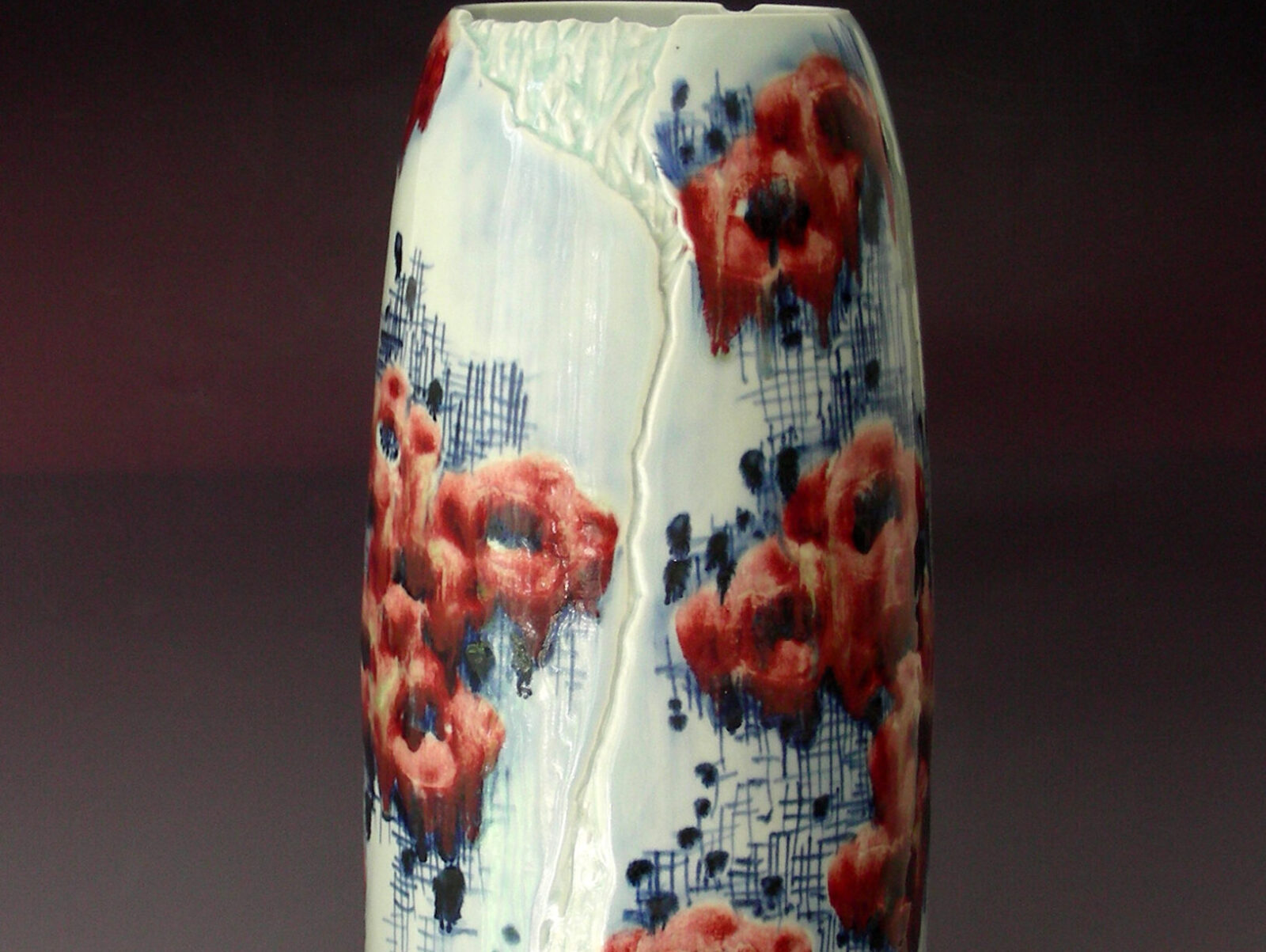
Temperature Range of the Three Ceramic Types
Temperature is the core criterion for classification. Higher firing temperatures remove impurities more thoroughly and fuse clay particles more completely, resulting in denser, harder and more stable ceramic bodies. Each type has a clear industrial temperature range.
Low-temperature ceramics are fired at 800℃–1100℃; medium-temperature ceramics at 1100℃–1280℃; high-temperature ceramics are fired above 1280℃, while top-grade Jingdezhen high-temperature porcelain reaches 1300℃–1350℃.
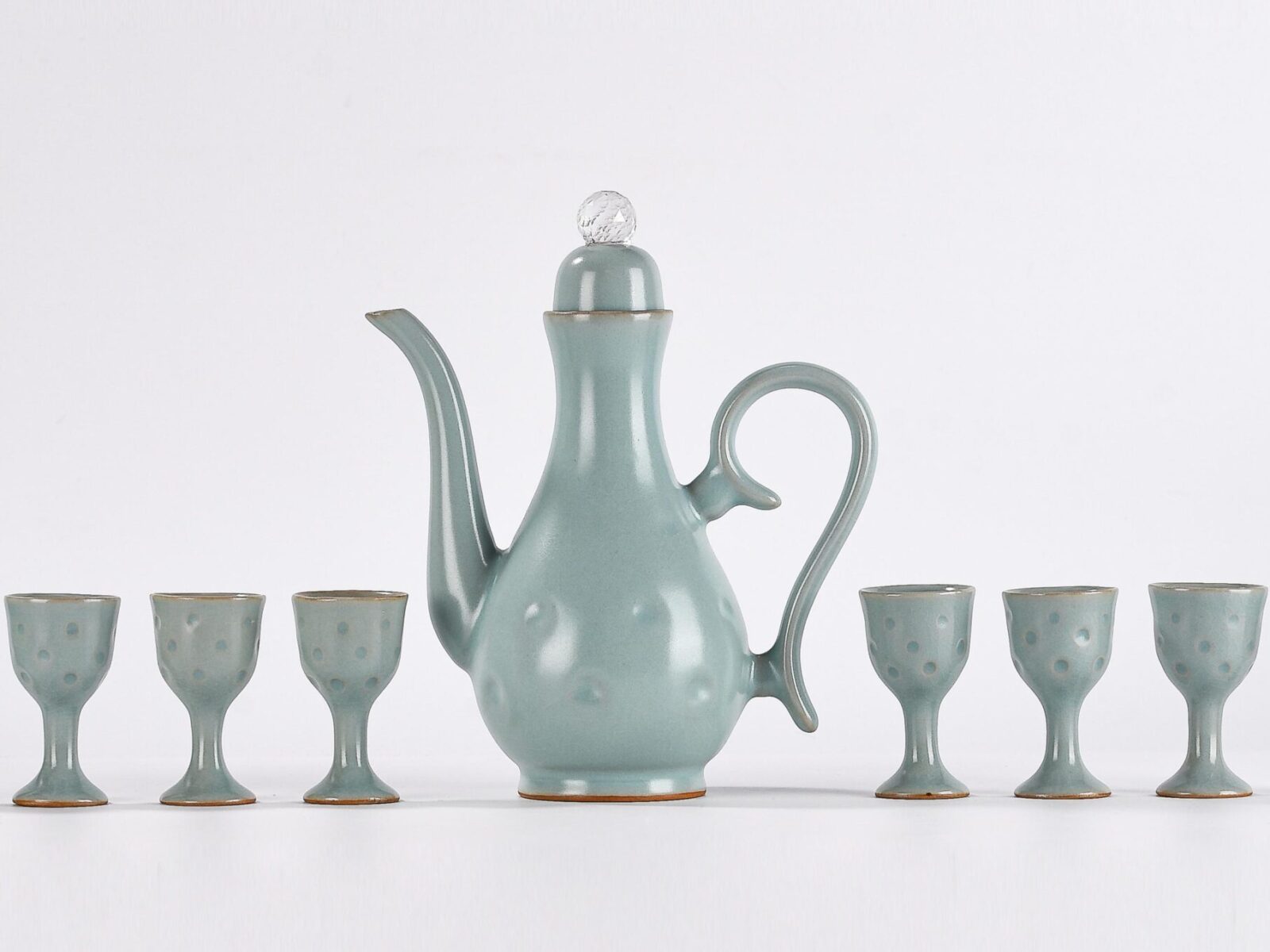
Vitrification and Water Absorption Comparison
Water absorption is the most intuitive and scientific indicator for judging ceramic quality, directly reflecting the density and stability of the body.
Low-Temperature Ceramics: Porous and High Water Absorption
Low-temperature ceramics are under-fired with incomplete vitrification and porous structures. Their water absorption rate ranges from 5%–10%. They easily absorb water, stains and odors, and are prone to mold, dirt accumulation and glaze cracking after long-term use, making them unstable for daily use.
Medium-Temperature Ceramics: Balanced Density and Performance
Medium-temperature ceramics achieve moderate vitrification with fewer pores than low-temperature wares. Their water absorption is at a medium level with average waterproof, stain-resistant and durable performance. With balanced comprehensive properties, they are the most common ceramics on the market.
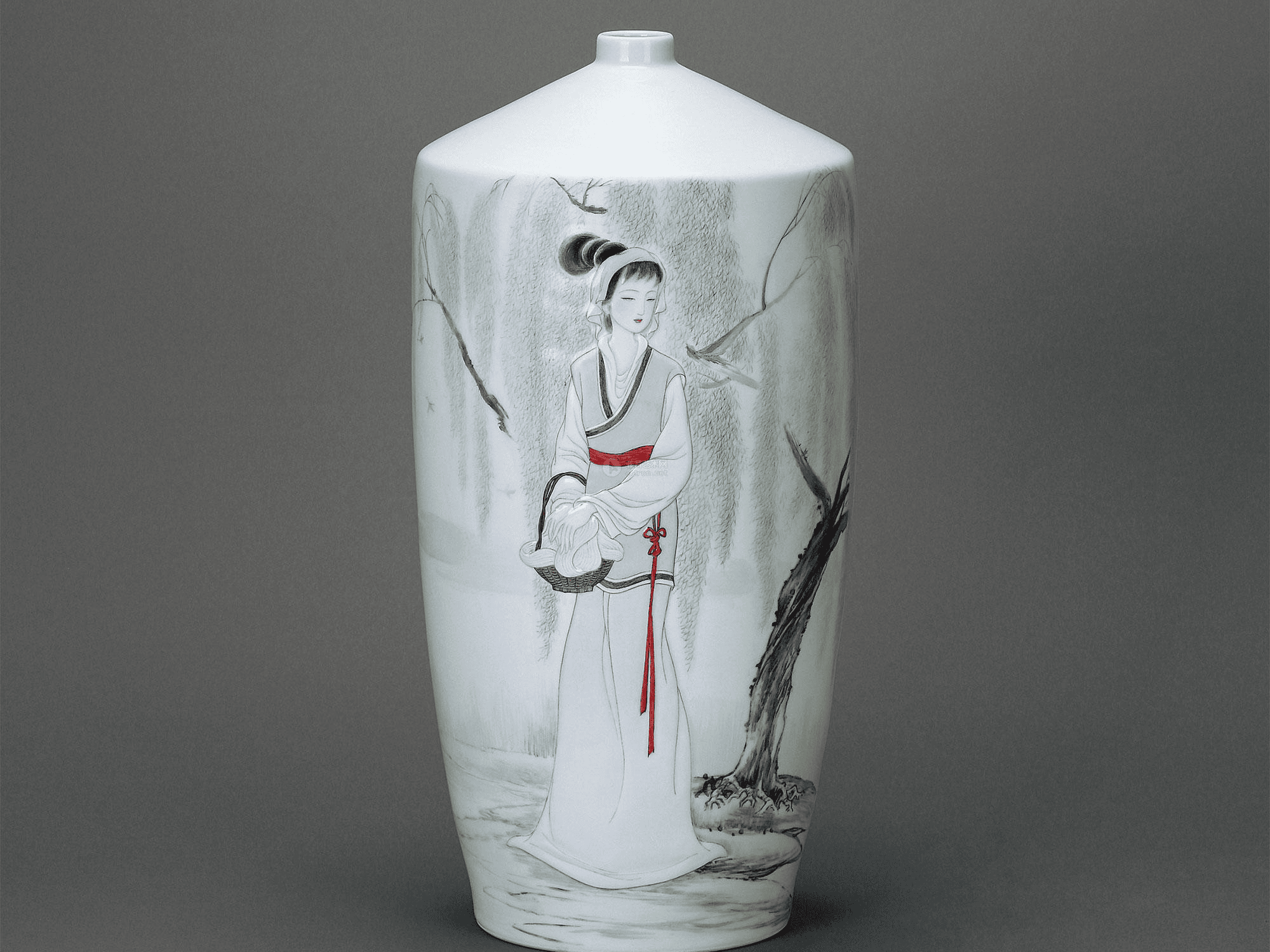
High-Temperature Ceramics: Fully Vitrified with Ultra-Low Water Absorption
Fired above 1280℃, high-temperature ceramics achieve complete vitrification and crystallization with dense, pore-free bodies. Their water absorption rate is below 0.2%. They are waterproof, stain-resistant, odor-free, easy to clean and mold-proof, representing the most stable and hygienic ceramic material.
Appearance and Textural Differences
Soft Texture with Bright Colors (Low-Temperature)
Low-temperature ceramics have coarse and soft bodies with off-white, bluish-white or grayish tones and dull glaze luster. Low firing temperature supports bright and rich glaze colors with strong artistic expression. However, they are fragile, easily damaged by impact, and prone to deformation and warping during firing.
Balanced Texture and High Cost Performance (Medium-Temperature)
Medium-temperature ceramics feature moderately delicate bodies, smooth and even glazes, balanced transparency and stable color presentation. With high yield rate and few defects, they balance beauty and practicality, serving as the mainstream choice for mass consumption.
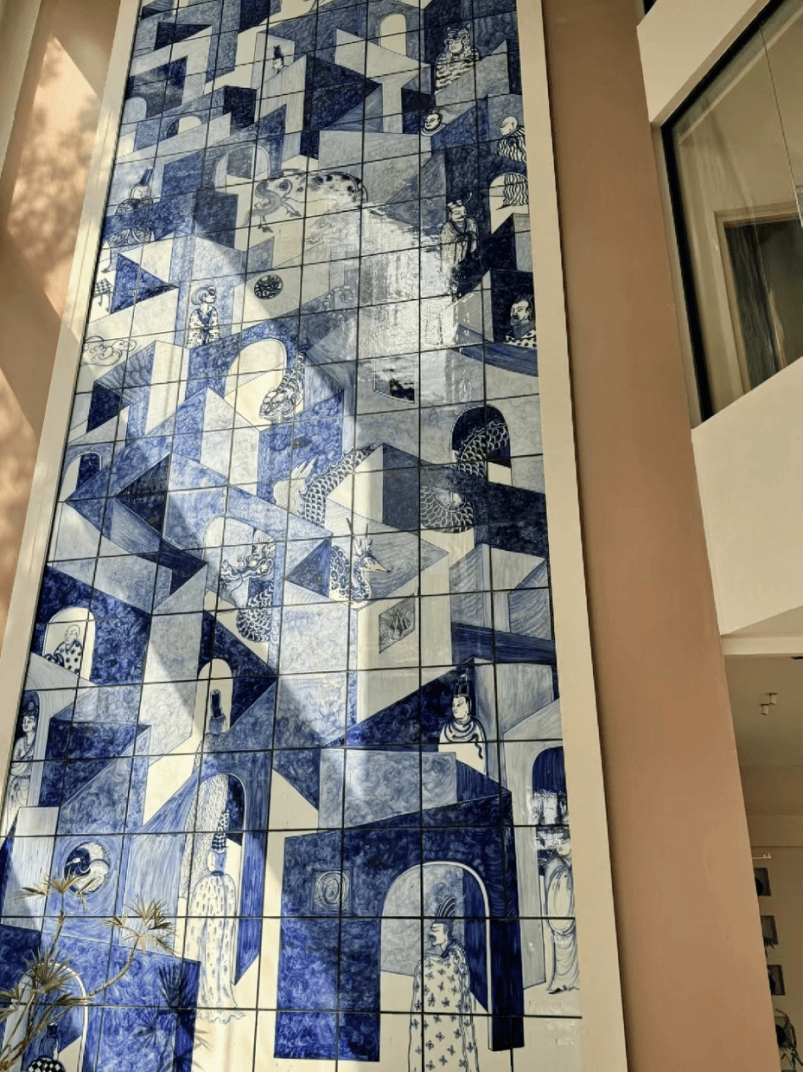
Delicate and Jade-like Texture (High-Temperature)
High-temperature ceramics have extremely delicate, compact and pure white bodies with excellent transparency. The glaze is smooth, glossy and jade-like in texture. Wares feature regular shapes, stable shrinkage and no deformation. Their premium luster and exquisite texture are typical symbols of high-quality porcelain.
Application Scenarios and Value Positioning
Low-Temperature: Purely Decorative
Low-temperature ceramics are not suitable for tableware. They are only used for decorative ornaments, flower pots and art painted crafts. Although they have gorgeous colors, they lack hygiene, durability and stability and must never be used for food or tea utensils.
Medium-Temperature: Daily-Use Mainstream
Medium-temperature ceramics are the most popular daily-use material for tableware, tea sets and home decorations. With balanced performance, high cost performance and diverse styles, they fully meet ordinary family daily needs.
High-Temperature: Premium Use and Collection
High-temperature ceramics are premium-grade materials with high temperature resistance, corrosion resistance and stable structure. High firing temperature removes impurities and harmful heavy metals, ensuring safety and health. Premium tea sets, high-end tableware, official-style antique porcelain and collectible art ceramics are all high-temperature products with high practical and collection value.
Quick Identification Tips for Beginners
Without professional equipment, buyers can distinguish them by weight, touch, sound and water absorption. Low-temperature wares are light and soft with obvious water penetration; medium-temperature wares have moderate weight and ordinary texture; high-temperature wares are heavy and solid, produce clear and long ringing sounds when tapped, and repel water completely.
Conclusion
Firing temperature determines ceramic quality. Low-temperature ceramics excel in rich colors for decoration; medium-temperature ceramics offer balanced performance for daily use; high-temperature ceramics feature superior density, safety and premium texture for high-end use and collection. Understanding these differences helps consumers avoid shopping traps and accurately identify decorative vs practical ceramics, as well as ordinary vs high-quality porcelain.