Delta Force × Jingdezhen Imperial Kiln Museum
News 2026-08-17 128
When Imperial Porcelain Treasures Enter Ahsarah
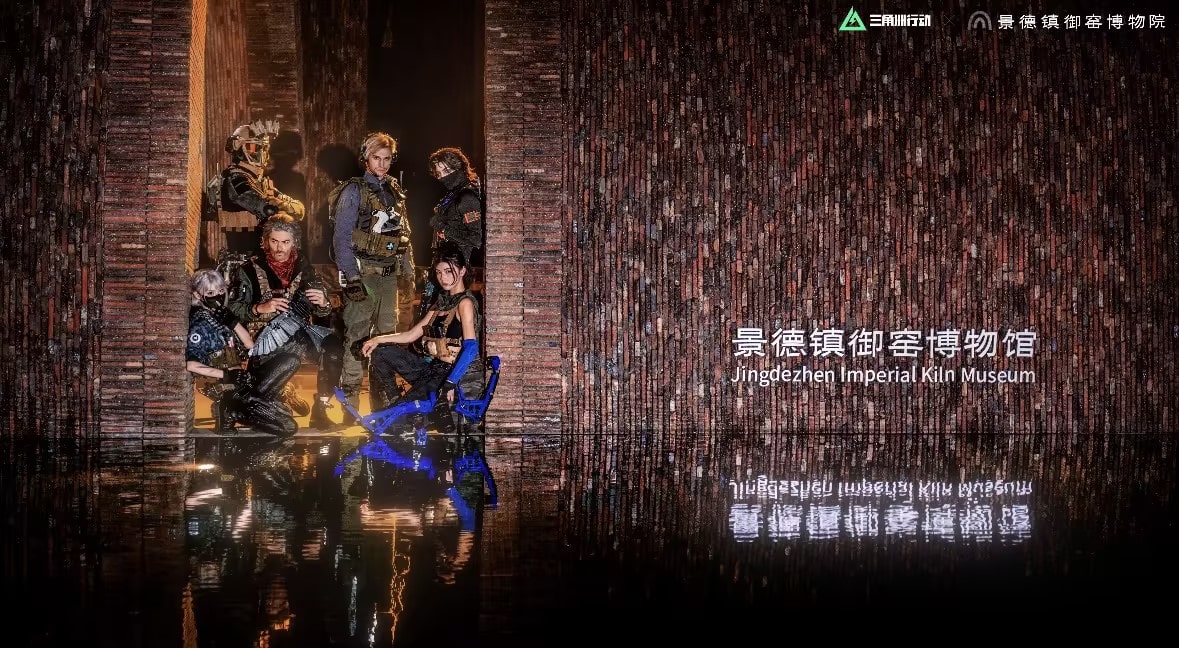
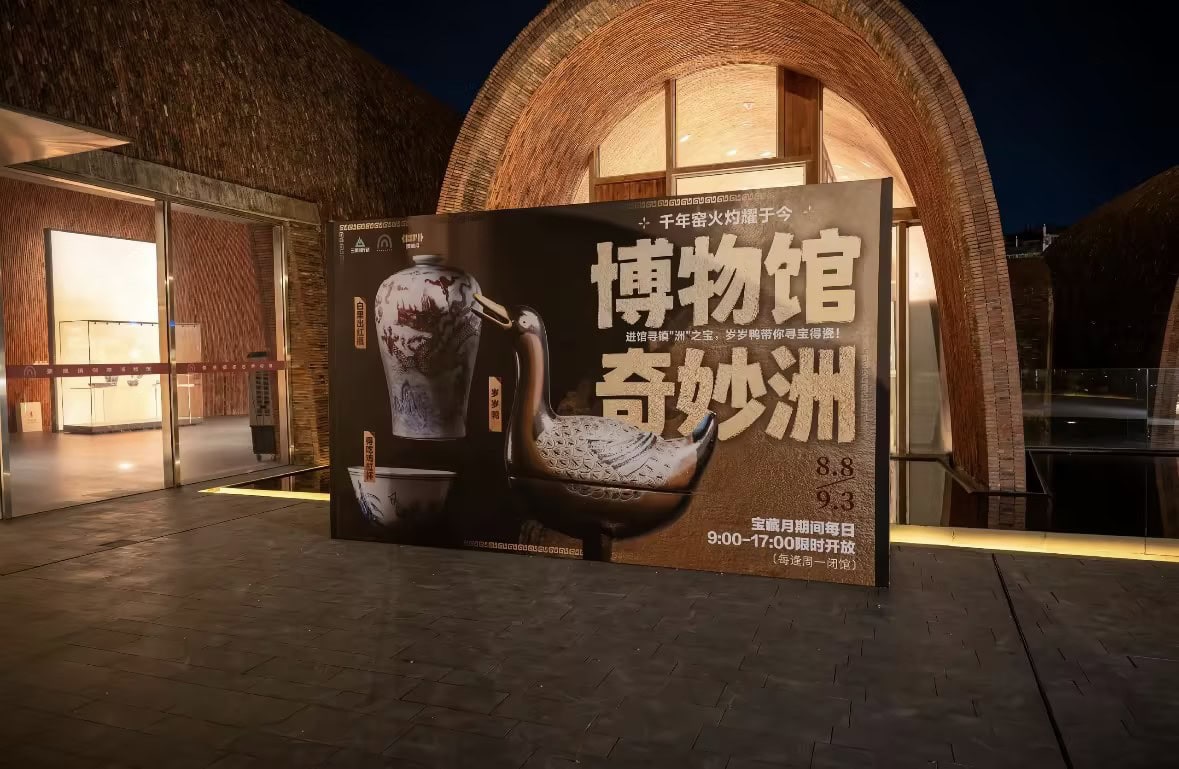
In August 2026, Delta Force launched a crossover with the Jingdezhen Imperial Kiln Museum. The collaboration includes two connected programs: the in-game “Ahsarah Treasure Month” and the on-site “Museum Adventure Zone” experience in Jingdezhen.
By combining imperial porcelain, digital recreation, treasure-hunting gameplay, and museum exploration, the event offers younger audiences a more interactive way to discover Jingdezhen’s ceramic heritage.
The on-site program runs from August 8 through September 3 at the Jingdezhen Imperial Kiln Museum in the Taoyangli Historical and Cultural District. It is open from 9:00 a.m. to 5:00 p.m. daily and closed on Mondays. The in-game Treasure Month also began on August 8, introducing high-resolution digital versions of three museum pieces as limited, high-rarity collectibles. Official Delta Force collaboration announcement
Three Imperial Porcelain Treasures Become Rare In-Game Collectibles
At the center of the collaboration are three porcelain treasures from the Jingdezhen Imperial Kiln Museum.
The development team digitally recreated their forms, glaze colors, decorative patterns, and surface details before incorporating them into the collection and treasure-hunting systems of Delta Force. In the game, these items appear as rare red-tier loot—the highest category of valuable collectibles.
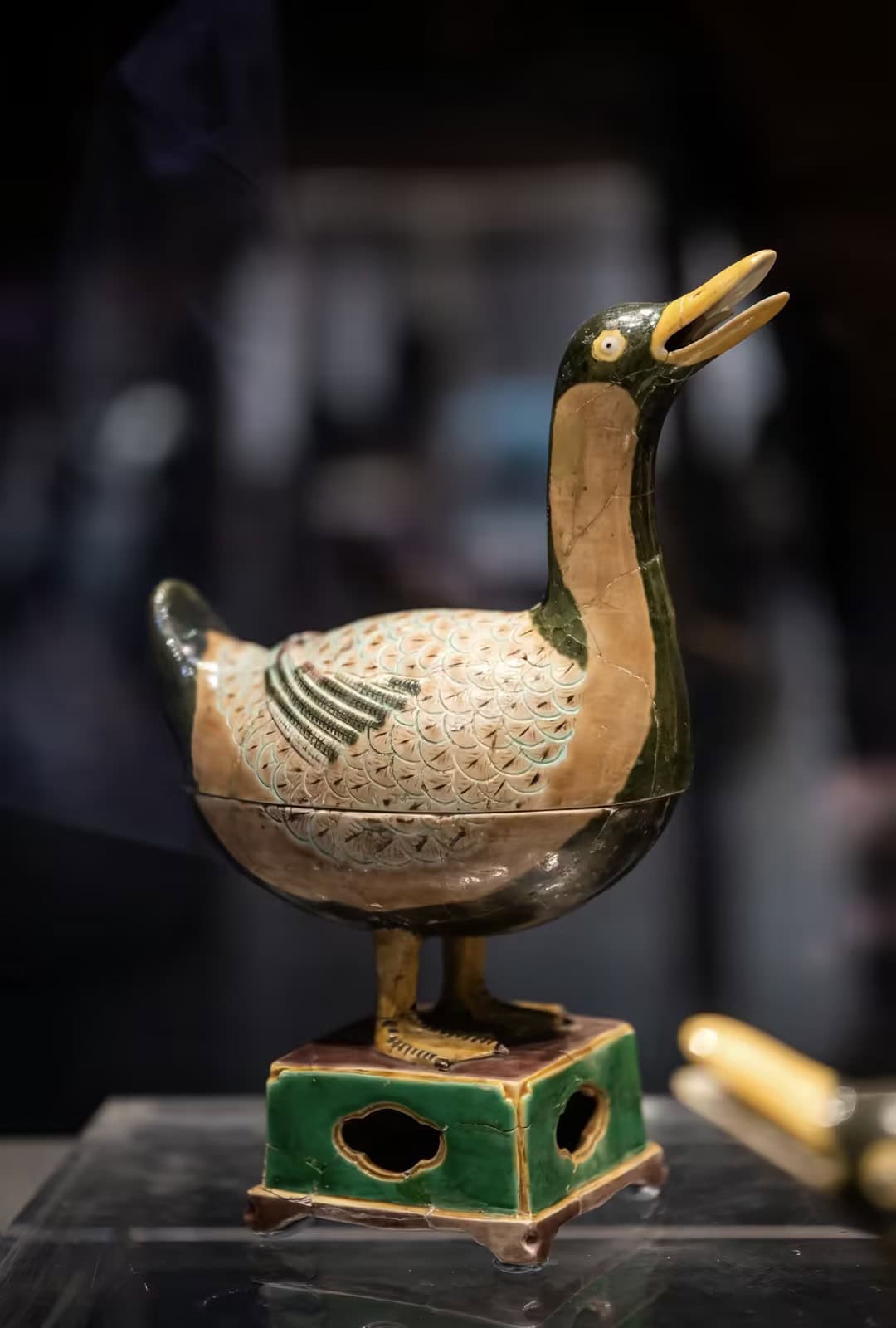
1. “Sui Sui Duck”: Chenghua-Era Sancai Duck-Shaped Incense Burner
The museum name of “Sui Sui Duck” is the Chenghua-era sancai duck-shaped incense burner. It has become the most recognizable object in this collaboration.
The original porcelain piece was designed to burn incense. When incense was lit inside, smoke could escape through the duck’s beak. The game’s inspection animation recreates this function: as players rotate and examine the collectible, a thin stream of smoke emerges from its beak.
This detail transforms the object’s historical purpose from a written explanation into something players can see and understand immediately.
The original “Sui Sui Duck” was reconstructed from dozens of excavated fragments. Its history also connects naturally with the treasure-hunting structure of Delta Force, in which players search for valuable objects, recover them, and carry them to safety.
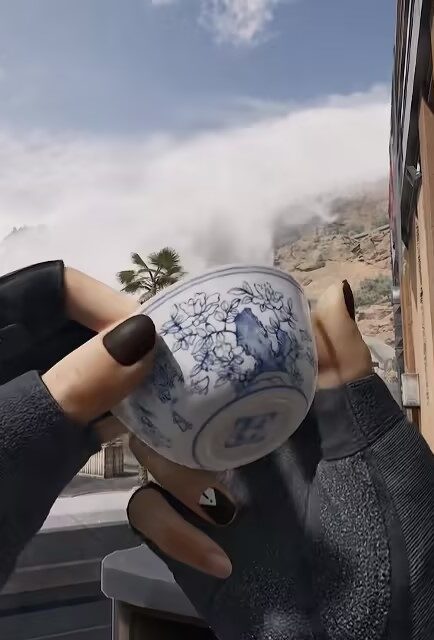
2. “De Chi Chicken Cup”: Unfinished Chenghua-Era Doucai Chicken Cup
The second collectible is nicknamed the “De Chi Chicken Cup,” based on an unfinished Chenghua-era doucai chicken cup.
“De chi” is a playful expression used by Chinese players, while the rest of the name references the famous chicken cup form. Unlike complete chicken cups preserved in collections, this object represents an unfinished stage in the imperial kiln production process.
It helps visitors understand that an elaborate doucai porcelain piece was not completed in a single firing. Production could involve forming, bisque firing, cobalt-blue painting, glazing, high-temperature firing, enamel application, and an additional lower-temperature firing.
By placing an unfinished object in the game, the collaboration turns the porcelain-making process itself into part of the story.
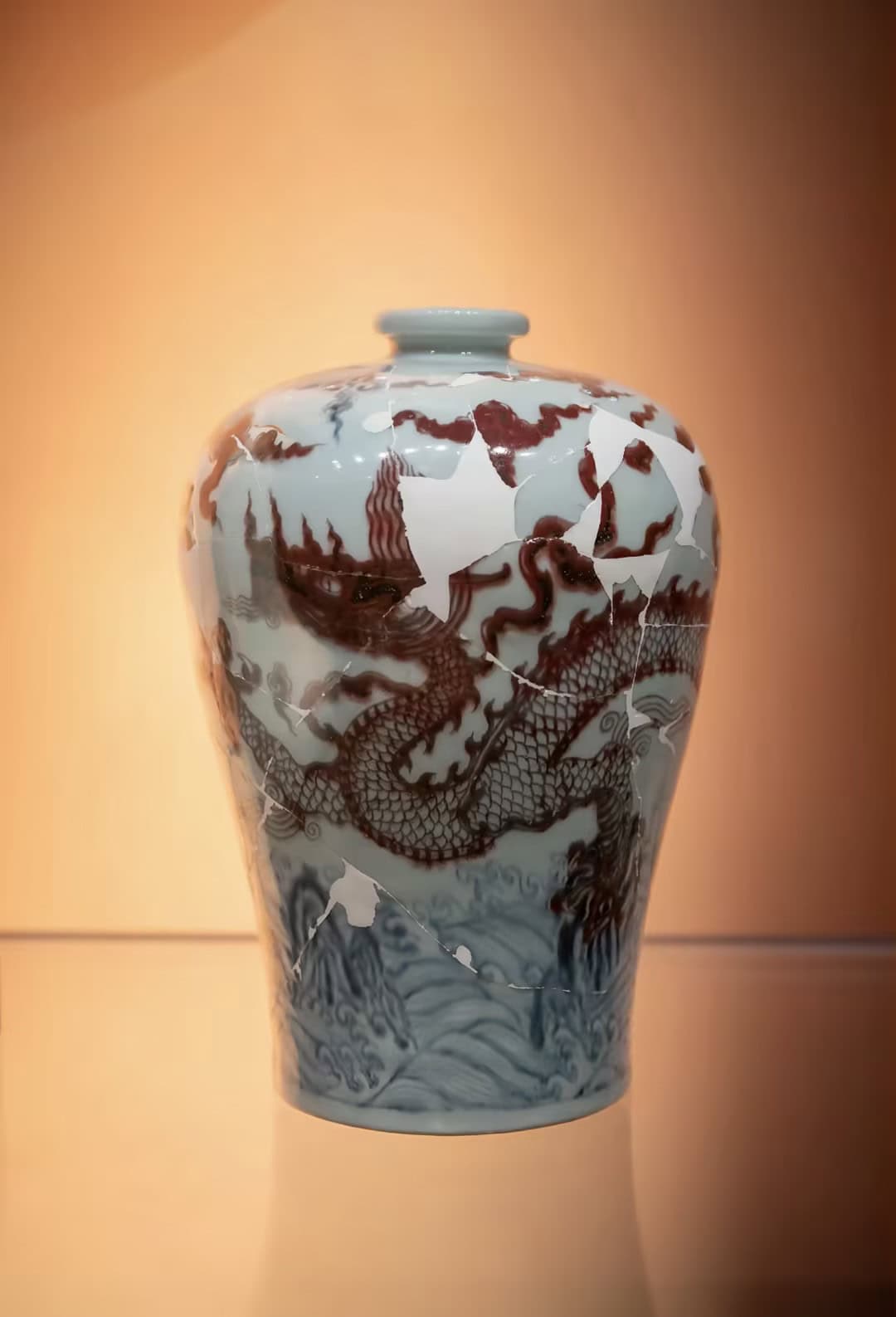
3. “Bai Li Chu Hong Vase”: Yongle-Era Blue-and-White and Underglaze-Red Meiping Vase
The third collectible is nicknamed the “Bai Li Chu Hong Vase.” Its museum name is the Yongle-era blue-and-white and underglaze-red meiping vase with a cloud-and-dragon design.
The nickname plays on a familiar gaming expression about finding valuable red-tier loot in a bag, while also referring to the red decoration on the porcelain.
Blue-and-white decoration uses cobalt pigment, while underglaze red traditionally relies on copper. Because the two pigments react differently to kiln temperature and firing atmosphere, successfully firing both on the same vessel is technically demanding.
This meiping vase represents not only the forms and decorative preferences of Ming imperial porcelain, but also the ability of Jingdezhen craftspeople to control complex high-temperature decoration.
Official information confirms that all three in-game collectibles are digital recreations of porcelain treasures in the Imperial Kiln Museum’s collection. Introduction to the three featured treasures
Ahsarah Treasure Month: From Viewing Porcelain to Searching for It
During Ahsarah Treasure Month, players obtain treasure maps, locate the corresponding areas, and open treasure caches. The three imperial porcelain pieces are not simply displayed as decorative objects in a menu. They have been incorporated into the game’s central cycle of exploration, discovery, extraction, and collection.
The treasure-map stages are scheduled as follows:
- August 8–18: Zero Dam
- August 19–28: Brakkesh
- August 29–September 4: Layali Grove
Confidential and Top Secret modes involve greater risk, but they also give players opportunities to search for the limited imperial porcelain collectibles. Exact drop rates, map schedules, and acquisition rules are subject to the latest in-game announcements.
The event also includes 2,600 limited-time Delta Tickets, the legendary “Flower Picking” weapon appearance bundle, and other mission rewards. Blue-and-white-inspired weapons and character cosmetics further translate traditional porcelain patterns into the visual language of the game.
This approach changes the way cultural objects are usually presented. Instead of simply reading a short museum description, players actively search for a porcelain treasure, inspect it from multiple angles, and share the excitement of finding rare loot with other players.
Museum Adventure Zone: Turning the Imperial Kiln Museum into a Real-World Treasure Map
While the online event brings imperial porcelain into Ahsarah, the Museum Adventure Zone brings Delta Force into the Jingdezhen Imperial Kiln Museum.
Visitors can receive a treasure stamp booklet and follow clues to find hidden activity stations throughout the galleries. The museum experience is structured like a real-world extraction mission, including trail tracking, signal decoding, inspection-photo challenges, and stamp collecting.
Visitors can see the real museum objects connected to Sui Sui Duck, the De Chi Chicken Cup, and the Bai Li Chu Hong Vase. The museum also includes game-inspired supply cases, operator ID tags, treasure piles, and inspection-photo areas.
Virtual collectibles and authentic historical objects are therefore presented within the same space, allowing players to compare the digital designs with their real-world sources.
After completing the stamp-collecting activities, visitors may have opportunities to receive exclusive cards, ceramic operator figures, co-branded hotel key cards, pillows, and other merchandise. Some rewards are distributed through scratch cards or on-site challenges. Quantities and redemption rules are subject to availability and current venue policies.
The activity is open from 9:00 a.m. to 5:00 p.m. and is closed on Mondays. Official on-site schedule
What Should Visitors Know Before Going?
If you plan to visit Jingdezhen for the event, keep the following points in mind:
- The Imperial Kiln Museum is closed on Mondays, so the crossover activities are unavailable that day.
- Stamp booklets and some promotional items are distributed in limited quantities. Arriving in the morning is recommended.
- Event missions and merchandise redemption generally end at 5:00 p.m. Evening access to the area does not necessarily include participation in the crossover activities.
- The crossover experience does not require a separate activity fee, but visitors must still follow the current reservation and admission policies of the Taoyangli Historical and Cultural District and the Imperial Kiln Museum.
- In-game schedules, on-site rewards, and distribution quantities may change. Check the latest announcements from Delta Force and the museum before visiting.
Why Can a Video Game Become a New Gateway to Porcelain Culture?
The collaboration has attracted attention not simply because a shooting game added several porcelain objects, but because the cultural artifacts have been integrated into the gameplay itself.
Historically, imperial porcelain passed through many stages, including design, forming, painting, glazing, firing, inspection, and preservation. Imperial kiln standards were extremely strict. Pieces with even minor defects could be broken and buried, only to be excavated and reconstructed centuries later.
The treasure-hunting mechanics of Delta Force also require players to follow clues, discover valuable objects, and extract them safely. This creates an unexpected narrative connection: searching for rare loot in the game echoes the archaeological discovery, reconstruction, and preservation of Jingdezhen porcelain.
On July 25, 2026, the Jingdezhen Handicraft Porcelain Industry Sites were officially inscribed on the UNESCO World Heritage List, becoming China’s 61st World Heritage property. UNESCO World Heritage Centre and China’s National Cultural Heritage Administration
Against this historic backdrop, the collaboration between Delta Force and the Jingdezhen Imperial Kiln Museum offers an important example of digital cultural communication.
Rather than treating Jingdezhen porcelain as nothing more than a decorative game skin, the project uses high-resolution recreations, collectible mechanics, inspection animations, museum exploration, and interactive missions to help younger audiences move from “This looks fun” to “I want to learn more.”
Conclusion: Where a Thousand Years of Kiln Fire Meets the Digital World
From fragments buried at an imperial kiln site to restored museum objects and rare digital collectibles, Jingdezhen porcelain is reaching younger audiences in an entirely new way.
Sui Sui Duck shows how an ancient incense burner originally worked. The unfinished chicken cup reveals an intermediate stage in the doucai production process. The blue-and-white and underglaze-red meiping vase introduces players to the difficulty of firing cobalt and copper decoration on the same vessel.
The playful in-game nicknames make the objects easier to approach, while the authentic museum pieces and porcelain-making history give the collaboration cultural depth.
As a ceramic company based in Jingdezhen, MC Ceramic closely follows new ways of presenting traditional porcelain through digital content, cultural merchandise, and contemporary commercial spaces. This collaboration demonstrates that Jingdezhen’s thousand-year ceramic heritage does not belong only in museums or history books. Through games, design, and the interests of a new generation, it can continue to be discovered, understood, and shared.
Please note: In-game mechanics, drop rates, on-site merchandise, and opening arrangements may change during the event. Refer to the latest in-game announcements and notices from the Jingdezhen Imperial Kiln Museum before participating.