Custom Antique-Style Porcelain for Hotels and Interior Projects
News 2026-08-29 51
Hotels, restaurants, private clubs, cultural venues, and commercial interiors increasingly use ceramics to create a distinctive sense of place. Porcelain can appear as a decorative vase in a hotel lobby, a coordinated group of vessels in a restaurant, a wall-mounted artwork in a corridor, or customized tableware in a private dining room.
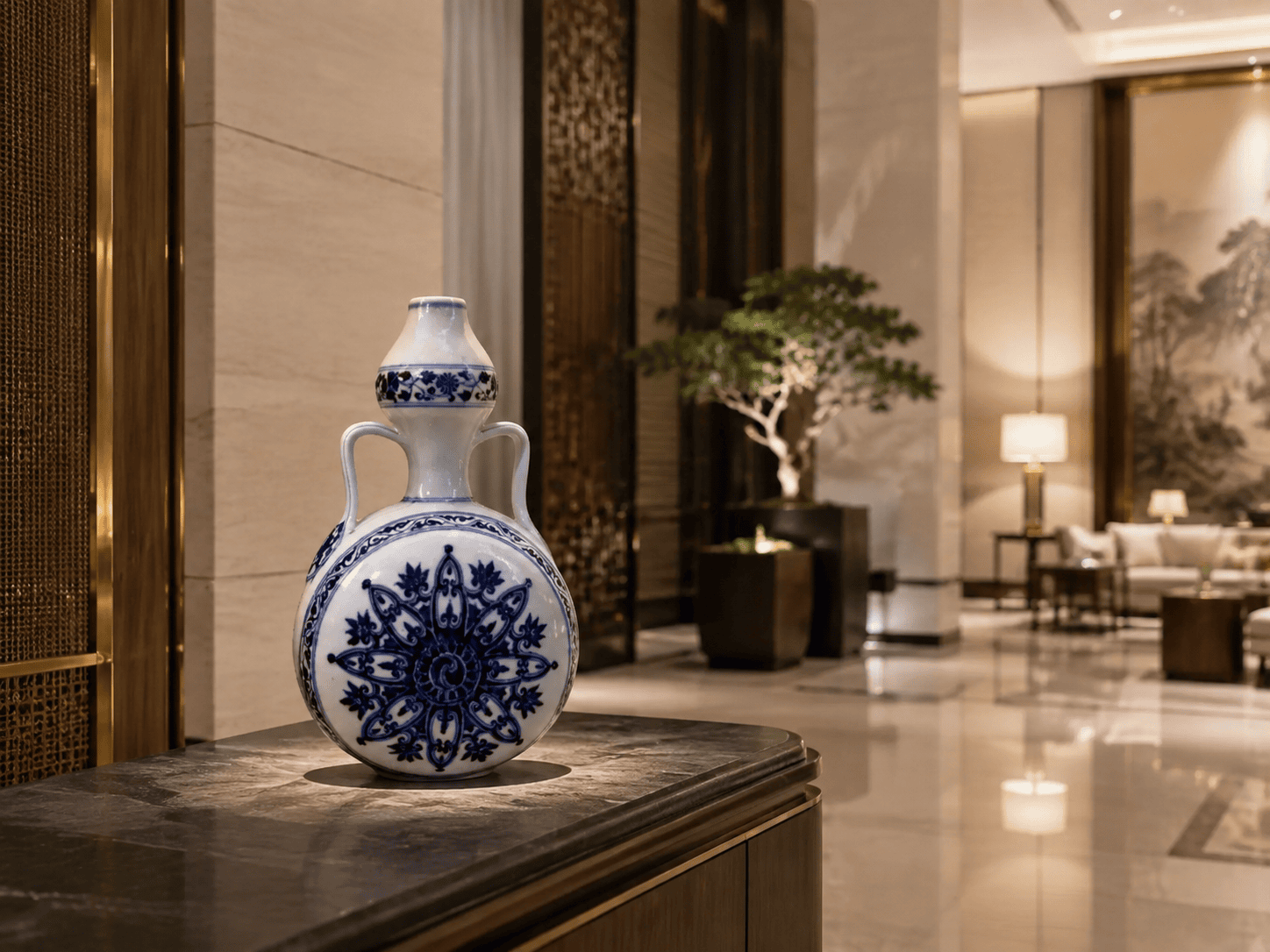
For projects that require the visual character of traditional Chinese ceramics without using fragile and valuable antiques, Custom Antique-Style Porcelain offers a practical alternative. It can reinterpret historical vessel shapes, colors, glazes, and decorative motifs while adapting the dimensions, structure, durability, and presentation to a modern interior.
Custom Antique-Style Porcelain should always be described as newly produced porcelain inspired by historical styles. It is not Genuine Antique Porcelain. Clear identification protects buyers, designers, manufacturers, and the cultural value of authentic historical objects.
What Is Custom Antique-Style Porcelain?
Custom Antique-Style Porcelain is newly made porcelain that draws inspiration from earlier Chinese ceramic traditions. The inspiration may come from a historical vessel shape, blue-and-white pattern, famille rose palette, monochrome glaze, lotus scroll, landscape painting, floral border, or another traditional decorative language.
The objective does not always have to be an exact copy. For hotel and interior projects, historical references can be redesigned to suit contemporary architecture. A traditional vase may be enlarged for a lobby, simplified for a minimalist restaurant, or produced in a customized color that coordinates with the interior materials.
A professional Jingdezhen ceramic manufacturer can help translate visual references into a technically workable product. This process may involve adjusting the proportions, wall thickness, base structure, glaze, decoration, and packaging while preserving the intended antique-style character.
Why Hotels Use Antique-Style Porcelain
Real antique porcelain can carry significant artistic and historical value, but it may not be suitable for every hospitality environment. Valuable antiques require careful handling, conservation, insurance, security, and controlled display conditions.
Custom Antique-Style Porcelain allows hotels to achieve a traditional or culturally influenced appearance without placing rare historical objects in high-traffic spaces.
It can be used in:
- Hotel entrances and reception areas
- Lobby tables and display cabinets
- Guest rooms and suites
- Restaurants and private dining rooms
- Tea rooms and lounges
- Corridors and elevator halls
- Spa and wellness areas
- Conference and banquet spaces
- Gardens and semi-enclosed areas
- Cultural and retail displays
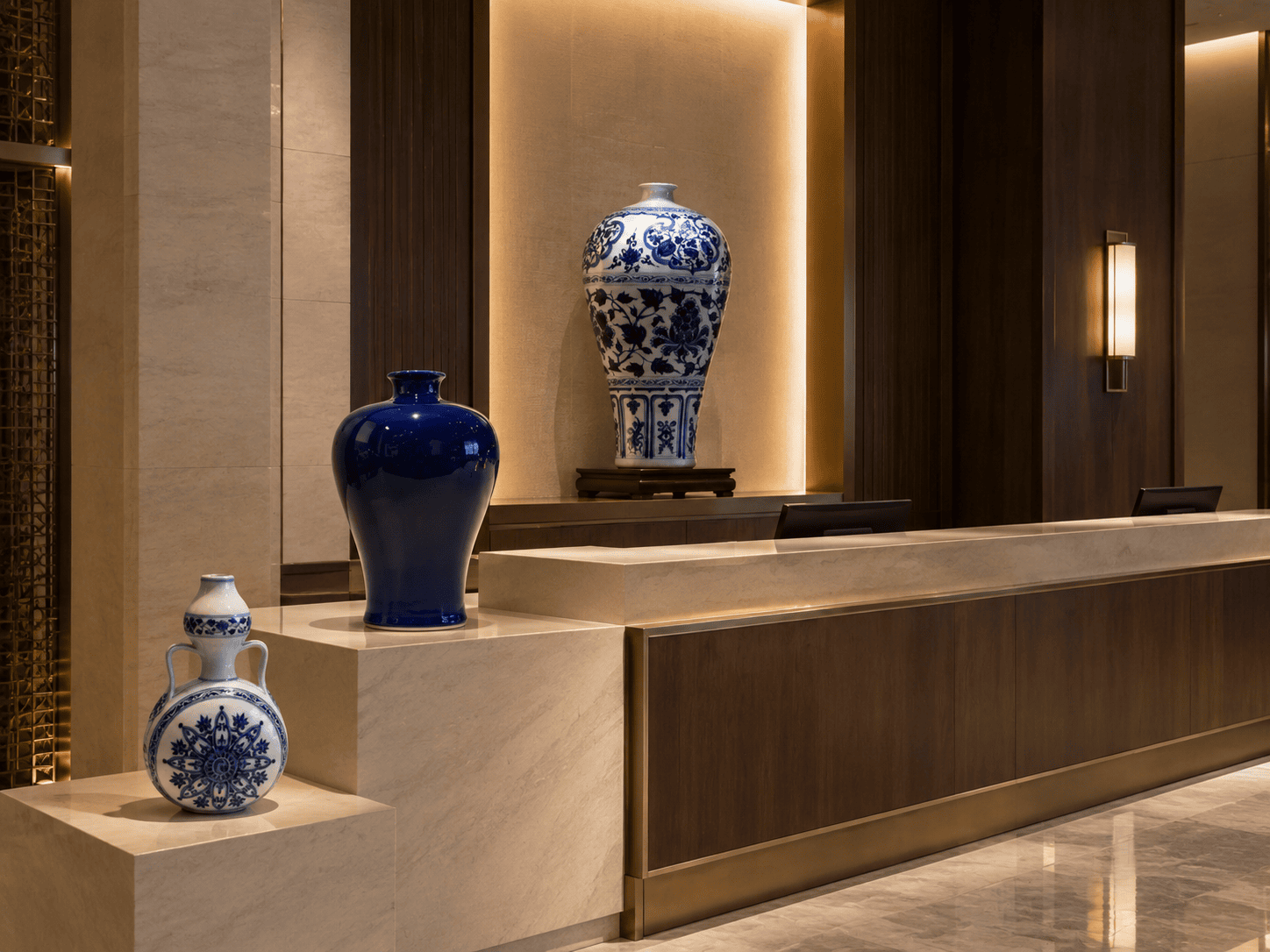
Because the porcelain is newly produced, designers can specify the quantity, dimensions, colors, and decorative theme required for the project. Replacement pieces can also be planned during production.
Choosing the Right Historical Style
The first step in a Custom Antique-Style Porcelain project is defining the desired visual direction.
Chinese ceramic history offers many possible references, including blue-and-white porcelain, famille rose decoration, celadon, monochrome glazes, crackle effects, floral scrolls, landscape painting, scholar’s objects, traditional vases, and architectural ceramics.
The selected style should support the interior rather than compete with it. A highly decorated famille rose vase may suit a luxurious hotel lobby, while a monochrome antique-style vessel may work better in a quieter contemporary space.
Designers can provide:
- Historical reference images
- Interior renderings
- Material samples
- Color palettes
- Furniture and lighting references
- Required dimensions
- Installation drawings
- Intended viewing distance
A Jingdezhen ceramic manufacturer can then evaluate which historical elements can be preserved and which should be modified for production, safety, and visual coordination.
Customizing Shape and Proportion
Traditional Chinese porcelain includes many recognizable forms, such as meiping vases, double-gourd vases, lantern vases, baluster jars, rouleau vases, moon flasks, brush washers, covered jars, and large display vessels.
For interior projects, these forms can be adjusted according to the space. A small scholar’s object can inspire a much larger lobby sculpture, while an ornate historical vase can be simplified for a modern guest suite.
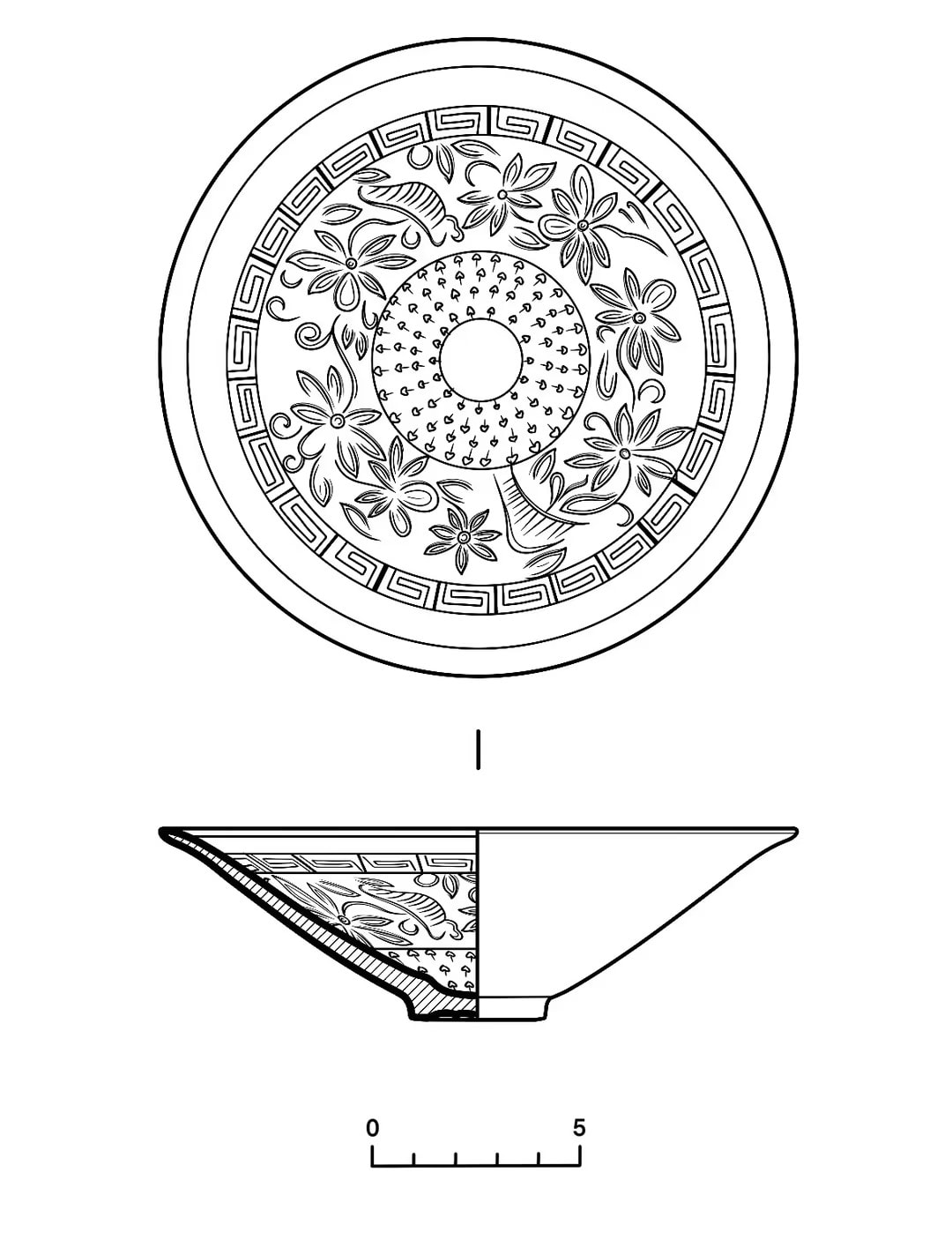
Important dimensional considerations include:
- Overall height and width
- Opening diameter
- Base diameter
- Center of gravity
- Wall thickness
- Weight
- Viewing distance
- Furniture dimensions
- Door and elevator access
- Packaging and shipping limits
Large Custom Antique-Style Porcelain requires particular attention to balance and structural stability. The manufacturer may need to adjust the base, divide the artwork into components, or develop an internal support system.
Glaze Colors and Surface Effects
Glaze has a major influence on how Custom Antique-Style Porcelain appears in an interior.
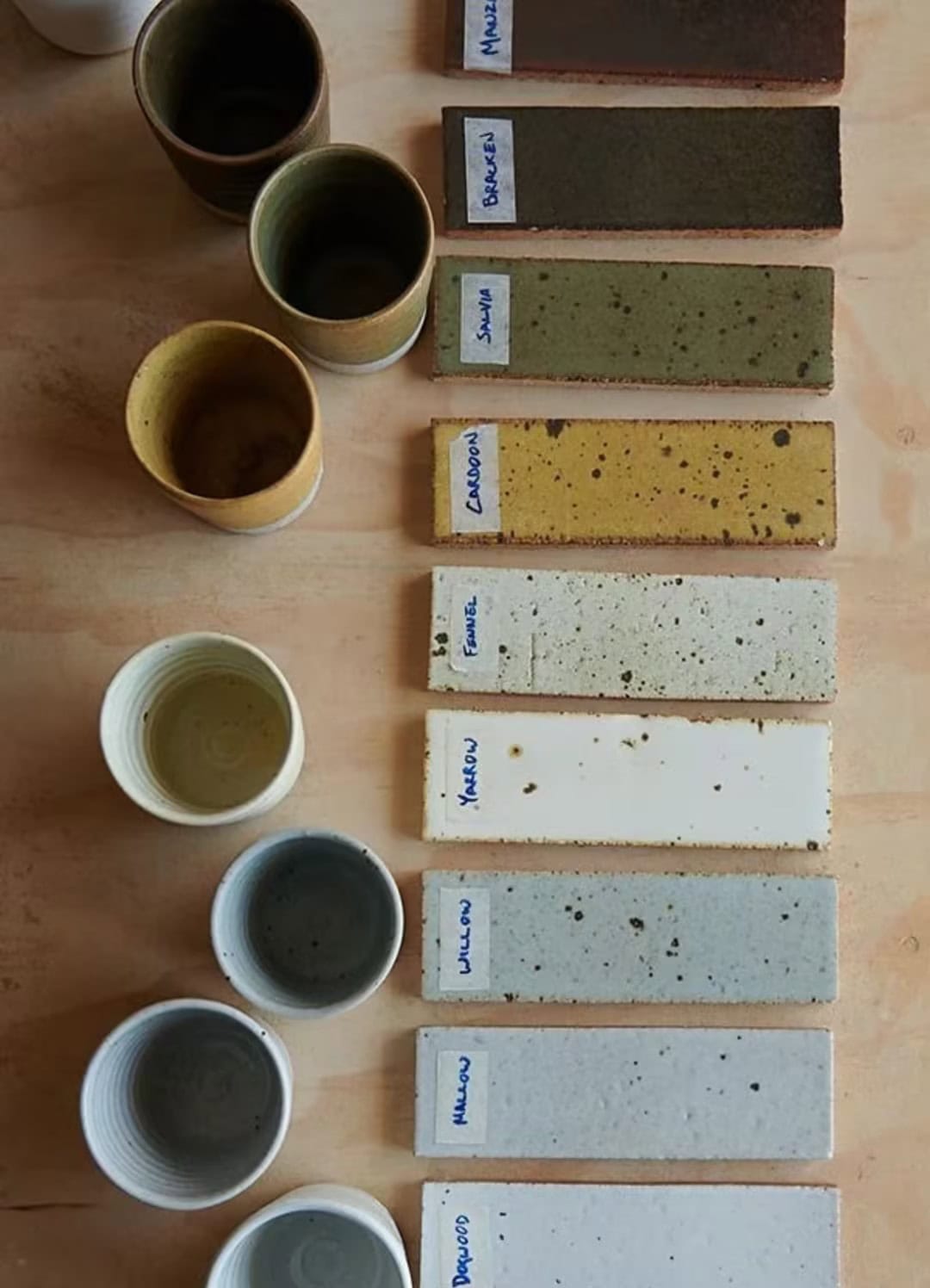
Traditional visual references may include white glaze, celadon, copper red, imperial yellow, blue, purple, turquoise, black, or other monochrome colors. Designers may also request crackle, speckling, uneven color, matte surfaces, or subtle variations that create an aged visual character.
However, a newly produced object should not be deliberately misrepresented as an authentic antique. Surface effects can create visual depth and historical atmosphere, but project documentation should still identify the product as contemporary porcelain.
Lighting should also be considered when selecting a glaze. Natural daylight, warm hotel lighting, spotlights, and indirect architectural lighting may change the perceived color and gloss of the surface.
Before mass production, buyers should approve physical glaze samples rather than relying only on colors displayed on a computer screen.
Traditional Patterns and Customized Artwork
Decoration can be based on traditional motifs or developed specifically for the project.
Common references include:
- Peonies and lotus flowers
- Plum blossom and bamboo
- Birds and butterflies
- Clouds and waves
- Landscape scenes
- Ruyi borders
- Geometric bands
- Auspicious symbols
- Blue-and-white scrollwork
- Famille rose floral patterns
For a Custom Antique-Style Porcelain project, designers may combine traditional motifs with elements associated with the hotel’s location, architecture, or brand story. A floral pattern could incorporate local plants, while a landscape scene could reference the destination surrounding the hotel.
Decoration may be produced through hand painting, decals, underglaze painting, overglaze enamels, carving, relief, or a combination of processes.
Hand-painted art porcelain provides greater artistic variation and individual character. Decal decoration can offer more consistent pattern placement for larger quantities. The best method depends on the intended appearance, project budget, order quantity, and acceptable variation.
From Individual Vessels to Ceramic Installations
Custom Antique-Style Porcelain does not need to be limited to a single vase.
Hotels and interior designers can arrange multiple ceramic pieces as coordinated groups. Variations in height, color, and shape can produce a more dynamic composition while maintaining a consistent decorative theme.
Possible applications include:
- Groups of floor-standing vases
- Ceramic wall arrangements
- Suspended porcelain elements
- Decorative screens
- Illuminated porcelain features
- Sculptural room dividers
- Ceramic relief walls
- Reception-desk installations
- Large lobby art porcelain
- Site-specific ceramic installations
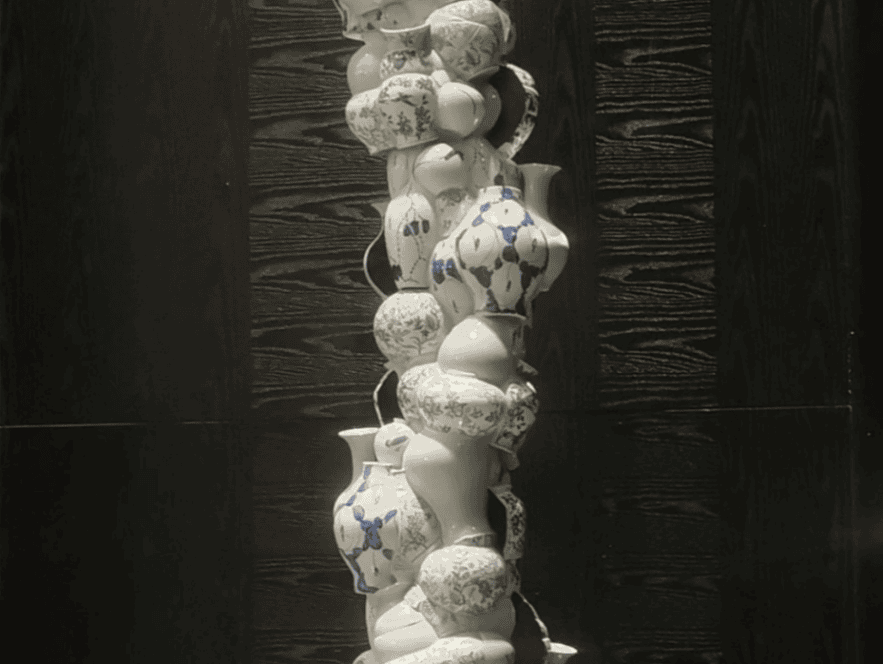
For complex projects, the manufacturer should work with the interior designer, architect, structural consultant, and installation team. Attachment points, metal supports, lighting, maintenance access, component numbering, and installation sequencing may all need to be planned before production.
Coordinating Decorative Porcelain with Tableware
A hotel or restaurant can extend the same visual language from its interior decoration to its dining environment.
For example, a hotel lobby may feature large blue-and-white Custom Antique-Style Porcelain, while the restaurant uses coordinated Jingdezhen ceramic tableware with simplified blue floral borders. A private dining room decorated with famille rose art porcelain may use cups, plates, and serving pieces inspired by the same color palette.
The decorative porcelain and tableware do not need to be identical. Repeating selected colors, borders, flowers, or glaze effects is often sufficient to create a coordinated identity.
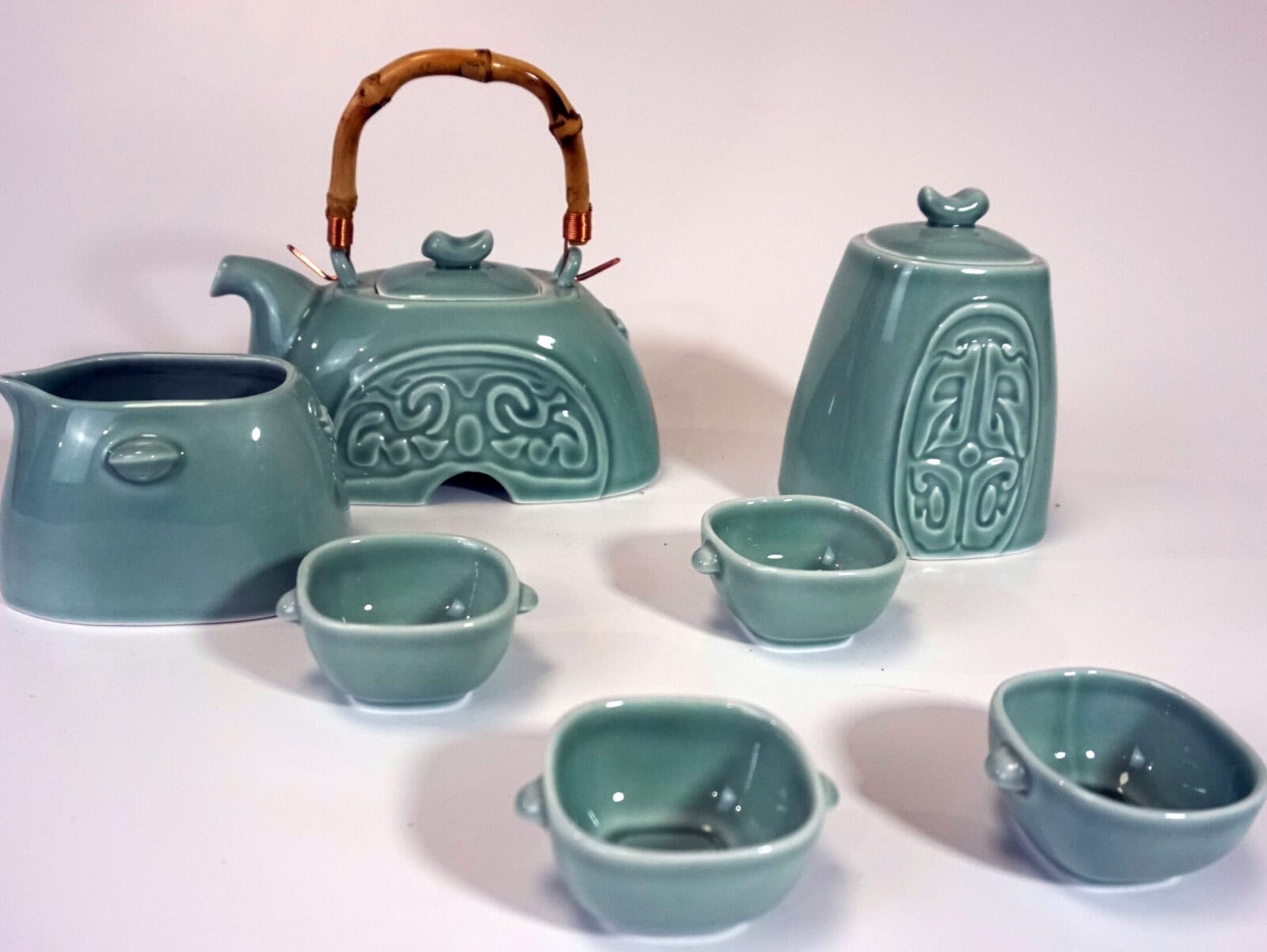
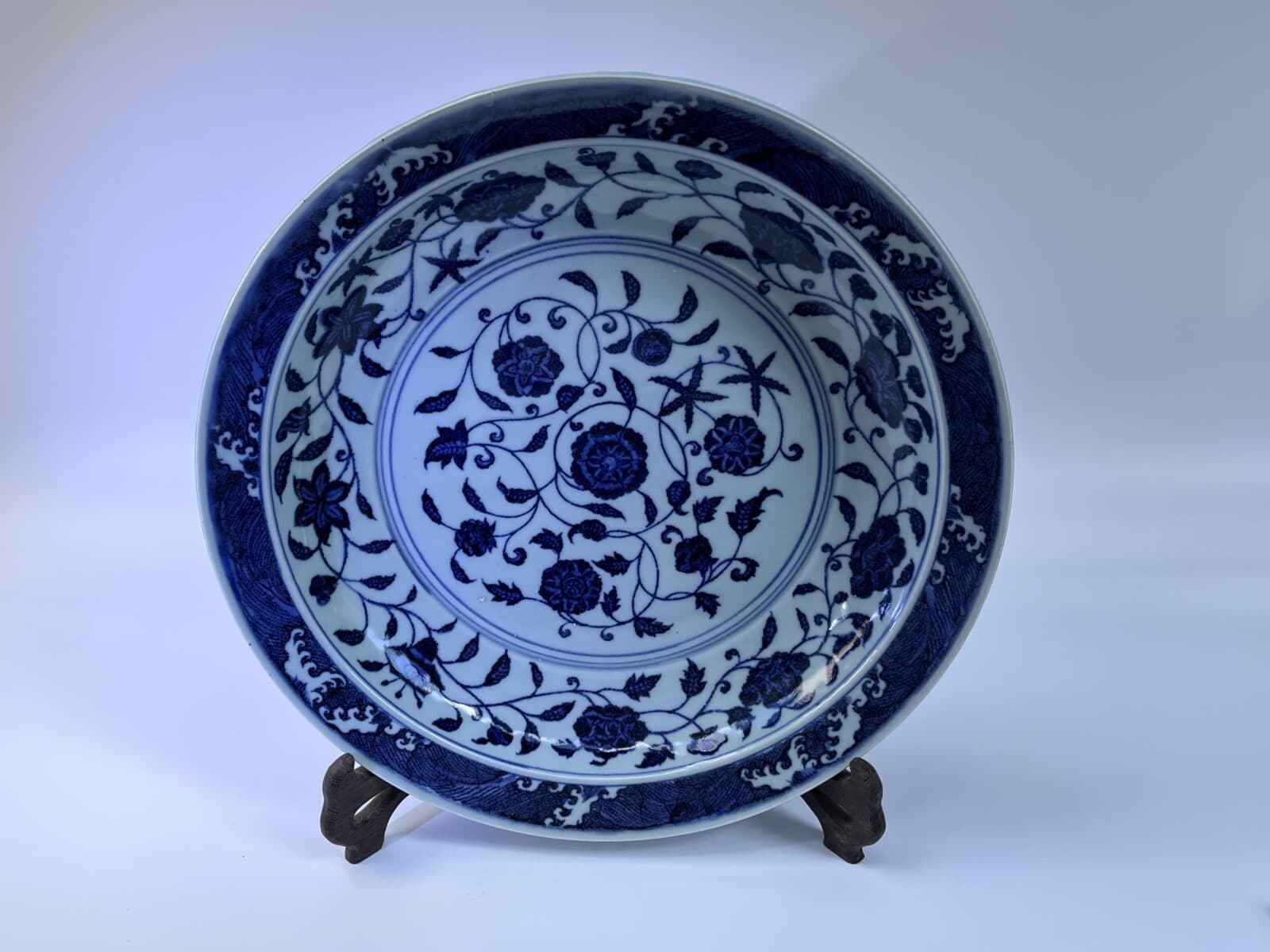
Tableware intended for commercial use has different technical requirements from decorative art porcelain. Buyers should discuss food-contact requirements, dishwasher use, stacking, rim strength, replacement quantities, and export packaging separately.
Handmade Production and Mold Production
The production method affects the appearance, consistency, price, and minimum order quantity of Custom Antique-Style Porcelain.
Handmade production is suitable for one-of-a-kind pieces, artistic projects, irregular shapes, and small collections. Natural differences in dimensions, brushwork, glaze, and surface texture are part of the handmade character.
Mold production is more suitable when a hotel requires multiple pieces with relatively consistent dimensions. The initial process may include drawing development, master-model production, mold making, trial forming, glaze testing, and sample firing.
Some projects use both methods. The main vessel may be mold-formed for consistency, while handles, relief decoration, painting, or finishing are completed by hand.
Buyers should confirm acceptable tolerances before production. Ceramic materials shrink during drying and firing, so dimensions cannot always be controlled in exactly the same way as metal, glass, or machined materials.
Sample Development and Approval
Sampling is an essential stage of a Custom Antique-Style Porcelain project.
The first sample may be used to confirm:
- Shape and proportions
- Dimensions and weight
- Base stability
- Glaze color
- Surface texture
- Pattern scale
- Artwork position
- Hand-painted details
- Visual relationship with the interior
- Packaging method

A physical sample should ideally be evaluated under lighting similar to the final installation environment. A glaze that appears neutral in a workshop may look warmer or cooler under hotel lighting.
For large or complex pieces, buyers may also approve drawings, small-scale models, glaze tiles, pattern samples, or three-dimensional renderings before a full-size prototype is produced.
Once the sample is approved, all confirmed details should be recorded. Later changes to size, glaze, painting, structure, or packaging may affect the price and delivery schedule.
Safety and Stability in Public Spaces
Porcelain displayed in a hotel or commercial interior must be considered as part of the complete space, not only as a decorative object.
Large floor-standing pieces may require hidden anchoring, weighted bases, customized stands, protective positioning, or barriers. Wall-mounted and suspended pieces require suitable fixing systems and professional installation.
The project team should consider:
- Guest circulation
- Children and family areas
- Cleaning equipment
- Luggage movement
- Furniture relocation
- Vibration
- Fire and emergency routes
- Local installation requirements
- Maintenance and replacement access
A ceramic manufacturer can provide product dimensions, weight, component information, and suggested connection details, but the final installation method should be confirmed by qualified professionals familiar with the building and local requirements.
Packaging, Shipping and On-Site Installation
Custom Antique-Style Porcelain may include delicate rims, handles, relief decoration, or large irregular shapes. Standard tableware cartons may not provide sufficient protection.
Depending on the product, packaging may include:
- Soft surface protection
- EPE foam
- Customized foam inserts
- Reinforced inner cartons
- Double-wall export cartons
- Plywood cases
- Wooden crates
- Component numbering
- Fragile and orientation labels
- Moisture-control materials
Large items should be designed with transportation access in mind. The buyer should provide information about the destination’s doors, elevators, corridors, loading areas, and lifting equipment.
For multi-piece ceramic installations, each component, carton, and crate should have a corresponding number. Installation drawings and packing lists can help the on-site team locate and assemble every piece efficiently.
Quality Inspection for Project Orders
Before shipment, the manufacturer should inspect the finished Custom Antique-Style Porcelain against the approved sample and project specifications.
Inspection may cover:
- Dimensions
- Shape and deformation
- Glaze color
- Surface condition
- Pattern position
- Painting quality
- Stability
- Attachment points
- Quantity
- Packaging
- Shipping marks
Slight differences may occur in handmade art porcelain and high-temperature glazes. Buyers and manufacturers should agree in advance on which variations are acceptable and which conditions should be treated as defects.
For large projects, producing several spare pieces in the same batch may simplify future replacement. A replacement made years later may show differences in glaze, color, or hand painting.
Information Buyers Should Provide
To receive an accurate proposal for Custom Antique-Style Porcelain, buyers should provide:
- Project type and location
- Intended installation area
- Reference images
- Interior renderings
- Required dimensions
- Quantity
- Preferred ceramic style
- Glaze and color requirements
- Pattern or artwork files
- Handmade or mold-production preference
- Required delivery date
- Packaging and installation requirements
- Destination country
- Applicable testing or documentation requirements
Complete information helps the Jingdezhen ceramic manufacturer evaluate technical feasibility, sampling costs, production time, packaging, and transportation more accurately.
Conclusion
Custom Antique-Style Porcelain allows hotels and interior projects to introduce traditional Chinese ceramic forms, colors, and decorative languages into modern spaces. It can be developed as an individual display vase, a coordinated collection, art porcelain, customized tableware, or a large ceramic installation.
A successful project depends on more than selecting an attractive historical reference. Shape, scale, glaze, pattern, lighting, structural safety, sample approval, production tolerances, packaging, transportation, and installation must all be considered together.
It is also important to maintain accurate product descriptions. Custom Antique-Style Porcelain is newly produced porcelain inspired by historical aesthetics and should not be represented as Genuine Antique Porcelain.
Based in Jingdezhen, China, Magic Cube works with Custom Antique-Style Porcelain, Jingdezhen ceramic tableware, customized hotel porcelain, art porcelain, and ceramic installations. By coordinating design development, sampling, production, quality inspection, export packaging, and installation information, Magic Cube aims to help hotels, designers, importers, and commercial projects bring traditional ceramic character into contemporary interiors.