Ceramic Mug Supplier Guide: How to Source Quality Mugs and Avoid Costly Mistakes
News 2026-08-19 62
Ceramic mugs may look like simple everyday products, but bulk purchasing involves much more than selecting a shape. Clay composition, capacity tolerance, glaze quality, handle strength, customization methods, food-contact safety, packaging, and delivery consistency can all affect whether a product is ready for the market.
Choosing the right ceramic mug supplier should therefore involve more than comparing product photos and unit prices. A reliable supplier should help buyers with product selection, sampling, production follow-up, quality inspection, and export packaging. The supplier should also explain which variations may naturally occur during ceramic production.

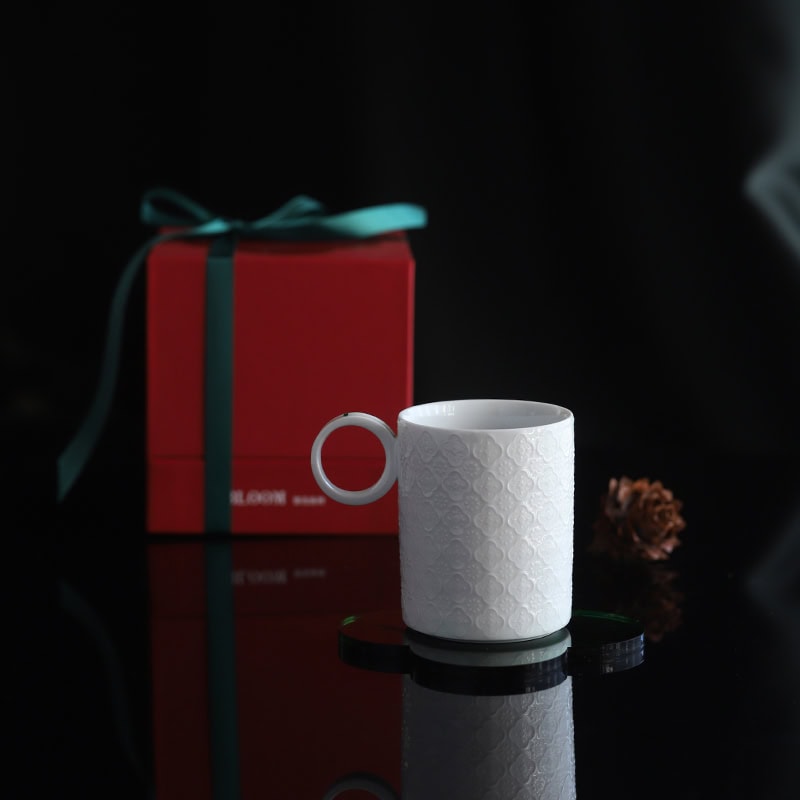
What Products Should a Ceramic Mug Supplier Offer?
Different sales channels have different requirements. Retail brands usually focus on shape, color, and packaging. Hotels and coffee shops care more about durability, capacity consistency, and reliable replenishment. Corporate gift buyers often prioritize logo quality, budget, and delivery time.
An experienced ceramic mug supplier may offer:
- Classic straight-sided mugs
- Rounded ceramic mugs
- Large breakfast mugs
- Espresso cups and saucers
- Mugs for hotels and coffee shops
- Lidded office mugs
- Embossed or carved ceramic mugs
- Blue-and-white, Linglong, and hand-painted mugs
- Matte, glossy, and colored-glaze mugs
- Holiday gifts and custom corporate mugs
When requesting a quote, buyers should provide the desired capacity, quantity, intended use, and reference images. For customized products, include the logo requirements, colors, packaging preferences, and destination country. The more complete the information is, the more accurate the price and lead time will be.
Why Customization Capabilities Matter
Customization is one of the most common requirements in ceramic mug sourcing. However, the phrase “customization available” does not mean every supplier offers the same level of expertise.
A qualified ceramic mug supplier should recommend a suitable decorating method based on the design, budget, order quantity, and intended use.
Common customization options include:
- Overglaze decals or printed logos
- Underglaze decoration
- Hand-painted patterns
- Solid-color or two-tone glazes
- Embossed, debossed, or sculpted details
- Gold accents and metallic finishes
- Custom mug shapes and handles
- Custom gift boxes, labels, and shipping cartons
If a project only requires a new logo or custom packaging, an existing mug shape can often be used, helping reduce development costs. Changing the body size, rim, base, or handle may require a new mold, which can increase the sampling time and minimum order quantity.
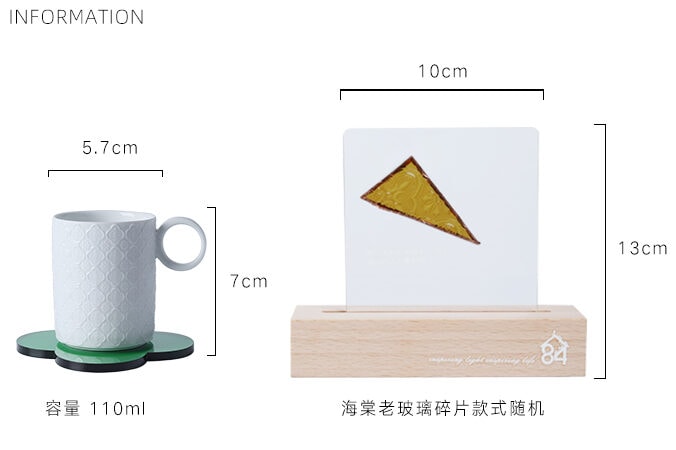
What Quality Details Should Buyers Inspect?
When purchasing ceramic mugs in bulk, buyers should inspect more than the front-facing appearance. The rim, base, and handle joints often reveal production problems more clearly.
The rim should be smooth and even, without chips, sharp points, or obvious deformation. The glaze should appear consistent and should not have unacceptable pinholes, crawling, cracks, contamination, or excessive color variation. The base should also sit securely on a flat surface without noticeable wobbling.
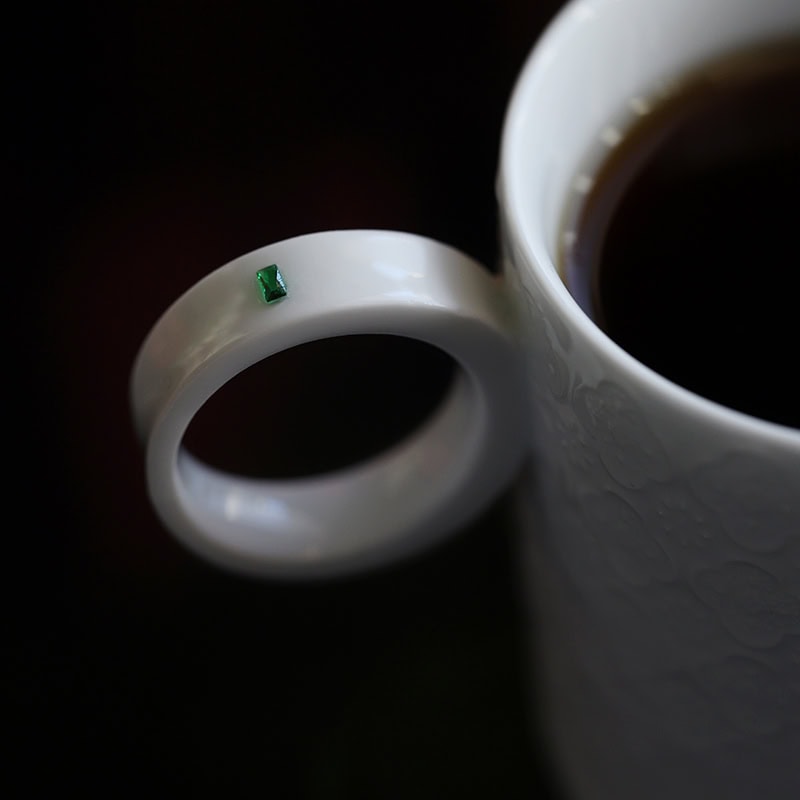
The handle is one of the mug’s primary stress points. A responsible ceramic mug supplier should inspect the handle’s size, grip clearance, attachment strength, and finishing quality. For hotels, coffee shops, and other high-use environments, buyers should also consider body thickness, stackability, and long-term replenishment consistency.
Capacity and dimensions should have agreed-upon tolerance ranges. Ceramics shrink during high-temperature firing, while handmade products and specialty glazes may naturally show slight variations. Buyers should define acceptable dimensional tolerances, color variations, and appearance standards when approving the sample.
Food Safety and Performance Cannot Be Overlooked
If a ceramic mug will be used for coffee, tea, milk, or other beverages, buyers should request appropriate food-contact safety information based on the product’s intended use and destination market.
Dishwasher and microwave suitability should not be assumed simply because a product is ceramic. Gold accents, metallic decoration, specialty glazes, and certain painted finishes may not be suitable for microwave use or frequent dishwasher cleaning.
A professional ceramic mug supplier should explain the care requirements of each specific finish instead of making one general claim for every product.
For hotels and food-service businesses, durability may be more important than complex decoration. For gift and home retail channels, visual design and packaging may carry greater value. The specifications should always match the actual application.
How Should Sampling, MOQ, and Production Be Managed?
Custom ceramic mug projects usually include requirement confirmation, artwork approval, sample production, sample approval, mass production, quality inspection, and packaging.
The minimum order quantity may depend on the mug shape, decorating technique, packaging requirements, and production schedule. It should be evaluated according to the actual product rather than treated as a fixed number for every order.
During sample approval, buyers should confirm:
- Mug shape, capacity, and dimensions
- Porcelain body and glaze color
- Logo size and placement
- Pattern colors and decorating method
- Bottom mark
- Individual packaging and master carton standards
- Acceptable dimensional and color tolerances
- Inspection method and delivery schedule
Buyers should also understand that handmade samples, small-kiln samples, and mass-production pieces may have reasonable differences. The supplier should explain which details can be consistently reproduced and which effects may vary because of firing temperature, glaze behavior, or manual workmanship.
How Can a Ceramic Mug Supplier Reduce Shipping Damage?
Ceramic mug handles extend beyond the body, making them more vulnerable to impact during international transportation. Packaging design can therefore have a direct effect on the final breakage rate.
Export packaging should account for product separation, handle protection, internal cushioning, carton strength, and stacking pressure. Gift packaging should do more than look attractive—it must also hold the mug securely and prevent movement or contact during transportation.
A responsible ceramic mug supplier should adjust the packaging solution according to the mug shape, shipping method, and order quantity instead of using the same carton for every product.
For e-commerce channels, packaging should withstand individual parcel delivery. For container shipments and large wholesale orders, the supplier should balance carton strength, loading efficiency, and pallet requirements.

Why Source Ceramic Mugs From Jingdezhen?
Jingdezhen has a well-established ceramic industry that supports white porcelain, colored glazes, blue-and-white decoration, Linglong porcelain, hand painting, relief decoration, and other artistic techniques.
For buyers seeking distinctive products, Jingdezhen can supply both standard ceramic mugs and customized collections with stronger cultural and design value.
However, a broad product range does not automatically guarantee stable quality. Buyers should still evaluate whether a supplier can coordinate production effectively.
A dependable ceramic mug supplier should be able to manage different techniques and manufacturing partners, follow the production schedule, conduct inspections according to approved standards, and prepare suitable export packaging.
Conclusion: Buyers Need More Than Just a Mug
For B2B buyers, choosing a ceramic mug supplier is not simply about finding the lowest unit price. The real goal is to find a partner capable of delivering products that consistently match the brand’s positioning, quality standards, and delivery plan.
Based in Jingdezhen, China, MC Ceramic supplies ceramic mugs, coffee cups, cups and saucers, dinnerware, and customized ceramic products. By combining our in-house handcrafting capabilities with long-term manufacturing resources, we support importers, hospitality suppliers, gift companies, and ceramic brands with product selection, sampling, custom development, production follow-up, quality inspection, and export packaging.
If you are sourcing ceramic mugs for wholesale or private-label customization, send us your reference images, estimated quantity, preferred capacity, logo requirements, and destination country. MC Ceramic will recommend a practical product and production solution for your project.