Brew Fresh Tea With New Fire, Taste the 5,000-Year Soul of Chinese Tea
News 2026-07-03 11
Brew Fresh Tea With New Fire, Taste the 5,000-Year Soul of Chinese Tea
The Origin of Tea: Shennong’s Encounter, A Leaf Ignites Oriental Civilization
Primitive Times: Mankind’s First Greeting to Nature
In the remote prehistoric age, tea marked humanity’s first gentle greeting to nature. When Shennong set up a cauldron beneath a tree to boil spring water, several green leaves drifted down into the pot, accidentally yielding a yellowish-green brew. Though its initial taste carries a touch of astringency, subtle sweetness lingers long on the palate. Since then, this magical leaf of the Orient has wandered out of boundless rugged mountains, embarking on an everlasting journey hand in hand with Chinese civilization.
The Evolution of Tea’s Functions: From Medicinal Herb & Sacrifice to Daily Delicacy
Lu Yu & The Classic of Tea: Establish the Tea Spirit of Diligence and Modest Virtue
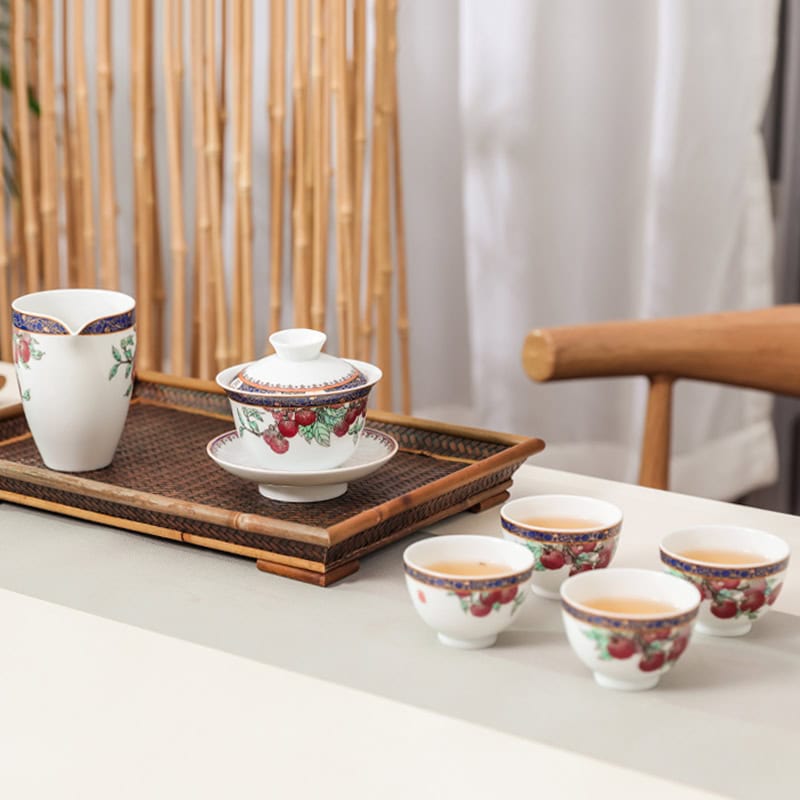
Tea was first used as medicinal herb to detoxify the body and refresh the spirit. Later, it served as sacrificial offerings to honor heaven, earth and ancestral deities. It then became a staple in daily cuisine, cooked into soups and dishes, an irreplaceable flavor of ordinary life. In the Tang Dynasty, Lu Yu, an orphan by birth, traveled across thirty-two prefectures in search of pristine springs and fine tea, penning The Classic of Tea — the world’s first comprehensive monograph on tea culture. From that moment, tea drinking was bound by standardized rituals and etiquette, embodying the spiritual ethos of “diligent conduct and modest virtue”. Lu Yu elevated an ordinary wild leaf to the realm of the Tea Tao, guiding tea out of mountain wilderness and deep into the spiritual soul of the Chinese nation.
Tea & Terroir: Every Land Brews Its Unique Tea Flavor
One Leaf Holds the World: A Natural Poem Written by Rain, Mist, Sun and Earth
A fine tea’s life takes root in its terroir. Mist-wreathed highlands with gravelly rocky earth form the most beloved home for tea bushes. The mild, humid landscapes south of the Yangtze nurture Longjing with distinct bean notes and Biluochun rich in fruity honey aroma. Lingnan’s warm climate grants Dancong its distinctive mountain charm and rock tea its signature mineral rocky backbone. Nestled within Fujian’s rolling hills, pine-smoked Lapsang Souchong pioneered the world’s black tea tradition. In Yunnan’s primeval forests, ancient-tree Pu-erh matures gently through years of post-fermentation, growing softer and richer with time. Every single tea leaf encapsulates its native terroir — an innate poem composed by rain, mist, sunlight and native soil.
The Joy of Tea Tasting: Roam Vast Landscapes Without Stepping Outdoors
A Cup of Tea Flows With the Unique Charm of Local Terroir
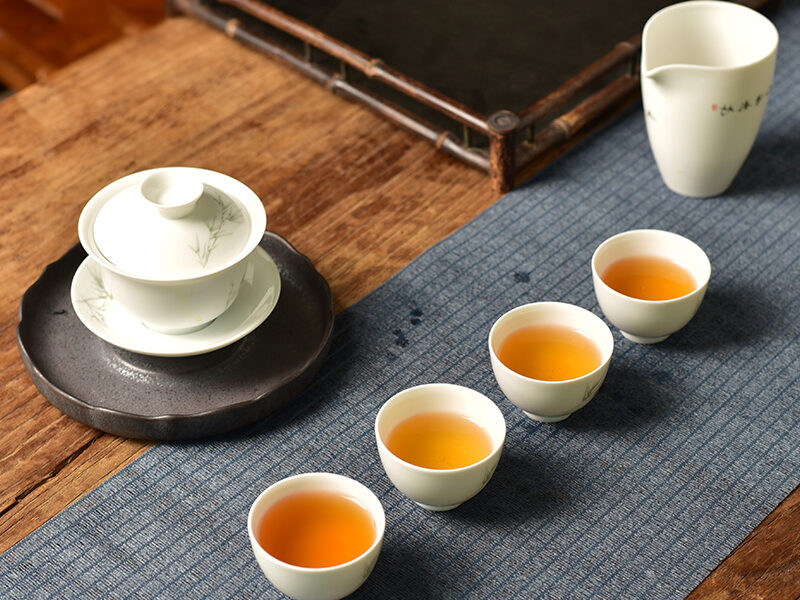
Therefore, savoring tea is akin to wandering through landscapes without stepping out the door. A sip of Huangshan Maofeng unfolds misty Huizhou scenery before your eyes; a brew of Wuyi Rougui evokes the gurgling ripples of Jiuqu Stream. Tea captures frozen mountains and rivers in liquid form, carrying the ever-flowing charm of native terroir.
Brewing Customs Through Dynasties: Tang Boiled Tea & Song Whisked Tea, Peak of Elegance
Supreme Song Elegance: Treatise on Tea of Daguan & Ink-Wash Art of Tea Hundred Arts
The Tang people favored boiled tea: they roasted compressed tea cakes, ground them into fine powder, and simmered the powder in boiling water seasoned with salt, producing a broth similar to vegetable soup. The Song Dynasty pioneered whisked tea culture. Tea balls were ground into ultra-fine dust, blended with hot water and briskly whisked to form thick, creamy white foam; pale white froth was deemed superior, sparking the nationwide trend of tea competitions. It was an era of unparalleled refined taste. Emperor Huizong personally authored Treatise on Tea of Daguan. Literati gathered for tea socials, mastering whisked tea, tea calligraphy and tea painting, weaving ethereal ink-wash artistic conception within a single tea bowl.
Ming & Qing Loose-Leaf Infusion: Simplify Rituals, Seize Half a Day’s Peace
Seven Daily Necessities: Only Tea Grants Leisure Amid Mortal Bustle
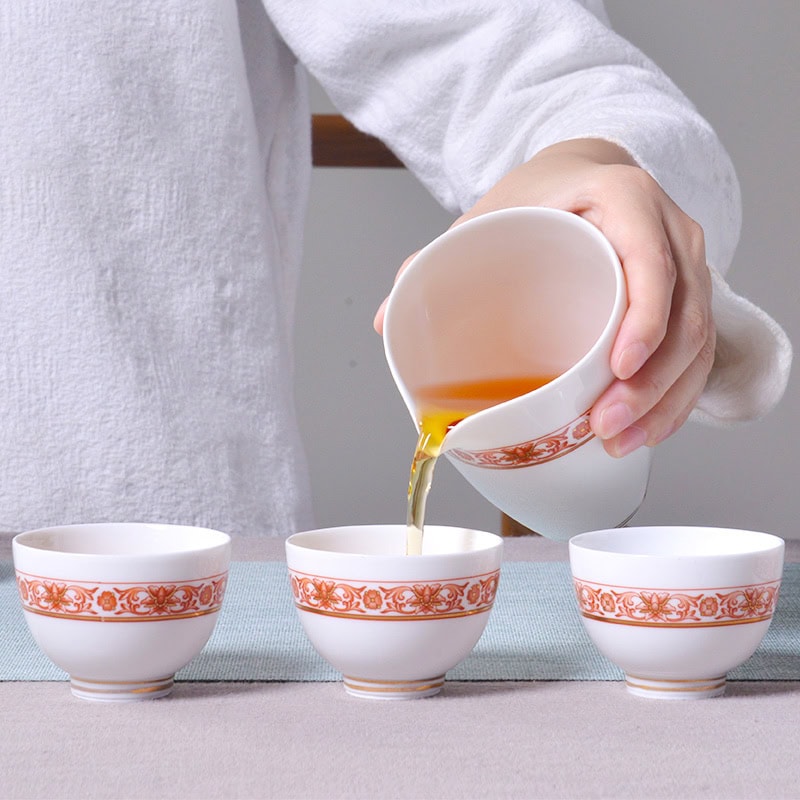
Following the Ming and Qing dynasties, compressed ball and cake tea faded from popularity, replaced by loose-leaf infusion brewing. A handful of loose tea is placed in teapots or tasting bowls, steeped with boiling hot water; dry leaves unfurl slowly underwater, just like blooming blossoms. Tea drinking returned to simplicity and its authentic essence. Evolving from elaborate rituals to casual daily pleasure, tea has never left Chinese households. From emperors and high officials to street vendors and laborers, tea ranks last among the seven daily necessities: firewood, rice, oil, salt, soy sauce, vinegar and tea. Yet it alone allows people to step away from the grind of daily labor and seize a half-day of tranquil leisure amid bustling mortal life.
The Philosophy of Tea Ware: Vessels Are Tea’s Father, Utensils Bear the Universal Tao
A Tiny Tea Mat Holds an Entire Miniature Universe
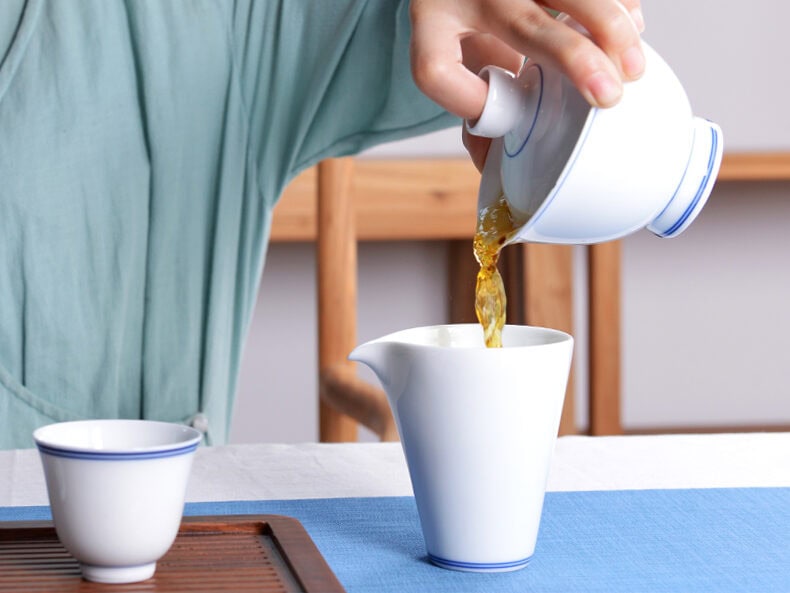
No tea tasting is complete without matching tea ware. Stoneware teapots boast a unique double-pore structure. After years of nurturing, even plain boiled water steeped in them carries faint lingering tea aroma, a living glow cultivated jointly by human hands and tea. An ancient proverb states: “Tea ware is the father of tea, water its mother.” Only when tea leaves, spring water and vessels complement one another perfectly can the true flavor of tea be fully awakened. As Zhou Dunyi wrote, “Infuse culture into craft vessels, carry philosophical Tao through utensils.” The inseparable bond between tea and ware represents the pinnacle of Chinese aesthetic living. A tiny tea mat holds an entire miniature universe within its bounds.
The Inclusiveness of Tea: Admired by Nobility and Common Folk, Rooted in Ordinary Life
For All Social Classes: Imperial Elegance Coexists With Rural Refreshment
The irreplaceable spirit and allure of Chinese tea lies in its grounded nature — it never stands aloof on lofty pedestals, but weaves seamlessly into ordinary mortal life. It can manifest as exquisite imperial dragon-phoenix tea cakes in royal palaces, or simple cooling tea served in rough earthen bowls in rural villages. It embodies refined poetic grace in literati verses such as “Fine tea rivals the beauty of graceful ladies”, and serves as plain thirst-quenching refreshment for farmers to beat the heat amid field labor.
The Spirit of Tea: Mild and Inclusive, Bearing 5,000 Years of Chinese Sentiment
One Sip Tastes China’s Mountains, Rivers, Poetry and Eternal Sentiment
Tea embraces all without prejudice, mirroring the character of Chinese civilization: inclusive, reserved and mild-tempered. Taking one gentle sip of tea is akin to swallowing five thousand years of China’s landscapes, poetry and profound human sentiment.