A Complete Analysis of the Five Great Kilns of Chinese Ceramics
News 2022-06-14 31
A Complete Analysis of the Five Great Kilns of Chinese Ceramics
The Song Dynasty marks the golden peak in the development of Chinese ceramics. The Five Great Kilns stand as the most iconic artistic treasures of this era. Ru, Guan, Ge, Jun and Ding feature vastly different aesthetic styles and distinctive craftsmanship, jointly building the aesthetic pinnacle of Song monochrome porcelain and creating irreproducible ceramic classics that have lasted for thousands of years. Even broken shards of wares from the Five Great Kilns preserved in museums boast extremely high artistic and archaeological value, astonishing countless ceramic enthusiasts to this day.
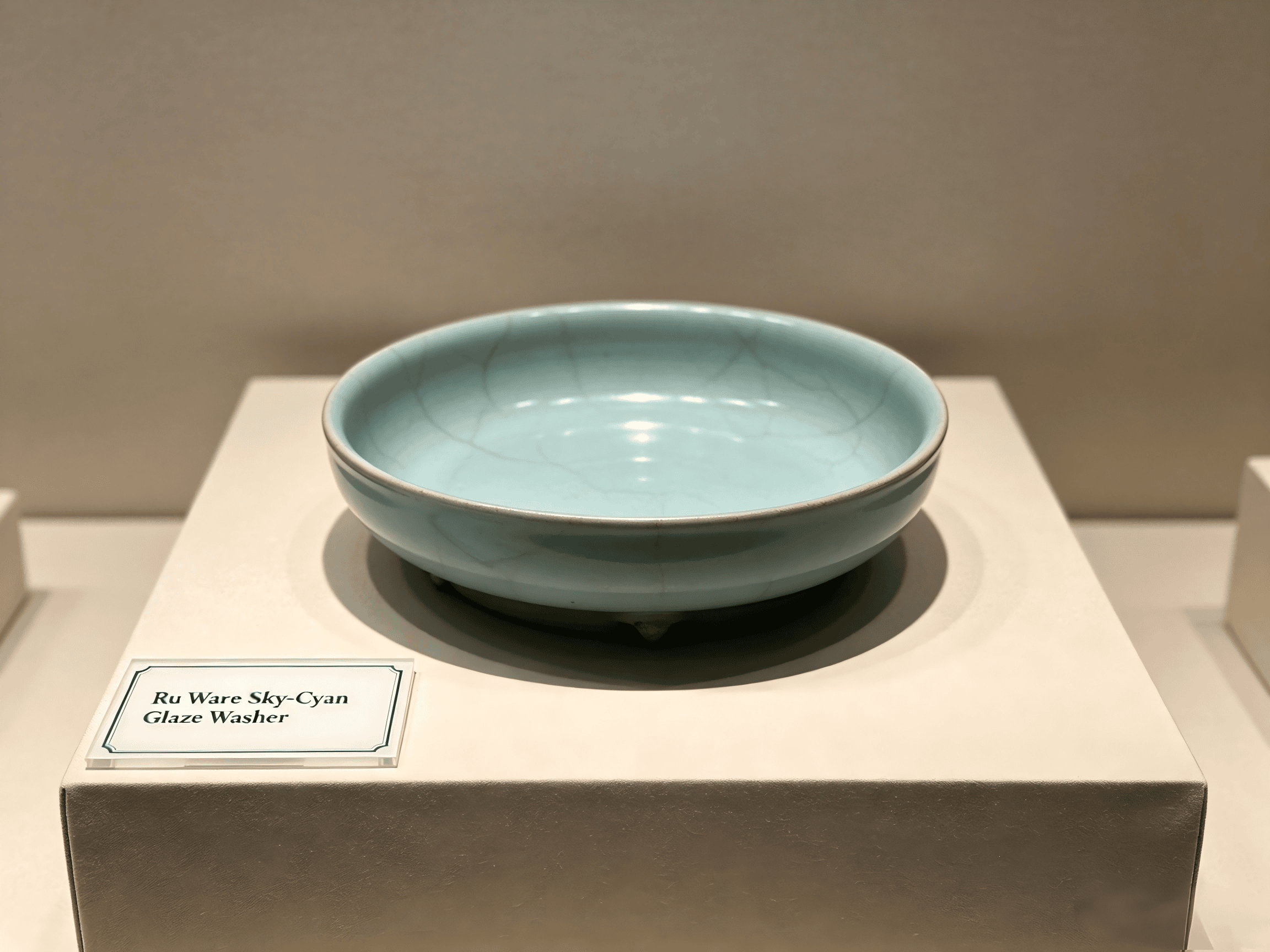
Ru Kiln: The Foremost of Five Great Kilns, a Model of Matte Sky-Cyan Song Porcelain
Known as “the leader among all kilns”, Ru Kiln ranks first among the Five Great Kilns. Its signature sky-cyan glaze carries a jade-like mild luster. The restrained and soft glaze abandons gaudy, complicated decorations, perfectly interpreting the minimalist and elegant aesthetics favored by Song literati. Owing to its extremely short production period for imperial use, intact surviving Ru wares are extremely rare; every complete piece counts as a national treasure that leaves an unforgettable impression.
1.Kiln Sites and Production Period
The core Ru Kiln site is Qingliang Temple in Baofeng, Pingdingshan, Henan, an area formerly known as Linru of Ruzhou. The kiln originated in the early Northern Song Dynasty. It exclusively produced imperial porcelain from the reigns of Emperor Zhezong to Emperor Huizong in the late Northern Song Dynasty for roughly 20 years, ceased imperial firing in the Southern Song Dynasty, and vanished completely by the late Yuan Dynasty.
2.Body Texture and Glaze Features
Ru porcelain boasts thin, delicate bodies mixed with trace copper, presenting an ash-yellow “incense ash body” that emits a soft, delicate sound when tapped. Natural agate was added to the glaze slurry, yielding three main sky-cyan shades: sky blue, pink cyan and moon white, all with a mild jade texture. The opaque matte glaze bears fine crab-claw crackles, thin and even glaze layers dotted with sparse tiny air bubbles. Sesame-sized nail marks can be seen on vessel bottoms. All wares remain plain without decorative patterns, relying solely on pure monochrome glaze for charm.
3.Core Firing Techniques
Ru wares adopted the full-glaze nail-support firing method: glaze covers the entire vessel, supported by three, five or seven sesame-sized nails on the base to prevent glaze abrasion. Low-temperature weak reduction flame was used to intentionally reduce gloss and achieve a soft matte texture. Most shapes are small stationery washers, plates and cups; large vessels are scarce, and no painted or carved ornamentation is applied.
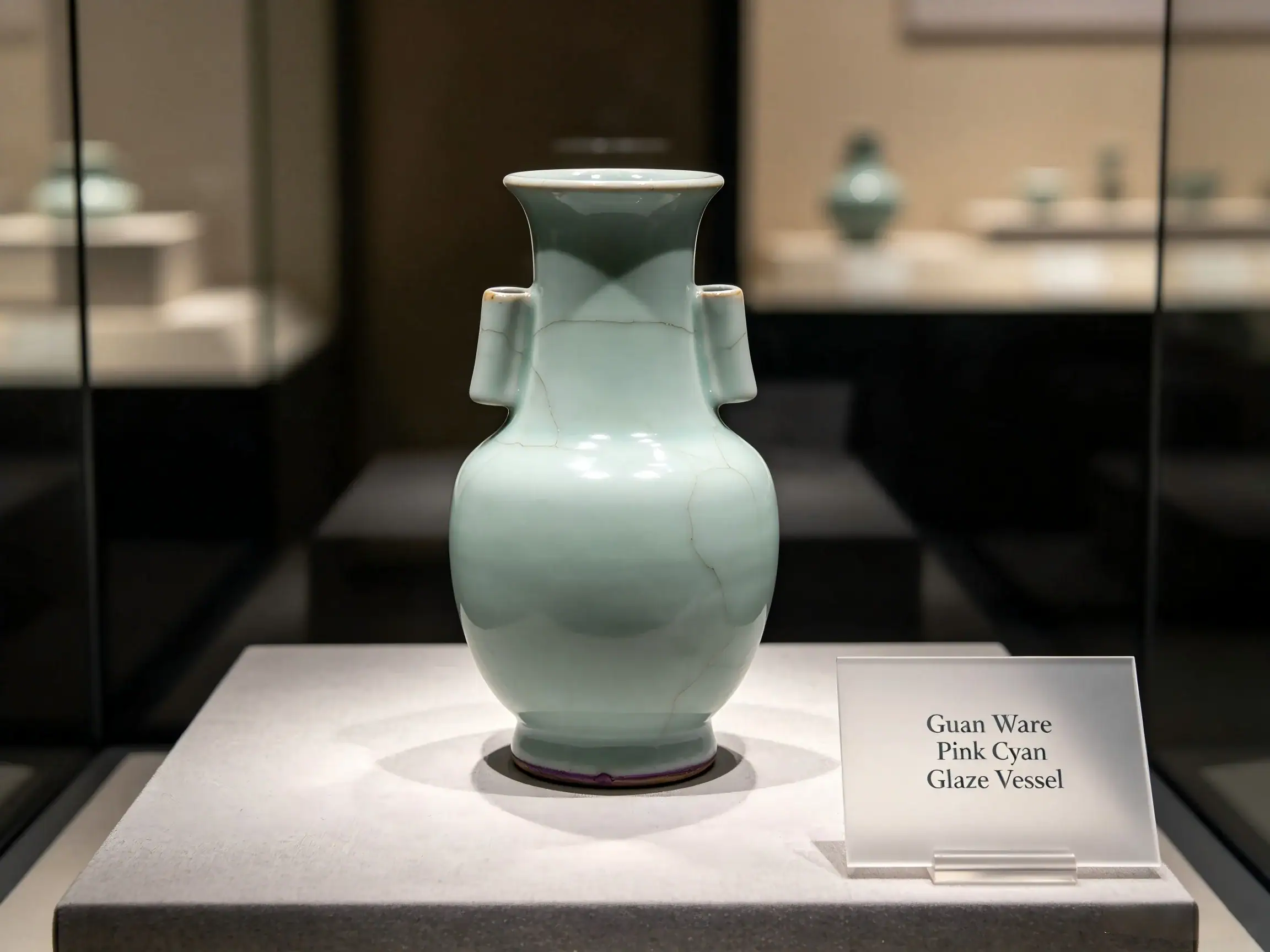
Guan Kiln: Imperial Royal Porcelain with Thick Glaze, Purple Mouth & Iron Foot
Directly managed by the imperial court for exclusive royal use, Guan porcelain carries a solemn and dignified imperial aura. Vessels feature neat, clean lines dominated by pink cyan and moon white glazes. Thick glaze layers deliver a jade-like texture. Instead of elaborate patterns, they rely on shape and glaze to reveal understated luxury, representing ritual vessels for the Song imperial court.
1.Northern & Southern Guan Kiln Sites and Eras
The Northern Song Guan Kiln is believed to be built near Bianliang (modern Kaifeng, Henan) under Emperor Huizong. Buried deep underground, its exact site remains undiscovered. After the Jingkang Incident, Emperor Gaozong moved south and built two official kilns in Lin’an (modern Hangzhou): the Xiuneisi Guan Kiln and Jiaotanxia Guan Kiln, which supplied imperial porcelain throughout the Southern Song Dynasty.
2.Distinctive Body and Glaze Traits
Northern Song Guan porcelain bodies contain high iron content with an overall grey hue. Southern Song Guan kilns used finer raw materials for dark black bodies rich in iron. Thin glaze on the rim reveals purplish-brown clay, while unglazed foot rings show dark brown, together forming the iconic “purple mouth and iron foot”. Multiple layers of glaze were applied, far thicker than Ru ware, producing shades of pink cyan, moon white, grey cyan and fried rice yellow. The glaze is covered with large interwoven ice and tortoise-shell crackles of varying depths.
3.Firing Methods and Vessel Shapes
Guan wares adopted single firing after multiple glazing layers to thicken glaze for a jade effect. Northern Song Guan used pad cakes and rings dusted with fine sand to avoid adhesion. Southern Song Guan switched to nail supports leaving larger marks than Ru ware, with exposed foot rings forming iron feet. Craftsmen created crackles intentionally by utilizing the thermal expansion difference between body and glaze, taking cracks as natural decoration. Most shapes replicate heavy, solemn Shang and Zhou bronze ritual vessels.
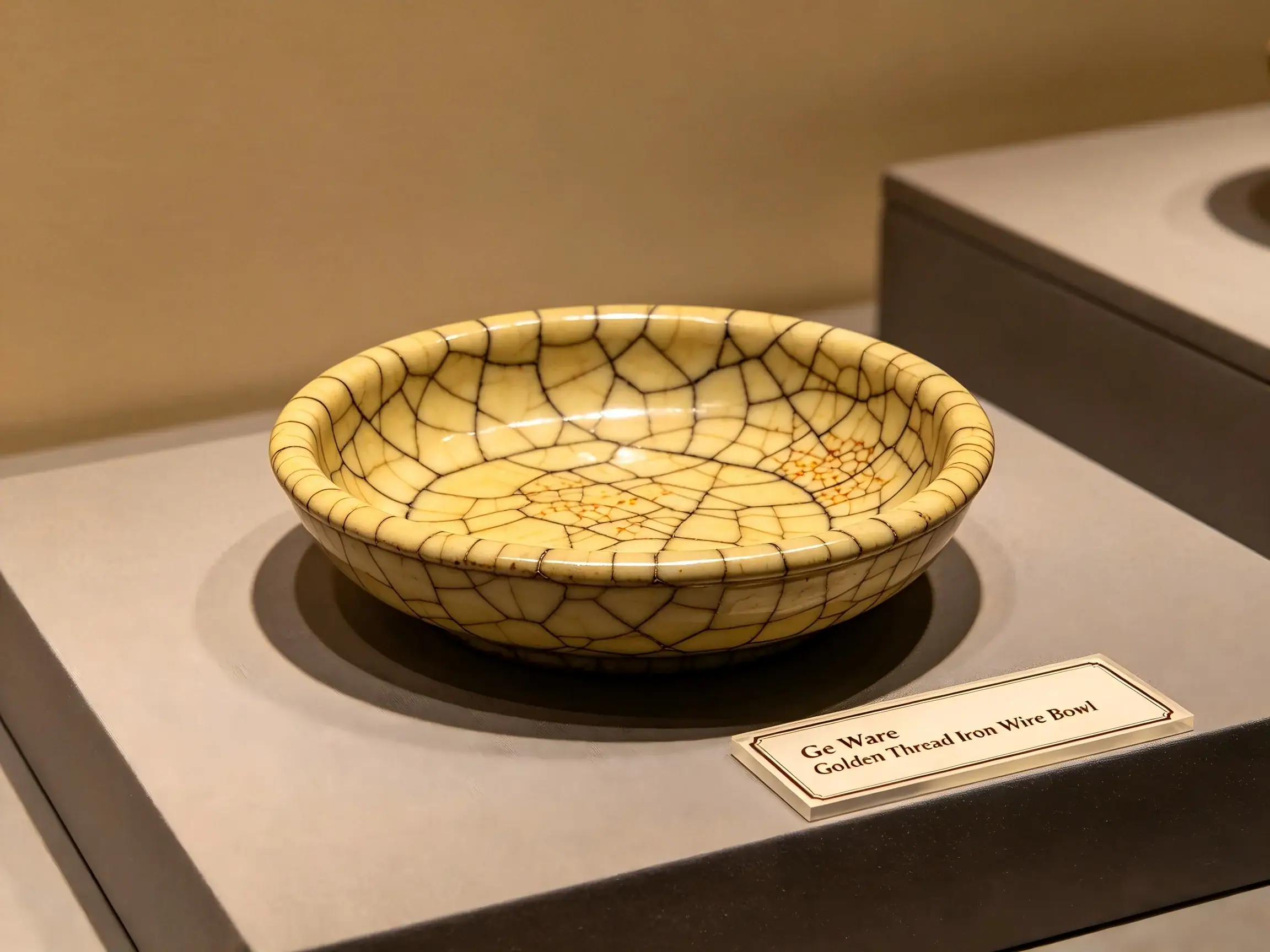
Ge Kiln: The Pinnacle of Imperfection Aesthetics, Transmitted Ware with Gold Wire & Iron Thread
Ge Kiln’s core identity lies in its unique dual-layer crackles on glaze. Wide black cracks are called “iron threads”, while tiny yellow-red fine cracks are “gold wires”, collectively known as gold wire and iron thread. These seemingly incomplete textures carry primitive elegance, forming an exclusive beauty of imperfection and serving as the clearest feature to distinguish Ge from Guan porcelain.
1.Disputed Kiln Origin and Production Period
The exact origin and era of Ge Kiln remain controversial among ceramic historians, with four mainstream hypotheses pointing to Hangzhou, Longquan, Jingdezhen and northern kiln systems. Most scholars tend to classify it as a branch of Zhejiang Longquan Kiln. Transmitted Ge wares were mainly produced in the Southern Song and continued into the Yuan Dynasty as high-grade imperial display pieces. Most surviving authentic works are ancient Qing court collections known as transmitted Ge porcelain.
2.Body and Glaze Characteristics
Ge porcelain bodies are fine yet slightly loose, mostly dark grey or deep brown. Dark clay shows through thin glaze on rims and feet, featuring purple mouth and iron foot as well. Thick, mild glaze mainly comes in rice yellow, grey cyan and pink cyan. The core marker is interwoven double-layer crackles: wide black iron threads mixed with delicate gold wires creating rich visual layers. Though similar to Southern Song Guan ware in appearance, their crackle patterns differ sharply.
3.Porcelain Making and Temperature Control Craft
Ge blanks were shaped by hand-throwing, mould printing and slip casting, then finely trimmed with metal cutters. Most wares were pad-fired with exposed foot rings. It inherited Guan’s thick glaze technique, forming dual gold and iron crackles naturally during cooling through precise temperature control, segmented biscuit firing and reduction flame at 1260℃–1300℃. Surviving pieces often show tiny glaze shrinkage spots, with slightly inferior craftsmanship to Guan Kiln. Shapes are small stationery and ornamental vases, with fewer archaic ritual vessels than Guan ware.
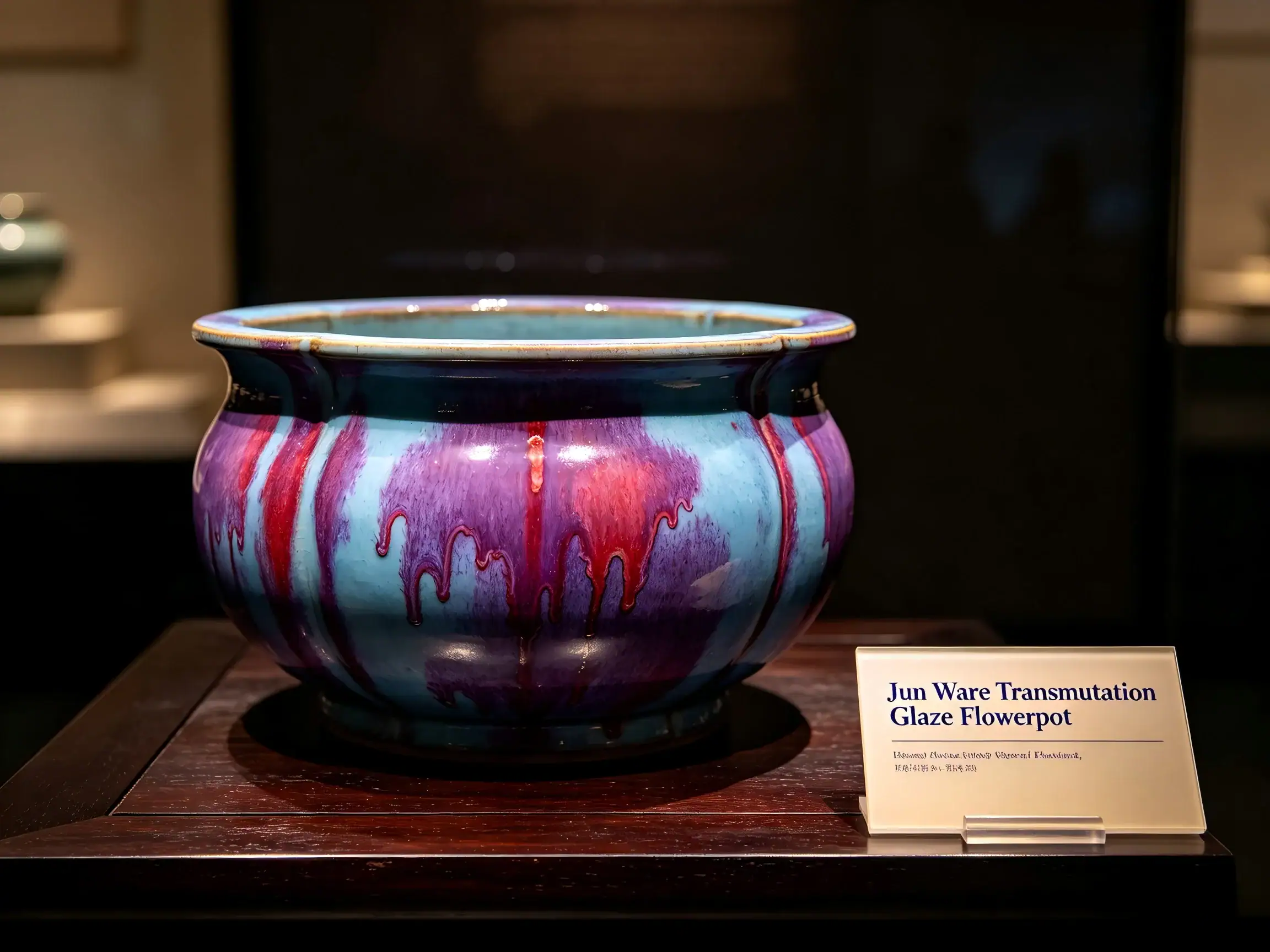
Jun Kiln: Magical Transmutation Glaze – Single Color In Kiln, Thousands of Hues Out
Jun Kiln is the most romantic among the Five Great Kilns, famous for its unparalleled copper-red kiln transmutation craft. Uniform glaze slurry transforms into flowing interwoven red, blue and purple streaks under high heat. Every vessel bears an exclusive pattern with no duplicates. Ancient poets described its gorgeous hues with the line “Purple and emerald mist blooms at sunset”, delivering striking visual impact.
1.Kiln Distribution and Cross-Dynasty Development
The core Jun Kiln production zone is Shenhou Town, Yuzhou, Henan, formerly Junzhou. The kiln rose in the Northern Song and flourished in the Jin and Yuan dynasties, supplying imperial courts from the late Northern Song. It is the only kiln among the five with large-scale continuous production across Song, Jin and Yuan. Academic disagreements remain: some scholars argue that museum-held imperial Jun display wares dated to the Song were actually made in the early Ming Yongle and Xuande reigns.
2.Body Texture and Exclusive Transmutation Glaze
Jun porcelain features heavy, dense bodies in off-white, dark grey and reddish-brown, with large vessels feeling substantial in hand. Though categorized as celadon, it does not take cyan as the primary tone. Copper oxides in the glaze create dazzling shades of rose purple, begonia red, eggplant purple and carmine through kiln transmutation, giving rise to the famous sayings “single color in kiln, thousands of hues out” and “no two identical Jun wares”. Highly fluid glaze forms winding earthworm mud tracks, the exclusive identifier of Jun porcelain.
3.High-Temperature Transmutation Firing Craft
Jun’s core technology is high-temperature firing under strong reduction flame. Fluctuations of heat and atmosphere trigger reduction reactions of copper in glaze to generate unique transmutation colors. Single glazing followed by high-temperature firing creates flowing glaze drips on vessel bottoms. Pad cakes were mostly used instead of nail supports. Shapes cover imperial display flower pots and folk daily bowls and plates in all sizes.
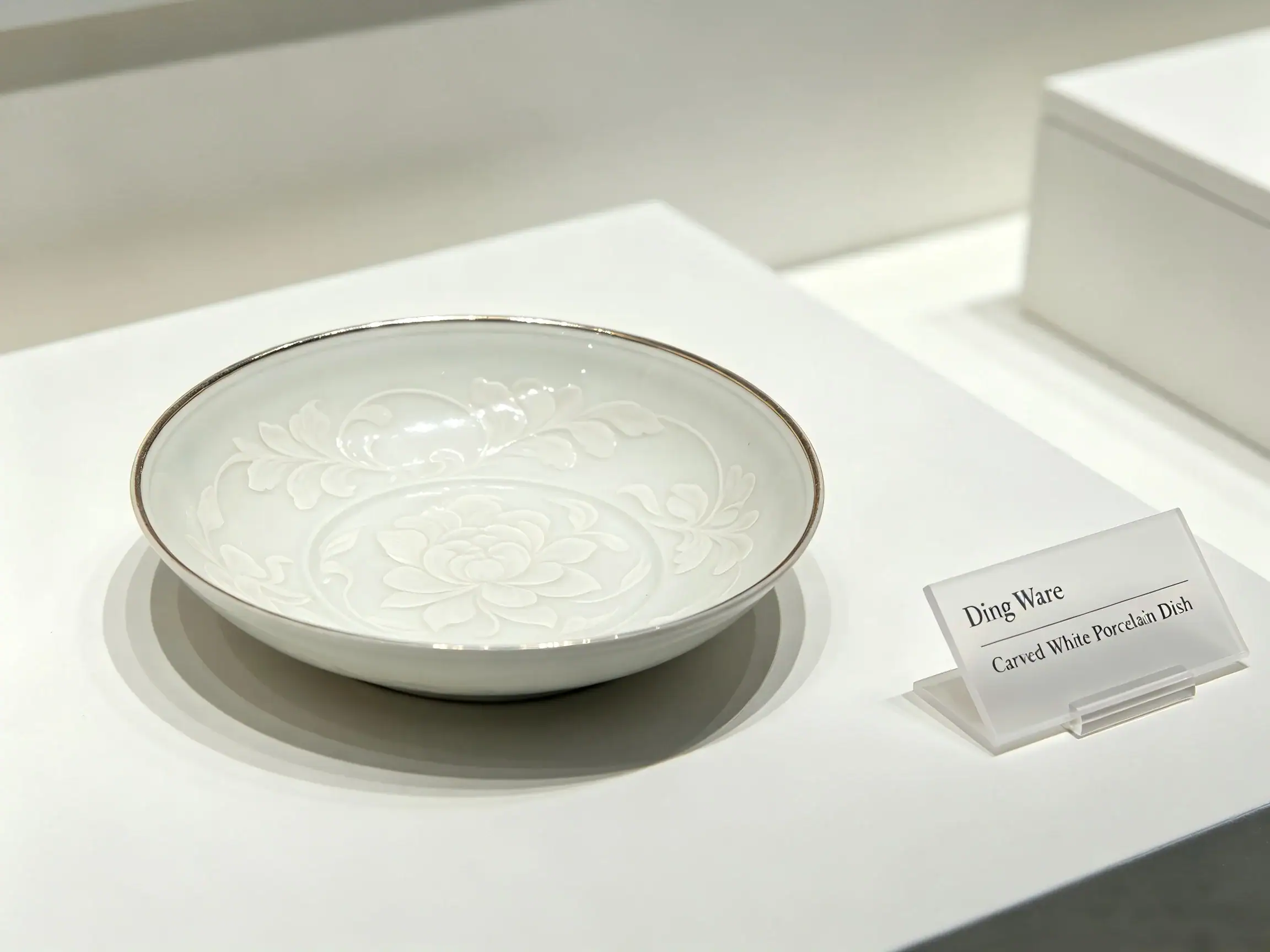
Ding Kiln: The Peak of Northern White Porcelain, Famous for Upside-Down Firing & Engraved Patterns
Ding Kiln is the only one of the Five Great Kilns specializing in white porcelain. Its pure white, fine and thin bodies carry even mild white glaze, decorated with delicate carved, incised and printed multi-layer patterns. The vivid graceful lines stand in sharp contrast to the plain monochrome wares of the other four kilns, representing the supreme craftsmanship of ancient northern white porcelain.
1.Kiln Sites and Complete Development Timeline
Ding Kiln sites lie at Jianci Village and East/West Yanshan Village in Quyang, Baoding, Hebei, ancient Dingzhou. Its ceramic history dates back to the Northern and Southern Dynasties. White porcelain became mainstream in the Five Dynasties, production fully flourished in early and mid Northern Song, continued in the Jin Dynasty, declined in the Yuan, and halted completely in the Xuande reign of the Ming. It was also the earliest kiln among the five to supply imperial porcelain to the court.
2.White Porcelain Body Glaze and Special Colored Glaze Types
Pure white, delicate thin bodies are Ding’s exclusive hallmark among the Five Great Kilns; only low-grade rough wares show pale grey bodies. White glaze splits into two categories: white cyan “white Ding” and yellowish “pink Ding”. Rare colored glaze varieties including black Ding, purple Ding and green Ding were also produced. Intricate printed, carved and incised decorations of flowers, birds, dragons and phoenixes prevailed from the mid-to-late Northern Song with dense exquisite patterns.
3.Original Upside-Down Firing and Metal Rim Craft
Ding invented upside-down firing: bowls and plates were placed upside down in saggers to greatly boost output, leaving unglazed rough rims known as “mangkou”. Craftsmen covered bare rims with inlaid gold, silver or copper edges to remedy the flaw. Different from the undecorated plain wares of the other four kilns, carving, printing and incising are Ding’s core decorative techniques. High firing temperature delivers bright, transparent glaze. Products include folk daily plates and bowls as well as imperial display vases and jars, circulated widely nationwide.
Conclusion: Unique Charms of the Five Great Kilns Forge Millennial Song Porcelain Aesthetics
Ru’s elegant sky cyan, Guan’s solemn thick glaze, Ge’s gold-thread crackles, Jun’s gorgeous transmutation and Ding’s pure white porcelain each hold distinct charm, jointly composing the most glorious chapter in Chinese ceramic history. Far more than ancient daily and display vessels, they are millennium-old treasures of Chinese aesthetics containing the restrained, refined and dedicated craftsmanship of the Chinese nation. Mastering the traits of the Five Great Kilns allows one to identify classic Song porcelain at a glance and appreciate the unique ceramic charm of Chinese civilization.