Custom Ceramic Art Installation Cost: 7 Factors That Affect Your Budget
News 2026-11-09 70
Custom ceramic art can transform a hotel lobby, cultural venue, commercial interior, restaurant, gallery, corporate building, or public space. However, buyers often find it difficult to estimate the Custom Ceramic Art Installation Cost from a rendering or reference photograph alone.
Unlike standard ceramic products, a customized installation combines artistic development, ceramic production, structural engineering, packaging, transportation, and on-site assembly. Two projects of similar size may therefore have very different costs.
Understanding the following seven factors will help protect Your Budget, reduce unexpected expenses, and allow suppliers to prepare a more accurate proposal. Based in Jingdezhen, MC Ceramic works as a ceramic supplier and project partner, coordinating the specialists required to convert a creative concept into an achievable installation.
1. Project Size, Quantity, and Site Conditions
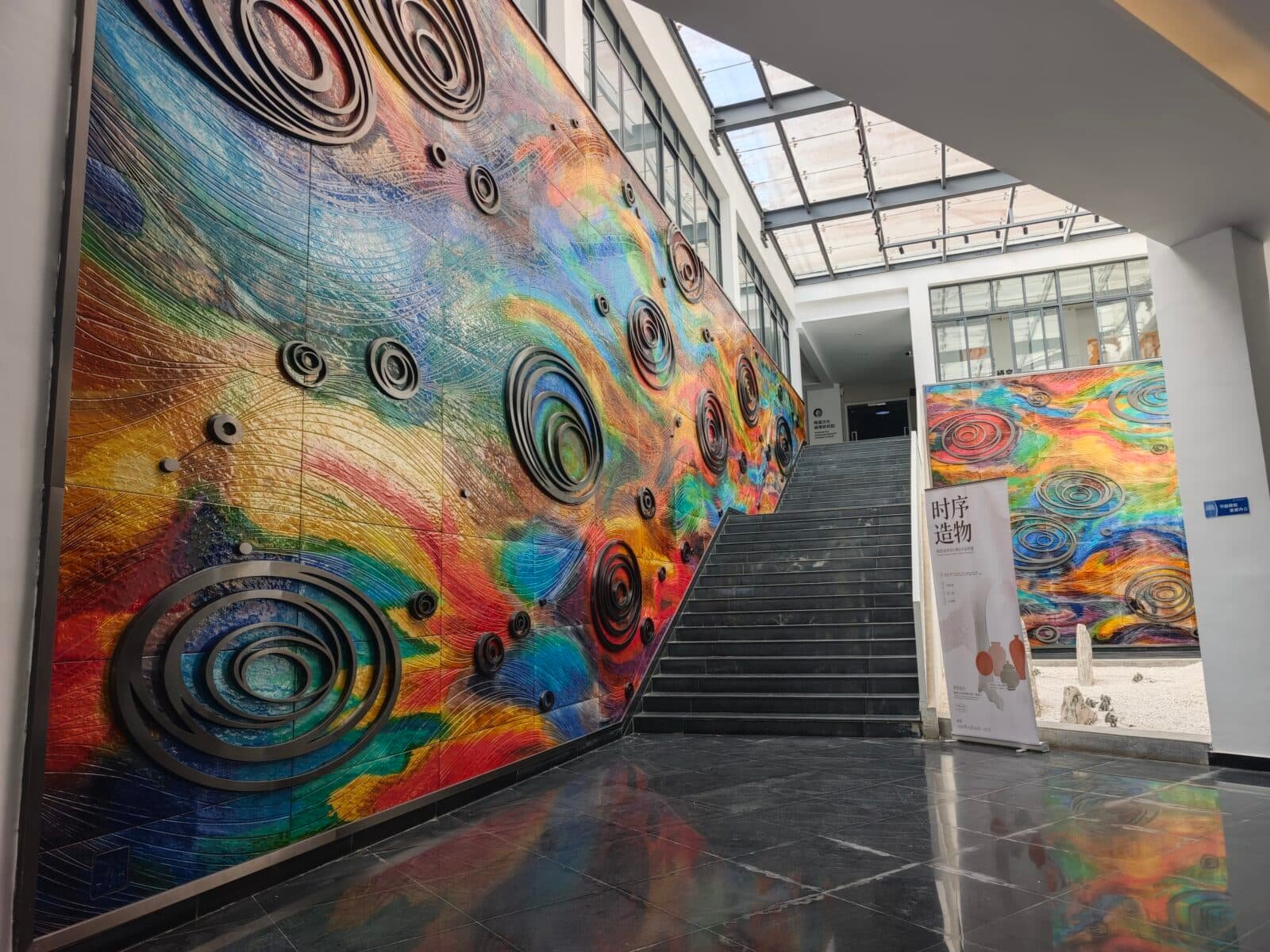
The first influence on the Custom Ceramic Art Installation Cost is the overall scale of the project. Important information includes the total length, height, depth, number of ceramic components, installation height, and available construction area.
A larger installation generally requires more material, kiln space, labor, packaging, and transportation. However, size alone does not determine the final price. A repeated modular design may be more economical than a smaller installation containing hundreds of individually shaped components.
Site conditions also affect Your Budget. Before quoting, the project team should understand:
- Whether the installation is indoors or outdoors
- Whether it is wall-mounted, suspended, or floor-standing
- The height and accessibility of the installation area
- Door, elevator, corridor, and stairway dimensions
- The wall or ceiling structure
- Lighting and electrical requirements
- Local construction and safety requirements
Providing site photographs and architectural drawings early can help MC Ceramic identify potential risks before design and production begin.
2. Design Complexity and Artistic Development
A simple arrangement using repeated standard ceramic modules usually requires less design work than an original site-specific artwork.
The design stage may involve concept development, sketches, 3D renderings, color studies, elevation drawings, component maps, structural diagrams, and revisions requested by the client, architect, or interior designer.
Complex curved surfaces, detailed reliefs, irregular compositions, hand-sculpted forms, and individually numbered components require additional development time. If every piece has a different shape or pattern, production and installation become more demanding.
Design ownership should also be clarified. Buyers should confirm whether they are providing complete production drawings or asking the supplier to develop the artistic and technical solution.
For projects requiring original development, design should be treated as a professional part of the Custom Ceramic Art Installation Cost, rather than as a free addition to production.
3. Ceramic Materials and Decorative Techniques
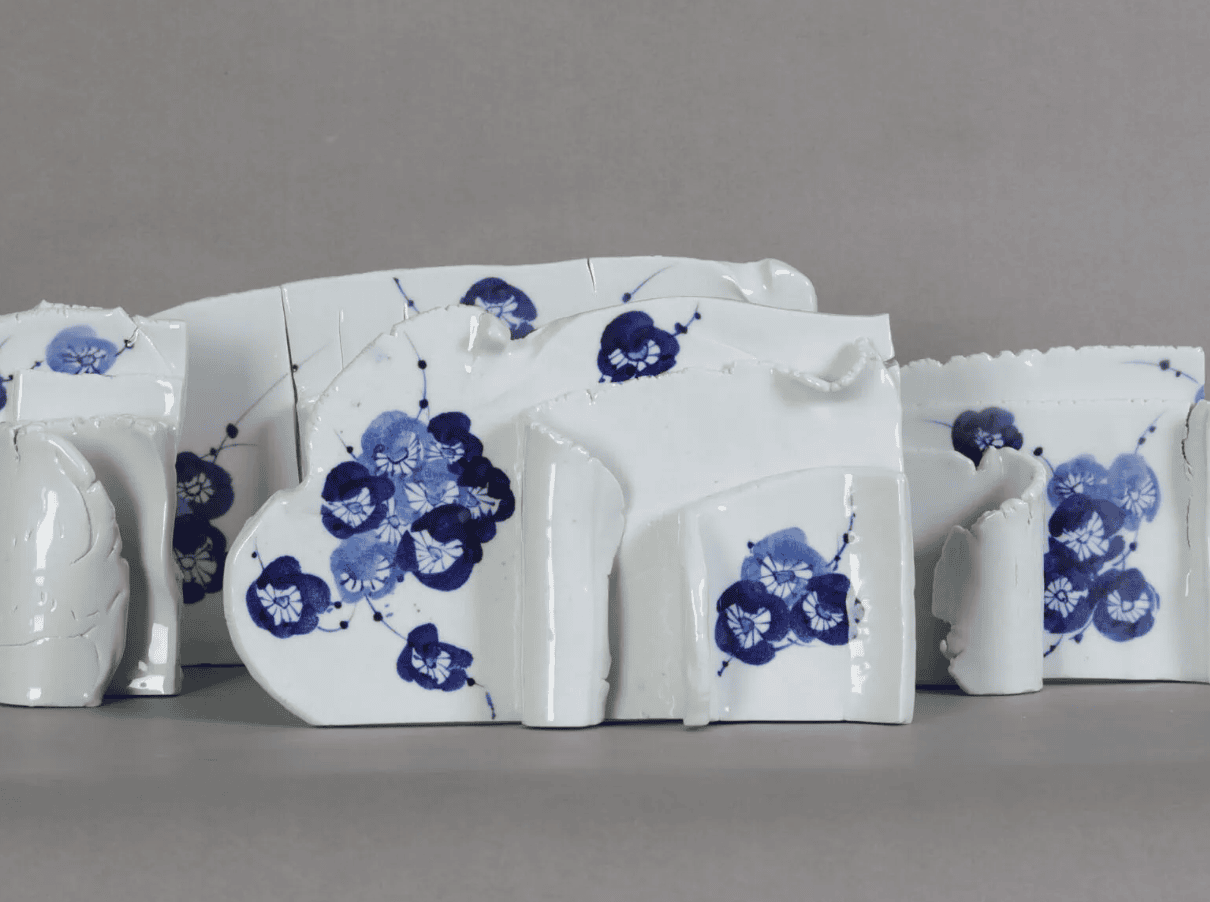
Material and craftsmanship can significantly affect Your Budget. Custom installations may use porcelain, stoneware, high-temperature ceramic slabs, sculptural clay, translucent porcelain, or mixed ceramic materials.
Decorative options may include:
- High-temperature color glazes
- Blue-and-white hand painting
- Underglaze decoration
- Relief carving
- Hand sculpting
- Marbled clay
- Gilding and metallic decoration
- Linglong or translucent porcelain
- Multiple glaze applications and repeated firing
- Ceramic combined with metal, glass, lighting, wood, or stone
Hand-painted or hand-sculpted components require more working time than standardized pieces. Repeated firing, specialized glazes, large ceramic slabs, thin translucent bodies, and difficult kiln effects may also increase technical risk.
Some kiln losses should be considered when establishing the Custom Ceramic Art Installation Cost. Highly complex pieces may require additional production quantities so that damaged or unsuitable components can be replaced.
4. Sampling, Molds, and Technical Testing
Sampling is another important part of Your Budget. Before full production, the project may require glaze tiles, material boards, sample components, molds, partial assemblies, lighting tests, or full-size prototypes.
A sample can confirm:
- Shape and dimensions
- Glaze color and surface texture
- Ceramic-body thickness
- Weight and structural feasibility
- Connection holes and fixing details
- Light transmission
- Compatibility with metal hardware
- Visual effect under the actual site lighting
Large or unusual shapes may require custom molds, while highly artistic pieces may need to be formed individually by hand.
Although sampling adds an initial expense, it can reduce the risk of larger losses during production or on-site installation. MC Ceramic recommends confirming representative samples and acceptable color ranges before proceeding with the complete order.
5. Structural Engineering, Metalwork, and Safety Hardware
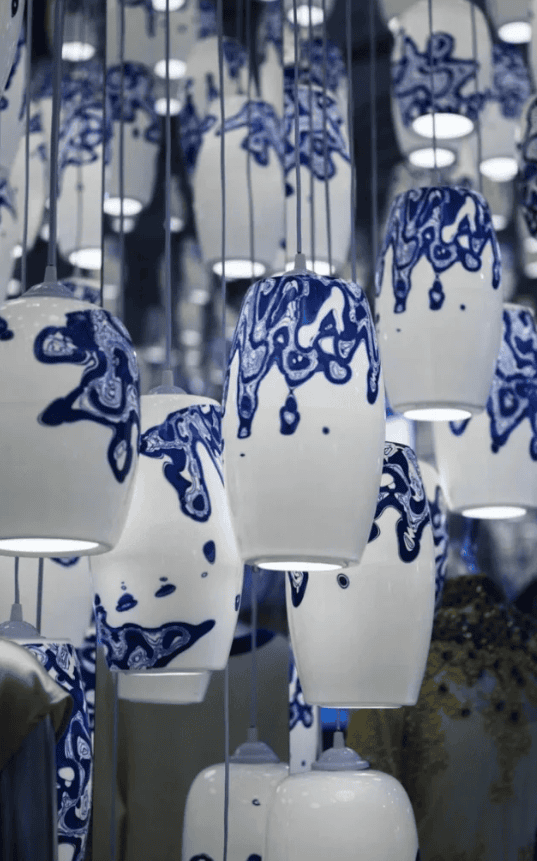
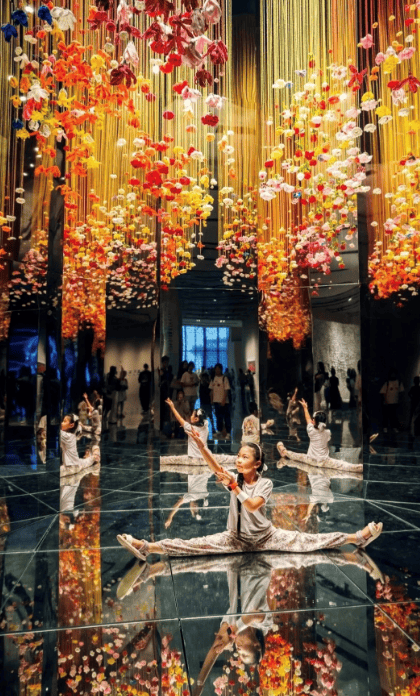
Ceramic installations often require more than ceramic components. Frames, bases, suspension cables, connectors, steel keels, brackets, anchors, anti-fall hardware, and lighting structures may all be necessary.
The structural solution depends on the weight of the ceramic components, installation height, wall or ceiling conditions, maintenance requirements, and local safety standards.
A floor-standing sculpture may require a reinforced base. A suspended installation may require individually calculated hanging points. A large wall mural may need a steel support system to distribute weight and provide anti-fall protection.
These components directly affect the Custom Ceramic Art Installation Cost but should not be removed simply to reduce Your Budget. Structural safety, long-term stability, and maintenance access must be considered from the beginning.
For international projects, local architects, engineers, and contractors should verify the final structure according to applicable site regulations.
6. Protective Packaging and International Transportation
Custom ceramic components may be fragile, heavy, irregular, or difficult to reproduce. Standard export cartons may therefore be unsuitable.
Depending on the project, packaging may include custom foam, reinforced cartons, wooden crates, separate compartments, edge protection, moisture protection, numbered labels, packing diagrams, and orientation markings.
Transportation costs are influenced by:
- Total weight and shipping volume
- Number and dimensions of crates
- Destination country
- Air, sea, rail, or road transportation
- Customs and import requirements
- Insurance arrangements
- Unloading and temporary storage
- Access from the delivery point to the installation site
An installation containing lightweight repeated components may have a different freight cost from a heavy ceramic mural, even if their visual dimensions are similar.
Packaging and logistics should therefore be calculated separately when evaluating the Custom Ceramic Art Installation Cost.
7. On-Site Installation and Project Coordination
The final factor affecting Your Budget is installation. Some projects can be installed by the client’s local contractor using numbered drawings and video instructions. Others require ceramic specialists, engineers, or an installation team to attend the site.
Installation expenses may include labor, travel, accommodation, lifting equipment, scaffolding, site protection, local transportation, tools, structural adjustments, lighting coordination, cleaning, and final inspection.
Unexpected site differences can also increase costs. For example, the actual wall dimensions may differ from the drawings, suspension points may be unavailable, or completed interior finishes may restrict access.
Early communication can reduce these risks. MC Ceramic can coordinate remote installation guidance or project-specific on-site support according to the agreed scope.
How to Prepare a More Accurate Budget
To receive a meaningful quotation, buyers should provide more than a reference image. The following information will help MC Ceramic evaluate the project:
- Site photographs and architectural drawings
- Installation dimensions
- Indoor or outdoor application
- Preferred ceramic style and technique
- Reference images or initial concept
- Estimated quantity of components
- Structural and lighting requirements
- Destination country and site address
- Expected completion date
- Target budget range
- Required installation support
A realistic budget should separate design, samples, molds, ceramic production, metal structures, packaging, transportation, and installation. This makes it easier to adjust the project without weakening its essential artistic or safety requirements.
For an overview of the complete workflow, buyers can also read Custom Ceramic Art Installations in Jingdezhen: 8 Steps from Concept to On-Site Installation.
Conclusion: Control the Cost Before Production Begins
The Custom Ceramic Art Installation Cost cannot be determined by size or ceramic quantity alone. Design complexity, materials, craftsmanship, sampling, structural engineering, packaging, transportation, and installation all influence Your Budget.
The most effective way to control costs is to define the site, scope, technical requirements, responsibilities, and acceptance standards before production begins. A lower initial quotation may not represent a lower final cost if it excludes design revisions, metal structures, protective packaging, freight, or installation support.
Jiangxi Mofang Culture Development Co., Ltd.(江西省墨方文化发展有限公司), operating internationally under the brand MC Ceramic, is based in Jingdezhen and works as a ceramic supplier and project partner. MC Ceramic coordinates design resources, ceramic specialists, production, quality control, structural components, packaging, global delivery, and installation support for customized ceramic art projects.
Designers, architects, hospitality groups, cultural organizations, galleries, and commercial project owners can contact MC Ceramic with their drawings, site information, reference images, destination, schedule, and budget for a project-specific evaluation.