Common Ceramic Tableware Problems Buyers Should Check Before Ordering
News 2026-09-20 12
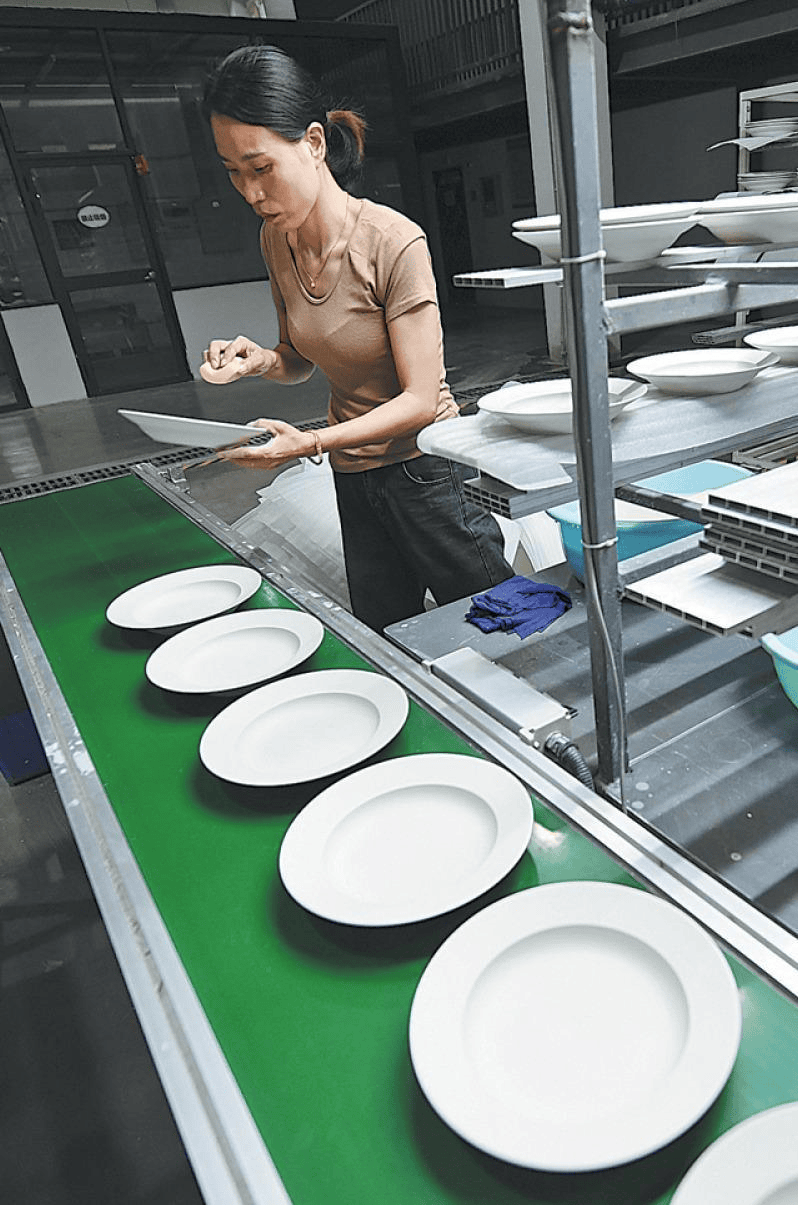
Ceramic tableware may look simple, but producing consistent plates, bowls, cups, saucers, and serving pieces requires careful control of raw materials, forming, drying, glazing, firing, decoration, and packaging. Small variations are normal in ceramic production, especially in handmade or semi-handmade products. However, some defects can affect appearance, durability, food safety, stacking, or commercial use.
For importers, distributors, hotel suppliers, restaurants, and private-label brands, identifying common ceramic tableware problems before confirming an order can prevent disputes and unexpected costs. Buyers should define quality standards during sampling rather than waiting until mass production is complete.
This guide explains the most common ceramic tableware problems and the key details buyers should check before placing an order.
1. Shape Deformation and Uneven Profiles
Deformation is one of the most common ceramic tableware problems. Plates may appear oval instead of round, bowls may lean to one side, and cup rims may become uneven. These issues can occur during forming, drying, or firing because ceramic bodies naturally shrink as moisture is removed.
Minor variation may be acceptable in handmade art porcelain, where small differences are part of the product’s character. However, excessive deformation is unsuitable for hotel tableware, retail dinnerware sets, or products that need to stack neatly.
Buyers should place several plates or bowls together to check:
- Whether the rims are level
- Whether the products sit steadily on a flat surface
- Whether pieces of the same size stack correctly
- Whether the shapes are visually consistent
- Whether lids fit their matching pots, jars, or cups
Before mass production, buyers and suppliers should agree on acceptable tolerances for diameter, height, weight, and deformation.
2. Pinholes, Black Spots, and Glaze Bubbles
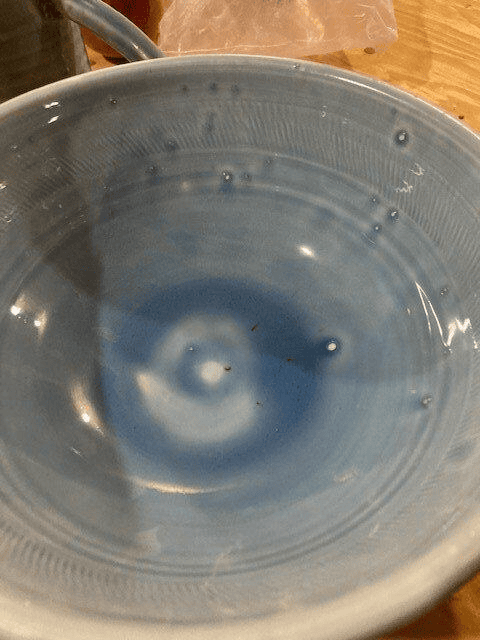
Pinholes are very small holes that appear on the glazed surface. Black spots may come from impurities in the raw materials, dust, kiln contamination, or iron particles. Glaze bubbles can appear when gases are trapped during firing.
A small number of minor marks may be difficult to avoid completely in large-scale ceramic production. The acceptable level depends on the product grade, price, decoration, and intended market. Premium retail products normally require stricter standards than lower-priced promotional ceramics.
Buyers should pay particular attention to the food-contact surface. Large pinholes, sharp glaze bubbles, exposed ceramic bodies, or obvious black spots should not be ignored.
Professional Jingdezhen ceramic manufacturers generally inspect the glaze under suitable lighting and separate products according to agreed quality grades.
3. Glaze Cracks and Crazing
Crazing appears as a network of fine cracks in the glaze. It may be intentionally created as a decorative effect on certain art porcelain, but it is normally considered a defect in functional ceramic tableware unless the design specifically requires it.
Unintentional crazing may result from a mismatch between the expansion rates of the ceramic body and the glaze. It may appear immediately after firing or develop later during use.
Buyers should distinguish decorative crackle glaze from structural glaze failure. For everyday plates, bowls, mugs, and hotel tableware, the supplier should confirm whether the glaze has been developed for repeated washing, temperature changes, and normal food contact.
Products with unintended glaze cracks may absorb stains or become more difficult to clean. Any testing requirements should be agreed upon before ordering.
4. Chipped Rims, Sharp Edges, and Rough Foot Rings
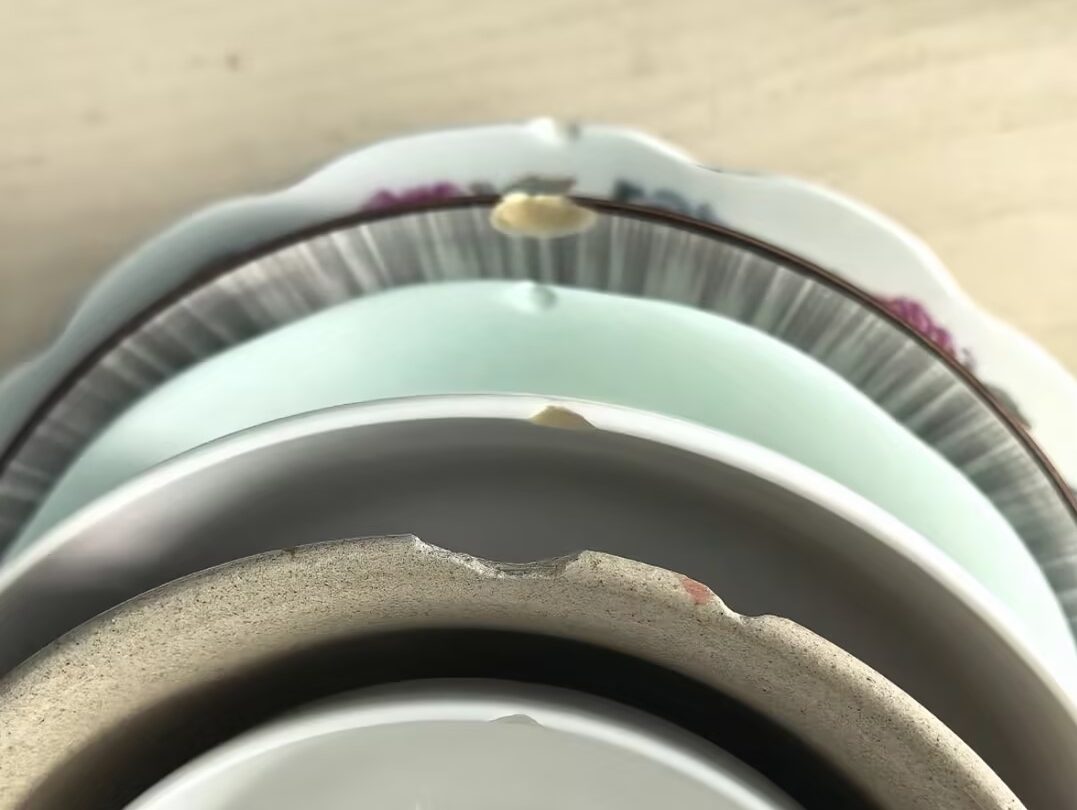
The rim and foot are two of the most vulnerable parts of ceramic tableware. Chips can occur during unloading, polishing, inspection, packing, or transportation. Rough foot rings may scratch tables or damage other plates when products are stacked.
Before approving an order, buyers should check:
- Cup and bowl rims for chips
- Plate edges for sharp or rough areas
- Foot rings for proper polishing
- Handles and spouts for sharp points
- The connection between handles and cup bodies
- Whether the bottom is stable on a flat surface
For hotels and restaurants, smooth foot rings and durable rims are especially important because tableware is frequently stacked, transported, washed, and reused.
5. Color Differences Between Samples and Mass Production
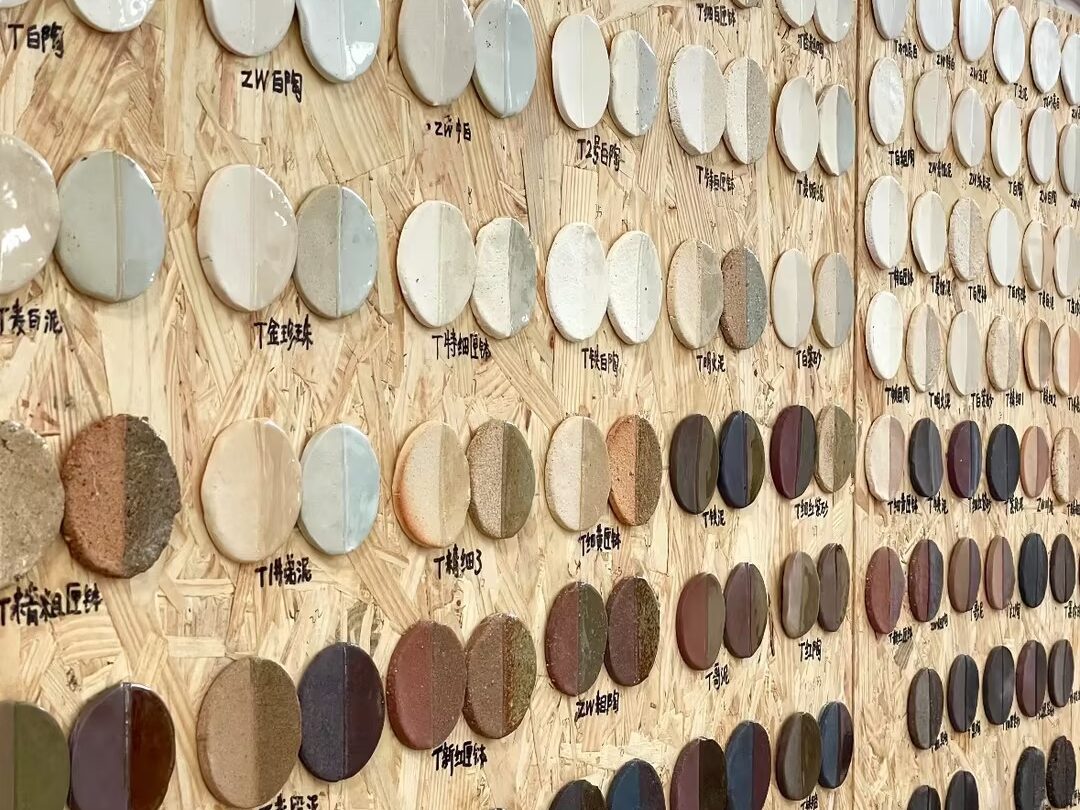
Color variation is another common concern in custom ceramic orders. A decoration may look slightly different from the approved sample because of pigment batches, decal printing, glaze thickness, kiln atmosphere, firing position, and temperature.
Color glazes can be particularly sensitive to firing conditions. Some handmade Jingdezhen ceramics and art porcelain intentionally show natural color variations, but commercial dinnerware collections usually require greater consistency.
Buyers should not approve colors only through photographs because phone screens, computers, and lighting can change their appearance. A physical sample or signed color standard is more reliable.
The order agreement should specify:
- The approved color sample
- Acceptable color variation
- Whether natural glaze variation is expected
- Which areas of the pattern require close matching
- Whether different production batches may be mixed
6. Decal Misalignment and Inconsistent Decoration
Custom ceramic tableware often uses decals, underglaze printing, hand painting, or overglaze decoration. Common decorative problems include crooked logos, interrupted border lines, inconsistent pattern positions, wrinkles, bubbles, missing colors, and visible decal edges.
For a complete dinnerware set, buyers should check whether the same visual language is maintained across plates, bowls, cups, saucers, and serving pieces. A pattern that works well on a flat plate may require adjustment when applied to a curved bowl or cup.
Logo placement should be confirmed using a sample or technical drawing. Buyers should specify the logo size, position, direction, color, and distance from the rim or base.
For hand-painted Jingdezhen ceramics, minor brush differences are natural and may demonstrate craftsmanship. However, these variations should still remain within the agreed design style.
7. Weak Handles and Poorly Attached Components
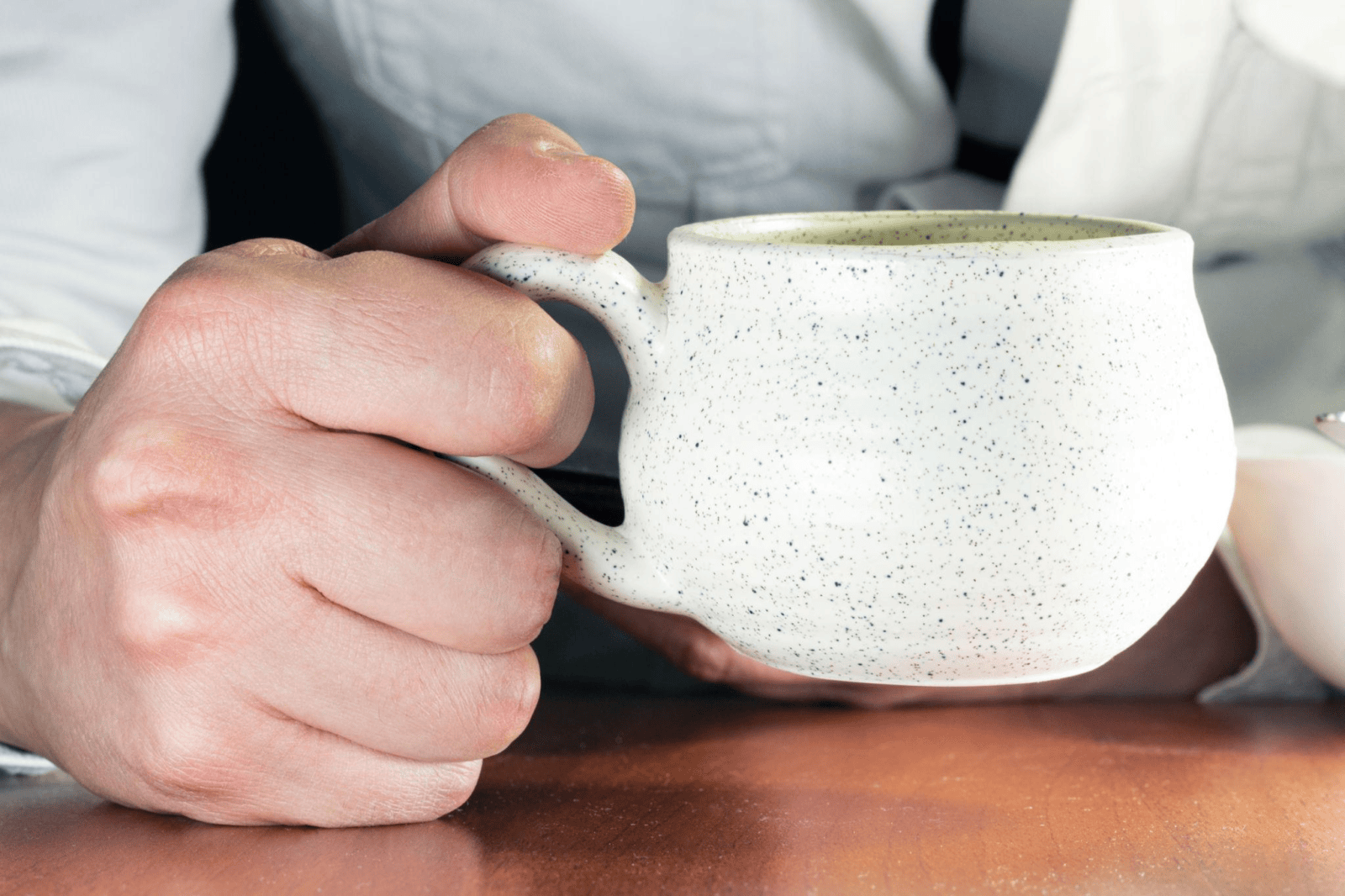
Cup handles, teapot handles, knobs, spouts, and decorative attachments are usually formed separately and joined to the main body. Poor joining can cause cracks or breakage during washing, packing, or everyday use.
Buyers should inspect the attachment area for:
- Visible cracks
- Gaps between the handle and body
- Uneven joining marks
- Weak or uncomfortable handle shapes
- Insufficient finger space
- Excess glaze around the joint
Handle strength is particularly important for coffee cups, mugs, teapots, and commercial drinkware. A beautiful design is not commercially successful if the handle is uncomfortable or breaks easily.
8. Poor Stacking and Unstable Bases
Stackability affects storage, packaging, transportation, and restaurant use. Plates or bowls with inconsistent profiles may become unstable when stacked. Cups may tilt, and saucers may not hold cups securely.
Hotels and restaurants should evaluate stacking during sample approval. Buyers should test several pieces together instead of checking only one sample.
An unstable base can also cause a plate or bowl to move on the table. In some cases, minor base adjustments can be made through polishing. Serious instability usually indicates forming or firing problems.
9. Differences in Size, Weight, and Capacity
Ceramic materials shrink during drying and firing, so minor dimensional variation is normal. Nevertheless, large inconsistencies can affect set composition, packaging, shelf display, and customer expectations.
For cups, capacity should be measured using an agreed method. “Full capacity” and “recommended serving capacity” are not always the same. Buyers should therefore confirm whether a quoted 300 ml cup refers to maximum capacity or practical drinking capacity.
Product specifications should include:
- Diameter
- Height
- Weight
- Capacity
- Foot-ring dimensions
- Permitted tolerance
These details are especially important when developing customized packaging or replacing individual pieces in an open-stock tableware collection.
10. Microwave and Dishwasher Compatibility
Not every ceramic product is automatically safe for use in microwaves or dishwashers. Metallic decorations such as gold rims, platinum bands, and some electroplated finishes should not be placed in a microwave.
Overglaze decorations may also require special care during repeated dishwasher cycles. Strong detergents and high-temperature washing can gradually affect certain finishes.
Buyers should ask the manufacturer whether the exact ceramic body, glaze, and decoration combination has been evaluated for the intended use. A test report for plain white porcelain may not apply to a newly developed gold-rimmed product.
Decorative art porcelain should not automatically be treated as functional tableware. Its intended use should be clearly identified before production.
11. Lead and Cadmium Release
Food-contact safety is a critical purchasing issue, particularly for decorated ceramic tableware. Buyers should determine which standards apply in the destination market and whether laboratory testing is required.
The test sample should represent the actual product being ordered, including its glaze, decoration, pigment, and firing process. Changing the decorative material or firing conditions may affect the test result.
Responsible Jingdezhen ceramic manufacturers should discuss the target market and testing requirements before production begins. Buyers should not rely only on general claims such as “food safe” without confirming the applicable standard and supporting documentation.
12. Packaging Problems and Shipping Damage
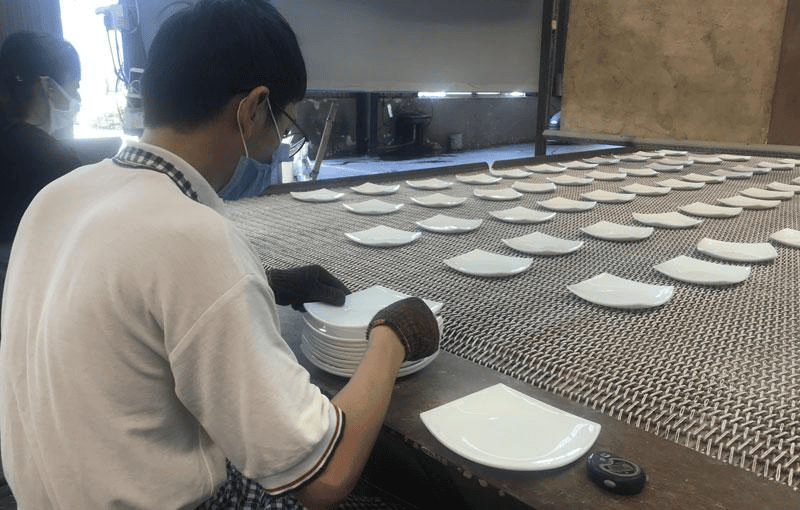
A product may pass factory inspection but still arrive damaged if the packaging is unsuitable. Common packaging problems include weak cartons, insufficient dividers, excessive empty space, poorly protected handles, and cartons that are too heavy.
Before confirming the order, buyers should evaluate:
- Inner packaging
- Dividers and cushioning
- Gift boxes
- Master carton strength
- Carton dimensions and weight
- Pallet requirements
- Moisture protection
- Drop-test requirements
- Replacement and damage-claim procedures
Coffee cups, teapots, handles, lids, and irregular art porcelain normally require additional protection. Export packaging should be designed according to the product structure and transportation method, not only according to appearance.
How Buyers Can Reduce Quality Risks Before Ordering
The best time to prevent common ceramic tableware problems is before mass production. Buyers should provide clear specifications and approve representative samples.
A practical process includes:
- Confirm the product shape and dimensions.
- Approve the ceramic body, glaze, and decoration.
- Define acceptable color and size variations.
- Confirm the intended use and target market.
- Establish inspection criteria.
- Confirm testing requirements.
- Approve the packaging method.
- Keep a signed reference sample.
- Arrange pre-shipment inspection when necessary.
- Record any changes made after sample approval.
Buyers should also clarify whether the product is fully machine-made, semi-handmade, hand-painted, or designed as art porcelain. The expected level of uniformity will differ among these categories.
Conclusion: Preventing Common Ceramic Tableware Problems Through Clear Standards
Common ceramic tableware problems include deformation, glaze defects, cracks, rough foot rings, color differences, decoration misalignment, weak handles, unstable stacking, dimensional variation, safety concerns, and inadequate packaging. Some minor variations are natural characteristics of ceramic production, while others can affect performance, safety, or commercial value.
The key is not to demand unrealistic perfection but to establish clear and measurable standards before production. Approved samples, technical specifications, testing requirements, packaging confirmation, and pre-shipment inspection can significantly reduce quality risks.
Based in Jingdezhen, China, Magic Cube works with specialized production partners and experienced Jingdezhen ceramic manufacturers to develop tableware, coffee cups, tea sets, Linglong porcelain, customized dinnerware, and art porcelain. By confirming materials, decoration, dimensions, tolerances, testing, and packaging before production, Magic Cube helps international buyers manage common ceramic tableware problems and prepare products for their intended markets.