Why Does Ceramic Tableware Trap Grease and Become Difficult to Clean?
News 2026-09-14 51
Ceramic tableware is widely used in hotels, restaurants, cafés, and homes because it is attractive, heat-resistant, and suitable for many types of food. However, some plates and bowls seem to hold grease even after washing. Their surfaces may feel slippery, look cloudy, or develop dark stains around the rim, foot ring, and textured decoration.
Does ceramic naturally absorb grease? Usually, the answer is no. Properly fired porcelain with a smooth, intact glaze has very low water absorption and should be relatively easy to clean. When ceramic tableware becomes difficult to wash, the real causes are often related to glaze quality, surface texture, firing, product design, wear, water conditions, or cleaning procedures.
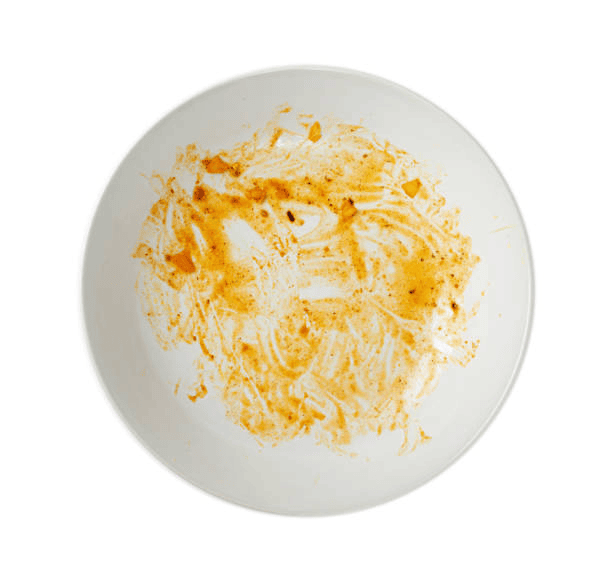
1. Rough or Textured Glazes Hold More Residue
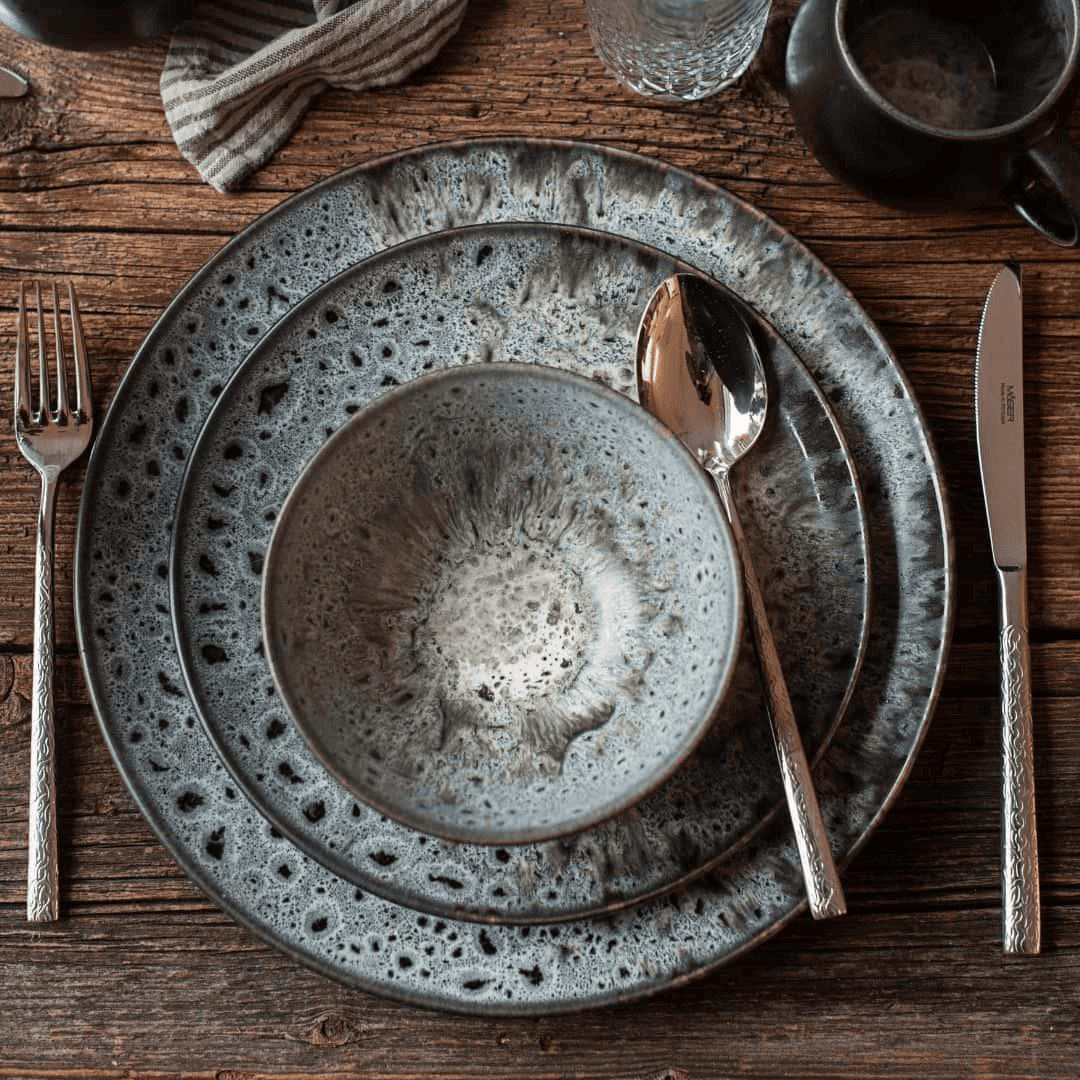
A smooth glaze gives food residue fewer places to remain. By contrast, matte glazes, reactive glazes, embossed surfaces, carved patterns, and intentionally rough finishes contain microscopic variations that can retain oil, sauce, starch, and detergent residue.
This does not always mean the ceramic body itself is absorbing grease. In many cases, a thin film remains inside the small valleys of the textured surface. It may not be obvious when the plate is wet, but it can become visible after drying.
Textured ceramic tableware is popular because it creates a handmade and natural appearance. It is often used in rustic restaurants, boutique hotels, and creative dining spaces. However, buyers should balance appearance with cleaning requirements. A deeply textured food-contact area may require more scrubbing than a smooth glazed surface.
For decorative art porcelain, texture can be an important part of the design because the object may not be used for serving food. For commercial dinnerware, however, heavily textured areas are usually better placed around the rim or exterior rather than across the main food-contact surface.
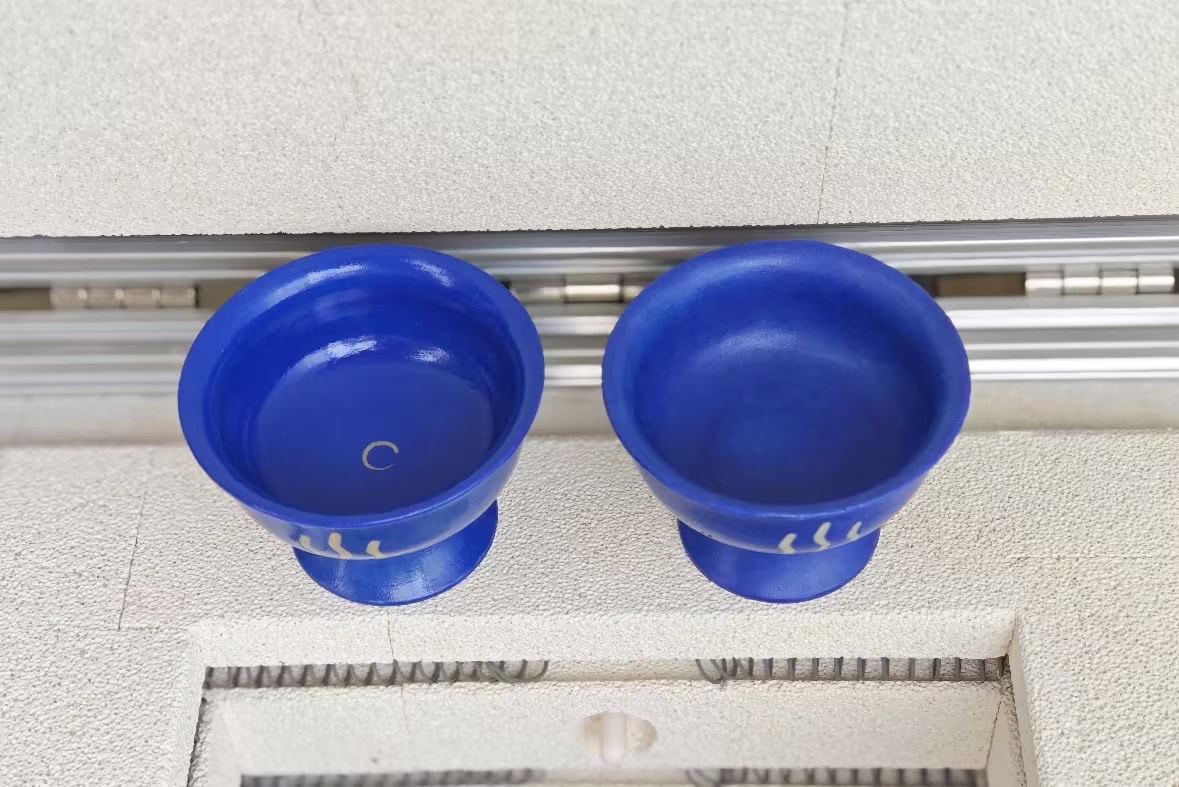
2. Incomplete Glaze Coverage Creates Areas That Trap Grease
Most ceramic plates and bowls have glazed food-contact surfaces, but some parts may remain unglazed. The foot ring is a common example because it must often be left partially unglazed during firing to prevent the product from sticking to the kiln furniture.
If the unglazed foot is rough, porous, or poorly polished, it may collect grease, dust, dirty water, and food particles. These residues can also transfer to other plates when tableware is stacked.
Incomplete glaze coverage around handles, rims, relief decoration, or recessed areas can create similar problems. Small pinholes, exposed body areas, or poorly finished joints may be difficult to clean during normal restaurant washing cycles.
A professional Jingdezhen ceramic manufacturer should inspect glaze coverage, polish foot rings, and check recessed areas before packaging. These details may appear minor, but they have a direct impact on hygiene, stacking, and daily maintenance.
3. Pinholes, Crazing, and Glaze Defects Can Collect Oil
Pinholes are small holes or depressions in the glaze surface. Crazing refers to a network of fine cracks in the glaze. Other defects may include crawling, blistering, rough patches, and uneven glaze thickness.
When these defects occur on food-contact surfaces, oil and colored sauces may become trapped in them. Over time, the tableware may develop dark marks, odors, or stains that are difficult to remove.
Some crackle-glaze products are intentionally designed with visible crack patterns. They can be visually attractive and are frequently used in decorative ceramics and art porcelain. However, buyers should carefully evaluate whether a particular crackle glaze is appropriate for repeated commercial food use.
Glaze defects can be influenced by raw materials, application thickness, drying, kiln atmosphere, firing temperature, and the compatibility between the ceramic body and glaze. Good production control is therefore more important than the appearance of a sample alone.
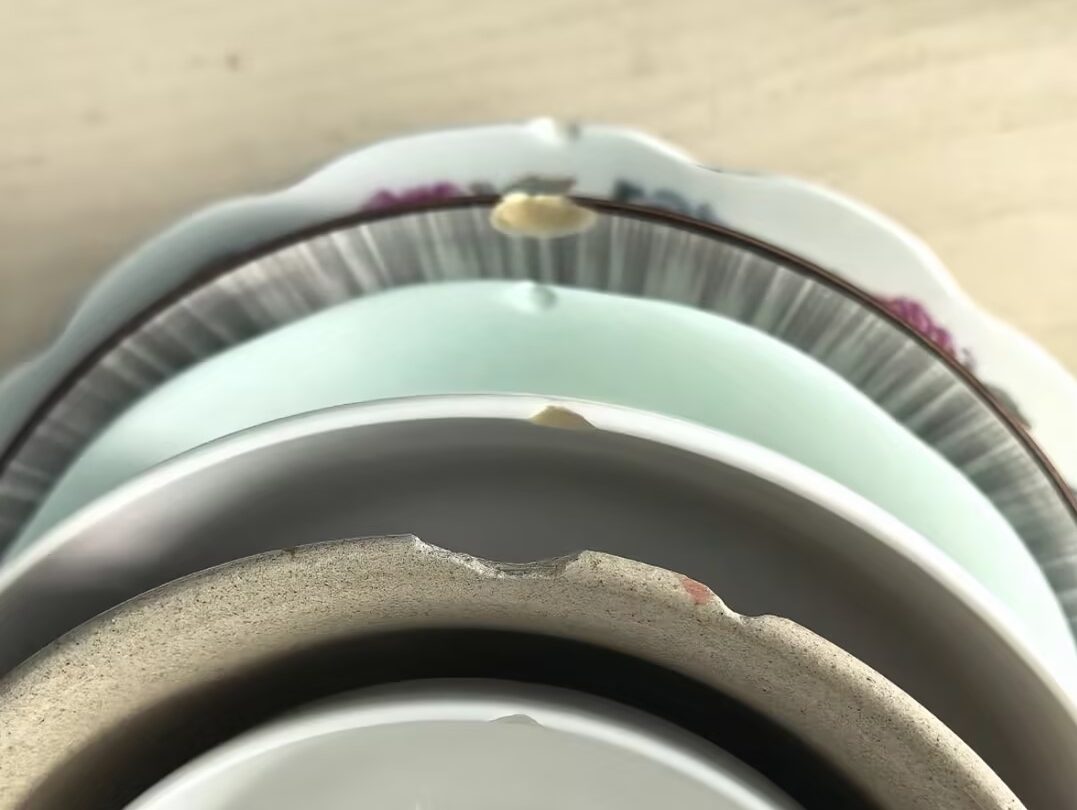
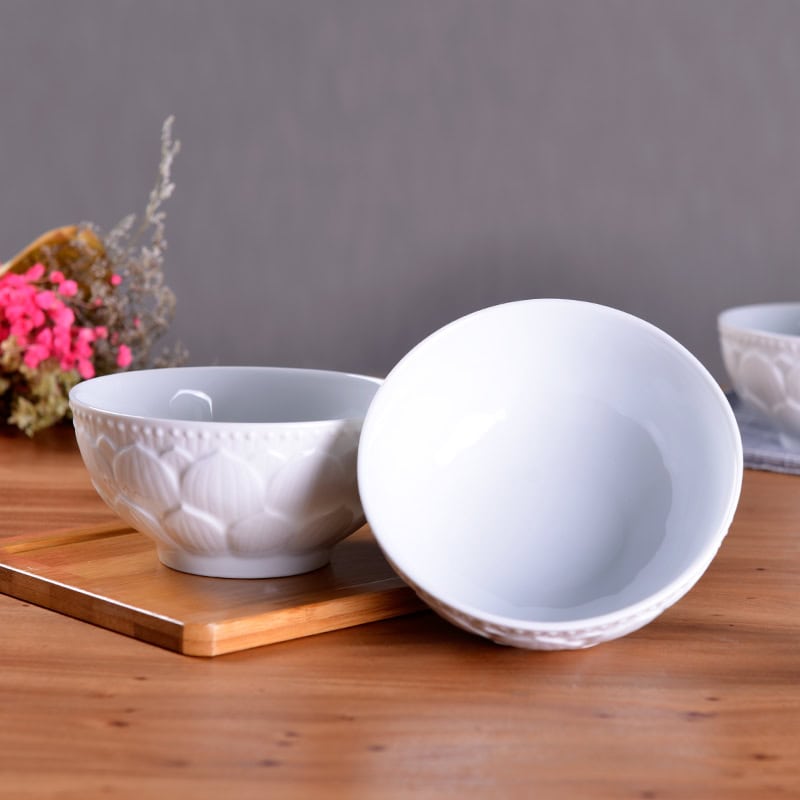
4. Underfiring May Leave the Ceramic Body More Porous
Firing temperature and firing maturity affect the density of ceramic tableware. If the body is not fired sufficiently for its formulation, it may remain more porous than intended.
A porous ceramic body can absorb moisture through unglazed areas, damaged glaze, foot rings, or tiny cracks. Once moisture and oil enter these areas, stains and odors may become difficult to remove.
This does not mean that a higher temperature automatically guarantees better tableware. Different ceramic materials are designed for different firing ranges. The important point is that the clay body, glaze, and firing schedule must be properly matched.
Well-produced Jingdezhen ceramics use carefully selected porcelain materials and controlled firing processes to achieve the required whiteness, strength, glaze finish, and water absorption. Buyers should ask suppliers about body material, firing range, water absorption, and quality-control standards when selecting commercial tableware.
5. Scratches and Abrasion Make Old Tableware Harder to Clean
Even a smooth plate can gradually become more difficult to clean after repeated use. Metal cutlery, abrasive cleaning pads, stacking friction, and commercial dishwashing can create fine scratches on the glaze.
These scratches may hold grease, pigments, and food residue. They can also make glossy tableware appear dull or gray. Dark lines caused by metal transfer are not always cracks, but they can still affect the appearance of the plate.
Hotels and restaurants should avoid using highly abrasive pads or powders unless the manufacturer confirms that they are suitable. Plates should also be stacked carefully, especially when the unglazed foot of one plate comes into direct contact with the glazed surface of another.
Tableware with extensive glaze damage, deep scratches, or cracks should be removed from food service rather than repeatedly cleaned with increasingly aggressive chemicals.
6. Product Shape Can Create Cleaning Dead Zones
Some ceramic tableware is difficult to clean because of its shape rather than its material.
Deep grooves, narrow corners, hollow handles, sharp internal angles, raised logos, and complex relief patterns can trap grease and food particles. Cups with unusually shaped handles may also be difficult to hold and position correctly in a dishwasher rack.
A wide, smooth curve is usually easier to clean than a sharp internal corner. Stackable plates with sufficient separation allow water and detergent to circulate more effectively. Bowls with stable foot rings also drain better after washing.
For hotels and restaurants, attractive design must be combined with practical use. Before confirming a bulk order, buyers should test samples in their actual dishwasher racks and check whether water remains inside recessed areas after the washing cycle.
7. Hard Water and Detergent Residue Can Look Like Grease
A cloudy or slippery surface does not always mean grease remains on the plate. Hard water contains minerals that can form deposits on ceramic surfaces. Too much detergent or insufficient rinsing can also leave a film that feels slippery.
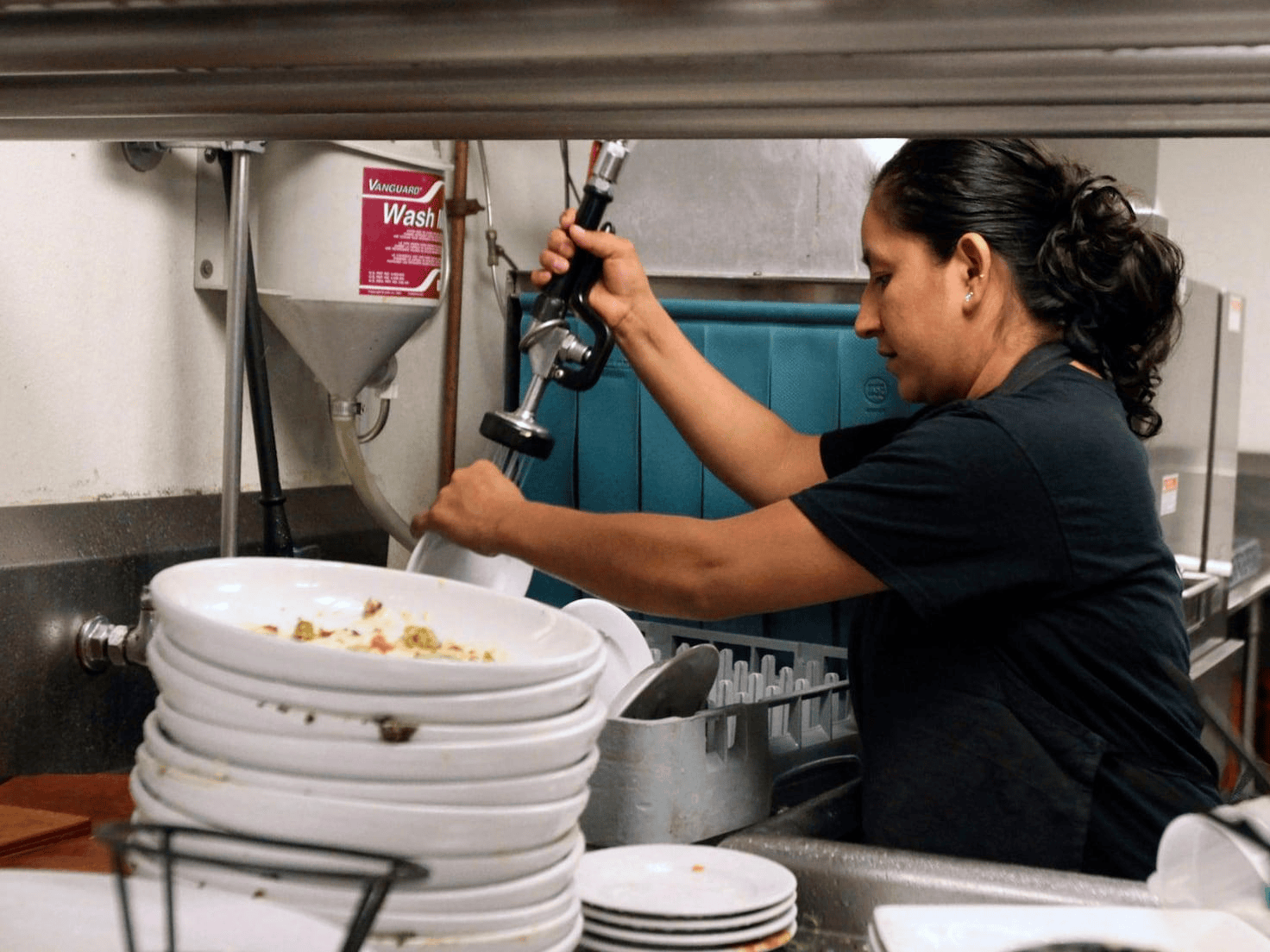
Commercial kitchens should check water hardness, detergent concentration, rinse temperature, spray-arm condition, and dishwasher loading. Plates placed too closely together may prevent water from reaching the entire surface.
If grease remains on many different types of tableware at the same time, the problem may be the washing system rather than the ceramic products. If only one type of plate is affected, its glaze, surface texture, shape, or condition should be examined.
How Can Hotels and Restaurants Prevent Grease Buildup?
Buyers and operators can reduce cleaning problems by following several practical steps:
- Choose smooth, properly fired food-contact surfaces.
- Examine matte and textured glazes before placing bulk orders.
- Check for pinholes, cracks, rough areas, and incomplete glaze coverage.
- Inspect and polish unglazed foot rings.
- Avoid unnecessarily deep grooves in food-contact areas.
- Test plates, bowls, and cups in commercial dishwasher racks.
- Use the correct detergent concentration and rinse temperature.
- Monitor water hardness and mineral buildup.
- Avoid harsh abrasive pads that scratch the glaze.
- Replace severely damaged or crazed tableware.
Importers and hospitality buyers should not evaluate ceramic tableware only by photographs. Samples should be tested with oily foods, strongly colored sauces, repeated washing, stacking, and normal cutlery use.
Choosing Ceramic Tableware That Is Easier to Maintain
Easy-to-clean ceramic tableware begins with coordinated decisions about clay, glaze, firing, shape, and surface decoration. A beautiful plate that requires excessive scrubbing may create extra labor and operating costs for a busy restaurant.
A capable Jingdezhen ceramic manufacturer can help buyers select appropriate body materials, smoother food-contact glazes, practical shapes, and suitable decoration methods. The production experience behind Jingdezhen ceramics can support both functional hotel dinnerware and highly decorative art porcelain, but the technical requirements of these two categories should not be confused.
Commercial tableware must prioritize hygiene, durability, comfortable handling, and efficient cleaning. Decorative objects can allow more freedom in texture, relief, crackle effects, and complex surface treatments.
Conclusion
Ceramic tableware does not usually trap grease simply because it is ceramic. Persistent oil residue is more commonly connected to rough glazes, pinholes, crazing, exposed porous areas, scratches, complex shapes, hard water, or incorrect washing conditions.
Hotels and restaurants should test both the ceramic product and the cleaning system before identifying the cause. Choosing smooth food-contact surfaces, inspecting glaze quality, controlling firing, improving product design, and using appropriate washing procedures can significantly reduce grease buildup.
Based in Jingdezhen, Magic Cube works with importers, distributors, hotel suppliers, restaurants, and project buyers to develop practical ceramic tableware with attention to glaze quality, shape, production control, cleaning performance, and export packaging. Our goal is to help commercial buyers select Jingdezhen ceramics that remain attractive, functional, and easier to maintain throughout daily service.