Large Ceramic Planters for Hotels and Commercial Interiors
News 2026-09-07 54
Large ceramic planters have become an important design element in hotels, restaurants, shopping centers, office buildings, resorts, and other commercial interiors. They do more than hold plants. Through their scale, shape, color, glaze, and placement, they can define a space, strengthen a design concept, and create a more welcoming connection between architecture and nature.
Compared with ordinary flowerpots, large ceramic planters have a stronger visual presence. They can be used as decorative focal points, spatial dividers, entrance features, or coordinated elements within a larger interior landscape. For architects, interior designers, hotel owners, and commercial project buyers, selecting the right planters requires careful consideration of appearance, size, function, durability, and installation conditions.
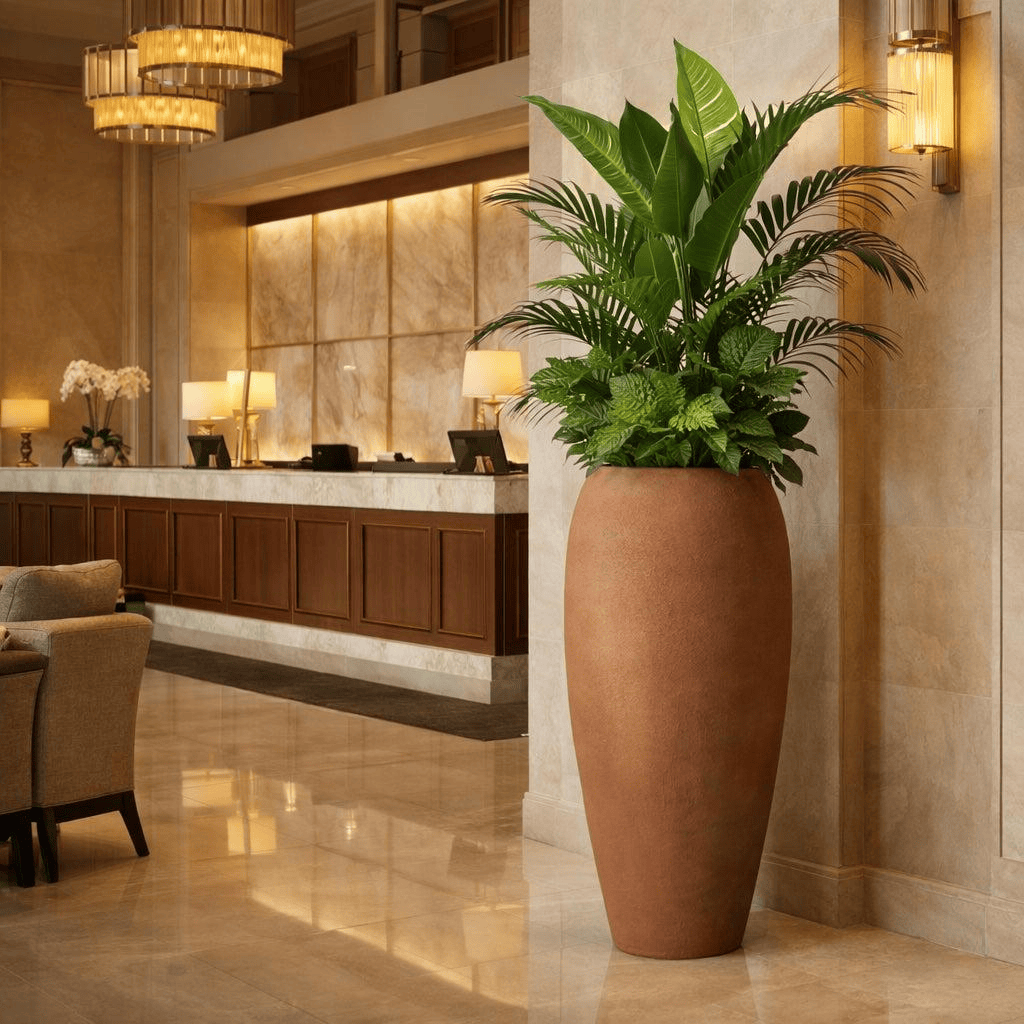
Why Large Ceramic Planters Are Suitable for Commercial Spaces
Plants introduce color, softness, and vitality into spaces dominated by stone, metal, glass, and concrete. However, the planter containing the plant is just as important as the plant itself. In a carefully designed commercial interior, an unsuitable container can weaken the overall visual effect, while a well-designed ceramic planter can bring the furniture, lighting, materials, and architectural details together.
Large ceramic planters are especially effective in spacious environments because their proportions suit high ceilings, broad corridors, large entrance halls, and open public areas. A tall planter can emphasize vertical space, while a wide planter can visually anchor a seating area. A coordinated group of planters can guide movement, separate functional zones, or soften the boundaries between different areas.
Common commercial applications include:
- Hotel entrances and reception areas
- Resort courtyards and terraces
- Restaurant dining rooms
- Shopping mall atriums
- Office reception areas
- Corporate headquarters
- Clubs and private lounges
- Showrooms and exhibition spaces
- Luxury residential developments
- Public buildings and cultural spaces
Because every project has a different architectural character, large ceramic planters can be customized to complement modern, minimalist, traditional, natural, or highly decorative interiors.
The Visual Value of Large Ceramic Planters
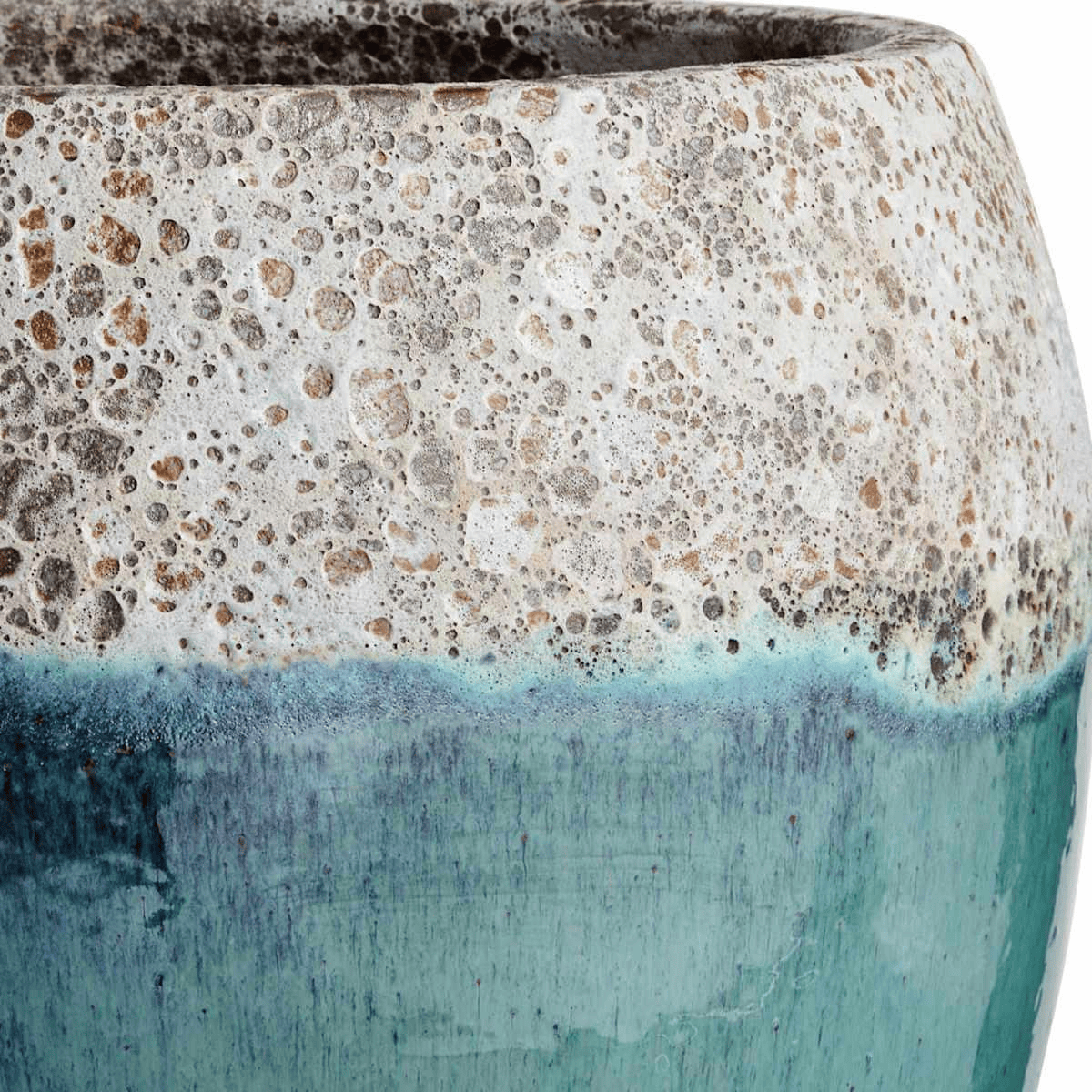
One of the main advantages of ceramic is the variety of surfaces that can be created through clay, glaze, texture, relief, carving, and hand-painted decoration. A planter can have a smooth monochrome glaze for a contemporary interior or a more expressive surface for a hotel, restaurant, or cultural space with a distinctive artistic theme.
Neutral finishes such as white, beige, gray, and black work well in minimalist interiors. Deep blue, turquoise, green, red, and metallic-effect surfaces can create stronger visual accents. Natural glaze variations also give each piece an individual character that differs from the uniform appearance of industrial plastic or metal containers.
Large ceramic planters may also be approached as art porcelain rather than purely functional plant containers. Sculptural forms, hand-applied textures, relief patterns, custom colors, and painted decoration can transform them into independent interior artworks. This makes them particularly suitable for boutique hotels, luxury resorts, high-end restaurants, and other projects seeking a memorable identity.
Jingdezhen Ceramics and Large-Scale Decorative Design
Jingdezhen ceramics are internationally recognized for their long history, refined porcelain materials, glaze traditions, and extensive decorative techniques. This heritage provides a valuable foundation for the design and production of large ceramic planters.
The ceramic industry in Jingdezhen includes specialists in clay preparation, shaping, mold making, glazing, painting, firing, and finishing. By combining traditional knowledge with contemporary design requirements, craftspeople can create planters that retain the character of Jingdezhen ceramics while responding to modern commercial interiors.
A professional Jingdezhen ceramic manufacturer must consider more than surface decoration. For large-format ceramic products, the proportion of the form, wall thickness, drying process, firing schedule, structural stability, and final installation method are all important. Larger pieces are more technically demanding because uneven drying or firing can increase the risk of deformation and cracking.
For this reason, the development of large ceramic planters often requires close cooperation between designers, ceramic technicians, production teams, and project installers.
Customizing Large Ceramic Planters for a Project
Commercial projects frequently require planters that match a specific interior concept. Customization may involve dimensions, proportions, colors, surface finishes, drainage systems, logos, patterns, or installation details.
A typical customization process may include:
- Reviewing architectural drawings, reference images, and project requirements.
- Confirming the intended indoor or outdoor location.
- Determining the planter’s dimensions and planting requirements.
- Developing the shape, color, glaze, and decorative surface.
- Producing a sample or prototype when necessary.
- Evaluating production feasibility and structural stability.
- Proceeding with batch production and quality inspection.
- Preparing protective export packaging and installation guidance.
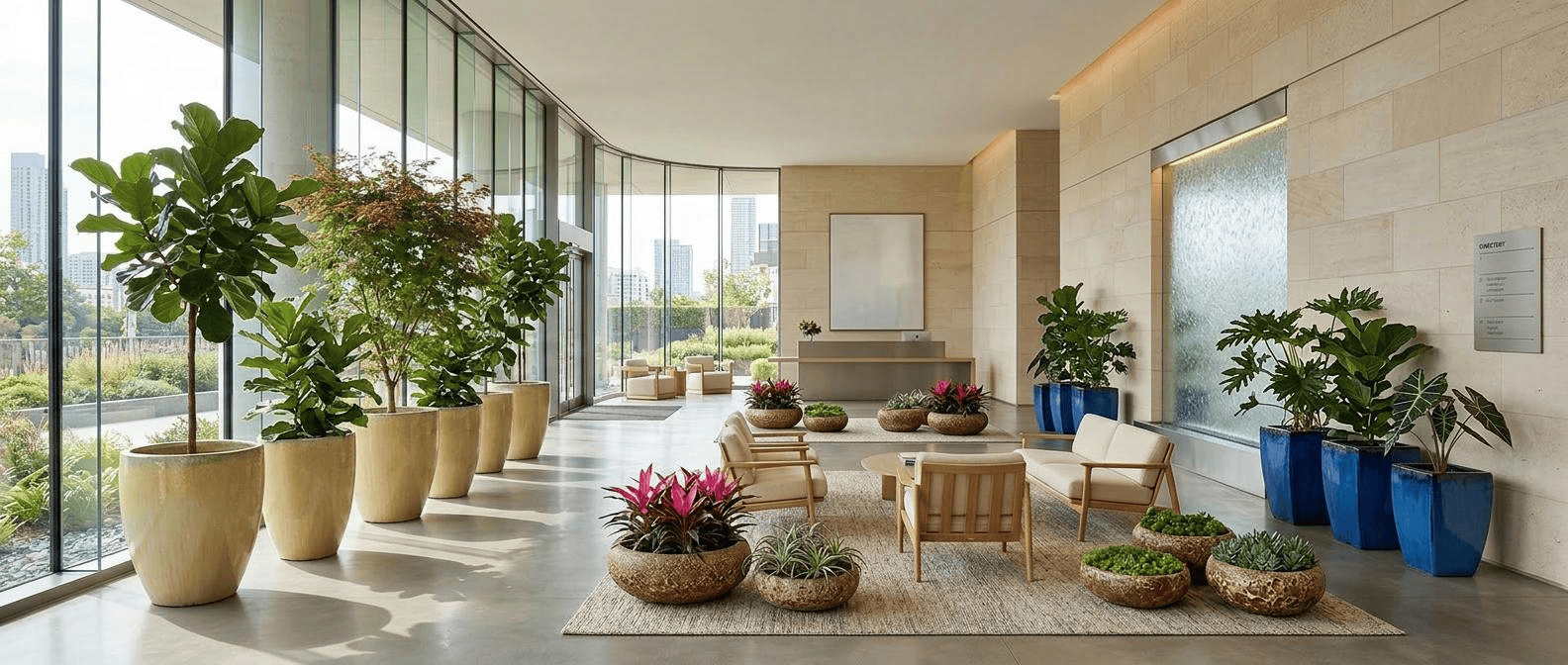
For hotel groups and multi-location commercial projects, consistency is also important. A customized collection may include several planter sizes based on one shared design language. Tall, medium, and low forms can be arranged together while maintaining consistent colors and decorative details.
From Functional Planter to Art Porcelain
The boundary between functional ceramics and art porcelain is increasingly flexible. In contemporary interiors, a planter may serve a practical purpose while also acting as a sculptural object.
Designers can use relief carving, layered glazes, hand-painted patterns, abstract textures, geometric forms, or traditional Chinese decorative elements to create a stronger artistic identity. Some projects may require restrained decoration that blends quietly into the environment, while others may call for a signature piece that immediately attracts attention.
This artistic approach is particularly valuable in hospitality design. Hotels often need decorative elements that support their brand story and create recognizable visual moments for guests. A distinctive group of large ceramic planters can become part of the hotel’s identity and provide attractive settings for photography, events, and social media content.
Combining Planters with Ceramic Installations
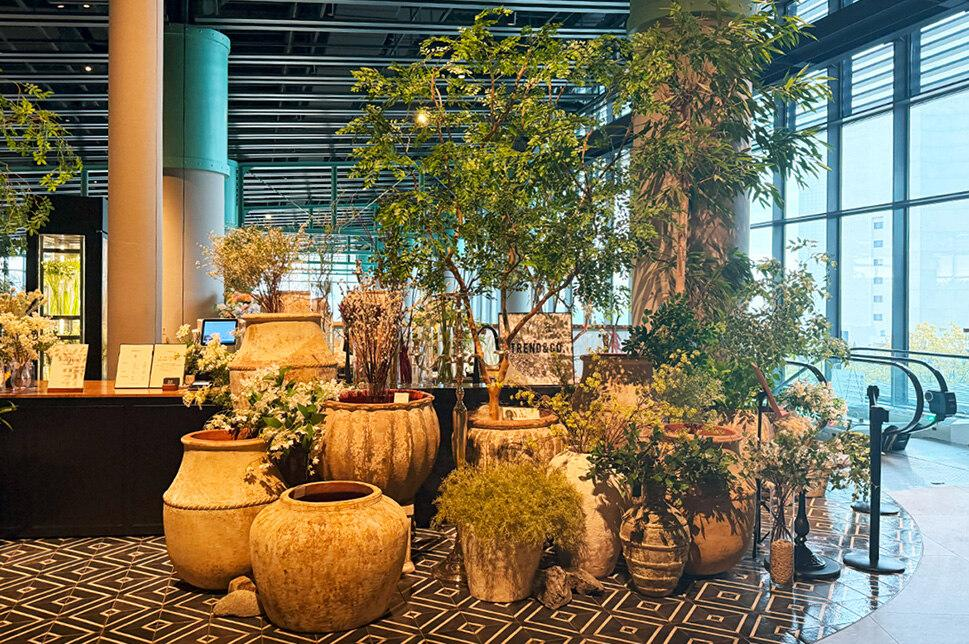
Large ceramic planters can also be integrated into wider ceramic installations. Instead of treating each planter as an isolated object, designers may combine ceramics with plants, lighting, water features, walls, sculptures, seating areas, or architectural surfaces.
For example, a hotel atrium may use planters of different heights to create a layered indoor garden. A restaurant entrance may combine glazed ceramic planters with a ceramic relief wall. A resort courtyard may use custom planters as repeated visual elements connecting several buildings.
When large ceramic planters form part of ceramic installations, planning should begin early. Designers need to consider pedestrian circulation, floor loading, drainage, maintenance access, lighting, plant growth, and the relationship between the ceramics and surrounding architecture.
Practical Considerations for Hotels and Commercial Buyers
Appearance is important, but commercial planters must also meet practical project requirements. Before confirming an order, buyers and designers should evaluate several factors.
Size and Proportion
The planter should suit both the plant and the surrounding space. A planter that appears large in a showroom may look too small in a hotel lobby with a high ceiling. Providing architectural drawings or on-site dimensions helps the manufacturer recommend suitable proportions.
Drainage and Interior Protection
Planters containing live plants need an appropriate drainage solution. Depending on the application, the design may include drainage holes, removable inner containers, waterproof liners, or saucers. Indoor projects must prevent water from damaging floors and nearby furniture.
Weight and Movement
Large ceramic planters can become very heavy after soil and plants are added. The project team should confirm floor-loading conditions and determine whether the planter will need to be moved. Concealed bases, protective pads, or internal support systems may be considered during development.
Indoor and Outdoor Conditions
Outdoor planters face rain, sunlight, temperature changes, and local climate conditions. The ceramic body, glaze, drainage design, and installation method should therefore be selected according to the actual environment. Freeze-thaw conditions require particular attention and should be discussed before production.
Packaging and Transportation
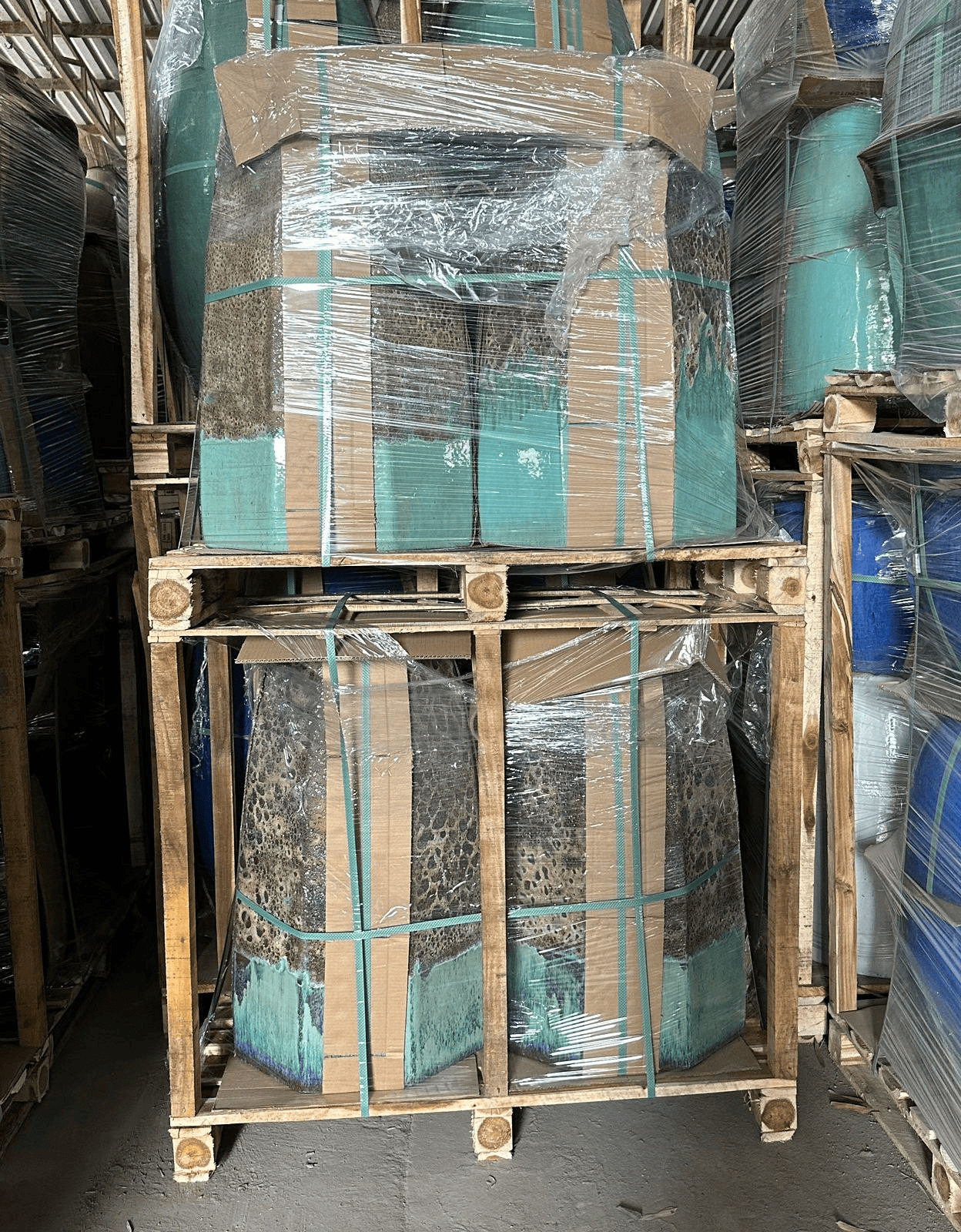
Large ceramic pieces require professional protective packaging. Reinforced cartons, foam protection, wooden crates, internal supports, and clear handling instructions can reduce transportation risks. Packaging should be developed according to the product’s size, shape, quantity, and shipping method.
Choosing a Jingdezhen Ceramic Manufacturer
When selecting a Jingdezhen ceramic manufacturer for large commercial planters, buyers should evaluate the supplier’s design communication, technical experience, customization capability, quality control, packaging, and project coordination.
Useful information to provide at the beginning includes:
- Project type and location
- Indoor or outdoor application
- Required dimensions and quantities
- Reference images or design drawings
- Preferred colors and surface finishes
- Planting and drainage requirements
- Delivery schedule
- Packaging and transportation requirements
- Special installation conditions
Clear information helps the manufacturer assess feasibility and avoid misunderstandings during sampling and production. For complex projects, early technical communication is particularly important because the final product must work with the architecture, plants, installation conditions, and maintenance plan.
Conclusion: Creating Distinctive Commercial Interiors with Large Ceramic Planters
Large ceramic planters bring together function, craftsmanship, nature, and spatial design. They can soften architectural environments, organize public areas, support a hotel’s visual identity, and introduce the qualities of art porcelain into everyday commercial spaces.
Supported by the ceramic heritage and production resources of Jingdezhen ceramics, customized planters can be developed in a wide variety of shapes, sizes, glazes, textures, and decorative styles. When incorporated into larger ceramic installations, they can also become part of a complete artistic and architectural experience.
Based in Jingdezhen, China, Magic Cube works with designers, architects, hotel buyers, and commercial project teams to develop customized ceramic products, art porcelain, large ceramic planters, and ceramic installations. From design development and sampling to production, packaging, and project coordination, we aim to help clients turn creative concepts into distinctive ceramic solutions for hotels and commercial interiors.