How to Add a Hotel Logo to Porcelain Dinnerware
News 2026-09-03 60
For hotels, restaurants, resorts, and catering companies, tableware is more than a practical dining product. It is also part of the guest experience and an important expression of the brand. Adding a hotel logo to Porcelain Dinnerware can create a consistent visual identity across restaurants, cafés, banquet halls, guest rooms, and VIP dining areas.
However, customizing a logo is not simply a matter of placing an image on a plate. The logo must be adapted to the shape of each item, matched with the tableware design, and produced using a suitable ceramic decoration process. From artwork preparation and color matching to sampling and firing, every step can influence the final appearance and durability of customized Porcelain Dinnerware.
Why Add a Hotel Logo to Porcelain Dinnerware?
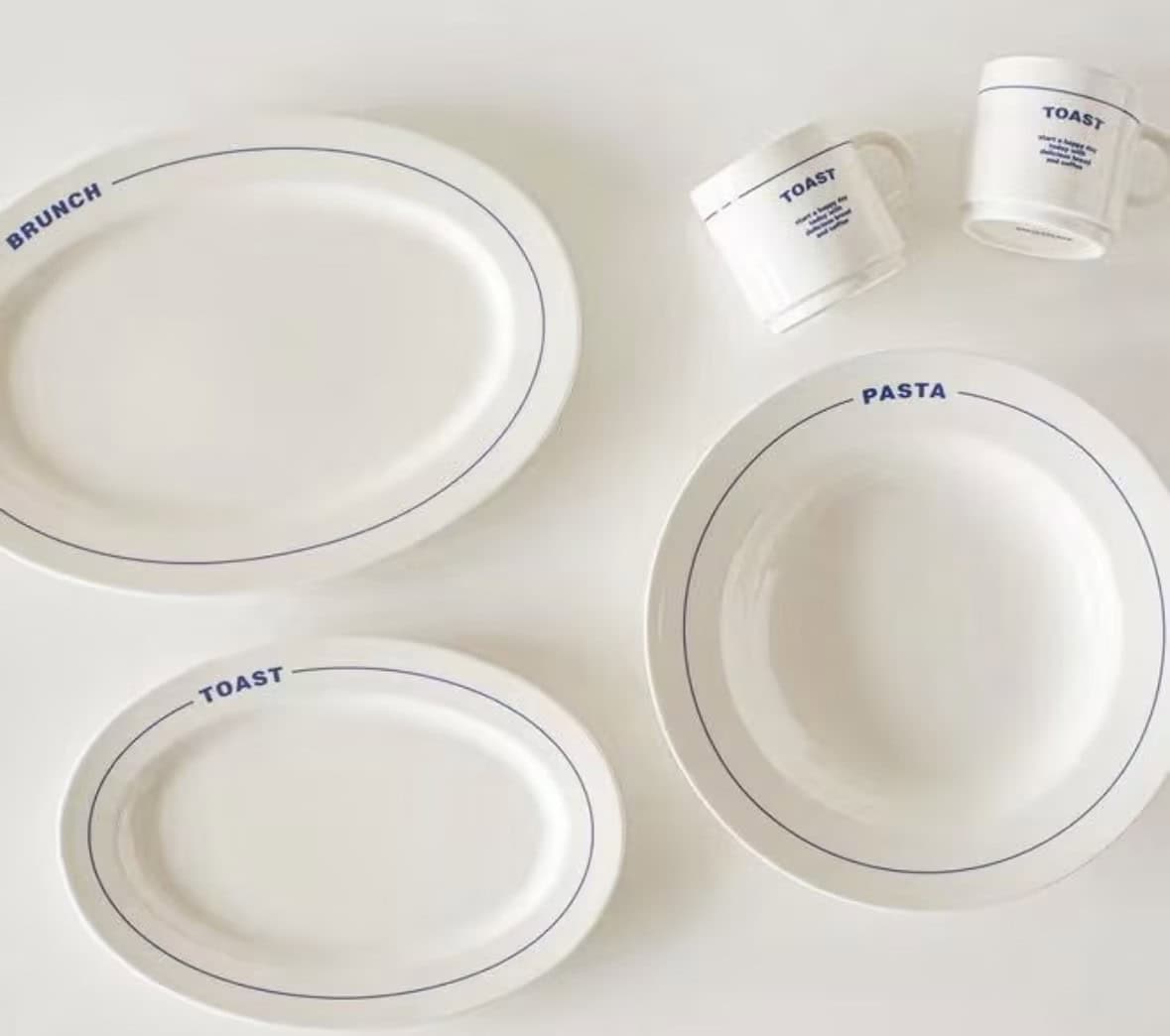
Branded Porcelain Dinnerware helps hotels create a more professional and memorable dining environment. When guests see the same logo or visual motif on plates, bowls, cups, saucers, and serving dishes, the table setting becomes part of the hotel’s overall identity.
Customized tableware is particularly suitable for:
- Luxury hotels and boutique hotels
- Hotel restaurants and cafés
- Resorts and private clubs
- Banquet and wedding venues
- Executive lounges
- In-room dining services
- Corporate hospitality projects
A logo can be used alone or combined with decorative borders, custom colors, local cultural motifs, or patterns inspired by the hotel’s interior design. For larger hospitality projects, the design language of the Porcelain Dinnerware can also coordinate with decorative porcelain, lobby installations, and ceramic murals.
Step 1: Prepare the Hotel Logo File
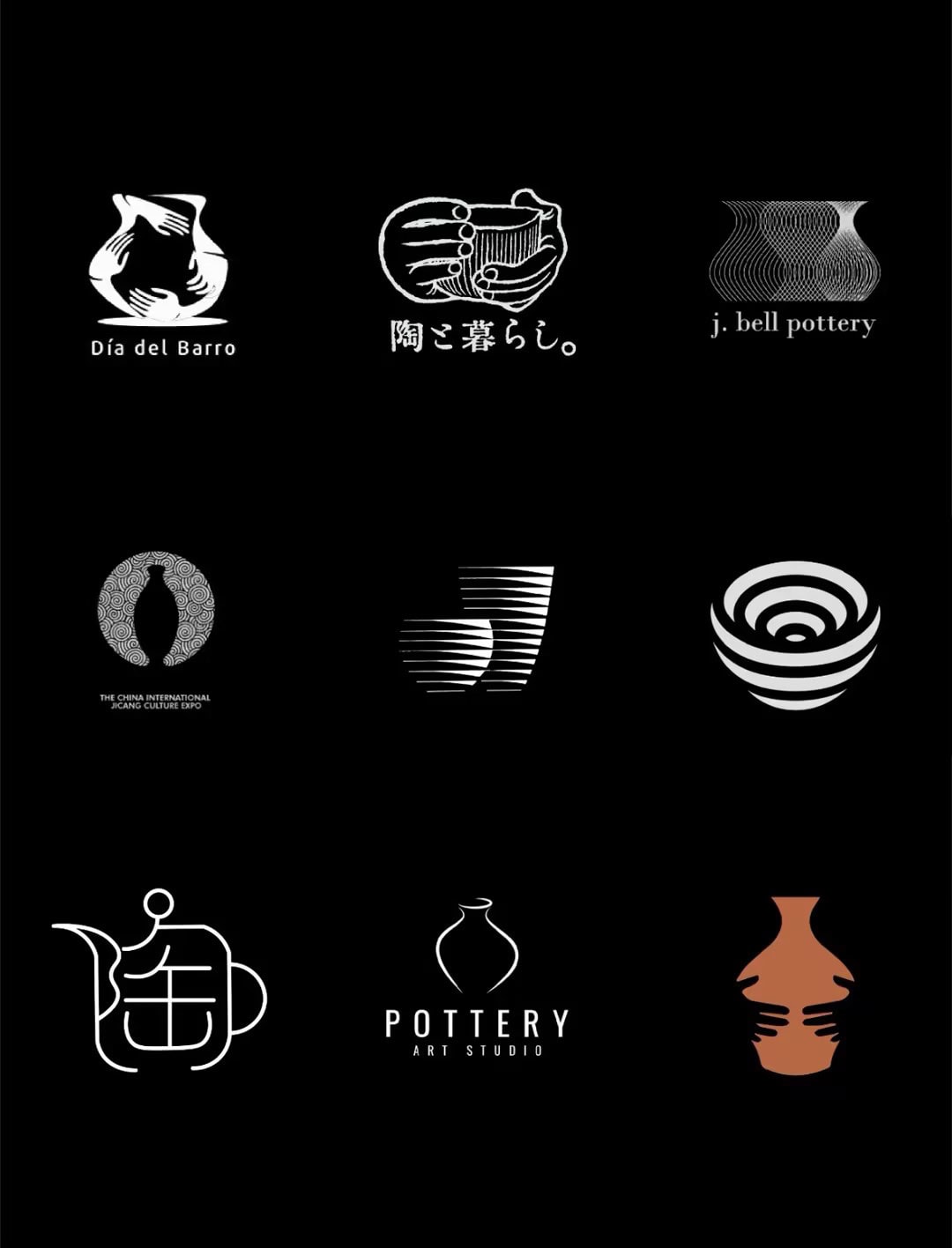
The first step is to provide a clear, high-resolution logo. Vector files such as AI, EPS, PDF, or SVG are usually preferred because they allow the design team to resize the logo without reducing its quality.
The artwork should include accurate color references, preferably Pantone or another recognized color standard. If a hotel only has a JPG or PNG file, a designer may need to redraw or simplify the artwork before it can be applied to Porcelain Dinnerware.
Detailed logos with very fine lines, small text, gradients, or multiple colors may require adjustment. Ceramic pigments react differently from printing inks, especially during high-temperature firing. A professional Jingdezhen ceramic manufacturer should evaluate the artwork and explain which details can be reproduced reliably.
Step 2: Choose the Logo Position
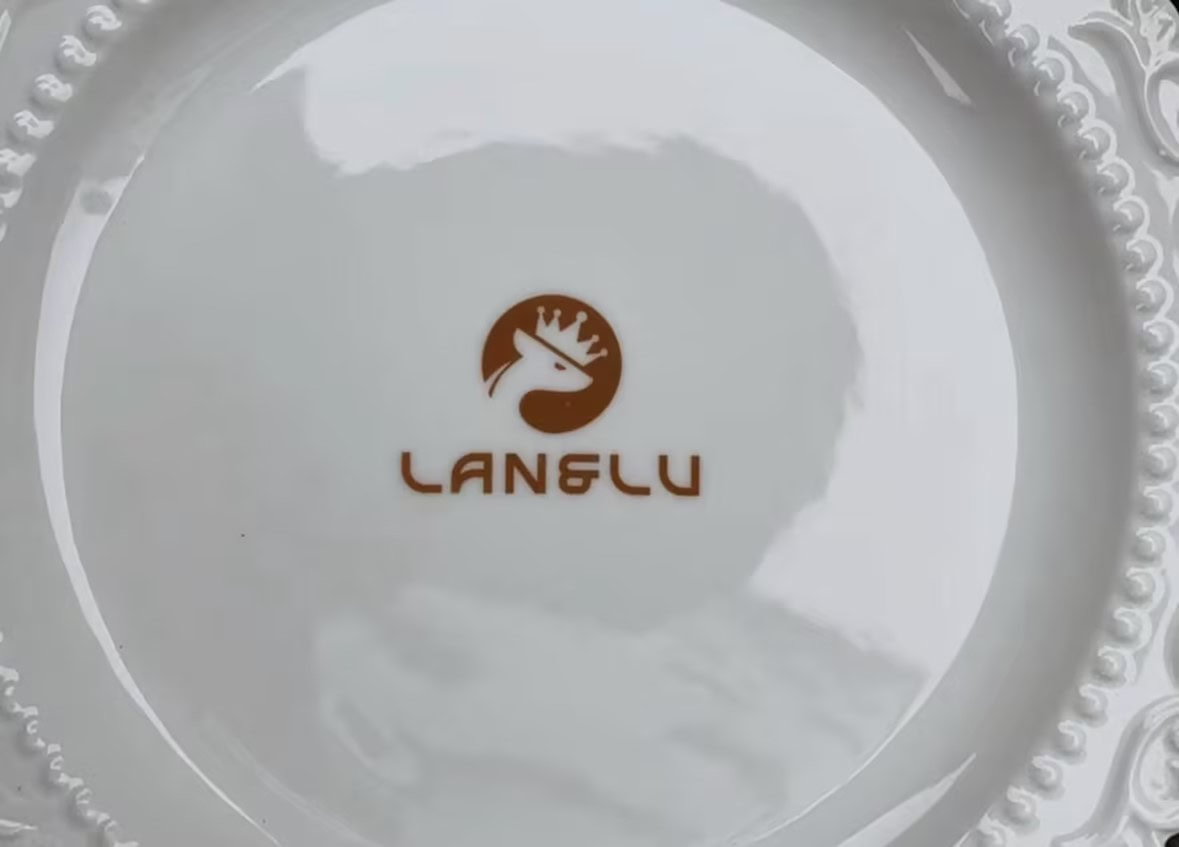
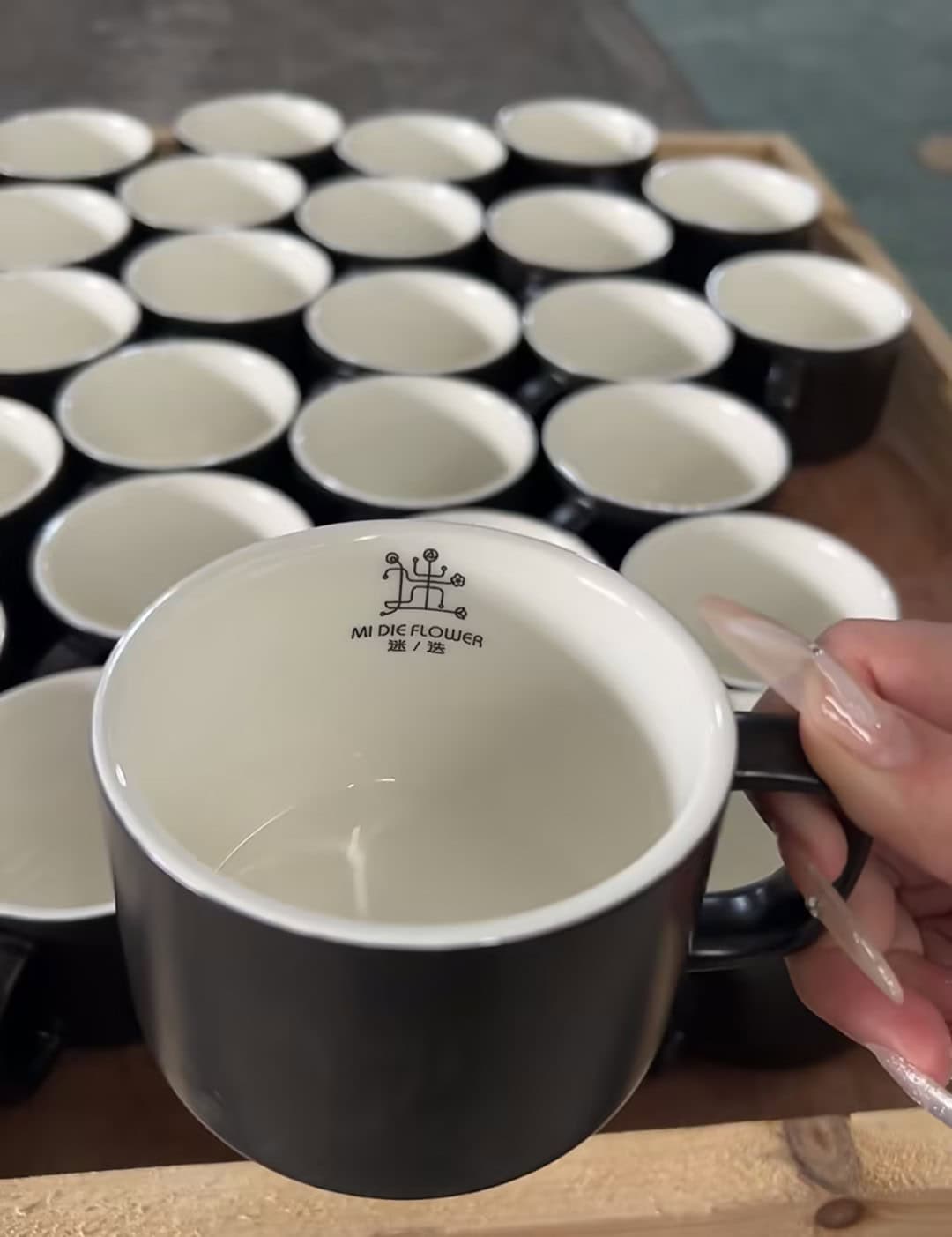
The placement of the logo affects both appearance and practicality. A hotel logo can be positioned in the center of a plate, near the rim, inside a bowl, on the side of a cup, or beneath the base.
For formal restaurant settings, a small logo near the rim often creates an elegant and understated look. A central logo offers stronger brand visibility but may be covered when food is served. Logos on cups and saucers should be positioned so that they remain visible from the guest’s perspective.
The logo size and position should be tested on every product shape. A design that looks balanced on a dinner plate may appear too large on a coffee cup or too small on a serving platter. This is why customized Porcelain Dinnerware requires separate artwork layouts for different items.
Step 3: Select the Right Decoration Method
Several processes can be used to add a hotel logo to Porcelain Dinnerware. The best option depends on the design, quantity, budget, firing temperature, and expected frequency of use.
Underglaze Decoration
With underglaze decoration, the logo is applied before the transparent glaze and final firing. The glaze protects the decoration, giving it excellent resistance to washing and daily use. Blue-and-white designs are a classic example of this method.
Underglaze logos are suitable for hotels that want durable Jingdezhen ceramic tableware with a refined traditional character. However, the available colors and visual effects may be more limited than with other techniques.
In-Glaze Decoration
In-glaze decoration allows ceramic pigments to sink into the glaze during firing. It combines good durability with a wider choice of colors and is commonly considered for commercial Porcelain Dinnerware.
Because the firing process can change the appearance of pigments, color tests are important before bulk production. Even when a Pantone reference is provided, the ceramic result may not be identical to a printed paper sample.
Overglaze Decal
Overglaze decals can reproduce detailed, multicolored logos and decorative patterns. This method offers greater design flexibility and is suitable for complex hotel branding.
The firing temperature is lower than that used for underglaze decoration. For frequently used hotel tableware, the manufacturer should select suitable ceramic pigments and conduct durability tests according to the project’s requirements.
Hand-Painted or Relief Logos
For premium restaurants, boutique hotels, or limited collections, logos can also be hand-painted, embossed, debossed, or finished with gold details. These techniques give Porcelain Dinnerware a stronger artistic character.
Gold and other metallic decorations require special care and are generally unsuitable for microwave use. Hotels should therefore balance visual effect with operational requirements before selecting this option.
Step 4: Match the Logo with the Tableware Design
A successful hotel collection should look coordinated rather than simply “logo printed.” The porcelain shape, glaze color, decorative border, logo position, and surrounding pattern should all support the hotel’s brand identity.
Minimalist hotels may prefer white Porcelain Dinnerware with a small monochrome logo. Traditional Chinese restaurants may choose blue-and-white patterns, famille rose decoration, or Linglong details. Resorts may use colors and motifs inspired by the local landscape.
Jingdezhen ceramic tableware offers extensive possibilities in vessel shapes, glazes, hand-painted decoration, decals, and customized packaging. The same visual language can also be extended to decorative porcelain in guest rooms and public areas. For comprehensive interior projects, matching ceramic murals can reinforce the hotel’s identity in reception areas, restaurants, corridors, or private dining rooms.
Step 5: Produce and Approve a Sample
Sampling is one of the most important stages of a customized Porcelain Dinnerware project. A digital rendering can show approximate placement, but only a fired ceramic sample can demonstrate the actual color, scale, surface finish, and interaction between the logo and glaze.
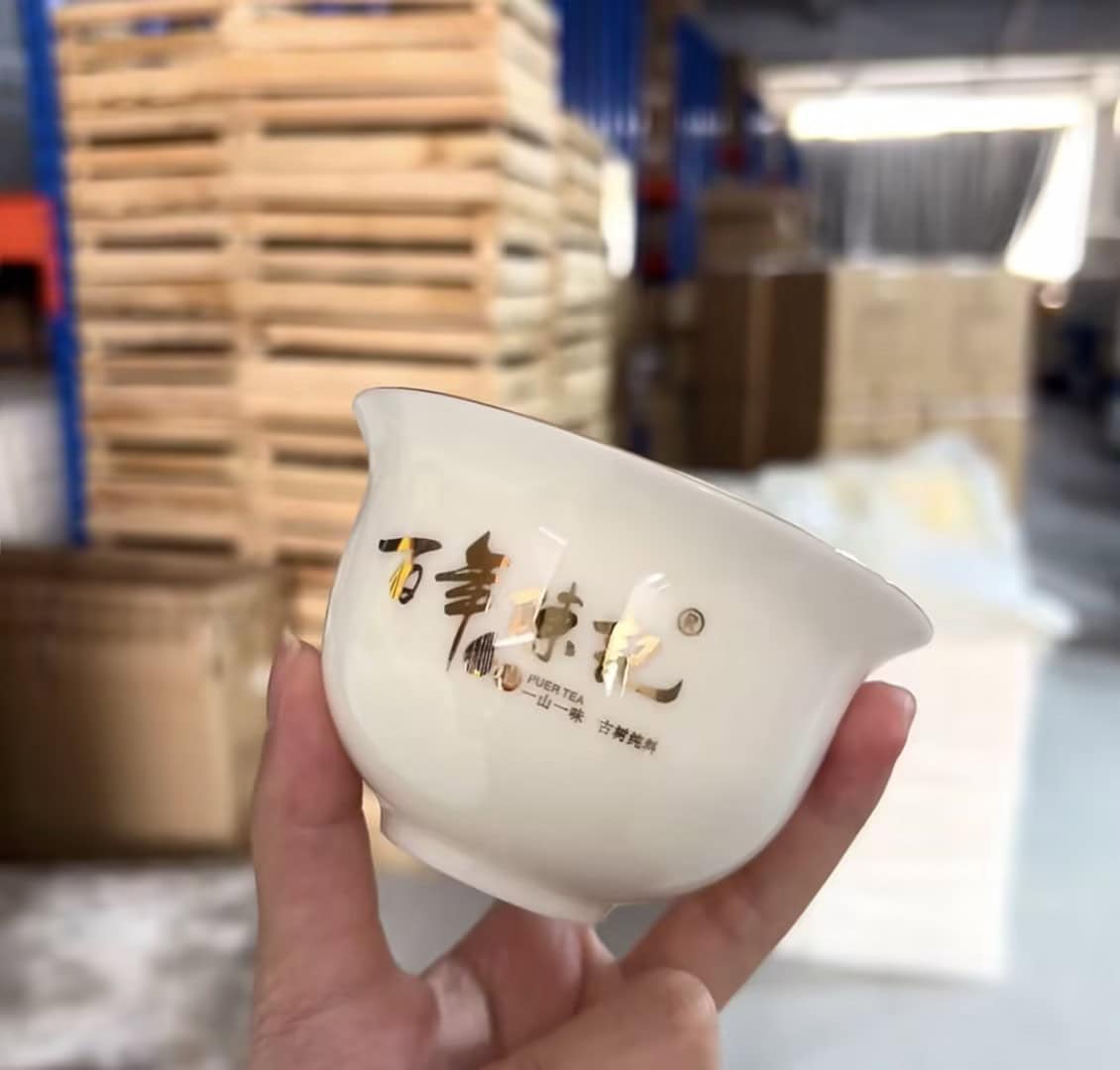
The hotel or purchasing team should review:
- Logo size and position
- Color accuracy
- Clarity of lines and text
- Glaze and surface finish
- Tableware shape and dimensions
- Overall coordination between different pieces
- Resistance to washing and regular use
If changes are required, the artwork or ceramic process should be adjusted before mass production. Approving a physical sample reduces misunderstandings and creates a clear quality reference for the final order.
Step 6: Control Consistency During Production
During bulk production, the Jingdezhen ceramic manufacturer should control the porcelain body, glaze formula, decal positioning, firing temperature, and color consistency. Because ceramics are produced through kiln firing, slight variations may occur between batches.
For this reason, the manufacturer should retain the approved sample and use it as the production standard. Finished Porcelain Dinnerware should be inspected for logo alignment, color difference, glaze defects, deformation, cracks, and other visible issues.
Commercial packaging is also important. Plates, bowls, cups, and serving pieces require appropriate protection for international transportation. Customized gift boxes, hotel-branded cartons, barcodes, and product labels can be added according to the project’s purchasing and distribution requirements.
Conclusion
Adding a hotel logo to Porcelain Dinnerware is an effective way to strengthen brand identity and create a consistent dining experience. The best results come from selecting the right decoration technique, adapting the logo to each product, approving fired samples, and controlling quality throughout production.
Based in Jingdezhen, China, Magic Cube supports hospitality buyers with customized Porcelain Dinnerware, Jingdezhen ceramic tableware, decorative porcelain, ceramic murals, and other ceramic solutions. By combining design development, sampling, production, quality control, and export packaging, Magic Cube helps hotels and interior project teams transform their branding concepts into practical and distinctive ceramic products.