Is Linglong Porcelain Suitable for Restaurants and Hotels?
News 2026-09-01 48
Choosing the right tableware is an important decision for restaurants and hotels. Ceramic products must support food presentation, reflect the identity of the venue, withstand frequent use, and remain practical for serving and cleaning. Among the many types of Chinese porcelain available, Linglong Porcelain attracts particular attention because of its delicate translucent decoration and distinctive visual effect.
However, is Linglong Porcelain suitable for commercial hospitality environments? The answer is yes—provided that buyers select the right product specifications, quality standards, and application scenarios.
What Is Linglong Porcelain?
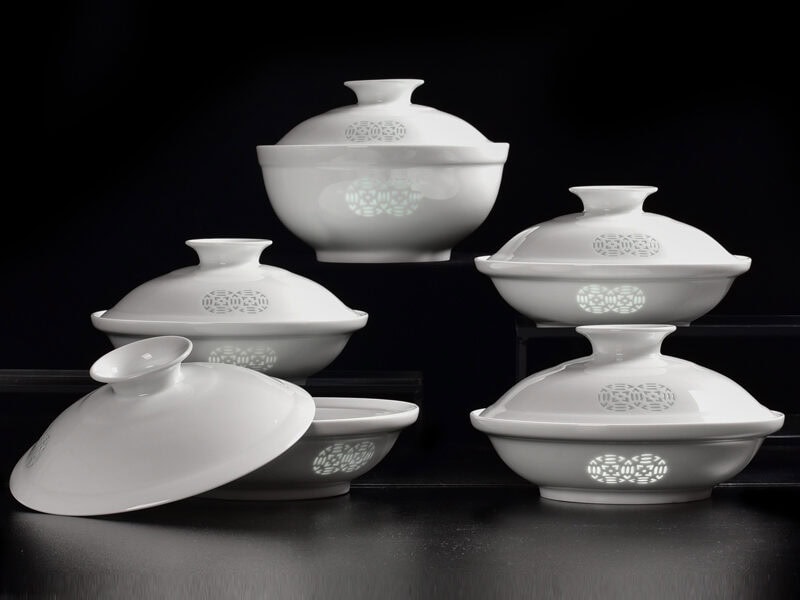
Linglong Porcelain is a traditional type of Jingdezhen porcelain known for its translucent decorative openings. During production, small patterns are carefully carved or pierced into the porcelain body. These openings are then filled with a translucent glaze before firing. When light passes through the finished piece, the decorative areas create an elegant, jewel-like effect.
Blue-and-white Linglong Porcelain is one of the most recognizable styles. It combines cobalt-blue painted decoration with translucent rice-grain-shaped openings. Modern collections may also use colorful glazes, geometric designs, floral patterns, or customized motifs.
This special combination of porcelain, carving, glazing, and firing gives Linglong Porcelain a visual character that ordinary white tableware cannot provide. It can function as practical tableware while also expressing the refinement associated with traditional Chinese art porcelain.
Why Linglong Porcelain Works Well in Hotels
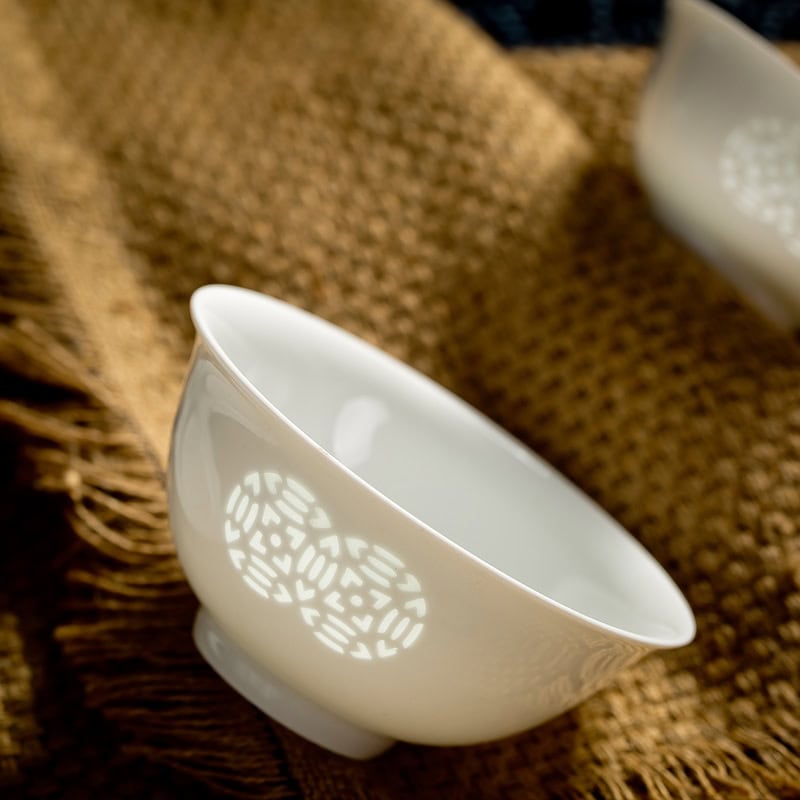
Hotels often use tableware as part of a complete interior and dining concept. Guests experience not only the food but also the lighting, furniture, table setting, service, and cultural atmosphere. Linglong Porcelain can strengthen this experience by introducing a distinctive decorative element without making the table look excessively complicated.
Under warm restaurant lighting, its translucent patterns become more visible. This creates an especially attractive effect in hotel restaurants, tea lounges, banquet rooms, executive clubs, and private dining spaces.
For luxury hotels, Linglong Porcelain can also communicate craftsmanship and cultural identity. A carefully selected collection of Jingdezhen ceramic tableware can help distinguish a hotel from competitors that use standard mass-produced white porcelain.
Linglong bowls, cups, saucers, lidded dishes, serving plates, and tea sets can be coordinated into a unified collection. Hotels may use a complete Linglong Porcelain set or combine selected pieces with simpler white tableware to create visual contrast.
Is Linglong Porcelain Durable Enough for Restaurants?
Although Linglong Porcelain looks delicate, a properly manufactured product is not simply a fragile decorative object. Its commercial suitability depends on the porcelain body, firing temperature, wall thickness, glaze quality, rim design, and quality-control process.
High-quality Linglong Porcelain can be used in restaurants, but buyers should not evaluate it by appearance alone. Before placing a bulk order, restaurants should test samples under realistic operating conditions.
Important factors include:
- Resistance to normal serving and handling
- Stability when stacked
- Smoothness of the rim and foot
- Consistency of size and shape
- Glaze durability
- Resistance to staining
- Compatibility with commercial dishwashing procedures
- Safety of the glaze and decorative materials for food contact
Not every Linglong Porcelain collection is intended for the same purpose. Thin, highly decorative pieces may be better suited to private dining rooms, tea service, or special events. Slightly thicker and more structurally reinforced pieces may be more appropriate for breakfast service, Chinese restaurants, or frequent banquet use.
Restaurants should therefore explain their expected usage frequency to the supplier. Experienced Jingdezhen ceramic manufacturers can recommend suitable body thicknesses, shapes, glaze specifications, and decoration methods for different hospitality environments.
Best Applications in Restaurants and Hotels
Linglong Porcelain can be used in several areas of a hospitality project.
Fine-Dining Restaurants
Fine-dining venues can use Linglong Porcelain to enhance food presentation and create a memorable table setting. Small plates, bowls, tea cups, sauce dishes, and covered serving dishes are particularly suitable for carefully designed tasting menus.
Chinese Restaurants
Because Linglong Porcelain developed within the Jingdezhen ceramic tradition, it works naturally with Chinese cuisine. Blue-and-white Linglong patterns can complement traditional dishes while still fitting into contemporary interiors.
Hotel Tea Lounges
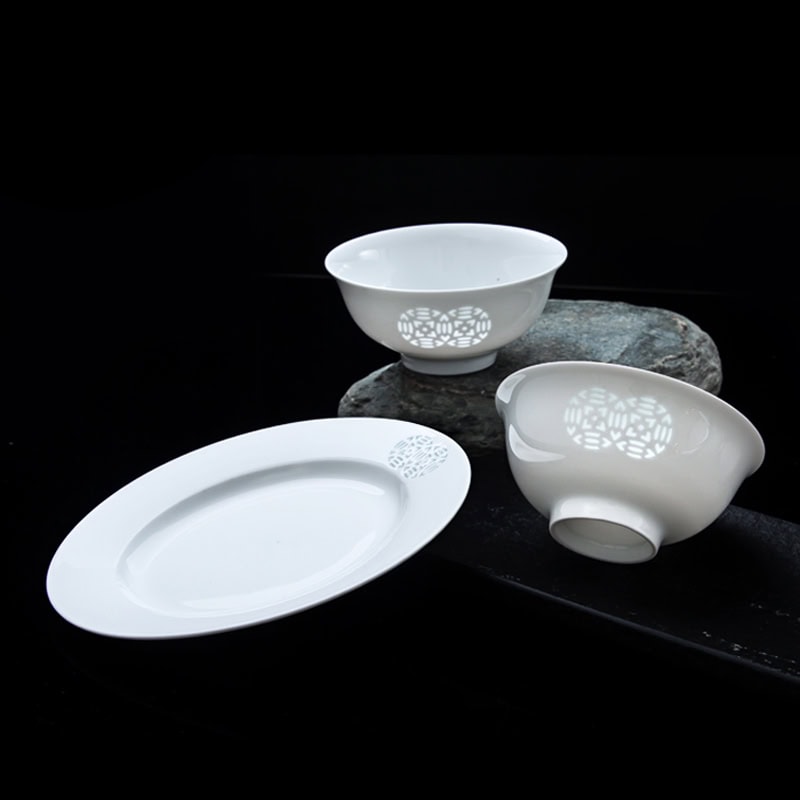
Tea cups, tea pots, trays, and small snack plates made from Linglong Porcelain can create a refined tea-service experience. The translucent decoration is especially attractive when displayed under soft afternoon or evening lighting.
Banquets and Private Dining Rooms
Hotels can use coordinated Linglong tableware for weddings, business banquets, VIP rooms, and cultural events. Customized motifs may be developed to match the hotel’s visual identity or the theme of a particular dining space.
Guest-Room Amenities
Selected Linglong cups, fruit plates, or tea sets can be used in premium suites. In this setting, the porcelain serves both a practical function and a decorative role.
Customization for Hospitality Projects
One advantage of working directly with Jingdezhen ceramic manufacturers is the possibility of customization. Hotels and restaurants may customize the shape, pattern, color, size, packaging, or composition of a tableware collection.
A customized Linglong Porcelain project may include:
- Hotel logos or monograms
- Exclusive blue-and-white patterns
- Custom translucent motifs
- Coordinated plates, bowls, cups, and serving pieces
- Colors matched to the interior design
- Gift packaging for VIP guests
- Special collections for restaurants or hotel openings
Customization should begin with a clear project brief. Buyers should provide information about the intended market, dining concept, required quantities, preferred dimensions, food-service applications, and expected delivery schedule.
Because Linglong Porcelain involves more complicated production than ordinary decal tableware, sampling and production may require additional time. The translucent areas, porcelain body, painted decoration, and firing results must be carefully coordinated. Minor handmade variations may also occur, especially in collections that involve hand painting or manual piercing.
What Buyers Should Check Before Ordering
Before purchasing Linglong Porcelain for a restaurant or hotel, buyers should request samples and evaluate both appearance and practical performance.
The following points should be checked:
- Are the translucent patterns evenly filled and clearly visible?
- Are there sharp edges, glaze defects, cracks, or pinholes?
- Are the sizes and shapes consistent across multiple samples?
- Can the pieces be stacked safely?
- Are the foot rings smooth enough to avoid scratching tables?
- Is the tableware suitable for the intended cleaning method?
- Do the glaze and decorative materials meet the destination market’s food-contact requirements?
- Can the supplier maintain consistent quality across the full order?
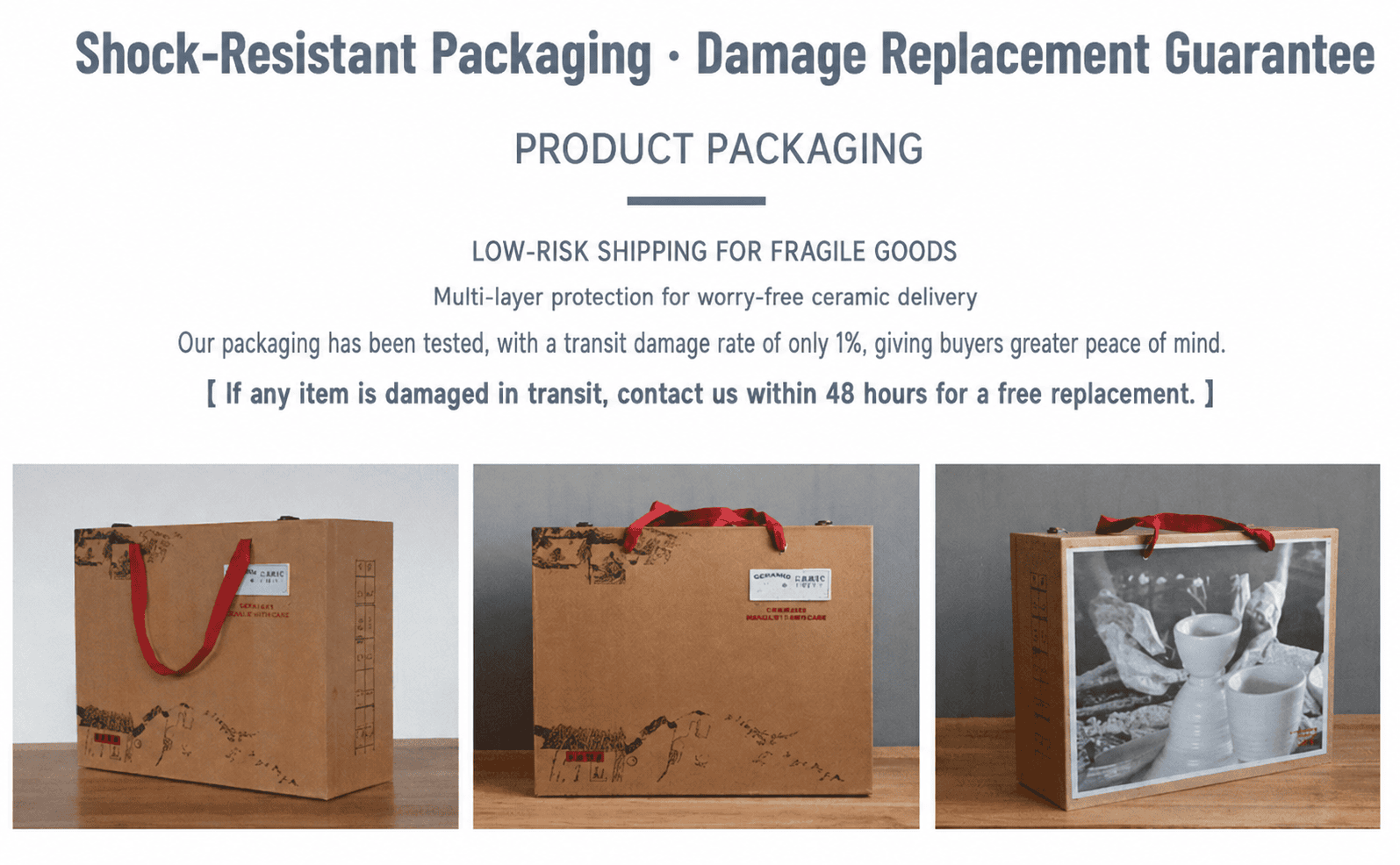
Packaging is also important. Linglong Porcelain must be protected with suitable internal separators, cushioning materials, export cartons, and clear packing arrangements. Hotels ordering multiple shapes should confirm how each product will be packed and whether replacement quantities can be included or supplied later.
Balancing Beauty, Cost, and Daily Use
Linglong Porcelain normally costs more than basic mass-produced ceramic tableware because it requires additional decorative and production processes. The final cost may be influenced by the complexity of the translucent pattern, hand-painted decoration, shape, glaze, firing requirements, order quantity, customization, and packaging.
For this reason, hotels do not necessarily need to use Linglong Porcelain for every dining area. A practical strategy is to use it selectively in spaces where guests can fully appreciate its visual value.
For example, a hotel may use durable white porcelain in a high-volume buffet while reserving Linglong Porcelain for Chinese dining rooms, tea lounges, VIP suites, and banquet presentations. This allows the hotel to balance operational efficiency with a distinctive cultural experience.
Conclusion: Is Linglong Porcelain a Good Choice?
Linglong Porcelain can be an excellent choice for restaurants and hotels that value craftsmanship, cultural identity, and refined presentation. Its translucent decoration gives dining spaces a visual quality that standard tableware cannot easily reproduce.
However, successful hospitality use depends on selecting the correct thickness, shape, glaze, decoration, and quality standard. Buyers should test samples, confirm food-contact requirements, review packaging, and communicate the expected service conditions before ordering.
Based in Jingdezhen, China, Magic Cube provides ceramic solutions for hotels, restaurants, distributors, and interior projects. By combining traditional Linglong Porcelain craftsmanship with customized Jingdezhen ceramic tableware, coordinated art porcelain, production management, and export packaging, Magic Cube helps hospitality buyers develop collections that balance beauty, cultural meaning, and practical use.