Are Your Hotel Plates Costing You More Than You Think?
News 2026-08-31 51
Walk into any hotel kitchen or dish room, and you will likely find a shelf of chipped, cracked, or stained plates waiting to be discarded. Most hoteliers glance at that shelf, sigh, and move on — but that shelf is quietly draining your budget. The truth is, Hotel Plates are one of the most underestimated cost centers in hospitality. This article breaks down the hidden expenses behind your current plate program and shows how a smarter sourcing strategy can cut long-term costs while elevating your guest experience.
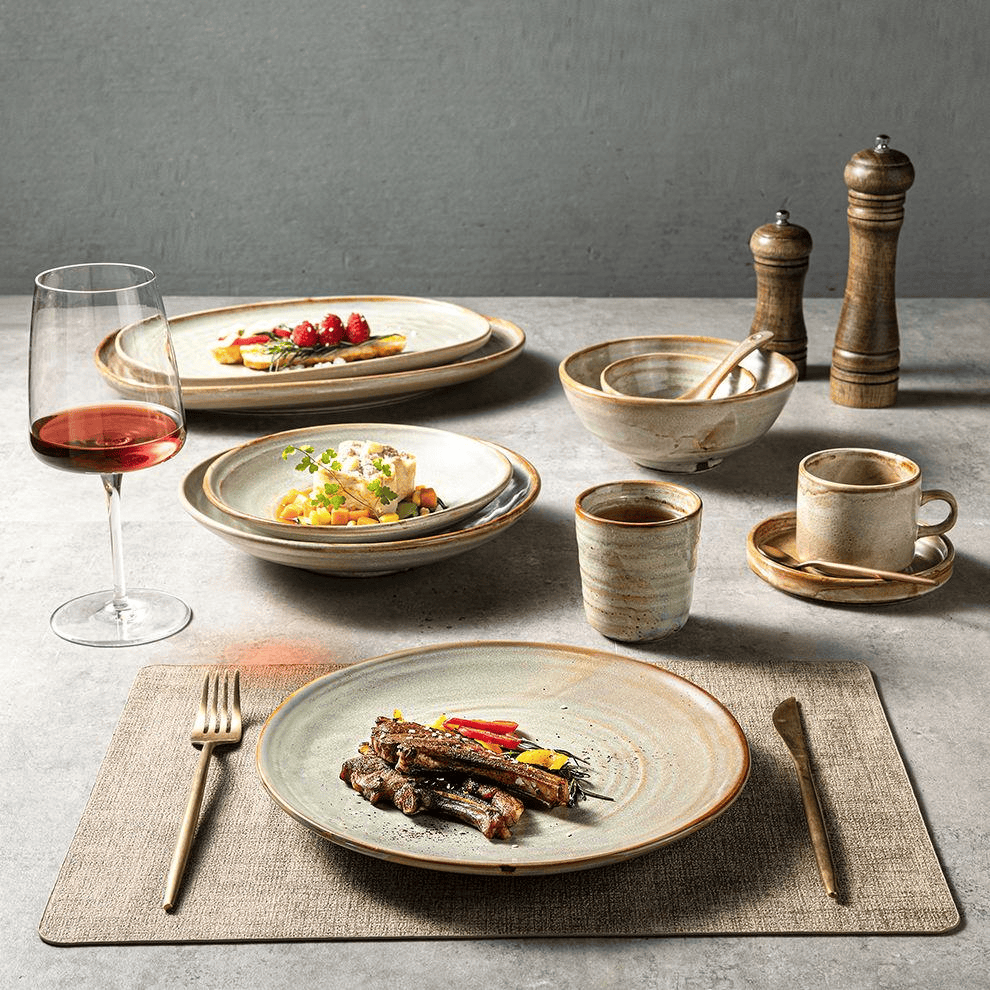
The Hidden Cost of Cheap Hotel Plates
At first glance, buying budget Hotel Plates seems like an easy win. A $1.20 plate versus a $3.50 plate — the math looks obvious. But the real cost of a plate is not its purchase price; it is the total cost over its lifetime. Here is where cheap plates cost you more:
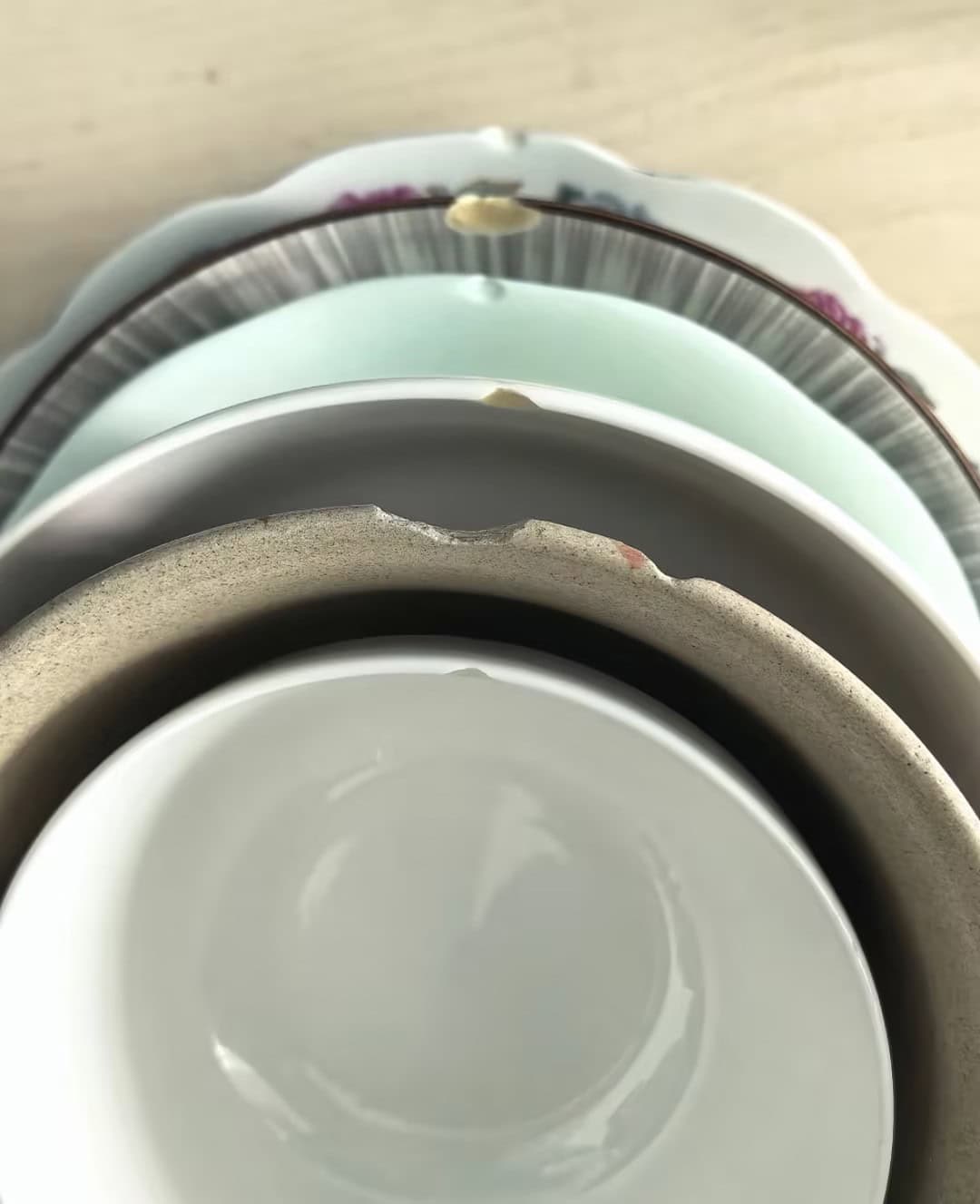
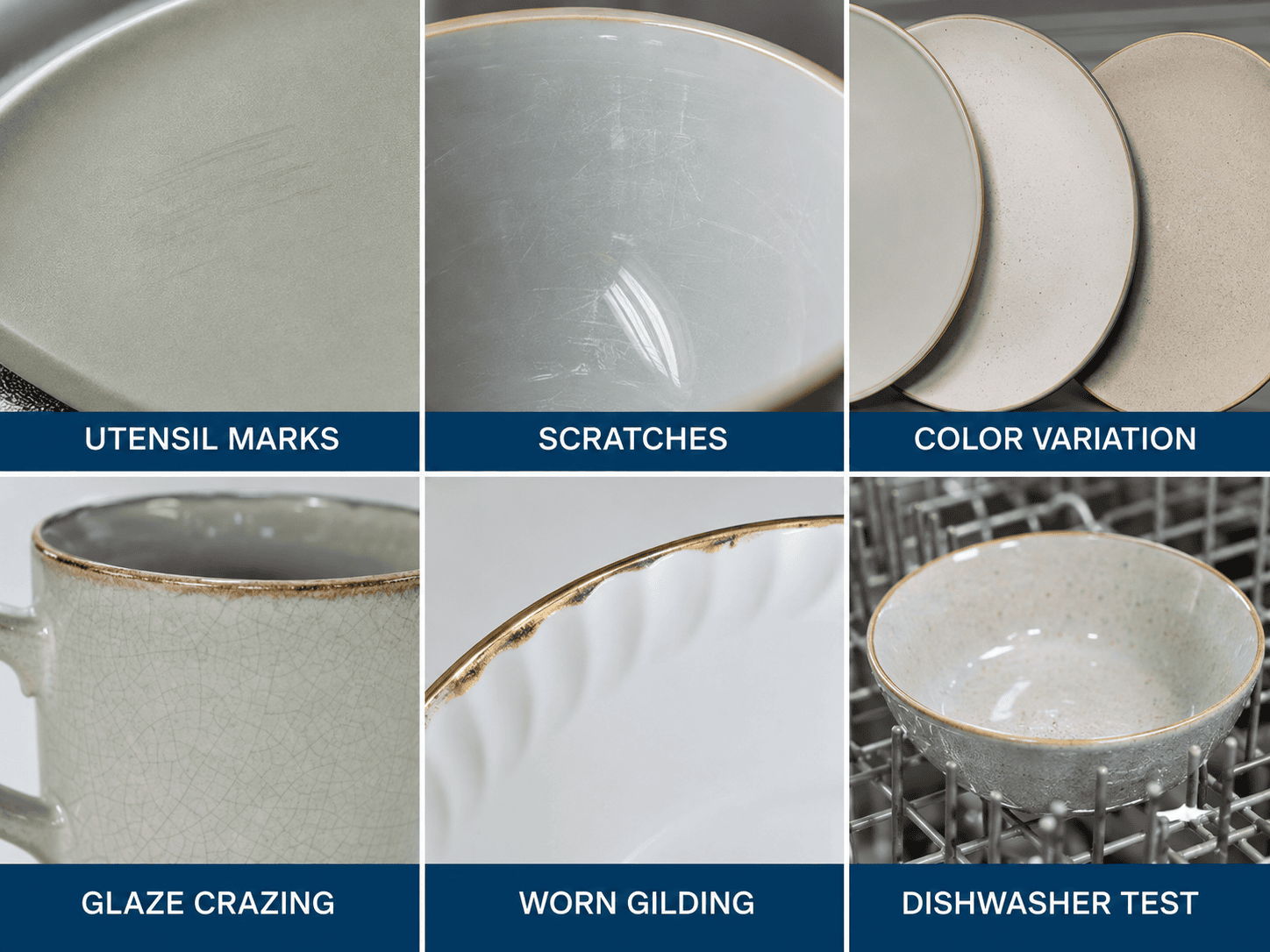
Frequent replacement. Low-quality ceramic is fired at lower temperatures, resulting in a softer, more porous body. These plates chip easily when stacked, crack under thermal shock, and develop glaze crazing after repeated commercial dishwashing cycles. A budget plate may survive six months to a year, while a quality commercial-grade plate can last three to five years. Over five years, you may replace the cheap plate five times — spending $6 per plate — while the quality plate costs $3.50 once.
Labor and downtime. Every chipped plate must be pulled from service, inventoried, and reordered. Kitchen staff spend time sorting through damaged ware, and procurement teams spend hours processing replacement orders. A 200-room hotel replacing 200 plates per quarter is losing real labor hours to a problem that better sourcing could prevent.
Guest perception. A cracked or crazed plate on a breakfast buffet or in-room dining tray signals neglect. Guests may not complain directly, but they notice — and it shapes their overall impression of the property. In an era where every guest posts photos of their meals, a damaged plate can become a negative social media moment.
Food waste and safety. Chipped plates can harbor bacteria in the cracks, creating a food-safety risk. Plates that warp or lose their glaze can also react with acidic foods, altering taste and appearance.
Calculating Your True Plate Cost
To understand what your Hotel Plates are really costing you, run this simple calculation:
- Count how many plates you purchased in the last 24 months.
- Add the total purchase cost, including shipping and import fees.
- Estimate labor hours spent on replacement orders, sorting, and inventory checks.
- Factor in the cost of guest complaints or negative reviews tied to tableware.
Most hotels are surprised by the result. A property that thought it was saving money on cheap plates often discovers it is spending 40–60% more over a two-year cycle than it would with quality ware.
What Makes a Quality Hotel Plate?
Not all ceramic plates are created equal. When evaluating Hotel Plates for commercial use, look for these markers of quality:
- High-fired porcelain: Fired above 1,300°C, porcelain is vitrified, non-porous, and highly chip-resistant. It is the gold standard for commercial hospitality.
- Reinforced rims: Plates with thicker, rolled rims resist chipping when stacked or scraped by utensils.
- Hard glaze: A durable, smooth glaze resists scratching, staining from coffee and tomato sauces, and wear from commercial detergents.
- Thermal shock resistance: Quality plates can move from freezer to oven to dishwasher without cracking.
- Consistency: Plates from the same batch should match in size, shape, and color — critical for a polished tabletop presentation.
Many of these quality attributes come directly from the manufacturing process, which is why sourcing from an experienced Jingdezhen ceramic manufacturer makes a measurable difference.
The Jingdezhen Advantage
Jingdezhen, China’s historic porcelain capital, has been producing ceramic tableware for over 1,700 years. Today, a modern Jingdezhen ceramic manufacturer combines traditional craftsmanship with industrial-scale production, making it an ideal source for Hotel Plates.
We use high‑temperature fired porcelain here in Jingdezhen.
It’s more scratch‑resistant and can stand bumps better. The clay goes through oxidation‑reduction reactions under extreme heat, making the porcelain far more stable and food‑safe. This special craft is hard to replicate in other parts of China.
Here is why hotels benefit from Jingdezhen ceramic tableware:
- Superior raw materials: Jingdezhen’s kaolin clay is among the purest in the world, producing porcelain that is exceptionally white, strong, and translucent.
- High-temperature firing: Local factories routinely fire at 1,320–1,400°C, producing fully vitrified ware that is durable and food-safe.
- Quality control heritage: Generations of ceramic artisans mean rigorous standards at every stage — from clay preparation to glazing and final inspection.
- Customization depth: A Jingdezhen ceramic manufacturer can produce standard white Hotel Plates at scale and also create custom shapes, glazes, and decorative porcelain (装饰瓷) pieces for fine-dining outlets.
- Cost efficiency: Direct factory sourcing eliminates middlemen, delivering commercial-grade quality at prices that beat many Western brands.
For hotels, this means you can upgrade from cheap, disposable-feeling plates to durable, premium Jingdezhen ceramic tableware — often at a lower total cost than your current replacement-heavy program.
Decorative Porcelain: Elevating Without Overspending
One of the biggest misconceptions in hospitality tableware is that upgrading means replacing everything with expensive decorative porcelain. In reality, the smartest hotels use a tiered approach:
- 80% standard ware: Durable, plain white or solid-color Hotel Plates for high-volume breakfast, room service, and casual dining.
- 20% accent ware: Decorative porcelain plates with hand-painted patterns, metallic rims, or textured glazes for fine-dining rooms, executive lounges, and special events.
This strategy lets you control costs on the pieces that take the most abuse while creating memorable, Instagram-worthy moments in the outlets that matter most for brand perception. A Jingdezhen ceramic manufacturer can produce both tiers in a coordinated design language, so your tabletop feels cohesive across the entire property.
Making the Switch: A Practical Roadmap
If your current plate program is costing more than it should, here is how to transition:
- Audit your current usage: Track breakage rates, replacement frequency, and total spend over 12 months.
- Request samples: Source samples from at least three suppliers, including a Jingdezhen ceramic manufacturer, and test them in your actual dishwashing and kitchen environment for 30 days.
- Calculate total cost of ownership: Compare purchase price plus projected replacement cost over five years.
- Pilot in one outlet: Roll out new plates in a single dining outlet first, gather staff and guest feedback, then scale property-wide.
- Negotiate volume terms: Consolidate your plate, bowl, and saucer orders with one supplier to unlock better pricing and simplified logistics.
Conclusion
The plates in your hotel are doing more work — and costing more money — than you probably realize. Cheap Hotel Plates create a cycle of replacement, labor, and guest dissatisfaction that quietly erodes your margins. By investing in quality commercial-grade ceramic — ideally sourced from a trusted Jingdezhen ceramic manufacturer — you can break that cycle, reduce long-term costs, and present a more polished table to every guest.
At MC Ceramic, we help hotels and restaurants source premium Jingdezhen ceramic tableware and decorative porcelain at competitive wholesale prices. From durable everyday Hotel Plates to hand-crafted decorative porcelain statement pieces, our team handles quality control, customization, and logistics so you can focus on your guests. Contact us today for a free cost comparison and sample kit — and find out how much your plates are really costing you.