What Determines the Cost of a Custom Ceramic?
News 2026-08-28 69
The price of a Custom Ceramic product cannot usually be calculated from its size alone. Two ceramic pieces with similar dimensions may have very different costs because they use different forming methods, raw materials, glazes, decorations, firing processes, packaging, and quality standards.
For importers, distributors, hotels, restaurants, retailers, and design companies, understanding these factors makes it easier to prepare a realistic purchasing budget. It also helps buyers communicate more clearly with a Jingdezhen ceramic manufacturer before requesting samples or quotations.
Whether the project involves Jingdezhen ceramic tableware, branded coffee cups, decorative vases, art porcelain, or a one-of-a-kind ceramic artwork, the final cost of a Custom Ceramic depends on the complete production process.
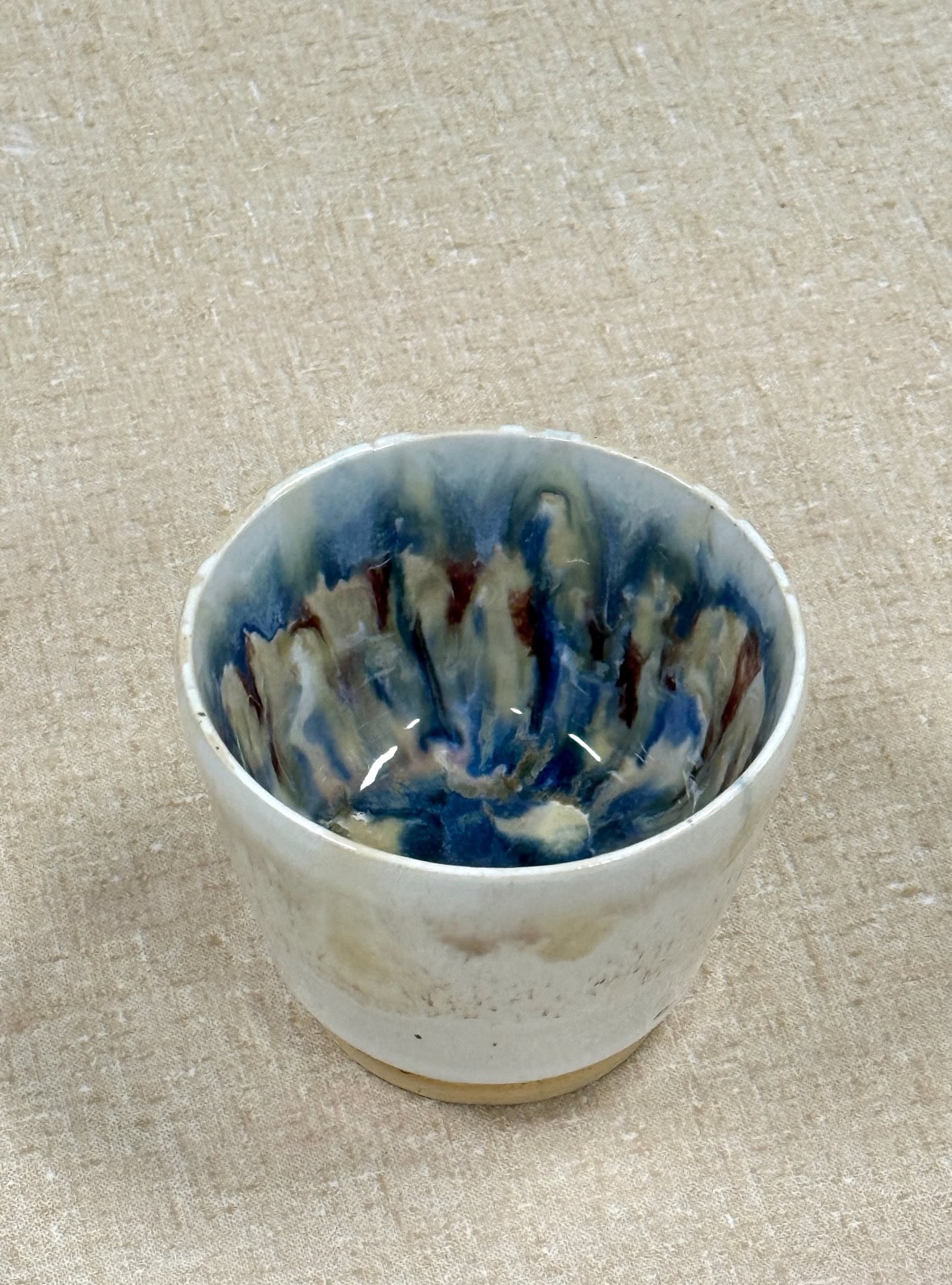
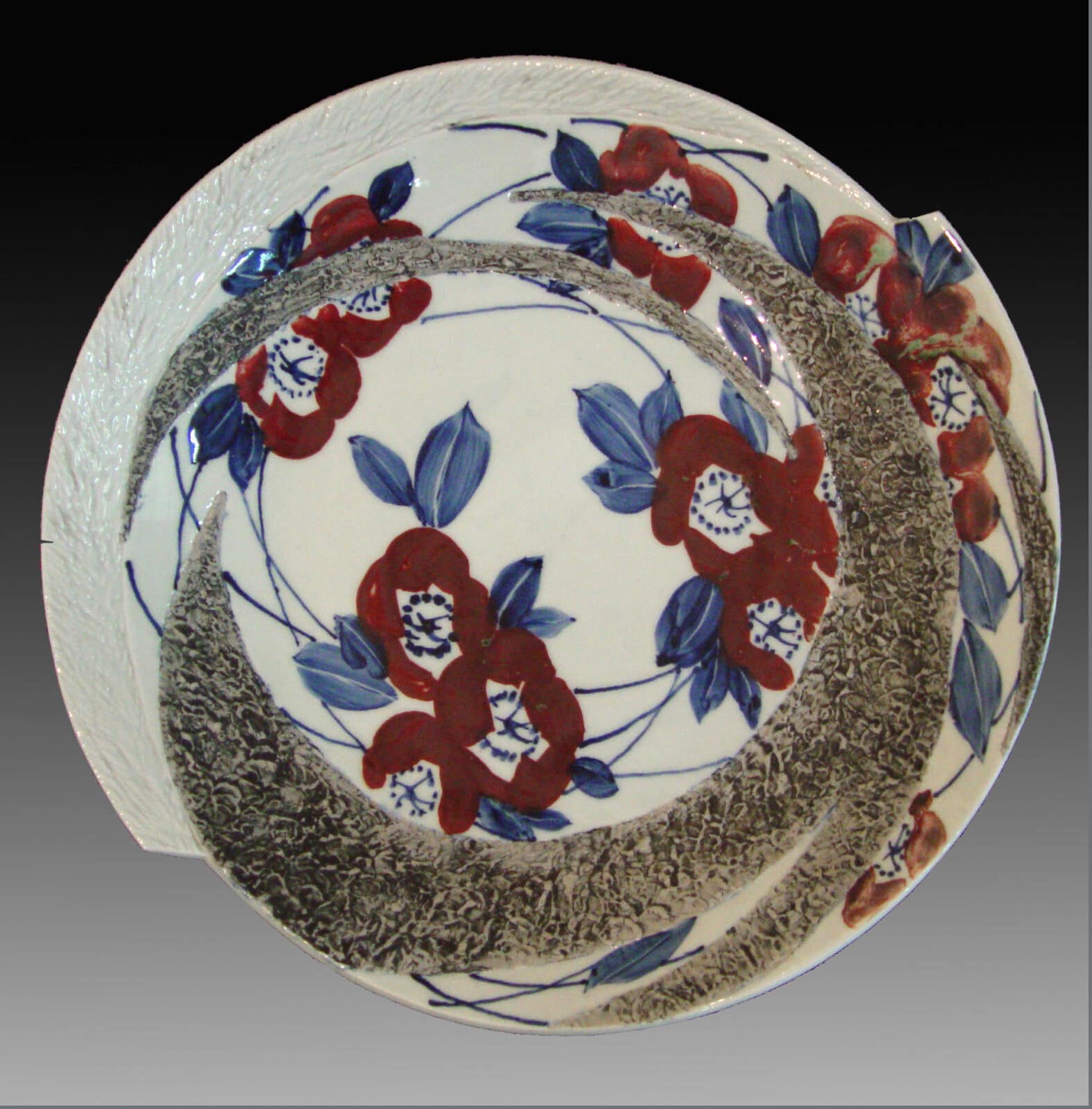
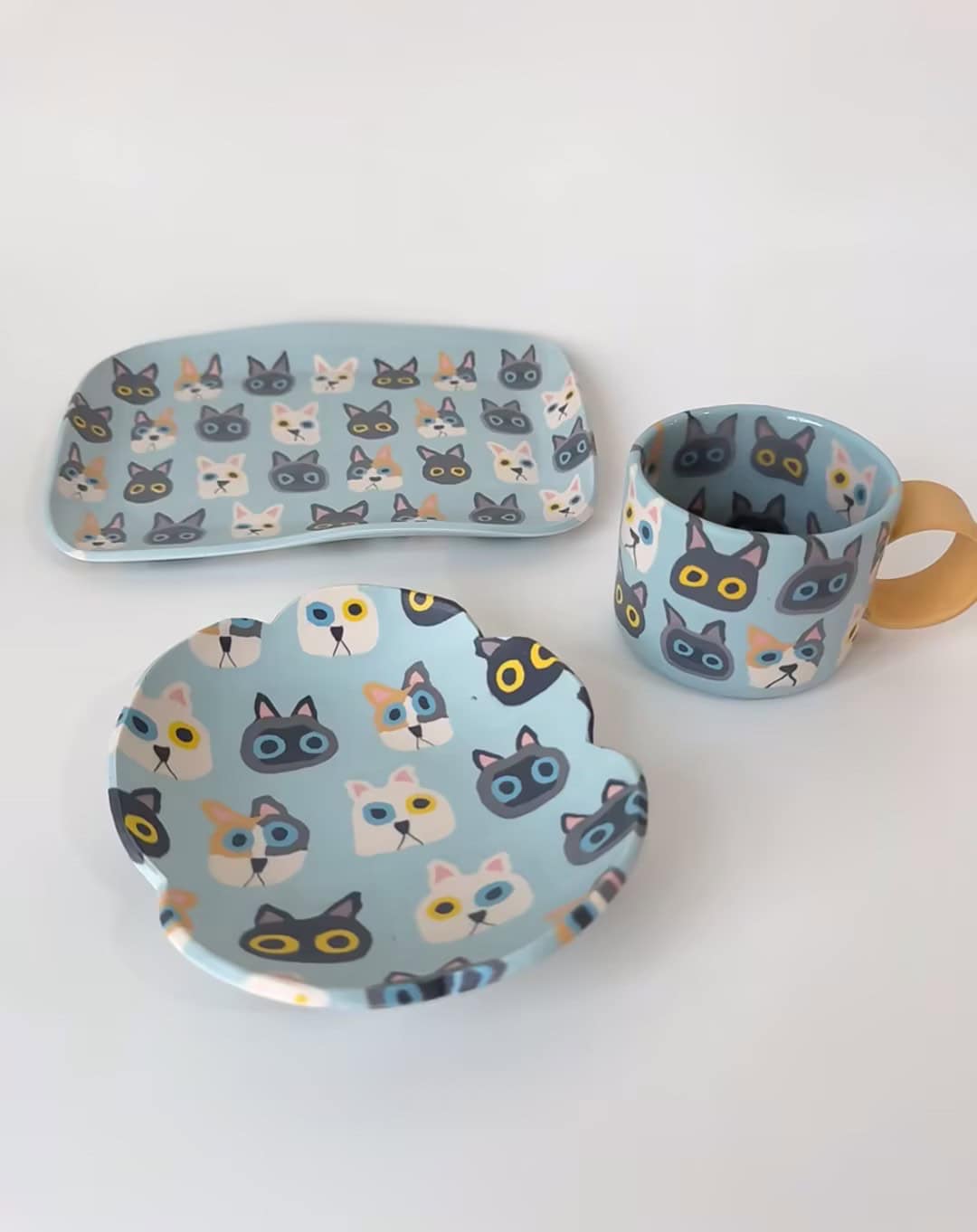
1. Product Size and Weight
Size is one of the most direct factors affecting the cost of a Custom Ceramic. A larger product normally requires more clay, glaze, kiln space, protective material, and packaging.
However, dimensions alone do not determine the price. Product weight and wall thickness are also important. A large but thin porcelain plate may use less material than a smaller, thick decorative vessel. At the same time, producing a large thin piece without deformation may require greater technical control.
Oversized ceramics can also increase:
- Drying time
- Firing risk
- Kiln-space usage
- Handling difficulty
- Packaging volume
- Freight cost
Buyers should provide accurate dimensions, including height, width, diameter, depth, and expected weight. If the product must fit into a particular shelf, table, carton, or architectural space, acceptable dimensional tolerances should also be confirmed.
2. Shape and Structural Complexity
A simple round plate is usually easier to produce than an irregular serving dish, sculptural vase, or ceramic object with multiple projecting parts.
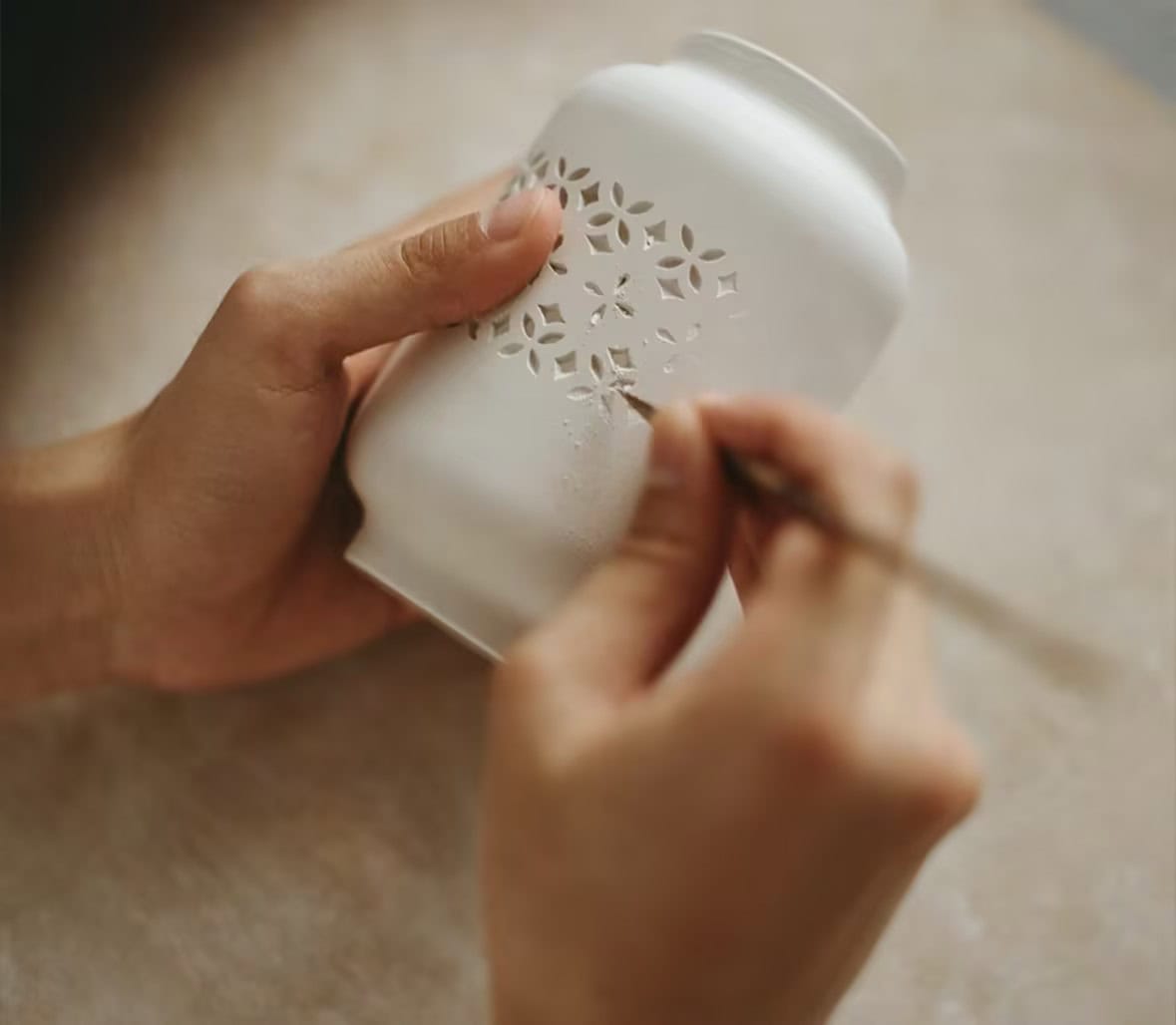
Complex shapes may require additional modeling, trimming, joining, polishing, and inspection. Handles, lids, feet, spouts, relief patterns, pierced sections, and separately attached decorative components all increase the number of production steps.
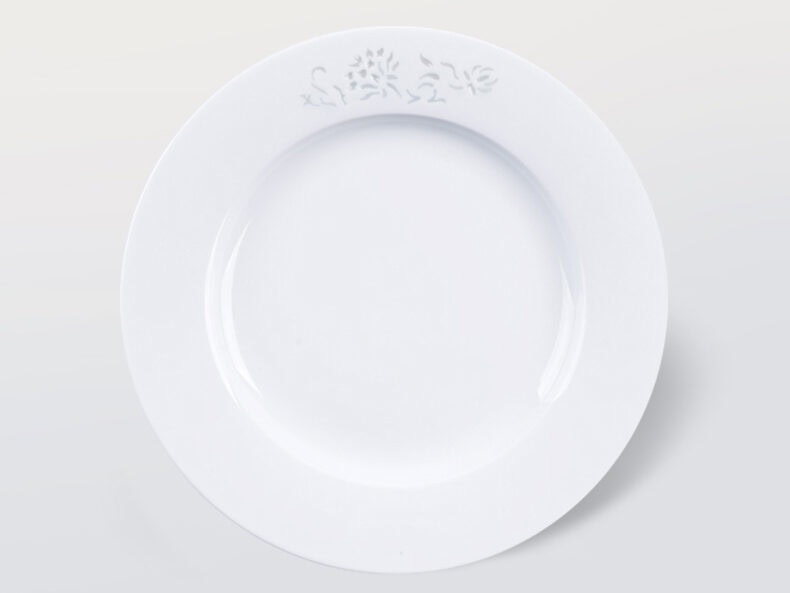
The structure also affects the production risk. Thin projections may crack during drying, while uneven thickness can cause deformation during firing. Large flat surfaces may warp, and separately attached components may become detached if the joining process is not properly controlled.
For this reason, the cost of a Custom Ceramic includes not only the visible shape but also the difficulty of producing that shape consistently.
3. Handmade Forming or Mold Production
The forming method has a major influence on price.
Hand forming is suitable for prototypes, artistic pieces, irregular shapes, and small-quantity projects. Craftspeople may use hand building, wheel throwing, carving, sculpting, or a combination of techniques. Each product requires individual labor, and slight differences between pieces are normal.
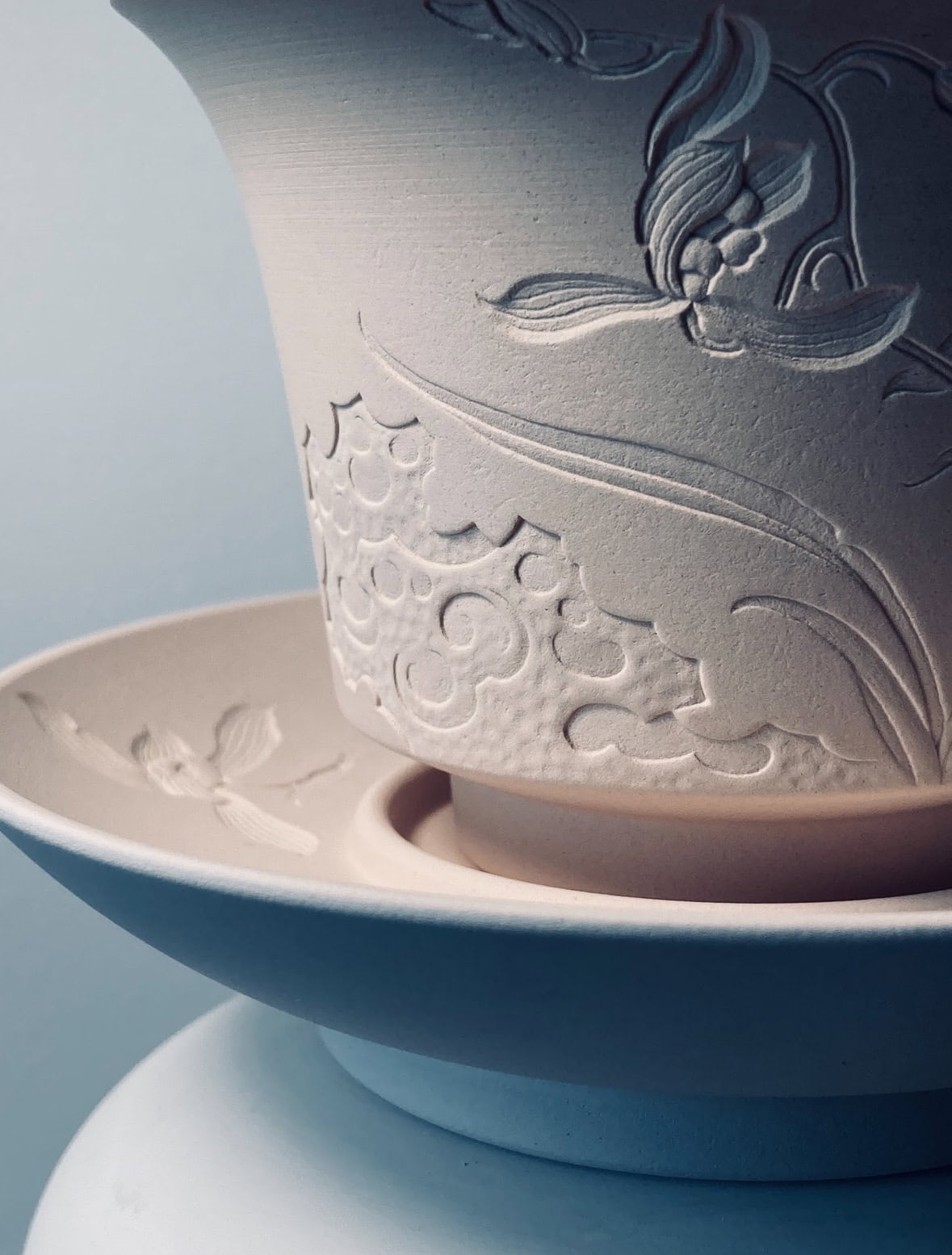
Mold production is more suitable for repeated shapes and larger quantities. However, a new mold must first be designed and produced. The initial development cost may include:
- Three-dimensional design
- Master model production
- Mold development
- Mold testing
- Shape adjustment
- Trial production
A handmade Custom Ceramic may have a lower initial tooling cost but a higher unit labor cost. A molded Custom Ceramic may require a higher initial development investment, but its unit price can decrease when the order quantity increases.
Buyers should therefore tell the manufacturer whether they need one prototype, a small artistic collection, or repeatable mass production.
4. Raw Materials and Ceramic Body
Different ceramic bodies have different material costs and production characteristics.
Porcelain normally uses refined raw materials and is fired at a relatively high temperature. Stoneware may use a different clay composition and can produce a heavier, more natural appearance. Other projects may require special white bodies, colored clay, translucent porcelain, high-strength materials, or customized formulas.
For Jingdezhen ceramic tableware, buyers may also have requirements related to whiteness, translucency, water absorption, strength, glaze compatibility, and food-contact use.
The cost of raw materials is only one part of the calculation. A difficult ceramic body may also require slower drying, stricter firing control, additional testing, or a higher rejection rate.
A Jingdezhen ceramic manufacturer should select the body according to the product’s intended use rather than choosing materials only by their lowest price.
5. Glaze Color and Surface Effect
A simple transparent or standard white glaze is generally easier to control than a specially developed color or surface effect.
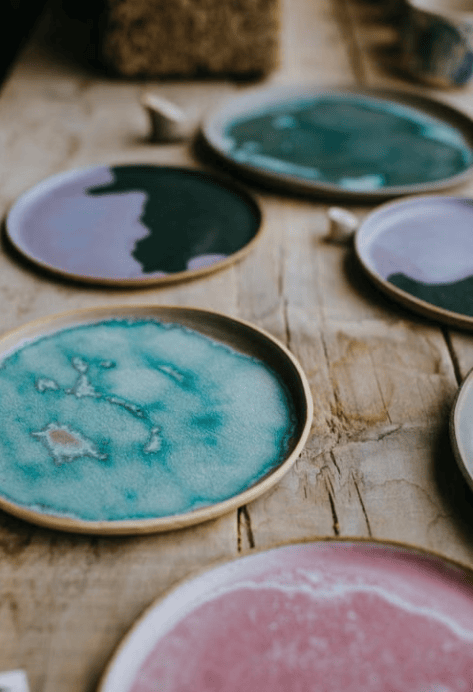
Custom glaze development may involve repeated testing to achieve the required color, gloss level, texture, and compatibility with the ceramic body. The same glaze can appear different depending on the firing temperature, kiln atmosphere, application thickness, and shape of the product.
Custom Ceramic glaze options may include:
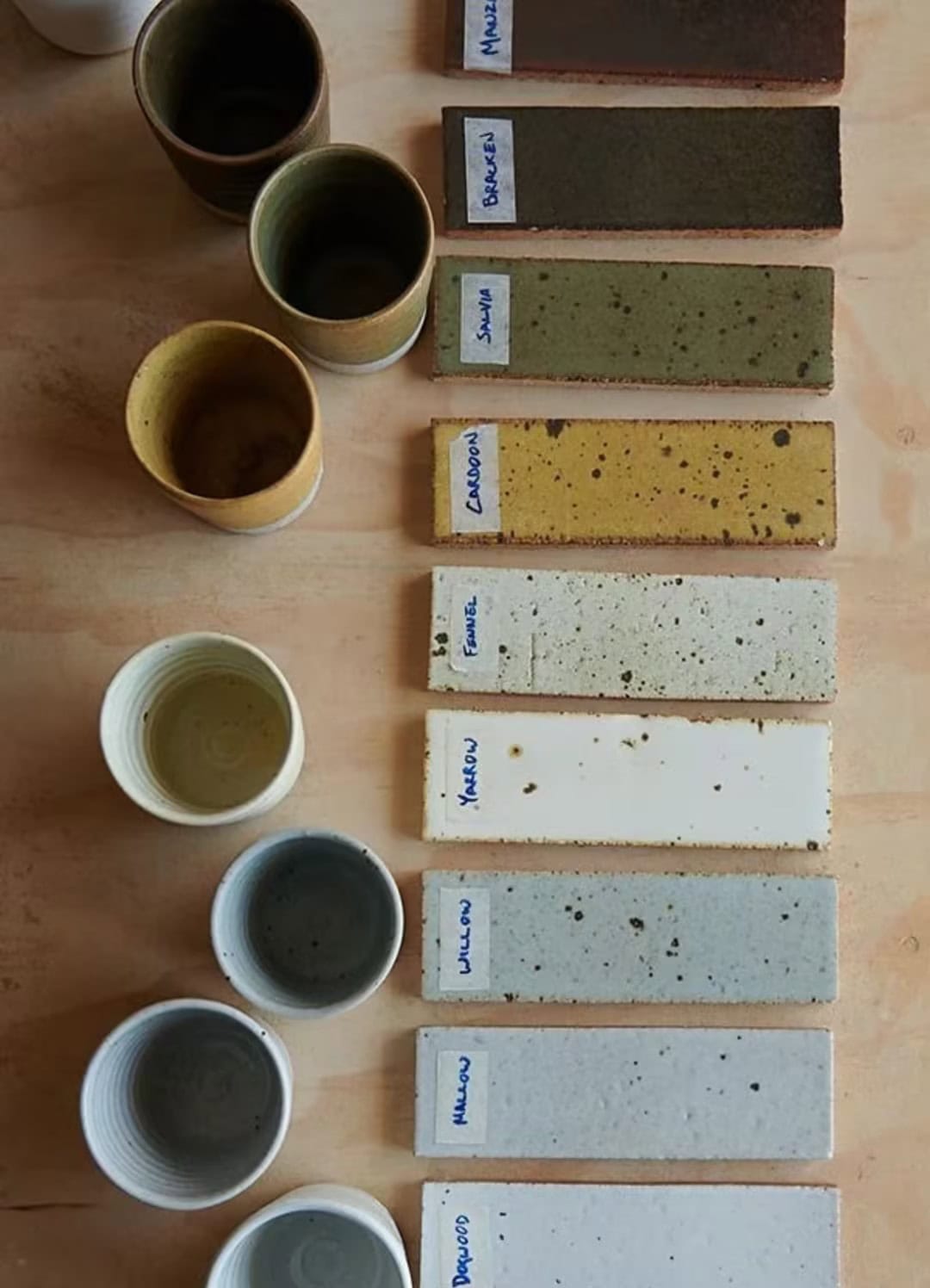
- Glossy glaze
- Matte glaze
- Reactive glaze
- Crackle glaze
- Monochrome glaze
- Gradient glaze
- Speckled glaze
- Metallic-effect glaze
- Transparent glaze
- Customized color glaze
Some glazes naturally produce variations. If a buyer expects every piece to have exactly the same color, the manufacturer may need to apply stricter sorting and inspection standards. This can increase the production cost.
Buyers should provide a physical color sample or an internationally recognized color reference when possible. A color shown on a phone or computer screen may not accurately represent the final fired glaze.
6. Decoration and Custom Artwork
Decoration is another important factor in Custom Ceramic pricing.
A simple one-color logo is generally less expensive than a full-surface pattern containing several colors. The decoration method also affects the cost. Common options include decals, screen printing, underglaze painting, overglaze decoration, hand painting, carving, embossing, engraving, and gilding.
Each method requires different materials, tools, labor, and firing processes. For example, a decal may require artwork separation, printing, application, and an additional firing. Hand painting requires more individual labor and may produce natural variations between pieces.
Metallic decoration, such as gold or platinum, normally increases the price because of material cost, application requirements, and additional firing.
For customized logos or patterns, the buyer should provide clear artwork in an appropriate file format. Changes made after sample approval can lead to new printing, sampling, or production costs.
7. Number of Firings
A ceramic product may pass through the kiln more than once.
The first firing may be used to produce the biscuit body. A second firing can mature the glaze. Additional firings may be required for decals, enamel colors, gold decoration, or other surface effects.
Every firing uses energy, kiln capacity, labor, and production time. It also introduces another possibility of deformation, cracking, glaze defects, or color changes.
A Custom Ceramic requiring several firings will therefore normally cost more than a product made through a simpler firing process.
8. Sample Development and Design Changes
Sampling is an important part of Custom Ceramic production. It allows the buyer and manufacturer to confirm the shape, size, color, decoration, function, and overall appearance before mass production begins.
The sample cost may include:
- Design communication
- Drawing development
- Handmade modeling
- Mold production
- Glaze testing
- Decal or logo preparation
- Trial firing
- Quality inspection
- Protective packaging
- Sample shipping
A sample is not simply a smaller version of a bulk order. It may require many of the same preparation steps as mass production, but these costs are divided across only one or several pieces.
Repeated design changes can increase both cost and lead time. Buyers can reduce unnecessary revisions by providing accurate drawings, dimensions, color references, artwork files, intended use, and quality requirements at the beginning of the project.
9. Order Quantity and Minimum Order Quantity
Quantity has a significant effect on the unit price of a Custom Ceramic.
Many development costs are fixed. Mold making, glaze testing, artwork preparation, and packaging design may cost almost the same whether the buyer orders 20 pieces or 2,000 pieces. Larger orders allow these costs to be divided across more units.
Production efficiency also improves when the same shape, glaze, and decoration are produced continuously. Small orders may require separate material preparation, kiln arrangement, decoration, inspection, and packaging for only a limited quantity.
However, increasing quantity should not be treated as the only way to reduce price. Buyers should first confirm that the design, market demand, storage capacity, and sales plan support a larger order.
A Jingdezhen ceramic manufacturer may set different minimum order quantities according to the shape, production method, decoration, and packaging requirements.
10. Quality Standards and Acceptable Tolerances
Custom Ceramic products are made through forming, drying, glazing, firing, and finishing processes. Slight variations in dimensions, glaze, color, pattern position, and weight may occur, especially in handmade products.
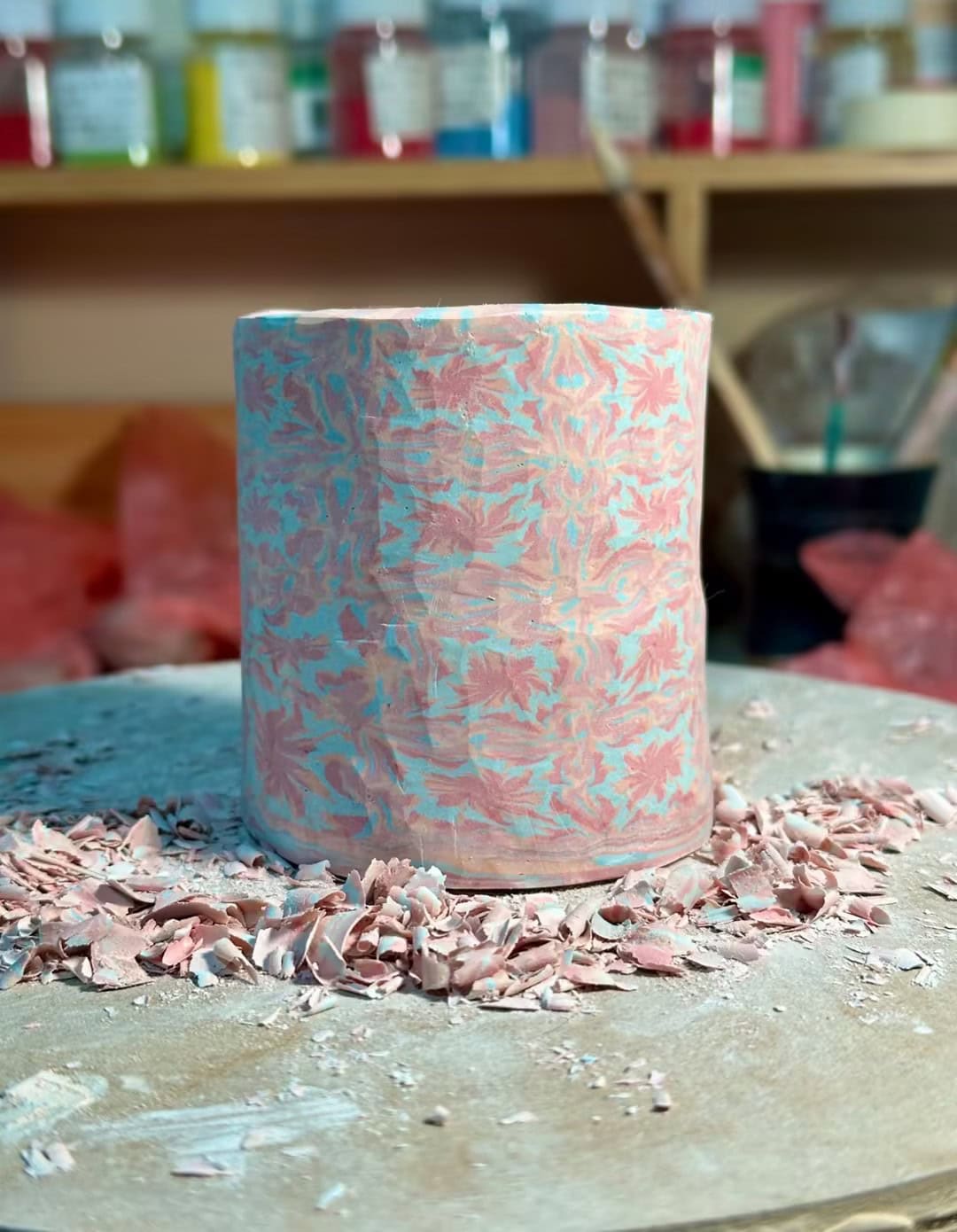
The required quality standard affects the amount of inspection and sorting needed. A decorative product with a natural reactive glaze may allow visible variation, while branded hotel tableware may require more consistent color, logo position, stacking, and dimensions.
Buyers should confirm acceptable standards for:
- Size tolerance
- Color variation
- Glaze appearance
- Deformation
- Pinholes and surface marks
- Pattern position
- Logo clarity
- Stability
- Edge finish
- Packaging condition
If the buyer requires very narrow tolerances or a particularly strict appearance standard, the manufacturer may need to inspect and reject more products. The expected rejection rate must be considered when calculating the quotation.
11. Packaging Requirements
Packaging is an essential part of the total Custom Ceramic cost, particularly for international orders.
Standard bulk packaging may use foam protection, inner cartons, dividers, and reinforced export cartons. Retail products may require printed color boxes, branded sleeves, barcodes, instructions, gift packaging, or customized foam inserts.
Large, irregular, or high-value art porcelain may require plywood cases or wooden crates. Pallets, protective corners, straps, stretch film, desiccants, and shipping marks may also be required.
Packaging affects both product protection and freight cost. A stronger package may cost more, but insufficient protection can lead to breakage, claims, replacement costs, and project delays.
12. Testing, Certification and Documentation
Some Custom Ceramic products require testing or documentation according to their intended use and destination market.
Food-contact tableware may need testing related to the ceramic body, glaze, and decoration. Buyers may also request product inspections, test reports, certificates of origin, customized labels, or other export documents.
Requirements differ between countries and product categories. The buyer should explain the destination market and intended use before the quotation is finalized.
Testing and documentation costs should be confirmed separately rather than assumed to be included in every product price.
13. Delivery Time and Urgent Production
A realistic production schedule allows enough time for raw-material preparation, forming, drying, glazing, decoration, firing, inspection, and packaging.
Ceramics cannot always be produced faster simply by adding more workers. Drying and firing require controlled time, and rushing these stages may increase cracking, deformation, or glaze problems.
Urgent orders may require special kiln arrangements, additional labor, faster material preparation, or air freight. These requirements can increase the total cost.
Buyers should therefore provide the required delivery date, destination, and shipping method at the beginning of the inquiry.
[Insert Image 7: Finished customized ceramics being packed into export cartons for delivery]
How Can Buyers Obtain a More Accurate Quotation?
To receive a reliable Custom Ceramic quotation, buyers should provide as much of the following information as possible:
- Product photo, drawing, or three-dimensional file
- Exact dimensions
- Required quantity
- Intended use
- Ceramic material
- Glaze color and surface effect
- Logo or decoration artwork
- Handmade or molded production preference
- Quality and tolerance requirements
- Packaging method
- Destination country
- Required delivery date
- Testing or certification requirements
If some details have not yet been decided, the buyer can ask the manufacturer to suggest several production options. For example, the supplier may compare a handmade sample with a molded sample, or standard export packaging with customized retail packaging.
Conclusion
The cost of a Custom Ceramic is determined by the complete production and delivery process—not by size alone. Shape, structural complexity, forming method, molds, raw materials, glaze development, decoration, firing, sampling, quantity, quality standards, packaging, testing, and delivery time all influence the final quotation.
For buyers, the most effective way to control cost is to define the product clearly and select production requirements that match its real use. Simplifying an unnecessary detail, choosing an appropriate tolerance, increasing a commercially realistic order quantity, or using practical export packaging may reduce costs without weakening the product’s essential character.
Based in Jingdezhen, China, Magic Cube works with Jingdezhen ceramic tableware, customized hotel and restaurant porcelain, decorative ceramics, and art porcelain. By coordinating design, sampling, production, quality inspection, and export packaging, Magic Cube aims to help international buyers understand Custom Ceramic costs and develop products that balance craftsmanship, commercial value, and practical requirements.