Porcelain vs Stoneware: Which Is Better for Restaurant Use?
News 2026-08-27 66
Choosing the right tableware is an important decision for restaurants, hotels, cafés, and catering businesses. Plates, bowls, cups, and serving pieces must support the restaurant’s presentation while also withstanding frequent handling, washing, stacking, and daily service.
Among the most common ceramic materials used in commercial dining are porcelain and stoneware. Both can be attractive and practical, but they differ in appearance, weight, firing temperature, water absorption, durability, and cost. The question of Porcelain vs Stoneware therefore cannot be answered by appearance alone. Buyers need to consider the restaurant concept, menu, service frequency, storage conditions, replacement requirements, and budget.
This guide explains the main differences between Porcelain vs Stoneware and helps restaurant buyers select the more suitable material for their operations.
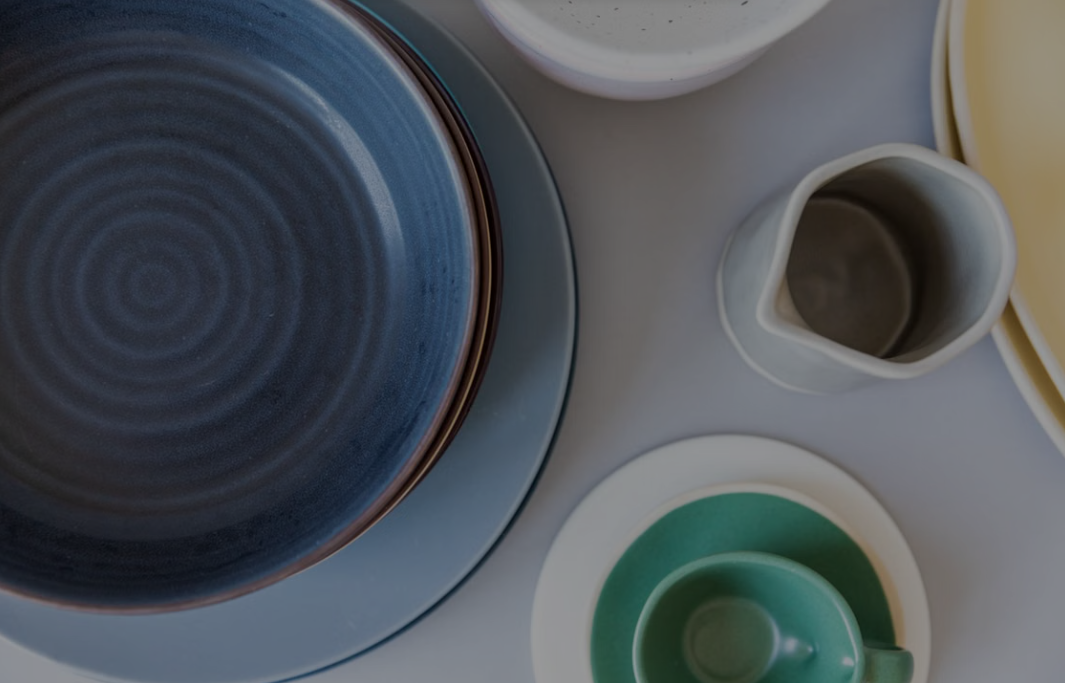
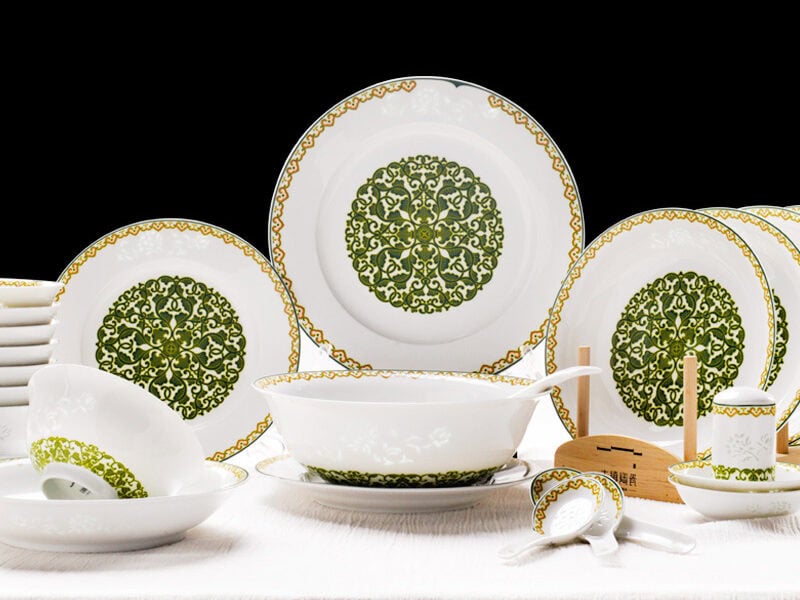
What Is Porcelain?
Porcelain is generally made from refined ceramic materials that may include kaolin, feldspar, quartz, and porcelain stone. It is fired at a high temperature until the body becomes dense and vitrified.
High-quality porcelain usually has a smooth surface, low water absorption, good whiteness, and a refined appearance. Depending on its thickness and composition, it may also show slight translucency when held against a strong light.
Jingdezhen ceramics are particularly well known for their porcelain traditions. Generations of craftspeople have developed techniques for preparing porcelain bodies, applying glazes, painting decoration, and controlling high-temperature firing. Today, a Jingdezhen ceramic manufacturer may produce not only traditional blue-and-white porcelain but also modern restaurant tableware, customized hotel porcelain, art porcelain, and ceramic installations.
Porcelain tableware can be made in simple white designs or decorated with logos, colored glazes, decals, hand-painted patterns, relief textures, or metallic details. This flexibility makes it suitable for restaurants that want a clean, professional, or more sophisticated dining presentation.
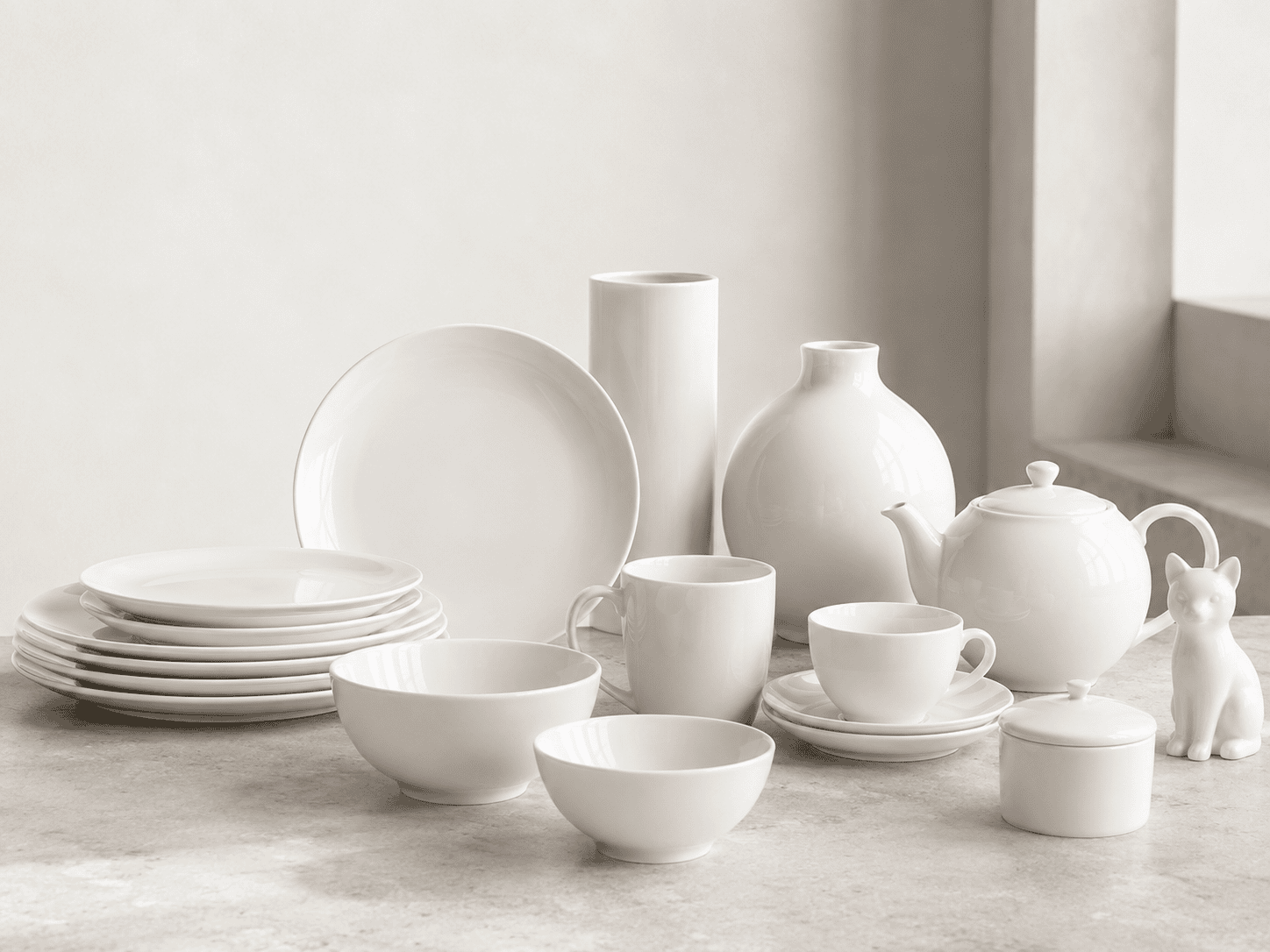
What Is Stoneware?
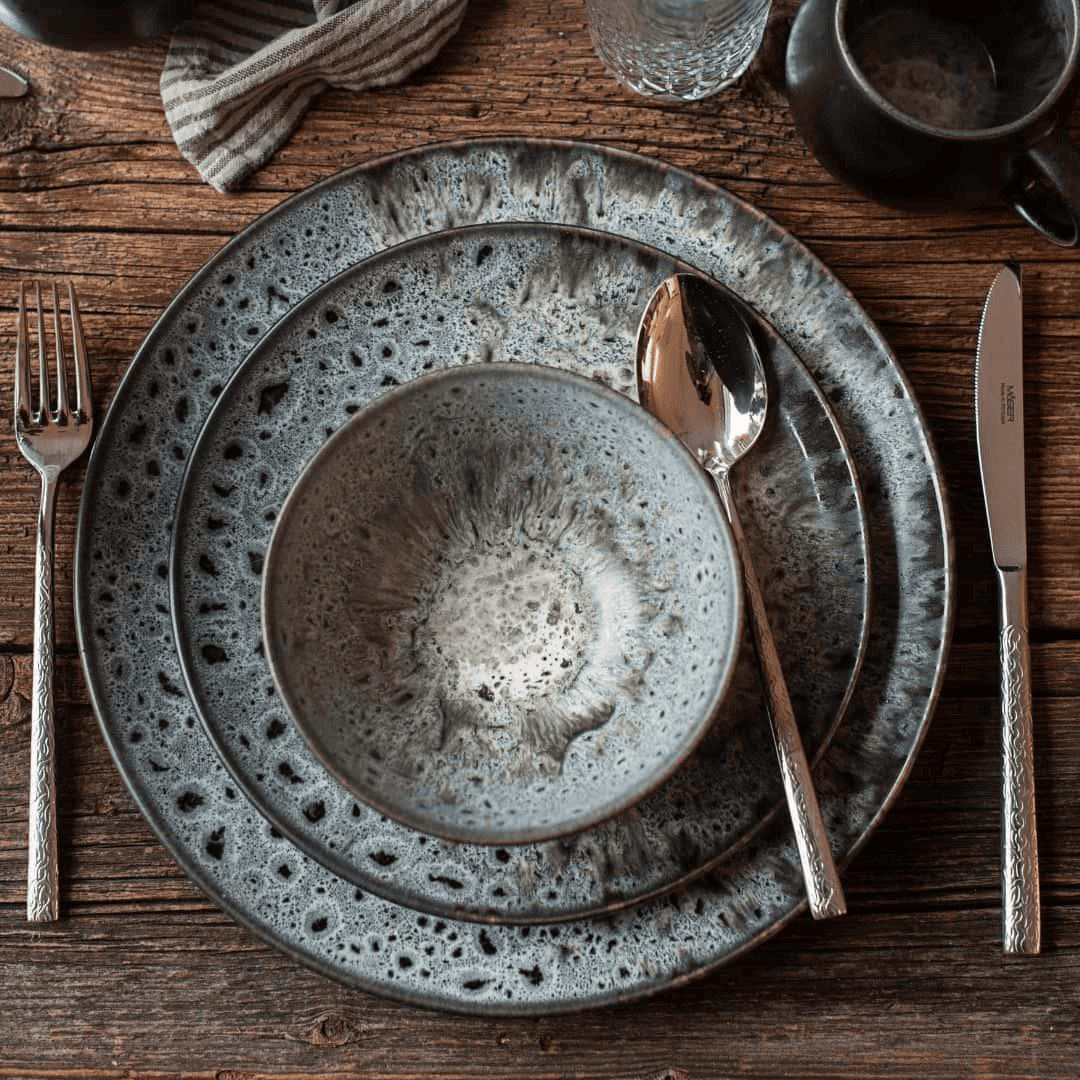
Stoneware is a dense ceramic material commonly made from clay containing a higher proportion of natural minerals. It is fired at a relatively high temperature, although its exact composition and firing range vary between manufacturers.
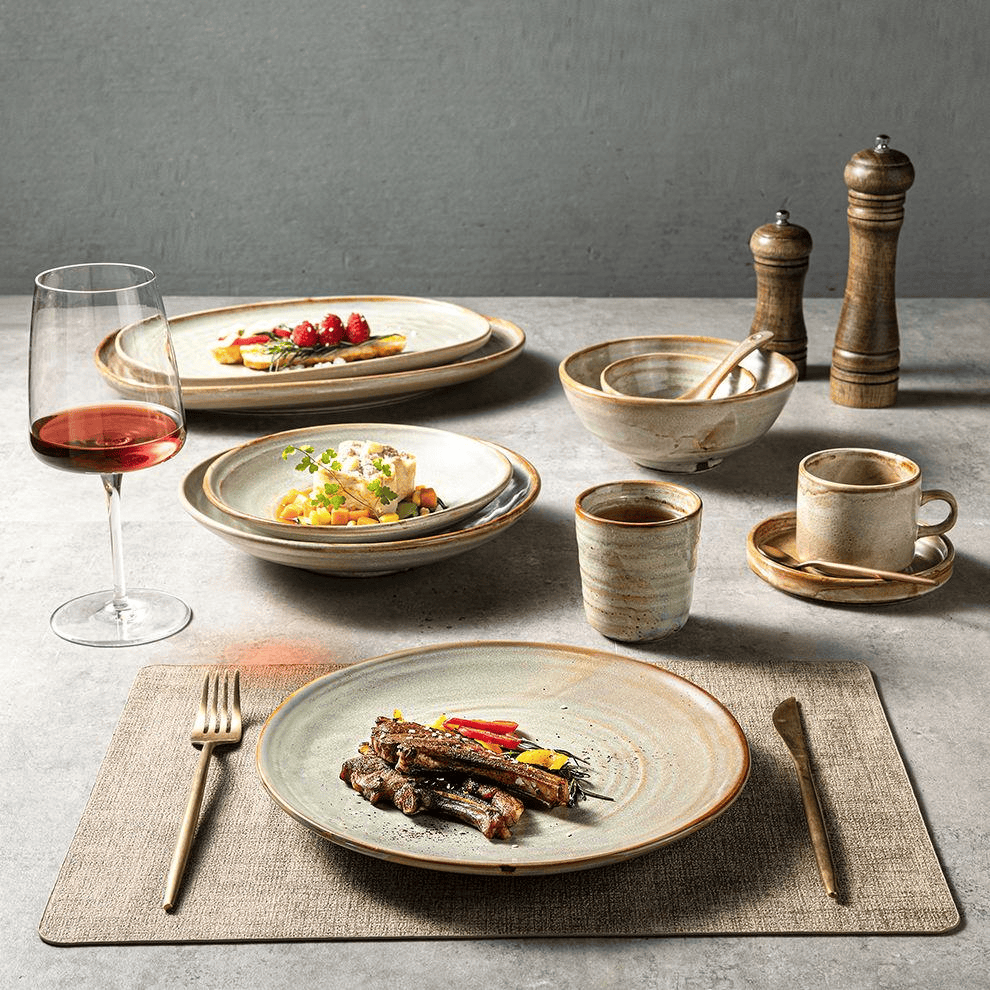
Compared with porcelain, stoneware often has a thicker body, greater visual weight, and a more natural or handcrafted appearance. Its color may be cream, beige, brown, grey, black, or another earthy tone, depending on the clay and glaze.
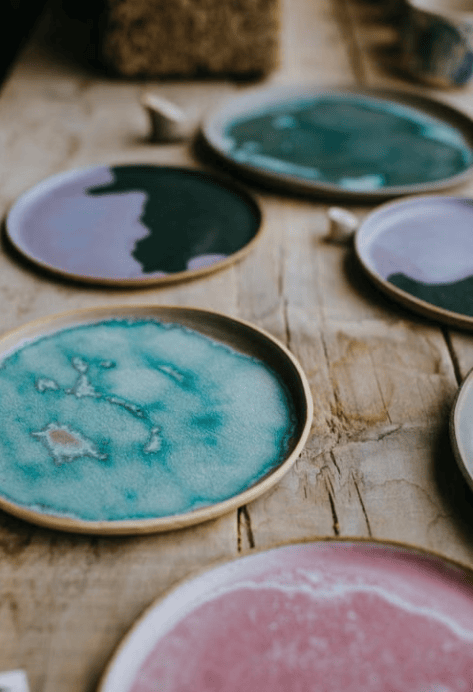
Stoneware is frequently used in casual restaurants, cafés, bakeries, farm-to-table dining spaces, and contemporary hospitality projects. Reactive glazes are especially popular because they create variations in color, texture, and surface effects. These differences can make every plate look slightly unique.
However, buyers should understand that “stoneware” does not automatically mean unbreakable. Its durability depends on the body composition, firing quality, glaze, rim design, thickness, and manufacturing standards.
Porcelain vs Stoneware: Appearance and Restaurant Style
AppearanceAppearance is one of the clearest differences in the Porcelain vs Stoneware comparison.
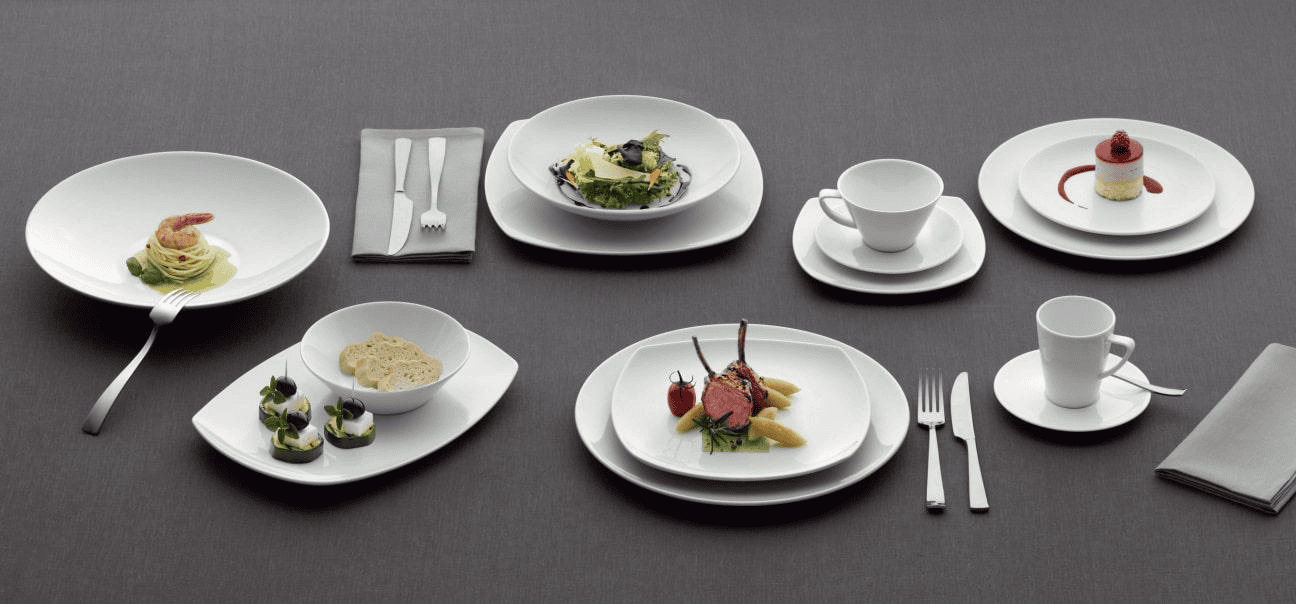
Porcelain normally creates a lighter, cleaner, and more refined visual effect. White porcelain also provides a neutral background that allows the colors and arrangement of food to stand out. This is why porcelain is widely used in hotels, fine-dining restaurants, banquet halls, and formal catering environments.
Stoneware usually creates a warmer and more informal atmosphere. Its thicker shapes, earthy colors, matte surfaces, and reactive glazes work well with rustic, handmade, Mediterranean, Asian-fusion, and contemporary restaurant concepts.
The better option depends on the restaurant’s brand identity:
- Fine dining and luxury hotels often prefer porcelain.
- Casual restaurants and cafés may prefer stoneware.
- Banquet operations commonly choose stackable white porcelain.
- Chef-led restaurants may use stoneware for distinctive food presentation.
- Restaurants can also combine porcelain and stoneware for different courses.
Which Material Is More Durable?
In discussions about Porcelain vs Stoneware, stoneware is sometimes described as stronger simply because it is thicker and heavier. This is not always correct.
Well-vitrified commercial porcelain can have excellent mechanical strength and low water absorption. A thin-looking porcelain plate may perform very well if its body composition, firing temperature, rim design, and quality control are appropriate.
Stoneware can also be highly durable, particularly when it has a dense body and strong glaze. Its thicker construction may feel more substantial during service, but thick edges and heavy weight do not guarantee better resistance to chipping or cracking.
For restaurant use, buyers should evaluate:
- Rim and edge thickness
- Resistance to chipping
- Glaze hardness
- Water absorption
- Thermal-shock resistance
- Foot-ring finish
- Stacking stability
- Dishwasher suitability
- Performance in ovens or microwaves, when required
Instead of choosing only by material name, restaurants should request samples and test them under actual operating conditions.
Weight, Handling and Storage
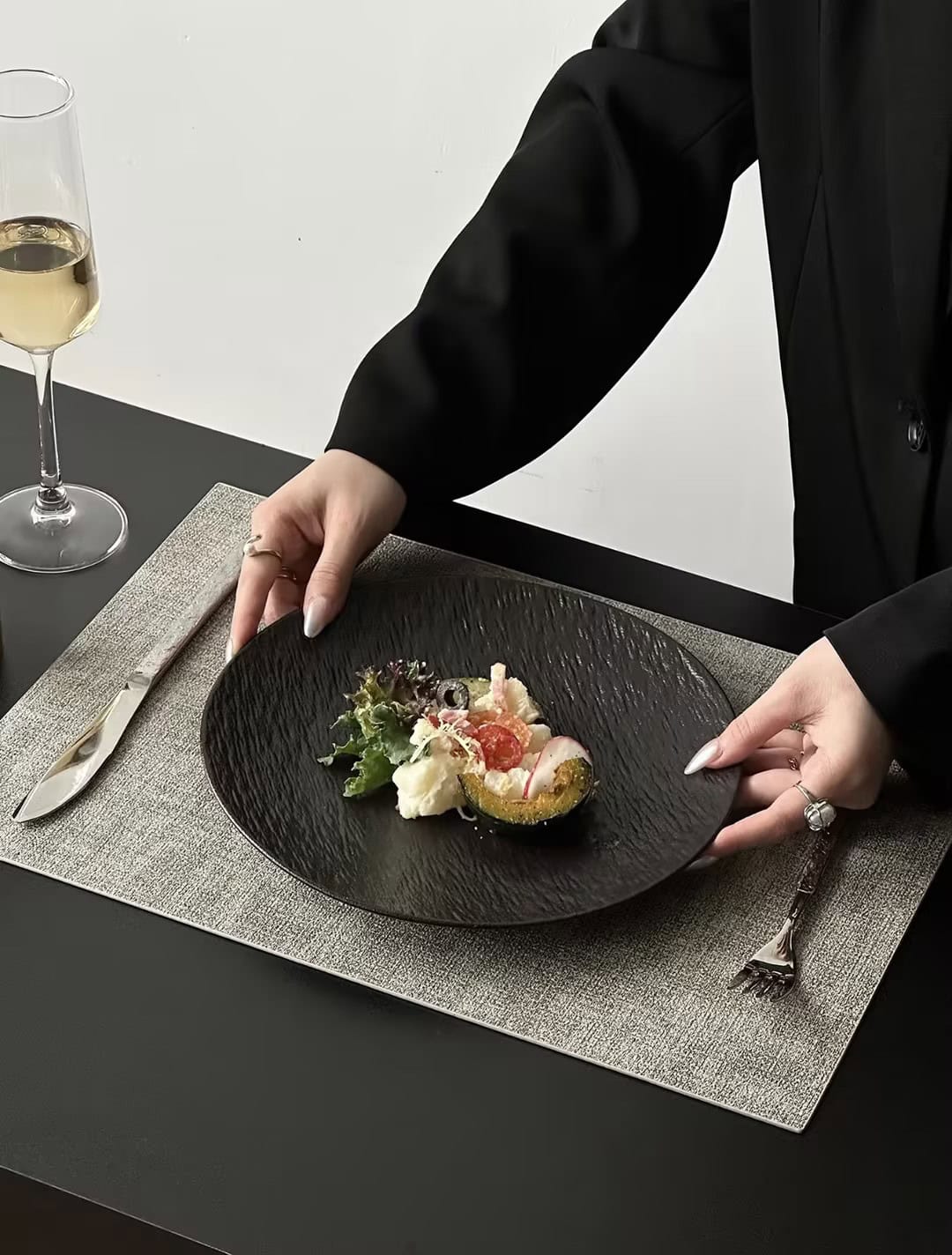
Weight can have a significant effect on daily restaurant operations.
Porcelain is often lighter than stoneware of a similar size. Lower weight may make it easier for servers to carry several plates, reduce strain during dishwashing, and simplify banquet setup. Stackable porcelain can also save valuable storage space.
Stoneware is generally heavier, especially when made with thick walls and wide rims. The additional weight may provide a premium, substantial feeling at the table, but it can also increase handling difficulty. Heavy plates require stronger shelving and may increase international shipping costs.
When comparing Porcelain vs Stoneware, buyers should calculate the total weight of a complete place setting rather than evaluating only one plate. A small difference per item becomes significant when a restaurant uses hundreds or thousands of pieces every day.
Glaze, Stains and Daily Cleaning
Both porcelain and stoneware can be suitable for commercial dishwashing when properly manufactured. However, glaze quality is essential.
Porcelain usually has a smooth, dense glaze that is relatively easy to clean. White porcelain may make stains and scratches more visible, but it also allows restaurant staff to identify cleaning problems quickly.
Stoneware glazes vary considerably. Glossy glazes may be easy to maintain, while matte, reactive, or textured glazes may show cutlery marks, oil stains, or color changes more easily. Some handcrafted surfaces require more careful maintenance.
Buyers should test sample products with the sauces, oils, spices, coffee, tea, wine, and cleaning chemicals used in their restaurants. They should also confirm whether the products are suitable for commercial dishwashers, microwaves, ovens, or other equipment.
Heat Retention and Food Service
Because stoneware is often thicker and heavier, it may retain heat for longer. This can be useful for dishes that need to remain warm between the kitchen and the customer’s table.
Porcelain can also provide good thermal performance, but thinner pieces may heat and cool more quickly. For banquet service, this can be an advantage when plates are used with commercial plate-warming systems.
Neither material should be exposed to sudden temperature changes unless the manufacturer confirms that the product is designed for such use. Moving a cold ceramic plate directly into extreme heat can create thermal stress and increase the risk of cracking.
The Porcelain vs Stoneware decision should therefore consider the restaurant’s actual serving process, not only the type of food being presented.
Cost and Replacement Planning
The price of porcelain and stoneware depends on raw materials, forming methods, glaze, decoration, firing, order quantity, packaging, and quality requirements.
Basic commercial porcelain can be cost-effective for large hotel and restaurant orders. Customized shapes, hand-painted decoration, relief designs, colored glazes, and low-volume production will increase the price.
Stoneware may also range from economical mass-produced products to expensive handcrafted collections. Reactive glazes often produce natural variations, so replacement pieces may not perfectly match earlier batches.
Restaurants should ask the supplier about:
- Minimum order quantity
- Replacement-order quantity
- Production lead time
- Acceptable color and size variations
- Custom logo or decoration options
- Export packaging
- Spare-piece recommendations
- Inspection standards
A slightly higher initial price may be worthwhile if the tableware is easier to replace, stack, wash, and use consistently.
Porcelain vs Stoneware: Which Is Better for Your Restaurant?
Porcelain may be the better choice when a restaurant requires:
- A clean, white, or refined appearance
- Lighter and more convenient handling
- Consistent color and shape across large quantities
- Efficient stacking and storage
- Customized logos or coordinated hotel tableware
- Formal banquet or fine-dining presentation
Stoneware may be more suitable when a restaurant requires:
- A rustic, natural, or handcrafted appearance
- Earthy colors and reactive glazes
- Heavier plates with a substantial feeling
- Distinctive presentation for individual dishes
- A casual or contemporary dining atmosphere
Some restaurants do not need to choose only one material. Porcelain can be used for cups, saucers, banquet plates, and formal table settings, while stoneware can be selected for signature dishes, pasta bowls, sharing plates, or specialty desserts.
Beyond Tableware: Art Porcelain and Ceramic Installations
The choice between Porcelain vs Stoneware also appears in hospitality design beyond ordinary tableware.
Porcelain can be used to create decorative vessels, customized wall pieces, lighting features, art porcelain, and ceramic installations. Its refined body, glaze possibilities, translucency, and connection with traditional Jingdezhen ceramics make it suitable for hotels and restaurants seeking distinctive cultural elements.
Stoneware can also be used for sculptural objects and architectural decoration, particularly when a project requires earthy textures, heavier forms, or a handcrafted appearance.
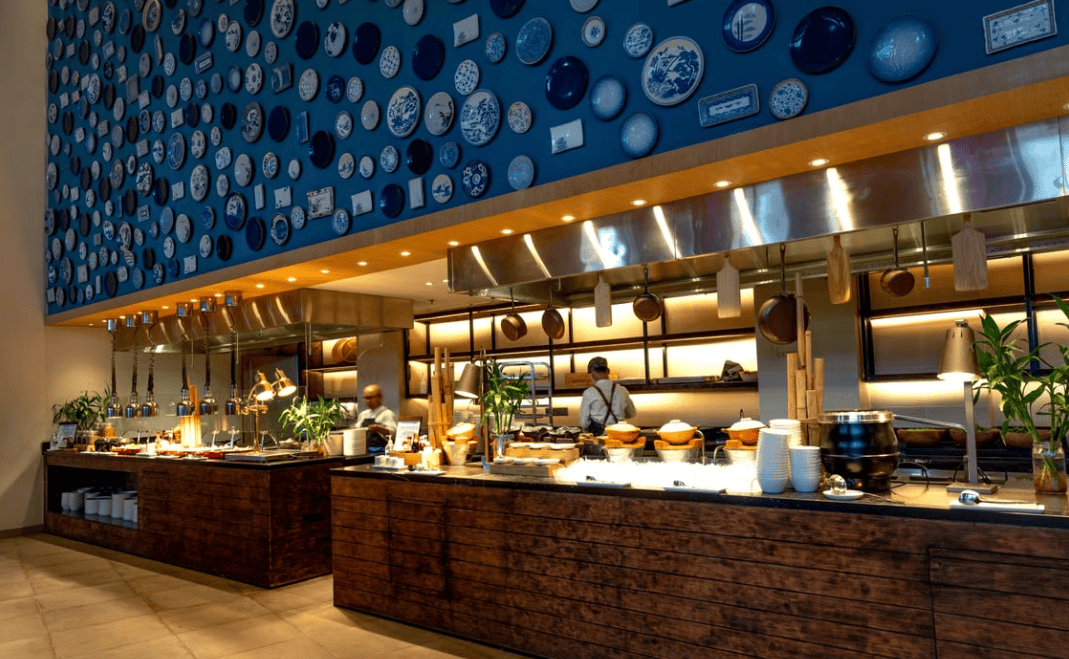
A professional Jingdezhen ceramic manufacturer can help designers coordinate tableware with decorative ceramic elements. For example, a restaurant may use customized porcelain dinnerware together with art porcelain in private dining rooms or large ceramic installations in its entrance and reception area.
Conclusion
There is no single winner in the Porcelain vs Stoneware comparison. Porcelain is generally suitable for restaurants seeking refinement, lighter weight, consistency, and versatile customization. Stoneware is often preferred for its natural textures, heavier feel, reactive glazes, and casual handcrafted character.
The best decision should be based on the restaurant’s concept, menu, service volume, handling process, storage space, cleaning system, replacement plan, and budget. Before placing a bulk order, buyers should obtain samples and evaluate their appearance, weight, stacking, glaze quality, chip resistance, and performance in actual restaurant conditions.
Based in Jingdezhen, China, Magic Cube works with Jingdezhen ceramics, customized restaurant tableware, art porcelain, and ceramic installations. By combining ceramic craftsmanship with modern production and project requirements, Magic Cube aims to help international importers, distributors, hotels, and restaurants select porcelain products that balance visual presentation, commercial practicality, and long-term value.