How to Inspect a Large Antique-Style Porcelain Vase
News 2026-08-25 63
A large Antique-Style Porcelain vase can become the visual center of a hotel lobby, restaurant entrance, luxury residence, gallery, private club, or commercial interior. Its height, silhouette, glaze, painted decoration, and cultural character can give an otherwise empty space a strong sense of identity.
However, purchasing a large porcelain vase involves more than choosing an attractive design. Large ceramic pieces are more difficult to form, dry, fire, inspect, pack, and transport than standard tableware. Small problems in the body, base, handles, glaze, or packaging can become significant risks when the product is oversized and heavy.
For importers, interior designers, hospitality suppliers, distributors, and project buyers, a structured inspection process is essential. This guide explains what to check before approving a large Antique-Style Porcelain vase for purchase or shipment.
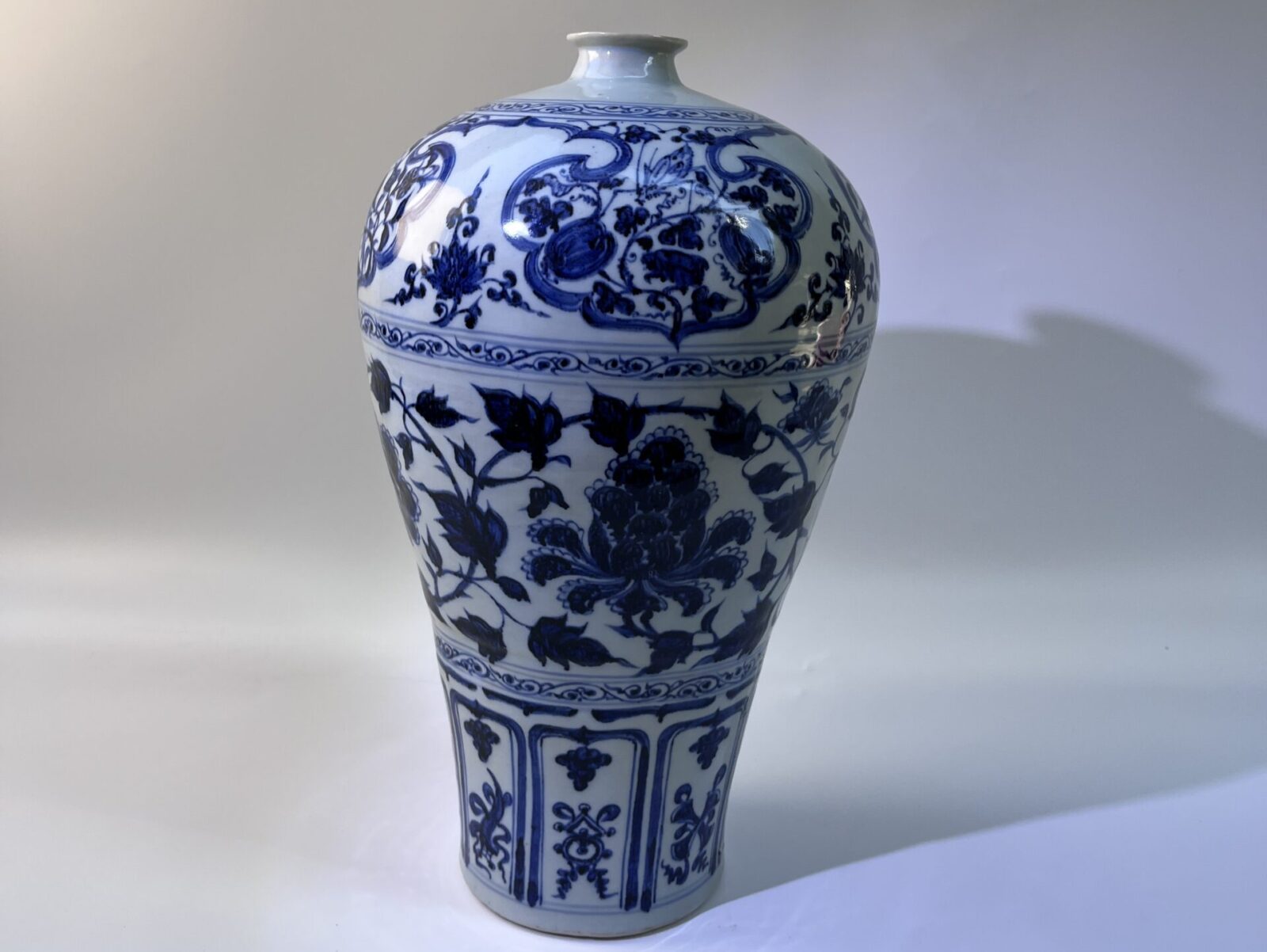
First, Understand What “Antique-Style Porcelain” Means
Antique-Style Porcelain is newly produced porcelain inspired by historical Chinese shapes, glazes, patterns, and decorative techniques. It may reproduce or reinterpret styles associated with the Yuan, Ming, Qing, or later periods, but it is not automatically a genuine antique.
Common Antique-Style Porcelain designs include:
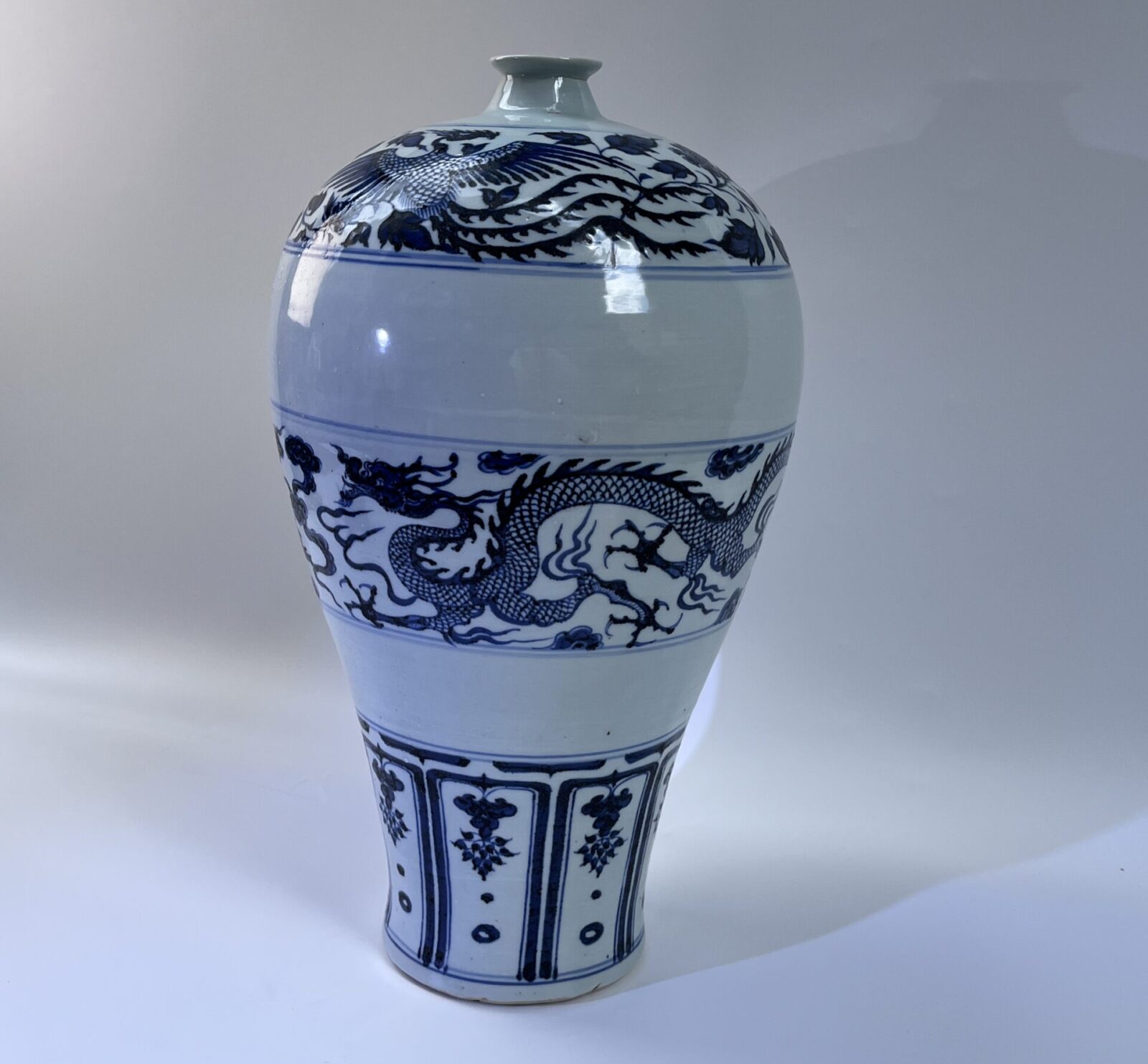
- Blue-and-white dragon or floral vases
- Famille rose decorative vases
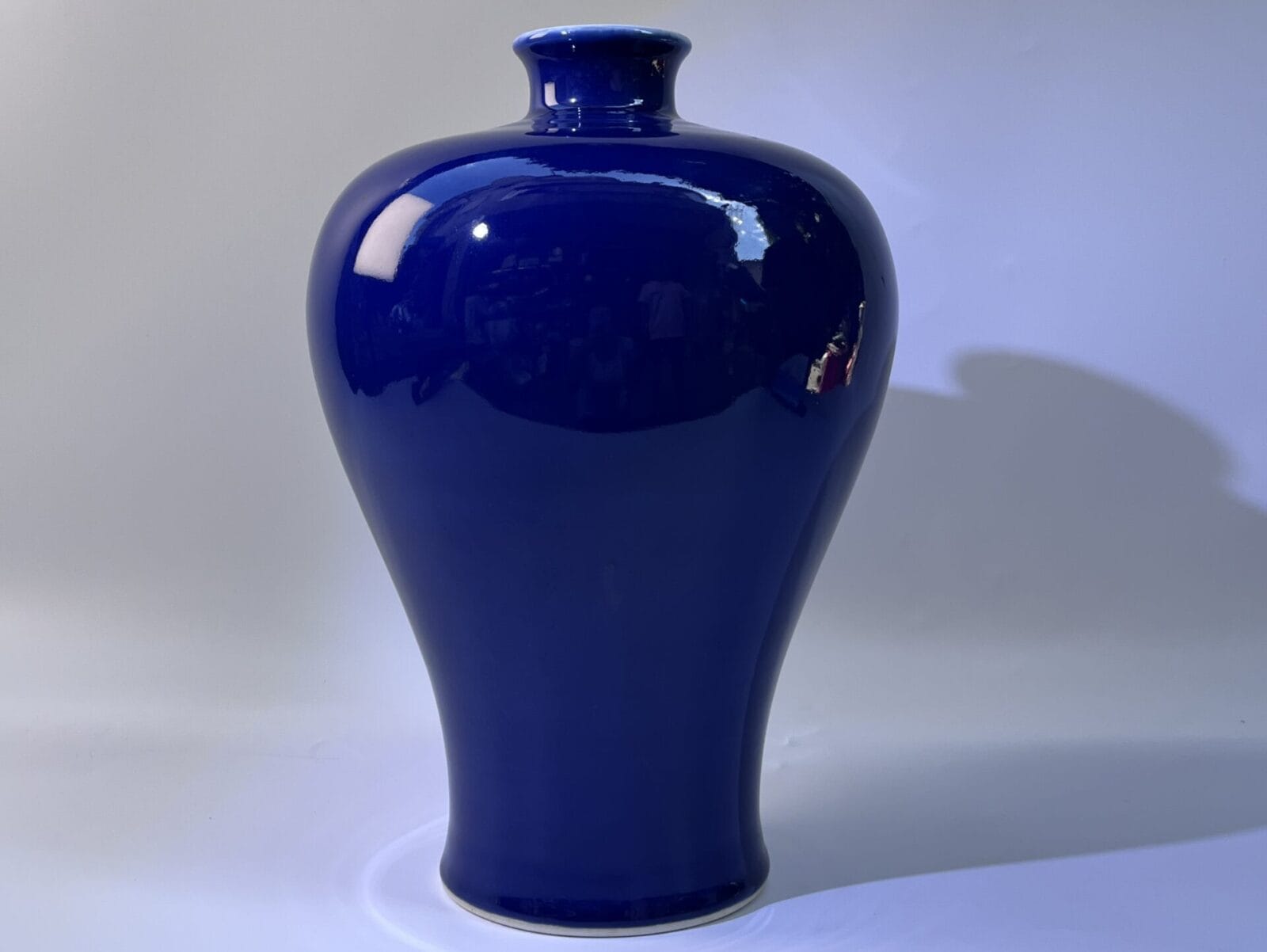
- Monochrome-glazed meiping vases
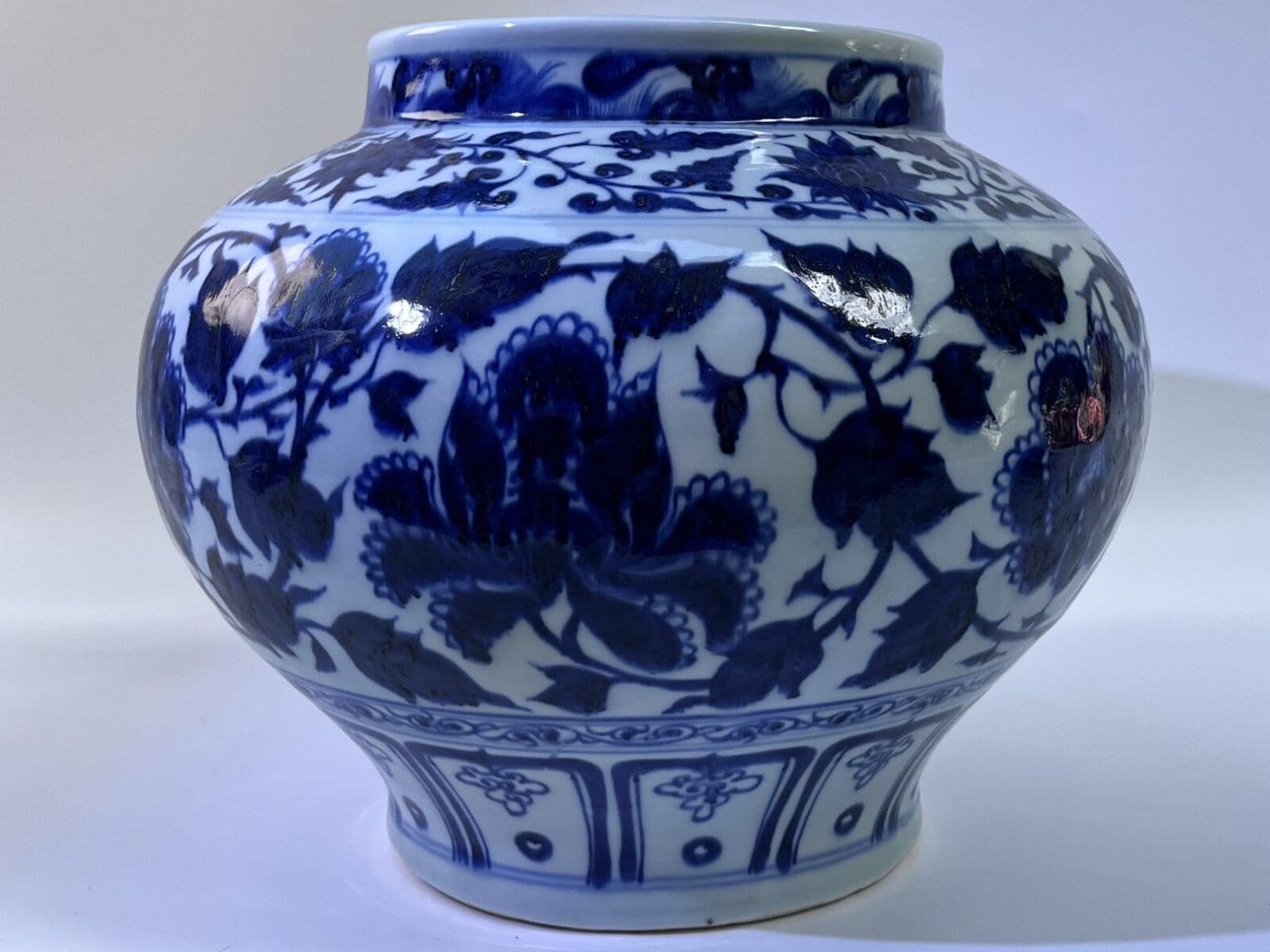
- Large lidded jars
- Double-gourd vases
- Moon flasks
- Beast-handled display vases
- Temple jars
- Large floor-standing porcelain vessels
Responsible suppliers should clearly distinguish newly made Antique-Style Porcelain from genuine historical antiques. A reproduction mark, reign-style mark, artificial aging effect, or traditional pattern does not prove that a vase was produced during a historical period.
Commercial buyers should purchase such pieces based on their design, craftsmanship, decorative value, and suitability for the intended space—not on unsupported claims of age.
1. Inspect the Overall Form and Proportion
Begin by viewing the vase from several meters away. A large vase should have a balanced silhouette, even when its surface decoration is highly complex.
Check whether:
- The neck appears centered over the body
- The shoulders are reasonably symmetrical
- The body curves flow naturally
- The base is proportionate to the total height
- Handles are positioned at equal heights
- The mouth is level
- The vase appears visually balanced from different angles
Handmade and hand-finished Antique-Style Porcelain may not be perfectly identical to machine-produced industrial ceramics. Slight asymmetry can reflect the forming process and may add character. However, obvious leaning, twisting, uneven shoulders, or a distorted mouth can affect both appearance and stability.
Photographs should include front, back, left, right, top, and base views. For large project orders, a rotating inspection video is also useful.
2. Confirm the Actual Dimensions and Weight
Do not rely only on descriptions such as “large,” “extra-large,” or “floor vase.” Confirm all dimensions in centimeters or inches.
Important measurements include:
- Total height
- Maximum body diameter
- Mouth diameter
- Base or foot-ring diameter
- Neck height
- Handle width
- Lid height, if included
- Net weight
These measurements affect more than appearance. They determine whether the vase can pass through doors, fit inside an elevator, stand safely on a pedestal, and be packed for export.
For hotels, galleries, and commercial projects, buyers should also confirm the installation location. A tall vase placed in a busy walkway may need a wider base, internal support, hidden fixing system, or specially designed display platform.
Large handmade Antique-Style Porcelain may have reasonable dimensional variation. The acceptable tolerance should be agreed upon before production rather than judged only after the order is completed.
3. Check Whether the Vase Stands Firmly
Place the vase on a flat, solid surface and check whether it stands securely. A large vase that rocks or leans can present a safety risk.
Inspect:
- Whether the foot ring is level
- Whether the base has visible distortion
- Whether the vase rocks when gently tested
- Whether the weight is distributed evenly
- Whether the base is wide enough for the vase’s height
- Whether protective pads or a display stand are required
Do not attempt to correct instability by grinding the base without professional evaluation. Improper grinding can weaken the foot ring, damage the glaze, or create new cracks.
For a vase intended as part of an art porcelain display or commercial interior project, the buyer should discuss installation and stability with the supplier before shipment.
4. Examine the Porcelain Body for Cracks and Structural Weakness
Large porcelain bodies experience considerable stress during drying and firing. The thicker and taller the piece, the more difficult it is to control shrinkage and temperature differences.
Inspect the vase under bright, even lighting. Pay special attention to:
- The mouth and rim
- The neck-to-shoulder transition
- The widest part of the body
- The lower body
- The foot ring
- Handle attachment points
- Lid and finial connections
- Any visible production joints
Look for hairline cracks, open cracks, repaired areas, or unusual glaze lines that may conceal structural damage.
A fine glaze crack is not always the same as a body crack. Some Antique-Style Porcelain intentionally uses crackled glaze as a decorative effect. However, buyers should confirm whether the lines are part of the glaze design or extend into the porcelain body.
Tapping a large vase to judge its sound is not a reliable inspection method for inexperienced buyers and may create unnecessary risk. Visual inspection, good lighting, close-up photographs, and professional quality control are safer and more useful.
5. Inspect Handles, Applied Decorations, and Lids
Sculpted handles, animal heads, relief flowers, decorative rings, and other three-dimensional elements are often formed separately and attached to the main body.
These areas are more vulnerable than the central body of the vase.
Check whether:
- The handles are aligned and symmetrical
- Attachment points are smooth and secure
- There are cracks around the joints
- Relief decorations are complete
- Small projecting elements are chipped
- The lid fits properly
- The finial is centered and firmly attached
A lid should sit securely without being excessively tight. Because porcelain changes slightly during firing, a handmade lid may not fit with machine-level precision, but it should not rock severely or slip off too easily.
If the vase has large handles or projecting ornaments, the packaging should prevent these parts from carrying the weight of the product.
6. Evaluate the Glaze Surface
The glaze is one of the most visible features of Antique-Style Porcelain. It can create depth, color, gloss, texture, and an aged appearance.
Inspect the surface for:
- Excessive pinholes
- Crawling or missing glaze
- Large glaze bubbles
- Uneven color
- Rough areas
- Glaze drips
- Contamination or dark spots
- Unintended scratches
- Areas that appear repaired or repainted
Not every small mark is a quality defect. High-temperature firing, colored glazes, hand application, and large ceramic surfaces can create natural variation. The key question is whether the variation fits the approved sample and agreed quality standard.
Some Antique-Style Porcelain deliberately uses crackled glaze, mottled color, iron spots, worn-looking edges, or uneven tones to create a historical atmosphere. These effects should look intentional and visually balanced rather than random or poorly controlled.
Experienced Jingdezhen ceramic manufacturers should explain which surface characteristics are intentional and which fall outside the acceptable production tolerance.
7. Review the Painted Decoration
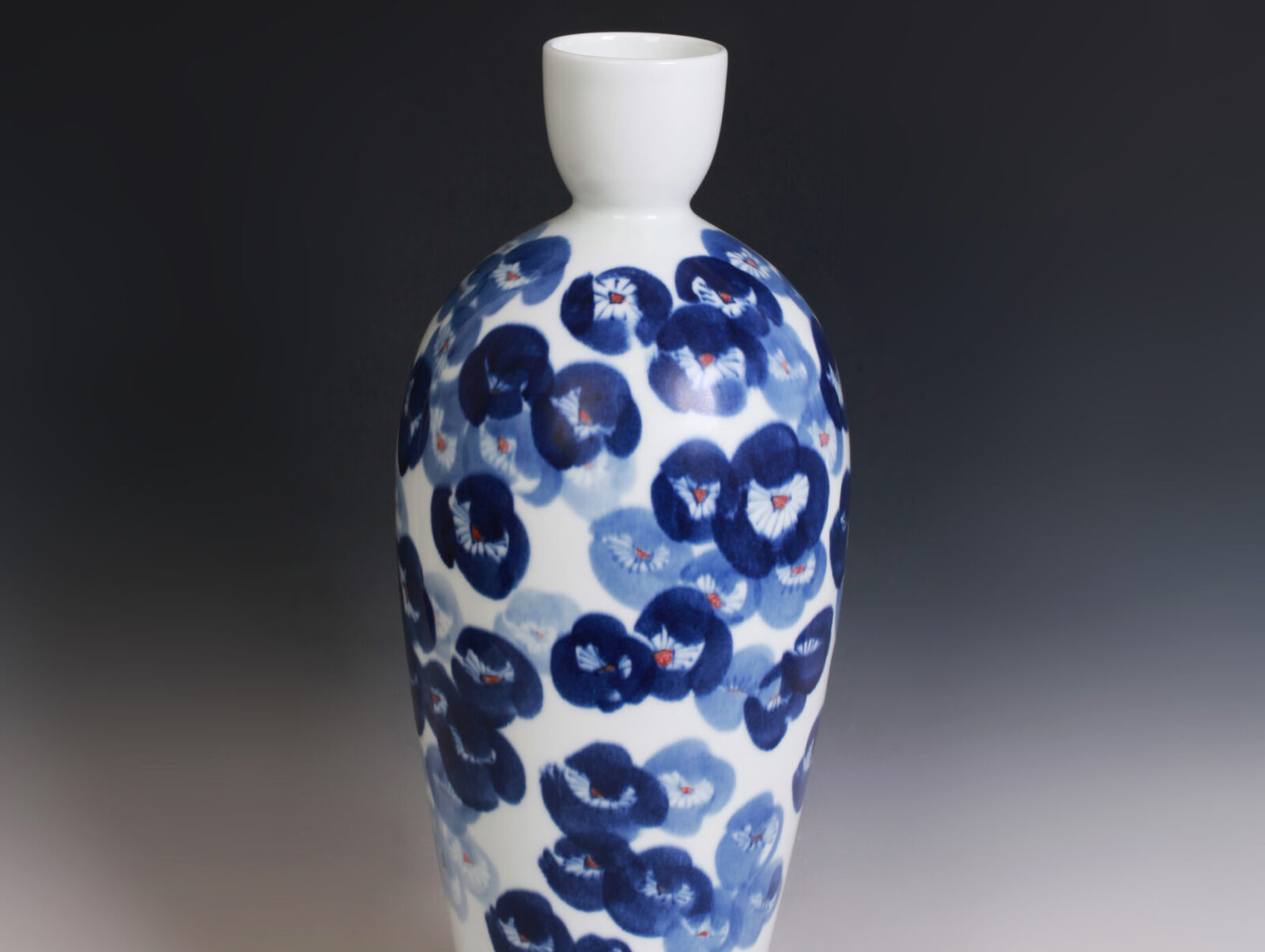
Large Antique-Style Porcelain vases may feature blue-and-white painting, famille rose enamels, underglaze red, colored glazes, gilding, calligraphy, landscapes, flowers, animals, dragons, phoenixes, or traditional borders.
When reviewing the decoration, check:
- Whether the main image is centered
- Whether borders remain level around the body
- Whether repeated patterns connect correctly
- Whether the composition works from multiple viewing angles
- Whether colors are reasonably consistent
- Whether fine lines remain clear
- Whether gold decoration is complete
- Whether there are obvious smudges or missing areas
Hand-painted decoration naturally includes differences in brushwork. These variations can give Antique-Style Porcelain a more individual and artistic appearance. However, large differences between approved samples and finished products should be discussed before shipment.
Buyers should also confirm whether the decoration is underglaze, in-glaze, overglaze, hand-painted, transferred by decal, or created through a combination of techniques. Each method produces a different visual and surface effect.
8. Inspect the Base and Foot Ring
The base provides useful information about workmanship and stability. Turn the vase only with proper support and sufficient personnel. Large porcelain should never be lifted or rotated by holding the neck, rim, handles, or lid.
Inspect the base for:
- A level foot ring
- Cracks extending from the base
- Excessive grinding
- Sharp edges
- Glaze stuck to the foot
- Unstable contact points
- Repair marks
- Dirt or packaging residue
Antique-Style Porcelain may include a newly applied reign-style mark or decorative seal. This is part of the reproduction design and should not be treated as proof of historical age.
The base should be photographed clearly before packing. This creates a condition record and helps verify whether any damage occurred during transportation.
9. Understand Artificial Aging Effects
Some Antique-Style Porcelain products are deliberately given an aged appearance. Manufacturers may use muted colors, crackled glaze, rubbed edges, iron spots, imitation wear, or other surface treatments.
Aging effects should be evaluated according to the product design rather than genuine antique standards.
Buyers should ask:
- Which aging effects are intentional?
- Will every piece have exactly the same aging pattern?
- Can the degree of aging be adjusted?
- Are any effects applied after firing?
- Can the aged surface be cleaned safely?
- Will the treatment change during transportation or handling?
Artificial aging should not be used to conceal cracks, repairs, unstable glaze, or poor workmanship. A reliable supplier should clearly explain the decorative process.
10. Confirm the Vase’s Intended Use
A large vase may be used as:
- A floor-standing decorative object
- A hotel lobby centerpiece
- A restaurant entrance feature
- A floral container
- Part of a gallery display
- A retail decorative product
- A private residence artwork
- A component within a larger ceramic project
If the vase will hold water or fresh flowers, confirm whether it has been tested for leakage. Some large decorative vessels are intended only for dry arrangements and may not be guaranteed as watertight.
If it will be incorporated into a ceramic installation, buyers should provide technical drawings, site dimensions, installation requirements, and information about the surrounding structure. A decorative vase used independently and one used as part of an architectural display may require different production and safety considerations.
11. Inspect Packaging Before Shipment
Even a perfectly produced vase can be damaged by unsuitable packaging. Large Antique-Style Porcelain requires a packaging system designed around its height, weight, shape, handles, and projecting decorations.
Possible packaging components include:
- Soft protective wrapping
- Foam around the body
- Custom-cut foam supports
- Reinforced inner cartons
- Double-wall or multi-layer export cartons
- Wooden crates
- Pallets
- Moisture protection
- “Fragile” and orientation labels
The vase should not move freely inside the package. However, the packaging should also avoid concentrating pressure on the rim, neck, handles, or decorative details.
Before shipment, request photographs showing:
- The vase before packing
- Each protective layer
- Internal supports
- The closed carton or wooden crate
- Shipping marks
- Final pallet condition
For high-value art porcelain, buyers may also consider third-party inspection and cargo insurance.
12. Create a Complete Inspection Record
A useful inspection report should include:
- Product number
- Product name
- Quantity
- Height and diameter
- Net weight
- Front and back photographs
- Rim, handle, body, and base close-ups
- Glaze and decoration details
- Stability check
- Packaging photographs
- Identified defects
- Final inspection result
For project orders containing several different Antique-Style Porcelain designs, each vase should have its own product number and photographic record. This makes communication, replacement, installation, and future reordering much easier.
Conclusion
Inspecting a large Antique-Style Porcelain vase requires attention to both artistic appearance and structural safety. Buyers should examine the overall proportion, dimensions, stability, porcelain body, handles, glaze, decoration, base, aging effects, intended use, and export packaging.
Natural differences in color, glaze, brushwork, and dimensions may occur during handmade production and high-temperature firing. These variations are part of the ceramic process when they remain within the agreed tolerance. Structural cracks, unstable bases, loose handles, poor repairs, and inadequate packaging, however, should be addressed before shipment.
Based in Jingdezhen, China, Magic Cube works with local ceramic craftsmanship, product development, quality inspection, and export packaging resources to support international buyers of Antique-Style Porcelain, decorative vases, art porcelain, and ceramic installations. By combining the heritage of Jingdezhen ceramics with practical project management, Magic Cube helps hotels, designers, distributors, collectors, and commercial buyers source large porcelain pieces with greater clarity and confidence.