Daily-Use Ceramics · Why a Beautiful Glaze May Not Be Suitable for Everyday Use
News 2026-08-10 40
A Common Aesthetic Trap for Overseas Buyers
In the international homeware and tableware market, visual appeal has become one of the strongest selling points for ceramic products. Many buyers naturally focus on glaze texture, color, and overall presentation when selecting products. As a result, it is easy to assume that a beautiful ceramic glaze automatically represents strong market potential and reliable quality.
However, appearance and everyday performance are not the same. Some fashionable artistic glazes look luxurious in product photos and showroom displays but may develop problems when used as Daily-Use Ceramics. Depending on the glaze formula and production process, these issues may include surface wear, staining, cracking, inconsistent colors, cleaning difficulties, or failure to meet the food-contact requirements of the target market.
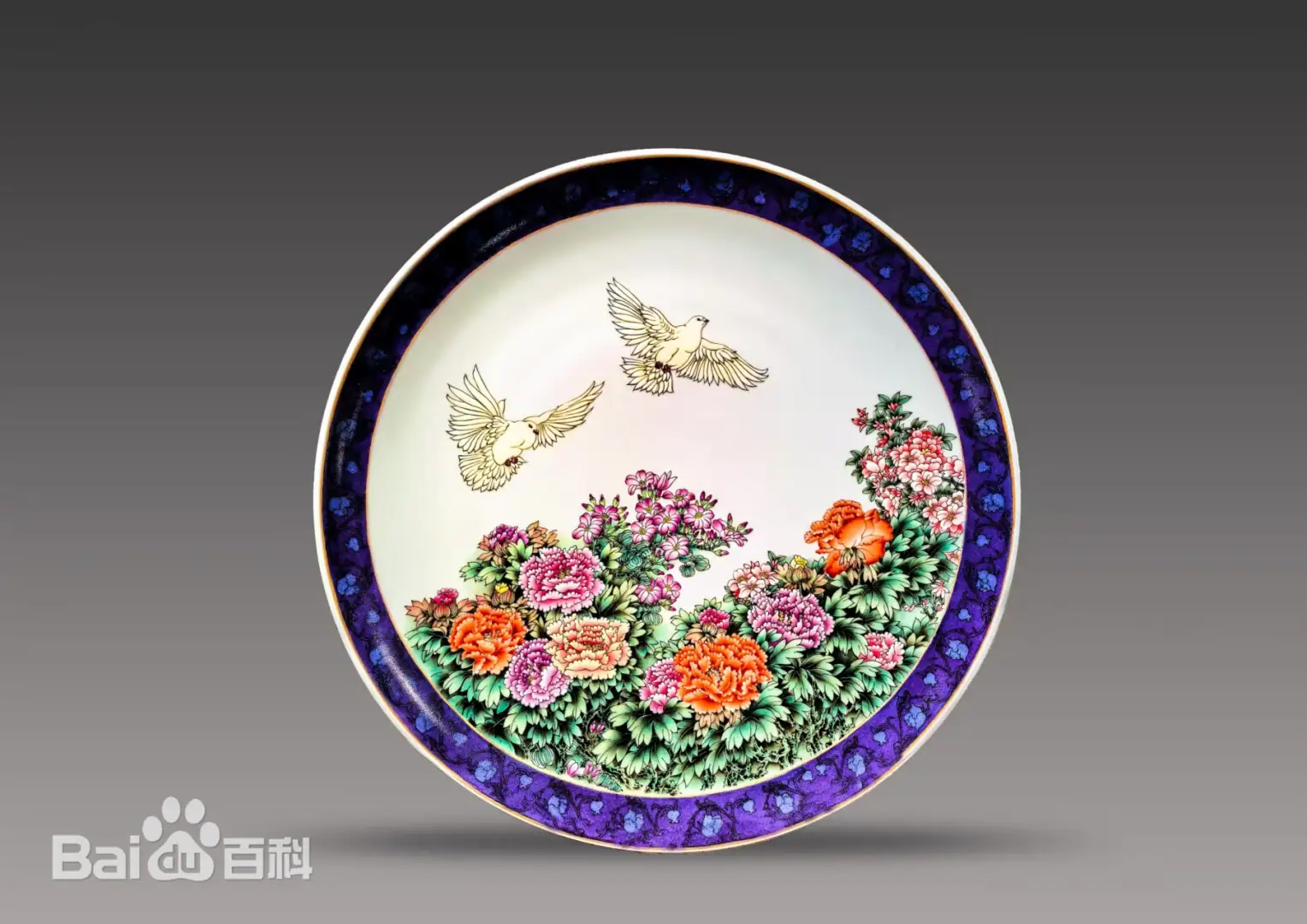
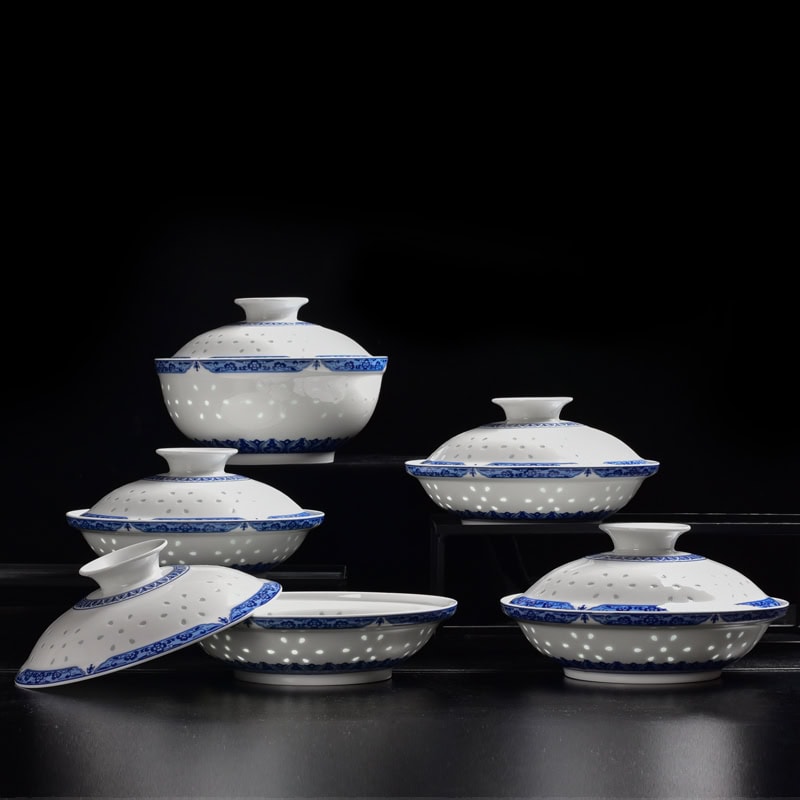
One common sourcing mistake is failing to distinguish among art ceramics, ceramic installations, decorative porcelain, antique-style porcelain, and functional tableware. Jingdezhen porcelain includes blue-and-white porcelain, Linglong porcelain, antique-style porcelain, art ceramics, hotel tableware, and many other categories. Each category has different production priorities and intended applications.
Some Jingdezhen ceramic manufacturers specialize in visually expressive decorative products. Their glazes may be designed primarily for exhibition, collection, or interior display rather than frequent food contact, dishwasher cleaning, or commercial use. A glaze that performs beautifully on a decorative vase may not be appropriate for a plate, bowl, or cup.
This article explains the differences from four perspectives: production methods, intended applications, common market problems, and purchasing standards. The goal is to help overseas buyers avoid choosing Daily-Use Ceramics based on appearance alone.
The Limitations Behind Some High-Impact Jingdezhen Glazes
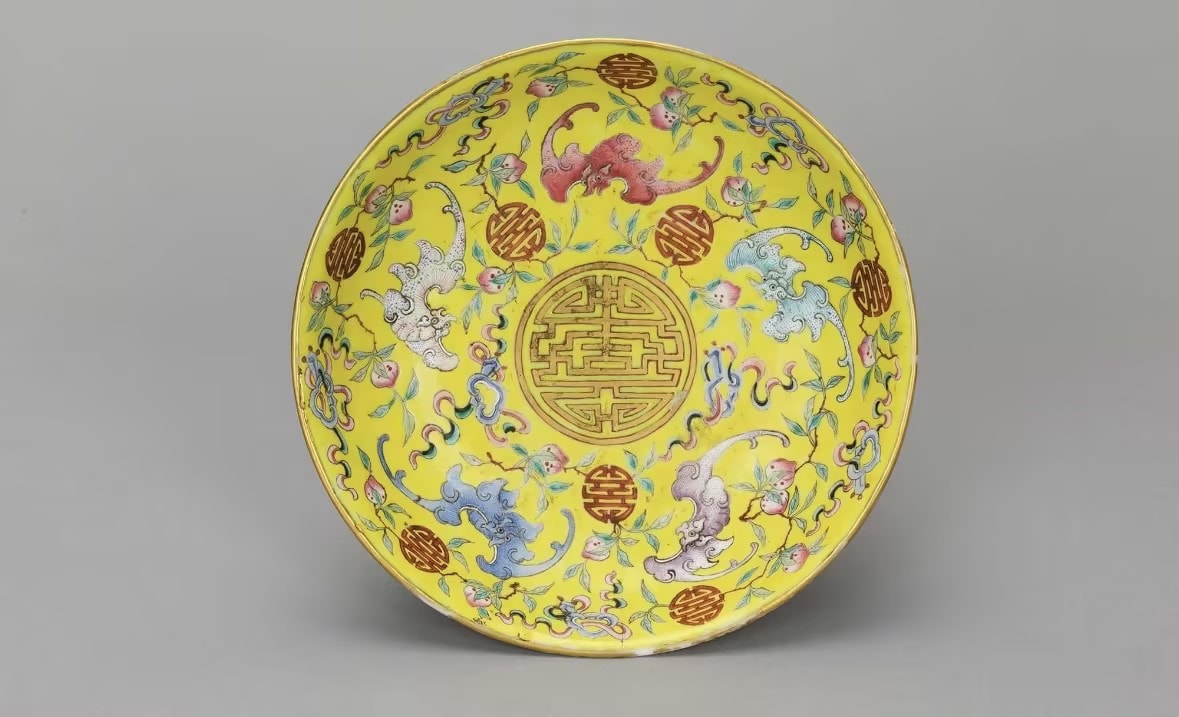
Popular decorative finishes include pearlescent glazes, reactive glazes, crackle glazes, textured matte glazes, and gilded surfaces. These finishes are widely used on Jingdezhen art porcelain, ceramic installations, collectible pieces, and premium antique-style porcelain.
Their rich colors, unpredictable textures, and layered surfaces can create strong visual appeal. For decorative ceramics, these characteristics may be the product’s main selling point. For mass-produced Daily-Use Ceramics, however, the same characteristics can introduce production and performance challenges.
Many artistic glazes require a narrow firing range and precise control of kiln temperature, airflow, firing atmosphere, and cooling speed. Small changes can affect color, surface texture, gloss, and glaze movement. Manufacturers may use smaller kilns or carefully controlled production batches to achieve the intended appearance.
Compared with stable transparent glazes or proven commercial tableware glazes, some artistic glazes are more likely to show uneven color, inconsistent thickness, crawling, pinholes, or other variations. These differences may be acceptable—or even desirable—on handmade art ceramics, but they can become a quality-control problem in large retail or hospitality orders.
Daily-Use Ceramics generally require repeatable production, consistent color ranges, stable dimensions, and predictable performance. Overseas retailers and distributors often expect products from different cartons and production batches to look nearly identical. A glaze designed around uncontrolled kiln variation may not meet that expectation unless the buyer and manufacturer establish an approved variation range in advance.
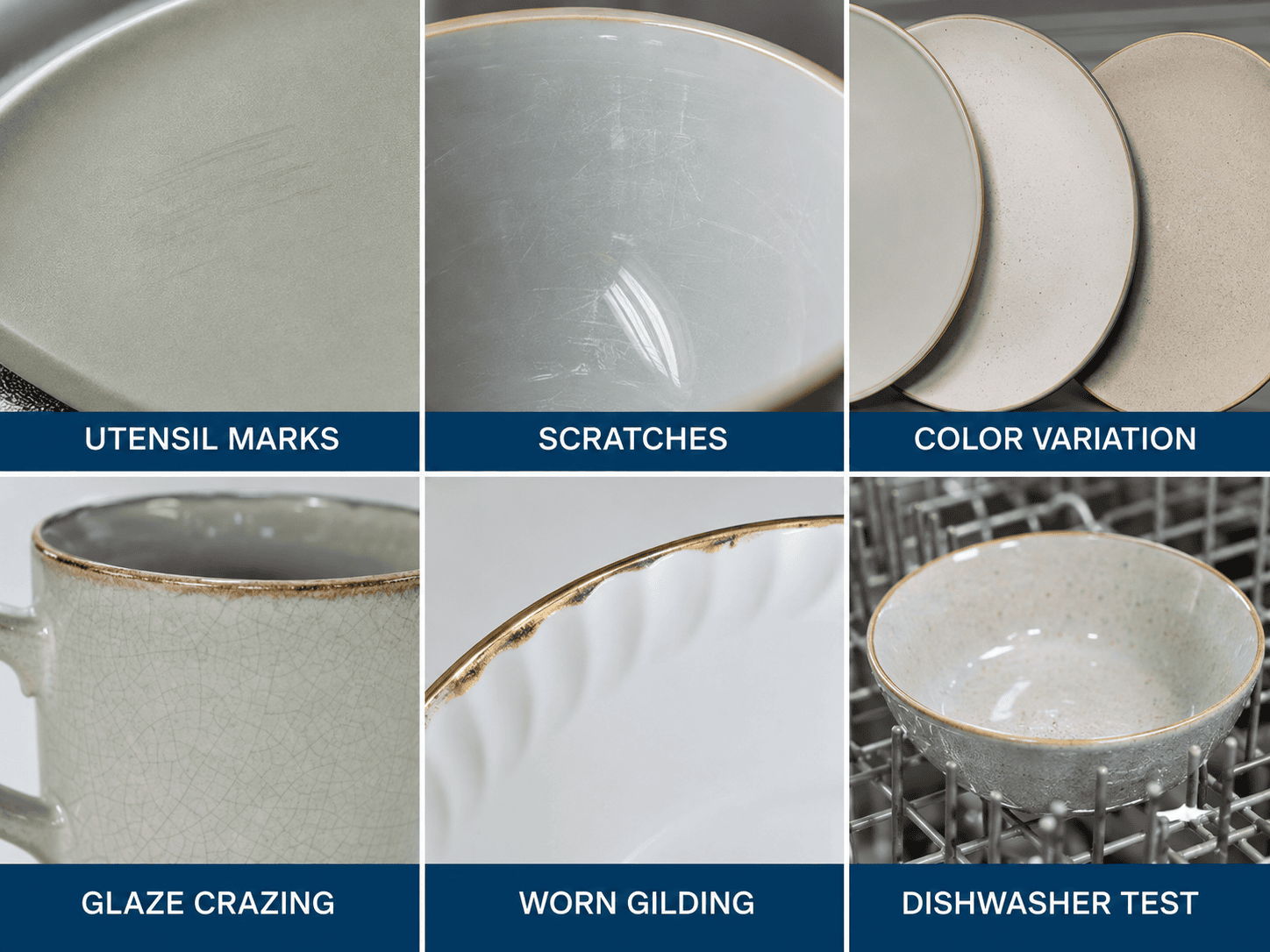
Some decorative glazes are also applied more heavily to create depth or special textures. If the body, glaze formula, application thickness, and firing schedule are not properly matched, internal stress may develop during cooling. Over time, repeated temperature changes, washing, and physical contact can contribute to crazing, chipping, or surface deterioration.
This does not mean every artistic glaze is unsuitable for practical use. Suitability depends on the complete system: clay body, glaze formula, application thickness, firing temperature, decoration method, product shape, and finished-product testing.
3. Four Popular Glazes and Their Potential Limitations for Daily-Use Ceramics
Overseas buyers sometimes purchase finishes originally developed for decorative porcelain and apply them to large tableware orders. When the intended use is not clearly defined, this can lead to complaints, returns, or failed inspections.
Crackle Glaze
Crackle glaze, sometimes marketed as an “ice-crackle” finish, creates a visible network of fine lines across the surface. Its antique appearance makes it popular for tea ware, decorative blue-and-white porcelain, modern Linglong-inspired products, and collectible pieces.
For food-contact applications, buyers should determine whether the crackle effect is limited to the decorative glaze layer or creates surface openings that can trap stains and residue. Products intended for serving food or beverages should be evaluated for cleanability, glaze integrity, and applicable food-contact requirements.
A crackled appearance alone does not automatically make a product unsafe. However, buyers should not assume that a decorative crackle-glazed item is suitable for everyday food use without appropriate testing and care instructions.
Textured Matte Glaze
Matte glazes are popular in North American and European homeware markets because they create a soft, modern, and understated appearance. However, performance varies greatly among formulations.
Some matte or sand-textured surfaces can show metal marks from utensils, scratches, staining, whitening, or changes in texture after repeated dishwasher cycles. Rough exterior finishes may also retain dirt more easily than smooth glazed surfaces.
A well-developed commercial matte glaze may perform reliably, but buyers should request abrasion, staining, and dishwasher-resistance testing rather than judging the surface by touch and appearance alone.
Reactive and Gradient Glazes
Reactive and gradient glazes develop variations in color and texture during firing. Each piece may look slightly different, which gives the product an artistic and handcrafted character.
That variation can be valuable for boutique restaurants, handmade collections, and decorative ceramics. For large retail programs, however, uncontrolled color differences may create problems with product photography, replacement orders, set matching, and batch consistency.
Reactive-glaze Daily-Use Ceramics can still be commercially successful when the manufacturer defines an acceptable color range and the buyer approves representative samples or limit samples before production.
Gilded and Gold-Decorated Surfaces
Gilding and hand-painted gold lines can significantly increase the perceived value of porcelain. These techniques are frequently used on premium tableware, gift porcelain, and antique-style decorative pieces.
However, metallic decoration may gradually wear when exposed to abrasive cleaning, repeated dishwasher cycles, or frequent handling. Products with metallic decoration are generally not suitable for microwave use unless specifically tested and approved for that purpose.
When gold or metallic decoration is applied near food-contact areas, buyers should request appropriate test reports and clear care instructions. The location of the decoration, firing process, and intended use all affect product suitability.
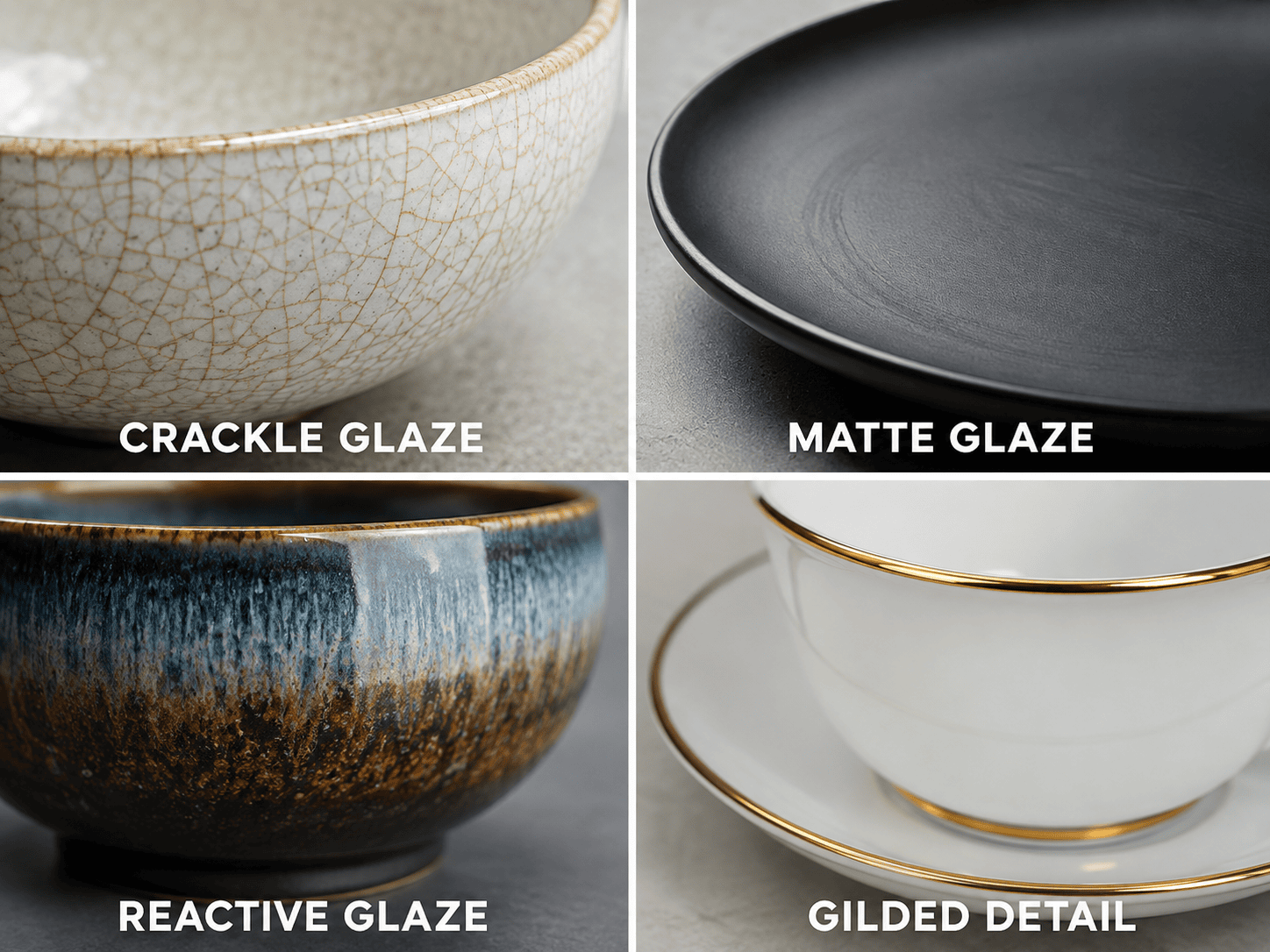
| Glaze or Finish | Main Purchasing Concern | More Suitable Applications |
|---|---|---|
| Crackle glaze | Cleanability, staining, and glaze integrity | Decorative ware or tested specialty tableware |
| Textured matte glaze | Scratches, utensil marks, staining, and dishwasher wear | Modern tableware with verified durability |
| Reactive glaze | Batch color and texture variation | Boutique dining, handmade collections, or approved color ranges |
| Gilded decoration | Abrasion, dishwasher limitations, and microwave restrictions | Gifts, premium serving ware, and decorative porcelain |
Common After-Sales Problems in Overseas Markets
Consumers purchasing Daily-Use Ceramics generally care about safety, durability, cleanability, and convenience in addition to appearance. These expectations can expose weaknesses that may not be obvious during showroom inspection.
Dishwashers are widely used in many North American and European homes. Commercial restaurants and hotels may also use high-temperature dishwashing and sanitizing equipment. Tableware used in these environments must withstand repeated washing, detergent exposure, thermal changes, stacking, and contact with metal utensils.
Microwave use is another important consideration. Buyers should confirm whether the product is suitable for microwave heating, especially when it contains metallic decoration, unusual pigments, or thick reactive glaze effects.
Stable transparent glazes, glossy white glazes, and properly developed commercial matte glazes can often be designed for frequent use. Artistic finishes may also perform well, but their durability should be confirmed through relevant testing rather than assumed from appearance.
Food-contact compliance is equally important. Certain pigments, glazes, and decorative materials may contain substances that require control, including lead and cadmium. Compliance depends on the finished product, not only on claims such as “high-fired,” “lead-free,” or “underglaze.”
Products intended for food contact should be tested according to the requirements of the destination market. Reports should match the actual item, decoration, shape, and production process being purchased. A test report for a different product or an earlier formula may not provide sufficient assurance.
Decorative porcelain manufacturers may focus primarily on appearance when producing items that are not intended for food contact. This is reasonable for display-only products, but the same formula or decoration should not automatically be transferred to plates, bowls, cups, or serving ware.
From a commercial perspective, a visually striking glaze may generate initial interest but still create long-term problems if the product wears quickly or requires care that customers do not expect. Complaints about scratches, staining, color variation, glaze deterioration, or cleaning difficulties can increase return rates and weaken the reputation of both the supplier and the buyer.
A Buyer’s Guide to Balancing Beauty and Practicality
Overseas buyers should not avoid attractive glazes. The better approach is to match the glaze, production method, and testing requirements to the product’s intended use.
Define the Product Category First
Clearly separate Daily-Use Ceramics from art ceramics, ceramic installations, collectible porcelain, and antique-style decorative pieces.
A blue-and-white plate, Linglong porcelain bowl, or minimalist glazed cup may be developed for practical use when the body, glaze, decoration, and firing process are appropriate. A heavily crackled vase, highly reactive art object, or elaborately gilded collectible may be better positioned as decorative porcelain.
The same visual style can sometimes be adapted for practical use, but the manufacturer may need to modify the glaze formula, decoration location, firing process, or care instructions.
Select the Right Manufacturer
Different Jingdezhen ceramic manufacturers have different strengths. An antique-style porcelain manufacturer may specialize in historical reproduction, hand painting, complex glazes, and decorative finishes. A tableware manufacturer may focus more heavily on standardized production, food-contact compliance, dimensional consistency, stacking performance, and commercial durability.
Buyers should confirm whether the supplier has experience producing the specific product category required. A workshop that creates exceptional one-of-a-kind art porcelain may not necessarily be equipped for a large, consistent hotel tableware order.
Approve Representative Samples
A single perfect sample may not represent the variation of an entire production run. For reactive, handmade, or partially handcrafted finishes, buyers should request several samples showing the expected range.
Approved reference samples and limit samples can help both parties distinguish acceptable handcrafted variation from actual defects. Important details—including color, gloss, texture, dimensions, decoration position, and care requirements—should also be documented in writing.
Establish a Standardized Inspection System
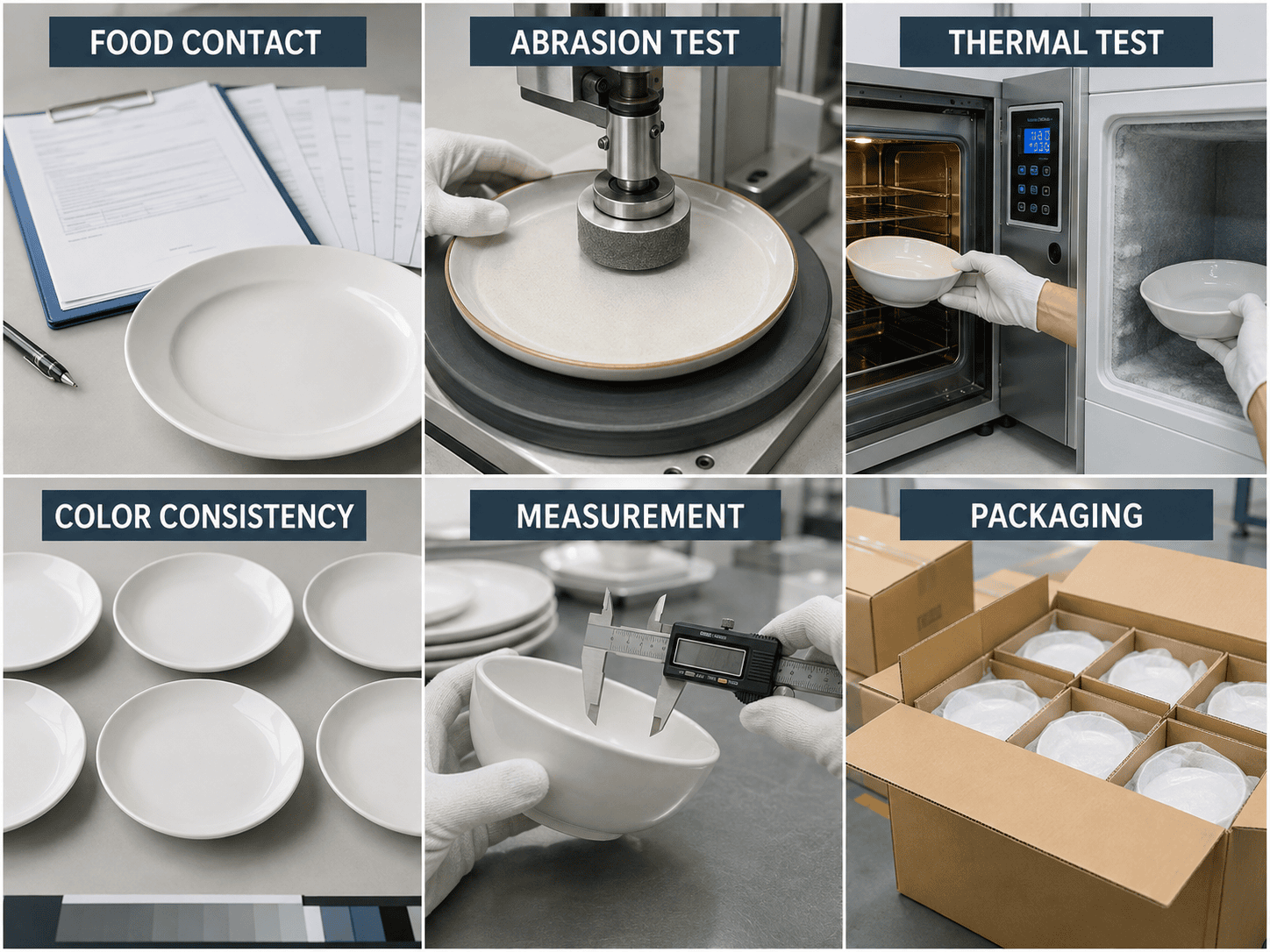
When purchasing Daily-Use Ceramics, buyers should verify four essential areas:
- Food-contact test reports appropriate for the destination market
- Surface resistance to abrasion, staining, and utensil marking
- Resistance to temperature changes, dishwashing, and intended heating methods
- Acceptable color and appearance variation between pieces and production batches
Additional checks may include product flatness, stacking stability, glaze defects, rim strength, foot polishing, packaging protection, and carton markings.
[Suggested Image 5: Buyer’s inspection checklist]
A professional quality-control scene showing glaze inspection, color comparison, dishwasher testing, dimensional measurement, food-contact test documentation, and packaging checks.
Conclusion
The aesthetic value of Jingdezhen porcelain is undeniable. Blue-and-white porcelain, Linglong porcelain, antique-style porcelain, art ceramics, and ceramic installations all hold an important position in the global decorative ceramics market.
However, decorative beauty does not automatically guarantee everyday performance. A visually impressive glaze may be perfectly appropriate for a vase, sculpture, or collectible object but unsuitable for a plate, bowl, or cup that must withstand repeated food contact, washing, heating, and handling.
For overseas buyers, professional sourcing begins with understanding the boundary between decorative porcelain and Daily-Use Ceramics. Products should be evaluated according to their intended application, safety requirements, durability, production consistency, and target-market expectations—not by appearance alone.
Magic Cube is based in Jingdezhen and works with both functional porcelain and decorative ceramic products. We help overseas buyers evaluate product use, select appropriate clay bodies and glaze systems, develop samples, confirm acceptable appearance ranges, and arrange customized production. Our goal is to help buyers balance visual appeal, compliance, durability, and commercial feasibility before placing a bulk order.
By choosing the right product category, manufacturing process, and quality-control standard, buyers can reduce returns and after-sales risks while building a more stable and sustainable overseas ceramic business.