Ceramic Patterns · A Thousand Years of Chinese Ceramic Aesthetics
News 2026-08-07 33
Ceramic Patterns
Ceramic patterns are the soul of Chinese ceramic art. Within the limited surface of a vessel, they reveal thousands of years of changing aesthetics, cultural traditions, and social values. As the world-renowned Porcelain Capital, Jingdezhen is celebrated for its sophisticated painting techniques and extensive decorative vocabulary. Generations of Jingdezhen ceramic manufacturers have preserved traditional methods while exploring new ideas, allowing ancient ceramic patterns to find fresh expression in contemporary life.
At Magic Cube, we believe a ceramic pattern is more than surface decoration. It can communicate cultural meaning, strengthen a product’s visual identity, and transform an ordinary ceramic object into a distinctive work of art.
Geometric Ceramic Patterns: An Early Expression of Order
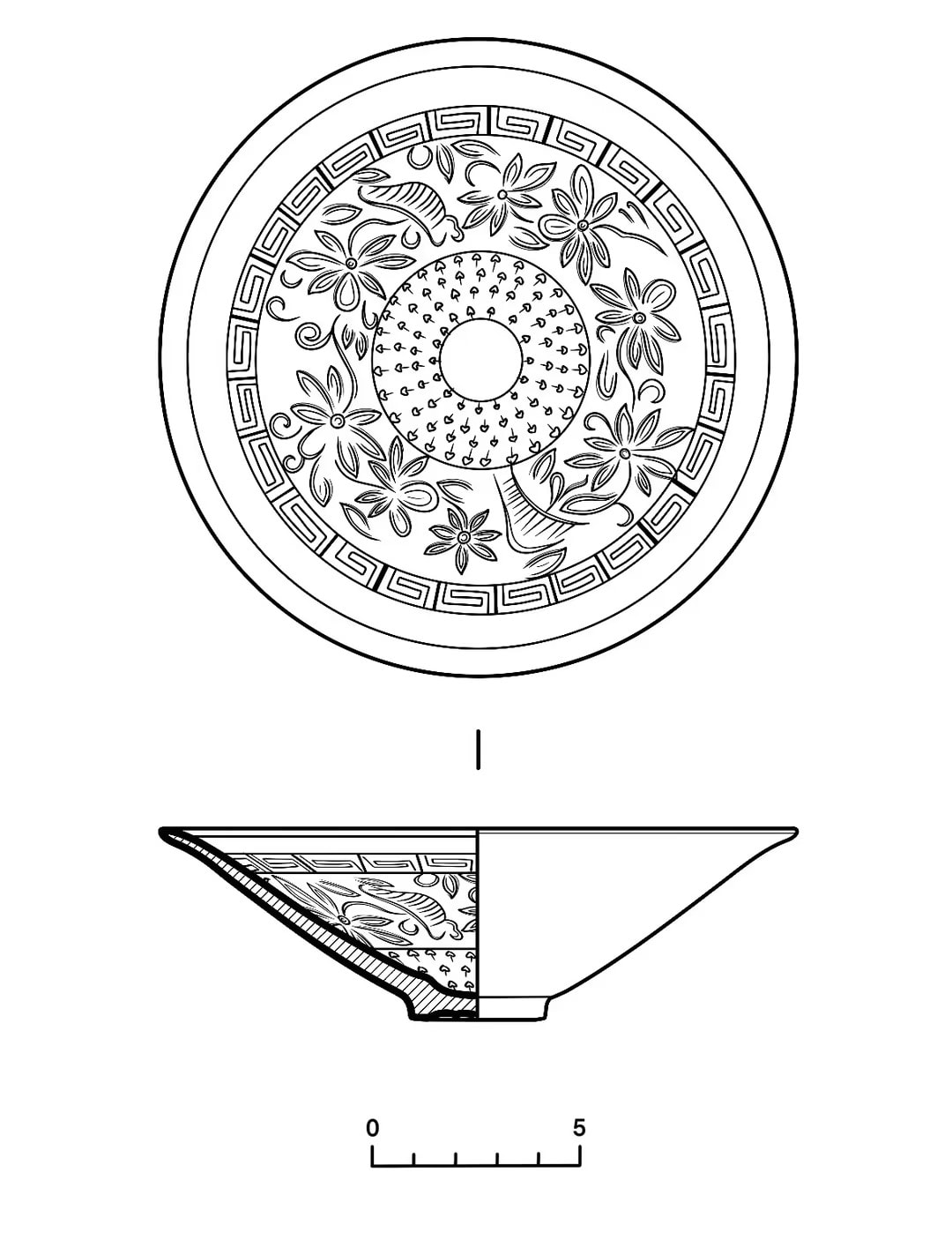
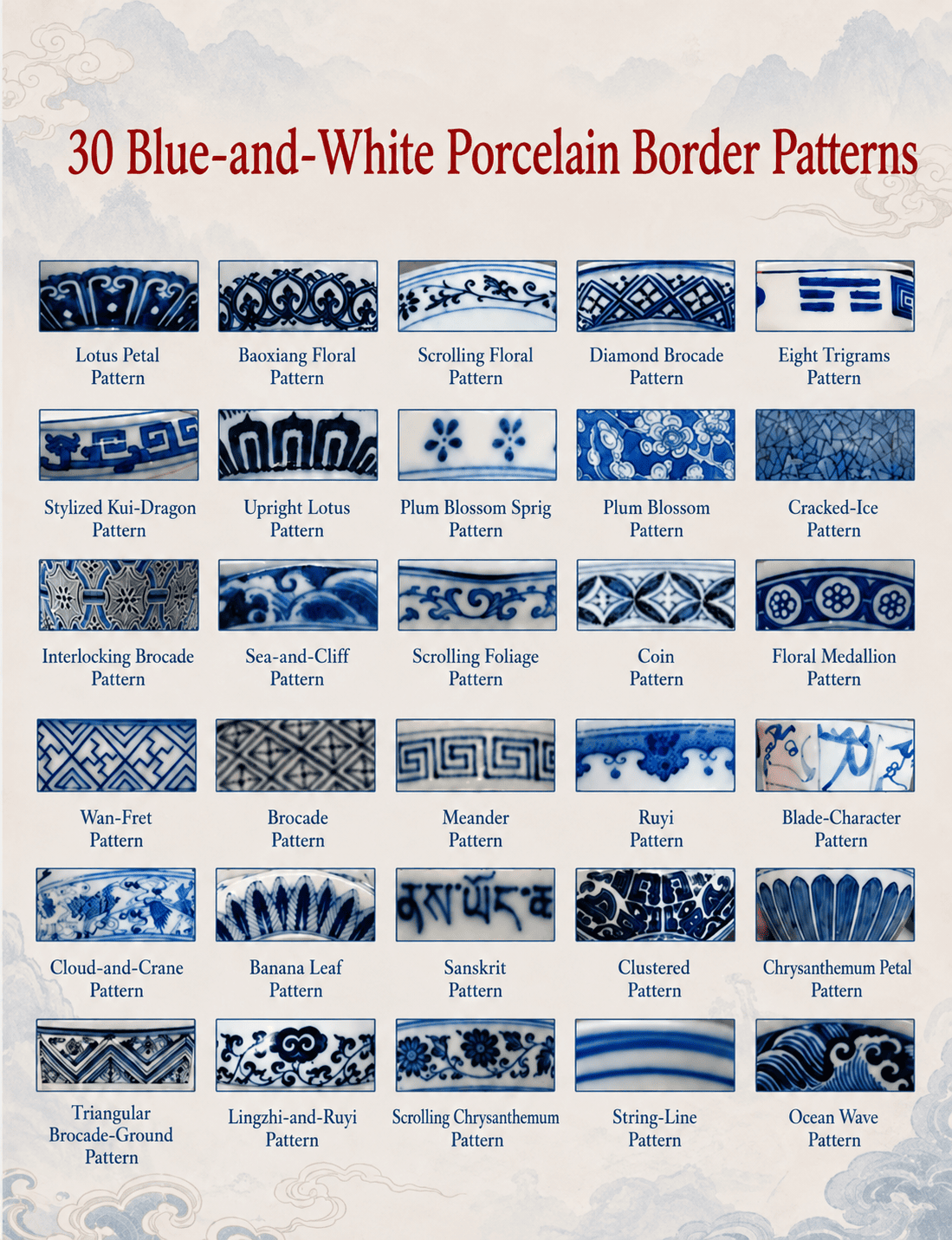
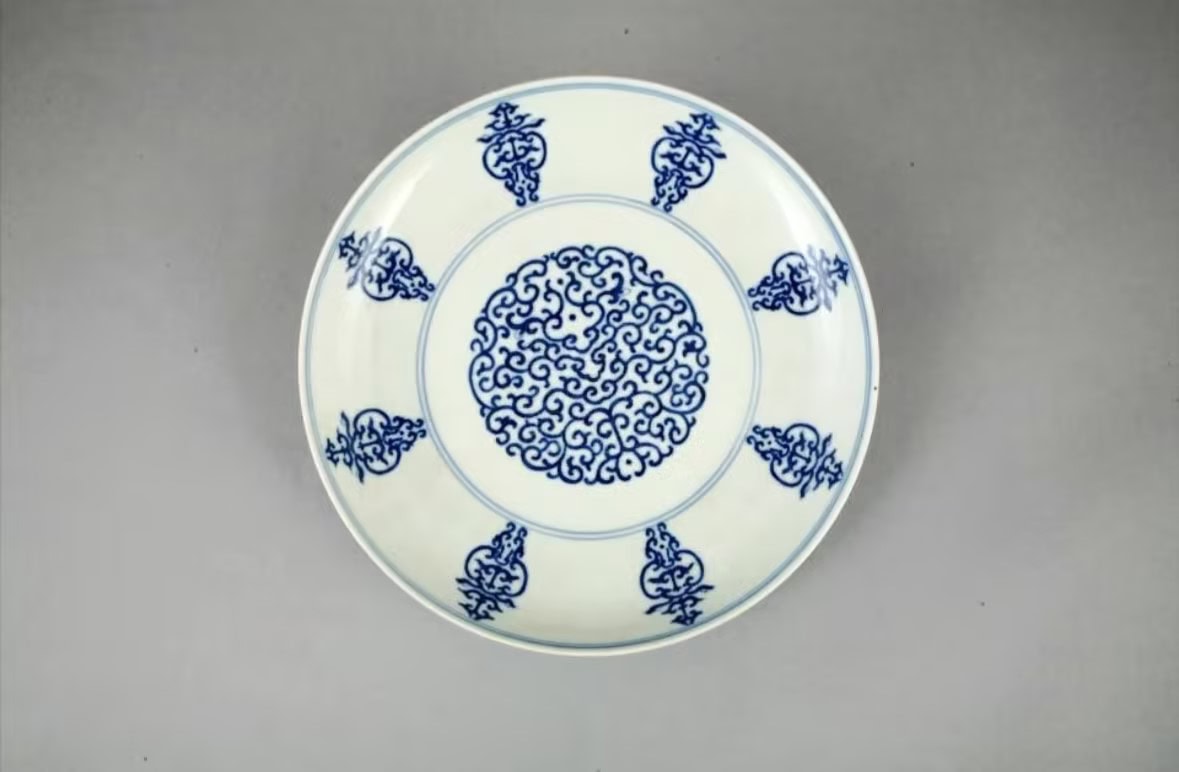
Geometric motifs are among the earliest types of ceramic patterns. They originated from early communities’ observations of natural structures, repetition, and order. Common examples include horizontal band patterns, net patterns, key-fret patterns, cloud-and-thunder motifs, diamonds, and woven designs.
These ceramic patterns use repeated combinations of dots, lines, and shapes to create a clear visual rhythm. Symmetry and repetition are central to their composition. Motifs may repeat horizontally around the body of a vessel or extend in several directions to create a continuous surface pattern.
This method of decoration reflects an early understanding of balance and order. It also works naturally with ceramic production because the rounded body of a bowl, jar, or vase provides an ideal surface for repeating patterns that circle the vessel.
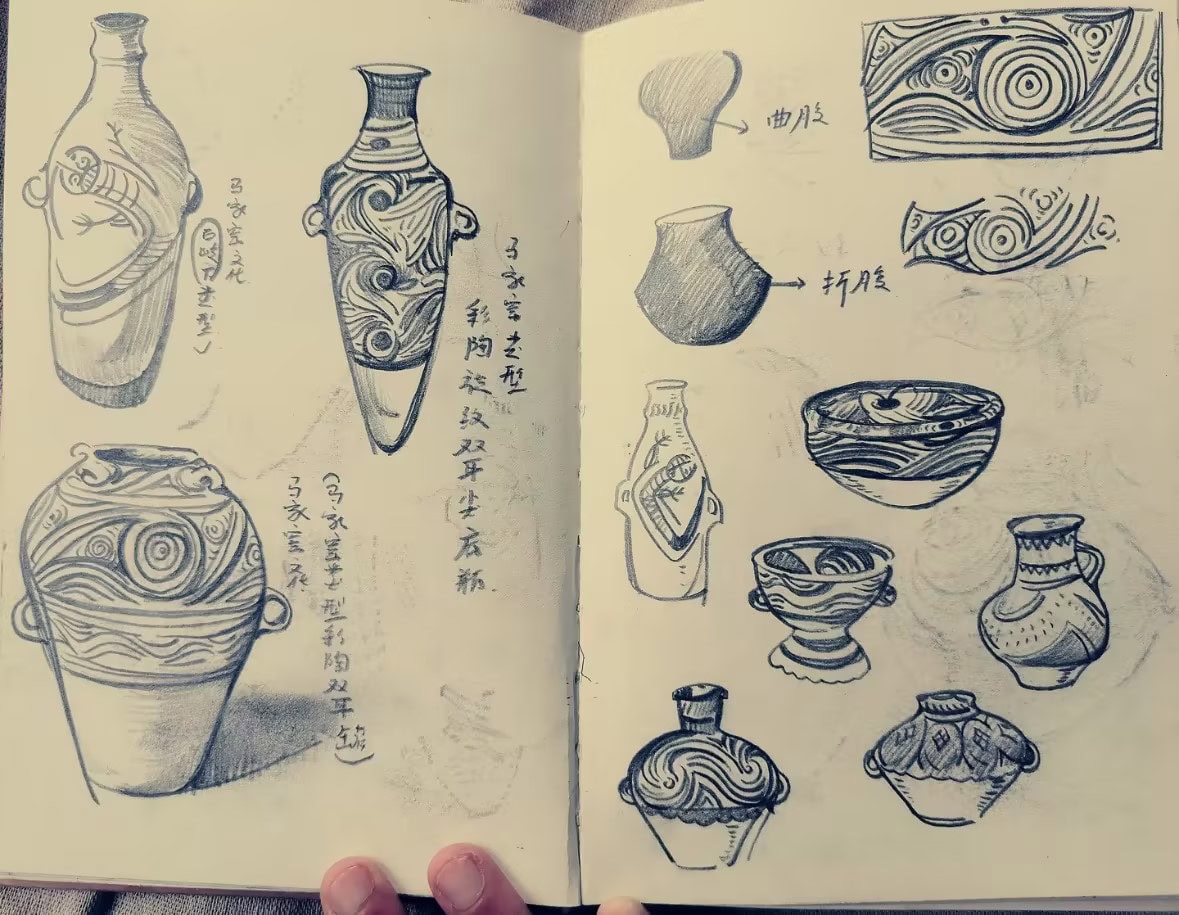
The appearance of geometric ceramic patterns changed across different historical periods. Neolithic painted pottery was dominated by bold red and black geometric designs. Cloud-and-thunder motifs became common on early celadon during the Shang and Zhou periods and were closely related to patterns found on contemporary ritual bronzes.
Song Dynasty ceramics favored simplicity, so geometric motifs were often used as subtle supporting decoration. During the Ming and Qing dynasties, they frequently appeared as borders or background patterns, creating visual layers around larger central images.
Key-fret borders and scrolling foliage remain classic decorative references in Jingdezhen porcelain. Many antique-style porcelain manufacturers continue to study and reproduce these traditional ceramic patterns when developing historically inspired products.
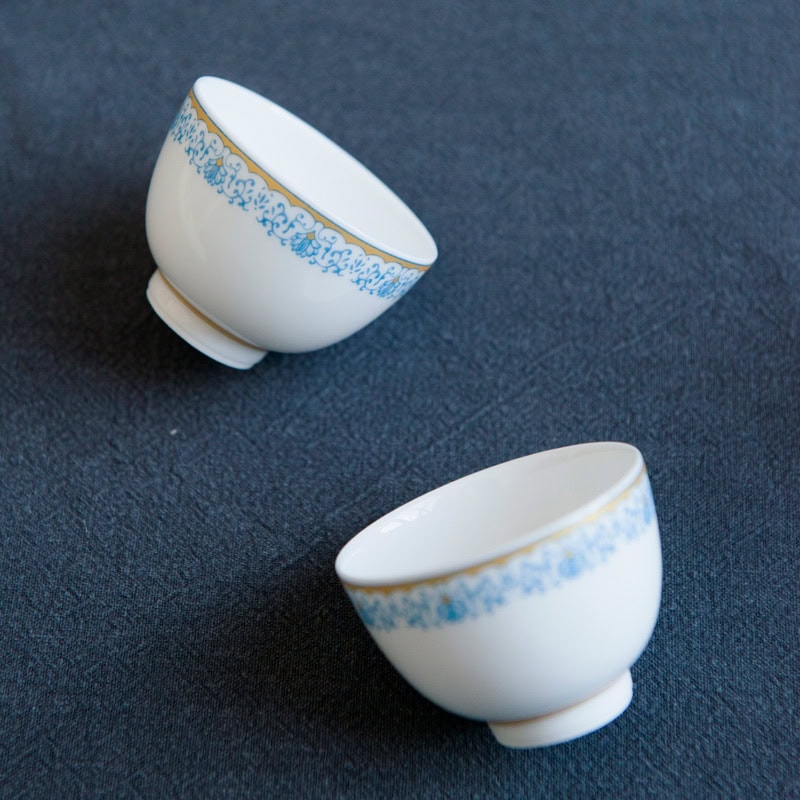
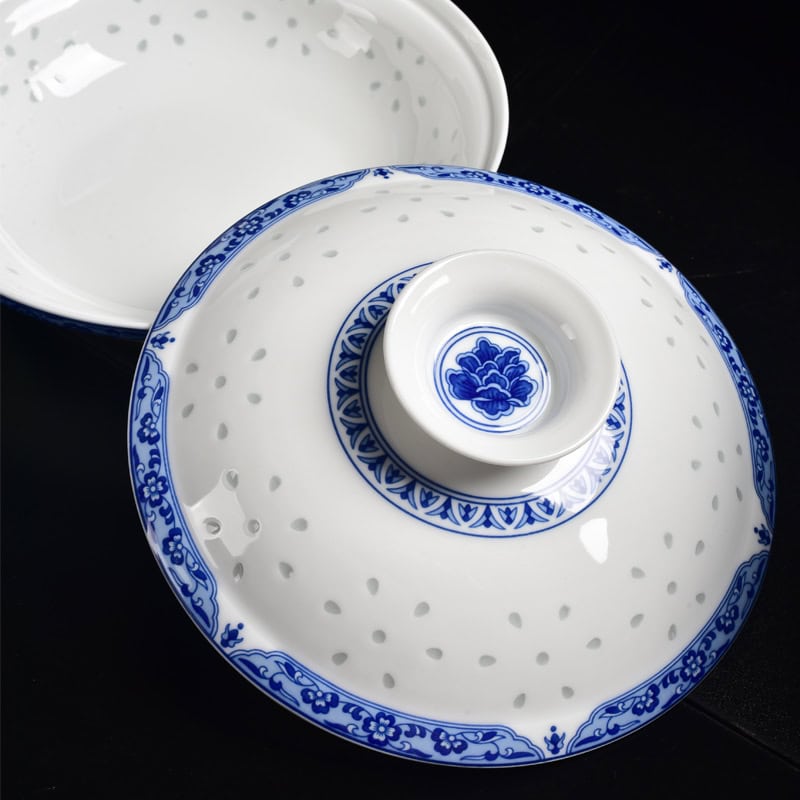
Botanical Ceramic Patterns: Translating Nature into Art
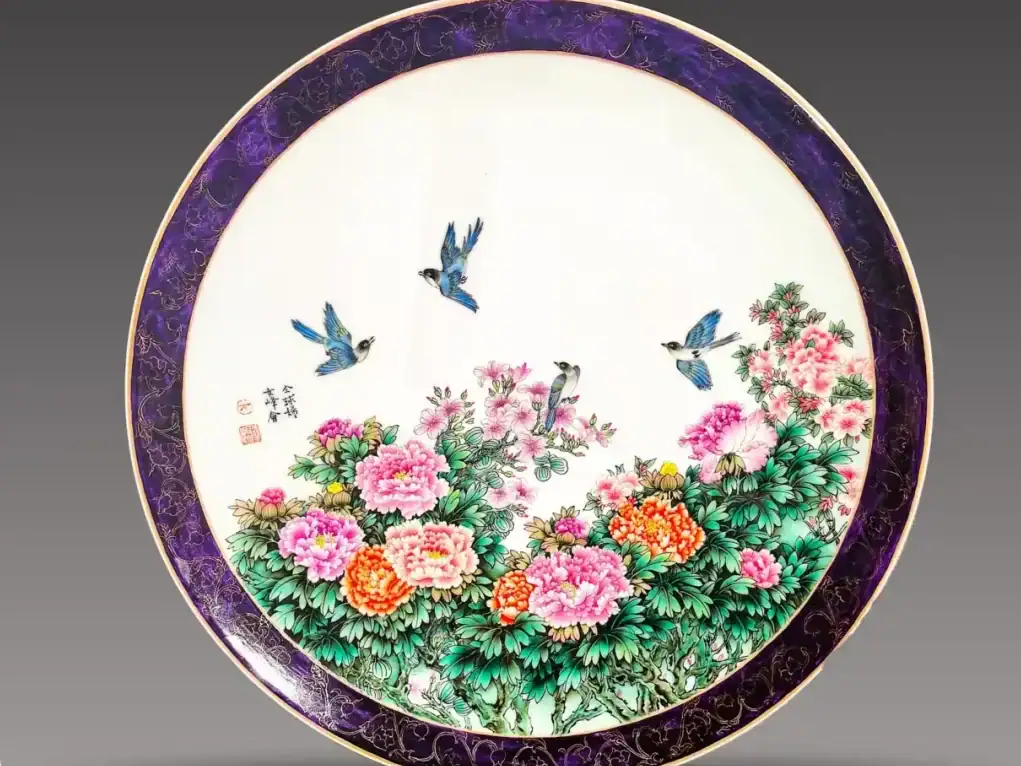
Botanical motifs are among the most common and enduring ceramic patterns. Artists transform flowers, leaves, vines, and trees into decorative forms that express the vitality and beauty of nature.
Classic botanical ceramic patterns include scrolling lotus, peonies, chrysanthemums, plum blossoms, composite baoxiang flowers, and scrolling foliage. Each motif has its own visual structure and cultural meaning.
Different plants communicate different wishes and values. Peonies symbolize wealth, prosperity, and social distinction. Plum blossoms represent perseverance and integrity because they bloom during the cold winter. Lotus flowers suggest purity because they rise clean and beautiful from muddy water.
Continuous scrolling vines represent unending growth, lasting prosperity, and the continuation of life. The baoxiang flower is an idealized composite motif that combines characteristics of lotus, peony, and chrysanthemum blossoms. It reflects the interaction between Buddhist art and traditional Chinese aesthetics.
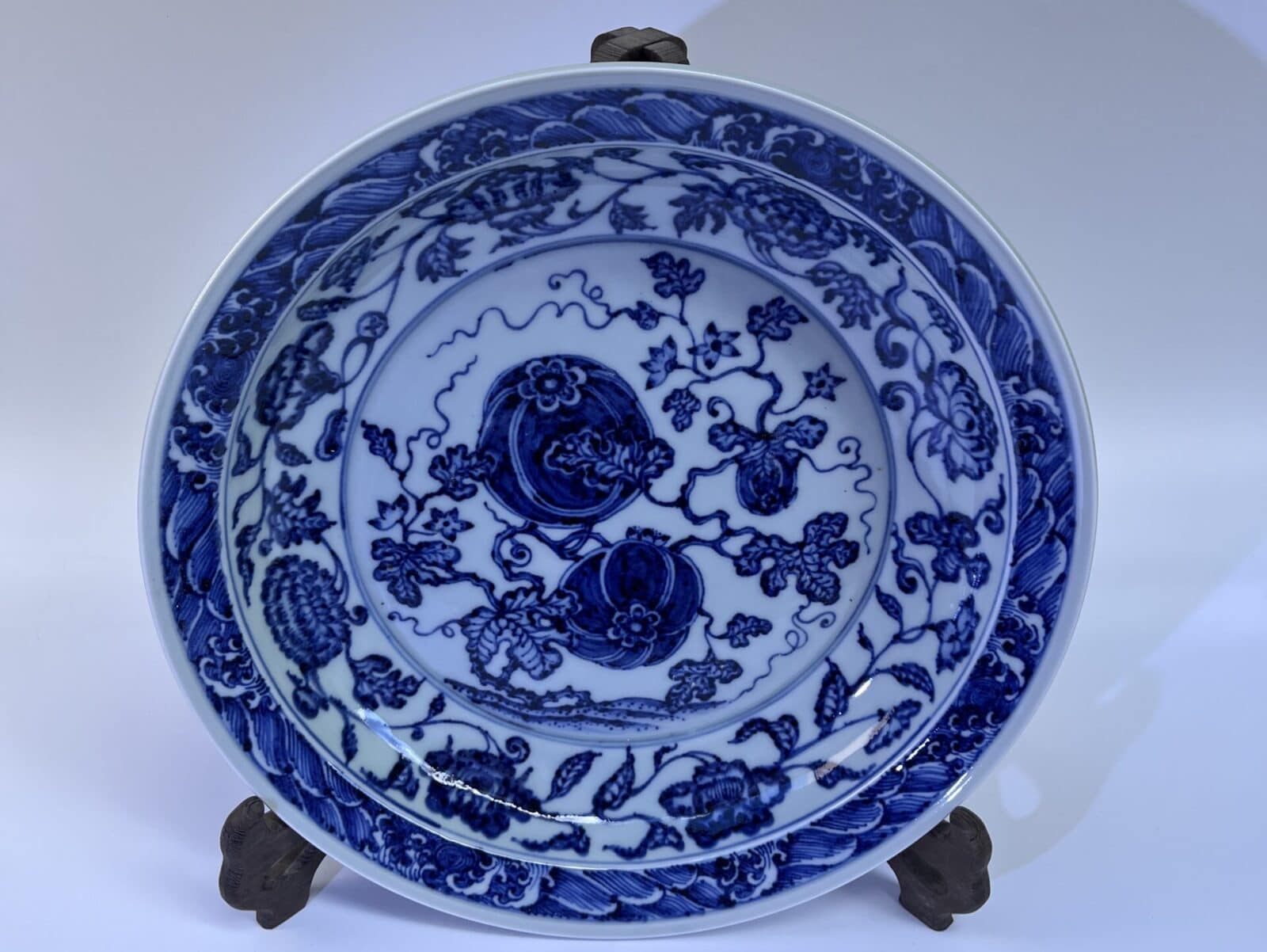
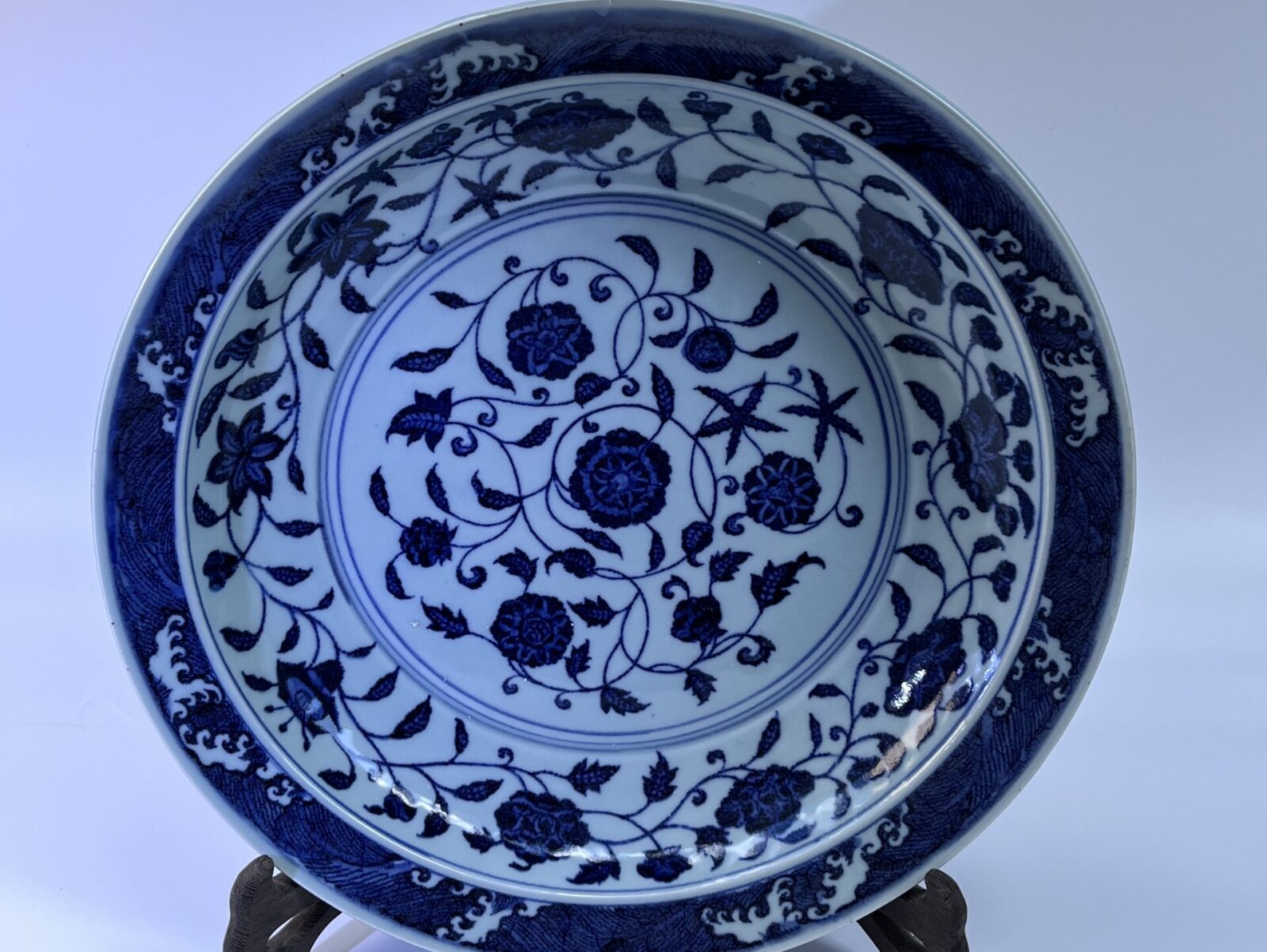
Botanical ceramic patterns can be arranged in several ways. A scrolling floral pattern uses a continuous vine as its framework, with blossoms and leaves distributed along flowing S-shaped curves. This is one of the most recognizable compositions in Chinese decorative art.
A flower-sprig design presents a single branch or cluster as an independent image. It is often used as the main decoration on blue-and-white porcelain. Circular floral medallions arrange flowers into balanced round compositions, creating a full and orderly appearance.
Botanical designs also appear differently on blue-and-white and Linglong porcelain. Blue-and-white porcelain uses varied cobalt tones and expressive brushwork to capture the movement and character of flowers. Linglong porcelain combines botanical motifs with translucent openwork, allowing light to pass through the vessel and create delicate changes in brightness and shadow.
Animal and Mythical Creature Ceramic Patterns: Visual Symbols of Good Fortune
Animal and mythical creature motifs are among the most culturally significant ceramic patterns. They transform real and imaginary animals into visual symbols associated with authority, protection, prosperity, harmony, and good fortune.
These patterns can be divided into two broad groups: mythical creatures and familiar subjects drawn from birds, fish, insects, and everyday life.
Dragons, phoenixes, qilin, guardian lions, and pixiu are common mythical creatures in Chinese ceramic art. Certain dragon patterns, especially standardized five-clawed dragons, were historically associated with imperial authority. Phoenix motifs represent peace, virtue, and prosperity, while the qilin symbolizes benevolence and the arrival of good fortune.
Guardian lion motifs became closely connected with Buddhist culture and were used to express protection against negative influences. Pixiu designs are traditionally associated with attracting and preserving wealth. These mythical creatures often have powerful movements, dramatic expressions, and highly structured details.
Because of their strong visual presence, mythical animal patterns frequently appear on large decorative porcelain, including vases, jars, zun vessels, and ceremonial objects.
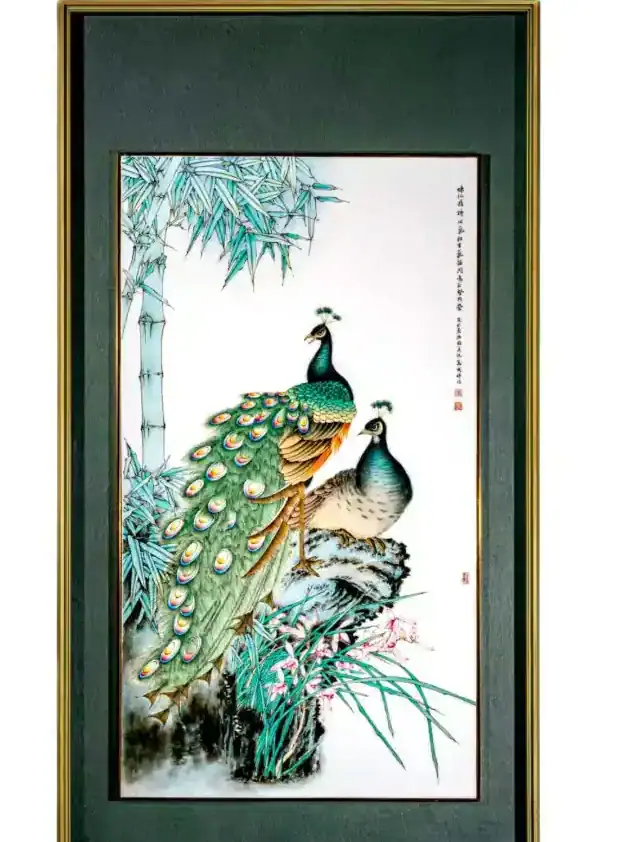
Birds, fish, butterflies, and other familiar creatures produce a softer and more approachable style. Popular subjects include magpies, mandarin ducks, cranes, butterflies, and carp.
A magpie perched on a plum branch represents the arrival of happiness. Mandarin ducks swimming together symbolize love and marital harmony. Cranes are associated with longevity, while butterflies can represent beauty, transformation, and affection. Fish patterns express the popular wish for abundance year after year, based on a traditional Chinese play on words.
Animal ceramic patterns are widely used on both functional tableware and decorative porcelain. In contemporary art ceramics and large ceramic installations, artists often simplify, enlarge, or reconstruct animal imagery to create a more modern visual language.
[Suggested Image 4: Animal and mythical creature patterns]
A divided image showing dragons, phoenixes, qilin, and guardian lions on one side, with magpies, mandarin ducks, cranes, butterflies, and carp on the other.
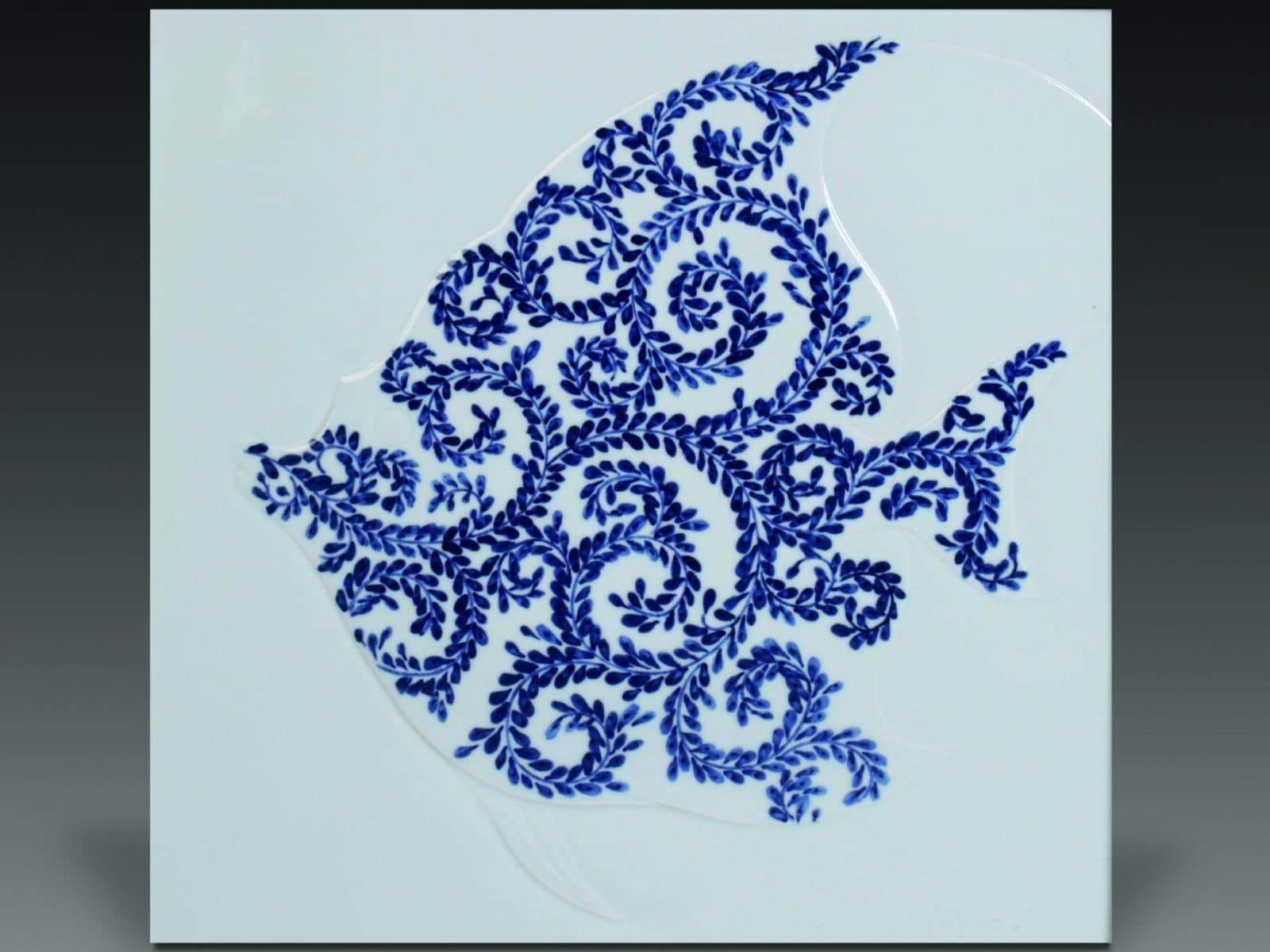
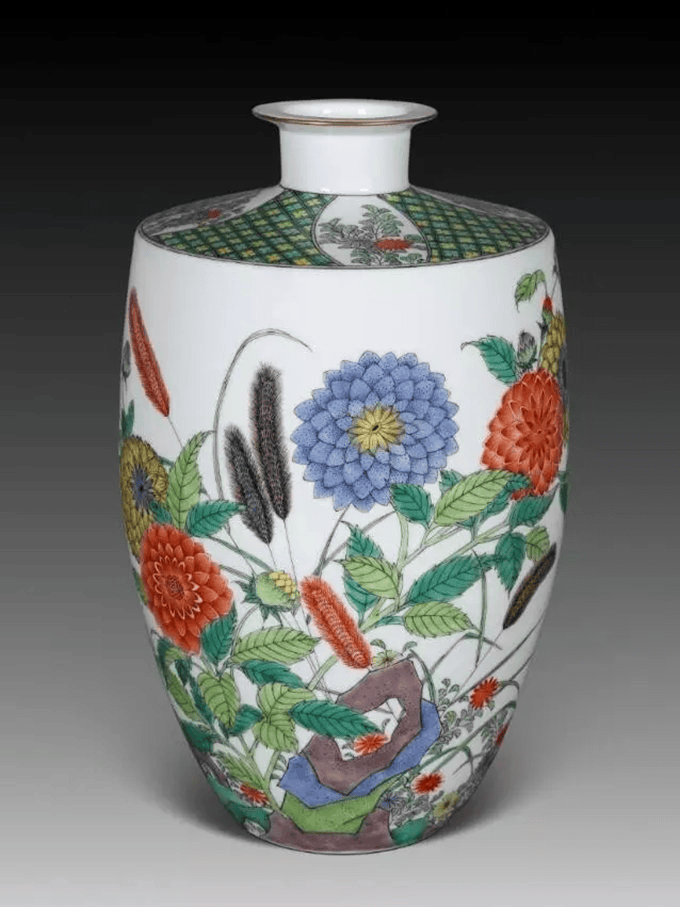
Figure and Narrative Ceramic Patterns: Stories of Life and Belief
Figure and narrative motifs are the most storytelling-focused ceramic patterns. They place human activities at the center of the composition and transform the porcelain surface into a visual record of daily life, folklore, mythology, religion, and landscape culture.
Popular scenes from everyday life include boys at play, elegant court ladies, farming and weaving, and the Eight Immortals crossing the sea. These compositions provide valuable visual references to historical clothing, architecture, furniture, customs, and social activities.
The “boys at play” motif is one of the most popular traditional subjects. It usually shows groups of children playing in a garden or courtyard. Their lively movements express innocence and happiness, while the overall scene represents hopes for a flourishing family and future generations.
Paintings of court ladies portray women reading, playing music, walking through gardens, or taking part in other refined activities. These figures are usually presented with graceful postures, delicate clothing, and a calm atmosphere.
Mythological and religious figure patterns feature subjects such as the Eight Immortals, Buddhist arhats, Guanyin, and the God of Longevity. These images are closely associated with spiritual belief, protection, longevity, and traditional blessing culture.
Landscape-and-figure compositions place people among mountains, rivers, trees, pavilions, and clouds. They often express the scholarly ideal of living quietly in nature, away from the pressures of public life.
The style of figure-based ceramic patterns changed over time. Yuan Dynasty blue-and-white porcelain often featured full compositions and prominent figures. Ming Dynasty designs became more expressive and used cleaner lines, while Qing Dynasty porcelain was known for increasingly detailed and realistic painting.
Figure and narrative decoration on Jingdezhen porcelain can be viewed as a history of Chinese painting expressed on ceramic surfaces.
Auspicious Chinese Character Ceramic Patterns: Written Wishes and Blessings
Auspicious Chinese characters are among the most direct forms of blessing used in ceramic patterns. Instead of using an image to suggest a meaning, these designs turn written language itself into decoration.
Common subjects include the Chinese characters for fortune and longevity, auspicious phrases, poetry, seal-script inscriptions, and calligraphic compositions. These ceramic patterns bring together the visual beauty of Chinese writing and the cultural meaning of traditional blessings.
The character “Fu,” meaning good fortune or happiness, is one of the most widely used written motifs. It may appear in regular, running, or cursive script. Designers may also transform it into circular, square, or repeated decorative patterns.
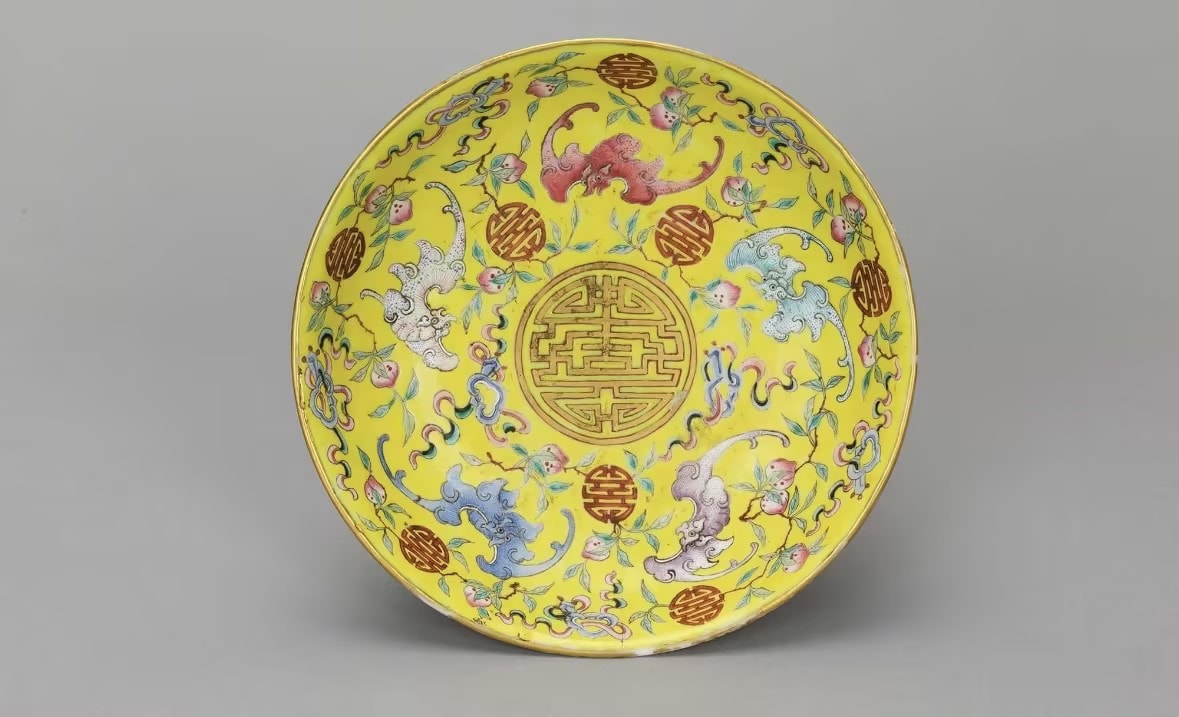
Fu characters are often combined with bats because the Chinese words for “bat” and “fortune” have similar pronunciations. Five bats arranged around a central character or medallion can represent the traditional “Five Blessings.”
The character “Shou,” meaning longevity, is commonly used for birthday celebrations and ceremonial gifts. It may appear as a single round longevity medallion, an elongated character, or a composition containing one hundred differently written Shou characters.
Auspicious phrases may be presented in small seal-like panels on the body or base of a ceramic vessel. These inscriptions are often compact, visually powerful, and easy to understand.
Written ceramic patterns reflect the traditional decorative principle that every image should carry meaning and every meaning should express a positive wish. Many antique-style porcelain manufacturers continue to reproduce historic calligraphic motifs. Contemporary artists also use Chinese characters as an important visual element in art porcelain and ceramic installations.
Ceramic Patterns as a Living Record of Chinese Culture
Ceramic patterns form a visual history of Chinese culture. Geometric motifs express order, botanical patterns celebrate life, mythical creatures communicate protection and good fortune, figure scenes tell human stories, and written characters convey blessings directly.
Together, these decorative languages create the rich and varied world of Chinese ceramic aesthetics. They also demonstrate that ceramic decoration is not limited to making a vessel more attractive. A carefully designed pattern can communicate cultural identity, intended use, emotional meaning, and the character of a brand.
Generations of Jingdezhen ceramic manufacturers have preserved traditional painting, carving, openwork, glazing, and firing techniques while continuing to develop new styles. Today, classic ceramic patterns can be adapted for tableware, tea sets, decorative vases, hotel porcelain, art ceramics, architectural murals, and large ceramic installations.
Based in Jingdezhen, Magic Cube combines traditional ceramic knowledge with contemporary design and production. We can adapt ceramic patterns according to the product shape, intended application, target market, production quantity, and brand requirements. From blue-and-white and Linglong porcelain to antique-style decoration and custom modern patterns, each design must balance cultural meaning, visual appeal, manufacturing feasibility, and firing stability.
Through this continued interaction between heritage and innovation, ancient ceramic patterns still shine with beauty and relevance in modern life.