Ceramic Forms · The Artistic Evolution of Chinese Ceramics
News 2026-08-07 34
Ceramic Forms · The Artistic Evolution of Chinese Ceramics
Ceramic form is one of the most important visual languages in Chinese ceramic art. It combines practical function with thousands of years of aesthetic knowledge. As the world-renowned “Porcelain Capital,” Jingdezhen is celebrated for its refined craftsmanship. Generations of Jingdezhen ceramic manufacturers have preserved traditional methods while continuing to explore new forms, allowing classic porcelain shapes to remain relevant in modern life.
At Magic Cube, we view ceramic form as more than the outline of an object. It determines how a piece is used, how it interacts with a space, and how its cultural meaning is communicated.
Everyday Ceramic Forms: The Evolution of Bowls and Plates
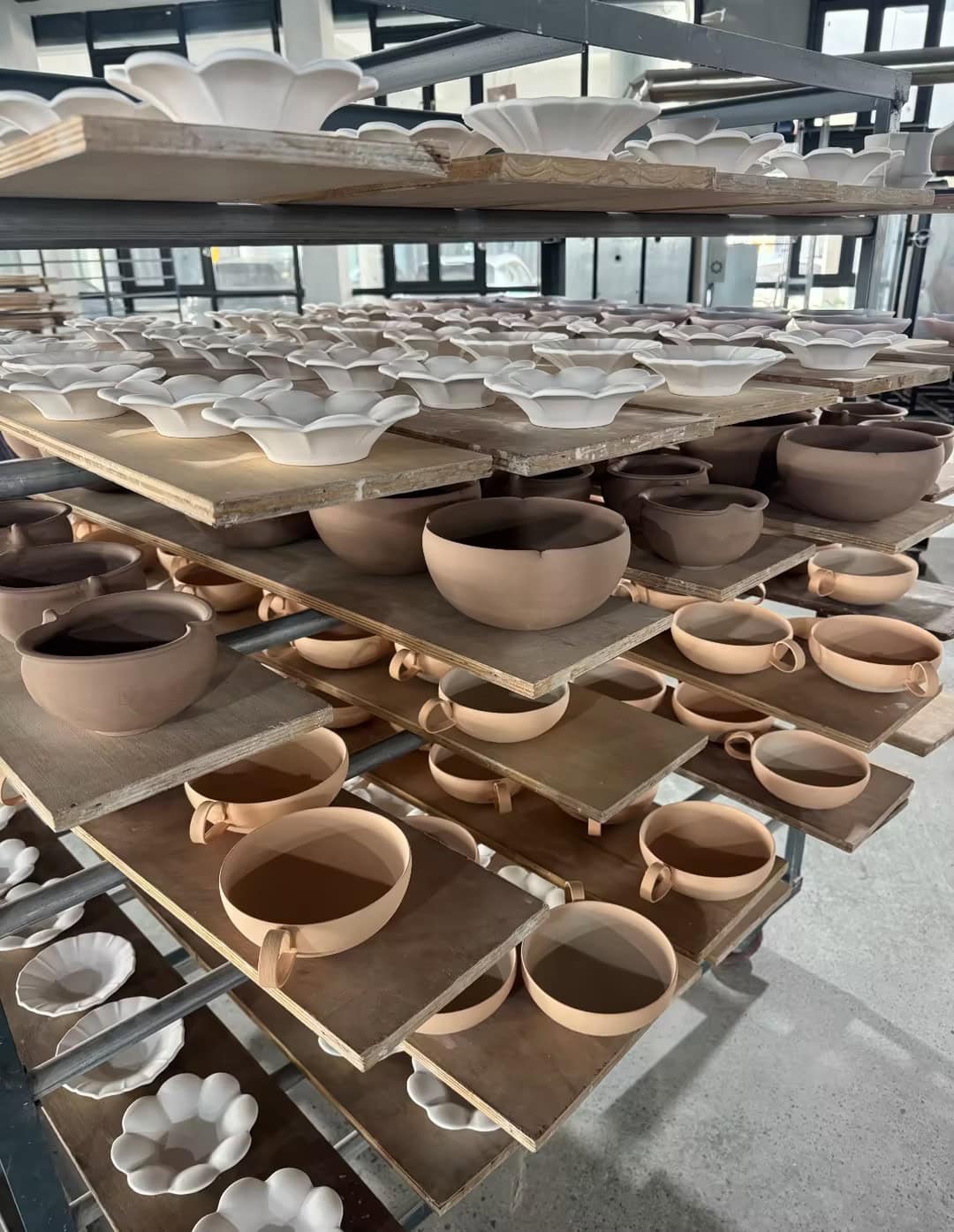
Bowls and plates are among the most fundamental ceramic forms and are closely connected to everyday life. Their primary purpose has always been to hold and serve food. As representative forms of functional ceramics, their design begins with usability but has also evolved to reflect changing aesthetic preferences.
Bowls are generally used for rice, soup, noodles, and other foods, while plates are designed for serving dishes, fruit, and snacks. Together, they form the foundation of the traditional Chinese dining table.
A typical bowl has a deep body, an open rim, and a raised foot ring, making it easy to hold and use. Plates usually have shallower bodies and flatter surfaces, allowing food to be arranged and presented clearly. These practical designs demonstrate the traditional Chinese understanding that the form of an object should respond naturally to its purpose.
Over time, bowl and plate designs developed from simple and functional forms into increasingly refined objects. Early Neolithic pottery bowls were plain and direct. Eastern Han celadon introduced glazed surfaces, while Tang Dynasty vessels became fuller and more rounded. Song Dynasty ceramics favored quiet elegance and balanced proportions, and Ming and Qing Dynasty porcelain introduced a much wider variety of shapes, sizes, and decorative styles.
Blue-and-white porcelain and Linglong porcelain added another artistic dimension to everyday tableware. Cobalt-blue decoration transformed simple bowls and plates into flowing visual narratives, while the translucent openwork of Linglong porcelain created a delicate interaction between light and porcelain. The classic blue-and-white Linglong bowl remains an excellent example of how Jingdezhen porcelain evolved from an everyday object into a refined work of functional art.
Display Ceramic Forms: The Beauty of Vases and Jars
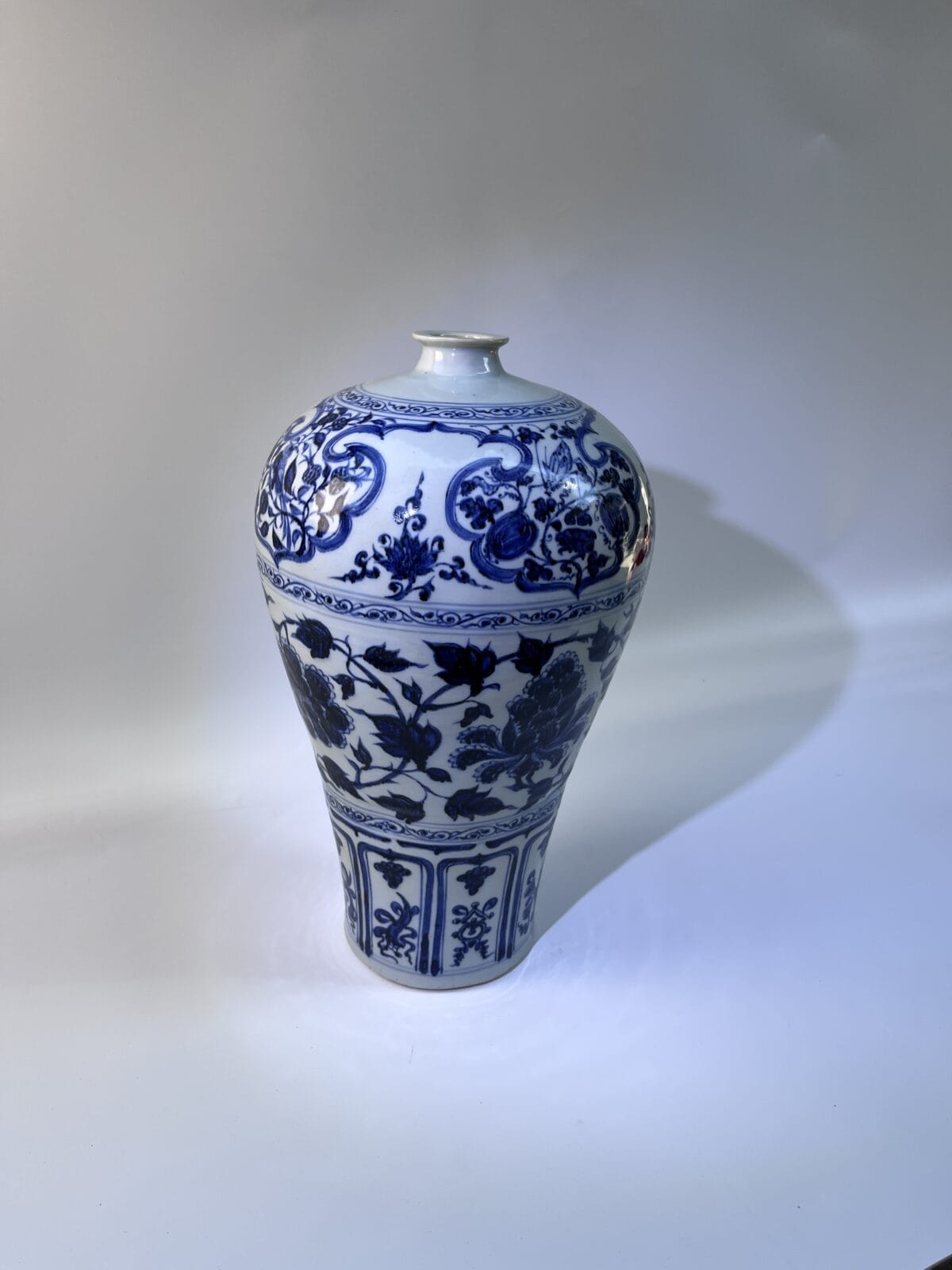
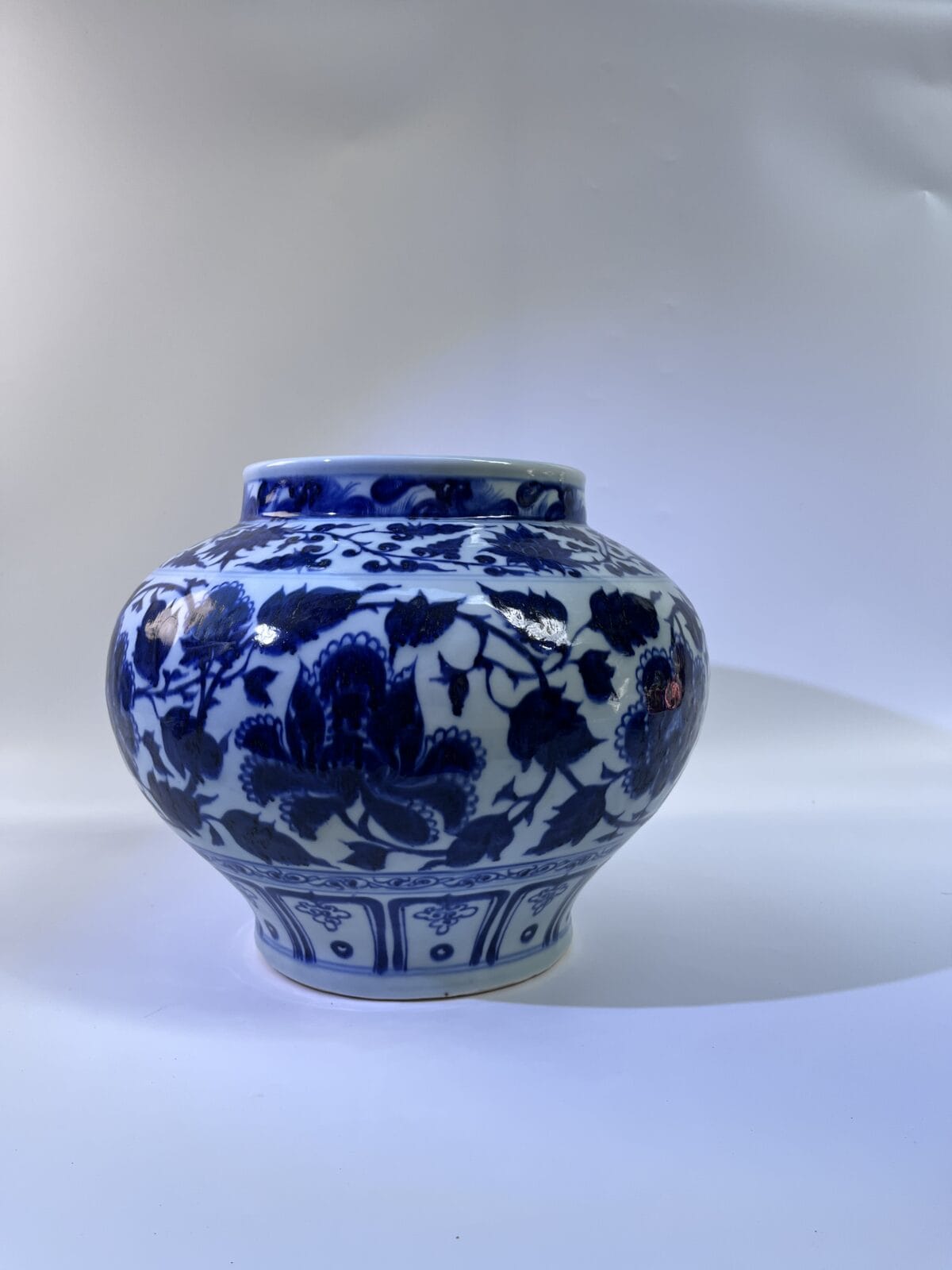
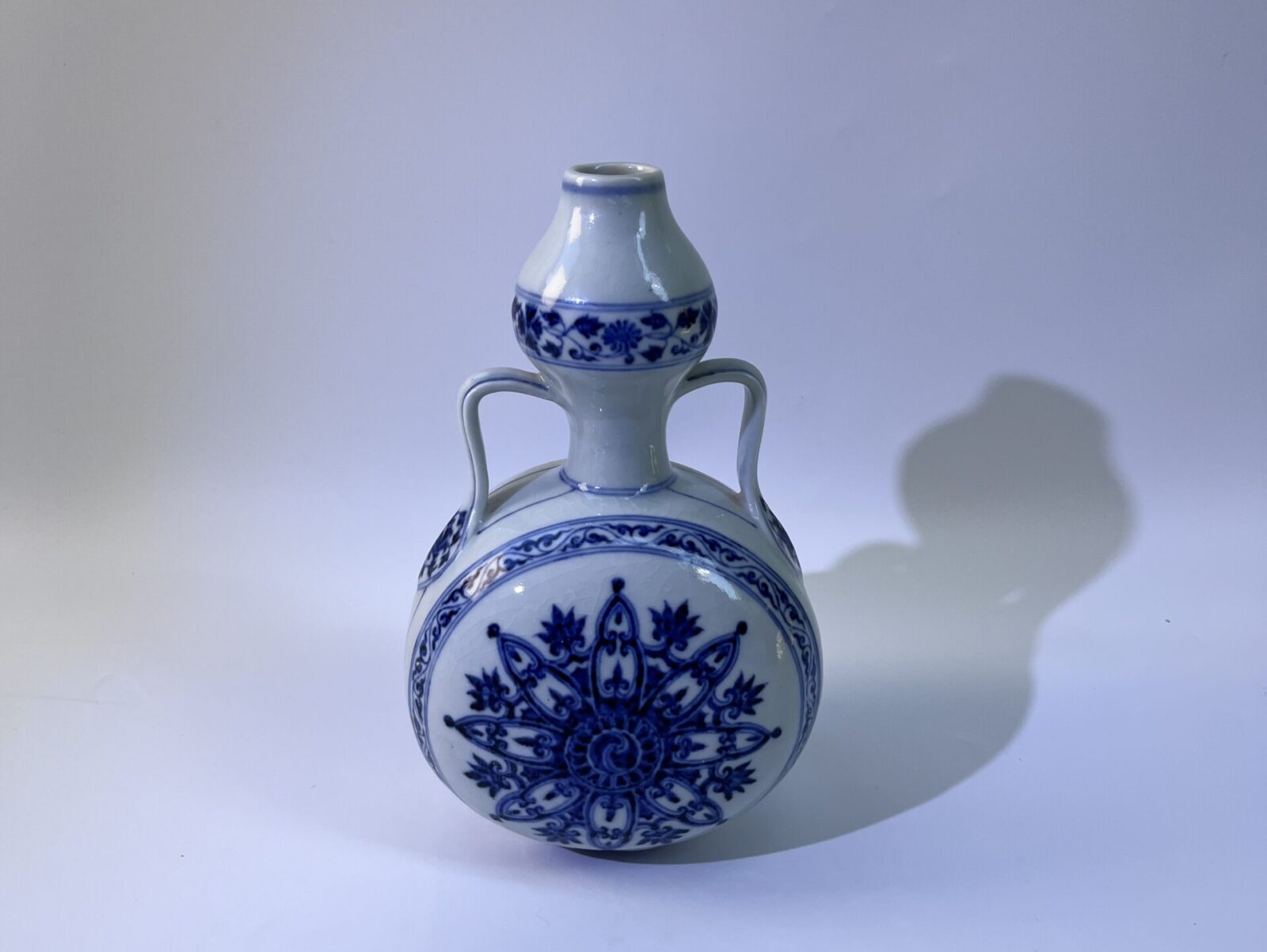
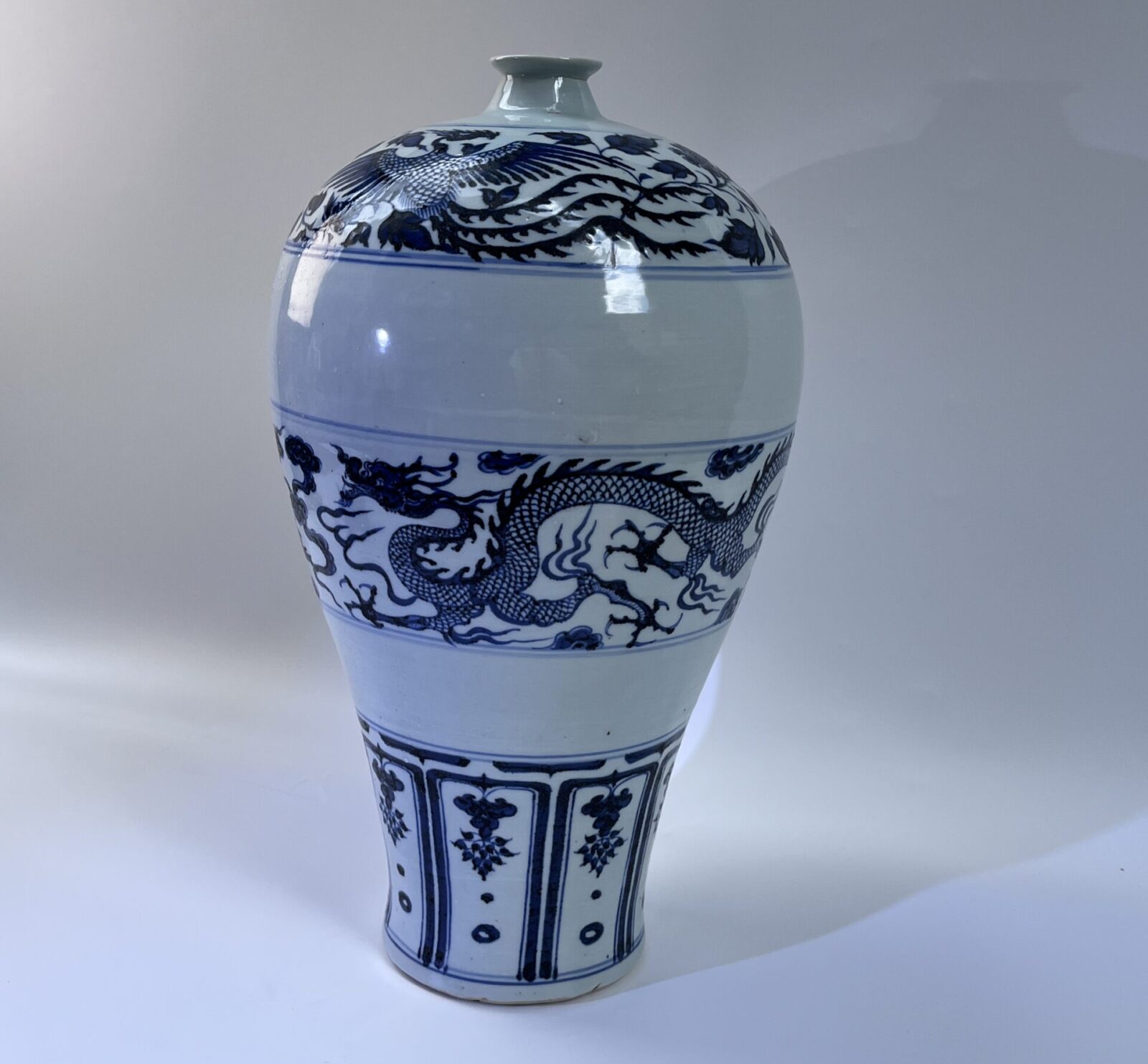
Vases and jars are among the most recognizable forms in ceramic art. Their varied silhouettes and strong visual presence make them important objects for interior display and ceramic collecting. Unlike everyday tableware, decorative porcelain places greater emphasis on aesthetic expression, proportion, and its relationship with the surrounding space.
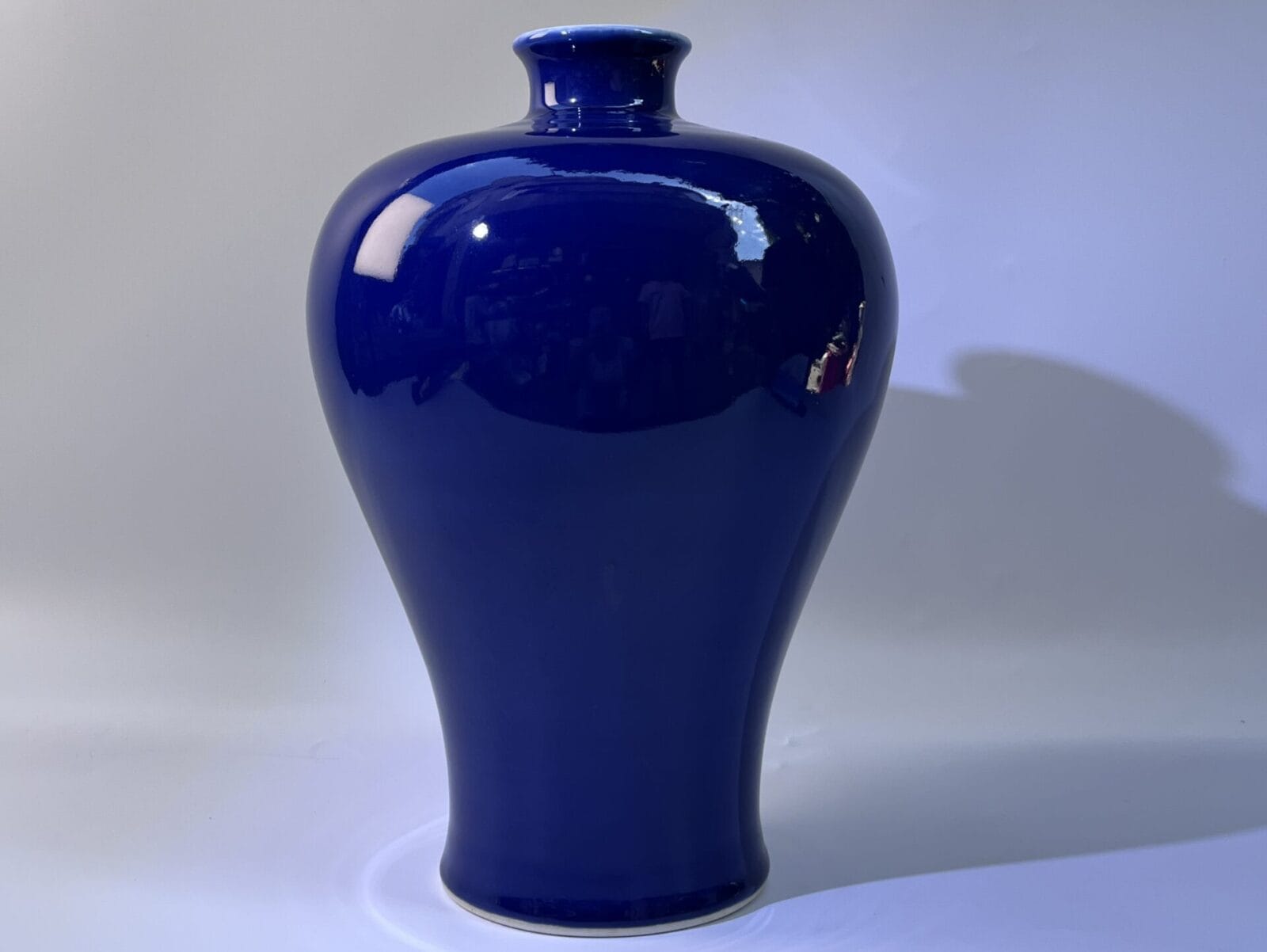
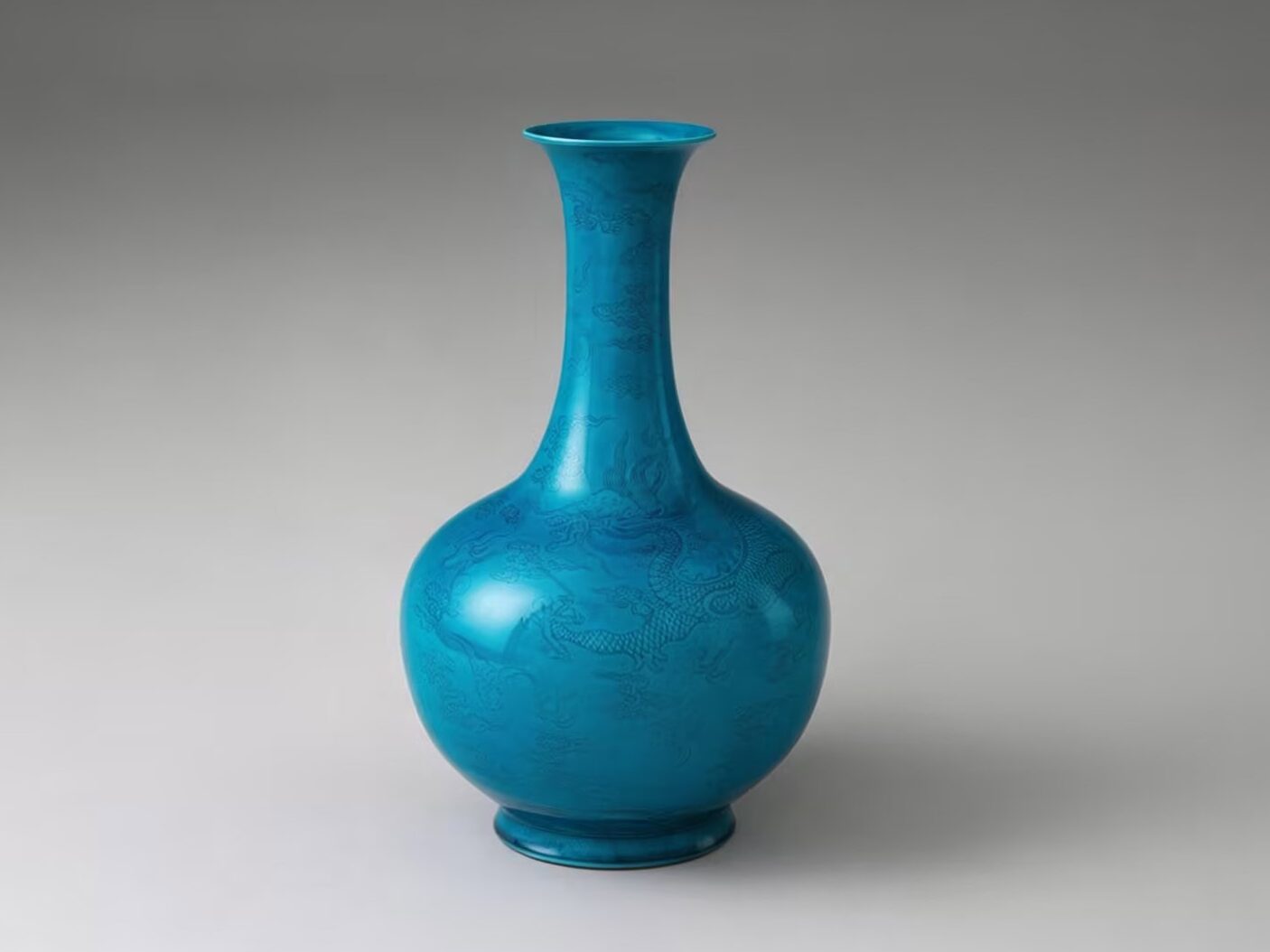
Representative forms include display vases, meiping vases, jars, and zun vessels. A traditional display vase often features a flared mouth, elongated neck, rounded body, and raised foot. The meiping has a small opening, short neck, full shoulders, and a body that narrows toward the base. Its restrained curves give it a graceful and understated character.
Ceramic jars are available in many forms and may serve both storage and decorative purposes. Zun vessels are usually larger and more imposing, making them suitable for reception halls, galleries, hotels, and other spacious interiors.
The beauty of vase and jar forms depends on balanced proportions and rhythmic changes in line. Even a small adjustment to the height of the neck, width of the shoulders, or curve of the body can alter the entire character of a piece.
Classic Jingdezhen porcelain forms—including the yuhuchun vase, Guanyin vase, and double-gourd vase—demonstrate a highly refined understanding of proportion and contour. Many antique-style porcelain manufacturers study examples from celebrated Song kilns and Ming and Qing imperial wares to reproduce the spirit of traditional forms for contemporary collectors.
Today, the development of art porcelain and ceramic installations has given these traditional silhouettes new possibilities. Artists may enlarge, simplify, divide, or reconstruct familiar vase forms, transforming them into expressive objects for modern interiors and public spaces.
Teaware Ceramic Forms: Structural Intelligence in Teapots and Cups
Teapots, teacups, and drinking vessels are closely connected to Chinese tea and wine culture. These objects demonstrate how ceramic design can combine compact structure, practical performance, and cultural meaning.
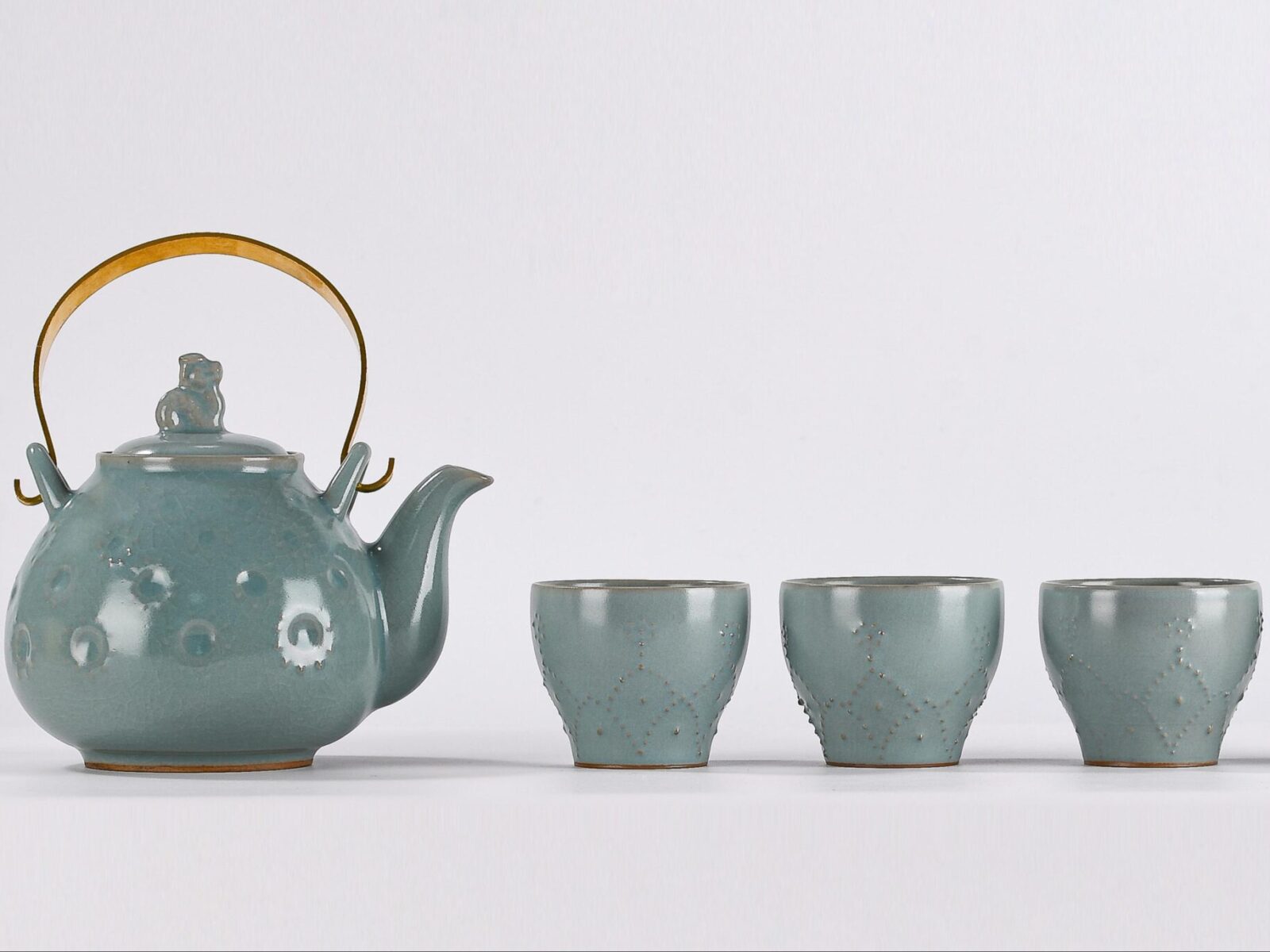
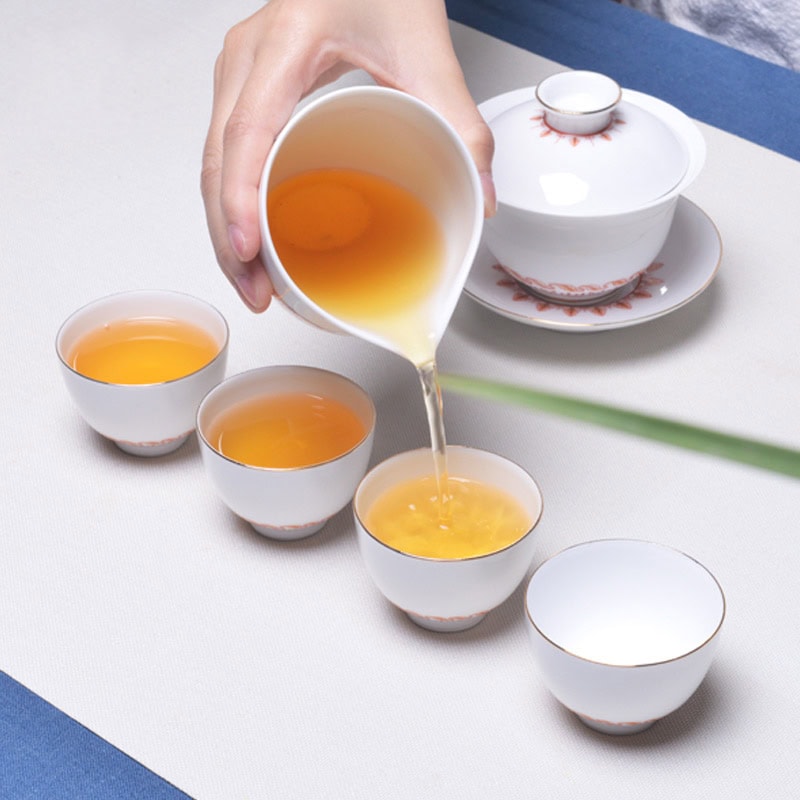
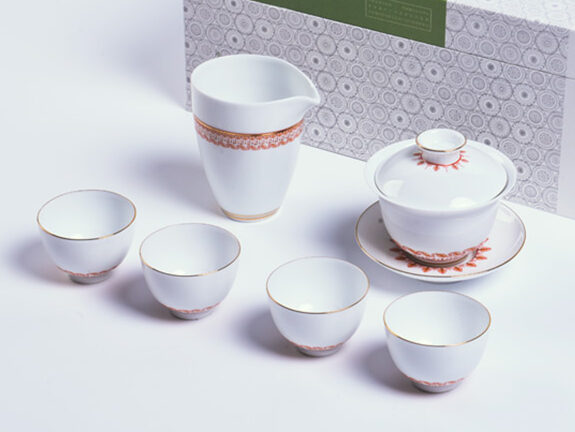
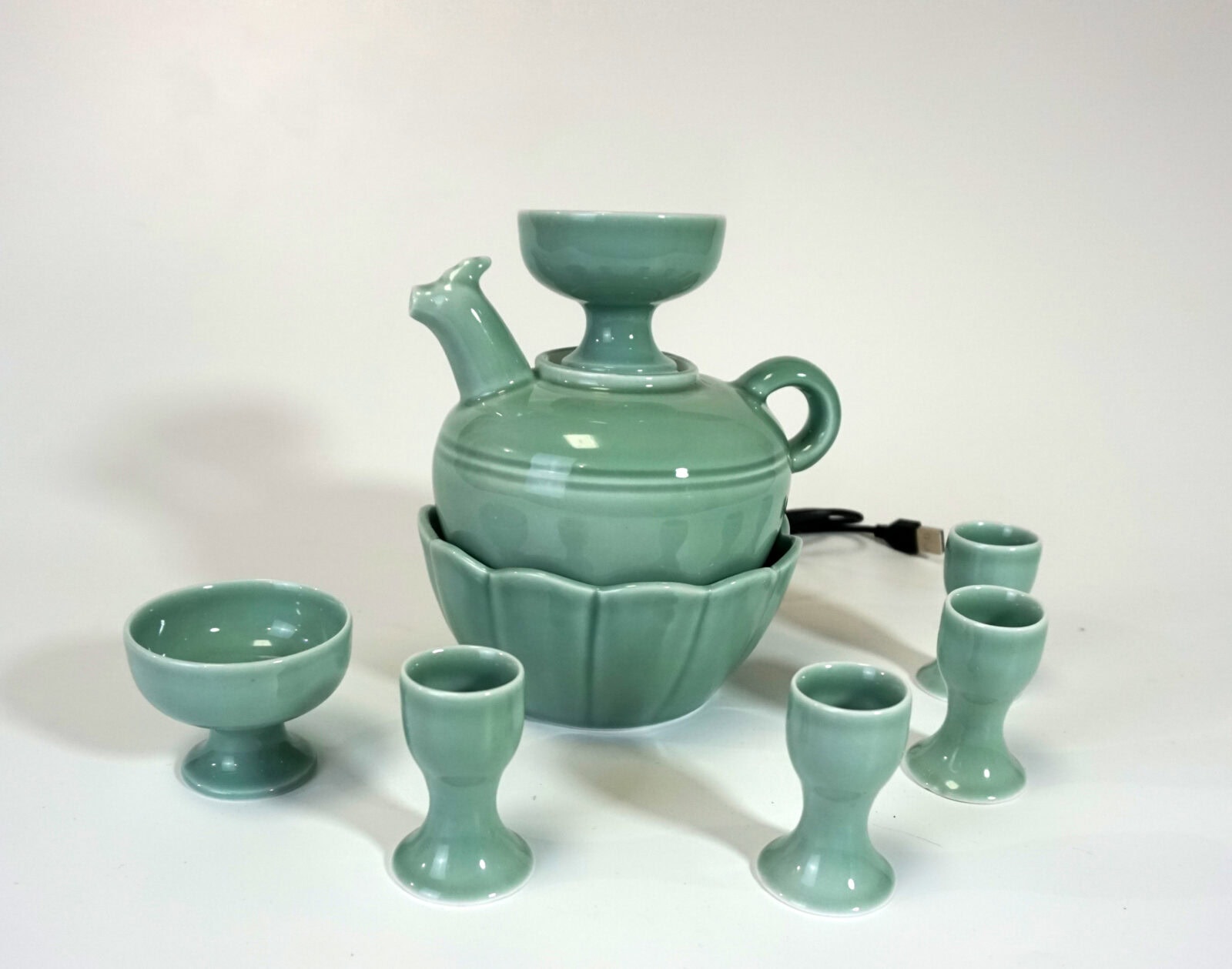
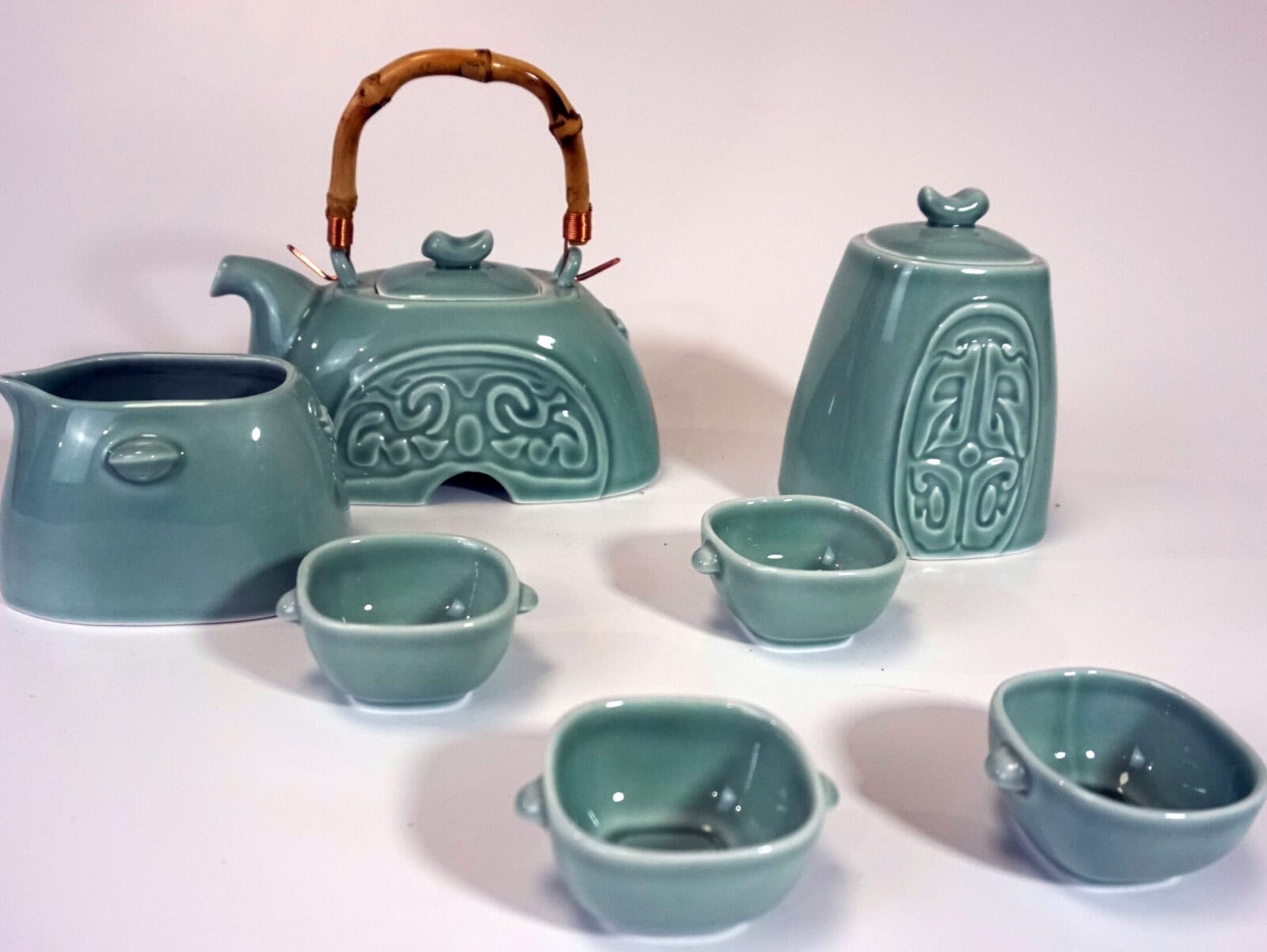
Traditional tea sets usually include teapots, teacups, and gaiwan. Although teapots are available in countless shapes, their performance depends on the relationship among four essential parts: the body, spout, handle, and lid.
The rounded Xi Shi teapot is known for its soft and full proportions, while the Shi Piao teapot is recognized for its strong triangular structure and precise lines. A gaiwan consists of a lid, bowl, and saucer. Traditionally, these three parts represent heaven, humanity, and earth, expressing the philosophical idea of harmony between people and nature.
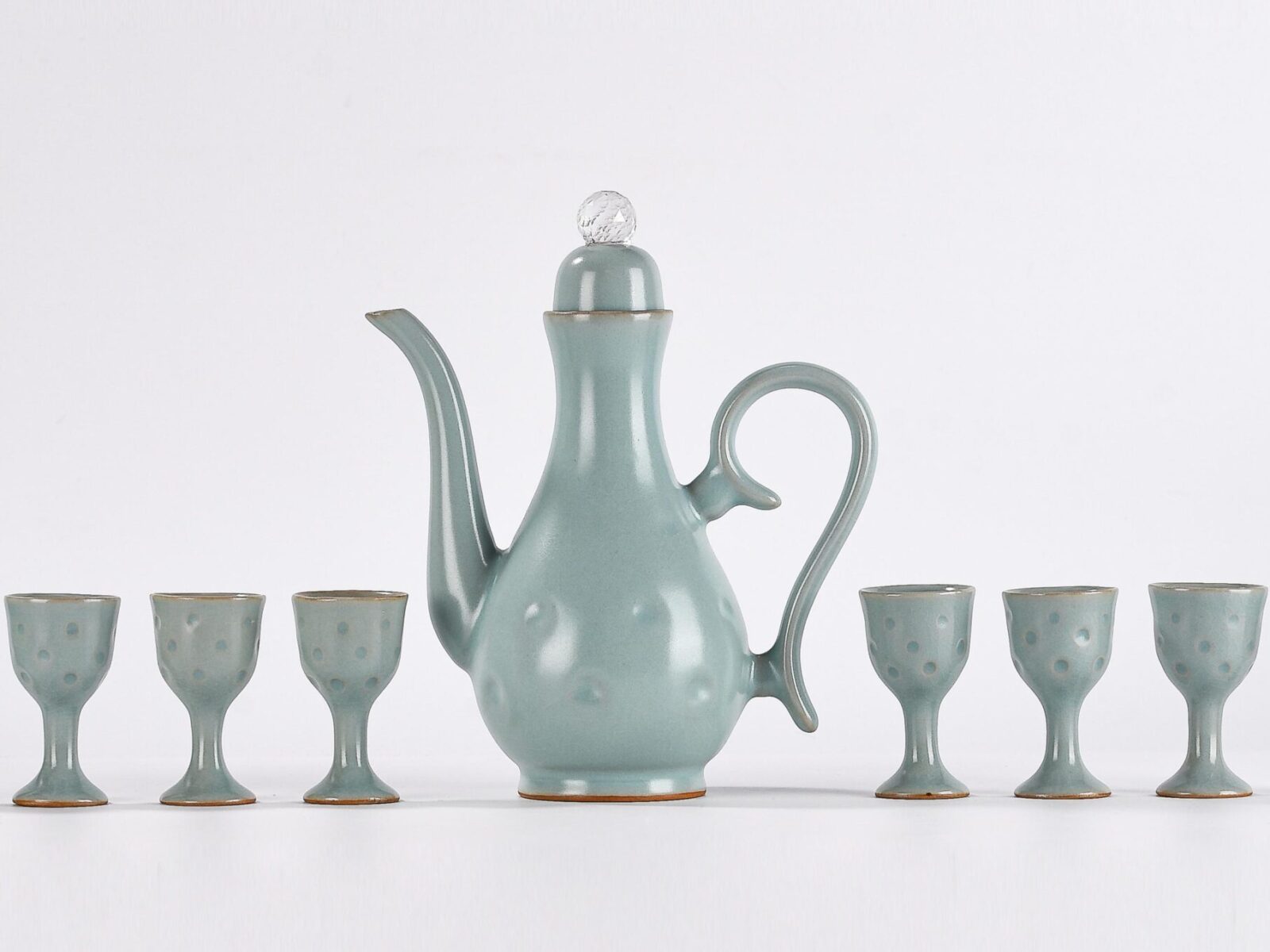
Chinese wine vessels also developed into a wide range of forms. From the ancient jue and gu to later wine cups and pouring vessels, each design reflects the customs, ceremonies, and drinking traditions of its period.
Structural design is the defining feature of teapots and cups. The length and angle of the spout influence how smoothly the tea pours, while the size and placement of the filter holes affect the flow rate. The shape and thickness of the handle determine comfort, balance, and heat control. A well-designed teapot should pour cleanly, remain balanced in the hand, and allow the lid to fit securely.
Thin-walled Jingdezhen porcelain teapots are especially demanding to produce. Their bodies may appear delicate and almost weightless, yet they must remain structurally stable during forming, drying, glazing, and high-temperature firing.
Tea sets decorated with blue-and-white or Linglong porcelain techniques combine practical performance with artistic refinement. Many Jingdezhen ceramic manufacturers continue to use hand-throwing and hand-finishing methods, ensuring that each teapot reflects both technical precision and the individual skill of the maker.
Biomorphic Ceramic Forms: Where Nature and Creativity Meet
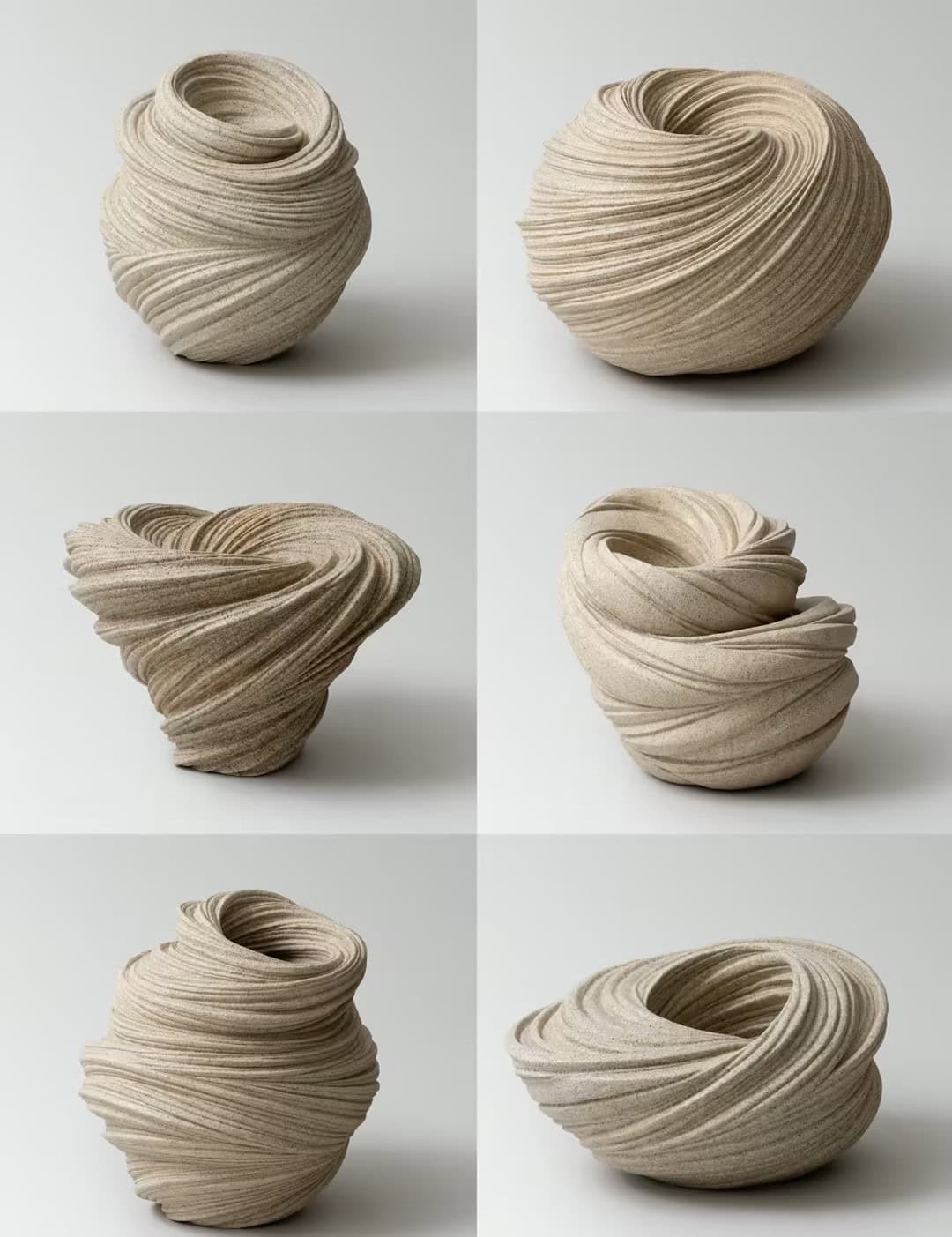
Biomorphic and sculptural ceramic forms are among the most imaginative areas of ceramic art. Instead of relying only on circles, cylinders, and other geometric structures, these works draw inspiration from plants, animals, fruit, and natural landscapes.
Such pieces often move beyond purely practical purposes and focus more strongly on artistic expression. They represent an important transition from ceramic objects as functional vessels to ceramics as independent works of art.
Plants and animals are major sources of inspiration. Traditional artisans carefully observed nature and transformed flowers, birds, fish, insects, fruit, and trees into ceramic forms. A lotus-shaped zun may use overlapping petals to symbolize purity in Buddhist culture. A pumpkin-shaped teapot reflects the charm of rural life, while fish-shaped bottles and chicken-headed ewers combine recognizable animal features with practical functions.
The most successful biomorphic ceramics do more than imitate the outward appearance of nature. They capture its movement, character, and spirit. This reflects the traditional artistic belief that creators should learn from the natural world while expressing their own inner understanding.
Folk-inspired sculptural forms developed from everyday customs, beliefs, and popular culture. Child-shaped and tiger-head pillows served practical purposes while also expressing wishes for protection and good fortune. Peach-shaped porcelain sculptures symbolize longevity, while pomegranate-shaped ornaments represent fertility and abundance. Ceramic objects based on the twelve Chinese zodiac animals remain closely connected to personal identity and traditional celebrations.
Jingdezhen is known for its highly realistic biomorphic porcelain. From Qing Dynasty trompe-l’oeil porcelain to contemporary art ceramics, artisans have recreated fruit, flowers, insects, plants, and animals with remarkable detail. In contemporary practice, biomorphic forms are also being combined with large ceramic installations, producing visually powerful works for hotels, commercial interiors, galleries, and public spaces.
[Suggested Image 5: Biomorphic and sculptural ceramics]
A collection featuring a lotus-shaped vessel, pumpkin teapot, fish-shaped vase, chicken-headed ewer, peach sculpture, pomegranate ornament, and a contemporary nature-inspired ceramic installation.
Ceramic Forms as a Living Design Language
The history of ceramic forms is also the history of changing Chinese lifestyles, values, and aesthetic preferences. Bowls and plates reflect dining habits, teapots and cups express tea culture, vases shape interior spaces, and biomorphic ceramics reveal humanity’s relationship with nature.
Antique-style porcelain manufacturers continue to preserve historical forms through careful study and reproduction. At the same time, contemporary artists and ceramic manufacturers are exploring new silhouettes, materials, relief structures, and large-scale ceramic installations. Traditional forms are therefore not fixed objects from the past; they remain a living design language that continues to develop.
Based in Jingdezhen, Magic Cube combines traditional ceramic knowledge with contemporary product development. From functional tableware and tea sets to decorative vases, art porcelain, and custom ceramic installations, we adapt ceramic forms according to their intended use, production requirements, target market, and interior setting.
Whether a piece is designed for everyday dining, hotel service, private collecting, or architectural decoration, its form is the foundation of its function, beauty, and cultural identity.