A Complete Guide to Ceramic Tableware Clay Materials and Glazes
News 2026-07-30 59
The core functions of the clay material and the glaze material
Whether a ceramic tableware is pure white, fine in texture, durable and easy to clean is directly related to the clay and glaze materials it uses.
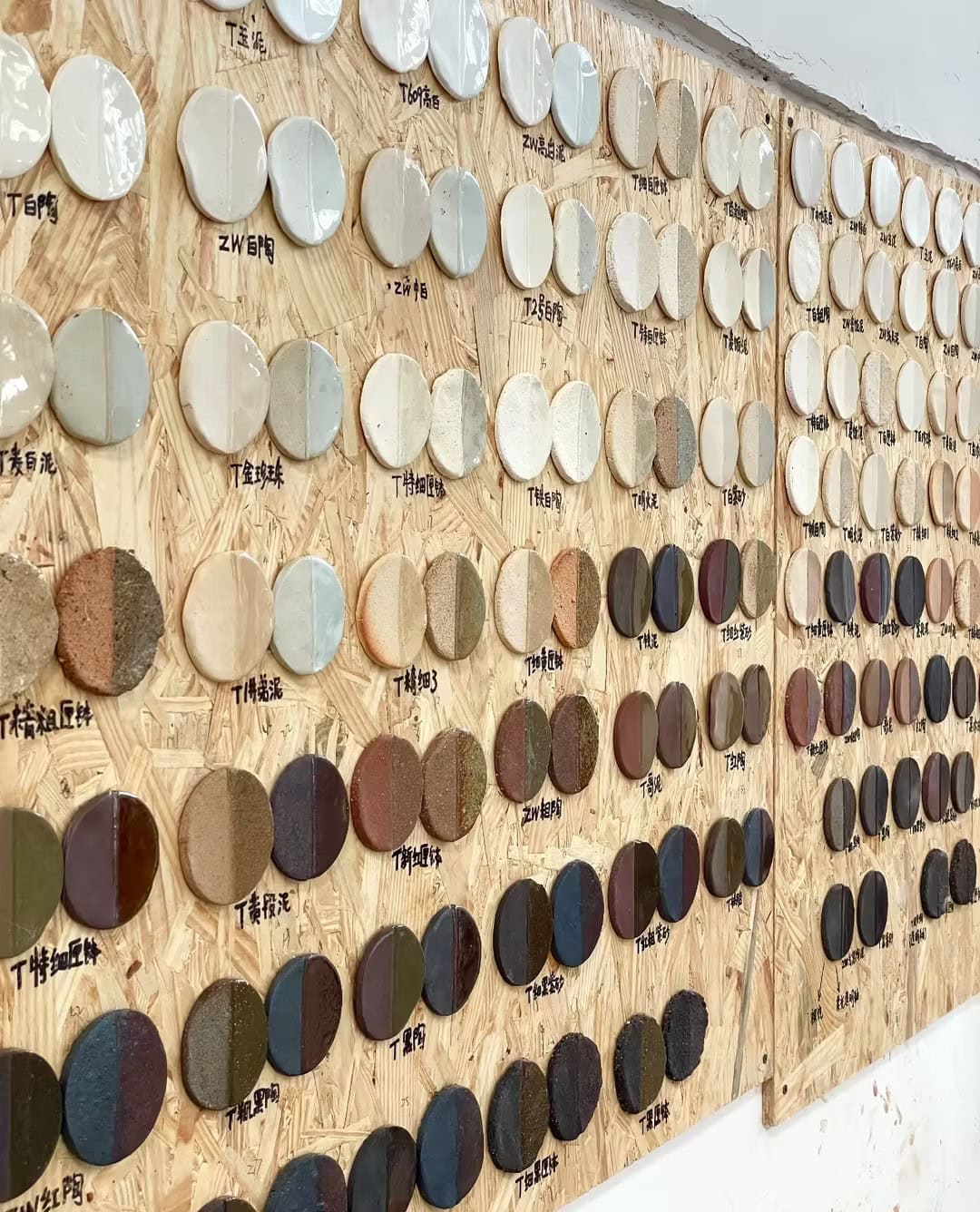
The clay forms the “framework” of the ceramic product, determining the basic texture, strength, water absorption rate and firing temperature of the tableware.
The glaze acts like the “skin” on the surface of the tableware, influencing the color, luster, touch, stain resistance and food contact safety of the product.
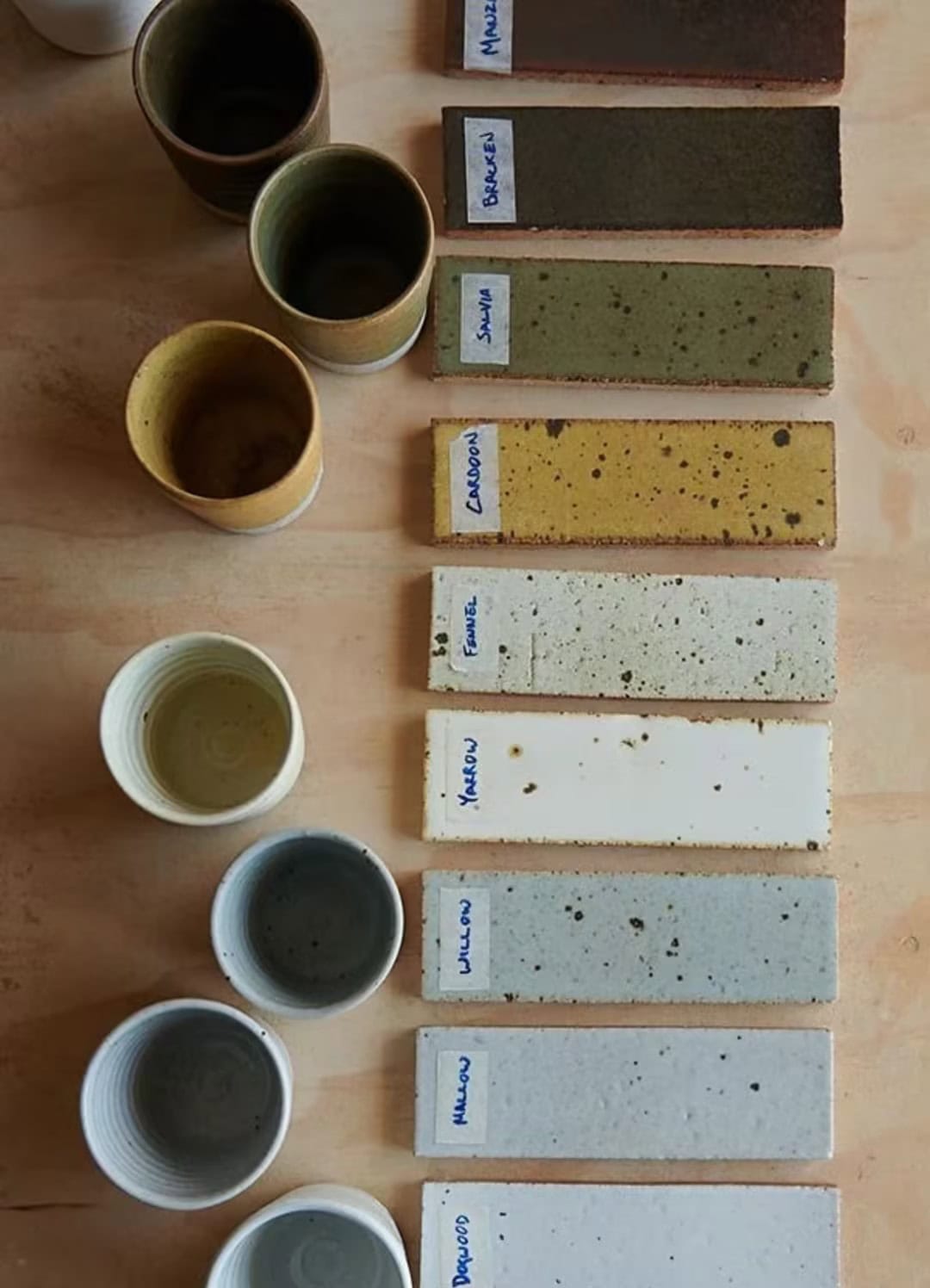
For tableware wholesalers, hotel supplies purchasers, catering brands and ceramic own brands, understanding the characteristics of different clay and glaze materials can help them select more suitable products based on product positioning, budget, usage environment and target market.
The three main types of clay materials
Earthware
- Firing temperature: Approximately 1,000–1,200°C (1,832–2,192°F)
- Key characteristics: Moderately porous, with a rustic texture and a duller sound when tapped
- Style: Natural, earthy, and handcrafted—ideal for farmhouse, vintage, and wabi-sabi aesthetics
- Important note: Unglazed areas may absorb moisture, oils, and odors. Consider the extent of the glazed surface and follow the recommended cleaning instructions.
Stoneware
- Firing temperature: Relatively high, generally between the firing ranges of earthenware and porcelain
- Key characteristics: Dense body, low water absorption, high mechanical strength, and excellent durability
- Common applications: Casserole dishes, Western-style dinner plates, coffee mugs, and other everyday tableware
- Important note: Standard stoneware is not necessarily heat-resistant cookware. Oven and open-flame suitability must be confirmed through product-specific testing.
Porcelain
- Firing temperature: Approximately 1,200–1,400°C (2,192–2,552°F)
- Key characteristics: White, smooth, fine-textured, and highly vitrified, with extremely low water absorption and a clear, ringing sound when tapped
- Suitable applications: Household dining, hotels, restaurants, airline catering, and the giftware market
Basic Functions and Process-Based Classification of Ceramic Glazes
A ceramic glaze is a thin, glass-like coating applied to the surface of a ceramic body. During high-temperature firing, the glaze bonds tightly with the body.
Its primary functions include reducing water absorption, preventing oils and food residue from penetrating the ceramic body, improving resistance to acids, alkalis, and other chemicals, and creating a smoother surface that is easier to clean. Glazes can also produce a wide range of colors, finishes, and textures, making them a key factor in the safety, durability, and overall appearance of ceramic tableware.
Classification by Decoration Technique
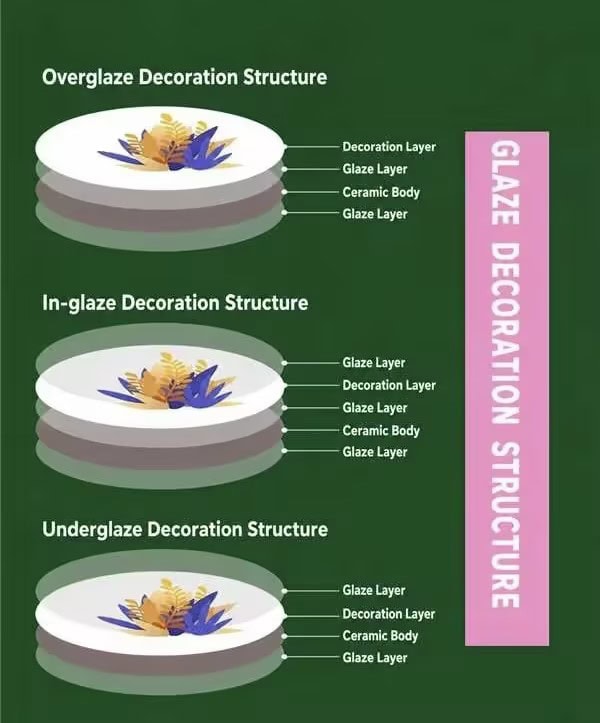
Underglaze decoration:
The design is applied directly to the ceramic body,and then a transparent glaze is applied, and then fired at a high temperature. Because the design is sealed beneath the glaze, the finished surface is smooth and glossy. Underglaze decoration is generally considered one of the safest and most durable options for everyday tableware, as the design resists wear and the glaze helps minimize the risk of heavy-metal leaching.
In-glaze decoration:
The ceramic body is glazed first and then decorated. During high-temperature firing, the pigments fuse into the glaze layer. The finished surface is smooth, and the design offers excellent wear resistance. In-glaze decoration is generally considered very safe, but buyers should confirm that the product was produced using a genuine high-temperature firing process.
Overglaze decoration:
The design is applied to an already-fired glazed surface and then fired again at a lower temperature. Because the decoration remains on top of the glaze, it may have a slightly raised texture. Overglaze decoration may present a greater risk of lead or cadmium leaching if noncompliant materials or improper firing processes are used. Products intended for contact with acidic foods, such as vinegar or fruit juice, should be selected carefully, and buyers should always request valid third-party test reports.
Common Glaze Surface Finishes
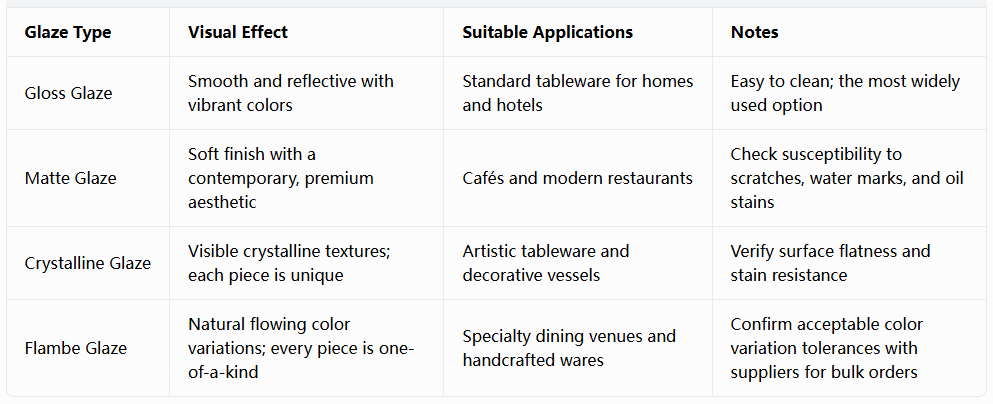
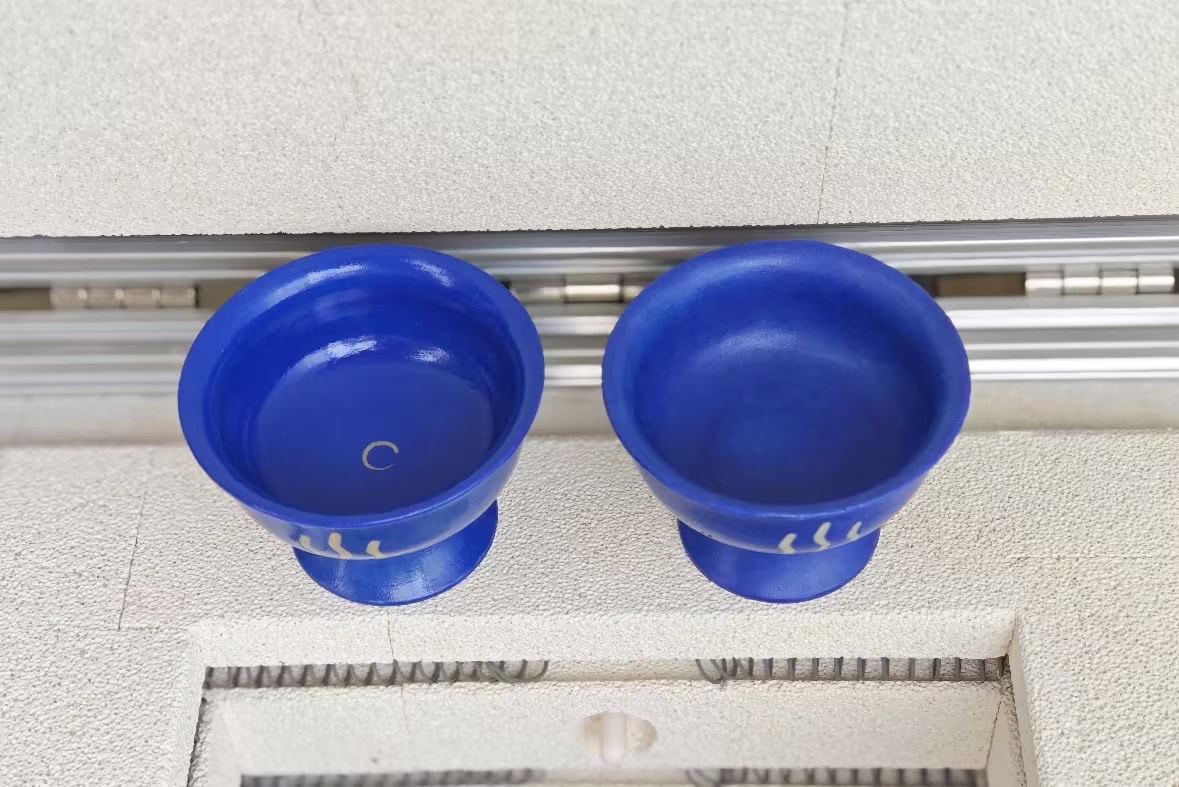
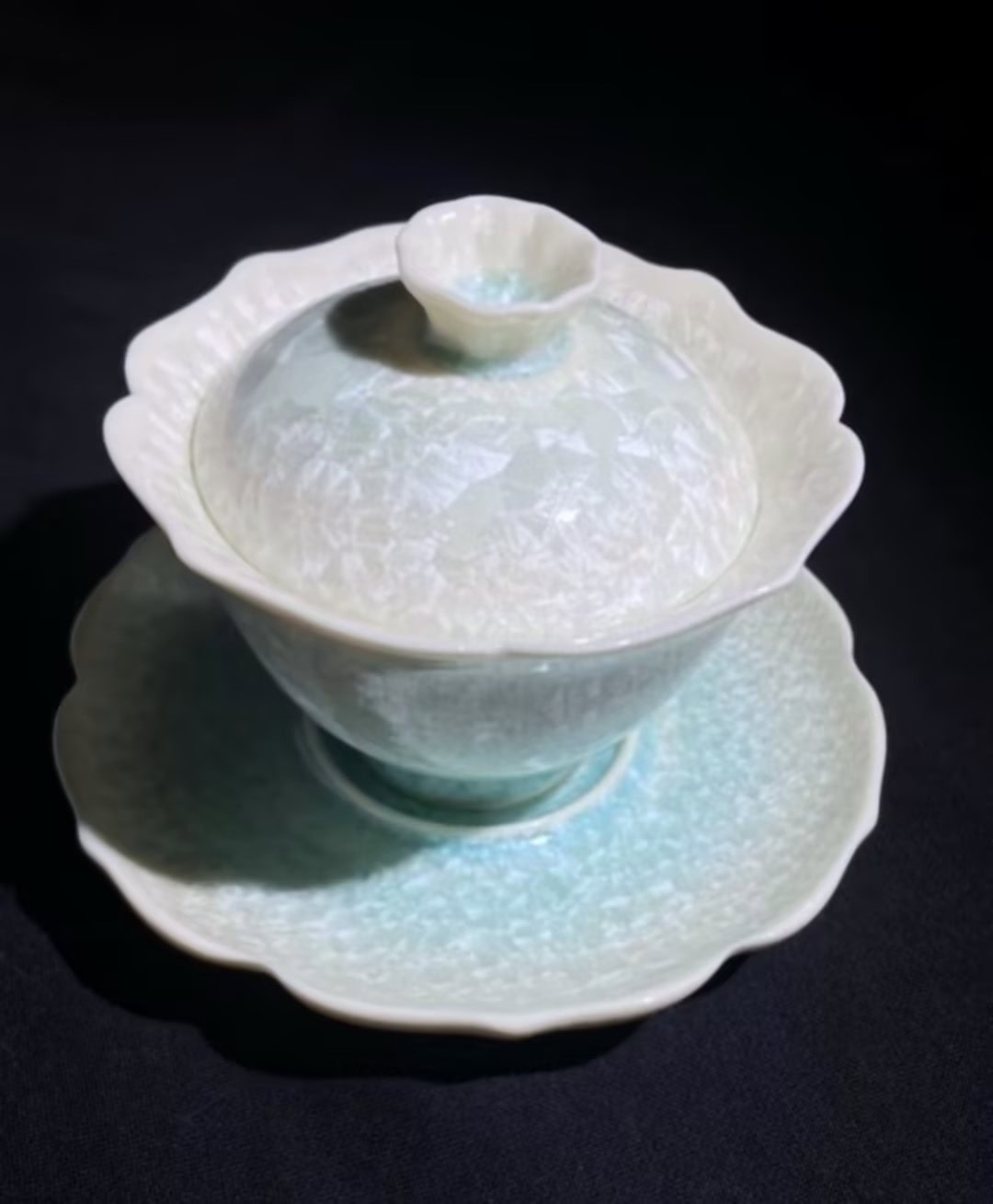
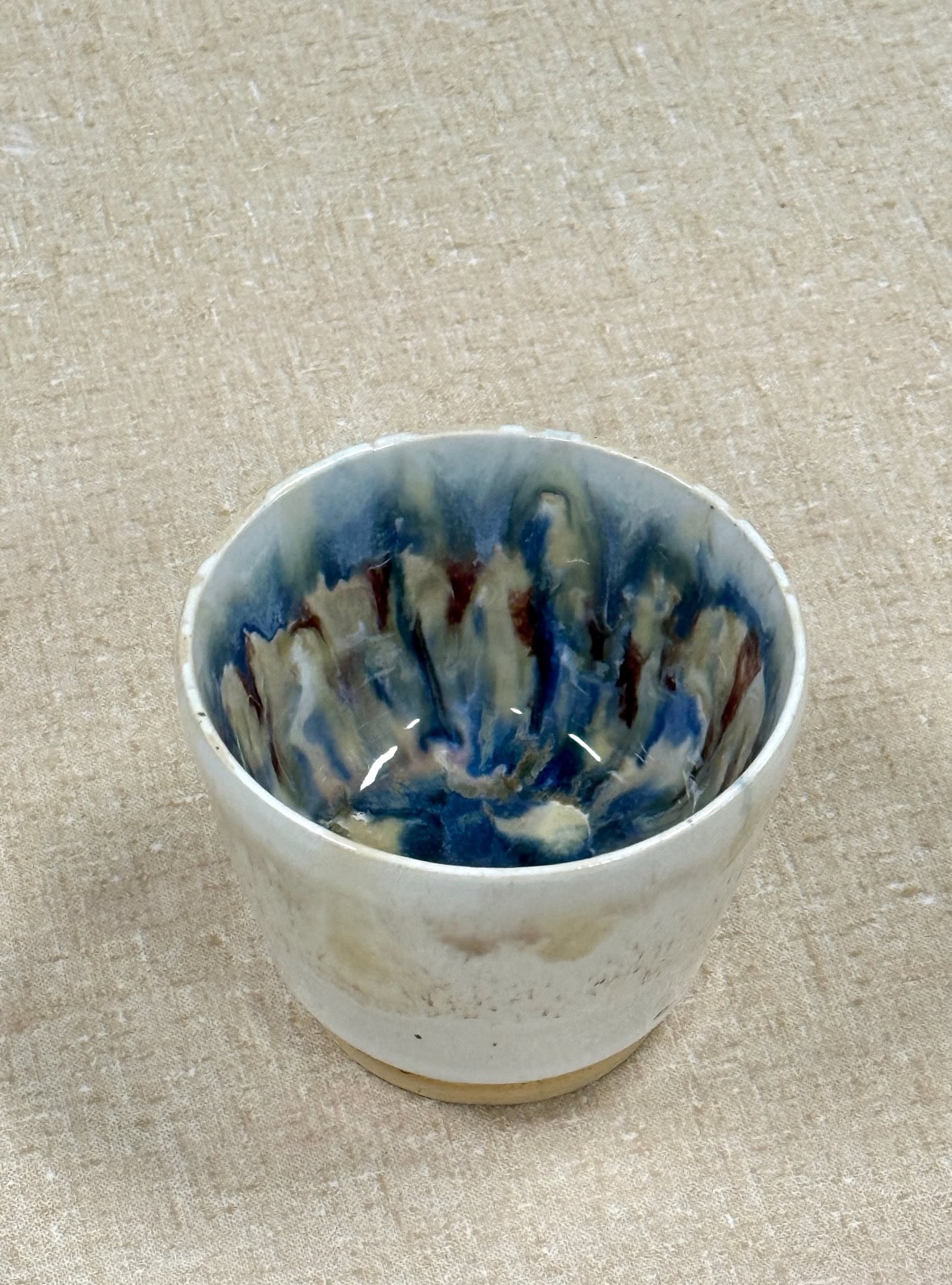
The clay body determines the fundamental structure and performance of ceramic tableware, while the glaze provides color, shine, texture, and surface protection.
Earthenware offers a natural, rustic appearance and is ideal for products that emphasize handcrafted character and distinctive style. Stoneware is strong, substantial, and well suited for cafés and foodservice settings. Porcelain is smooth, fine, and highly vitrified, making it an excellent choice for homes, hotels, giftware, and custom-branded tableware.
Regardless of the clay body or glaze selected, food-contact tableware should be evaluated based on compliant raw materials, consistent manufacturing processes, and finished-product test results.
Magic Cube is located in Jingdezhen, China. Based on the positioning and requirements of different markets, we provide tableware selection, product development, and customization services for tableware wholesalers, hospitality suppliers, foodservice businesses, and brand customers.
If you are sourcing ceramic plates, bowls, mugs, tea sets, or custom dinnerware sets, please share your target market, order quantity, intended application, design requirements, and budget range. We will help you select the most suitable clay body, glaze, and manufacturing process for your project.