Cobalt Element: The Secret Behind Blue and White Porcelain’s Eternal Beauty
News 2026-07-15 51
Cobalt Element: The Secret Behind Blue and White Porcelain’s Eternal Beauty
Among all ceramic coloring elements, cobalt is the most classic and iconic blue pigment. It creates noble and elegant sacrificial blue glaze and decorates splendid Tang Sancai pottery. However, cobalt’s greatest masterpiece in ceramic history is not these famous glazes, but blue and white porcelain that prospered across the Yuan, Ming and Qing dynasties and conquered the world. Simply put, without cobalt, there would be no world-famous blue-and-white porcelain.
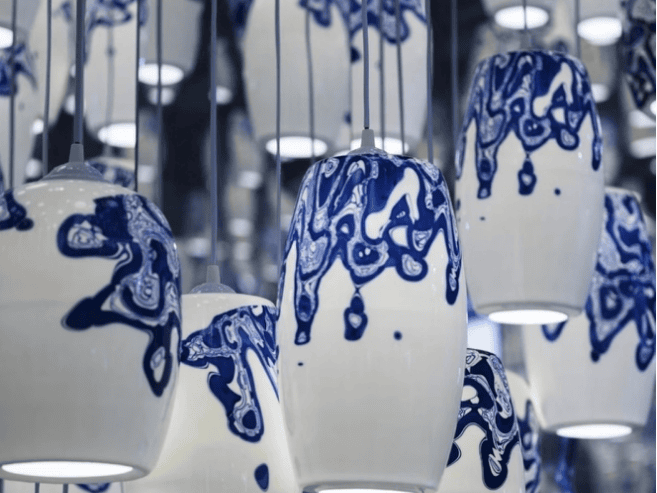
Where Does the Blue of Blue and White Porcelain Come From
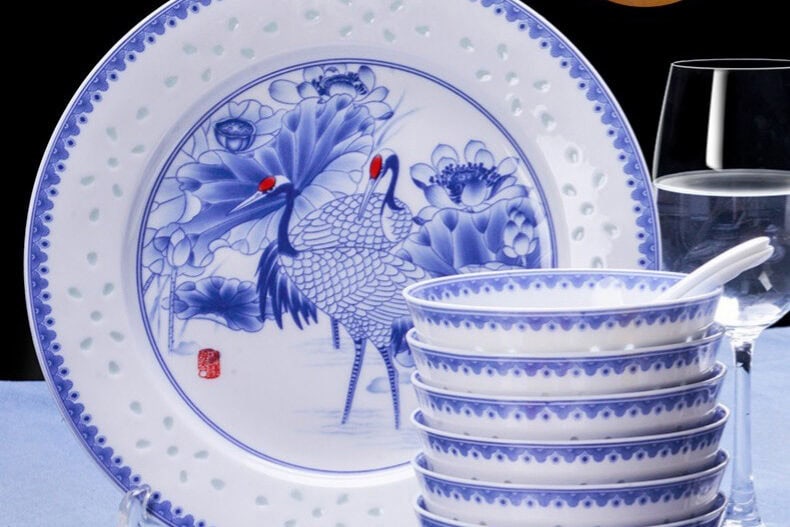
The pure and translucent blue of blue and white porcelain does not come from the glaze itself, but from a traditional mineral pigment called cobalt material. Craftsmen paint patterns on ceramic blanks, cover the surface with transparent glaze, and fire the wares at high temperature to obtain calm, mild and layered blue tones. Modern ceramic science confirms that the core coloring component of traditional blue pigment is cobalt. Therefore, the unique blue color of blue and white porcelain entirely depends on the high-temperature color reaction of cobalt elements.
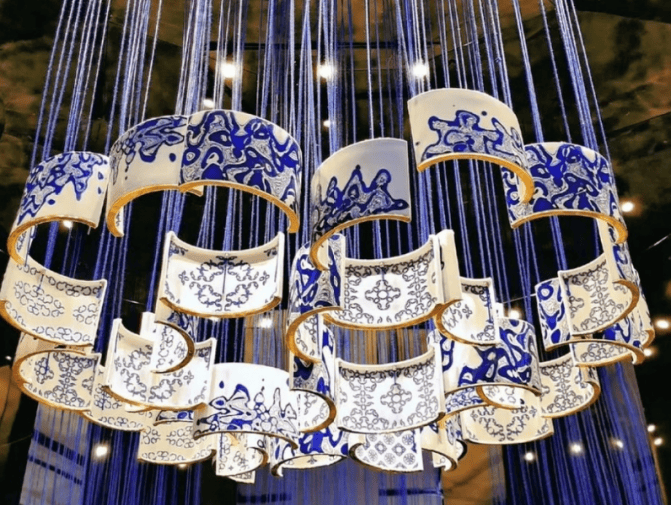
History of Cobalt Usage in Chinese Ceramics
Cobalt pigment is refined from natural cobalt ore. People once believed that blue and white porcelain originated in the Yuan Dynasty. However, excavated Tang and Song blue-and-white relics prove that ancient craftsmen already used cobalt underglaze painting as early as the Tang and Song dynasties. Nevertheless, the maturity, mass production and artistic prosperity of blue and white porcelain officially began in the Yuan Dynasty. Through the Yuan, Ming and Qing dynasties, underglaze blue techniques were continuously optimized, forming a complete and diverse aesthetic system with unique styles in each dynasty.
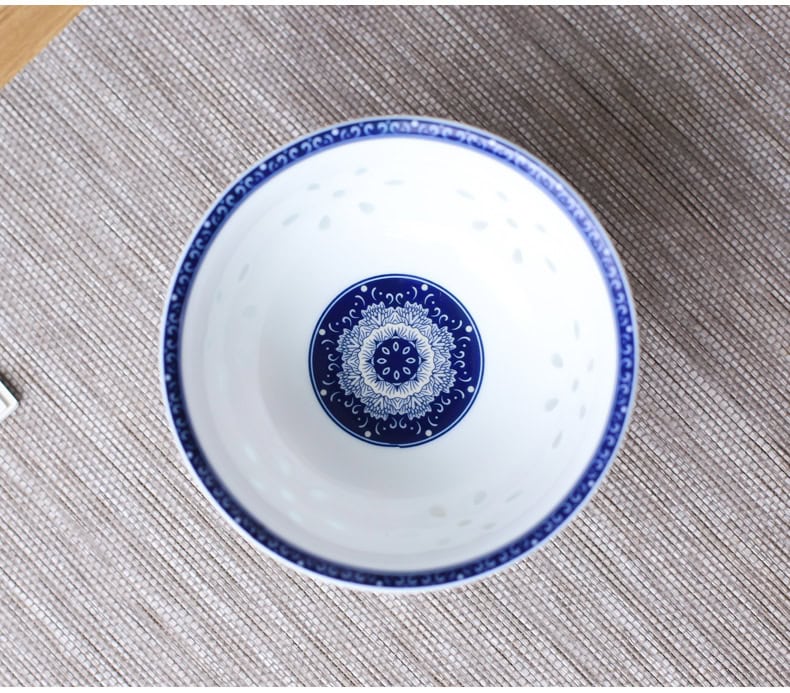
Two Major Sources of Yuan Dynasty Cobalt Pigment
According to unearthed artifacts, handed-down porcelains and authoritative records such as History of Chinese Ceramics, Yuan Dynasty cobalt pigments were divided into imported cobalt and domestic cobalt, and mixed usage was common. China is rich in native cobalt ore resources in Yunnan, Zhejiang and Jiangxi provinces. Abundant local mineral resources supported the rapid development of famous blue-and-white kilns including Yuxi Kiln, Jiangshan Kiln and Jingdezhen Kiln.
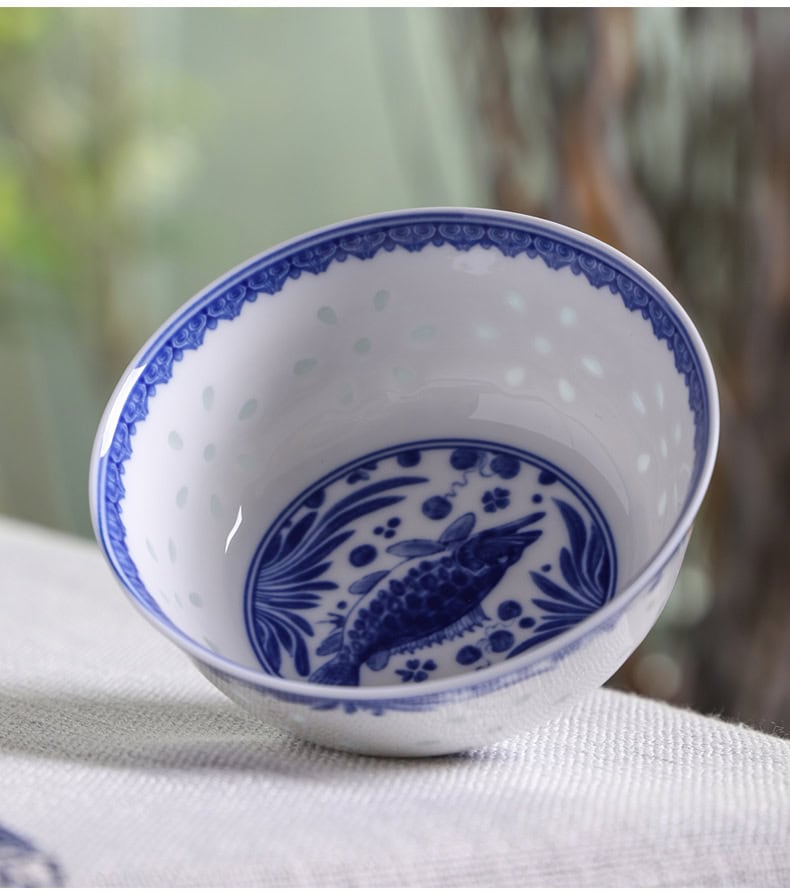
Unique Texture of Yuan Blue and White Porcelain Caused by Natural Cobalt
Yuan Dynasty craftsmen used purely natural cobalt mineral pigments containing many iron and manganese impurities. Due to limited ancient grinding technology, pigment particles were relatively coarse. During hand painting and high-temperature firing, pigment accumulation naturally formed irregular cobalt condensation spots. These spots have strong penetration, sinking into the clay body, blending into the glaze, and even slightly protruding on the glaze surface.
Meanwhile, iron impurities in natural cobalt oxidize at high temperature and form natural rust spots on the glaze. Condensation spots, rust traces and natural blue diffusion textures constitute the most recognizable characteristics of ancient Yuan and Ming blue and white porcelain. These magical chemical changes under kiln fire create an antique charm that modern synthetic pigments cannot replicate.
Conclusion
Cobalt is the soul color of Chinese blue and white ceramics. From the early tentative exploration in the Tang and Song dynasties, when craftsmen strove to master its unstable firing characteristics, to the magnificent mature style of the Yuan Dynasty, and the rich, diverse aesthetics evolving across the Ming and Qing dynasties, cobalt’s unique high-temperature coloring ability has created the most classic and timeless blue in Chinese art. Different sources of cobalt ore produce blues ranging from deep sapphire to soft greyish blue, leaving distinctive marks on porcelain of different eras. Such delicate colour changes record the progress of ancient craftsmanship and the taste of different times. Understanding cobalt is the key to understanding the eternal beauty of blue and white porcelain.