Introduction
Jingdezhen Ceramic Jar
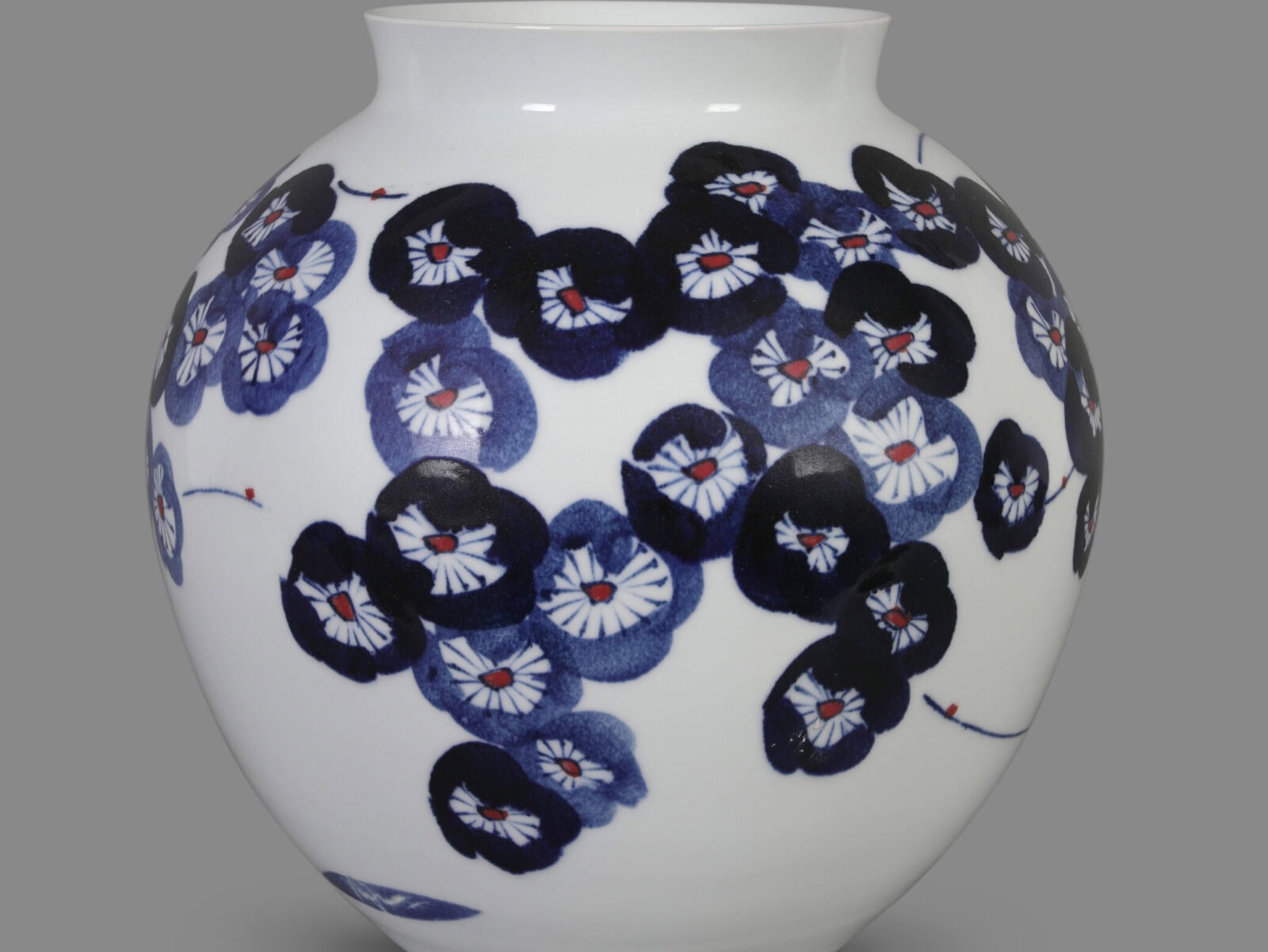
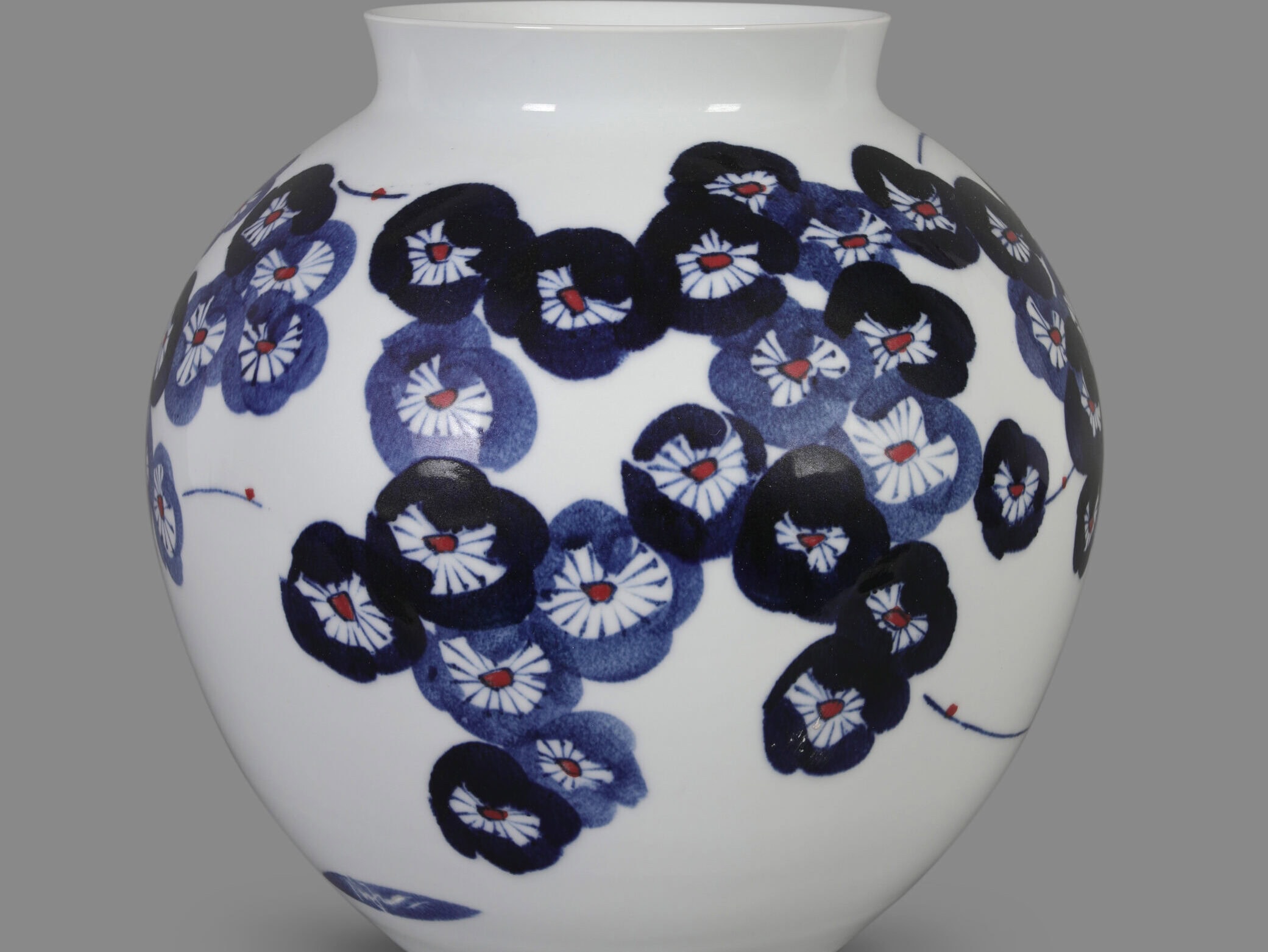
This artwork introduces a newly developed rounded, spherical Ceramic Jar with a balanced and approachable profile. It features a slightly flared, short, straight rim and a compact neck that flows smoothly into a full, rounded body. The jar reaches its greatest width at the center before tapering gently toward a stable base. This careful transition gives the Ceramic Jar a substantial presence without making it look heavy. Its silhouette feels soft, calm, and full of subtle visual tension. Unlike traditional porcelain jars with rigid proportions and bulky forms, this design uses uninterrupted curves to create a lighter, more contemporary appearance.
The smooth surface of the Ceramic Jar also provides generous space for expressive hand painting. Rather than dividing the body into decorative borders or crowded panels, the design treats the entire porcelain surface as an open canvas. The rounded form allows the painted composition to flow naturally around the vessel, encouraging viewers to appreciate it from multiple angles. As the Ceramic Jar is turned, new details gradually appear, creating a continuous visual experience rather than a single fixed front view.
The painting centers on clusters of blooming poppies arranged in a free, encircling composition. The flowers extend naturally along one side of the Ceramic Jar, with dense and open areas carefully balanced across the curved surface. Some blossoms overlap, while others are separated by untouched white porcelain, creating rhythm and depth. The composition does not rely on strict symmetry. Instead, it achieves balance through the relationship between painted forms and negative space. The full poppies represent prosperity, beauty, and vibrant vitality, bringing poetic and auspicious meaning to this contemporary ceramic artwork.
Complex branches and heavy foliage have been intentionally removed. The flowers are simplified into modern, almost circular forms that retain the spirit of traditional Chinese freehand painting. Broad cobalt-blue washes define the petals, while areas of exposed white porcelain create the stamens and highlights. Small red dots are added at the center of each blossom, introducing a restrained but lively contrast. This limited color palette gives the Ceramic Jar a clean, recognizable identity while preventing the decoration from becoming overly elaborate.
Inspired by contemporary Chinese freehand flower-and-bird painting, the artist treats porcelain as paper and cobalt pigment as ink. During painting, the concentration of cobalt and the amount of water are carefully controlled to create light, medium, and deep blue tones. After glazing and high-temperature firing, the pigment develops soft edges and natural variations similar to traditional ink-wash painting. These subtle changes give the Ceramic Jar a sense of movement and ensure that the floral design remains visually expressive rather than mechanically uniform.
Large areas of undecorated white porcelain are essential to the overall design. In traditional Chinese aesthetics, blank space is not considered empty; it allows the composition to breathe and encourages the viewer’s imagination. On this Ceramic Jar, the open white surface balances the concentrated blue floral clusters and emphasizes the purity of the porcelain body. The result is refined, calm, and easy to integrate into neo-Chinese, minimalist, contemporary, and light-luxury interiors.
Rooted in Jingdezhen’s long tradition of underglaze-blue craftsmanship, the work moves away from the crowded decorative formulas often seen on traditional floral porcelain. It reinterprets an auspicious flower theme through modern abstraction and expressive brushwork. The layered blue tones depend on the interaction between cobalt pigment, glaze, kiln temperature, and firing atmosphere. Because these elements naturally vary during production, every Ceramic Jar develops slightly different blue washes, transitions, and painted textures. These variations are part of the handmade character of the work rather than manufacturing defects.
The full spherical shape also avoids the heavy antique appearance of many conventional storage jars. Its softened proportions respond to modern preferences for clean lines, rounded furniture, and comfortable living spaces. From a distance, the Ceramic Jar creates a simple and calming silhouette. Viewed up close, the brushwork, cobalt diffusion, red details, and glossy glaze reveal greater depth. This combination allows the piece to remain visually quiet while still offering enough detail to reward careful observation.
As a contemporary art ceramic, the Ceramic Jar is suitable for desktops, display cabinets, tea rooms, studies, living rooms, hotel lounges, neo-Chinese entryways, and boutique commercial spaces. It can be displayed alone as a focal point or paired with books, wooden furniture, flowers, tea ware, or other blue-and-white porcelain. Its rounded form works especially well on consoles, sideboards, shelving units, and reception counters, where it adds cultural character without making the space feel formal or crowded.
The Ceramic Jar offers both decorative and collectible value. It combines traditional high-temperature underglaze painting, the poetic atmosphere of Chinese ink art, and contemporary ceramic design. Its restrained palette avoids the visual excess sometimes associated with multicolored porcelain, while the small red accents add warmth and vitality. By bringing together craftsmanship, painting, form, and interior functionality, this Ceramic Jar represents a refined approach to modern Jingdezhen art porcelain—one that respects tradition while remaining relevant to contemporary lifestyles and international interior design.